Photo credit: Gunblastdotcom/YouTube
Some pistols earn trust the slow way. They run through cheap practice ammo, defensive loads, dusty range days, bad magazines, sweaty carry, and all the little mistakes normal owners make. Others build a reputation for needing too many excuses. Maybe the design was weak, the magazines were unreliable, the production quality bounced around, or the gun only behaved when everything was perfect.
That does not mean every single pistol listed here is guaranteed to fail. There are always owners who got a good one, kept it clean, found the right ammo, and never had trouble. But when a handgun has enough patterns around feeding, extraction, durability, or quality control, it stops being easy to recommend as something you bet your life on.
Remington R51

The Remington R51 was supposed to bring back an interesting old design in a modern carry pistol, but the launch went rough fast. Early guns developed a reputation for feeding problems, poor assembly, rough function, and reliability issues that were hard to ignore.
Remington tried to fix the pistol later, and some owners reported better results with replacement guns. Still, the damage was done. A defensive pistol does not get much room for “maybe this one is okay.” The R51 became the kind of handgun buyers handled with suspicion, because too many early examples made trust feel like wishful thinking instead of confidence.
Taurus Spectrum

The Taurus Spectrum looked like it might be a slick little pocket pistol, but the real-world reputation never matched the idea. Delays, uneven reports, light strikes, feeding trouble, and general inconsistency made it hard for shooters to take seriously.
Tiny .380 pistols already ask a lot from small parts, stiff springs, and short slides. When one also develops a reputation for being picky or inconsistent, confidence fades quickly. The Spectrum may have worked for some owners, but it never became the kind of pocket gun people trusted without a lot of testing. For a carry pistol, that is a serious problem.
Kimber Solo

The Kimber Solo had the looks and brand appeal to get attention, but many shooters found out fast that it could be extremely ammo-sensitive. Kimber was clear that the pistol was intended around certain premium defensive loads, but that is not how many people expect a carry pistol to behave.
A defensive handgun should not feel like it needs a perfect menu to run properly. The Solo’s small size, sharp recoil impulse, and reports of failures made it hard to trust for everyday carry. Some owners liked theirs, but enough struggled that the pistol became a cautionary tale about confusing good looks with dependable function.
Sig Sauer Mosquito
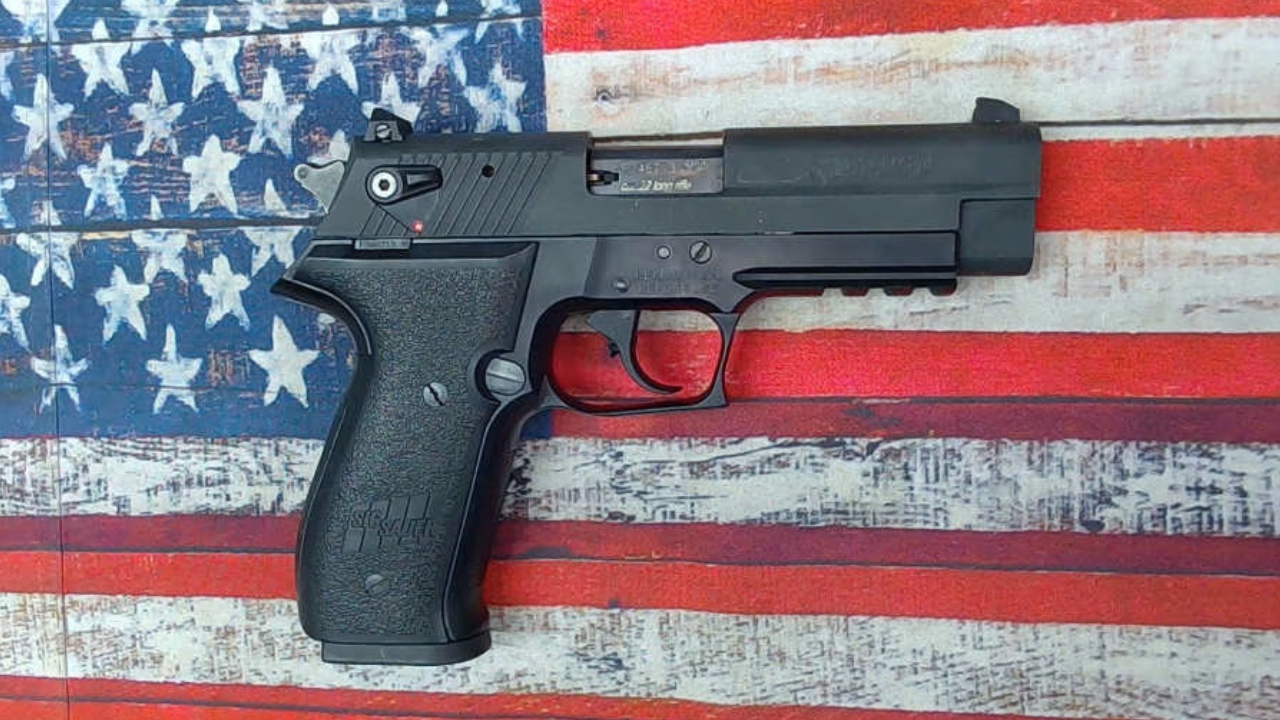
The Sig Sauer Mosquito frustrated a lot of shooters because it wore a respected name but often acted like a picky rimfire that needed constant attention. Light strikes, feeding issues, and ammunition sensitivity followed the pistol for years.
Rimfire pistols can be fussy by nature, but the Mosquito’s reputation went beyond normal .22 LR quirks. Many owners found themselves chasing the right ammo, spring setup, or cleaning routine just to keep it running. That might be tolerable for a casual range toy, but it is still annoying. When a pistol turns every range trip into troubleshooting, trust disappears pretty quickly.
Walther P22
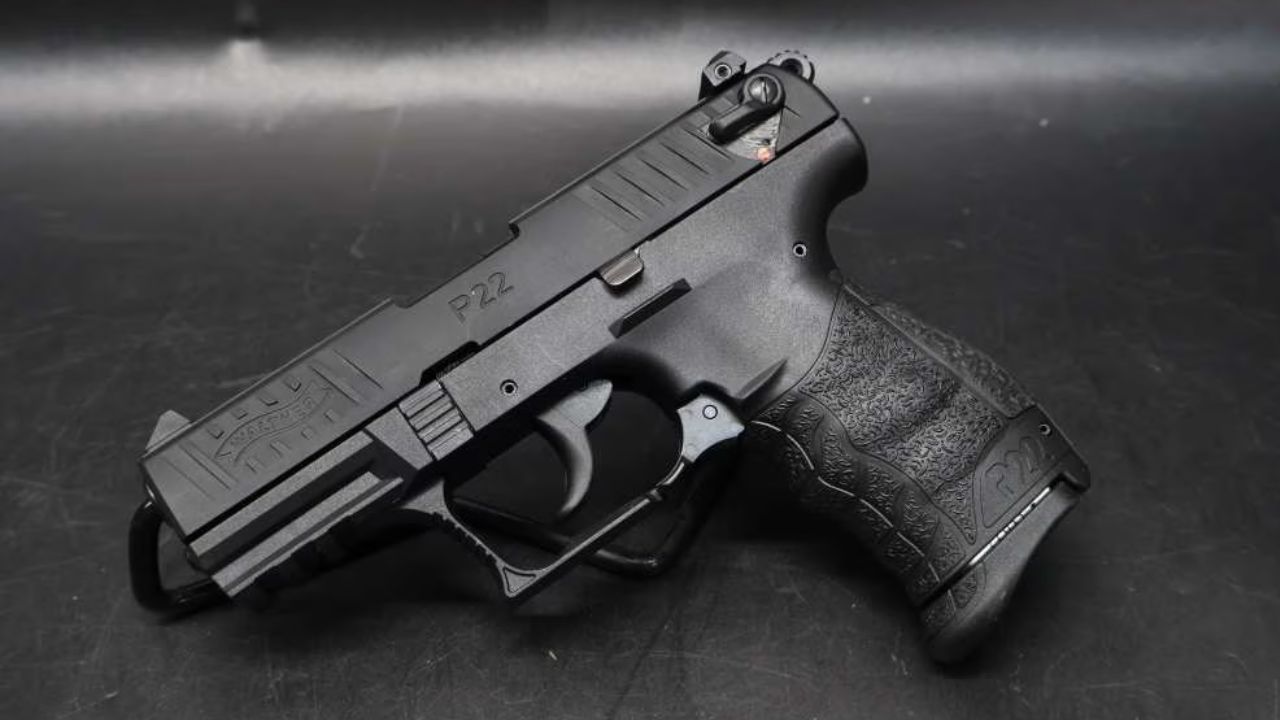
The Walther P22 has plenty of fans, but it also has enough long-term complaints that it belongs in this conversation. Early examples especially were known for ammo sensitivity, slide wear concerns, and small parts issues that made serious shooters cautious.
As a light recreational .22, the P22 can be fun when it is running. The problem is that many owners wanted it to behave like a durable training pistol, and it did not always live up to that. Rimfire handguns need some forgiveness, but trust still matters. If a pistol makes you wonder whether the next magazine will behave, it loses ground fast.
Colt All American 2000
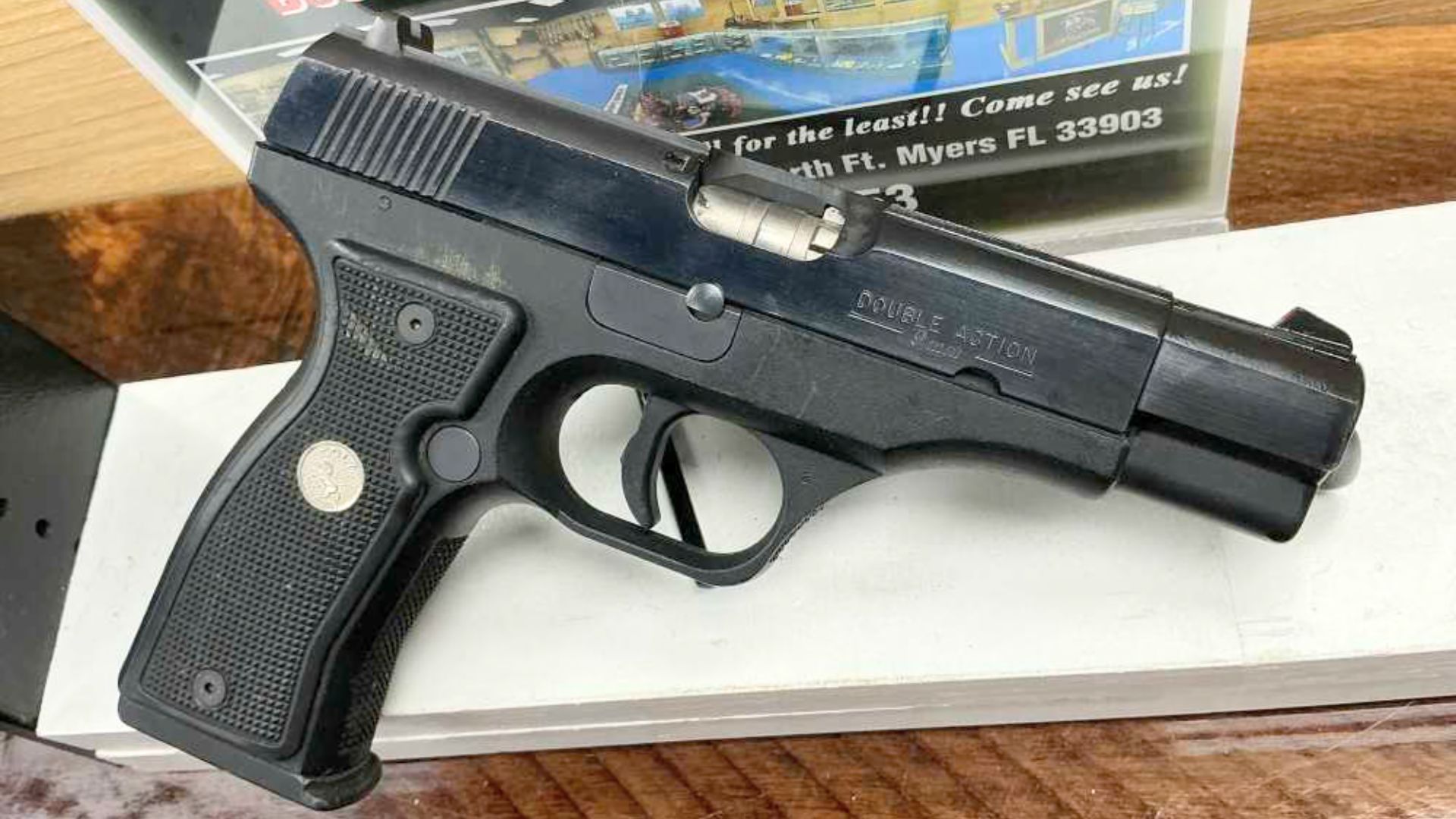
The Colt All American 2000 is one of those pistols that sounds better in theory than it felt in practice. It came from Colt, had a modern polymer-frame idea for its time, and should have been a serious step forward. Instead, it became known for an awkward trigger, uneven accuracy, and a short, disappointing run.
The biggest issue was confidence. Shooters did not warm up to it, and the pistol never built the kind of record that makes people trust a defensive handgun. When a major brand launches a pistol and the market shrugs, there is usually a reason. The All American 2000 never gave buyers enough reason to believe.
Smith & Wesson Sigma

The Smith & Wesson Sigma was not always unreliable in the basic sense, but it earned a rough reputation because the trigger was heavy, unpleasant, and hard for many shooters to manage well. A pistol can feed and fire while still being difficult to trust in real use.
That matters more than people admit. If the trigger makes clean hits harder, the gun becomes a liability for average owners who do not train heavily. Later Smith & Wesson striker-fired pistols improved a lot, but the early Sigma years left a mark. It was affordable, but affordability does not help much when the pistol makes competent shooting harder than it needs to be.
AMT Backup

The AMT Backup had the kind of stainless pocket-pistol appeal that made sense on paper. Small, sturdy-looking, and easy to hide sounds good until the trigger, recoil, and reliability start testing your patience.
Many examples developed a reputation for heavy triggers, rough cycling, and being picky with ammunition. Pocket pistols already sit at the edge of shootability, so they cannot afford to be unpleasant and uncertain at the same time. Some owners got serviceable guns, but the Backup was never the kind of pistol most experienced carriers would recommend without warnings attached.
Jennings J-22

The Jennings J-22 is a classic example of a pistol people bought because it was cheap, not because it inspired confidence. Small rimfire pocket pistols are already limited, and the J-22 added a reputation for spotty reliability, cheap construction, and questionable durability.
It might function for casual plinking when clean and fed ammo it likes, but that is a low bar. As anything serious, it falls apart fast. The sights are crude, the controls are basic, and the pistol never feels like it was built for hard use. There are inexpensive guns worth trusting today. This old Saturday night special is not one of them.
Lorcin L380

The Lorcin L380 came from the same budget-pistol world where low price mattered more than long-term trust. These guns were often bought by people who needed something affordable, but cheap defensive pistols can become expensive mistakes when they do not run.
The L380 had the usual problems tied to that era of low-cost zinc-alloy handguns: rough fit, questionable durability, poor triggers, and reliability that could vary wildly from gun to gun. You might find one that fires a few magazines without complaint. That still does not make it a pistol worth trusting. Defensive handguns need a higher standard than “it worked last time.”
Jimenez JA-9

The Jimenez JA-9 carried forward the same basic bargain-gun reputation that made many shooters cautious right away. It was affordable, but affordability alone does not make a pistol dependable. Reports of feeding issues, rough triggers, and uneven quality have followed the design for years.
The problem with pistols like this is not that every one explodes or fails immediately. The problem is that the confidence ceiling is low. You start expecting problems before they happen, and that is the opposite of what you want from a handgun. If a pistol needs excuses before it earns trust, it probably has not earned the role.
Kahr CW380
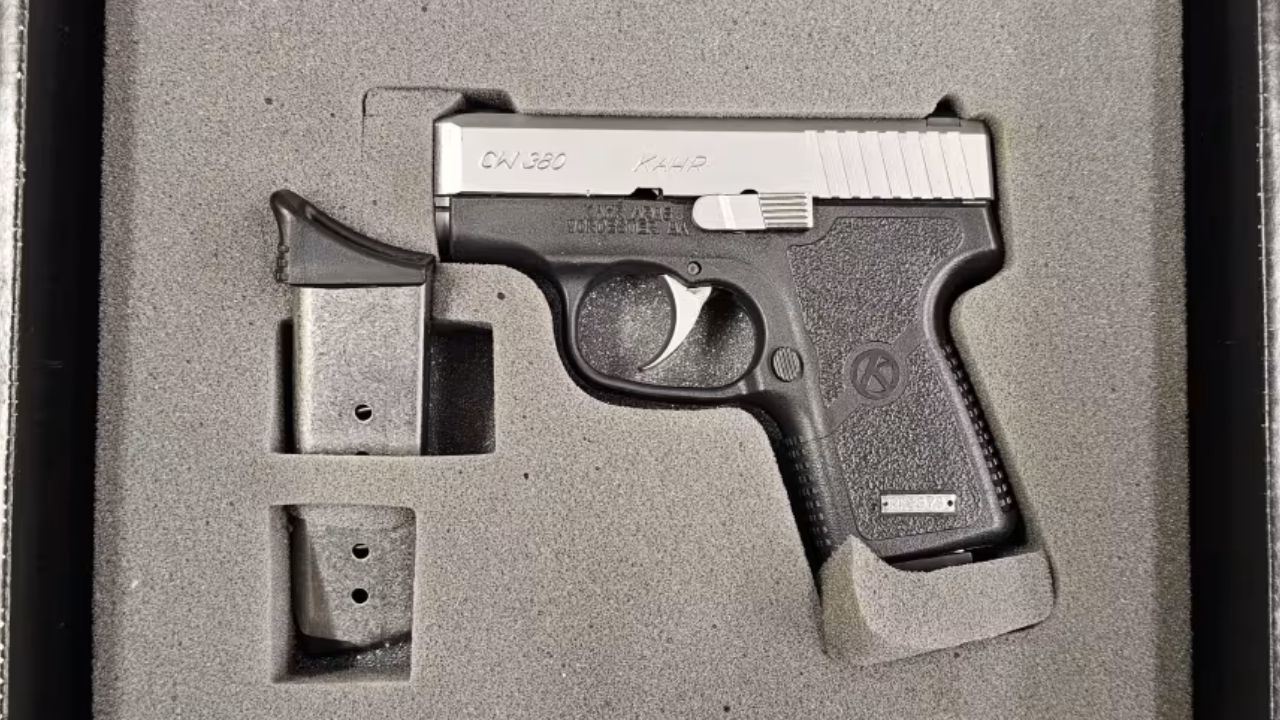
The Kahr CW380 can be easy to carry, but small size does not erase the complaints many shooters have had about break-in sensitivity, feeding problems, and ammo pickiness. Ultra-small .380 pistols often live in a narrow operating window, and this one can feel especially dependent on everything being right.
Some owners have reliable examples and carry them confidently after testing. That matters. But as a broad recommendation, the CW380 is hard to trust without a long proving period. A pocket gun has to work from a bad grip, awkward draw, and less-than-perfect conditions. If it needs ideal handling to behave, that is a concern.
SCCY CPX-2

The SCCY CPX-2 became popular partly because it offered an affordable 9mm carry pistol, but its reputation has always been mixed. Some owners report good results. Others run into feeding issues, broken parts, walking pins, stiff controls, or a trigger that makes accurate shooting harder.
The long double-action trigger is not automatically bad, but it takes work. Combine that with uneven user reports, and the CPX-2 becomes hard to recommend for serious carry unless a specific gun has been tested heavily. There are too many stronger budget pistols now. Cheap is less impressive when better options exist.
Diamondback DB9

The Diamondback DB9 was appealing because it promised 9mm power in an extremely small package. That is also why it could be hard to trust. Tiny 9mm pistols are tough to engineer well because recoil, slide speed, magazine geometry, and grip pressure all matter more.
Early DB9 pistols developed a reputation for sharp recoil, parts breakage concerns, and reliability that could be sensitive to ammunition and shooter grip. Later versions improved, but the original reputation stayed with the name. When a pistol is that small and that snappy, it has to prove itself harder than most. Many buyers never got comfortable enough to trust it.
Para-Ordnance Warthog

The Para-Ordnance Warthog tried to squeeze a double-stack 1911-style pistol into a very compact defensive package. That idea sounds attractive, but tiny 1911-pattern pistols can be tricky, and the Warthog had plenty of shooters questioning its reliability.
Short slides, steep feeding angles, heavy recoil springs, and magazine sensitivity can make compact 1911 variants more demanding than buyers expect. The Warthog also carried the extra complexity of a wide-body setup. Some owners got theirs running well, but many learned that small 1911s are rarely as forgiving as full-size guns. For carry, that kind of uncertainty is hard to accept.
Like The Avid Outdoorsman’s content? Be sure to follow us.
Here’s more from us: