Photo credit: Tom Tietz/ShutterStock.com
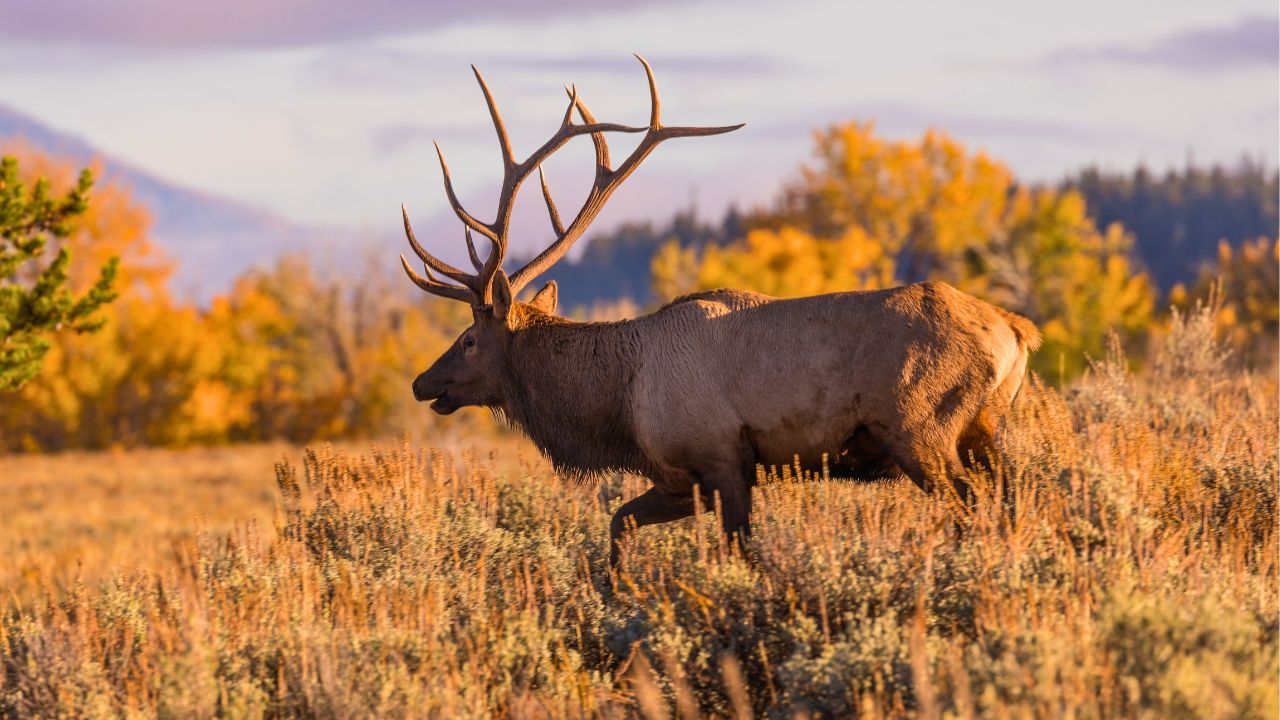
When you chase elk, you learn quickly that not every cartridge is up to the job. Elk aren’t deer— they’re heavy-boned, muscle-packed animals that can absorb punishment and still keep moving. If you’re undergunned, you risk long tracking jobs and, worse, losing the animal. Plenty of hunters bring rounds better suited for whitetail or pronghorn, thinking shot placement will cover the gap. The truth is, marginal cartridges often don’t give you the penetration or energy needed when the shot isn’t perfect. Below are the rounds that have proven time and again to wound more elk than they drop, and if you’re serious about putting one down quickly, these are the choices you should avoid.
.243 Winchester
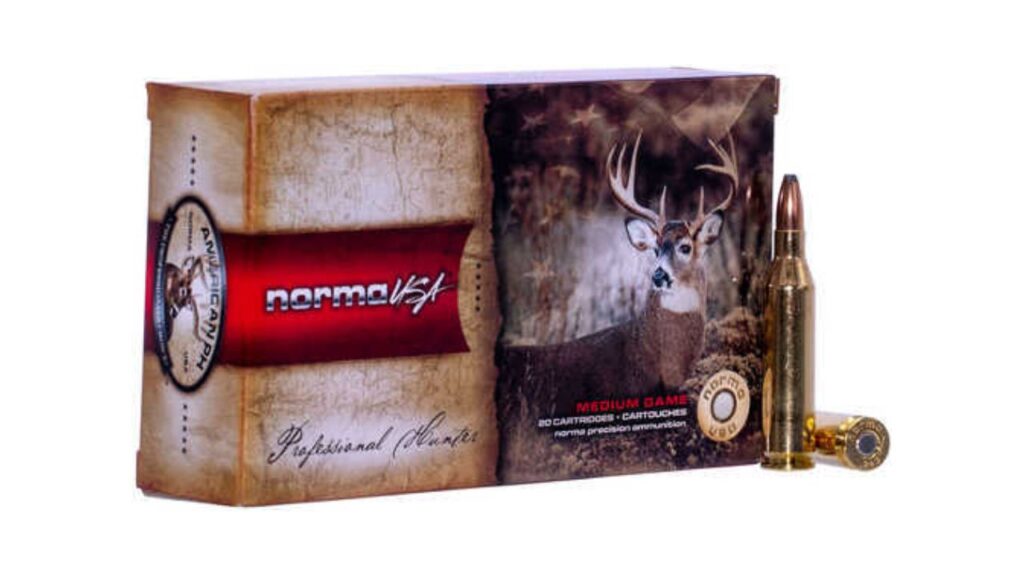
The .243 Winchester is a deer hunter’s favorite, but it’s not an elk round. While it offers flat trajectory and low recoil, it simply doesn’t carry enough bullet weight or energy to reliably penetrate elk-sized animals. With light projectiles, you’re looking at expansion without deep penetration, which often means superficial damage.
Yes, with a perfect broadside lung shot at close range, it can kill an elk. But elk don’t always present picture-perfect angles. If your shot drifts into the shoulder, the .243 tends to fragment and stop short, leaving a wounded bull to walk off. Hunters sometimes argue it’s all about placement, and while that’s true to a point, elk hunting demands more margin for error. When an animal this big is on the line, the .243 leaves far too much risk.
.25-06 Remington
The .25-06 Remington is a capable cartridge for deer and antelope, but it struggles on elk. Its flat trajectory is appealing, and recoil is mild, but bullet weight again becomes the limiting factor. Even with controlled-expansion bullets, most projectiles in this caliber are too light to punch through bone and dense muscle.
Elk require penetration, especially when shots don’t land perfectly in the lungs. The .25-06 often produces quick kills on lighter game but becomes unreliable against elk-sized bodies. You’ll see bullets that expand too rapidly and fail to reach vital organs when hitting shoulder or quartering shots. While there are always stories of elk being taken cleanly with it, those are exceptions, not the rule. If you’re serious about elk, you’re better served with something heavier that can drive through.
.257 Weatherby Magnum
The .257 Weatherby Magnum is admired for its speed, but velocity doesn’t always equal effectiveness on elk. With lightweight bullets moving at blistering speeds, it tends to expand explosively on impact. That makes it deadly on pronghorn or mule deer but less than ideal for elk. Penetration is often shallow, and energy is wasted in early expansion.
If you happen to place a shot behind the shoulder in soft tissue, it can certainly drop an elk. The trouble comes when shots aren’t perfect, and the bullet hits shoulder bone or angles into heavy muscle. At that point, the round often lacks the sectional density to make it through. Elk have a reputation for soaking up bad hits, and the .257 Weatherby leaves too much chance of that happening. For a cartridge with magnum in its name, it underdelivers against animals this tough.
6mm Creedmoor
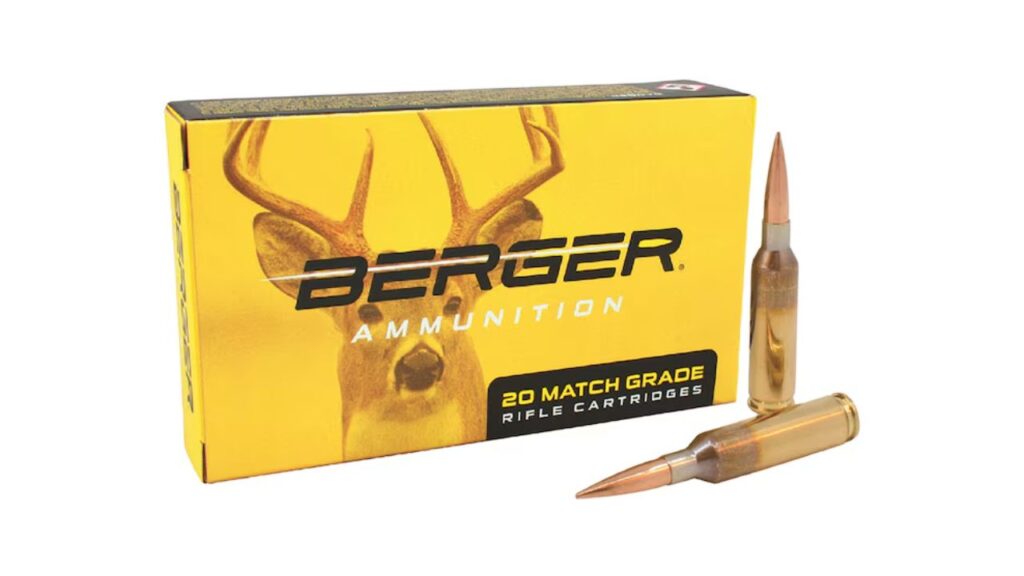
The 6mm Creedmoor is an accurate cartridge designed more for target work and lighter game. With bullets in the 95- to 108-grain range, it simply doesn’t have the weight or momentum needed for consistent elk penetration. Sure, it’s accurate, but accuracy alone won’t anchor elk if the bullet can’t drive deep enough.
At closer ranges with perfect shot placement, you might get a clean kill. But most elk hunts involve unpredictable shot angles, longer ranges, and the possibility of heavy bone. In those scenarios, the 6mm Creedmoor falls short, leaving elk hit but not down. Hunters sometimes push it for elk because of its efficiency, but in reality, it was never designed for animals that weigh 600 to 800 pounds. This one’s better kept in the deer and antelope fields.
6.5 Grendel
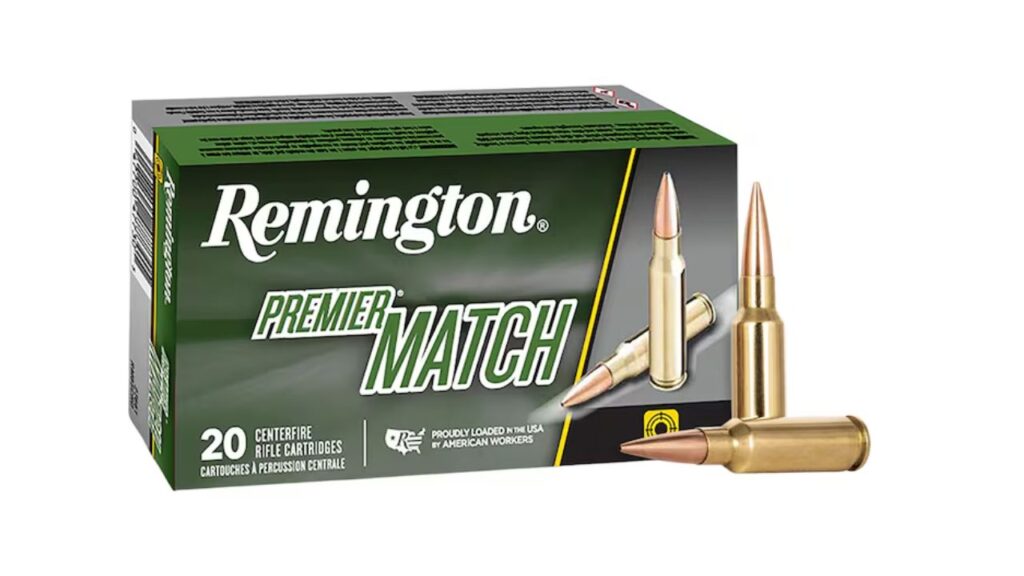
The 6.5 Grendel works well for medium game, especially when paired with AR platforms, but elk hunting stretches it beyond its limits. While it can push heavier bullets than the smaller 6mm cartridges, velocity is low, and energy at distance drops quickly.
Inside 200 yards on perfectly broadside elk, it might get the job done, but performance is inconsistent. Expansion can be limited at longer ranges, and penetration often doesn’t match what’s needed for big animals. Hunters often bring it along because of its mild recoil and versatility, but it simply doesn’t have the horsepower to guarantee clean kills on elk-sized targets. If you’re serious about elk hunting, the 6.5 Grendel belongs in the truck, not the timber.
7mm-08 Remington

The 7mm-08 Remington is a great cartridge for deer-sized animals, but it struggles when pushed onto elk. While it benefits from good sectional density in its bullet offerings, velocity is often too low to guarantee reliable penetration through elk shoulders. You’ll get success stories at close ranges, but they’re not consistent enough to call it an elk round.
One of the biggest issues with the 7mm-08 is energy at longer distances. Once you stretch past 300 yards, the bullet lacks the punch needed to break through heavy bone and muscle. Hunters who rely on perfect shot placement might make it work, but elk hunting rarely offers such ideal conditions. For many, this cartridge remains more of a crossover for deer and black bear rather than a true elk rifle.
.30-30 Winchester

The .30-30 Winchester is a classic, and while it has taken plenty of elk in the past, it is not ideal for today’s standards. With its slower velocity and flat-nosed bullets, penetration is limited once you get beyond 100 yards. Elk need more bullet energy to ensure consistent kills, especially with angled shots.
Yes, in thick timber at close range, the .30-30 can bring an elk down if placed perfectly. But more often, it leaves you with a wounded animal that runs deep into cover. The round simply doesn’t offer the reach or penetration modern hunters expect for elk-sized game. It’s a deer cartridge through and through, and while nostalgic hunters sometimes carry it for elk, its track record leaves too many bulls walking away.
.300 Blackout

The .300 Blackout has become popular with AR users for its versatility, but it’s not suited for elk hunting. With subsonic loads, you’re nowhere near the velocity needed for reliable expansion or penetration. Even with supersonic loads, bullet energy is too low for large-bodied animals.
Some hunters have experimented with the Blackout on elk, but results are rarely good. Shallow penetration, limited range, and underwhelming stopping power make it unreliable. While it’s excellent for suppressed shooting and tactical applications, it’s not a hunting cartridge for elk. You’ll find yourself facing long tracking jobs if you rely on it. Keep this one for hogs or deer, where it shines, but leave it behind when elk season comes.
.223 Remington
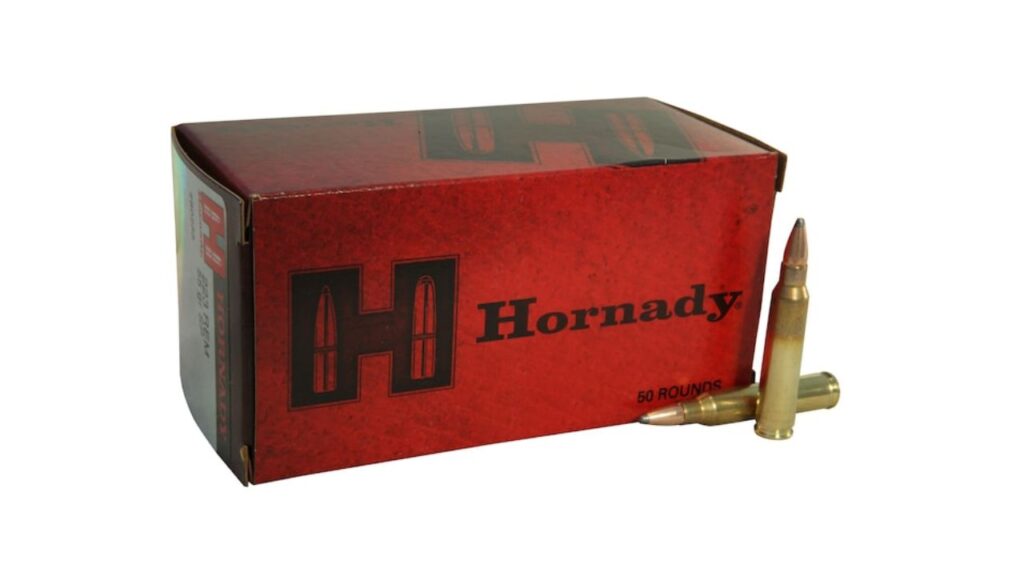
The .223 Remington is one of the most popular cartridges in America, but it’s not an elk round. Bullet weight is simply too light, and sectional density isn’t there for reliable penetration. While you might see it used on whitetails, elk require much more.
Some states don’t even allow .223 for elk hunting, and for good reason. The chance of wounding is too high, even with premium bullets. You may get lucky with a perfectly placed shot at close range, but elk aren’t animals you want to gamble on. This cartridge is great for varmints and target shooting but has no business in the elk woods.
5.56 NATO
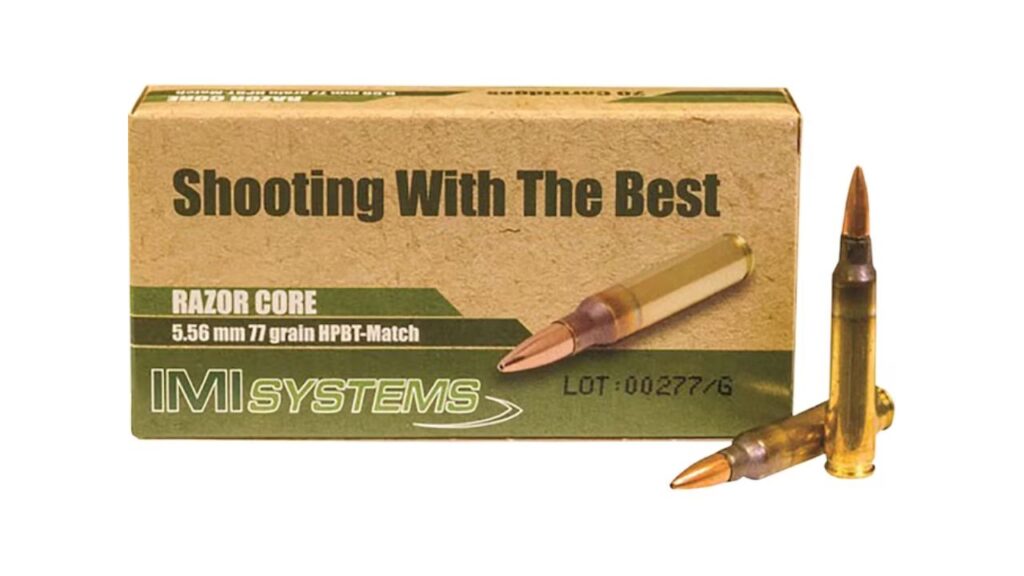
Similar to the .223, the 5.56 NATO lacks the energy needed for elk. While often considered interchangeable with .223, the 5.56 runs slightly higher pressures but still falls short of being an effective elk cartridge. Bullet weights remain too light, and expansion on heavier animals is unreliable.
Hunters using AR platforms sometimes think it’s worth trying, but the reality is it’s far too light for animals of this size. Elk require energy and penetration that simply aren’t delivered by this cartridge. Even with modern bullet technology, you’re still left with a marginal choice that risks wounding more elk than it kills. This one is better suited for tactical use or small game control.
.220 Swift

The .220 Swift is blisteringly fast, but speed alone doesn’t make a good elk cartridge. It was designed for varmint hunting, and while its flat trajectory is impressive, the light bullets it fires are designed for rapid expansion, not penetration. Elk hunting demands the opposite.
You might anchor a deer with it if everything lines up, but elk simply soak up the kind of shallow wounds the Swift produces. Its bullet construction and light weight make it ineffective on heavy-boned game. While it’s fun to shoot and great for coyotes, the .220 Swift leaves elk on their feet more often than not.
6.8 SPC

The 6.8 SPC was developed to improve the AR-15 platform’s performance, but it remains limited for elk. While better than the 5.56, it still doesn’t bring the energy needed for consistently clean kills on animals this size. Its range is limited, and penetration struggles once heavy bone or muscle gets in the way.
Within 200 yards, you might get results on broadside shots, but elk often don’t offer those easy angles. Beyond that, velocity drops off quickly, and the cartridge loses effectiveness fast. While the 6.8 SPC has its place in deer and hog hunting, it’s simply underpowered for elk. Relying on it risks long trails and disappointed outcomes.
7.62x39mm

The 7.62x39mm is one of the most common rounds worldwide, but it’s not a great elk cartridge. With its short effective range and modest velocity, it fails to deliver reliable performance on large-bodied game. While its bullet weight is heavier than 5.56, penetration is still inconsistent, especially past 150 yards.
Hunters using SKS or AK-style rifles sometimes try it, but the results are mixed at best. Accuracy at distance is limited, and bullet design often favors expansion over deep penetration. Elk need far more power to guarantee ethical kills, and the 7.62×39 doesn’t meet that standard. It may work on deer and hogs, but elk often walk away from this round.
*This article was developed with AI-powered tools and has been carefully reviewed by our editors.