Photo credit: GunsOfTheWorld/YouTube
Some collector guns really are smart buys. They have real rarity, real history, real long-term demand, and the kind of staying power that keeps them desirable even when the market cools off. Then there is the other category. These are the guns people talk up like they are clever investments when the truth is a lot less impressive. Maybe the price already ran too far. Maybe the gun is more common than the sellers want to admit. Maybe the whole “collector” pitch is being carried by nostalgia, hype, or a recognizable name instead of real upside.
That is where people start pretending. They act like they are making some informed, disciplined collector move when they are really just buying something expensive that sounds important. A gun can be interesting and still be a weak buy. It can be collectible and still be overpriced. Here are 15 collector guns people love to present as smarter buys than they really are.
Colt Python

The Python is always the first place this conversation goes for a reason. It is beautiful, famous, and undeniably desirable. The problem is that too many buyers talk themselves into thinking that automatically makes every Python a smart collector move. It does not. A lot of people are simply paying a huge premium for the name, the image, and the fact that everybody else already agrees it is collectible.
That is not the same as buying well. Plenty of Pythons are priced like guaranteed winners even when condition, originality, and long-term upside are nowhere near as exciting as the seller wants them to sound. Owning a Python can be satisfying. Pretending every one is a brilliant collector play is where the honesty usually stops.
Desert Eagle Mark XIX

The Desert Eagle gets sold as a collector gun by people who really mean it is recognizable. Those are not the same thing. It has movie and game fame, sure, and certain versions are more interesting than others, but a lot of buyers pay collector-level money for what is really just a flashy novelty handgun with cultural recognition.
That recognition is powerful, which is why the “smart buy” language keeps showing up. But in a lot of cases, people are not buying scarcity or deep collector value. They are buying the fact that everybody knows what it is. That can hold value, but it is not automatically the same as making a smart collector decision.
Winchester 94 commemoratives
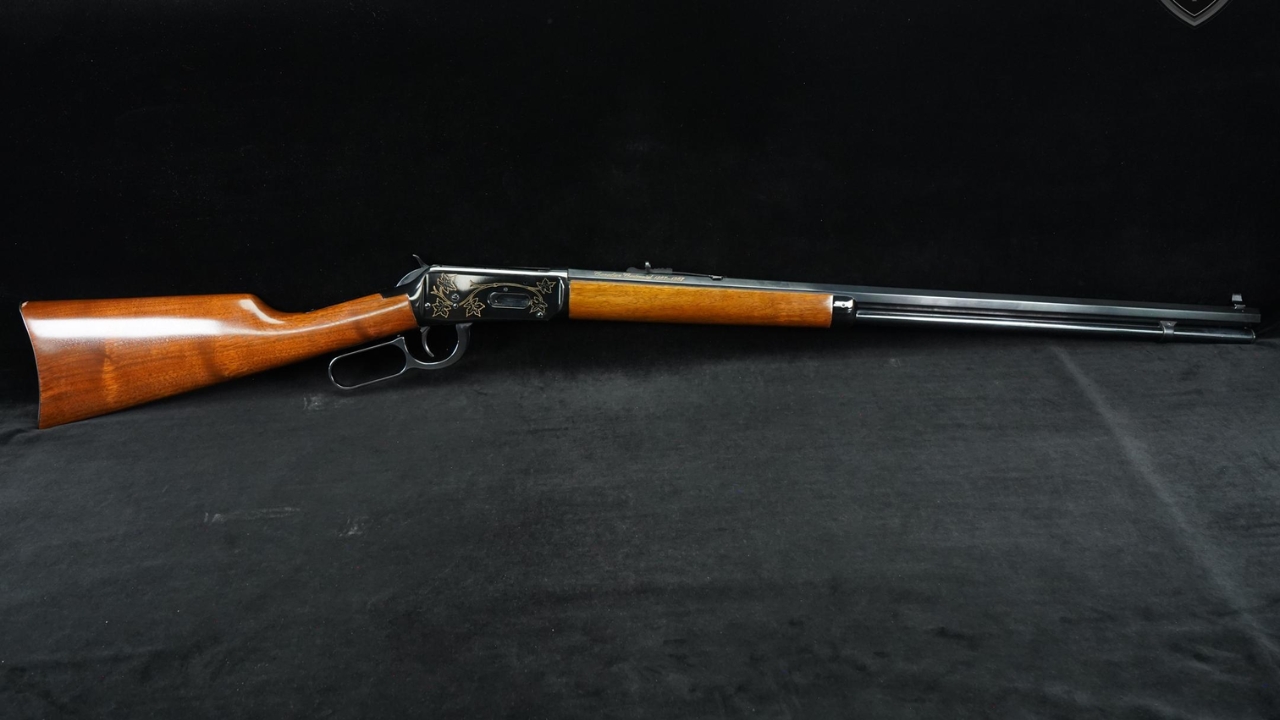
Commemorative Winchesters are some of the easiest rifles in the world to pretend are smarter buys than they are. They come with special markings, presentation appeal, and just enough factory legitimacy to make buyers feel like they are stepping into the collector lane. The trouble is that a lot of them were made to be sold as collectibles from day one, and that usually weakens the whole game.
They often sit in that awkward spot where they are too “special” to feel like working rifles and too common in collector terms to justify the tone people use when pricing them. Sellers love acting like the word commemorative closes the argument. In reality, a lot of them are far more decorative than truly smart.
Luger P08 mismatched examples at “collector” prices

Lugers absolutely have collector value, but this is where people start pretending too much. Once a pistol is mismatched, refinished, or otherwise compromised, too many sellers still try to talk like the buyer is getting into serious collector territory. What the buyer is often really getting is an iconic shape attached to a much weaker actual collector package.
That does not make a mismatched Luger worthless. It makes it something different from what the pitch often claims. A lot of people buy these thinking they are being clever because they “got into Lugers” without paying top money. In truth, they often overpay for the name while telling themselves they made a disciplined move.
Smith & Wesson Performance Center runs that never got truly scarce
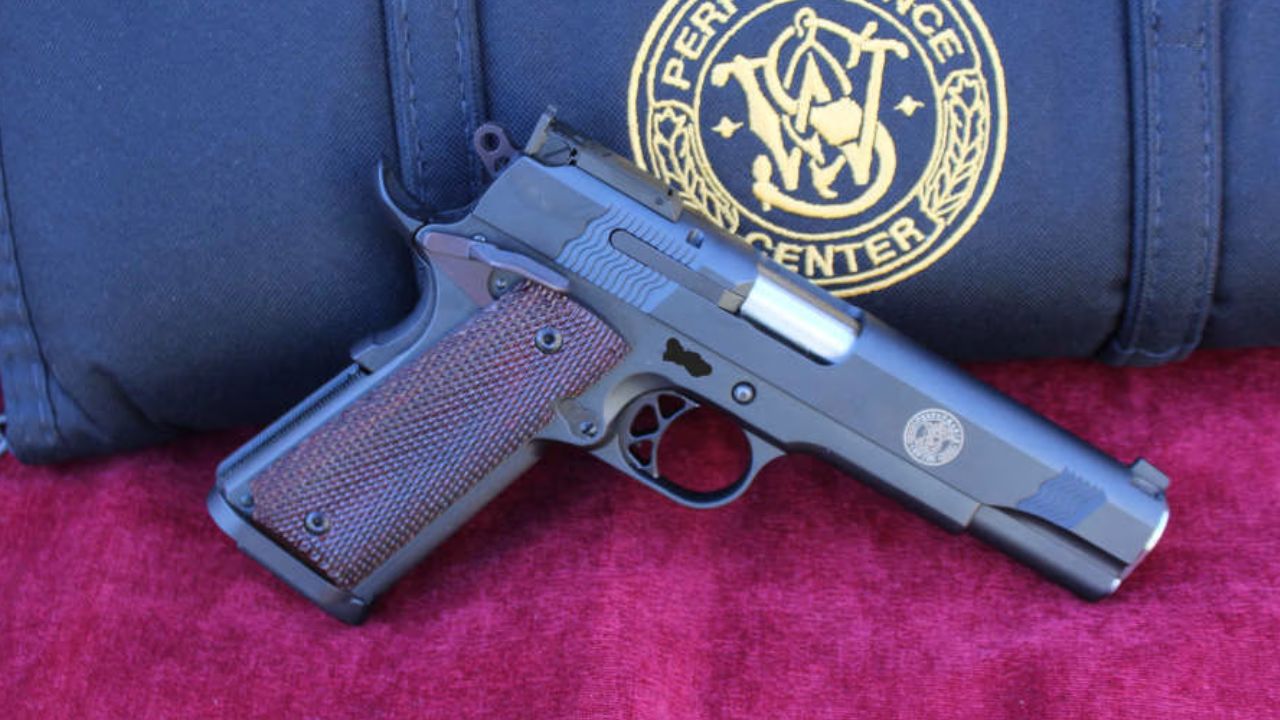
Some Performance Center guns are genuinely compelling. Others mostly survive on the assumption that higher trim automatically means stronger long-term value. That is where people start pretending. They see special markings, better finishing, or a more premium package and assume the smart-buy part takes care of itself.
It does not always. A lot of these guns remain niche, and niche does not automatically equal strong collector upside. Buyers often speak about them like they found the insider version of a standard gun when what they really found was a more expensive version of something the market may never chase the way they hope.
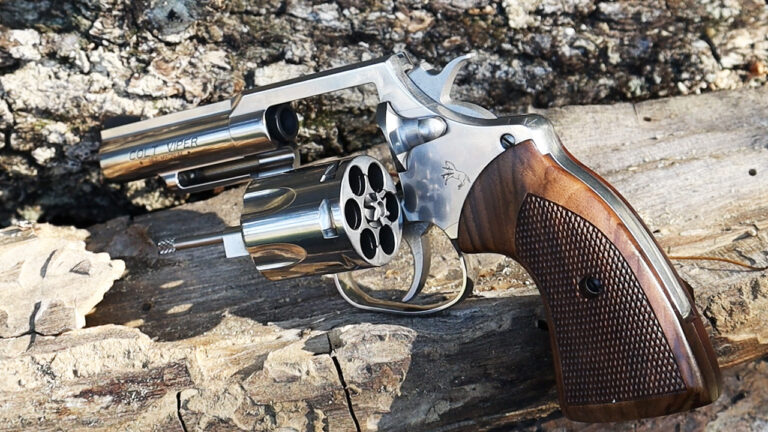
Colt King Cobra

The King Cobra gets talked up like it is always the smarter Colt buy because it sits below Python hysteria while still carrying the snake-gun name. That logic sounds reasonable until you look at how often buyers are really just paying for adjacent prestige. It is not cheap enough to be a quiet sleeper anymore, and it is not rare enough in every version to justify all the “smart money” talk.
That is the trap. People want to feel like they dodged Python madness while still getting into something collector-savvy. Sometimes they do. A lot of the time they are simply buying another expensive Colt while wrapping the purchase in better-sounding language.
Early-production Glock pistols

Early Glocks absolutely have collector interest, but there is a huge difference between truly desirable early examples and the broad wave of “old Glock equals collectible genius” thinking that now floats around. Some buyers talk like getting into any old Austrian Glock is some kind of masterstroke, even when the gun is just an older polymer service pistol with a lot of internet mythology attached.
That mythology does a lot of work. It convinces people they are thinking ahead when often they are simply paying nostalgia and forum-premium pricing. A real early Glock collector piece exists. A lot of the “smart buys” being pitched are just ordinary old Glocks with a better story than substance.
Browning Hi-Power in average condition at inflated nostalgia prices

The Hi-Power is a great pistol and a real collector gun in the right forms. That is exactly why average examples get pushed much harder than they should. People love telling themselves they are making a thoughtful old-world collector move when in reality they are often paying inflated nostalgia pricing for a pistol that is desirable more because of broad affection than because the specific example is truly special.
That difference matters. A clean, original, desirable variant is one thing. A middle-of-the-road Hi-Power dressed up as a strategic collector buy is another. A lot of buyers know this deep down, but the gun’s elegance makes it easy to ignore.
WWII bring-back stories without hard proof

This is less one model and more a collector habit, but it absolutely belongs. People love pretending a gun is a smarter buy because it comes with a “bring-back” story, even when the proof is soft, incomplete, or nonexistent. The romance around war trophies is strong enough that buyers often talk themselves into paying for a story they cannot really verify.
That is not smart collecting. That is emotional collecting dressed up in disciplined language. A real documented bring-back can absolutely matter. A lot of what gets sold as one is mostly storytelling with a price increase attached.
Colt Anaconda

The Anaconda gets sold as the “smart snake gun” by people who want to sound more disciplined than the Python crowd while still buying right into Colt prestige. It has real appeal, of course, but some of the collector talk around it acts like it is still a sneaky sharp buy instead of a revolver that the market has already heavily repriced.
That is usually the tell. Once everybody knows it is desirable, the smart-buy window is often already narrowed. A lot of Anaconda buyers are not making some hidden-value move. They are buying a very expensive Colt and calling it strategy.
Original Auto Mag pistols
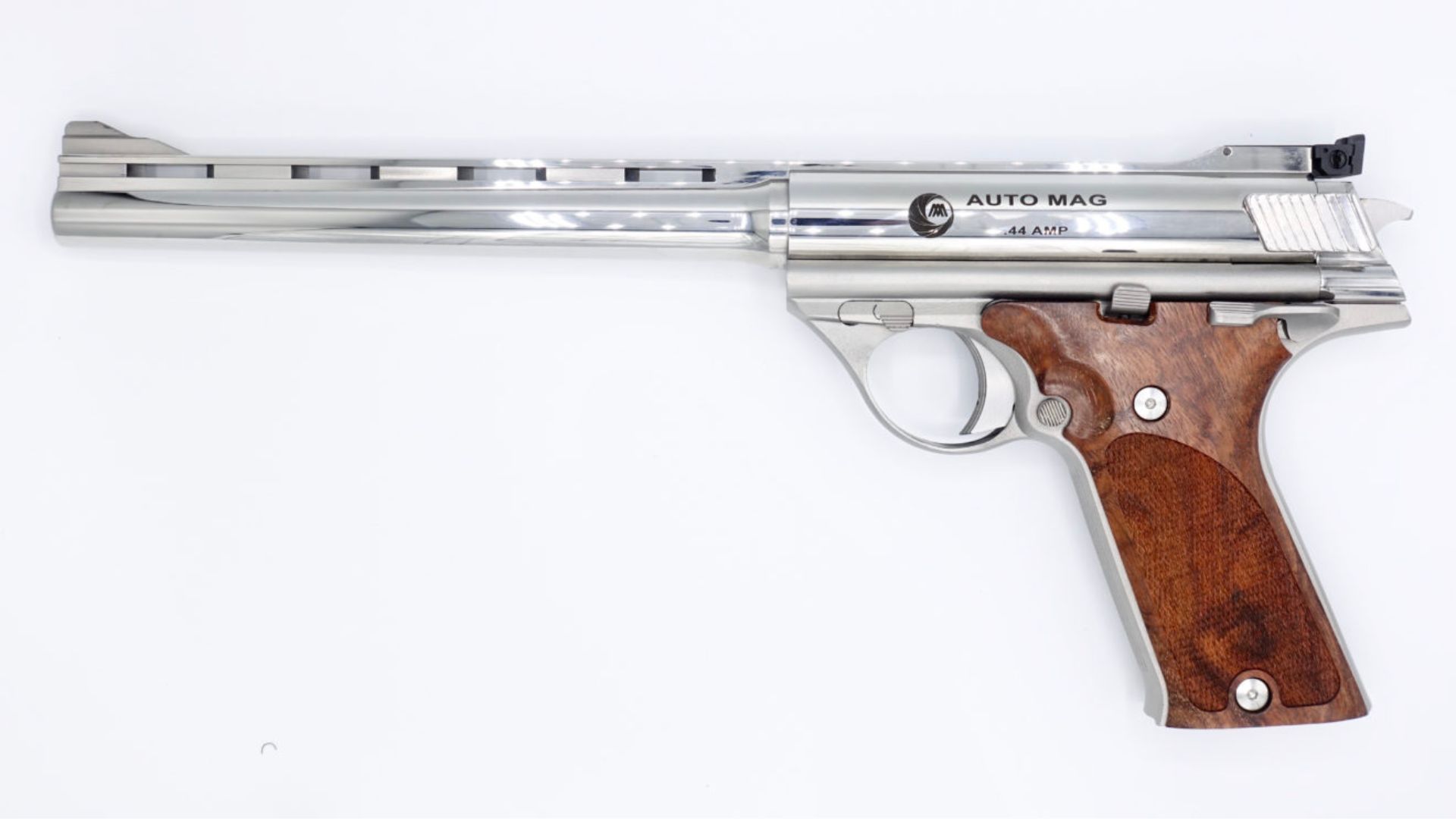
Auto Mags are fascinating, distinctive, and absolutely collectible. They are also one of those guns people love to present as a smarter collector play than they really are. The mechanical uniqueness, the movie aura, and the rarity all make buyers feel like they are operating on a higher level of taste.
The trouble is that fascination can easily outrun practicality. Prices on these often reflect how cool and strange they are more than how strong they truly are as long-term collector buys compared to more established, better-supported guns. Buyers may still love them, but that is not the same as buying intelligently.
Winchester 1886 reproductions sold like originals matter less

There is a strange kind of pretending that happens when people buy high-end reproductions and talk like they made some sharper move than buying an original. Sometimes that is true in a practical sense. As a collector sense, it often is not. A fine reproduction can be a wonderful rifle, but buyers sometimes act like they cracked the code by getting “all the gun for less money” while ignoring that collector logic usually does not work that way.
That mindset sounds savvy. A lot of the time it is just rationalization. Owning a reproduction is fine. Calling it the smarter collector move usually means the buyer is trying to win an argument that did not need to exist.
Military 1911s with too many problems and not enough originality

U.S. military 1911s have enough collector gravity that people will excuse almost anything if the frame and slide sound right in conversation. Refinished, mismatched, messed-with guns often get talked up like shrewd entry points into serious collecting, when the reality is that many of them are compromised examples trading heavily on reputation alone.
Again, that does not make them worthless. It makes them much less “smart” than the language around them suggests. A lot of buyers want to believe they slipped into the collector world on a technicality. Sometimes they mostly just paid too much for a name and some history-adjacent appeal.
Pre-lock Smith & Wesson revolvers bought at full panic pricing
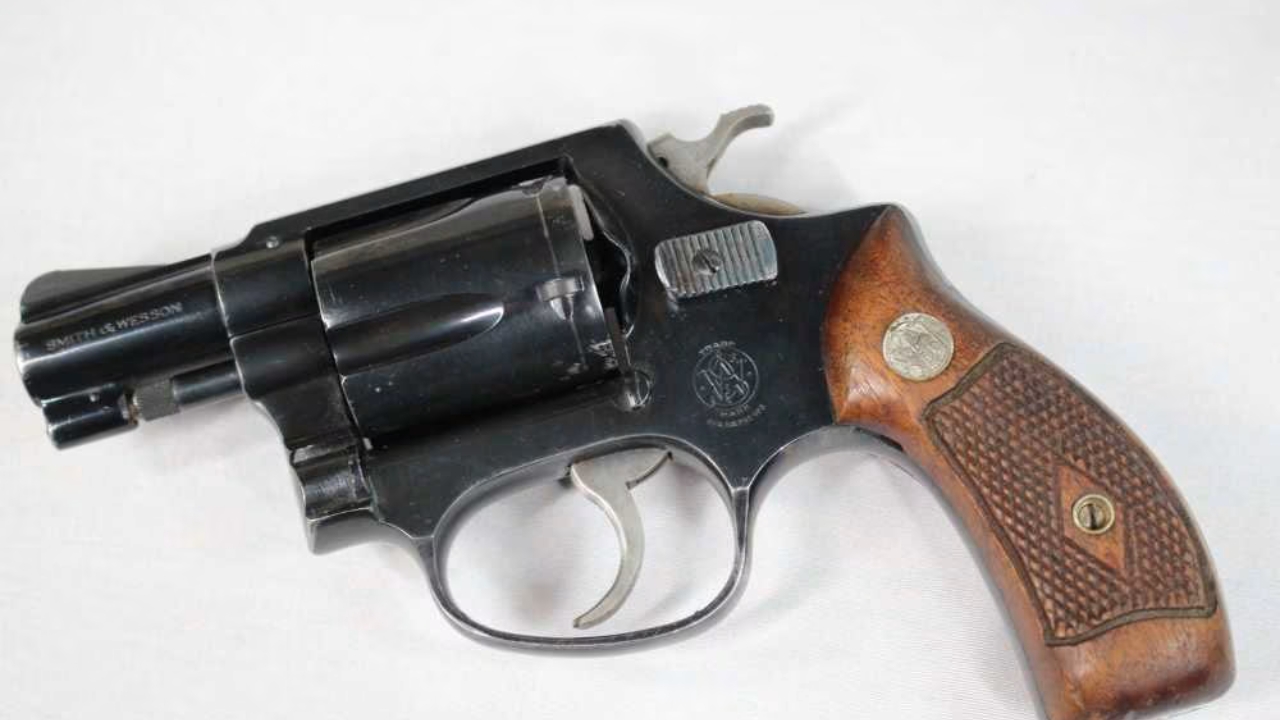
Pre-lock Smith revolvers are desirable, and in many cases with good reason. The pretending starts when buyers act like paying any inflated price for any pre-lock gun is automatically a wise collector move. Once broad panic and broad nostalgia enter the picture, the word smart usually needs to be used much more carefully.
A genuinely desirable pre-lock Smith is one thing. A random common model bought at a peak emotional price because the buyer wanted to “get in before it’s too late” is something else entirely. A lot of those purchases are driven by anxiety, not savvy.
Colt Woodsman at any price just because it says Colt

The Woodsman is elegant, historically important, and genuinely appealing. That is exactly why some buyers stop thinking clearly around it. Once a gun has enough grace and enough brand aura, people start treating every example like a strong collector play. The name Colt does a lot of the lifting.
That is where the pretending comes in. Some Woodsmans are absolutely worth strong money. A lot of average examples get sold with “smart collector” energy when the real sales pitch is simply that buyers love old Colts and hate missing out on one. Those are not the same thing.
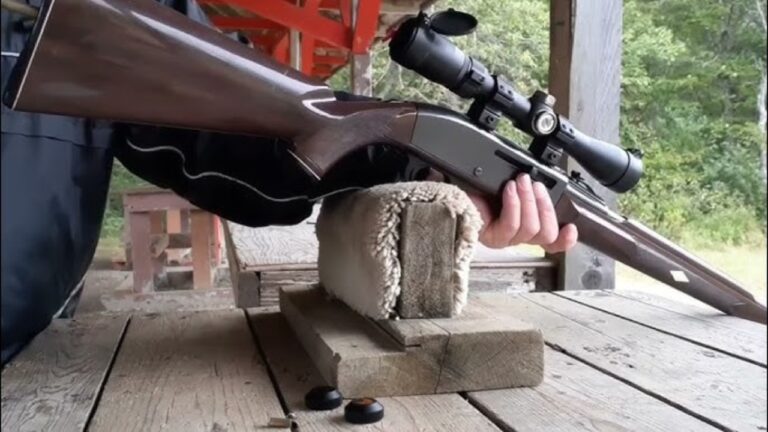
Remington Nylon 66 in “rare” colors pushed beyond reason
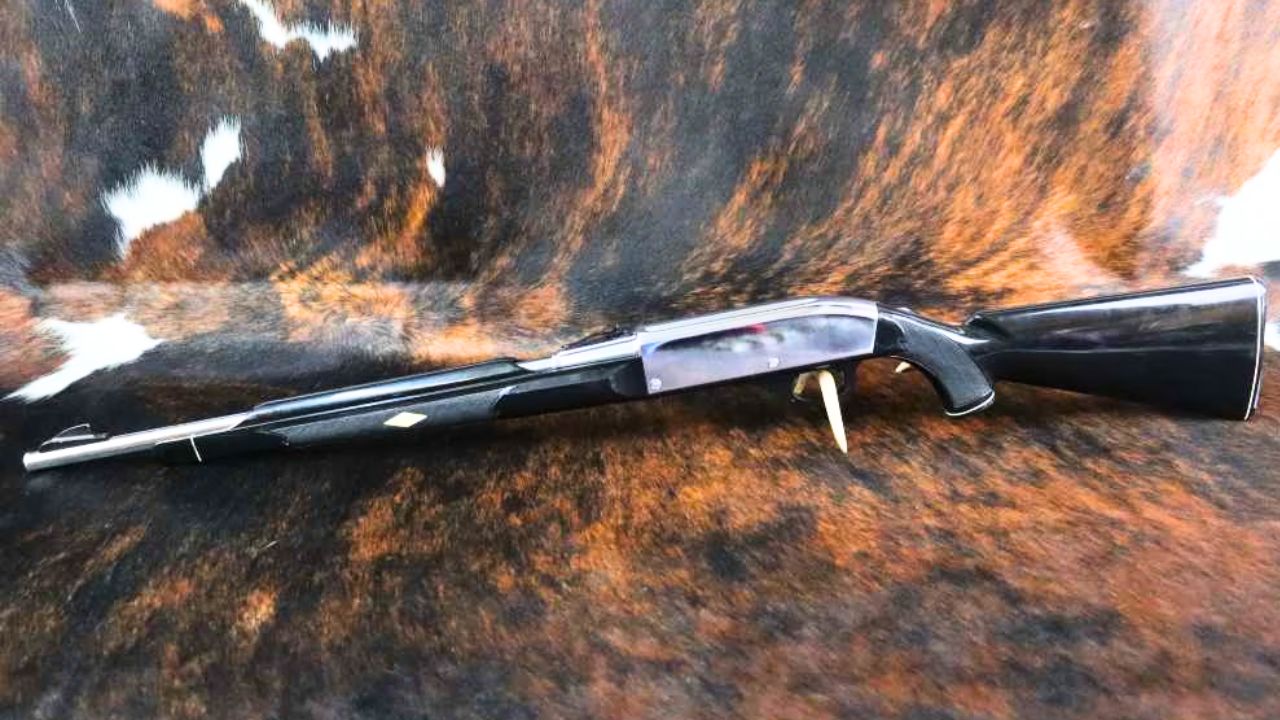
The Nylon 66 is a great example of a gun that can be genuinely collectible and still get oversold hard. Special colors and cleaner examples do matter, but once sellers know the market is emotionally attached to unusual versions, the smart-buy language starts pouring on thick. Suddenly every not-quite-common Nylon becomes the sort of rifle you are supposed to feel clever for buying at a painful number.
That can get ridiculous in a hurry. A collectible rimfire is still a collectible rimfire, and a lot of buyers end up paying for the thrill of saying they found the “right one” more than for any truly disciplined long-term value play.
Like The Avid Outdoorsman’s content? Subscribe to our newsletter so you never miss an article.
Here’s more from us: