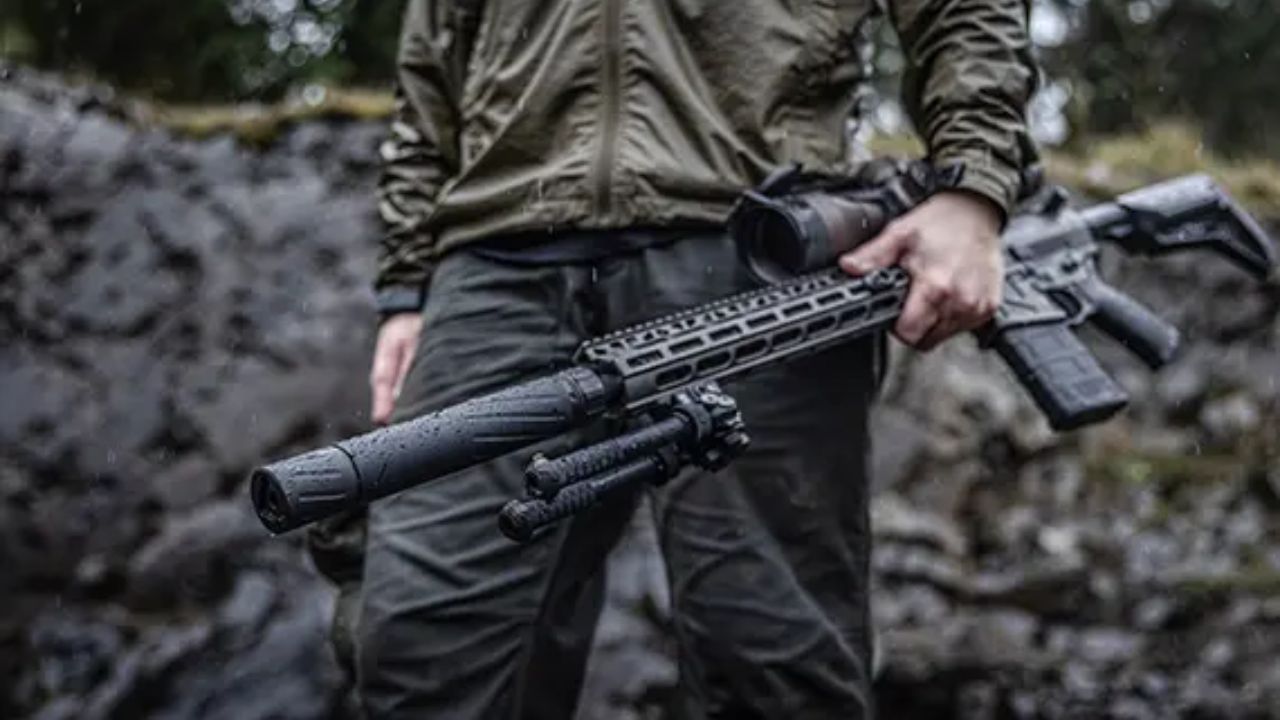
Photo credit: Silencer Central
Suppressors can do a lot of good—less recoil, less noise, better control. But sometimes, they can change how your rifle shoots. The extra weight on the muzzle, slight alignment shifts, or changes in barrel harmonics can open up groups that were tight before. It doesn’t mean the rifle’s bad—it just means it’s sensitive to what’s hanging on the end of the barrel. Here are some rifles that often shoot lights-out bare, but tend to spread shots once a suppressor is involved.
Remington 700 SPS Tactical
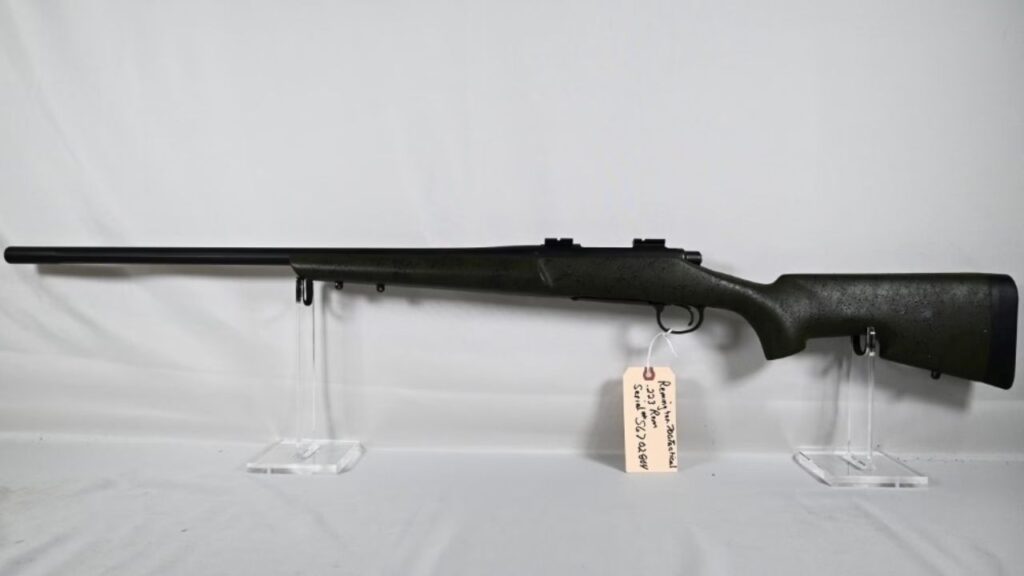
The SPS Tactical can be a tack driver out of the box, especially with quality ammo. But its shorter, heavier barrel can shift point of impact when you thread on a suppressor. That shift isn’t always consistent from shot to shot, leading to more spread. The fix can be as simple as finding a can with better concentricity or tuning your load, but you’ll likely see some group opening without dialing it in.
Tikka T3x Lite
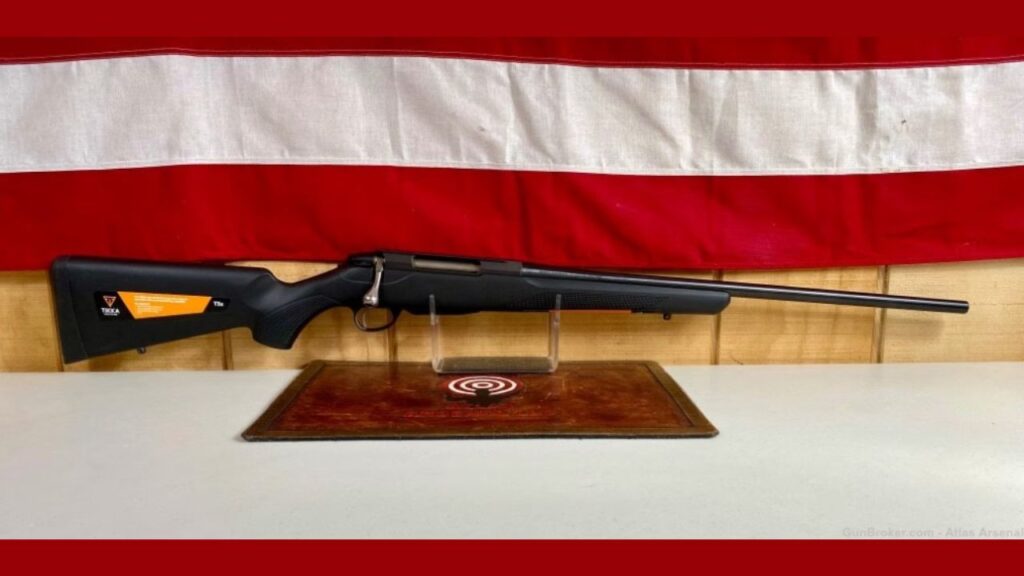
The T3x Lite earns its name—it’s lightweight, which is great for carrying all day, but that also means the barrel reacts more to added weight at the muzzle. A suppressor can throw off the balance and barrel harmonics enough to open your groups. Some shooters get it dialed back in with careful torque checks and load adjustments, but right out of the gate, you might notice a loss in consistency.
Ruger American Predator
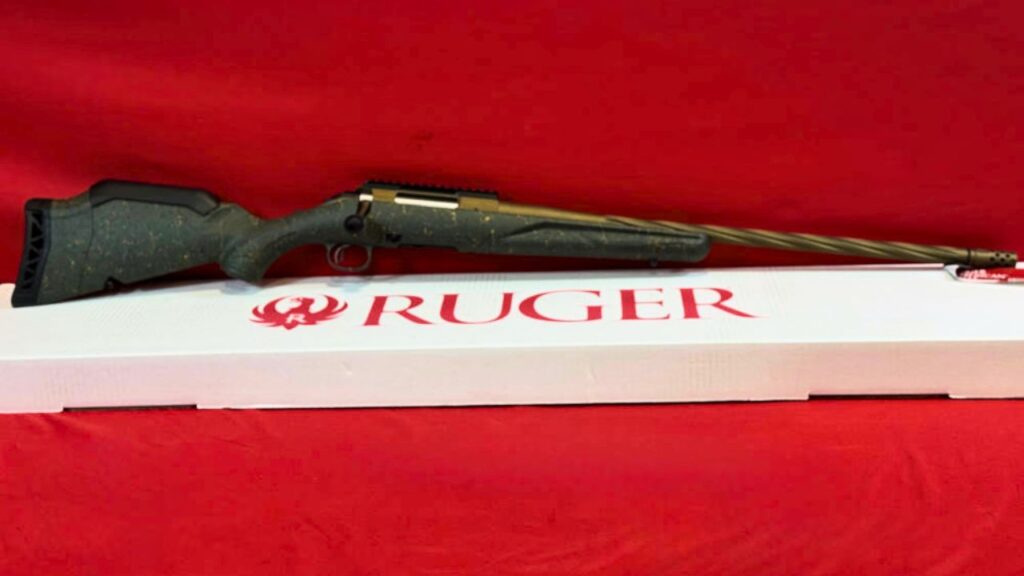
The Predator often punches above its price point for accuracy, but it’s sensitive to muzzle devices. Add a suppressor, and you might see your once-tight 5-shot group start looking more like a scatter plot. The flexible stock can also add to the problem if you’re not consistent with your grip and rest. Some shooters swap to a stiffer stock to help, but it’s worth testing before you rely on it suppressed.
Savage 110 Tactical
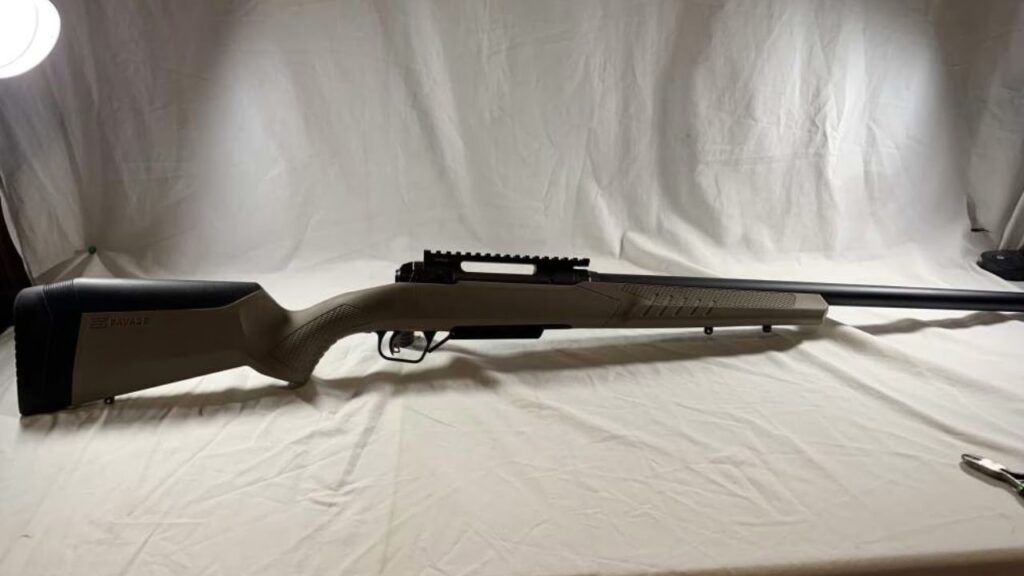
Savage barrels are known for accuracy, but the 110 Tactical’s factory threading and barrel contour sometimes don’t play nice with suppressor weight. It’s not unusual to see a consistent point-of-impact shift plus an extra half-inch in group size. Some shooters get around it with a precision-machined brake or adapter between the barrel and the can, but out of the box, you might see degraded precision with the suppressor mounted.
Browning X-Bolt Hell’s Canyon Speed

This rifle is built for precision in the field, but its thin sporter barrel can start to whip when you hang a suppressor off the end. The change in harmonics is enough to make a noticeable difference in group size. If you’re running this suppressed, a load tweak or even a lighter suppressor can help bring things back in line, but it’s not always a drop-on-and-go setup for tight groups.
Mossberg Patriot Predator
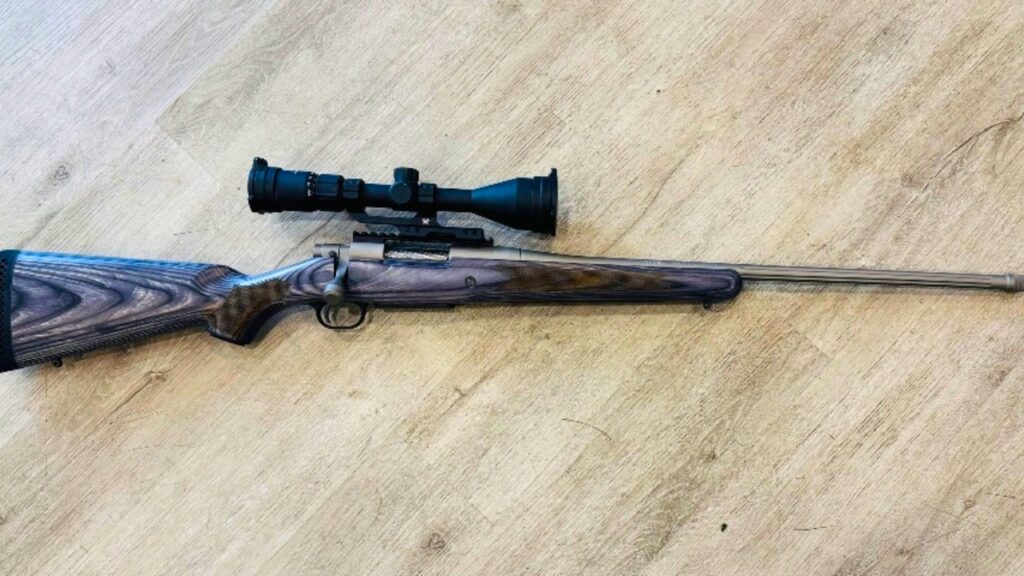
The Patriot Predator shoots respectably bare, but it can be touchy with muzzle attachments. A suppressor can cause both a point-of-impact shift and inconsistent group sizes. This is more pronounced with lighter-profile barrels, which flex more under the added weight. You can still get good performance suppressed, but it usually takes experimenting with ammo and shooting positions to regain the kind of accuracy it had unsuppressed.
Bergara B14 Ridge
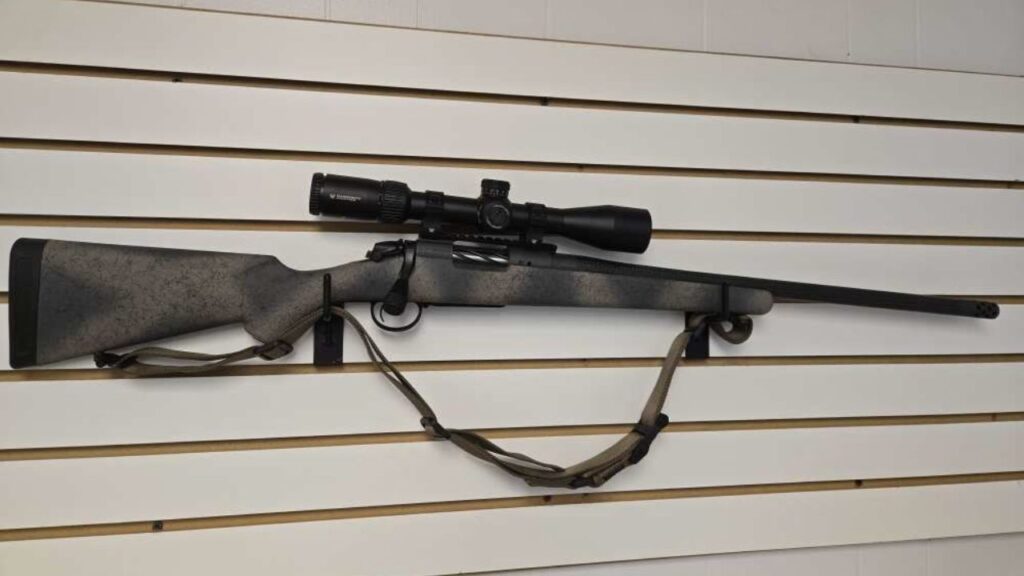
The B14 Ridge has a reputation for precision, but the suppressor effect depends on the exact barrel contour. On some setups, the added weight causes slight vertical stringing. That’s enough to turn a half-MOA rifle into something closer to 1.25 MOA. You can reduce it with a lighter suppressor or by tuning your loads, but right out of the box, you might see the difference the moment you screw on the can.
Weatherby Vanguard Series 2
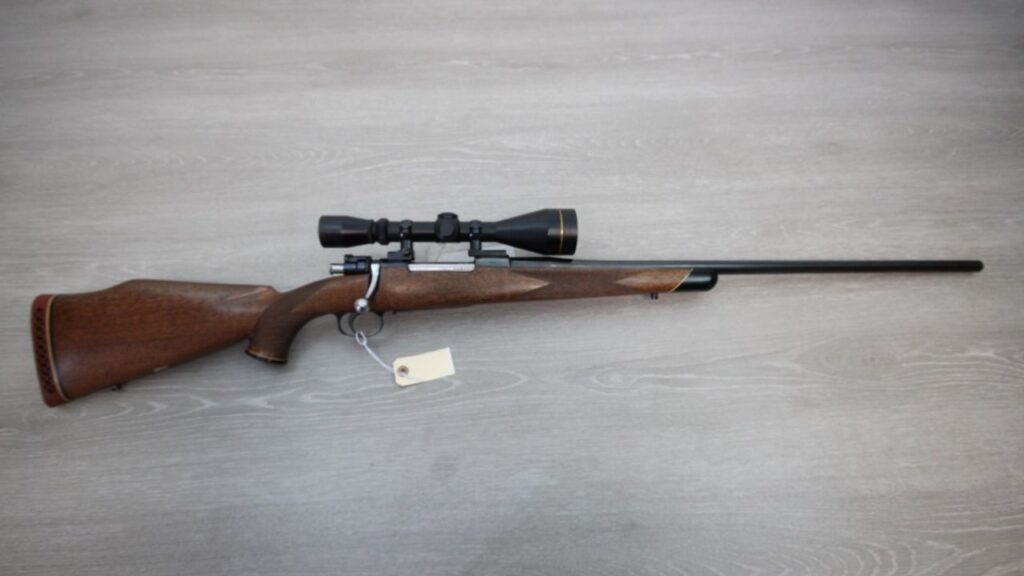
Vanguard rifles often hold great groups, but they don’t always love a suppressor. The factory barrels can shift POI more than expected when you add the extra weight, and depending on your setup, you may see horizontal spread increase. Some shooters bed the stock or torque the action screws to counter it, but without those tweaks, it’s common to see degraded accuracy suppressed.
Howa 1500 Standard

The Howa 1500 has a strong track record for accuracy, but with a sporter barrel, a suppressor can upset the balance enough to change shot-to-shot consistency. Lighter barrels are more prone to these shifts, especially if you’re shooting faster strings. If you want to run a can on a Howa, a heavier barrel profile or adjustable brake system can help, but the factory sporter setup often needs tuning to keep tight groups.
Christensen Arms Mesa
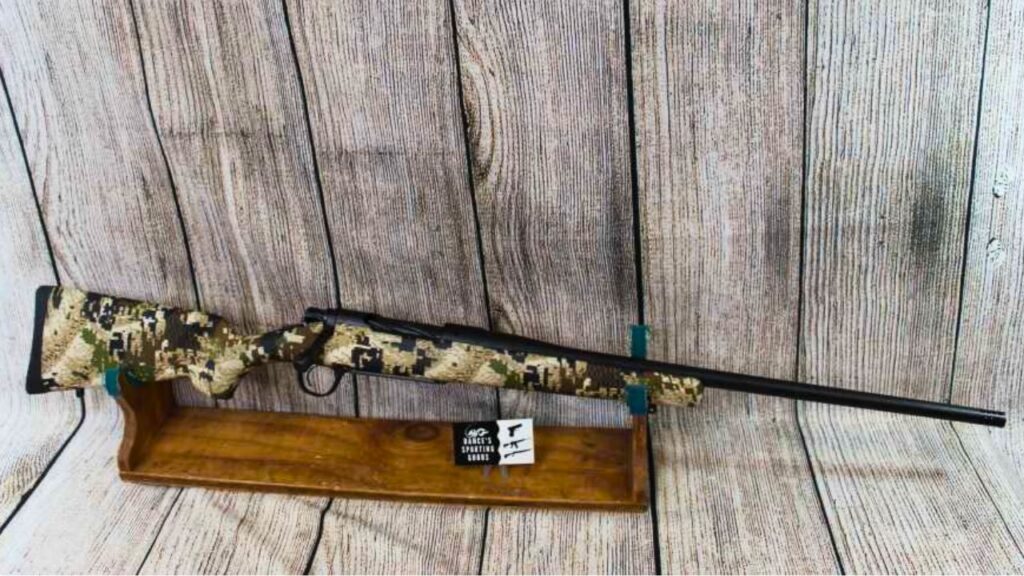
The Mesa’s light barrel profile keeps weight down for hunting, but it’s not immune to suppressor-induced accuracy changes. Adding a can can change how the barrel vibrates and throw off group sizes. The carbon-fiber stock helps with stability, but you may still need to tweak loads or try a lighter suppressor to get back to the same accuracy level you had bare-barrel.
*This article was developed with AI-powered tools and has been carefully reviewed by our editors.