Photo credit: Olde English Outfitters/YouTube
If you’re like me, you’ve probably owned a PPK at some point—or at least thought about it. There’s something about the feel of that all-steel frame and the way it disappears under a jacket that keeps it relevant, even with all the polymer options out there. The question isn’t whether it looks good or has a legacy—everyone knows that. The real question is whether the PPK still holds its own as a functional carry gun today. Is it a timeless tool, or a handgun that’s been left behind?
Truth is, there’s no one-size-fits-all answer here. The PPK has quirks, and it demands more from the shooter than some newer designs. But it also does a few things remarkably well, and if those match your priorities, it can absolutely hold its place in your rotation. You’re not buying it for capacity or caliber—you’re buying it for feel, reliability, and control. That’s where it still shines, if you’re honest about what you need.
The size makes it easy to carry, but not always to shoot

The PPK is small enough to carry all day without reminding you it’s there. It’s flat, snag-resistant, and fits in most holsters designed for micro pistols. If you prefer carrying AIWB or strong-side with minimal bulk, the PPK won’t get in your way. But when you take it to the range, that small frame can work against you.
The recoil impulse isn’t abusive, but it’s sharper than you’d expect for a .380 or .32. That’s partly due to the direct-blowback design. The steel frame adds weight, which helps, but you’ll still feel more snap than on a locked-breech modern carry pistol. It’s shootable, but you have to grip it right—and if you have big hands, expect the beaver tail to bite back.
You’ve got to train with the double-action first shot
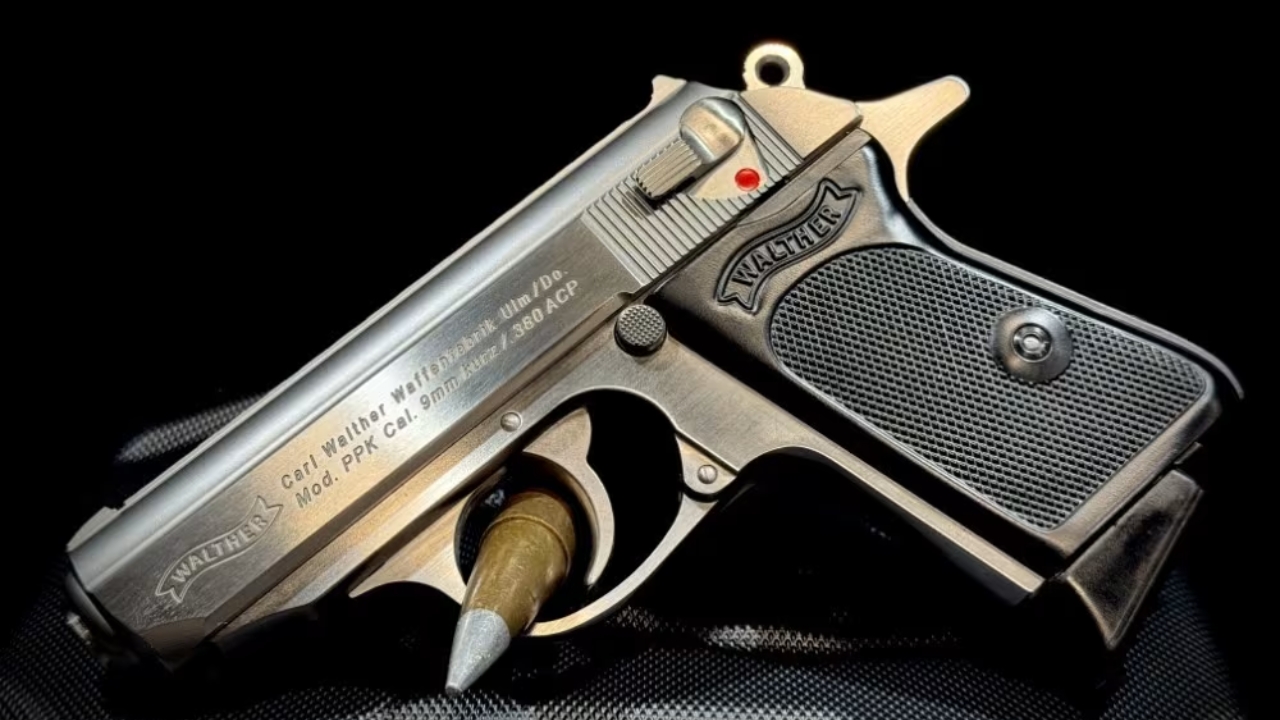
One of the most overlooked aspects of the PPK is the DA/SA trigger system. That first double-action pull is long and heavy—more so than what most shooters are used to with striker-fired pistols. It’s not awful, but it takes practice to make that first shot smooth and accurate.
The transition to single-action is clean and crisp, and it helps with follow-ups. But if you aren’t training that double-action consistently, you’re starting every string behind the curve. Carrying a PPK responsibly means you either cock the hammer before drawing (which brings its own risks), or you commit to that DA trigger and learn to run it right. Either way, you’ve got to be intentional.
The safety-decocker setup takes getting used to

If you’re coming from Glocks or other striker-fired pistols, the slide-mounted safety on the PPK can feel awkward at first. It’s a decocker and safety in one, and it rotates in the opposite direction of most Beretta-style safeties. When it’s on, the hammer drops and the trigger disconnects. That’s good from a safety standpoint—but it also means you need to be very deliberate with your manipulations.
Some folks carry with the safety off, relying on the heavy DA pull for peace of mind. Others prefer the extra layer. Either way, you need to practice sweeping it off consistently, because it’s not placed where your thumb naturally lands. If you don’t build that motion into your draw, you’ll fumble under stress. It’s not a dealbreaker, but it is something you need to own and train around.
It feeds well with FMJ, but hollow points are hit or miss
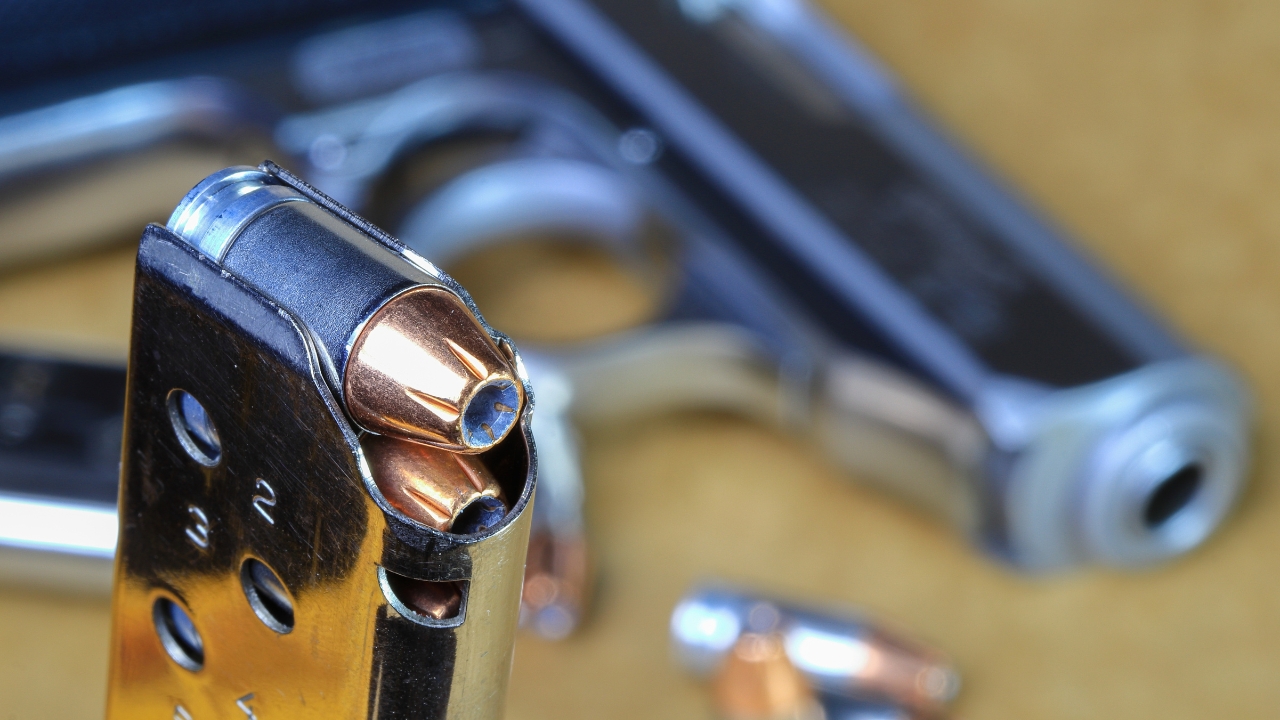
Back in the day, most .380 pistols—including the PPK—were designed to run ball ammo. And to be fair, the PPK runs FMJ like a sewing machine. But if you’re planning to carry defensive hollow points, you need to test them thoroughly. Some PPKs, especially older ones, get picky with certain bullet profiles.
Modern production models tend to do better, but even then, it’s wise to put at least a couple boxes of your chosen carry load through it before trusting it. The last thing you want is a failure to feed when it matters. If you’re carrying a PPK, you’re choosing precision over raw firepower. Make sure the ammo complements that reliability, or you’ll be carrying false confidence.
The sights are usable, but far from ideal
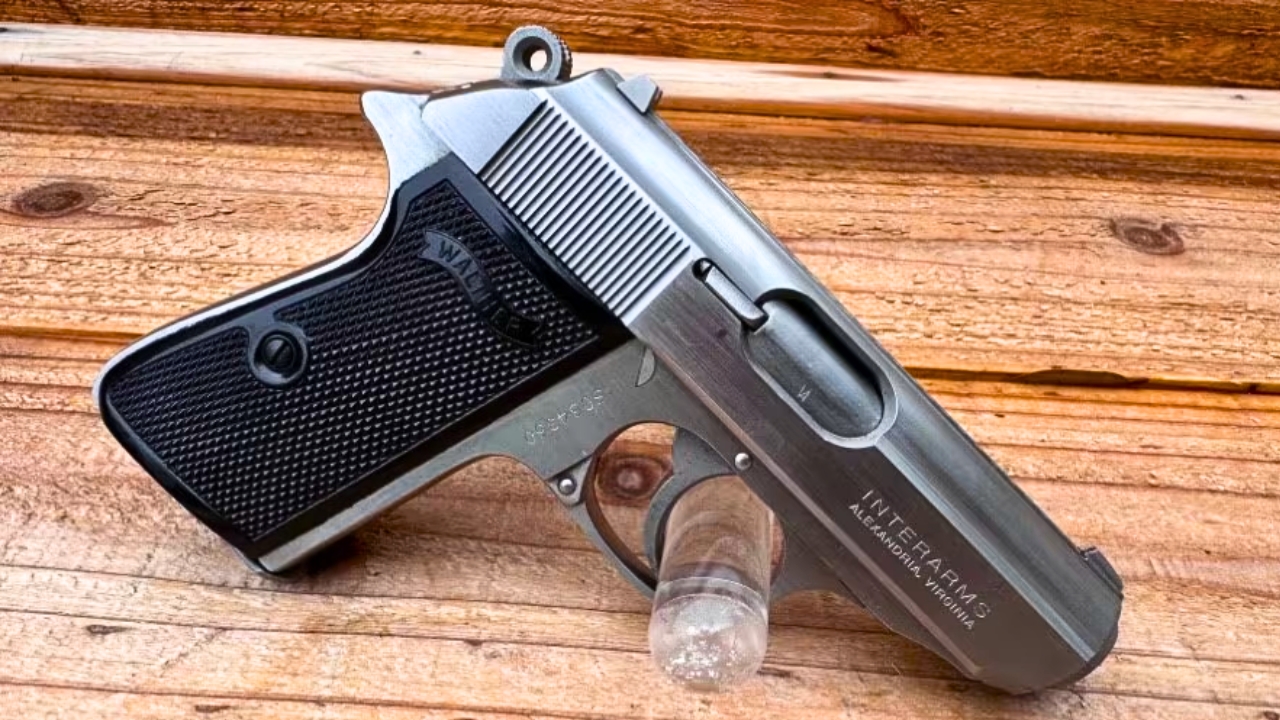
Let’s be honest—the factory sights on most PPKs leave a lot to be desired. They’re low-profile and snag-free, sure, but they’re also small, hard to pick up, and not very intuitive under pressure. You’re not going to get a clean sight picture in low light unless you’ve painted them or added aftermarket dots.
If you’re used to bright fiber optics or tritium inserts, the PPK will feel like a step back. Still, the fixed sights can be surprisingly accurate once you settle in. You’re not going to be ringing steel at 50 yards with this thing, but for close-range accuracy, it tracks well enough. You just have to do more of the work as the shooter, especially if your eyesight isn’t what it used to be.
Recoil isn’t terrible—but slide bite is real
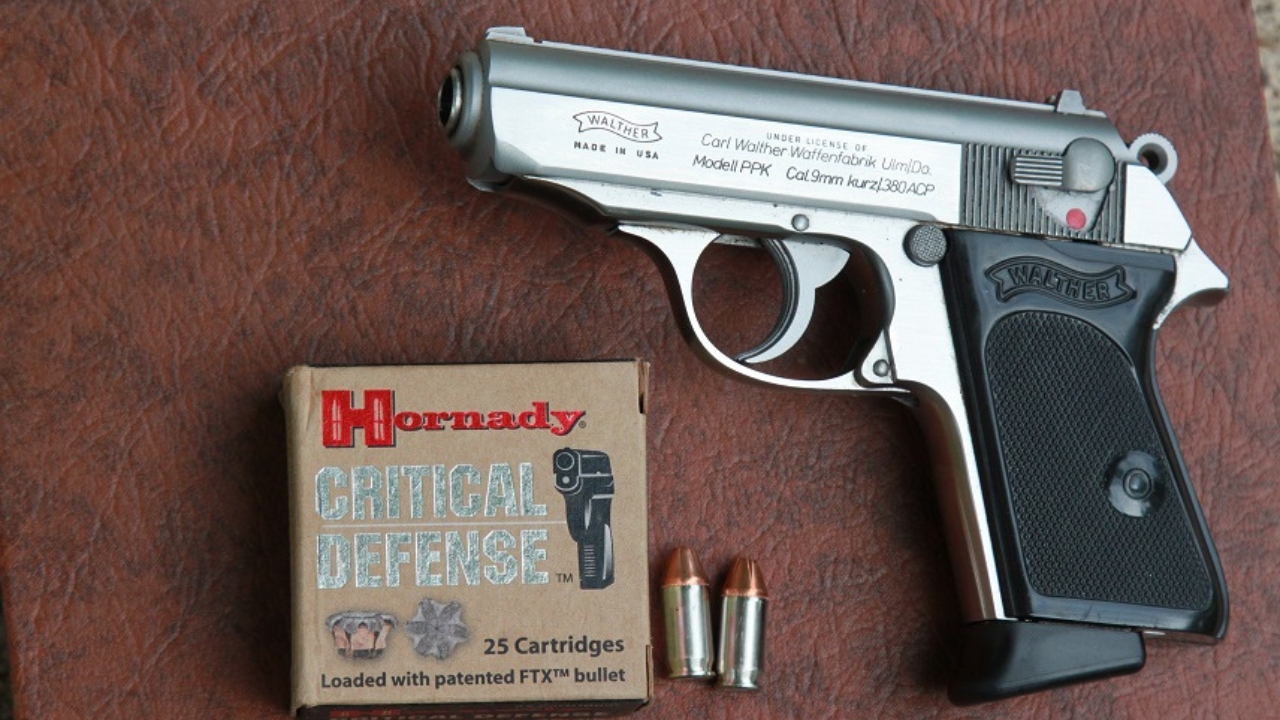
One thing about the PPK that’s earned a bad reputation is the infamous slide bite. If you don’t keep your grip low enough, the slide will punish you fast. That’s especially true if you’ve got thicker hands or you’re used to modern pistols that let you get high on the beavertail.
Recoil itself is manageable. It’s more snappy than soft, but not brutal. Still, if you’re going to run a PPK, you need to learn how to grip it correctly to avoid taking skin off the web of your hand. Once you do, it’s a smooth shooter—but it’ll remind you the hard way if you don’t. This is one of those guns that teaches you how to handle it properly, or you learn the painful way.
It’s not high capacity—but it carries like a tool, not a toy

Nobody’s carrying a PPK for capacity. With 6+1 or 7+1 depending on caliber and magazine, it’s far behind today’s stack-and-a-half micro compacts. But what it lacks in round count, it makes up for in carry manners. It’s got enough weight to be stable, but not so much that it drags you down. It draws clean, hides well, and doesn’t print.
That matters more than people think. A gun you can actually carry all day is better than one you leave in the safe. The PPK may be outdated by some standards, but it still works as a purpose-built tool for deep carry or backup roles. If you can accept the tradeoffs—and train accordingly—it might still earn its spot.
Like The Avid Outdoorsman’s content? Be sure to follow us.
Here’s more from us:
The worst deer rifles money can buy
Sidearms That Belong in the Safe — Not Your Belt
*This article was developed with AI-powered tools and has been carefully reviewed by our editors.