Photo credit: Vickers Tactical/YouTube
Some pistols matter because they are still practical. Others matter because they changed handgun design, shaped military history, or left such a strong impression that modern guns still borrow from them. You do not have to carry one or even own one to appreciate what they brought to the table.
These are the classic pistols every serious shooter should handle at least once. Some feel better than expected. Some feel strange. Some show their age immediately. But each one teaches you something about where handgun design has been and why certain ideas stuck around while others faded away.
Luger P08
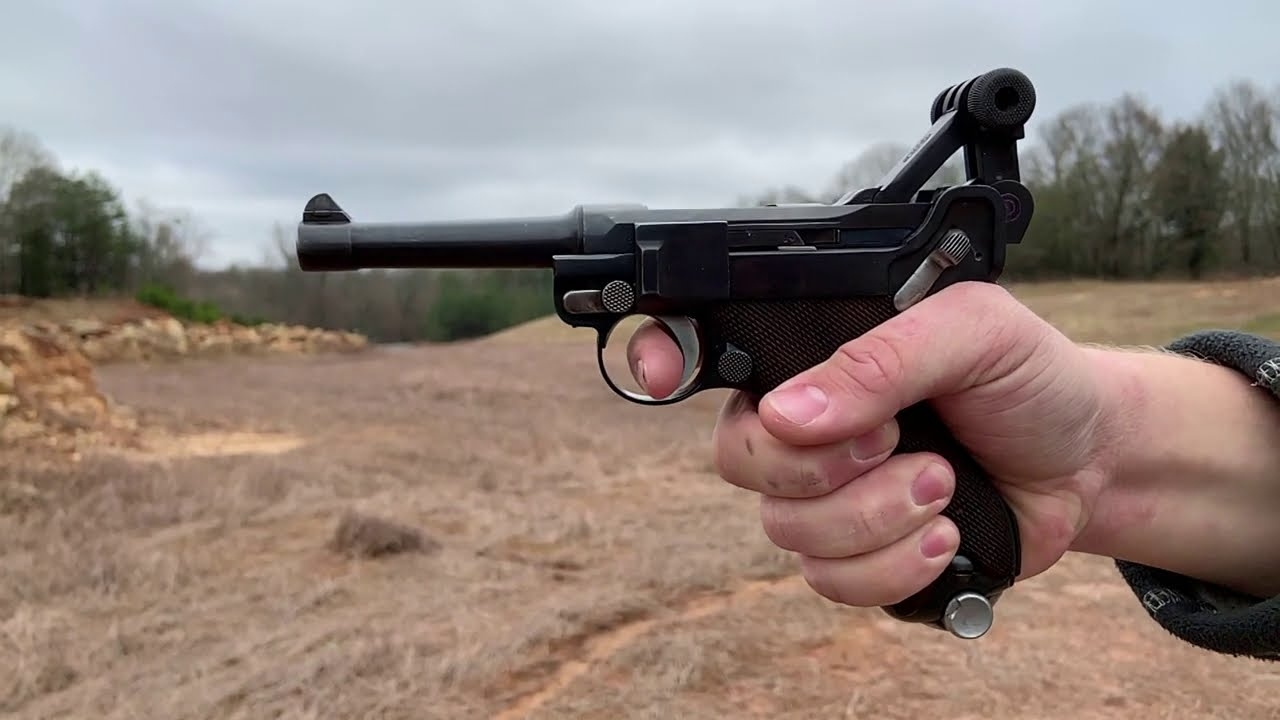
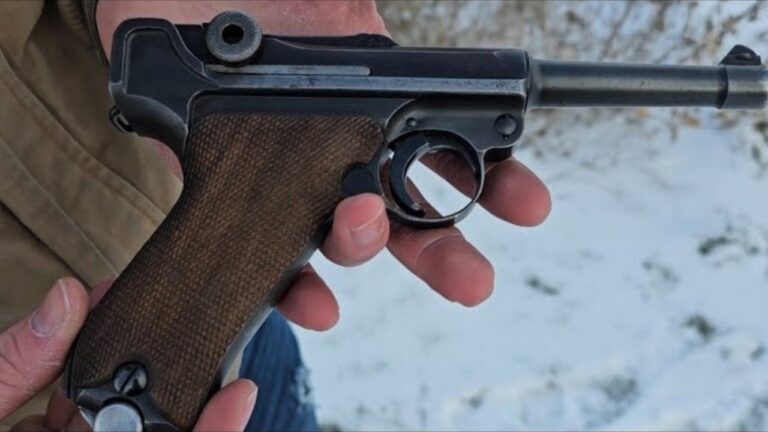
The Luger P08 is one of the most recognizable pistols ever made. The toggle-lock action, angled grip, slim barrel, and old-world machining make it feel completely different from modern handguns. Even people who do not care much about military surplus usually understand they are holding something important when they pick one up.
It is also a great reminder that classic does not always mean practical by modern standards. The Luger points naturally for many shooters, but the controls, loading feel, and delicate mechanical personality are very much from another era. That is part of the reason every shooter should handle one. It shows how beautiful, complicated, and influential early semi-auto design could be.
Mauser C96 Broomhandle

The Mauser C96 looks like it belongs in a different century because it does. The long barrel, box magazine ahead of the trigger, and broomhandle grip make it one of the strangest famous pistols ever built. It does not feel like a modern handgun in any normal way.
That is exactly why it is worth handling. The C96 gives shooters a look at a time when pistol design was still wide open and nobody had settled on the familiar layout most guns use now. It is awkward, fascinating, and mechanically interesting. You may not want to shoot one all day, but you will remember it after handling it once.
Walther P38

The Walther P38 is one of the most important service pistols of the 20th century. Its DA/SA trigger system, open-slide profile, and military history give it a place that goes far beyond collector interest. A lot of later pistols owe something to the ideas the P38 helped popularize.
In the hand, it feels thinner and more balanced than some shooters expect. The trigger system takes adjustment if you are used to striker-fired guns, but it is easy to see why the design mattered. It may look dated now, but the P38 was forward-thinking in ways that shaped handguns for decades.
SIG P210

The SIG P210 is the kind of pistol that makes people understand what precision feels like. It has a reputation for accuracy, smoothness, and clean machining that still stands out today. Even if someone prefers modern polymer guns, handling a P210 can reset their expectations for what a service-style pistol can feel like.
The grip angle, trigger, and slide-to-frame fit give it a refined shooting character that is hard to fake. It is not a high-capacity duty pistol by modern standards, and it was never meant to be cheap. But every shooter should handle one to understand why some old pistols are respected for more than nostalgia.
Heckler & Koch P7 PSP
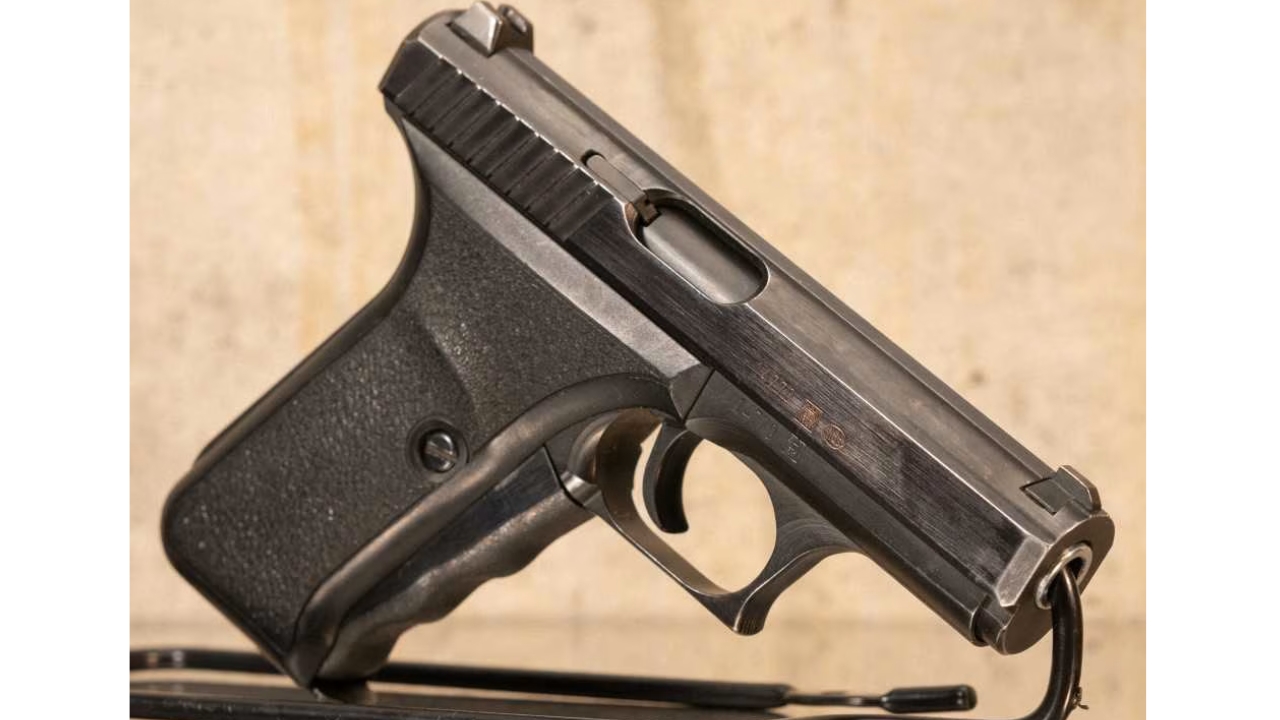
The HK P7 PSP is one of the most unusual carry pistols ever made. The squeeze-cocker system, gas-delayed action, low bore axis, and compact metal frame make it feel unlike almost anything else. It is the kind of pistol that seems odd until you understand what HK was trying to solve.
Handling one is an experience because the manual of arms changes how you think about safety and readiness. It is fast, flat, and extremely clever, but also expensive, heat-prone during long shooting sessions, and mechanically complex. Whether you love it or not, the P7 is a pistol every shooter should at least experience.
Colt 1903 Pocket Hammerless

The Colt 1903 Pocket Hammerless is one of the classiest carry pistols ever made. Its slim profile, smooth lines, and low-key appearance make it feel elegant in a way most modern carry pistols do not. It was designed when concealment and craftsmanship could still live in the same package.
By today’s standards, the caliber and capacity are modest. But the way the pistol carries in the hand is worth appreciating. The 1903 shows how thin, clean, and graceful an early automatic pistol could be. It is not just a collector piece. It is a reminder that old carry guns often had real thought behind their shape.
Colt 1908 Vest Pocket
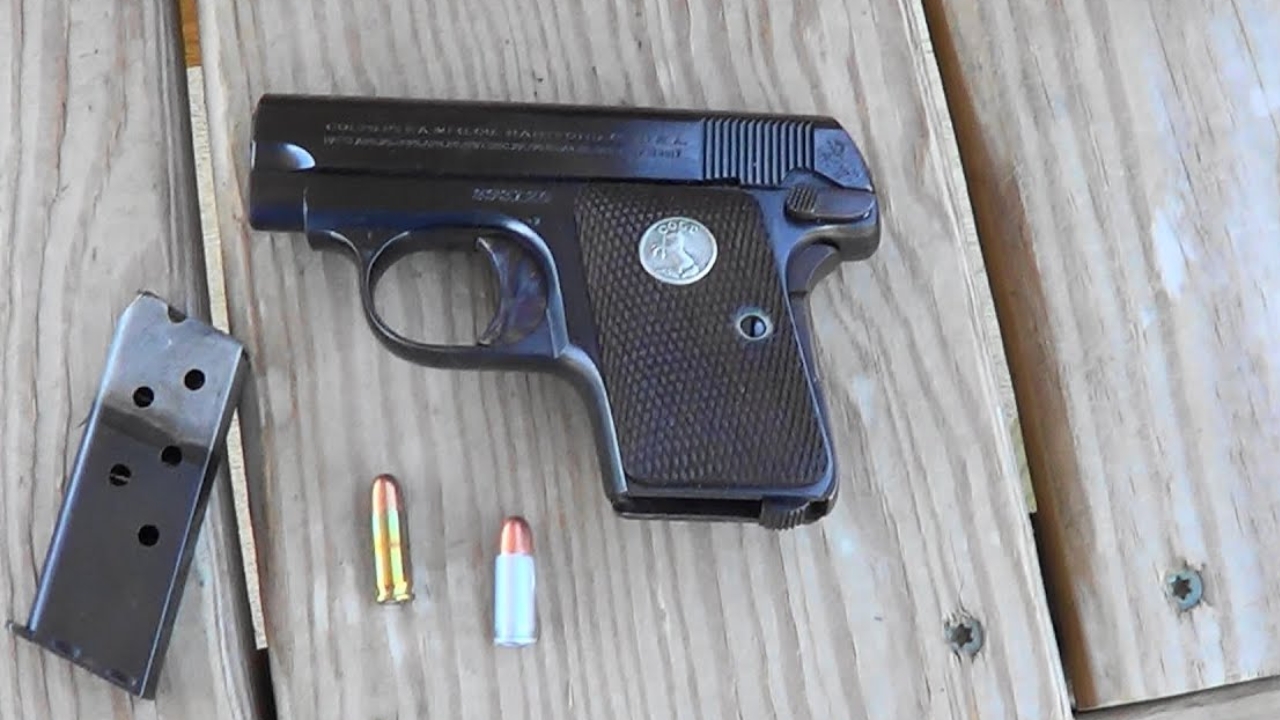
The Colt 1908 Vest Pocket is tiny, simple, and charming in a way modern pocket pistols rarely are. Chambered in .25 ACP, it is not a serious defensive choice by today’s standards, but that is not why it matters. It represents an era when deep-concealment pistols were built with real machining and a surprising amount of style.
Handling one makes modern shooters realize how long the desire for a tiny carry pistol has been around. The controls are small, the sights are minimal, and the cartridge is weak, but the gun itself is fascinating. It is a little piece of carry-gun history that still feels better made than many cheap pocket pistols.
Walther PP
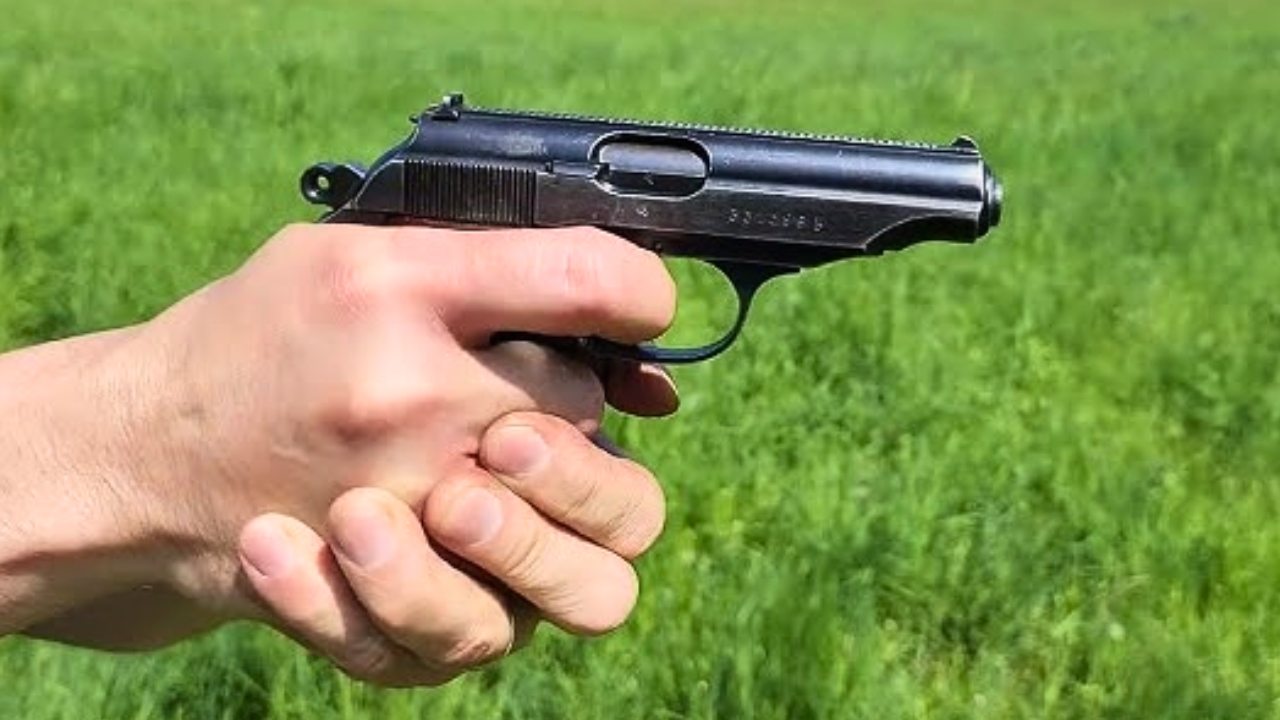
The Walther PP is one of the pistols that helped define the classic European police handgun. It is slim, refined, and more practical than many people expect from an older .32 or .380 pistol. The DA/SA system and fixed-barrel blowback design made it influential well beyond its original era.
The PP feels especially interesting because it sits between pocket pistol and service pistol. It is not tiny, but it is sleek and easy to understand. Modern shooters may not choose it over a compact 9mm, but handling one shows why Walther’s old designs earned such a strong following.
Beretta 1951
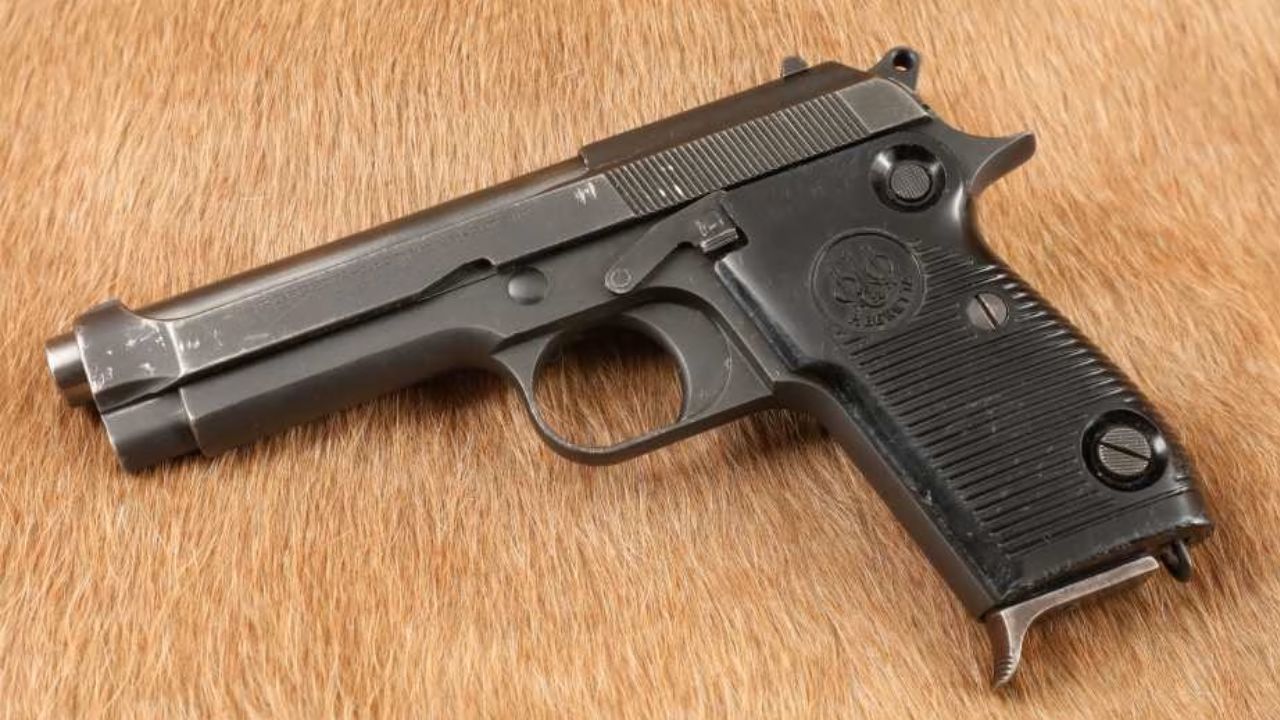
The Beretta 1951 is easy to overlook because the Beretta 92 became so much more famous. That is a shame, because the 1951 is an important step in Beretta’s service-pistol story. It has a single-stack frame, open-slide layout, and locking system that helped lead toward later Beretta designs.
In the hand, it feels slimmer and more direct than the 92 series. It does not have the capacity or refinement of newer pistols, but it has a clean, purposeful feel. Every Beretta fan should handle one at least once because it shows where the company’s famous full-size pistols came from.
Browning Medalist
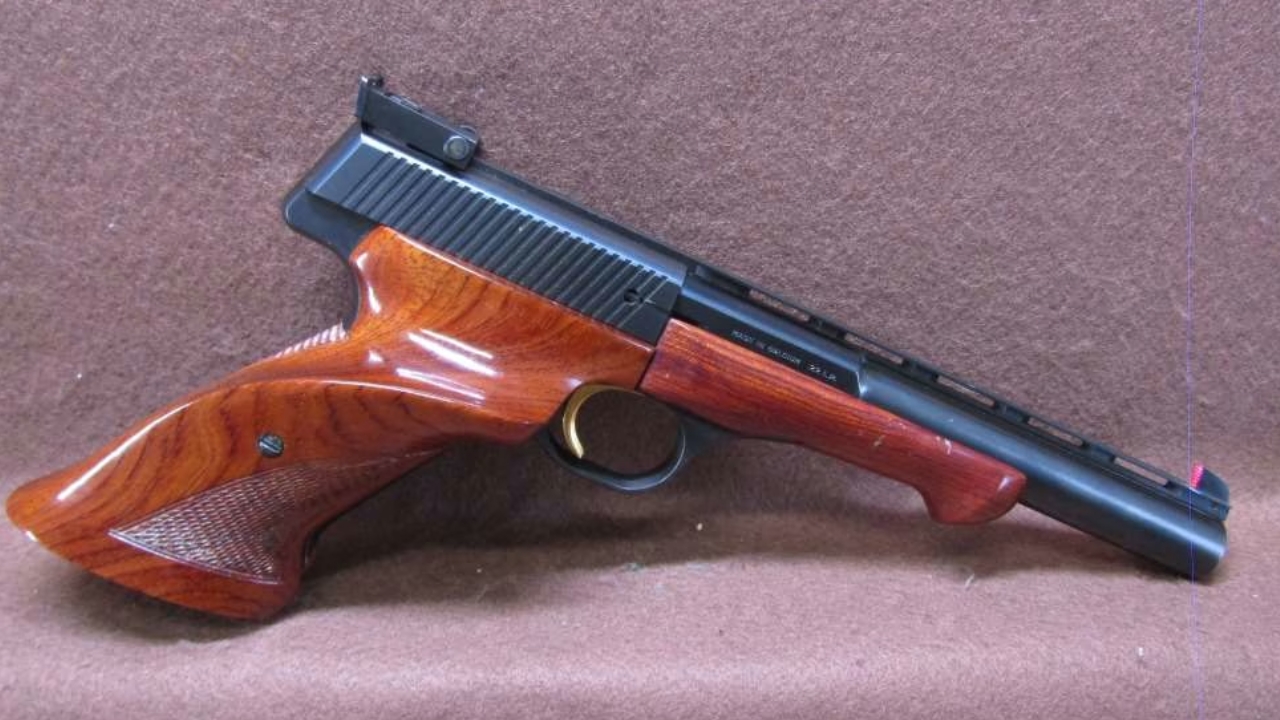
The Browning Medalist is one of those rimfire pistols that makes modern shooters slow down. It was built for precision, not tactical styling. The grip, balance, trigger, and overall presentation feel like they came from a time when a .22 target pistol was expected to be a serious piece of equipment.
Handling one reminds you that rimfire pistols do not have to feel cheap or disposable. The Medalist has weight, elegance, and accuracy potential that stand apart from ordinary plinkers. It is not the kind of pistol most shooters stumble across every day, but once you do, it is hard not to appreciate.
High Standard Supermatic Citation
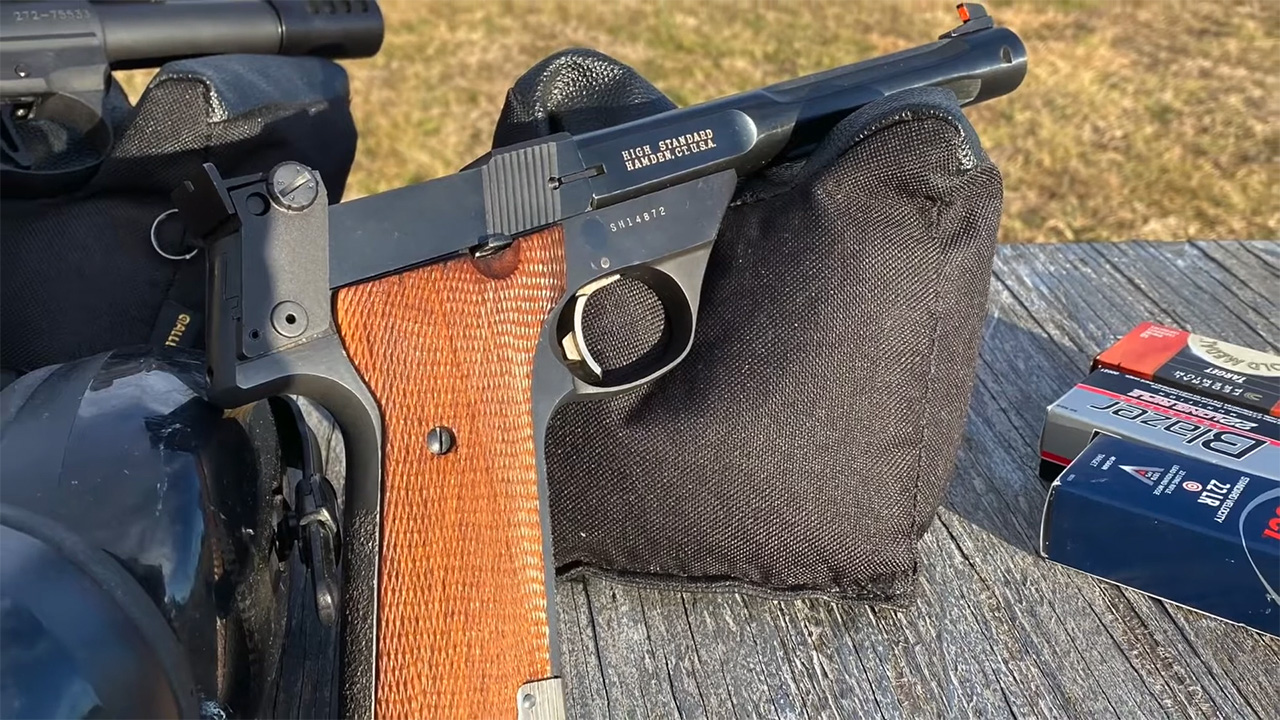
The High Standard Supermatic Citation is another classic .22 target pistol that deserves more attention from modern shooters. It has clean lines, excellent balance, and a reputation for accuracy that made it a favorite among serious rimfire shooters. It feels purpose-built in a way many casual .22 pistols do not.
The Supermatic Citation teaches a simple lesson: a good trigger and good balance matter. It may lack modern rails, optics cuts, and threaded barrels, but it still feels like a pistol made for hitting small targets with confidence. Anyone who thinks old rimfire pistols are boring should handle one.
Ruger Standard
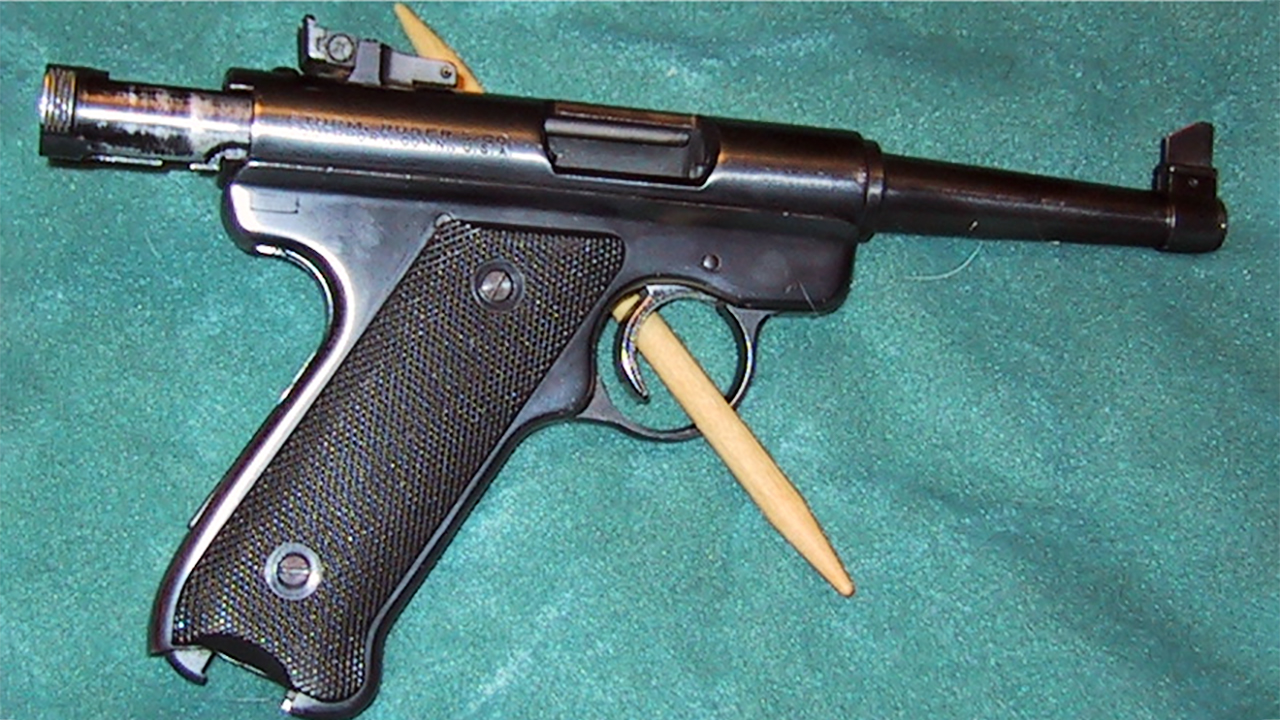
The Ruger Standard is one of the most important American .22 pistols ever made. Its simple tubular receiver, Luger-like grip angle, and rugged blowback design helped launch Ruger as a major firearms company. It looks plain, but that plainness is part of its charm.
Handling one shows why the design lasted so long. It is balanced, reliable, and easy to shoot well. Modern Ruger Mark pistols have improved features, but the original Standard still has a clean, honest feel that explains its success. Every shooter should handle one to understand how a basic .22 pistol became a legend.
Astra 400
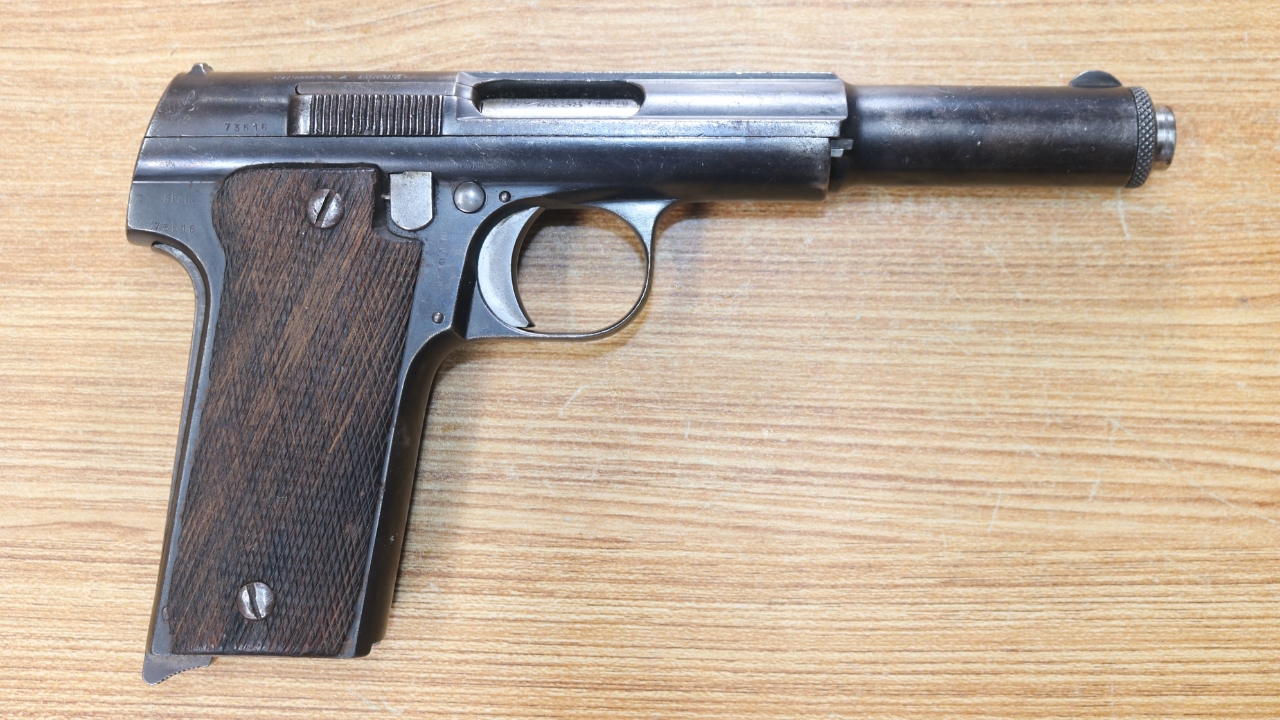
The Astra 400 is strange in the best way. Its long, tubular slide and heavy blowback design make it look unlike most service pistols. It was chambered for 9mm Largo and has the kind of overbuilt feel that makes Spanish military pistols interesting to collectors.
It is worth handling because it feels so different from modern locked-breech pistols. The grip angle, weight, and action all remind you that handgun design did not follow one straight path. The Astra 400 may not be a pistol most shooters would choose for regular use today, but it is absolutely one they should experience once.
Star Model B

The Star Model B often gets described as a 1911-style 9mm, but it has its own identity. It has a familiar single-action feel, a slim metal frame, and military-surplus appeal without being as expensive or iconic as many better-known classics. It is simple, handsome, and easy to like.
In the hand, the Star Model B feels more shootable than many people expect. It points well, recoils lightly, and gives shooters a taste of old-school single-action handling in 9mm. Parts and collector concerns matter, but as a classic pistol to handle and understand, it deserves a spot.
Radom VIS 35
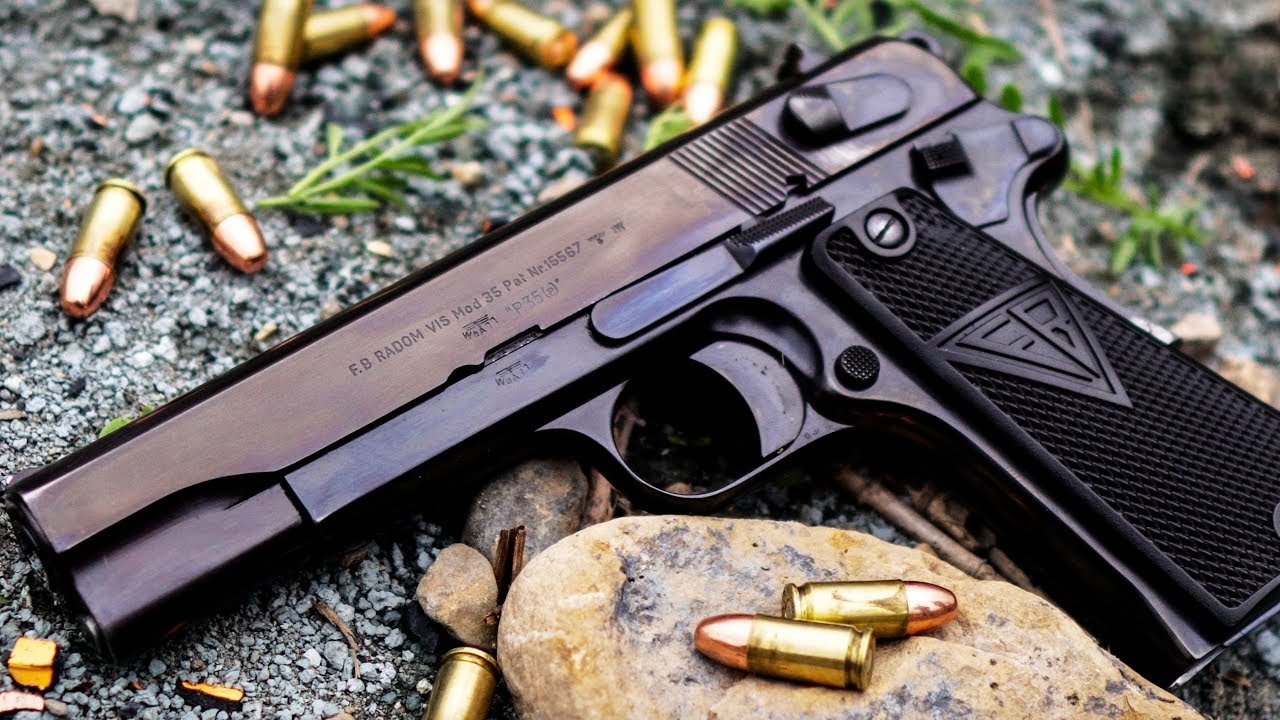
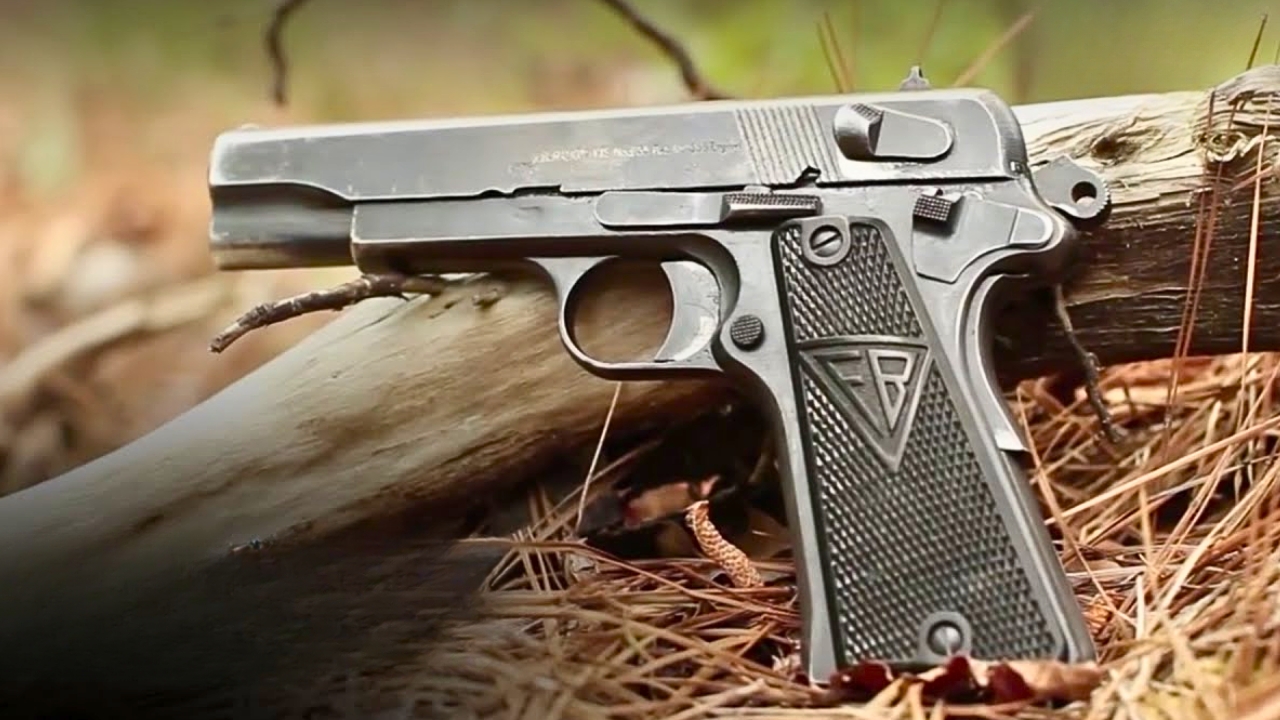
The Radom VIS 35 is one of the best service pistols many shooters have never handled. It has some 1911-like influence, but it is not a copy. The grip, takedown system, and overall feel make it one of the more refined military pistols of its era.
A good VIS 35 feels serious and well thought out. It points naturally, balances nicely, and carries a lot of historical weight, especially because of its Polish origin and wartime production story. It is the kind of pistol that makes you wonder why it is not talked about as often as other classics.
Tokarev TT-33
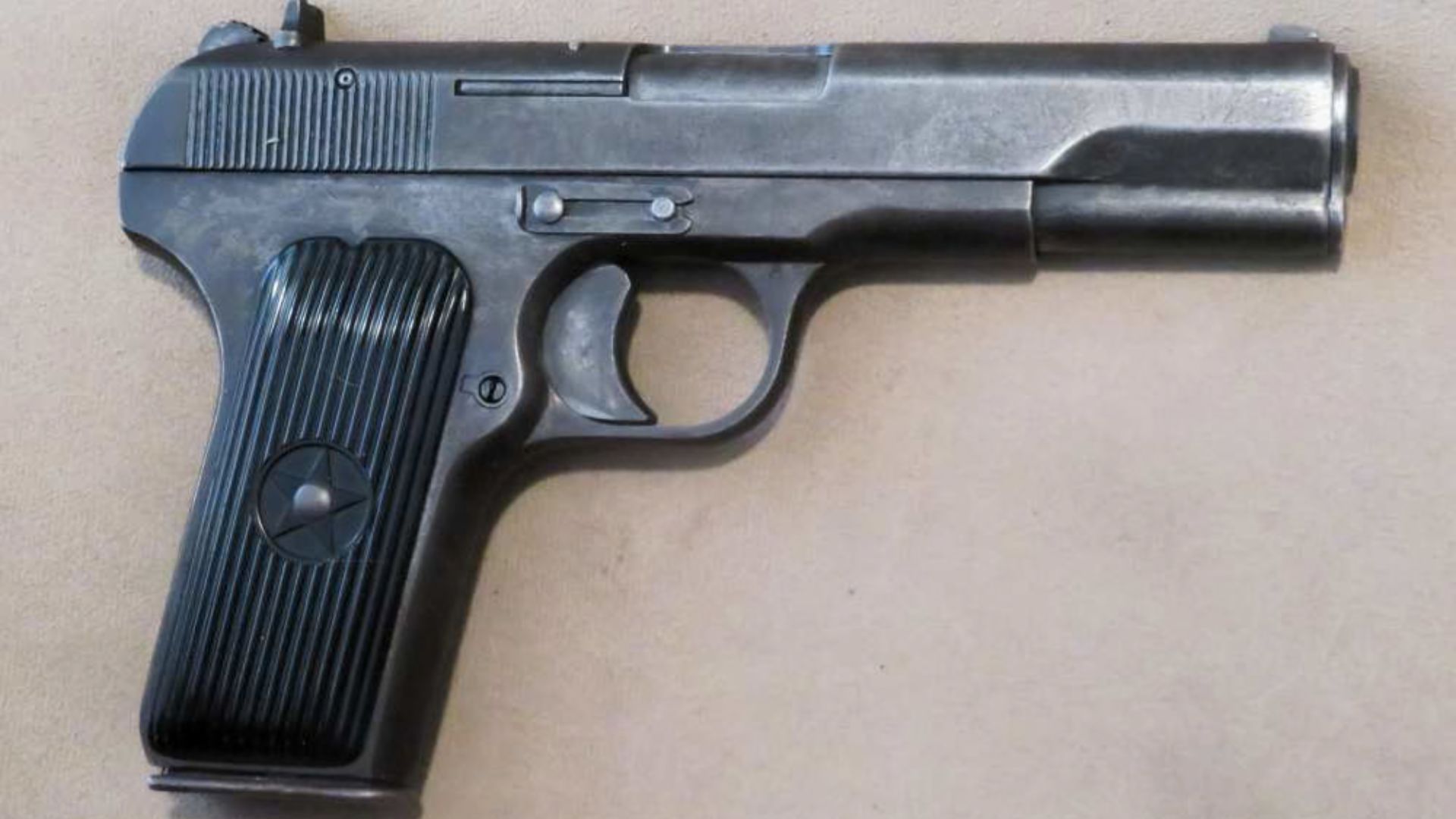
The Tokarev TT-33 is a rugged military pistol with a no-nonsense personality. It is slim, simple, and chambered in the fast 7.62x25mm Tokarev cartridge. It does not feel refined, but it does feel purposeful.
Every shooter should handle one because it shows a very different approach to service-pistol design. The grip is narrow, the controls are basic, and the cartridge gives it a sharp, lively feel. It is not the most comfortable pistol, but it is tough, historically important, and more interesting than its plain appearance suggests.
Makarov PM

The Makarov PM is simple, durable, and more accurate than many people expect. It was built as a compact military and police pistol, and its fixed barrel helps it shoot better than its small size and basic sights suggest. It is not powerful by modern standards, but it is very easy to understand.
Handling a Makarov teaches you why simple designs last. There is not much to snag, break, or overthink. The pistol is compact without feeling fragile, and the controls make sense after a little use. It may not be a modern carry recommendation, but as a classic working pistol, it still deserves respect.
Browning Buck Mark
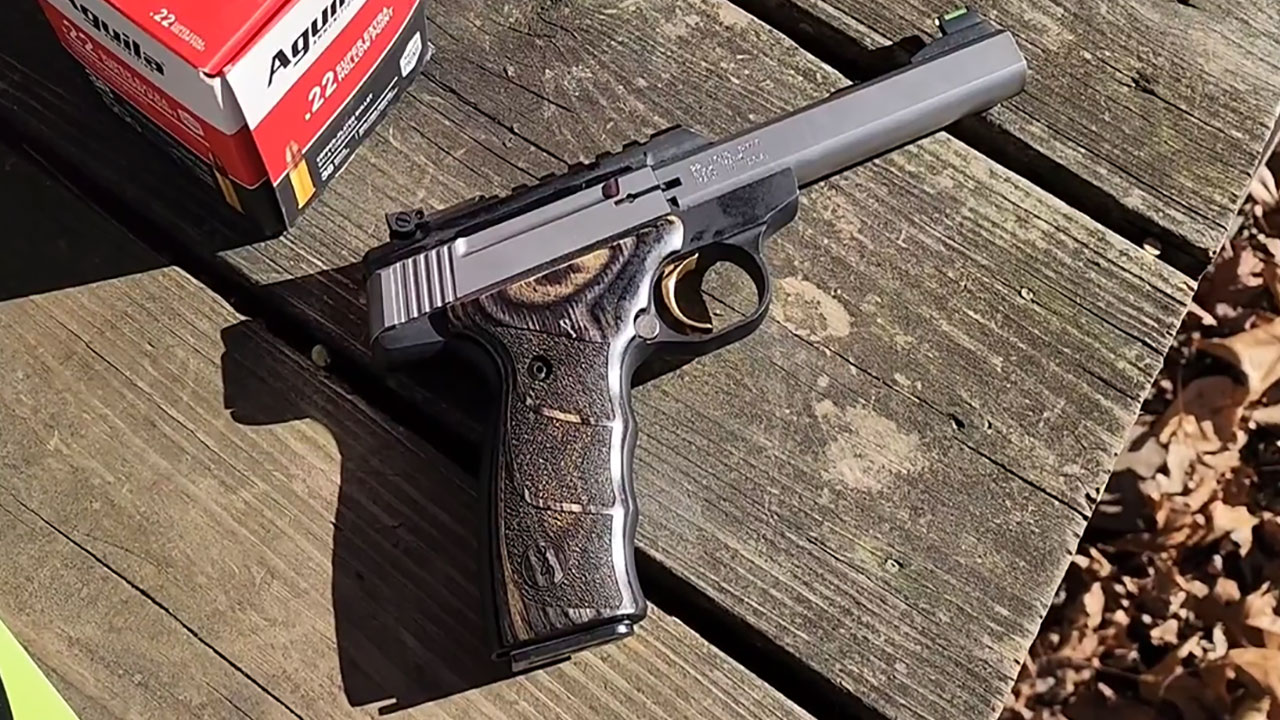
The Browning Buck Mark has become a modern classic because it does the .22 pistol job so well. It is not as old as some guns on this list, but it has been around long enough to prove itself with generations of shooters. It is accurate, comfortable, and approachable.
What makes it worth handling is how naturally it teaches good shooting. The trigger is usually good, the grip angle works for many hands, and the pistol is easy to enjoy. It may not have the historic drama of a Luger or P38, but every shooter should spend time with a good rimfire pistol, and the Buck Mark is one of the best examples.
Smith & Wesson 52
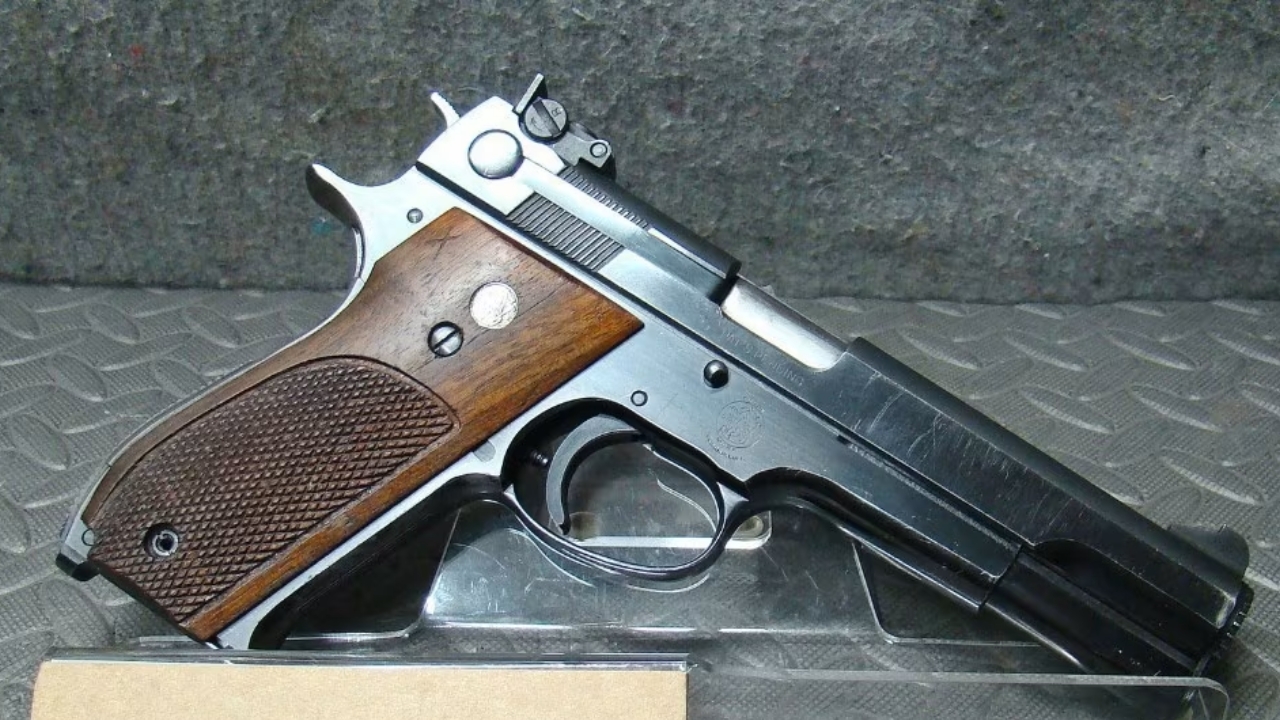
The Smith & Wesson 52 is a target pistol built around precision and an unusual chambering choice. It fires flush-seated .38 Special wadcutter loads, which makes it a specialized gun by modern standards. But for bullseye-style shooting, it became one of the most respected pistols of its kind.
Handling one shows what a dedicated target handgun can feel like. The trigger, balance, and soft recoil are all about accuracy. It is not versatile, and that is the point. The Model 52 reminds shooters that some pistols were designed to do one job extremely well instead of trying to be everything.
AMT Hardballer
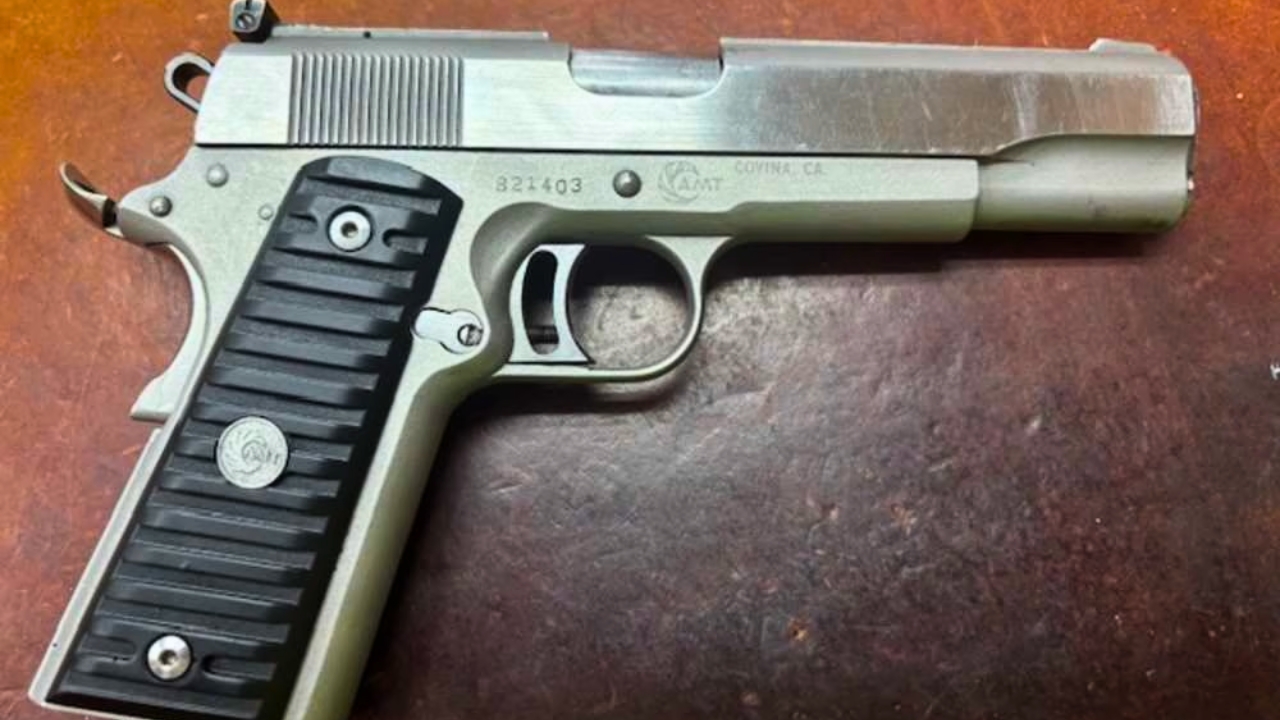
The AMT Hardballer has a reputation partly because of its stainless 1911 look and partly because it became famous outside normal gun circles. It was one of the early stainless 1911-style pistols, and that alone makes it interesting. It looks familiar, but with enough personality to stand apart.
The Hardballer is worth handling because it represents a different stage in the 1911’s long evolution. It may not have the refinement of better modern 1911s, and examples can vary, but it has history and attitude. Every shooter who likes 1911s should handle one just to see how the platform branched out before today’s huge custom market took over.
Like The Avid Outdoorsman’s content? Be sure to follow us.
Here’s more from us: