Photo credit: GBGuns/YouTube
Some pistols develop reputations that become stronger than the evidence behind them. A respected manufacturer, excellent trigger, high magazine capacity, or enthusiastic online following can convince buyers that a gun is nearly flawless before they have fired enough rounds to find its weak points.
That does not mean every pistol below is unreliable. Plenty of owners have examples that run perfectly. The concern is that these models can be less forgiving of ammunition, magazines, maintenance, grip technique, or aftermarket modifications than their reputations suggest. A defensive pistol should be judged by the individual gun in your hand, not by the logo on its slide or the praise surrounding it online.
SIG Sauer P320 Compact
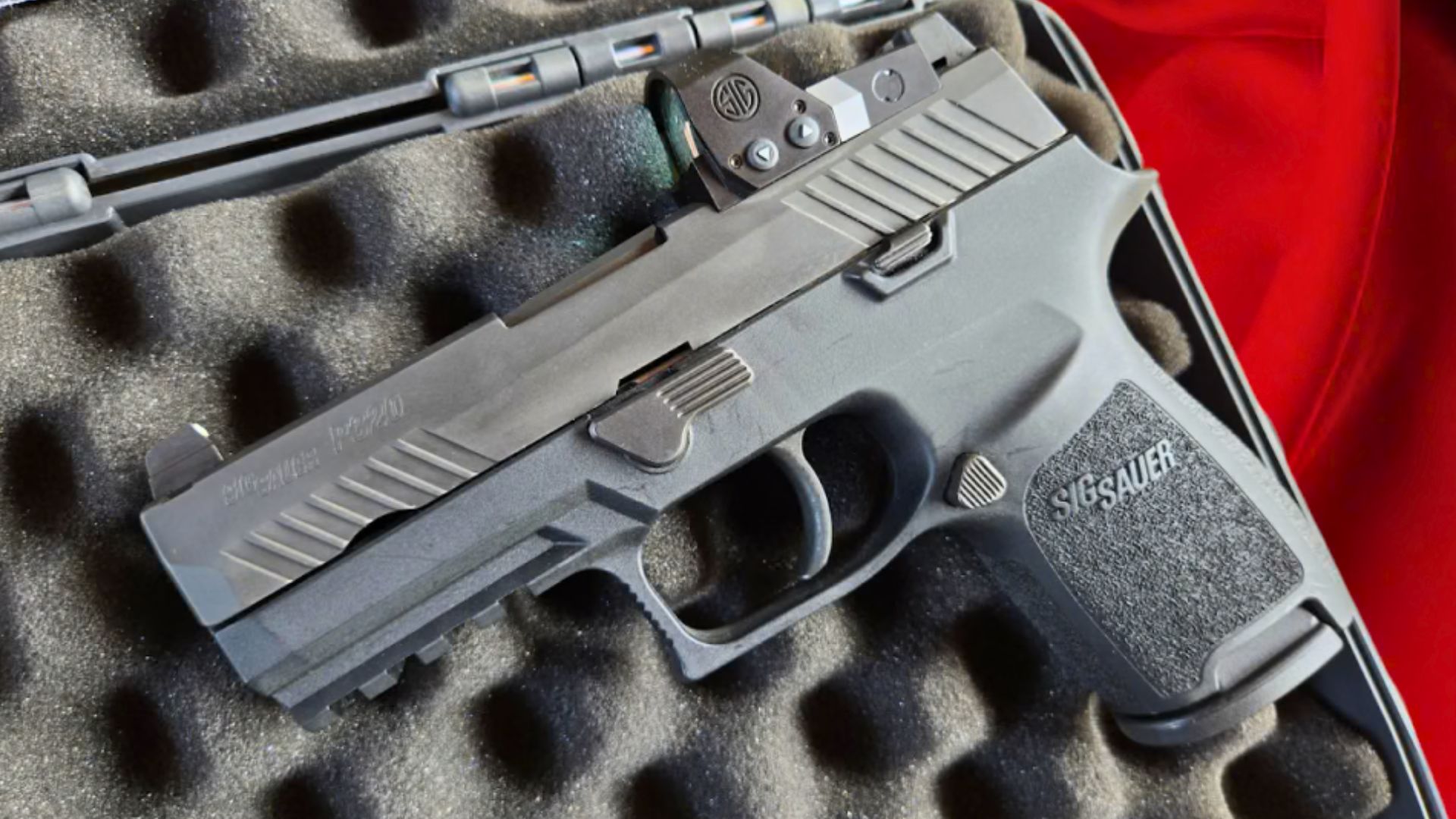
The P320 Compact has been adopted widely and supported by one of the largest accessory markets in the handgun industry. Its modular fire-control unit, interchangeable frames, and broad magazine availability make it look like one of the safest choices for a modern defensive pistol.
The platform’s reputation sometimes causes owners to overlook individual reliability problems. Extractor issues, worn recoil assemblies, damaged magazines, and poorly selected aftermarket slides can all create stoppages. The P320 is also modified constantly, often with combinations of barrels, springs, triggers, and grip modules that were never tested together. A factory pistol may run extremely well, but a heavily altered P320 should not receive automatic trust.
Springfield Armory Prodigy 4.25-Inch

The Prodigy 4.25-inch gives buyers double-stack 1911 capacity, an optics-ready slide, and a single-action trigger for far less than many premium 2011-style pistols. Its specifications make it appear to deliver nearly the same performance as guns costing thousands more.
Early examples damaged that impression with feeding problems, rough chambers, heavy slide movement, and inconsistent extractor tension. Later production has improved, but the platform still requires more attention than a basic striker-fired pistol. Magazines, lubrication, recoil springs, and ammunition shape matter. Owners expecting Glock-like neglect tolerance from an affordable double-stack 1911 can be disappointed.
Kimber R7 Mako
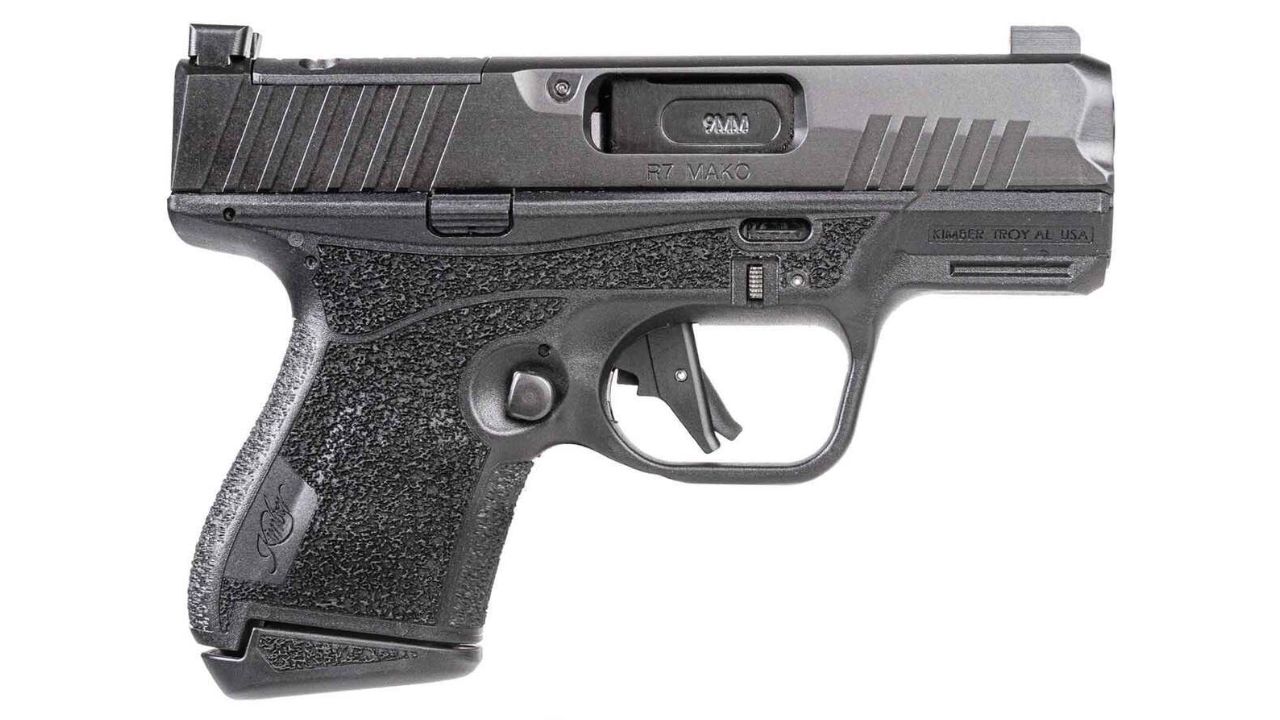
The R7 Mako looks like one of Kimber’s most practical defensive pistols. It offers strong capacity, a good trigger, an enclosed optic-ready slide, and a grip that feels more substantial than those on many tiny carry guns.
Kimber’s reputation for attractive finishing can cause buyers to assume the mechanical side will be equally polished. Some examples have been less tolerant of ammunition or magazine variations than buyers expect from a premium-priced micro-compact. The short recoil system also leaves little margin when the gun becomes dirty or the shooter’s grip weakens. It should be proven extensively before being trusted.
Kimber Rapide 1911
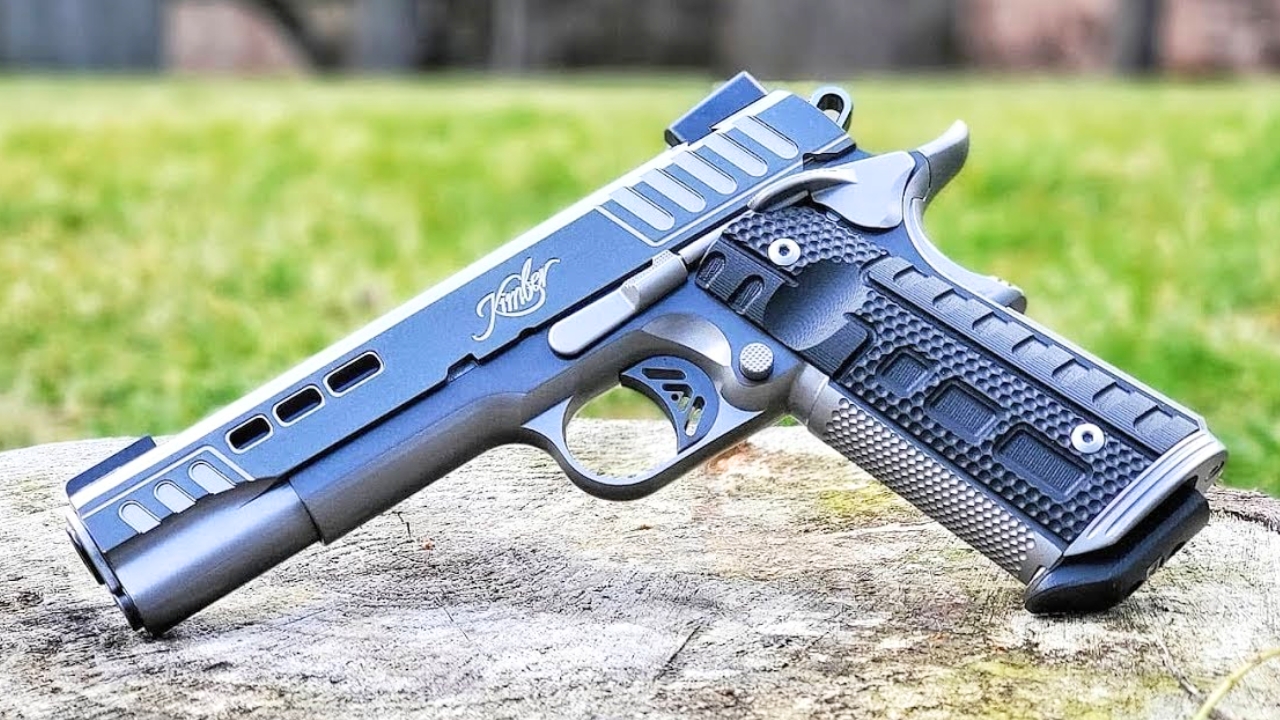
The Kimber Rapide series looks like a semi-custom 1911 straight from the factory. Aggressive slide cuts, contrasting finishes, upgraded sights, textured controls, and match-style barrels create expectations of exceptional reliability and accuracy.
The appearance can hide the fact that it remains a production 1911 with all the usual sensitivity to extractor tension, magazine geometry, recoil springs, and ammunition shape. Tight slide and barrel fit may feel impressive at the counter but can become less forgiving when the pistol is dry or dirty. Owners often expect the price and finish to guarantee flawless operation when the gun may still require careful setup.
Smith & Wesson M&P 5.7
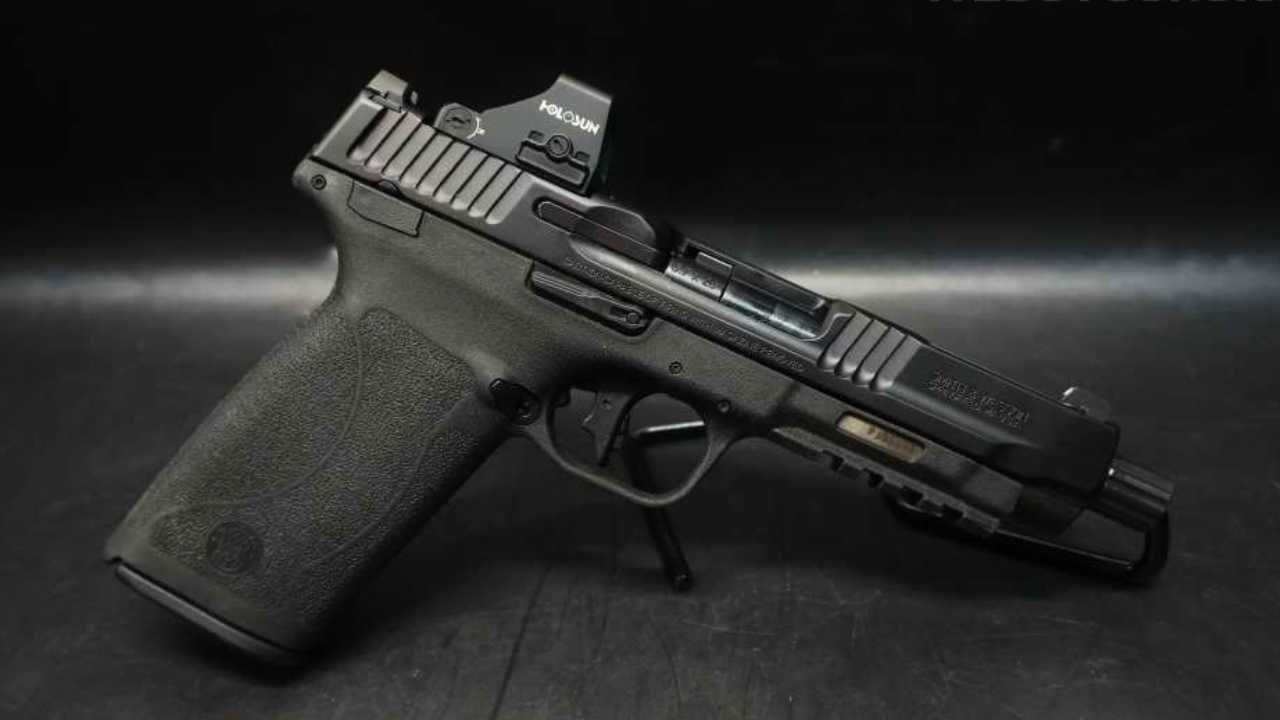
The M&P 5.7 has a strong manufacturer name, 22-round capacity, low recoil, and an unusual rotating-barrel operating system. Those features give it the appearance of a highly advanced pistol that should be both soft shooting and dependable.
Its operating system is more ammunition-dependent than a conventional locked-breech 9mm. Light primer strikes, extraction problems, or sluggish cycling can appear when ammunition quality varies or the gun becomes fouled. The long magazine also needs to present small bottleneck cartridges correctly. Owners sometimes trust the M&P name without recognizing that this is a very different pistol from the company’s conventional duty guns.
Ruger LCP Max

The LCP Max receives enormous praise because it puts ten or 12 rounds into a truly pocket-sized .380. It is easy to carry, widely available, and supported by a company known for responsive customer service.
Its tiny dimensions create a narrow operating margin. A weak grip, dirty chamber, damaged magazine lip, or slightly out-of-spec cartridge can affect cycling more than it would in a larger pistol. The short grip also makes magazine seating less positive when the shooter’s hand presses against the baseplate. Many LCP Max pistols run well, but the platform is less forgiving than its popularity suggests.
Ruger SR22

The Ruger SR22 is widely recommended as a dependable training and recreational pistol. Its conventional controls, exposed hammer, adjustable grip sleeves, and compact size make it attractive for new shooters.
Rimfire ammunition remains inconsistent, and the SR22 can be more selective about loads than its reputation implies. Light strikes, failures to feed, and extraction problems become more common when bulk ammunition, dirty magazines, or dry slide rails are involved. It is often dependable with ammunition it likes, but that is different from being universally reliable.
Walther WMP
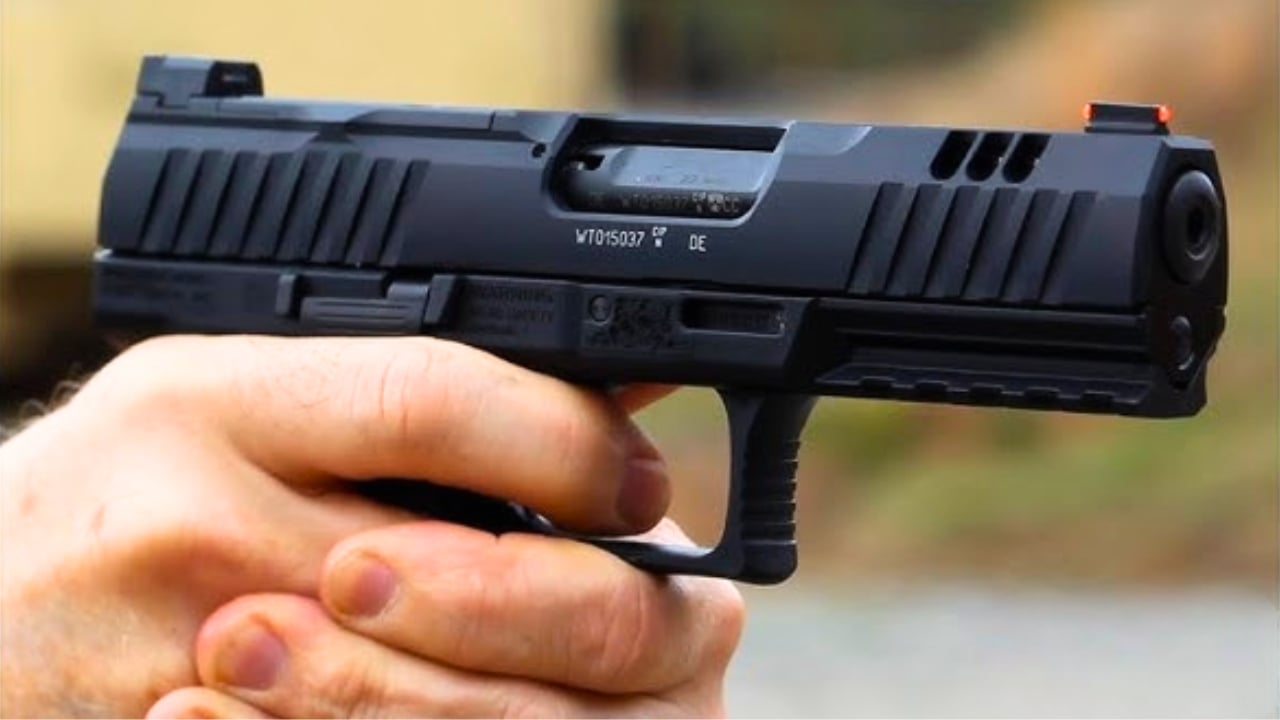
The Walther WMP offers high capacity, low recoil, useful controls, and .22 Magnum performance in a full-size pistol. Walther’s reputation for quality handguns makes buyers expect the WMP to run like a centerfire duty pistol.
The long rimmed cartridges and rimfire ignition system complicate feeding and extraction. Magazine loading technique matters, and some ammunition produces more reliable cycling than others. Carbon and unburned powder can also accumulate quickly. The WMP can be excellent for varmints and recreational shooting, but its reliability depends more heavily on ammunition selection than many owners expect.
KelTec CP33
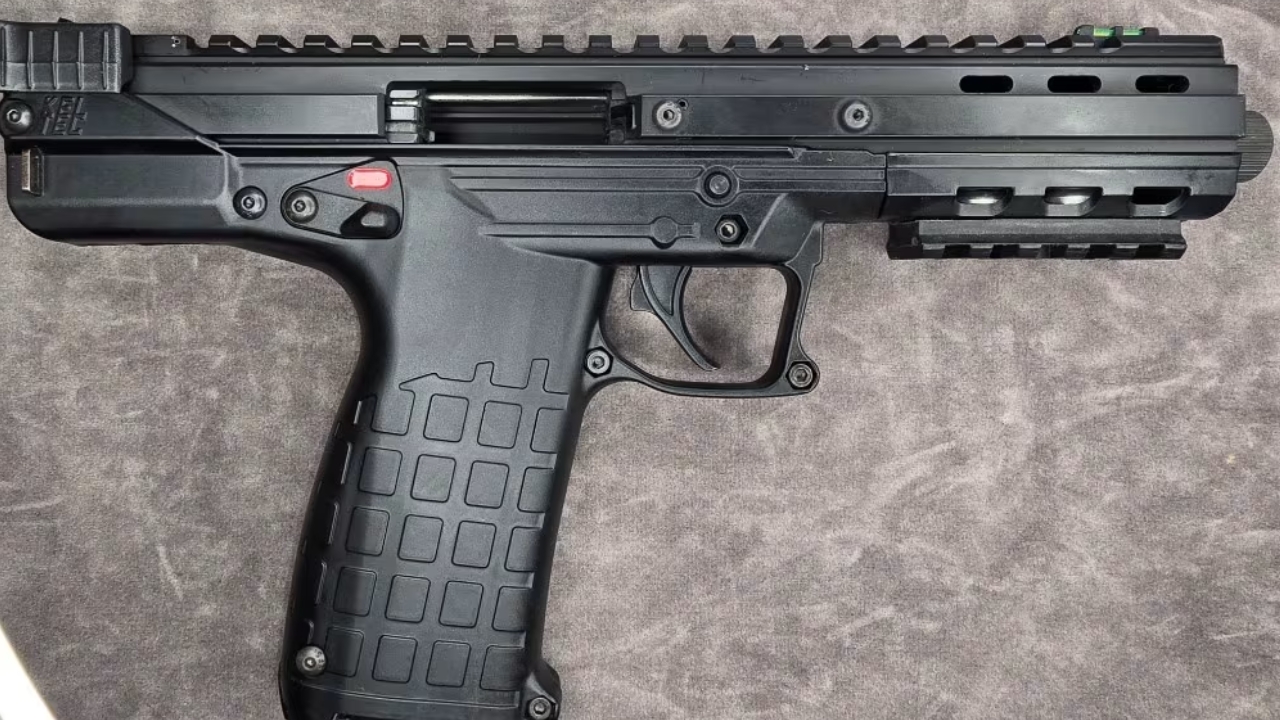
The CP33 attracts buyers with a 33-round magazine, light weight, threaded barrel, optics rail, and futuristic appearance. Its capacity gives it an enthusiastic following among rimfire shooters.
The magazines demand careful loading. Cartridge rims must remain properly staggered, and one incorrectly positioned round can create a stoppage several shots later. The long feed path and rimfire ammunition add further variables. Once the owner learns the magazines and finds suitable ammunition, the pistol may run well, but it is far less carefree than the enormous capacity suggests.
KelTec P17

The P17 provides 16-round magazines, a threaded barrel, light weight, and a very low purchase price. It is frequently praised as one of the best bargains in the rimfire-pistol market.
The low price can cause owners to excuse failures they would criticize in a more expensive gun. Magazine issues, ammunition sensitivity, light strikes, and extraction problems are not unheard of. The thin slide and lightweight construction also become heavily fouled during long range sessions. It is an enjoyable pistol, but its value reputation sometimes gets confused with a reputation for absolute dependability.
Taurus TX22 Compact

The TX22 family is widely praised for bringing full-size ergonomics and high capacity to an affordable rimfire pistol. The Compact version adds easier carry, optic compatibility, and familiar defensive-pistol handling.
The shorter slide gives the recoil system less room to work than the full-size TX22. Bulk ammunition, dirty magazines, and suppressor use can expose cycling problems sooner. Feed ramps and chambers also need to remain clean when shooting waxy rimfire loads. It is still one of the better affordable .22 pistols, but the Compact should not automatically inherit the full-size model’s reputation.
Girsan Witness 2311
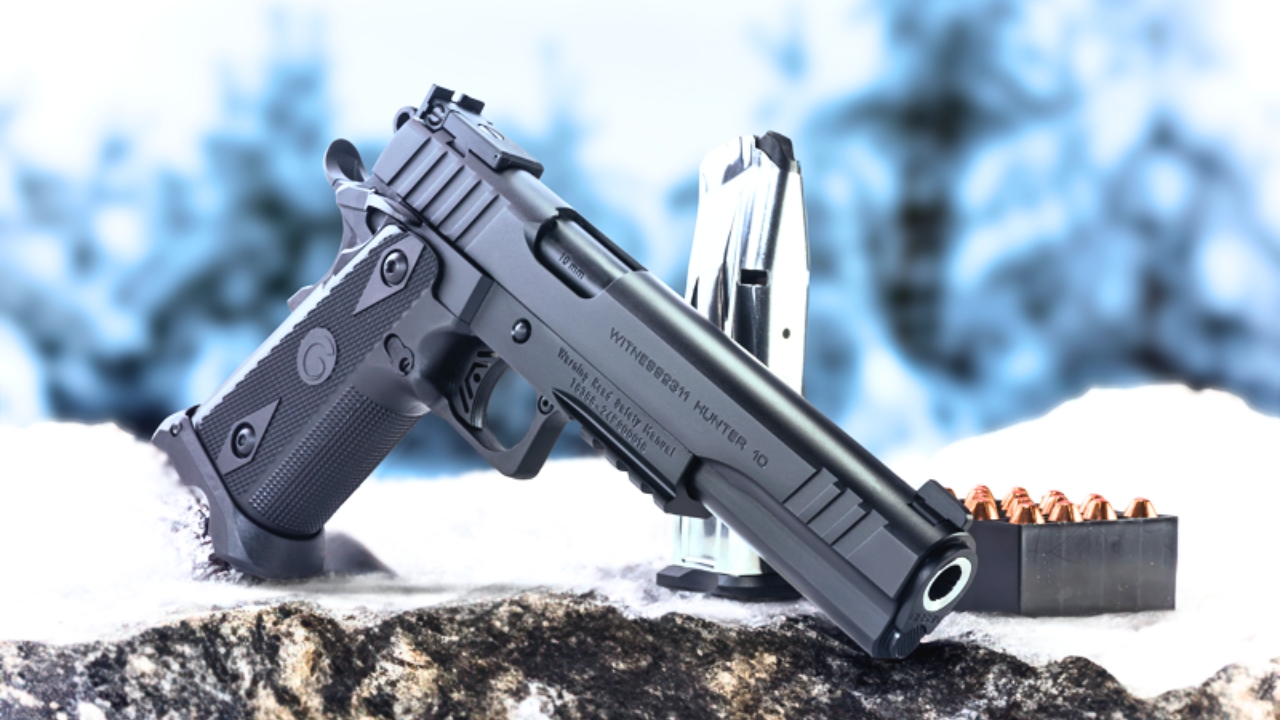
The Witness 2311 looks like a major breakthrough for shooters who want a double-stack 1911 without paying premium prices. It provides high capacity, a single-action trigger, accessory rail, and optics-ready configurations.
The low price does not remove the complexity of the platform. Extractor adjustment, magazine quality, slide speed, feed-ramp geometry, and ammunition shape can all influence reliability. Owners sometimes expect the gun to perform like a fully tuned premium 2011 because it looks similar. In reality, some examples require testing, spring changes, or warranty attention before becoming dependable.
Girsan MC P35 PI
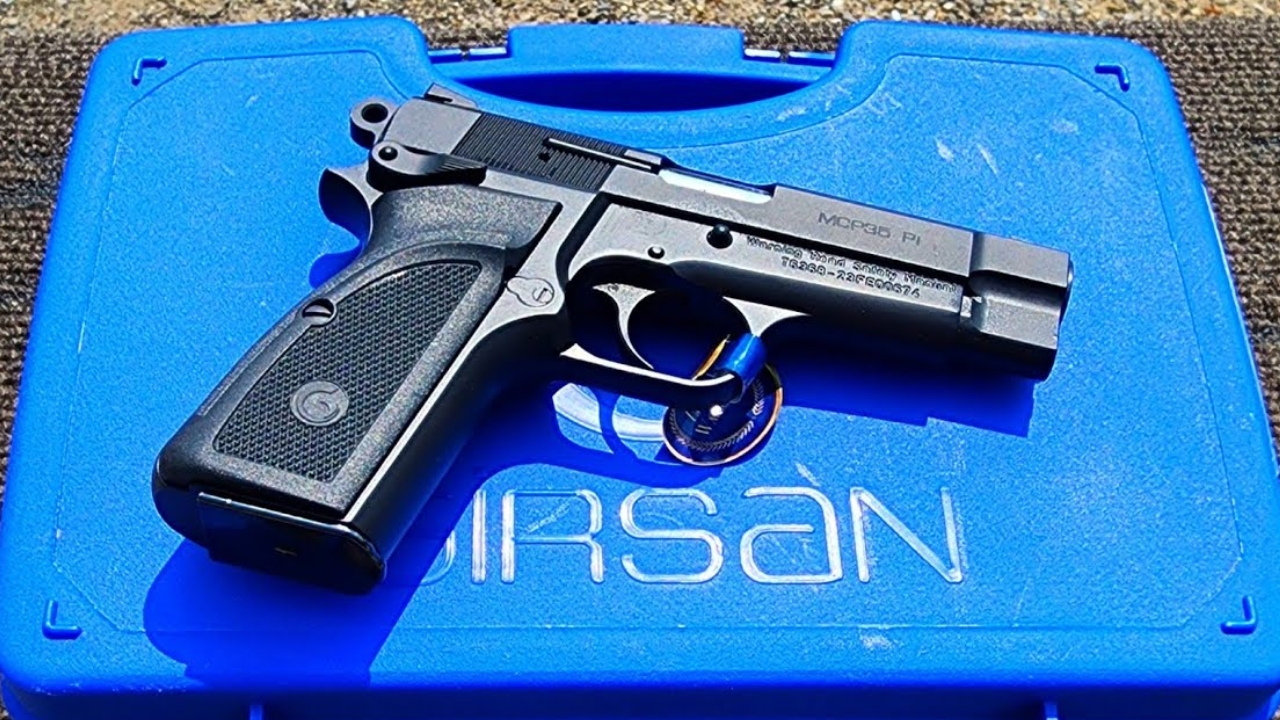
The compact MC P35 PI gives shooters a shortened Hi-Power-style pistol with a metal frame and high capacity. The classic design and attractive price make it easy to assume that decades of Hi-Power history guarantee dependable function.
Shortening a proven design changes slide velocity and recoil-spring requirements. The compact grip and abbreviated slide can make the pistol less tolerant of weak ammunition or worn magazines. Feed geometry also matters with modern hollow points. It may become reliable after careful testing, but it should not be trusted solely because its design resembles a historic service pistol.
Tisas 1911 DS Carry

The Tisas DS Carry offers double-stack capacity, optics capability, a railed frame, and a single-action trigger at a remarkably low price. It looks like an inexpensive route into the modern 2011-style market.
The pistol still depends on magazines, extractor tension, recoil timing, and consistent ammunition. Affordable double-stack 1911s often receive praise because they deliver impressive accuracy and features, but reliability over high round counts is a different test. Owners should expect a longer proving process than they would with a basic duty pistol.
Rock Island Armory TAC Ultra FS HC
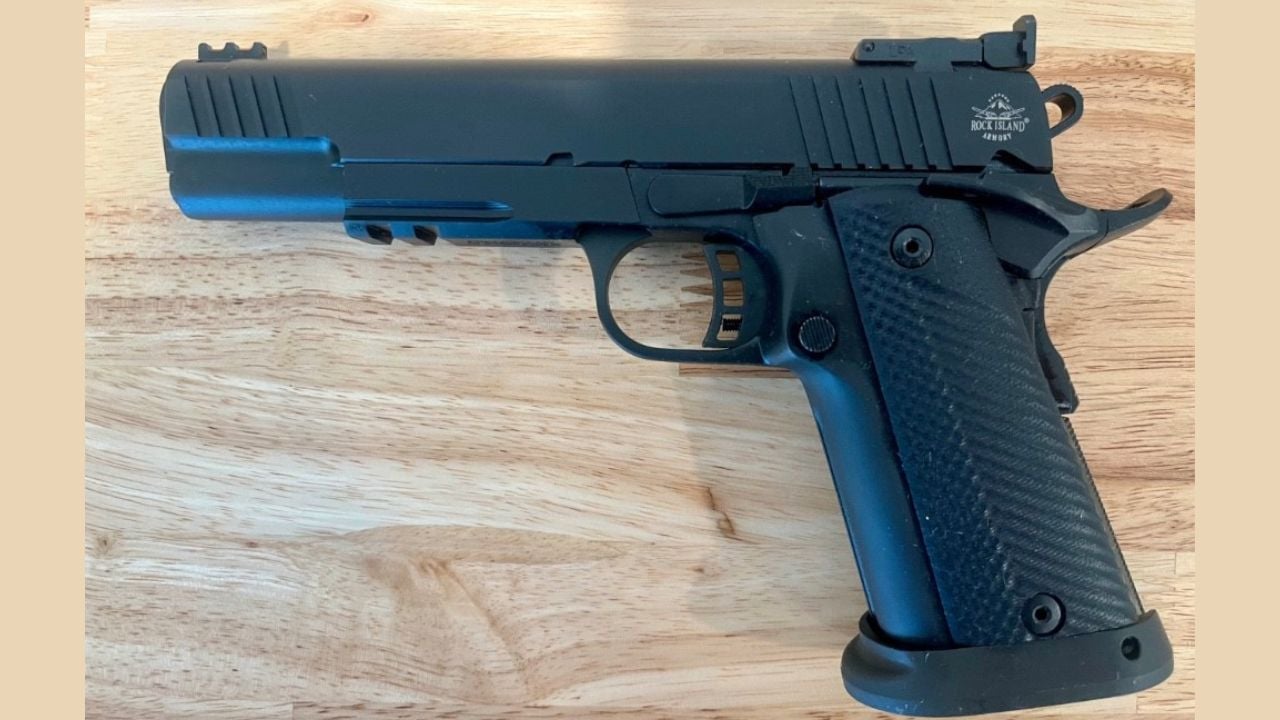
The TAC Ultra FS HC gives buyers a heavy steel frame, high-capacity magazine, excellent single-action trigger, and competition-ready appearance without premium pricing. Its weight makes recoil mild and can produce impressive groups during a clean range session.
The wide magazines and 1911-style feeding system can be less forgiving when ammunition length or bullet profile changes. The pistol also needs adequate lubrication, and its heavy slide may struggle with weak loads or poorly matched recoil springs. It can be extremely reliable once tuned around the right magazines and ammunition, but that qualification is often missing from its reputation.
PSA Dagger Micro

The Dagger Micro promises slim carry dimensions, high capacity, optics-ready configurations, and magazine compatibility within a familiar Glock-influenced layout. Its low price makes it one of the most tempting micro-compact options available.
The platform is newer and has less long-term history than the full-size Dagger. Magazine geometry, recoil-spring tuning, and extractor performance become more critical in a small pistol. Buyers also tend to modify the gun immediately with different slides, barrels, triggers, and magazine components. That makes it difficult to separate factory reliability from problems introduced by the owner.
PSA 5.7 Rock
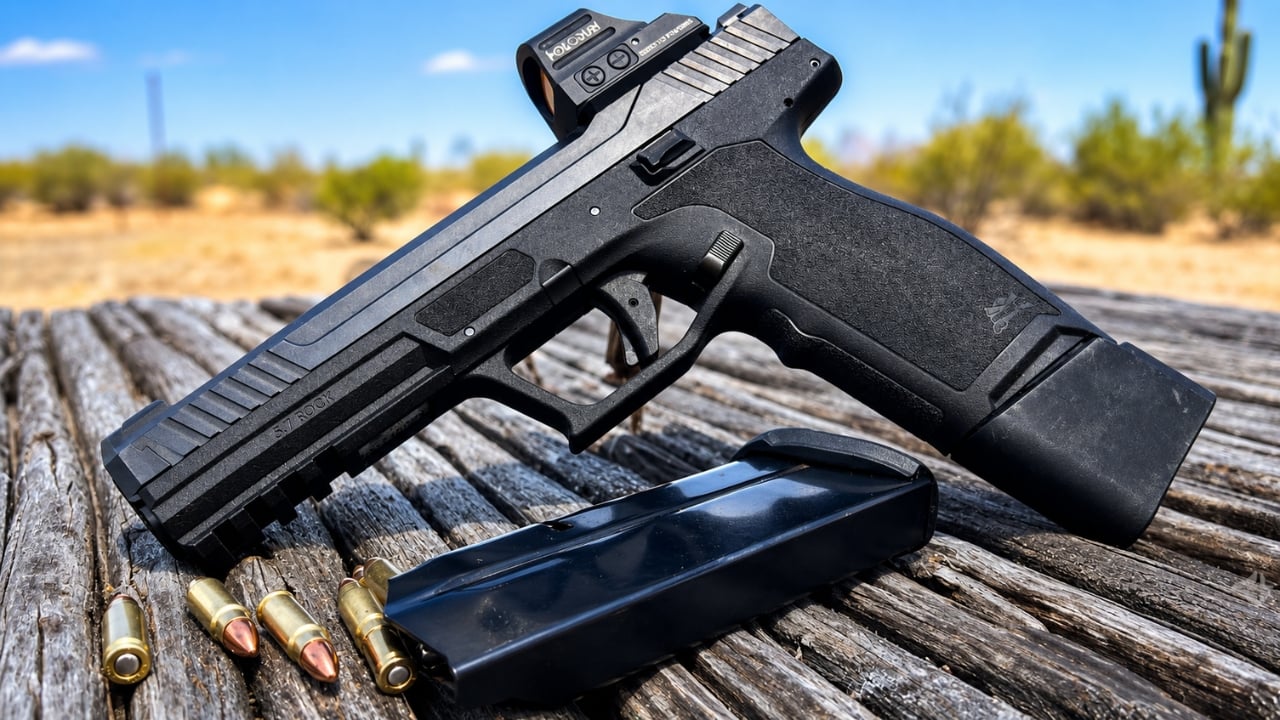
The PSA Rock has developed a strong value reputation because it provides 23-round capacity, mild recoil, optics-ready options, and affordable magazines. It makes the 5.7x28mm cartridge accessible to far more shooters.
Small bottleneck cartridges demand consistent magazine presentation and ammunition dimensions. Certain loads may cycle better than others, while dirty chambers can create extraction problems. The gun’s low recoil and excellent capacity make it enjoyable, but owners should not assume that every brand of 5.7mm ammunition will produce identical reliability.
Mossberg MC2sc
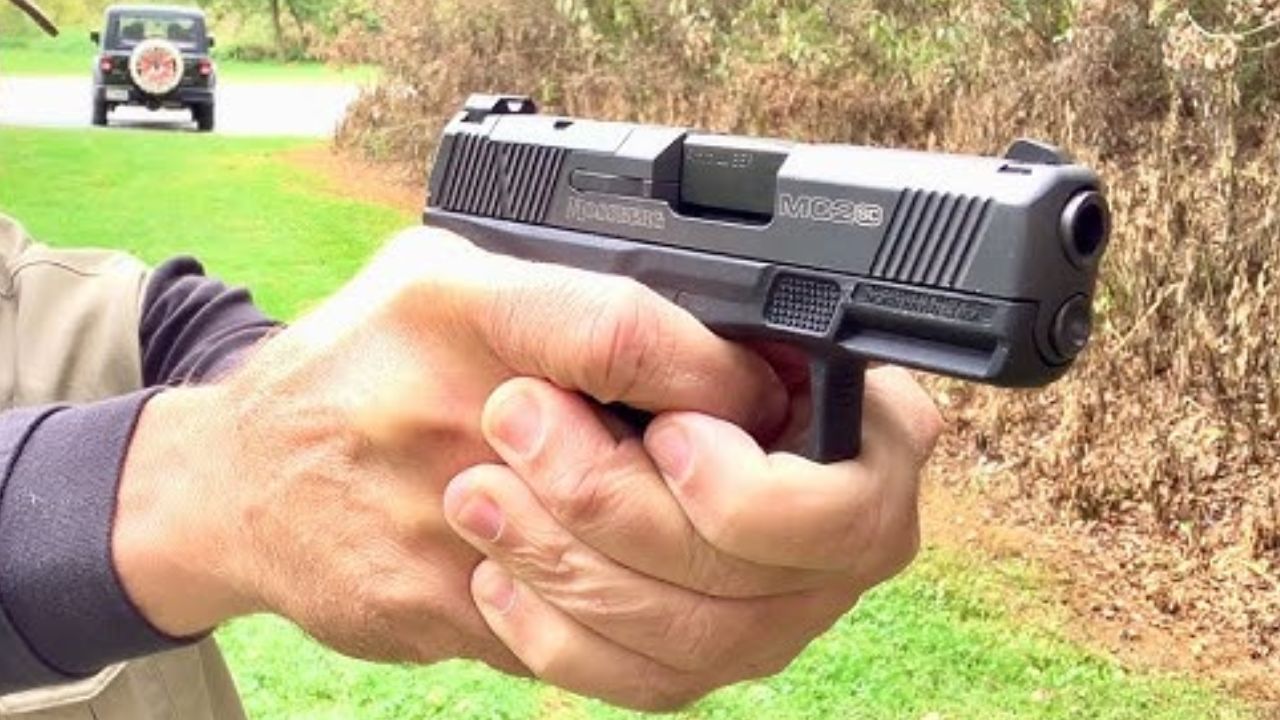
The MC2sc offers strong capacity, a slim frame, optics compatibility, and a surprisingly good trigger from a company better known for shotguns. It is frequently praised as an overlooked alternative to the major micro-compacts.
Being overlooked also means it has a smaller pool of long-term user experience. Magazines, replacement parts, and holsters are less common locally, which can make small reliability issues harder to diagnose and correct. The short recoil system also remains sensitive to grip and ammunition. A good example can run very well, but the gun has not earned the universal trust sometimes given to more established designs.
Stoeger STR-9 MC

The STR-9 MC gives buyers a small carry pistol with interchangeable backstraps, useful capacity, and a price lower than many major competitors. Stoeger’s connection to the Beretta group adds credibility that most budget brands cannot match.
The micro-compact configuration is less forgiving than the larger STR-9 pistols. Short slide travel, stiff springs, and a narrow grip can expose weak ammunition or inconsistent technique. Limited magazine and parts availability also complicates troubleshooting. The pistol may prove dependable, but buyers should not assume the corporate connection makes it equivalent to Beretta’s established service guns.
SAR9 SC Gen3
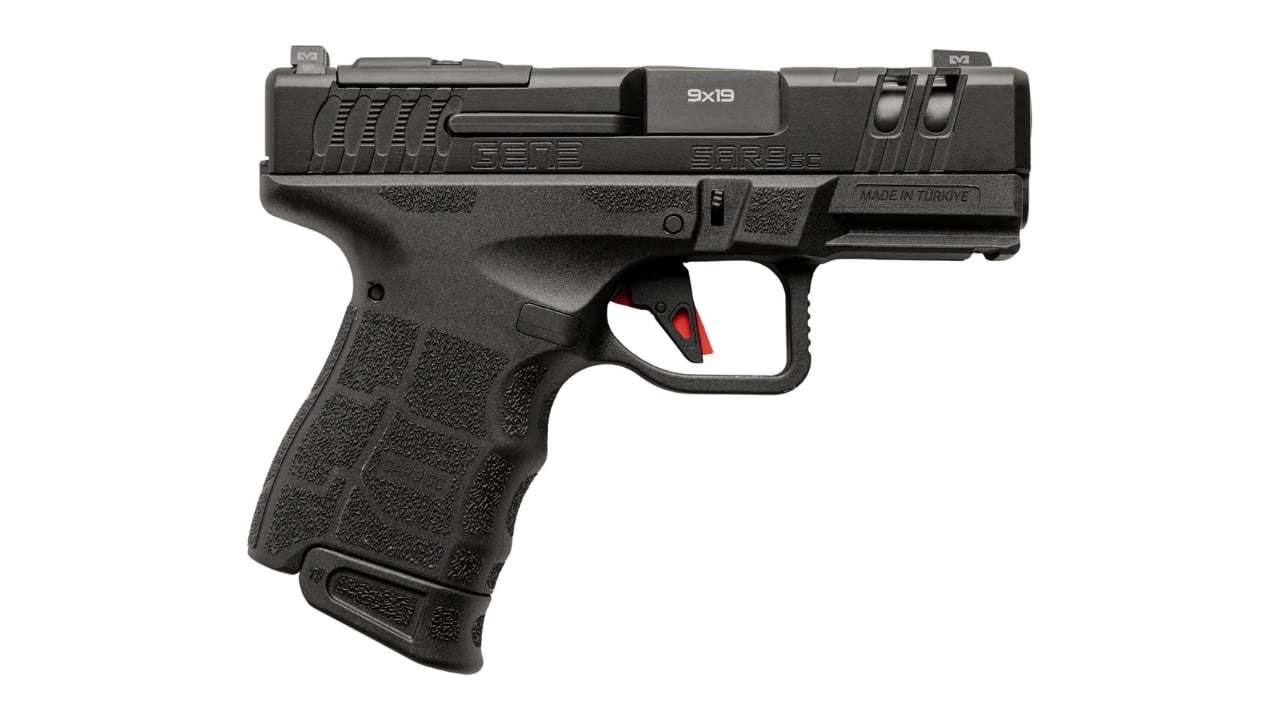
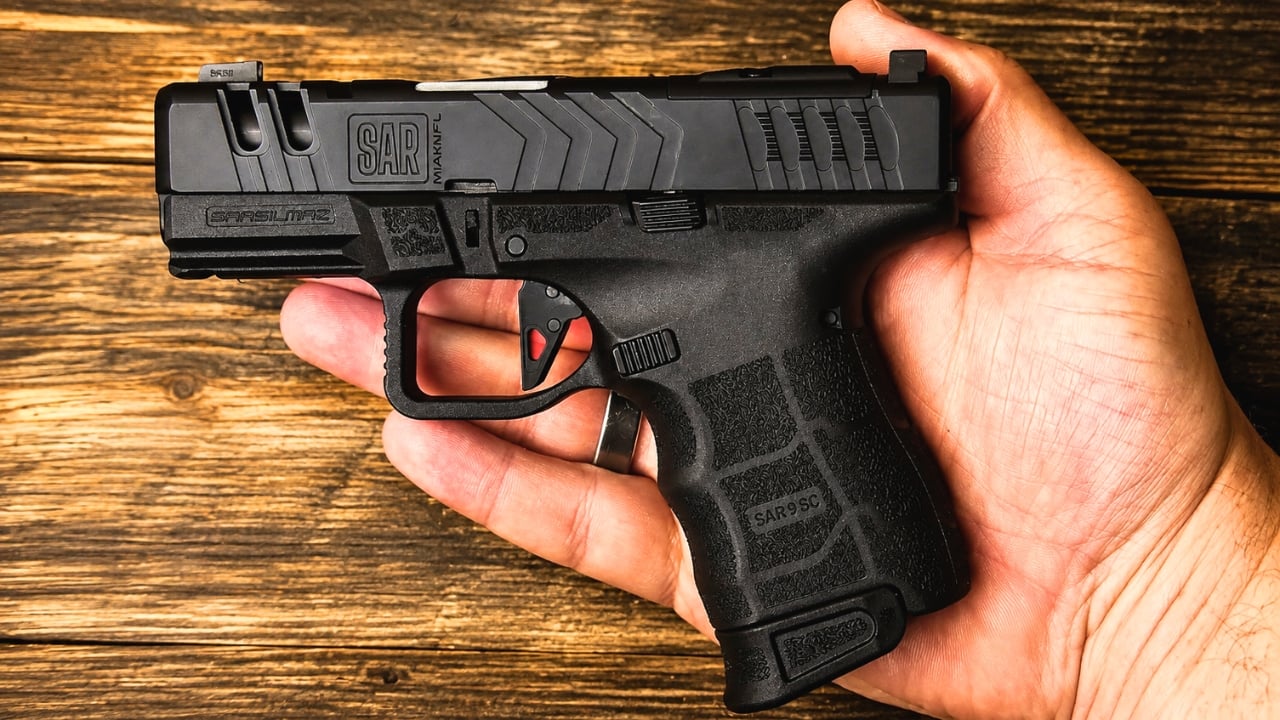
The SAR9 SC Gen3 brings the company’s service-pistol styling into a smaller carry package. It offers modern sights, optics capability, adjustable ergonomics, and an attractive price.
The compact dimensions remove some of the operating margin found in the full-size SAR9. Magazine springs, recoil timing, and grip pressure matter more, while replacement parts are less common than they are for Glock or Smith & Wesson. The full-size platform’s military-inspired reputation can cause owners to trust the subcompact before the individual gun has earned it.
Like The Avid Outdoorsman’s content? Be sure to follow us.
Here’s more from us: