Photo credit: Bulletproof Tactical/Youtube
Some guns get bought with hope attached. The idea makes sense, the brand has history, the category seems useful, or the design looks like it should solve a real problem. Owners want them to work out because the concept is so easy to like.
Then the reality never quite matches the expectation. Maybe they’re too picky, too awkward, too rough, too specialized, or just not as good as the guns they were supposed to compete with. These firearms weren’t always total failures, but they were never as good as owners wanted them to be.
Remington R51
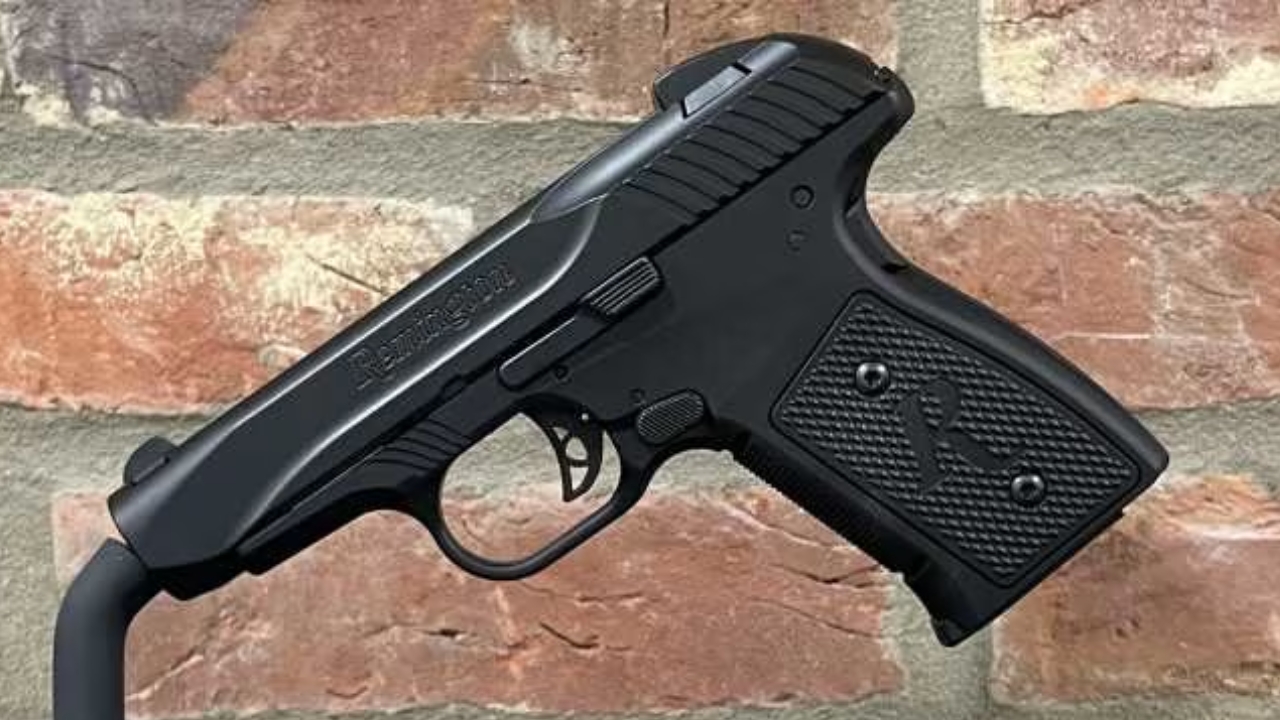
The Remington R51 had one of those concepts shooters wanted to believe in. A slim 9mm carry pistol with a low bore axis, distinctive action system, and a revived Remington name sounded like a refreshing change from the usual compact striker-fired crowd. On paper, there was plenty to be curious about.
The problem was that early execution wrecked confidence. Feeding issues, extraction complaints, rough function, and the eventual recall made the R51 hard to trust. Remington tried to fix the pistol later, but defensive handguns don’t get endless second chances with most owners. People wanted it to be clever, soft-shooting, and reliable. Instead, too many found themselves explaining problems that should have been solved before the gun ever left the factory.
Kimber Solo
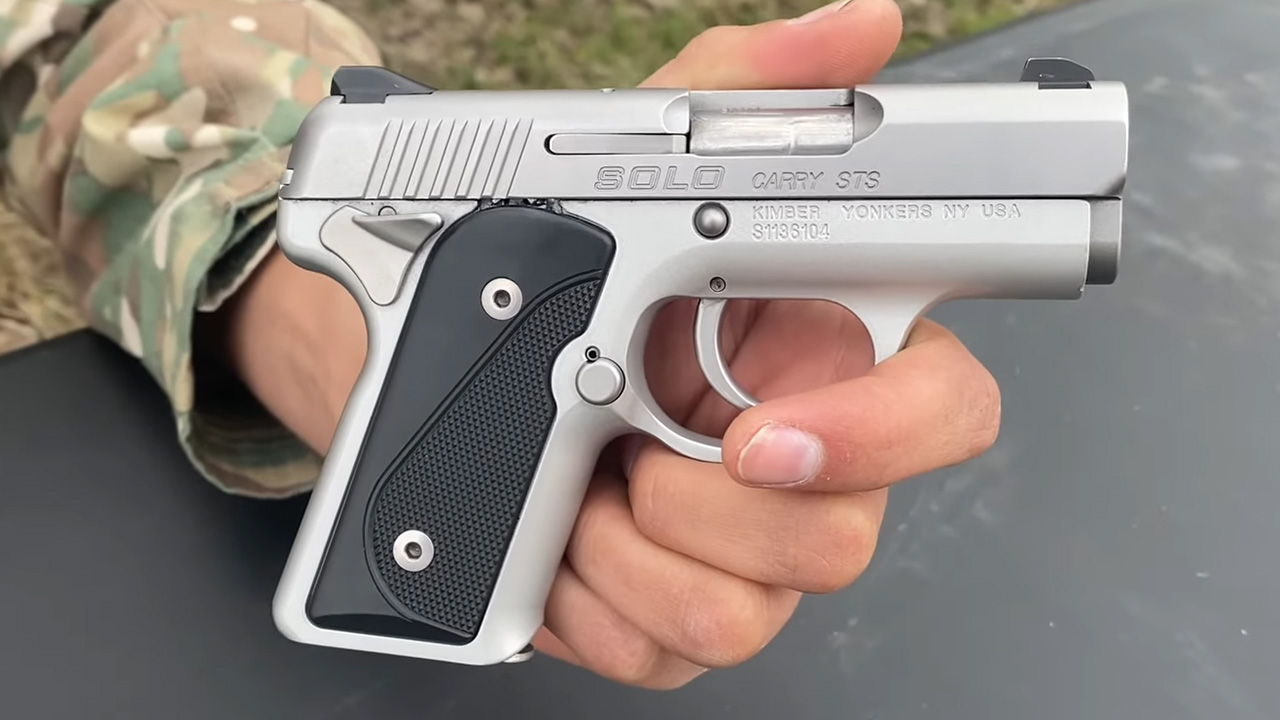
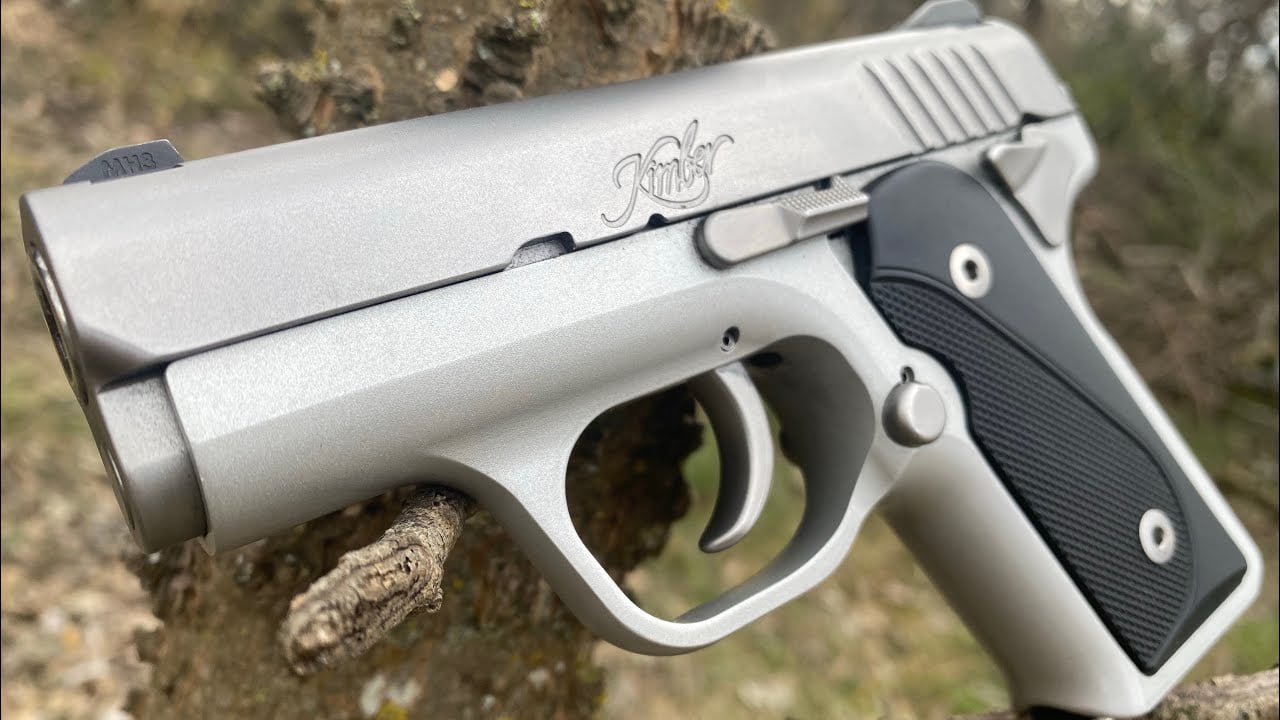
The Kimber Solo looked like it should have been a premium answer to the tiny 9mm carry problem. It was sleek, metal-framed, compact, and nicer-looking than a lot of small defensive pistols. For buyers who wanted something more refined than a plastic pocket gun, the Solo was easy to want.
Then owners learned how demanding it could be. The pistol developed a reputation for ammunition sensitivity and reliability concerns, especially if shooters didn’t stick with preferred defensive loads. Some examples worked well, but the model as a whole asked for too many qualifications. A carry pistol needs to become more trusted the longer you use it. For many Solo owners, the more they tested it, the more they wished it had been as dependable as it was handsome.
Remington 770
The Remington 770 looked like it should have been a simple win for budget hunters. A scoped rifle package with the Remington name gave buyers an affordable way into deer season without piecing together a setup. For someone trying to keep costs down, that was a tempting idea.
The rifle itself often felt like a disappointment compared with what people expected from Remington. Rough bolts, cheap-feeling stocks, and a lack of refinement made it hard to love. Some shot well enough to hunt with, and plenty killed deer. But owners usually wanted more than “it technically works.” The 770 never carried the confidence or pride that older Remington rifles built into the brand. It felt like a shortcut, and hunters noticed.
Taurus Curve
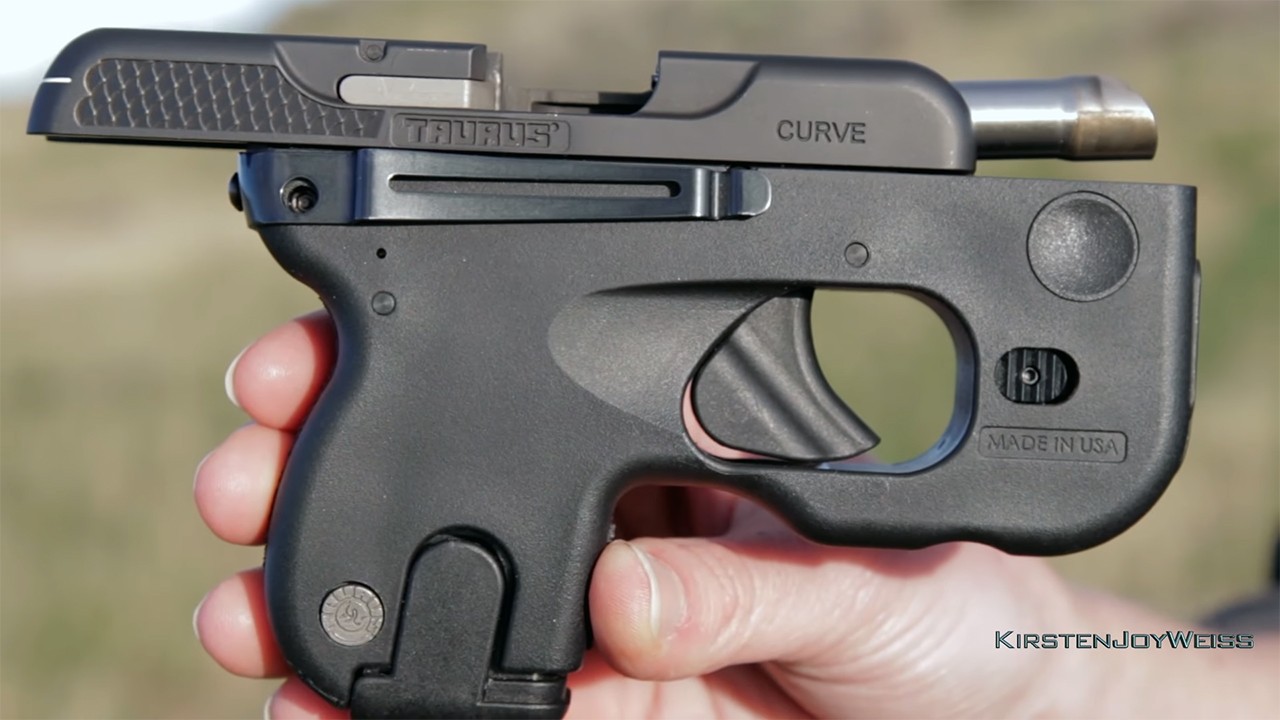
The Taurus Curve was one of those guns where the idea got ahead of the shooting experience. A curved .380 made for body carry, with a snag-free shape and built-in light and laser on certain versions, sounded creative. It looked like Taurus was trying to rethink deep concealment instead of copying everyone else.
Unfortunately, the design never felt as practical as the pitch. The unusual shape made handling feel odd, the sighting system was limited, and the pistol didn’t inspire the kind of range confidence a defensive gun needs. Concealment is important, but the gun still has to draw, aim, and shoot naturally. The Curve solved a narrow carry problem while creating bigger training problems. Owners wanted innovation. What they got felt more like a gimmick.
SIG Sauer Mosquito
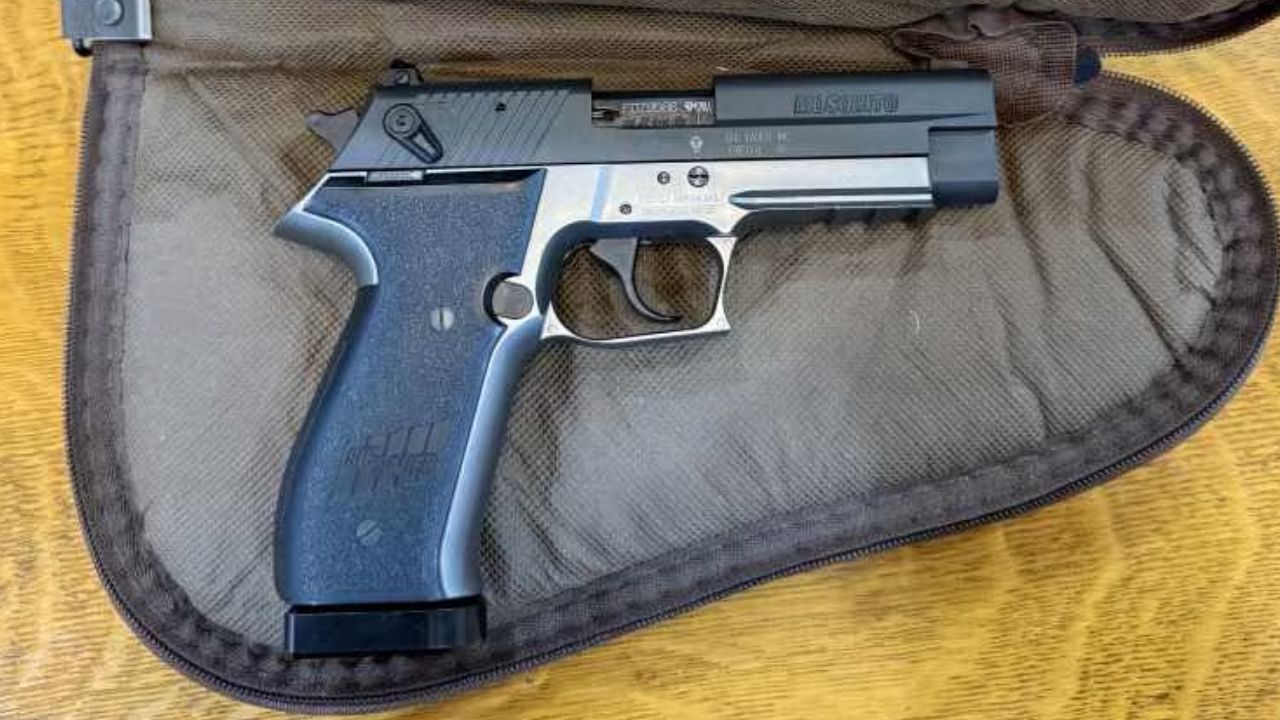
The SIG Mosquito should have been better than it was. A .22 LR pistol with SIG styling and trainer potential sounds like an easy favorite. Cheap practice, familiar controls, and less recoil should have made it a useful range companion for new and experienced shooters alike.
Instead, the Mosquito became known for being picky and frustrating. Rimfire pistols can always be ammunition-sensitive, but this one developed a reputation for making range days more complicated than they needed to be. Owners wanted an easy, affordable practice pistol. Too many ended up chasing ammo that worked, clearing malfunctions, and wondering why a SIG-branded .22 felt so fussy. The concept made sense. The execution didn’t live up to it.
Colt All American 2000
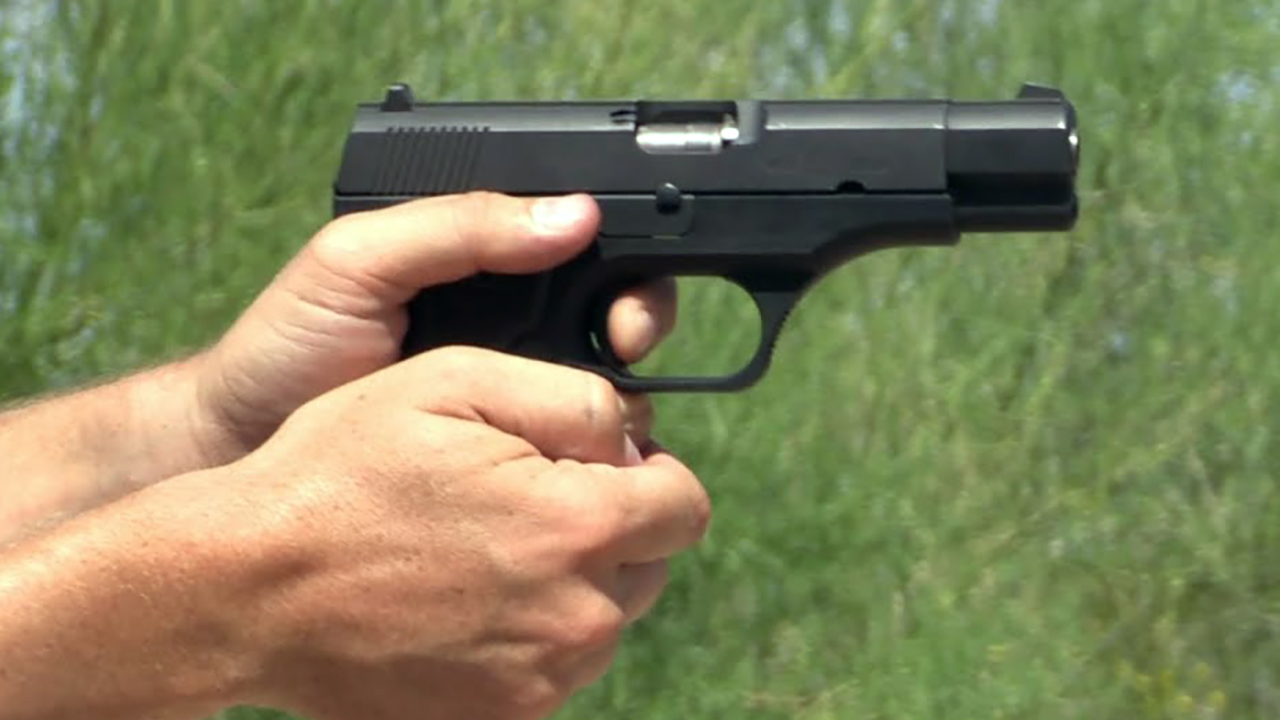
The Colt All American 2000 had the kind of name and timing that made people want it to matter. Colt needed a modern high-capacity 9mm that could compete with the changing service-pistol market. A forward-looking Colt pistol should have been a major event.
Instead, it became one of the company’s most disappointing modern handguns. The trigger was awkward, the grip and handling didn’t win enough shooters over, and the pistol never felt like the strong answer Colt needed. It had interesting design involvement behind it, but that didn’t translate into a gun people wanted to carry, shoot, or recommend. Owners wanted Colt to prove it could lead the modern pistol market. The All American 2000 proved how hard that would be.
Remington 887 Nitro Mag

The Remington 887 Nitro Mag looked like it should have been a tough waterfowl shotgun. The ArmorLokt coating, bulky build, and 3½-inch chambering made it seem ready for cold blinds, muddy boats, and wet mornings. It had the visual attitude of a shotgun built for abuse.
The problem was that it never replaced the trust hunters already had in simpler pumps. Many shooters found it bulky, awkward, and less natural than an 870 or Mossberg 500. Reliability complaints and recall history made things worse. A waterfowl shotgun can be ugly, heavy, and plain if it runs hard. The 887 looked like it was built for brutal conditions, but too many owners wished it felt better once the hunt actually started.
Beretta Nano

The Beretta Nano had several smart ideas. It was compact, smooth-sided, snag-free, and built around a modular chassis-style system before that became common in carry pistols. With Beretta behind it, many buyers expected a serious slim 9mm that would age well.
What owners got was more mixed. The heavy trigger, short grip, and lack of an external slide stop lever turned off a lot of shooters. It carried easily, but it didn’t shoot as comfortably as people hoped. Then the slim 9mm market moved fast, and newer pistols made the Nano feel dated. It wasn’t a disaster, but it never became the Beretta carry pistol people wanted it to be. The ideas were better than the experience.
Mossberg 715T
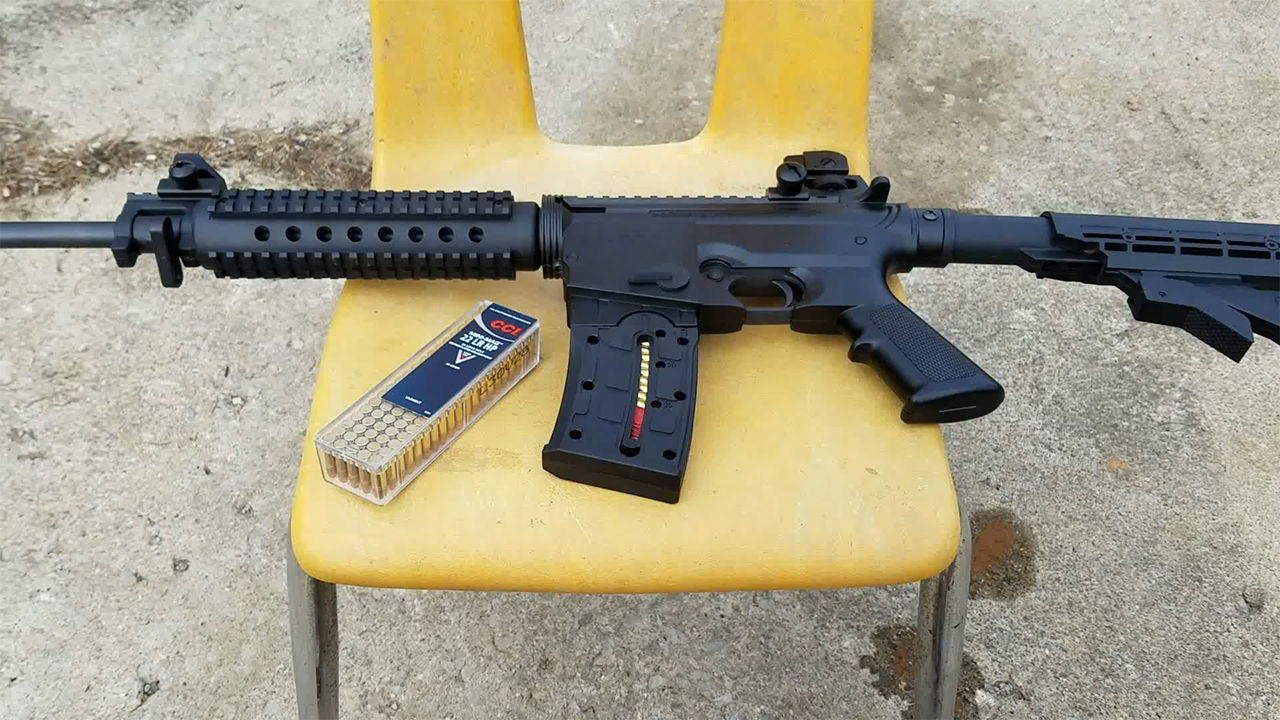
The Mossberg 715T looked like it should have been easy fun. An AR-style .22 with inexpensive ammo and modern looks seems like a good way to bring newer shooters into rimfire practice. The price was approachable, and the styling did a lot of work.
The problem was that the rifle often felt less satisfying than it looked. Many shooters found it bulky, plasticky, and less enjoyable than a simpler rimfire. Some dealt with feeding issues, awkward maintenance, or the realization that the tactical shell didn’t add much to the actual shooting experience. Owners wanted a fun trainer. A lot of them ended up wishing they had bought a Ruger 10/22, Marlin Model 60, or another plain .22 that felt more honest.
SCCY CPX-2
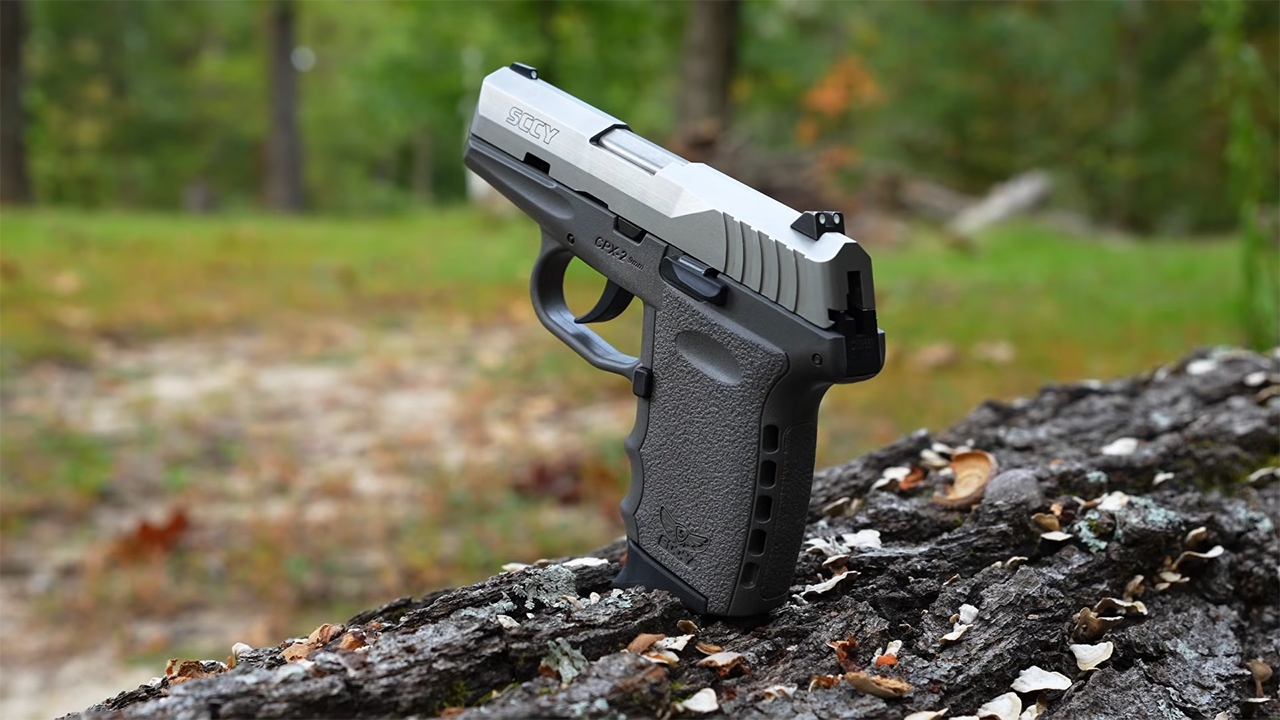
The SCCY CPX-2 had a real purpose. It gave budget-minded buyers a compact 9mm with a warranty and a price that made defensive carry more reachable. For people who couldn’t spend much, that mattered. Nobody should dismiss affordability when it helps someone get started.
Still, the pistol was never as good as owners wanted it to be. The long, heavy trigger made accurate shooting harder, recoil was snappy, and refinement was limited. Some owners had reliable examples and trusted them, but the CPX-2 became harder to recommend once better affordable pistols showed up. The gun proved there was demand for low-cost carry pistols. It also proved low cost can’t make up for a gun that many people struggle to shoot well.
Walther CCP

The Walther CCP had a strong idea behind it. A gas-delayed carry pistol with softer recoil and an easy-to-rack slide sounded perfect for recoil-sensitive shooters or anyone who found tiny 9mms unpleasant. Walther ergonomics only made the concept more promising.
In use, the pistol never quite became what people hoped. Some liked the softer recoil and comfortable grip, but others complained about the trigger, heat buildup, and the awkward takedown process on early versions. It solved some problems while introducing new frustrations. Later versions improved parts of the experience, but the CCP still felt like a gun that could have been better with cleaner execution. The idea deserved respect. The ownership experience was more complicated.
Remington RP9
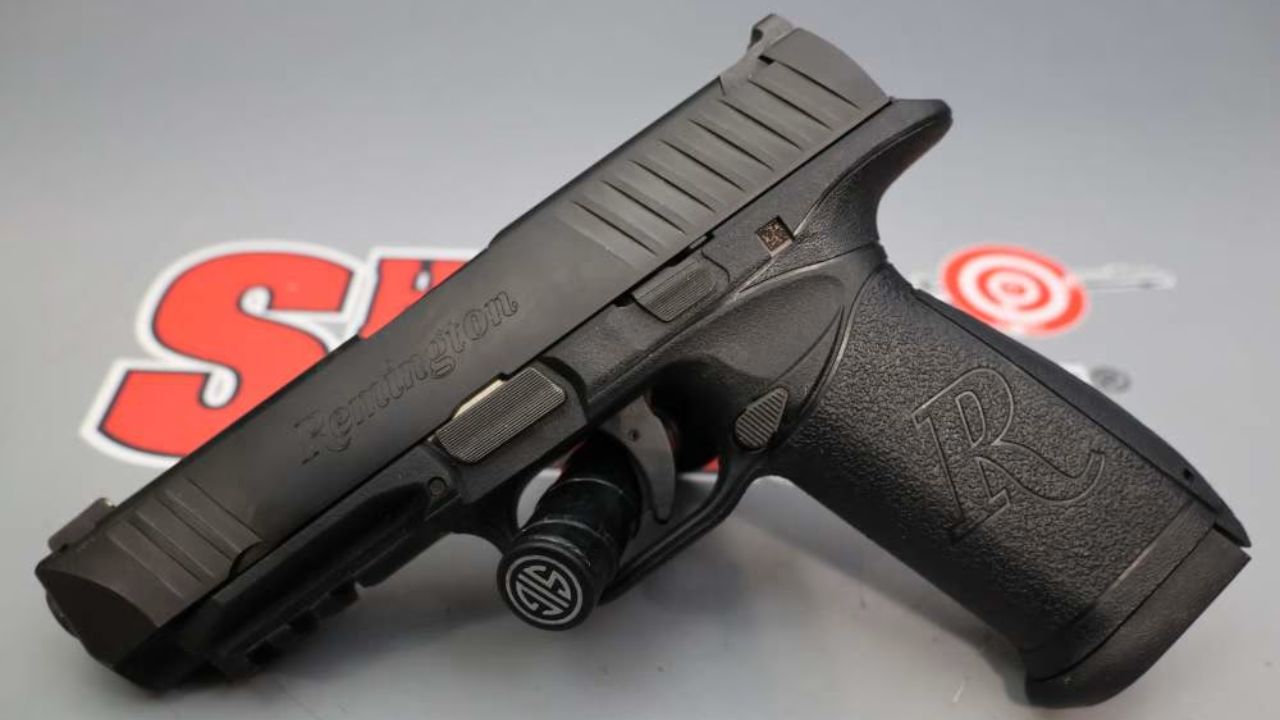
The Remington RP9 looked like it should have been a practical comeback pistol. Full-size 9mm, good capacity, interchangeable backstraps, and a budget-friendly price gave it a decent spec-sheet argument. Remington needed a polymer handgun that could compete in the modern market, and the RP9 seemed like the attempt.
The problem was that it didn’t feel good enough to pull buyers away from stronger options. The grip shape was awkward for many shooters, the trigger didn’t impress, and the pistol lacked the polish of established competitors. It entered a crowded field where “fine” wasn’t enough. Owners wanted Remington to deliver a serious modern pistol. The RP9 felt more like a product checklist that never turned into a gun people loved.
Taurus Judge
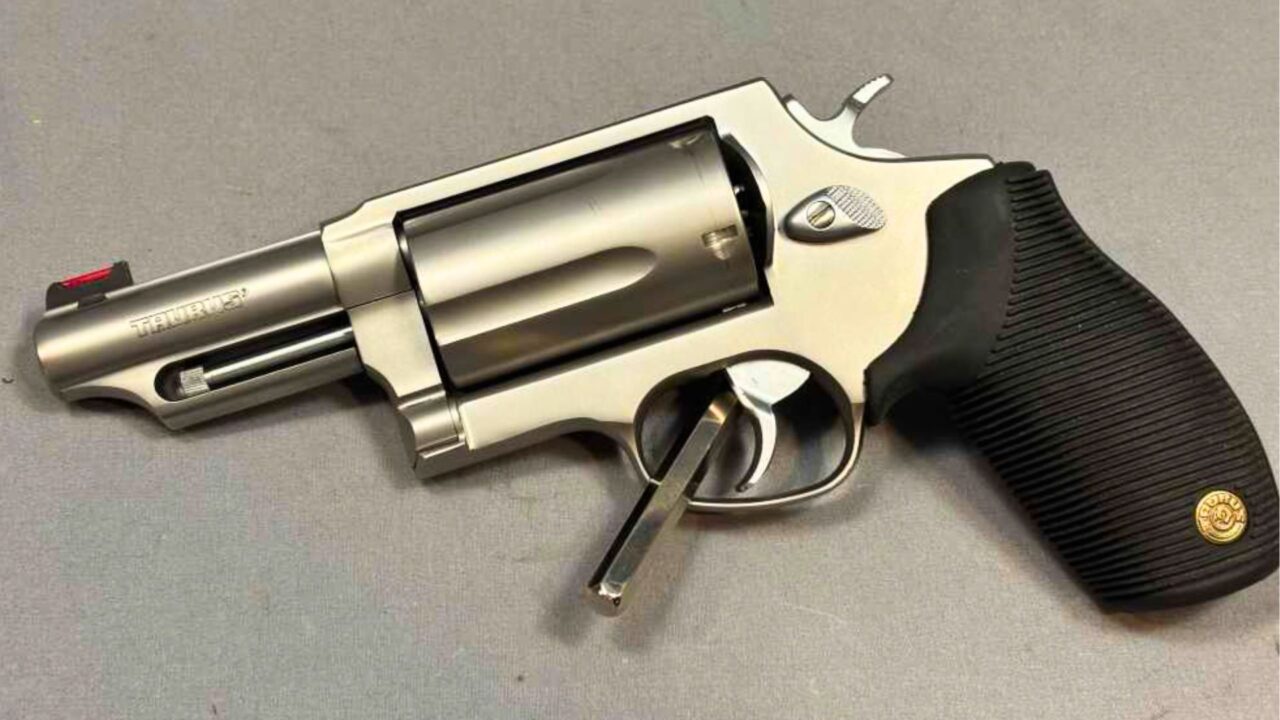
The Taurus Judge is a firearm people wanted to be more useful than it really is. A revolver that fires .45 Colt and .410 shells sounds incredibly versatile, especially for pests, trail use, and close-range defense. The idea is easy to sell because it feels like one gun doing several jobs.
Reality is more limited. The Judge is bulky, .410 performance from a short barrel is often oversold, and patterning or accuracy depends heavily on the load and distance. It can be fun, and it has legitimate narrow uses, especially with careful ammo selection. But many owners wanted a do-it-all problem solver and discovered it was more of a specialized novelty. Versatility sounds great until every role comes with a compromise.
KelTec PMR-30

The KelTec PMR-30 is one of those guns shooters badly want to love. Thirty rounds of .22 WMR in a lightweight pistol sounds like pure fun. It has a huge grin factor, plenty of muzzle flash, and a futuristic feel that makes it stand apart from ordinary handguns.
The problem is that it can be more demanding than owners expect. Magazine loading matters, ammunition choice matters, and reliability can vary enough to make some shooters cautious. The grip is long, the pistol feels unusual, and it doesn’t always deliver carefree range fun without attention to details. Some owners love theirs, and that’s fair. But the PMR-30 was never as universally easy or dependable as the idea made people hope.
Desert Eagle .50 AE

The Desert Eagle .50 AE is exactly as dramatic as people expect, but that doesn’t mean it’s as good as they want it to be. It’s massive, iconic, powerful, and unforgettable on the range. As an experience, it delivers. As a practical handgun, the shine fades quickly.
Owners run into the same issues over time: expensive ammunition, heavy weight, large grip, serious blast, and sensitivity to grip or ammo compared with simpler pistols. None of that makes it bad. It makes it extremely specialized. The Desert Eagle is fun when expectations are honest. The disappointment comes from wanting it to be useful in more roles than it really fits. It’s a spectacle first and a practical handgun second.
Like The Avid Outdoorsman’s content? Subscribe to our newsletter so you never miss an article.
Here’s more from us: