Photo credit: Jim Cumming/Shutterstock.com
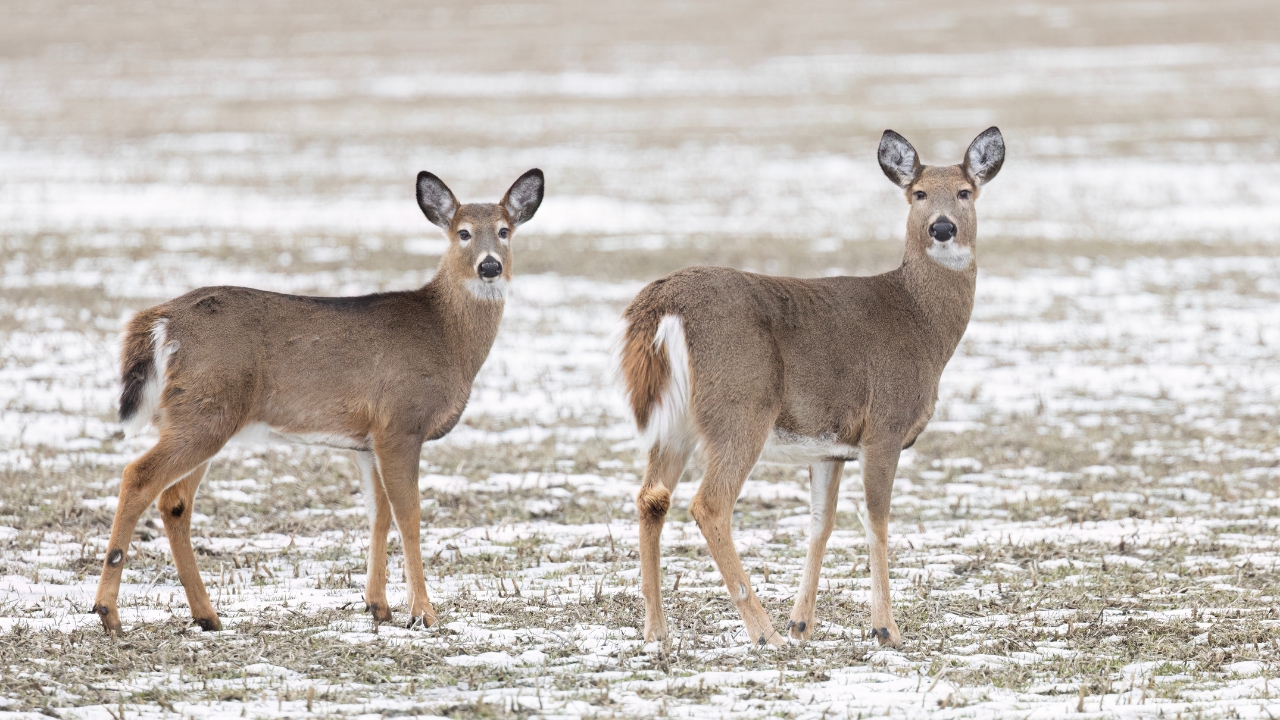
Cold weather doesn’t make deer reckless—it makes them efficient. Once temperatures drop, every movement burns calories, and whitetails shift into a survival-first mindset that looks subtle unless you know what to watch for. This is where a lot of hunters go wrong. They keep hunting the same way they did in October and wonder why sightings dry up.
Late-season deer aren’t random. They’re deliberate. They favor security, short movements, and predictable routines that limit exposure while conserving energy. If you understand how cold changes where deer bed, feed, and travel, you can still find consistent daylight activity even after pressure and weather stack up.
This is the time of year when small details matter more than big gestures. A slight wind shift, a south-facing slope, or a half-hour change in timing can make the difference between empty woods and a filled tag. These are the habits cold-weather deer lean on—and the ones most hunters overlook.
Bedding where sunlight does the work
When temperatures drop, deer don’t bed randomly. They actively seek out spots that give them a thermal advantage, and sunlight plays a bigger role than most hunters realize. South- and southeast-facing slopes warm faster and stay warmer longer, especially on clear days after a cold night.
You’ll often find deer bedded just below the crest of these slopes, where they get sunlight on their backs while still using terrain to block wind. This positioning lets them conserve energy without sacrificing awareness. From there, they can watch downhill movement while keeping the wind advantage.
Many hunters walk right past these areas, focusing instead on thick cover or traditional bedding zones used earlier in the season. In cold weather, those shaded north slopes and deep timber pockets lose appeal. Deer want warmth without having to move.
If you’re scouting late-season beds, pay attention to where snow melts first and where the ground feels warmer underfoot. Those clues often lead to bedding areas deer rely on heavily once winter settles in.
Feeding earlier to avoid cold nights
Cold weather changes feeding schedules more than locations. Deer still need high-calorie food, but they prefer to reach it before temperatures hit their lowest point. That often means earlier evening movement, sometimes well before sunset.
As nights get colder, deer shorten the window between bedding and feeding. Instead of moving late and lingering, they get up, feed hard, and get back to cover quickly. This reduces exposure during the coldest hours and limits energy loss.
Hunters who only hunt the last few minutes of daylight often miss this shift. You may see deer entering food sources while there’s still legal shooting light, especially on brutally cold afternoons following a clear night.
Morning movement can also tighten. Deer may feed later into the morning if temperatures are extreme, but once they bed, they stay put. Adjusting your sit times—starting earlier in the afternoon or lingering longer in the morning—can put you back in sync with their winter routine.
Using windbreaks more than thick cover
Cold-weather deer prioritize wind protection over sheer thickness. While heavy cover still matters, deer often choose areas that block prevailing winds even if they’re more open than expected.
Hillsides, brushy leeward edges, and terrain folds become prime travel routes. These spots allow deer to move with reduced wind exposure while maintaining visibility. It’s common to find trails tucked just below ridgelines or along the downwind side of timber strips.
Many hunters assume deer always dive deeper into thick stuff when it’s cold. In reality, deer want efficiency. Fighting wind costs energy, so they naturally select routes that offer relief.
Pay attention to consistent winter winds in your area. Deer patterns often align with those conditions, not just the day’s forecast. When you identify wind-sheltered corridors, you often find repeated use throughout the coldest stretches of the season.
Shrinking movement to tight core areas
As winter settles in, deer dramatically reduce their travel distance. Instead of roaming large home ranges, they tighten movement to small, dependable core areas that provide everything they need within a short walk.
Food, bedding, and escape cover often sit within a few hundred yards of each other. This minimizes exposure and energy loss. Deer don’t want to cross open ground or climb unnecessary elevation once snow and cold stack up.
Hunters who continue hunting transition routes from earlier seasons often sit in empty woods. Those routes may still look good on a map, but deer simply aren’t using them anymore.
The key is identifying clusters—places where multiple needs overlap. When you find winter sign concentrated in a small area, that’s not random. It’s a survival strategy, and deer will return to those spots day after day until conditions change.
Traveling lower to avoid cold air
Cold air sinks, but wind exposure and elevation still matter. Deer often favor lower travel routes during cold weather, especially in hilly terrain, because these areas offer better wind protection and easier movement.
You’ll see trails hugging benches, creek bottoms, and low saddles rather than crossing open ridges. Snow depth also plays a role—deer avoid energy-draining climbs when footing is poor.
Hunters who focus solely on high points miss this adjustment. While ridges are productive earlier in the season, cold weather pushes deer into terrain that offers efficiency instead of visibility.
Look for trails that contour around hills instead of crossing them. These routes often connect bedding and food with minimal effort and are heavily used once winter sets in.
Prioritizing food quality over variety
Cold weather strips away food options quickly, forcing deer to prioritize calorie-dense sources. Instead of sampling a wide range of browse, they lock onto what delivers the most energy for the least effort.
Standing corn, soybeans, winter wheat, and high-quality mast become magnets. Even in timber-heavy areas, deer key in on browse that remains accessible above snow.
Hunters sometimes spread their effort too thin, covering multiple food sources instead of focusing on the best one available. In winter, deer don’t waste time experimenting.
Once you identify the top food source in an area, hunt the routes leading to it rather than the food itself. Deer often stage nearby before committing, especially during daylight.
Delaying movement on bitter mornings
Cold mornings don’t always mean early movement. When temperatures are extreme, deer often delay leaving feeding areas until sunlight provides some relief.
You may find deer still feeding well into mid-morning, especially after long, cold nights. This contradicts early-season patterns and catches many hunters off guard.
Instead of heading straight back to bedding at first light, deer wait until conditions improve. This creates opportunities for patient hunters who stay longer or set up between food and bedding later than usual.
If you’re hunting mornings in cold weather, resist the urge to leave early. The movement you’re waiting for may come later than you expect.
Using snow cover as security
Snow isn’t just an obstacle—it’s information. Deer use snow cover to their advantage, relying on visibility and sound to detect threats sooner.
With leaves gone and ground noise amplified, deer often choose routes that allow them to see danger coming. Open hardwoods with snow-covered ground can feel safer than thick brush where visibility is limited.
Hunters who assume deer always bury themselves in cover during snow miss this adjustment. Deer balance concealment with awareness, especially when pressure is high.
Track patterns in fresh snow tell the real story. Follow where deer actually go, not where you think they should be.
Reducing daylight risk after pressure spikes
Cold weather often coincides with late-season hunting pressure. Deer respond by tightening daylight movement even further, but they don’t disappear entirely.
They shift timing, routes, and entry points, often moving just enough to meet needs while minimizing risk. This can mean using overlooked trails or moving during brief windows when conditions feel safest.
Hunters who adapt—by hunting less obvious spots and focusing on overlooked access—can still catch deer on their feet.
Late-season success comes from subtle adjustments, not louder tactics.
Favoring consistent patterns over novelty
By winter, deer stop experimenting. They stick with what works and repeat it until forced to change.
That consistency is your advantage. Once you identify a winter pattern, it often holds for weeks.
Instead of bouncing stands, focus on fine-tuning one good setup. Small changes in wind, entry, or timing can turn a quiet sit into a productive one.
Cold-weather deer are predictable if you pay attention.
Letting pressure dictate movement more than weather
Cold alone doesn’t move deer—pressure does. Weather influences comfort, but human activity reshapes behavior faster than temperature.
Deer quickly adjust to access routes, parking areas, and stand locations. They avoid what they learn, not what feels uncomfortable.
If you want late-season success, think like pressured deer, not cold deer. Avoid patterns others repeat.
Sometimes the best cold-weather adjustment isn’t gear or clothing—it’s how and where you show up.
Saving energy above all else
Every cold-weather habit boils down to one thing: conserving energy. Deer don’t move unless there’s a clear benefit.
Understanding this mindset simplifies late-season hunting. If a movement costs more energy than it’s worth, deer won’t make it.
Setups that force deer to move uphill, cross open ground, or fight wind are low-percentage plays in winter.
When your strategy aligns with how deer save energy, encounters become more frequent—and more predictable.
Like The Avid Outdoorsman’s content? Be sure to follow us.
Here’s more from us: