Photo credit: Brownells, Inc./YouTube
Some collector guns climb in value with a lot of noise around them. Everybody talks about them, dealers hype them, and buyers chase them like they are trying to beat the crowd by five minutes. Then there is the other kind. These are the firearms that kept getting more expensive while trendier names soaked up the attention. They were respected, sure, but not always in a way that made average buyers feel any urgency.
That is what made them dangerous to ignore. While people argued over the hot-name rifles, the fashionable carry pistols, or whatever military surplus wave had the internet acting wild that month, these guns kept getting scarcer and more costly in the background. By the time a lot of buyers noticed, the easy examples were long gone and the prices had already turned into a lesson.
Browning SA-22

The Browning SA-22 spent years being admired in a quiet, almost polite way. Most buyers knew it was a classy little rimfire with real history behind it, but it rarely got treated like the kind of gun you had to grab immediately. It was easy to assume they would always be around, especially since louder collectible categories kept pulling attention away from elegant old .22s.
Meanwhile, the good ones kept getting pricier. Takedown design, trim handling, and real Browning appeal gave the SA-22 much more staying power than casual buyers admitted. While trendier collector chatter stayed focused on military rifles, tactical imports, and louder names, this rifle kept becoming harder to touch in sharp condition. A lot of people looked up one day and realized the sweet little .22 they never prioritized had quietly become a real-money collectible.
Colt Woodsman

The Woodsman is one of those pistols collectors always respected without enough buyers treating it like a now-or-never opportunity. It had style, history, and terrific lines, but it also lived in a category that many casual buyers still viewed as “just” a rimfire handgun. That made it easy for trendier centerfire pistols and military pieces to dominate the conversation while the Woodsman sat in the background getting more expensive.
That background climb was no joke. Nice examples, especially clean early guns, kept separating themselves from ordinary used-rimfire pricing a long time ago. Once people started paying closer attention to prewar and mid-century Colt quality, the Woodsman stopped looking like a neat side collectible and started looking like something buyers should have taken more seriously years earlier. It got expensive while louder guns kept stealing the oxygen.
Remington Model 81 Woodsmaster

The Model 81 never had the same collector heat as many lever guns, military rifles, or classic bolt actions, which made it easy to overlook for too long. It had an odd profile, old-world semi-auto styling, and a presence that felt more tied to serious hunting history than to whatever was fashionable with collectors at the moment. That kept it under-discussed even as good examples thinned out.
While trendier names kept eating up magazine covers and gun-show talk, the Model 81 kept building value the slow, stubborn way. Clean rifles with solid finish and strong bore condition started costing real money before a lot of casual buyers noticed. It turns out a big old Browning-designed autoloader with genuine history does not need internet hype to move up. It just needs time, scarcity, and enough smart collectors paying attention before everybody else wakes up.
Winchester 61

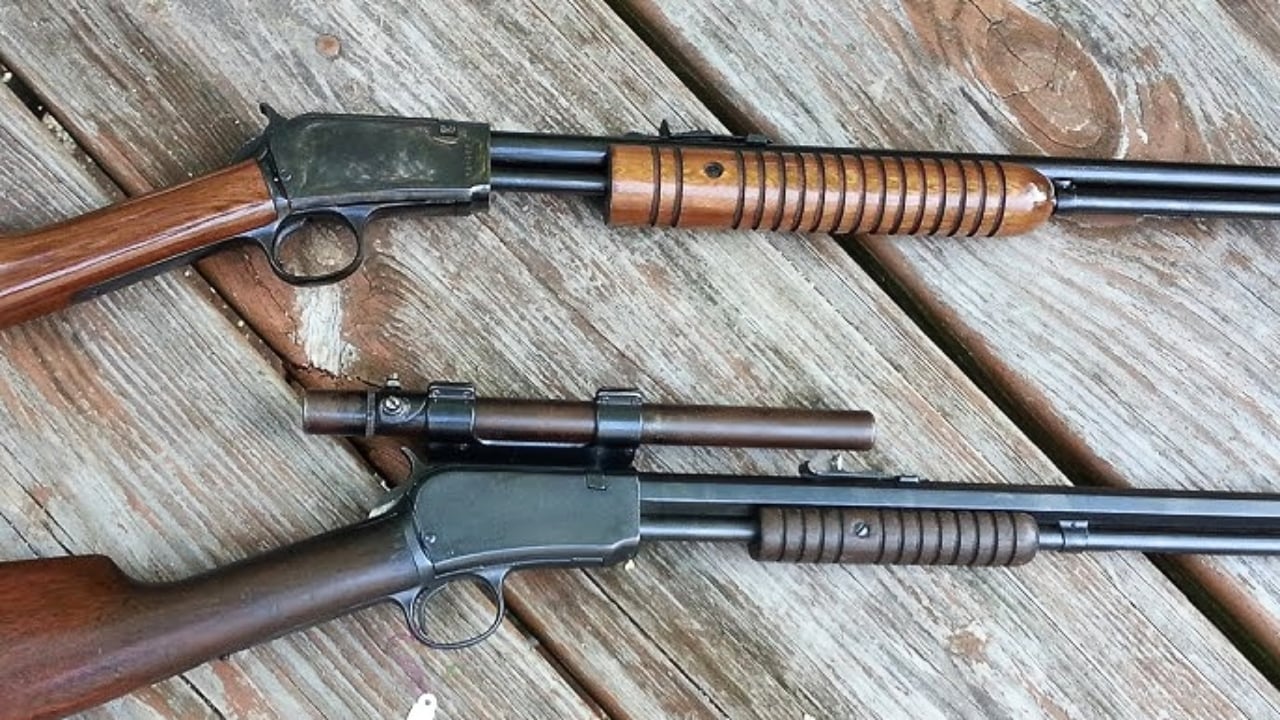
The Winchester 61 is exactly the kind of rimfire that got expensive while attention drifted elsewhere. Slide-action .22s rarely pull the same loud collector buzz as military rifles or flashy handguns, and that helped keep this one under the radar longer than it should have been. A lot of buyers respected it, but not with the kind of urgency they brought to trendier names with more bragging value.
That turned into a costly mistake. The 61 has quality, slick handling, and old Winchester appeal that holds up very well once supply starts shrinking. As cleaner guns got harder to find, especially nice original examples, prices climbed in a way that surprised people who had spent too much time chasing noisier categories. The market eventually made it clear that a beautifully made old .22 pump did not need hype to become a serious collectible.
Smith & Wesson Model 41
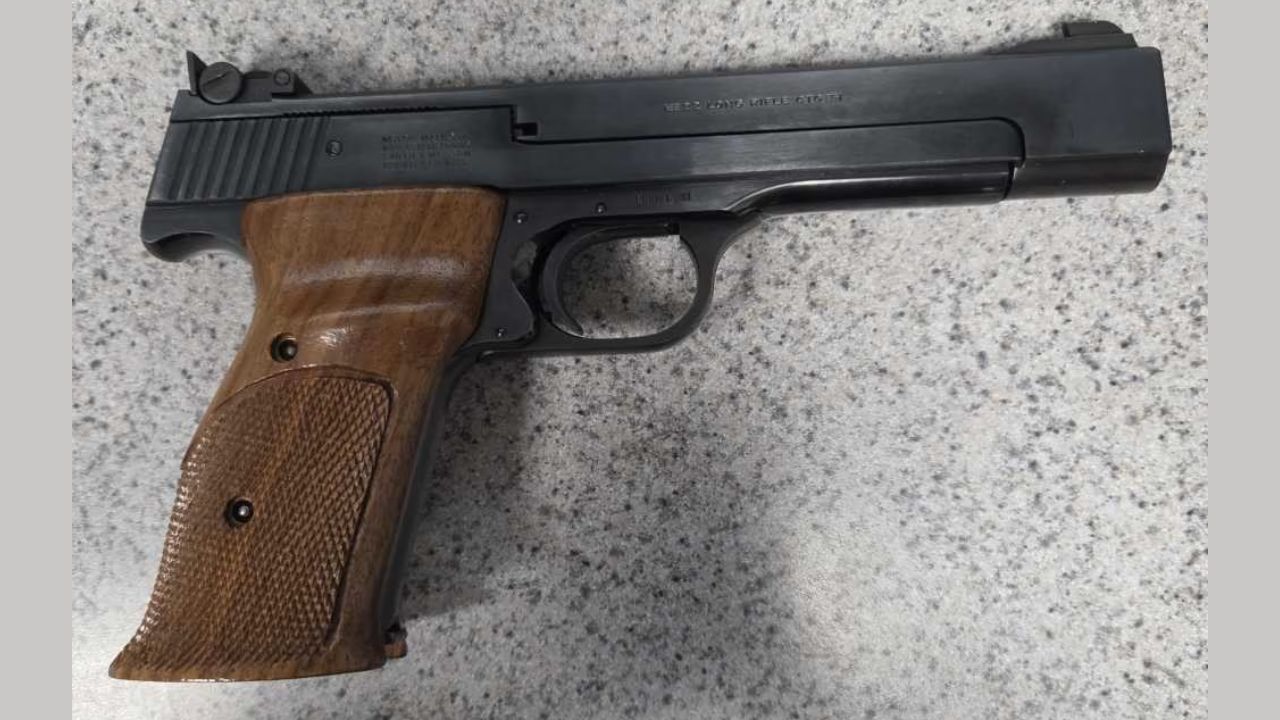
The Model 41 has long been one of those pistols serious shooters understood better than the broader market. It was never exactly unknown, but it also was not the kind of collectible handgun that dominated the casual conversation the way famous combat pistols and military sidearms often did. That kept it in a strange spot where admiration did not always translate into timely buying.
Meanwhile, the good ones kept climbing. The Model 41 had target-pistol credibility, Smith & Wesson quality, and a reputation that deepened the more a buyer actually knew about handguns. As sharp examples became tougher to find and older production remained desirable, it got more expensive while trendier pistols pulled the spotlight. That happens a lot with guns that reward knowledge more than fashion. They are easy to delay until the market punishes that delay.
Savage 1899
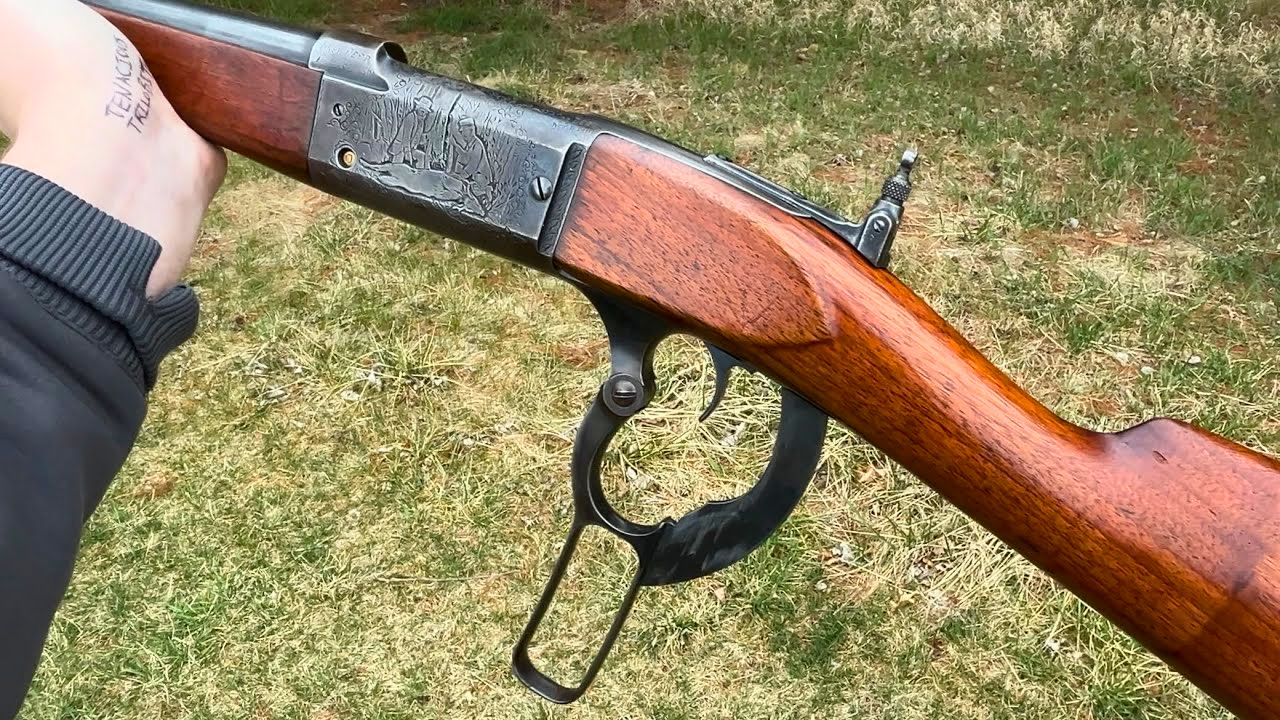
The Savage 1899, especially earlier and cleaner rifles, spent years living in the shadow of more talked-about Winchesters and other collector favorites. People respected the design and knew it mattered historically, but a lot of buyers still gravitated toward names that felt louder in collector circles. That gave the 1899 a long stretch where it was easier to admire than prioritize.
That did not last forever. As more collectors came around to how innovative, handsome, and genuinely useful these rifles were, better examples started climbing with real force. The old Savage lever gun stopped being the smart alternative and became a category buyers wished they had entered sooner. While trendier rifles hogged the spotlight, the 1899 kept building value through real substance, and that is usually the kind of climb that ends up hurting procrastinators the most.
Browning Superposed field grades
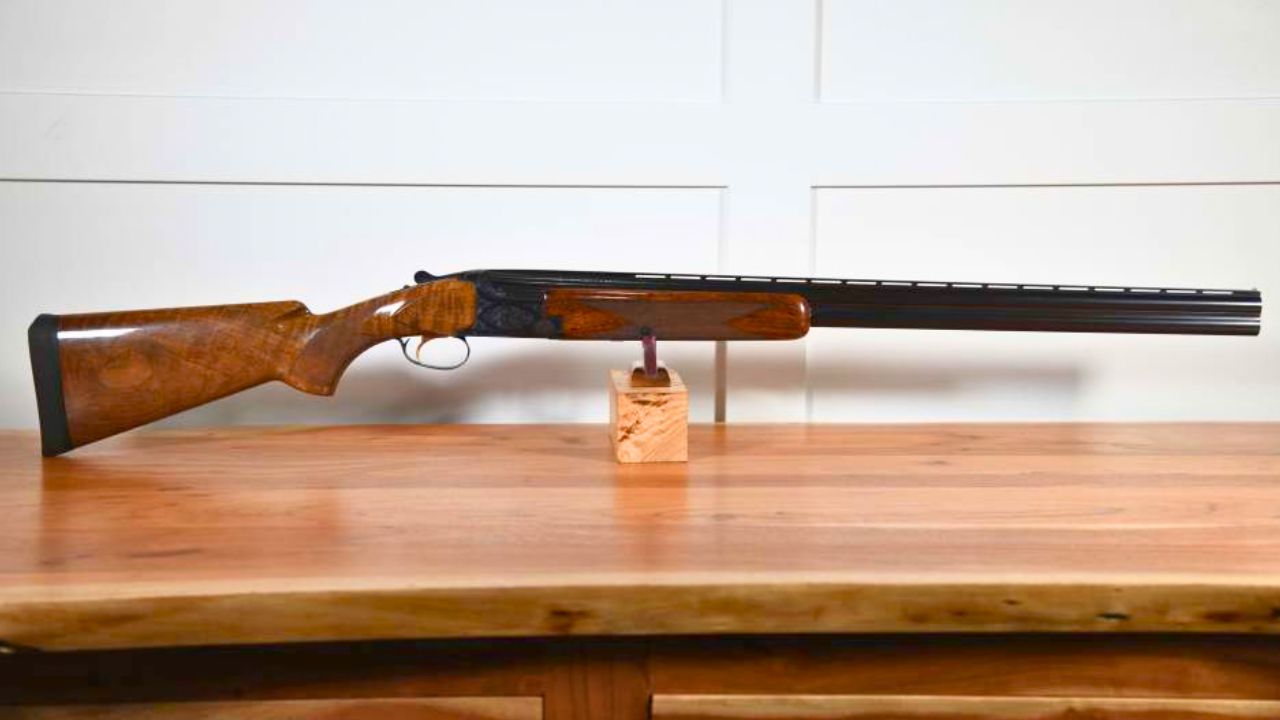
A lot of buyers think collectible over-unders only matter once you get into the really flashy configurations, but that mindset caused plenty of people to underestimate standard Superposed field guns for too long. These were not always the ones getting the loudest attention from trend-chasing buyers, especially when tactical shotguns, military arms, and hotter collector stories were eating up the room.
But field-grade Superposed guns had something the louder stuff often lacked: deep quality and lasting desirability. Clean Belgian-made examples kept getting harder to find at sane money, and collectors who waited too long learned that “field grade” did not mean ordinary once enough original guns disappeared. They got expensive the honest way, through craftsmanship and scarcity, while more fashionable names did most of the talking.
Colt Pocket Hammerless

The Colt Pocket Hammerless had style from the beginning, but for a long time it felt more like an old gentleman’s pistol than a collector priority for the average buyer. That worked against it when military sidearms, cowboy guns, and later self-loading pistols were getting more of the attention. Plenty of people liked these little Colts without acting like they needed one before prices got out of hand.
That indifference aged poorly. Good originals, especially with strong finish and crisp markings, kept becoming more expensive while trendier names pulled focus. The design, the Browning connection, and the sheer historical character of the gun all added up over time. Buyers who assumed they could always come back to these later often found that “later” came with a much less friendly number attached to it.
Marlin 39A

The Marlin 39A has always had loyal fans, but that did not stop a lot of buyers from taking it for granted. It was a lever-action .22, which meant it often got treated as a nice old rifle rather than a serious collector move. While centerfire levers, black rifles, and hotter military pieces grabbed attention, the 39A kept doing something much more dangerous to ignore: it kept becoming more valuable.
As older examples dried up and better-made guns from earlier periods became more appreciated, the 39A started looking a lot less ordinary. Buyers realized too late that an all-steel, beautifully handling lever .22 with real lineage was never going to stay cheap forever. It got expensive while louder names got the headlines, which is often how the smartest collector guns move.
High Standard Supermatic Trophy

The Supermatic Trophy never got pushed into the mainstream collector spotlight the same way more famous handguns did, which made it easy for casual buyers to overlook. It was a serious target pistol with real quality, but the market does not always reward that loudly at first. If a gun is more respected on the firing line than at the display table, plenty of buyers miss what is happening.
That is exactly what happened here. As good High Standard pistols became harder to find and knowledgeable buyers kept chasing them, prices moved while flashier collector names kept dominating the casual conversation. The Supermatic Trophy was not riding trend energy. It was climbing because experienced people knew what it was. Those are often the guns that end up teaching the harshest lessons to buyers who waited for everybody else to notice first.
Winchester Model 71
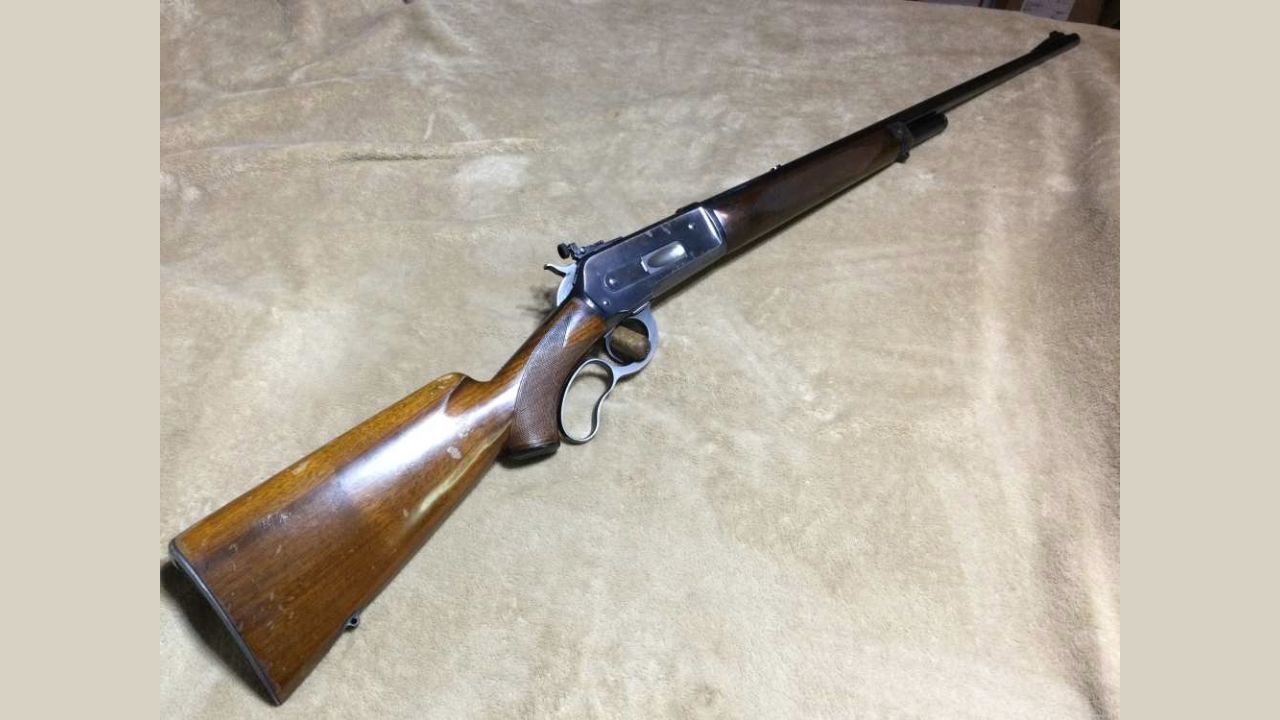
The Model 71 always had respect, but for a long time it lived outside the hottest collector chatter because it sat in a narrower hunting niche than more commonly discussed Winchesters. That kept some buyers from acting with enough urgency. They knew it was a serious rifle, but other names felt more urgent because those were the rifles everybody else kept talking about.
Then supply and condition started doing what they always do. Strong original 71s got harder to find, interest deepened, and buyers woke up to the fact that a beautifully made Winchester in .348 was never going to remain affordable forever. While trendier lever guns and military pieces hogged the spotlight, the 71 kept turning into one of those rifles people suddenly wished they had bought before the crowd got quieter and the prices got louder.
Beretta Model 70 series
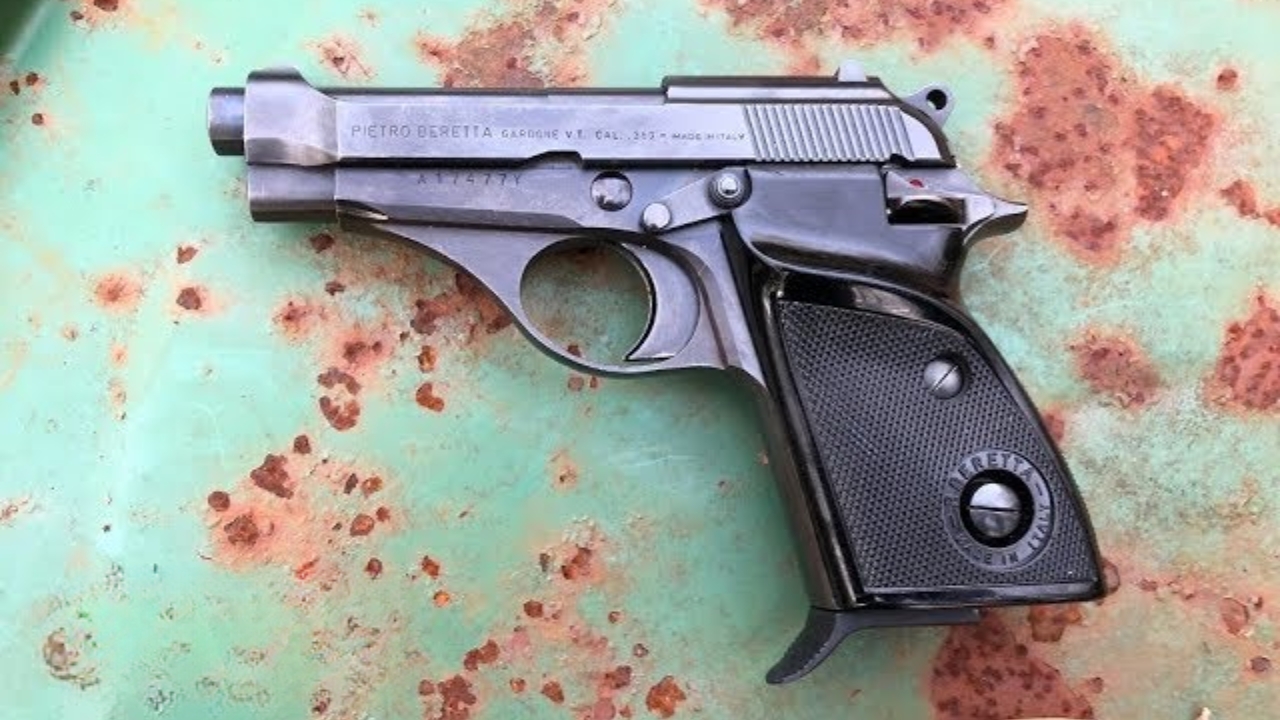
The Beretta 70 series spent years in that dangerous zone where good guns get appreciated without being aggressively chased. They had style, quality, and real European appeal, but they were often overshadowed by trendier Cold War pistols, more famous Colts and Brownings, or whatever surplus category buyers were acting excited about at the time. That left them oddly under-prioritized.
Meanwhile, clean examples kept getting harder to touch. Whether in .32 ACP or .380, these pistols carried the kind of handling and fit that become more expensive once buyers stop seeing them as side curiosities. They were never junk, never common in the way people imagined, and never destined to stay cheap forever. Trendier names got the attention, but the Berettas kept collecting value anyway.
Ruger Old Model Blackhawk flattops
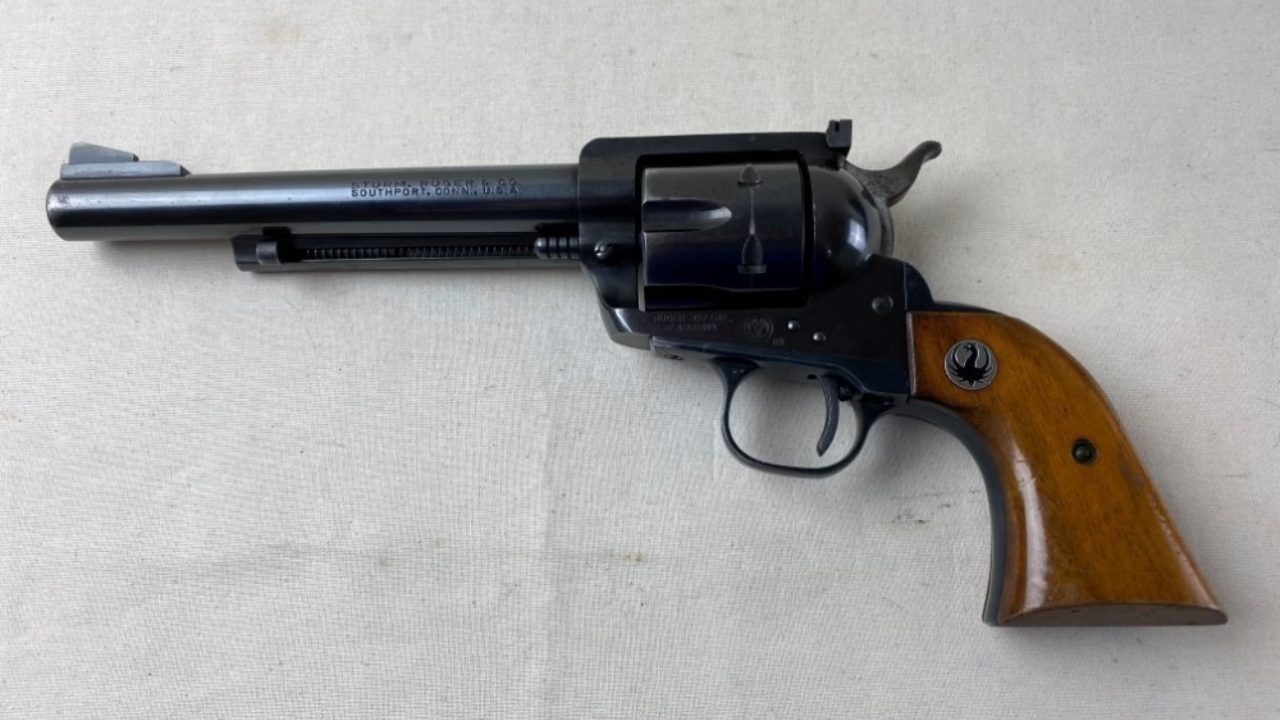
For years, Old Model Blackhawk flattops were the kind of revolvers knowledgeable Ruger people appreciated more than the wider buying public. They had a following, no question, but they were still easy for casual buyers to leave behind while chasing hotter Colts, Smiths, or flashy commemoratives. To many people, they felt more like interesting old single-actions than urgent collector pieces.
That delay cost people. Original flattops, especially cleaner and less-messed-with examples, kept building serious value while louder revolver categories got more of the spotlight. Once collectors started really separating the earlier guns from later production in terms of desirability, prices moved fast enough to get attention. By then, a lot of buyers who thought they were being patient were really just getting left behind.
FN Browning 1900
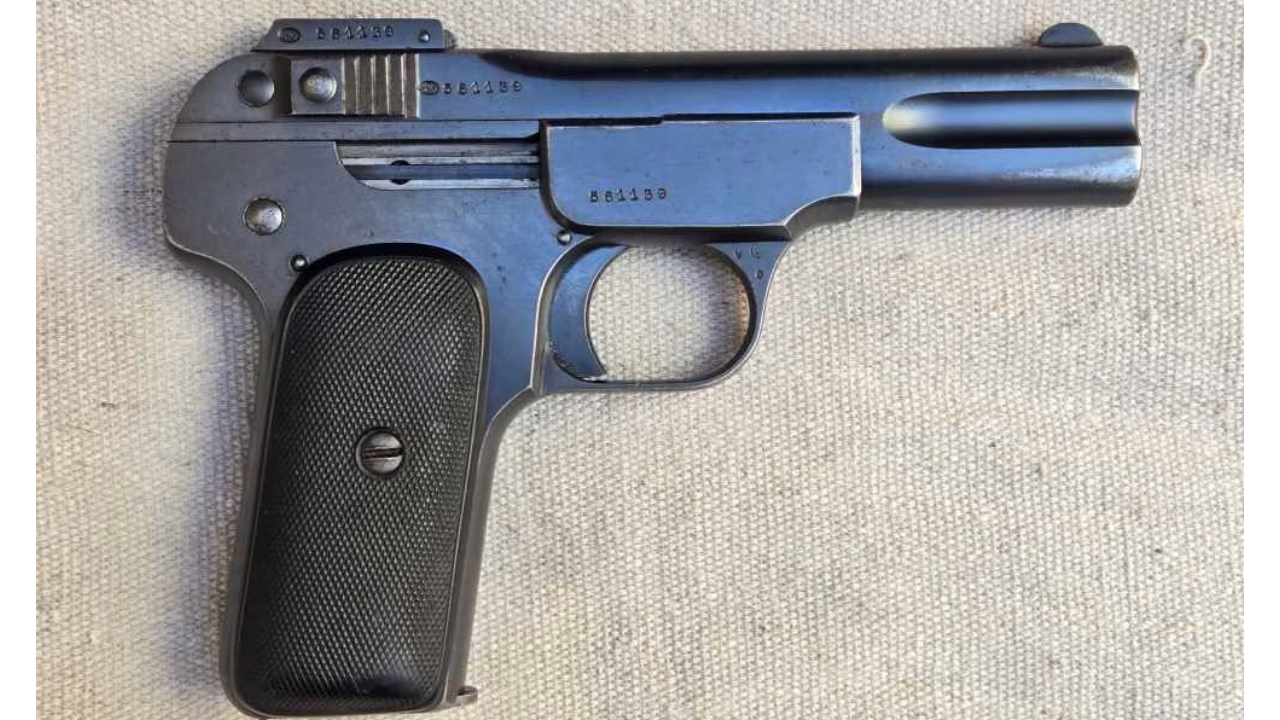
The Browning 1900 has enormous historical importance, but for a long time it did not always get collector attention in proportion to what it represented. It was old, important, and tied to Browning’s legacy, yet it still sat behind trendier military pistols and more immediately recognizable collector favorites in a lot of casual buying conversations. That created a long period of underestimation.
Collectors who knew better kept buying. As stronger examples disappeared and more people woke up to how foundational the design really was, prices followed. It was never the loudest pistol in the room, but it did not need to be. The 1900 got expensive because history matters, and because the market eventually notices when buyers keep overlooking a gun that helped shape the whole category.
Remington Model 12
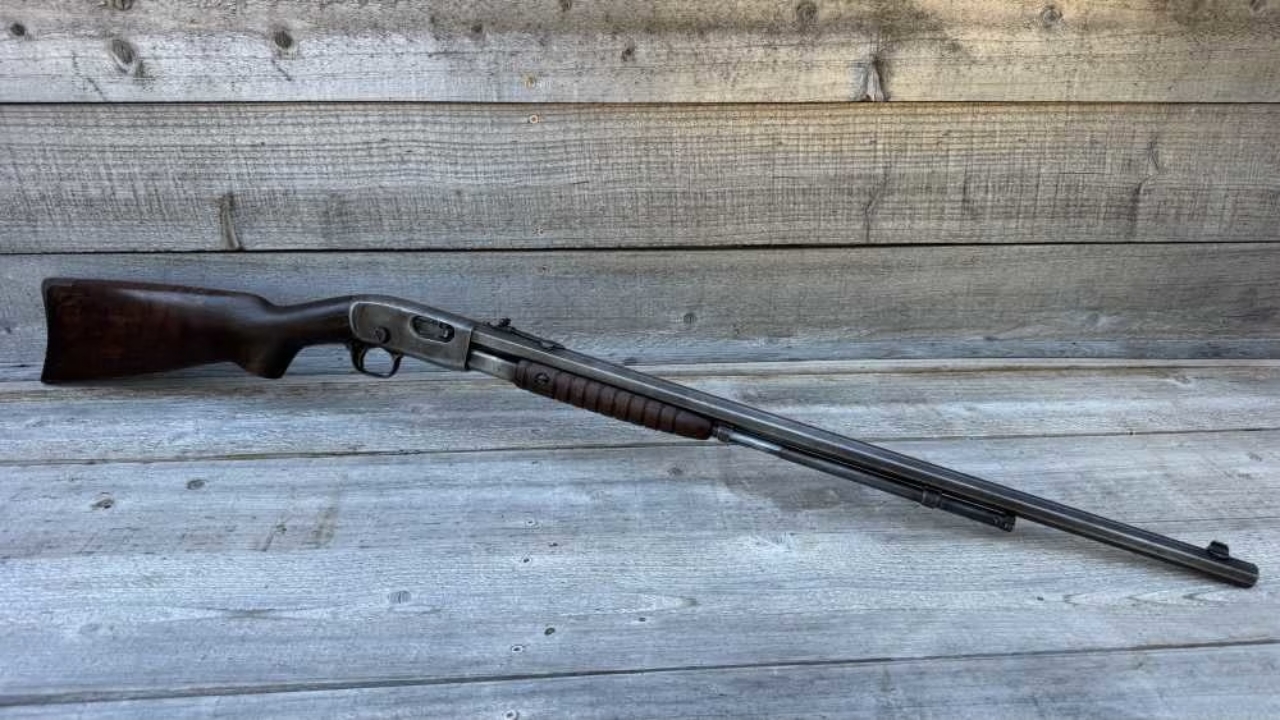
The Model 12 is another classic example of a great old rimfire that kept getting more expensive while more fashionable categories grabbed attention. Pump .22s do not always dominate collector talk unless someone already understands them, and that helped keep the Model 12 from feeling urgent to a lot of casual buyers. They saw a nice old rimfire. Smarter collectors saw diminishing supply and real craftsmanship.
Once condition started getting harder to find, the price story changed fast. Original finish, strong mechanics, and clean wood suddenly mattered a lot more when there were fewer sharp guns left to choose from. While louder names kept getting chased in public, the Model 12 kept gaining the kind of value that sneaks up on buyers who confuse “quiet” with “stagnant.”
Colt Bisley revolvers

Colt Bisleys were never exactly unknown, but they absolutely spent years being less broadly hyped than trendier Colts that drew more immediate collector attention. That helped keep some buyers from making a move when prices were still merely painful instead of ridiculous. They knew the Bisley mattered, but many still chased the louder names first and told themselves they would circle back later.
Later turned out to be expensive. Real Colt Bisley revolvers, especially solid originals with honest finish and good markings, kept moving up while attention stayed fixed on more fashionable parts of the Colt world. They were not climbing because of buzz. They were climbing because of scarcity, history, and the fact that serious collectors do not need the crowd to tell them when something important is getting harder to buy.
Like The Avid Outdoorsman’s content? Subscribe to our newsletter so you never miss an article.
Here’s more from us: