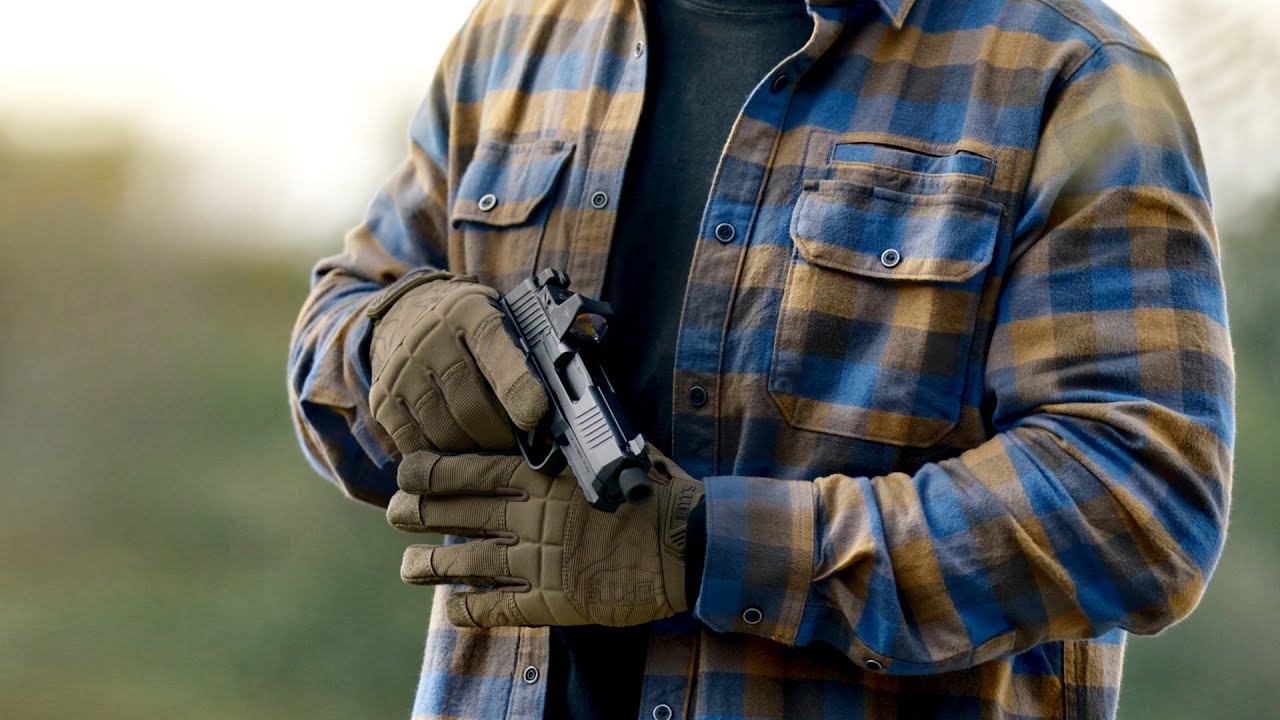
Photo credit: FN America/YouTube
A lot of pistol buyers lean on logos because logos are easy. They tell themselves a certain brand means the hard part is already done, like buying the right name is somehow the same thing as building skill. It is not. The shooters who actually improve usually figure that out pretty fast. Trigger control, recoil management, sight tracking, reloads, and consistency do not care what rollmark is on the slide. Time on the gun matters more than brand attachment ever will.
That is why some pistols keep earning respect from shooters who put in honest work. They may not all be the loudest names in the room, but they tend to give back what you put into them. The more you train, the more their strengths start to show. Good ergonomics, predictable triggers, controllable recoil, and practical accuracy matter a whole lot more than owning whatever brand gets the most noise online that month.
CZ Shadow 2 Compact

The CZ Shadow 2 Compact is the kind of pistol that immediately tells you whether your fundamentals are real. It gives you a lot to work with, but it also expects you to do your part. The grip shape is excellent, the gun tracks well, and the trigger can make disciplined shooting feel almost unfair once you learn how to run it properly. That is not brand magic. That is what happens when a pistol is built to reward actual technique.
Shooters who spend time with one usually notice the same thing. The pistol gets better the better they get. You stop thinking about the badge on the slide and start paying attention to what your hands, eyes, and timing are doing. It is a strong reminder that skill shows up faster on target than brand loyalty ever does.
Walther PDP Steel Frame

The Walther PDP Steel Frame is not a pistol that hides much from you. It has enough shootability baked in that real training pays off quickly, but it still makes sloppy work obvious when you rush it. The weight helps the gun stay settled, the trigger is genuinely useful, and the overall setup rewards shooters who understand grip pressure and visual discipline. It is not carrying you. It is simply giving good habits room to matter.
That is the kind of pistol serious shooters tend to appreciate more over time. You can feel progress with it. Better recoil control turns into better splits. Cleaner trigger work turns into better hits. A gun like this makes branding feel secondary because what it really offers is feedback. The more work you put in, the more it proves why the work matters.
Beretta 92X Performance Carry Optic
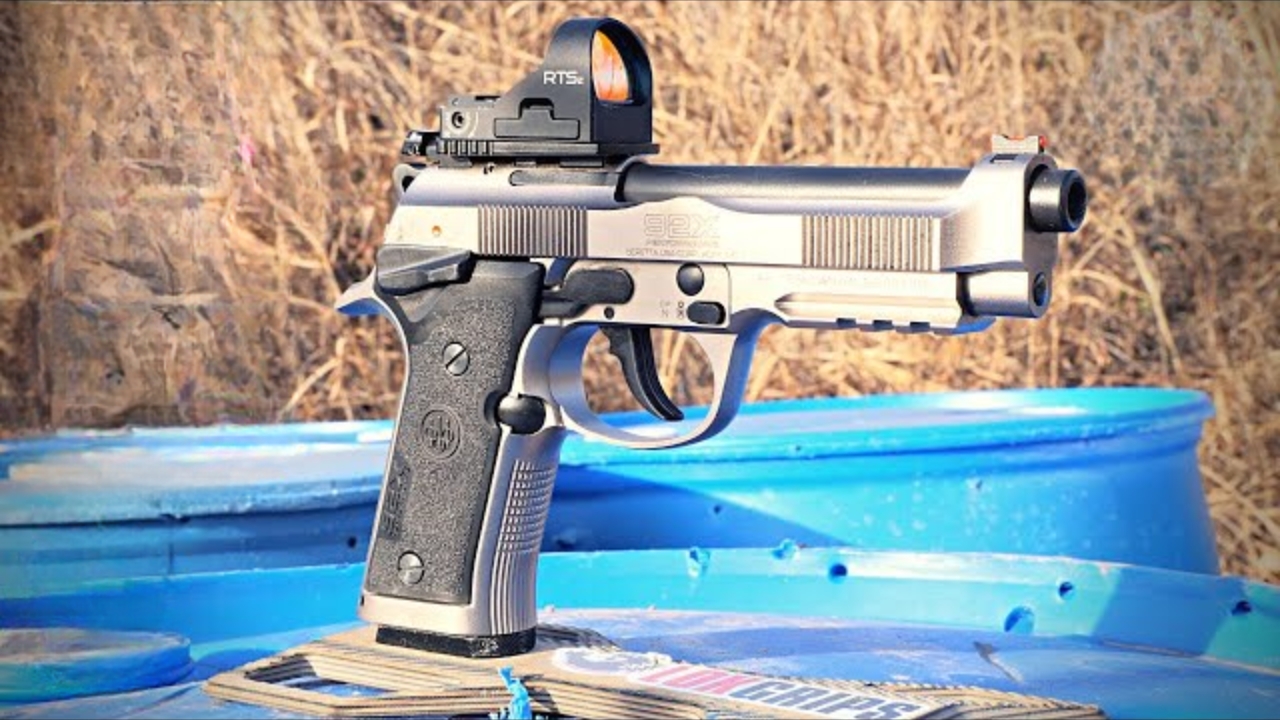
The Beretta 92X Performance Carry Optic makes a strong case for the idea that a well-settled pistol can teach you more than a dozen hyped launches ever will. It shoots flat, it stays readable in recoil, and it rewards a shooter who learns how to run a heavier, refined handgun with intent. It is not the kind of gun you buy to wave around in a gear conversation. It is the kind you buy when you want your practice to count.
That is where it separates itself from brand-driven buying. This pistol asks for real trigger time, and then it pays it back. Sight return, recoil rhythm, and confidence under speed all improve when the shooter improves. A lot of people want the logo to do the work for them. The 92X Performance makes it pretty clear the work still belongs to you.
SIG Sauer P226 Legion SAO

The P226 Legion SAO is one of those pistols that reminds you just how much skill development matters once the gun itself is already squared away. The trigger can help a trained shooter do excellent work, but that does not mean the pistol flatters lazy shooting. It rewards clean press mechanics, follow-through, and smart pace control. When you run it well, it feels like the gun is meeting you halfway instead of trying to rescue you.
That is a big difference from the way brand loyalty often works. A lot of shooters buy a name and expect reassurance. A pistol like this offers something better. It gives you a platform that reflects your level of commitment. The more honest training time you put in, the more the Legion starts to feel like a tool shaped around competence rather than marketing.
Smith & Wesson M&P 2.0 Metal
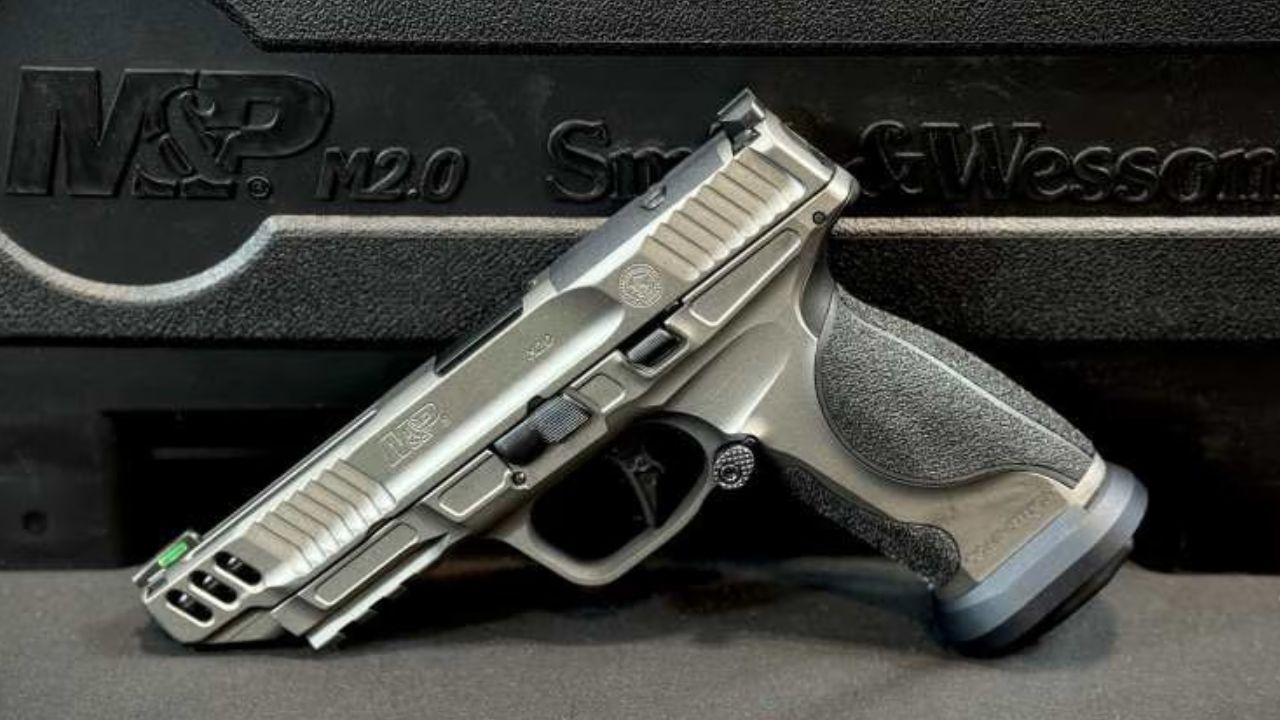
The M&P 2.0 Metal has the kind of straightforward usefulness that makes it easy to respect once you start running drills instead of just reading opinions. It has enough weight to calm things down, enough texture to stay honest in the hand, and enough practical shootability to make consistent practice show real returns. It is not trying to distract you with novelty. It is trying to be a pistol you can actually improve with.
That matters because training exposes what branding usually hides. A shooter who puts in the reps will learn more from this pistol than from any amount of brand chest-thumping. It behaves predictably, responds well to good input, and gives you a clean enough window into your own performance that progress becomes hard to ignore. That is a far better reward than any logo ever was.
HK USP Compact

The HK USP Compact is a good example of a pistol that earns respect slowly and honestly. It is not built around modern launch-week excitement, and that works in its favor. What it offers is durability, dependable handling, and the kind of repeatable performance that starts to mean more the more often you shoot. It is a pistol that rewards familiarity. The more time you spend with it, the more the design starts making practical sense.
That is something brand loyalty alone can never fake. You cannot talk your way into skill with a gun like this. You have to learn its rhythm, learn the trigger, and learn how it behaves under real use. Once you do, it becomes clear why some pistols hold their value with shooters who train. They do not win because they are fashionable. They win because practice keeps proving they were worth the time.
Springfield Echelon

The Springfield Echelon does a good job of rewarding disciplined shooting without needing the shooter to buy into a whole lot of mythology. It is a modern pistol, but the thing that makes it worthwhile is not the hype around the platform. It is the fact that it tracks well, presents predictably, and gives trained shooters room to get faster and cleaner without feeling like the gun is fighting them every step of the way.
That is the kind of pistol that quickly turns the conversation away from brand loyalty and back toward actual shooting. If your grip is consistent, it responds. If your trigger work improves, the hits show it. If your pace gets smarter, the gun lets you cash that in. A lot of buyers want to believe the badge matters most. The Echelon makes a better case for putting your faith in reps instead.
FN 545 Tactical
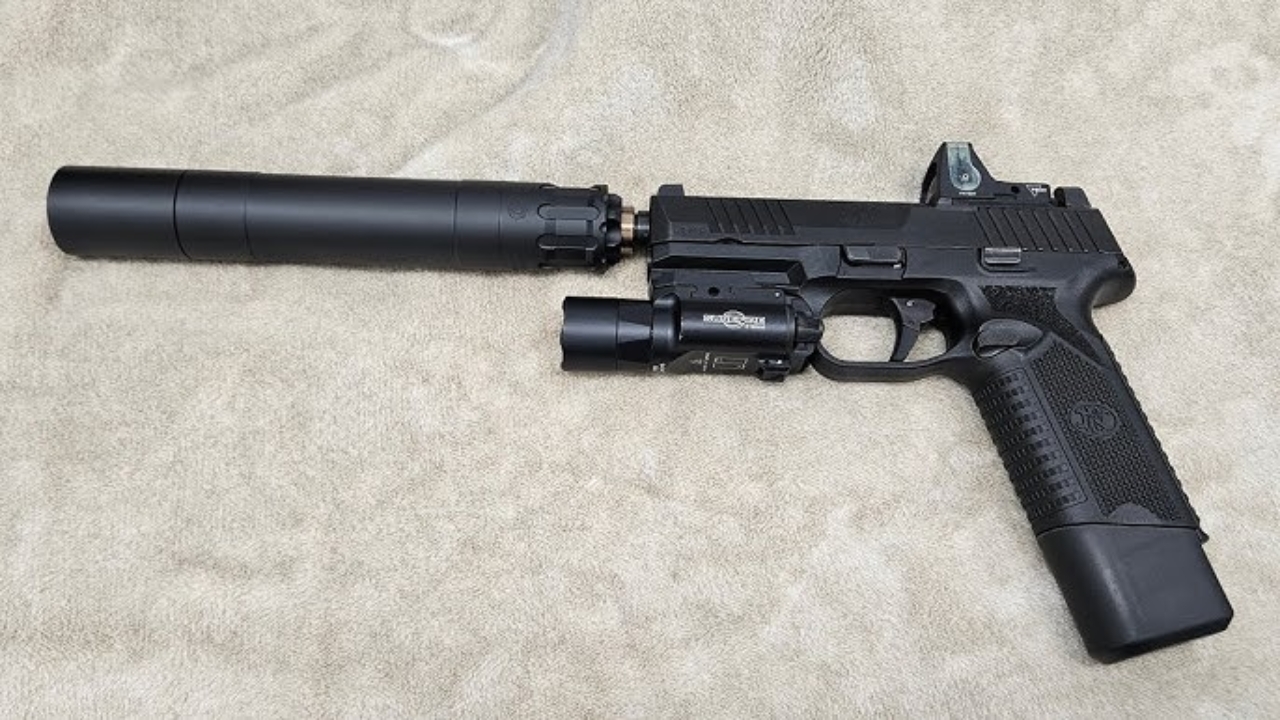
The FN 545 Tactical rewards shooters who take the time to understand how to run a larger pistol well instead of assuming capacity and branding will carry the day. It has real size, real presence, and enough shootability to make disciplined work pay off. When you spend time with it, you start noticing how much better it gets as your grip, timing, and sight discipline tighten up. That is always more useful than blind loyalty to a name.
Big pistols can expose weakness fast, but they can also reward good habits in a big way. The FN 545 Tactical is one of those guns that starts making more sense the longer you train with it. It does not need a fan club to be effective. It just needs a shooter willing to put in meaningful rounds and learn what the gun is actually telling them.
Canik SFx Rival-S

The Canik SFx Rival-S is one of those pistols that makes lazy arguments about brand status feel a little thin. It has the kind of trigger and shootability that can absolutely help a shooter, but only if the shooter is doing real work to match it. Fast transitions, disciplined splits, and clean visual patience show up clearly on a gun like this. It rewards improvement because it makes improvement easier to measure.
That is what separates a training pistol from a branding exercise. When the timer starts and the target starts telling the truth, nobody cares how attached you are to a logo. They care whether you can perform. The Rival-S keeps proving that a pistol built to shoot well becomes much more valuable when the person behind it is serious enough to earn what it offers.
IWI Jericho II Enhanced
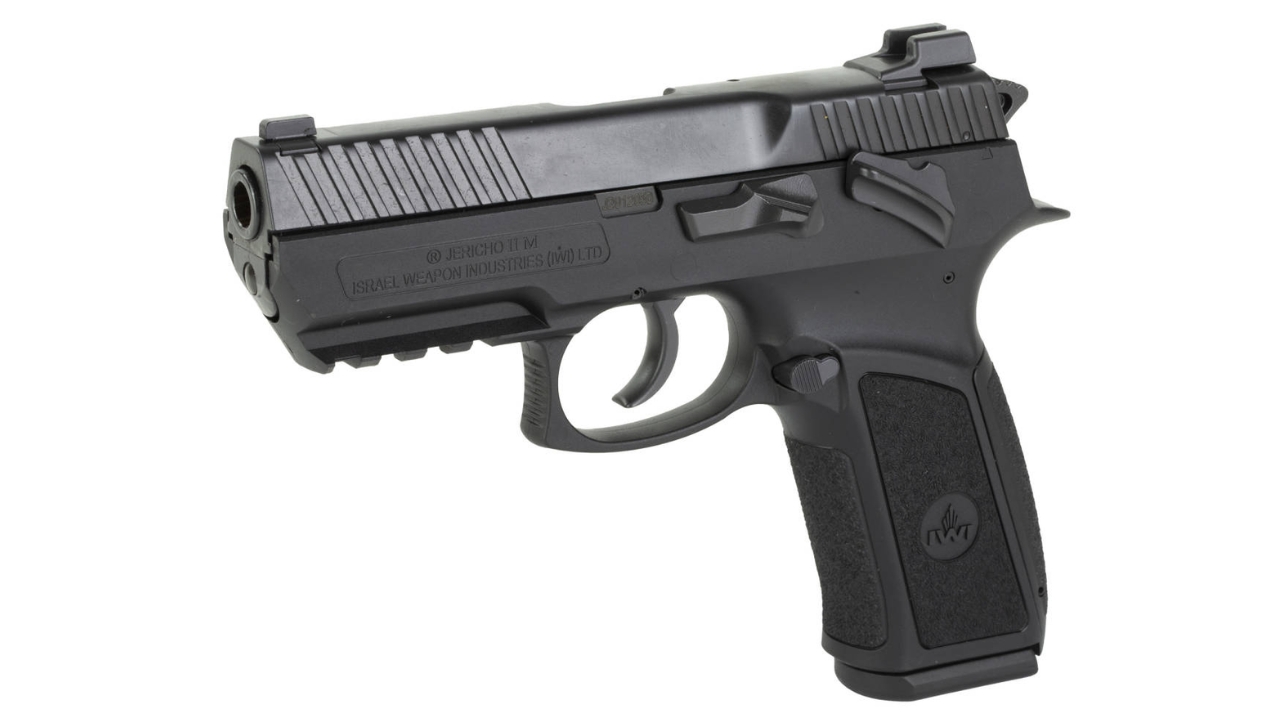
The IWI Jericho II Enhanced has the kind of weight and balance that can make practice feel productive in a hurry. It settles nicely, shoots in a controllable way, and gives patient shooters a lot to build on. That does not mean it is doing the work for you. It means the pistol is giving you usable feedback and enough stability that your training starts to show up where it should. That is a much better relationship than brand attachment.
Plenty of pistols sell identity. This one sells results if you are willing to meet it halfway. The more time you spend learning the trigger, the more consistent your recoil control becomes, the more the gun starts to feel like an extension of what you are doing right. That is always going to be more rewarding than buying a name and hoping confidence comes with it.
Ruger American Pistol Competition
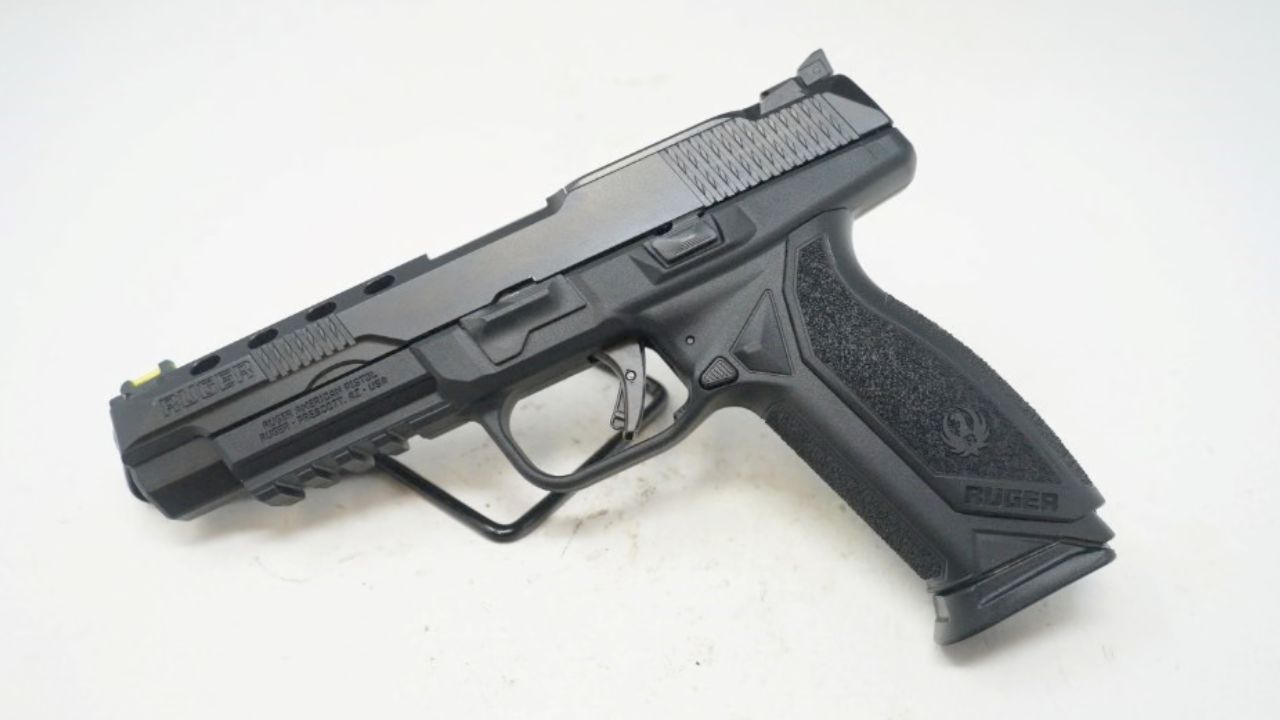
The Ruger American Pistol Competition never got showered with the kind of loyalty some bigger-name brands seem to get automatically, but that almost helps its case here. It has to stand on what it does, not on what people assume. The pistol offers solid control, good practical accuracy, and a setup that benefits shooters who spend real time learning pace, transitions, and trigger management. It feels like a working gun more than a personality statement.
That can be a good thing for shooters who actually want to improve. A pistol that is judged by performance alone tends to keep the focus where it belongs. You either shoot it well or you do not. You either get better with it or you do not. The Ruger rewards honest time on the trigger, and that makes it more valuable than a lot of louder names people defend out of habit.
Tanfoglio Stock II

The Tanfoglio Stock II is built in a way that makes skill feel tangible. The weight, the trigger, and the way the gun returns in recoil all create an environment where a trained shooter can really go to work. That also means it does not care much about brand mythology. You can love the name all you want, but the pistol only pays you back when your input is clean and your fundamentals are in order.
That is exactly why experienced shooters tend to respect guns like this. They are honest. They reward investment, not attachment. The Stock II starts showing its value when the shooter behind it starts tightening groups, cleaning stages, and building consistency instead of just collecting opinions. In a world full of pistols sold on image, that kind of payoff still feels smarter.
Steyr M9-A2 MF

The Steyr M9-A2 MF remains one of those pistols that can surprise shooters once they stop looking at brand familiarity as the main deciding factor. The ergonomics are strong, the bore axis stays low, and the gun has a controllable, efficient feel that becomes more noticeable the more drills you run with it. It is not trying to lean on a cult following. It is trying to shoot well, and that is a far healthier priority.
That becomes obvious once you spend enough time behind it. The pistol rewards grip consistency and visual discipline in ways that make practice feel worthwhile. It does not need to be the loudest thing in the case. It just needs to keep giving back as your skill climbs. That is the kind of relationship shooters should want from a pistol in the first place.
SAR9 Sport
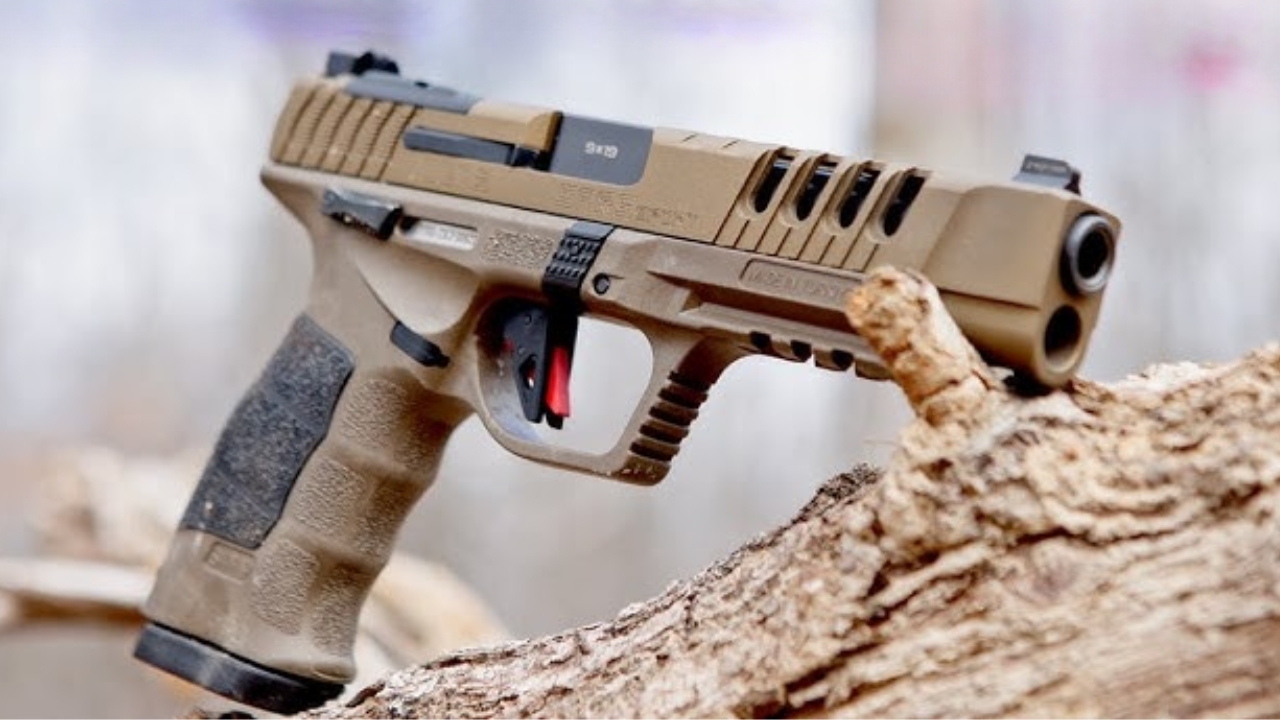
The SAR9 Sport is another good reminder that the logo on the slide is often the least interesting part of the shooting equation. What matters is whether the pistol gives a serious shooter something useful to work with, and this one does. It is stable, practical, and easier to appreciate the more you spend time doing honest range work with it. It may not come with built-in brand swagger, but it can still deliver real performance.
That is why time on the trigger matters more. Once you strip away the marketing, the shooter still has to build the skill. A pistol like the SAR9 Sport helps because it behaves predictably and lets good habits show up. If you are actually learning something every time you press the trigger, the brand starts fading into the background, which is exactly where it belongs.
Grand Power X-Calibur
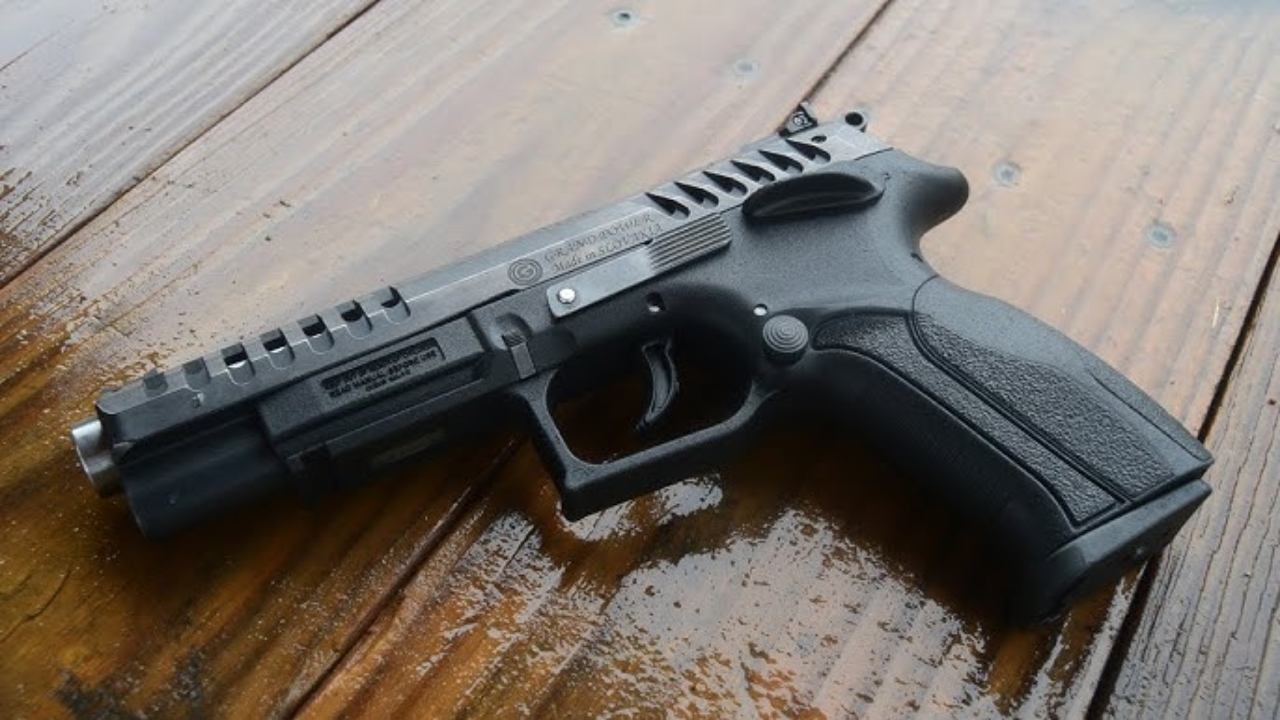
The Grand Power X-Calibur is the kind of pistol that gets more interesting the more seriously you shoot it. The rotating barrel system gives it a different feel under recoil, and shooters who take the time to understand it often end up getting a lot out of the platform. It rewards patience, experimentation, and honest practice more than it rewards any sort of blind loyalty. That alone makes it worth noticing.
Some pistols win quick approval because of who made them. Others earn it by showing shooters something useful once the round count rises. The X-Calibur falls into that second group. It becomes valuable when your shooting becomes more disciplined, because that is when you start seeing what the design can actually offer. That kind of earned respect always lasts longer than brand devotion.
CZ P-10 F Competition-Ready

The CZ P-10 F Competition-Ready makes a very simple point. A good pistol in trained hands is more valuable than a famous pistol in untrained hands. It has the kind of controllability and predictability that help shooters turn repetition into measurable progress. That does not make it magic. It makes it useful. The better your grip, timing, and trigger work get, the more the pistol starts rewarding you with cleaner results.
That is exactly the kind of gun that pushes the brand conversation where it belongs. Down the list. Once you are actually shooting, the target and the timer do not care what you are loyal to. They care what you can do. The P-10 F is one of those pistols that keeps proving skill development pays better dividends than brand attachment ever has.
Like The Avid Outdoorsman’s content? Subscribe to our newsletter so you never miss an article.
Here’s more from us: