Photo credit: The Avid Outdoorsman
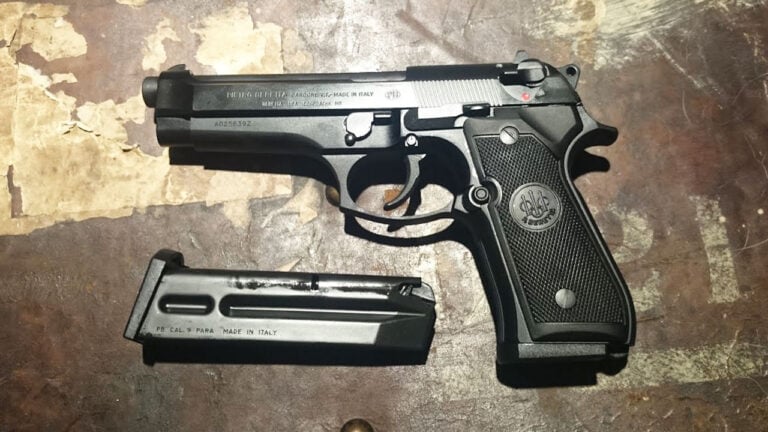
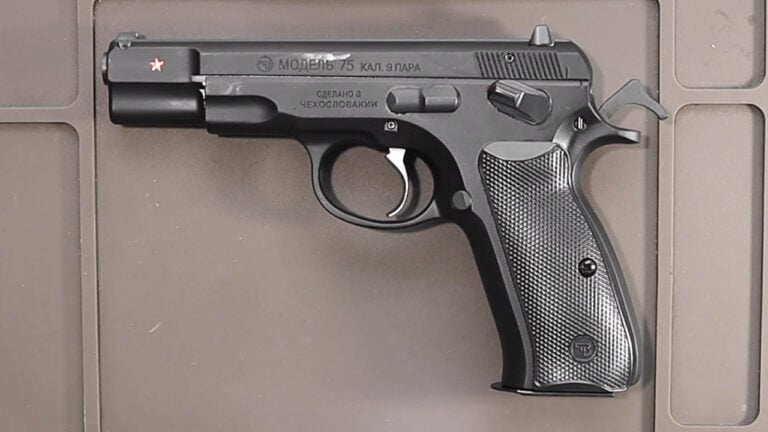
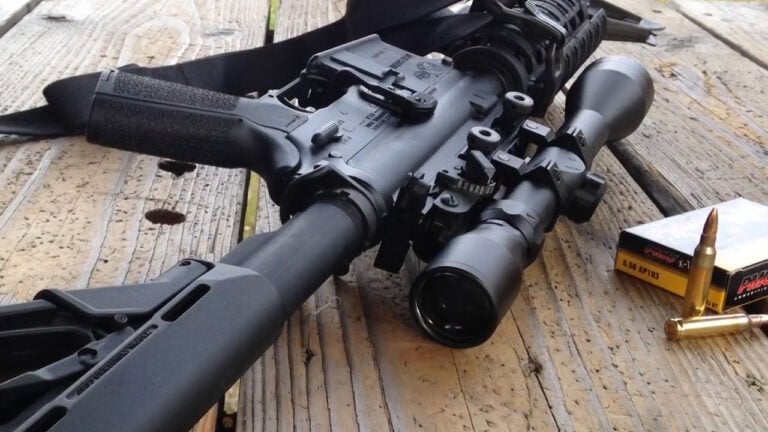
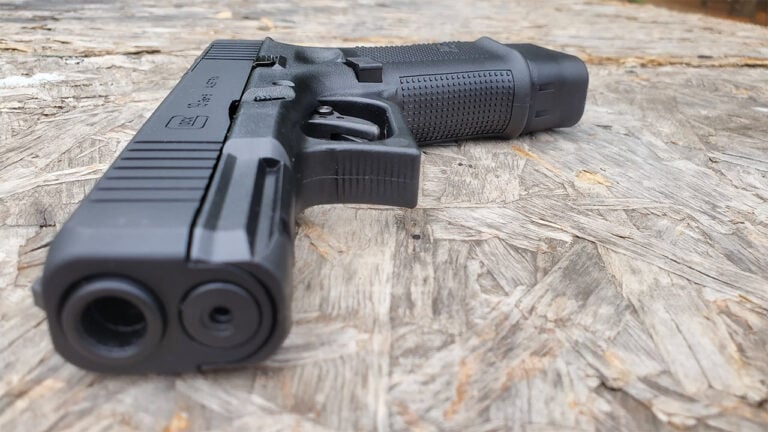
The daughter said her father had died suddenly several months earlier, and the issue she was dealing with was not only grief or paperwork. It was a group of firearms she believed she should legally inherit, but could not get because they were still with her father’s ex-girlfriend.
According to the Reddit post, her father had told her about two months before he died that his firearms were at his ex-girlfriend’s place. After he passed away, it took a few months for her to start getting his affairs in order. When she remembered the guns and began thinking about transferring them into her name, she learned something that made the situation feel urgent.
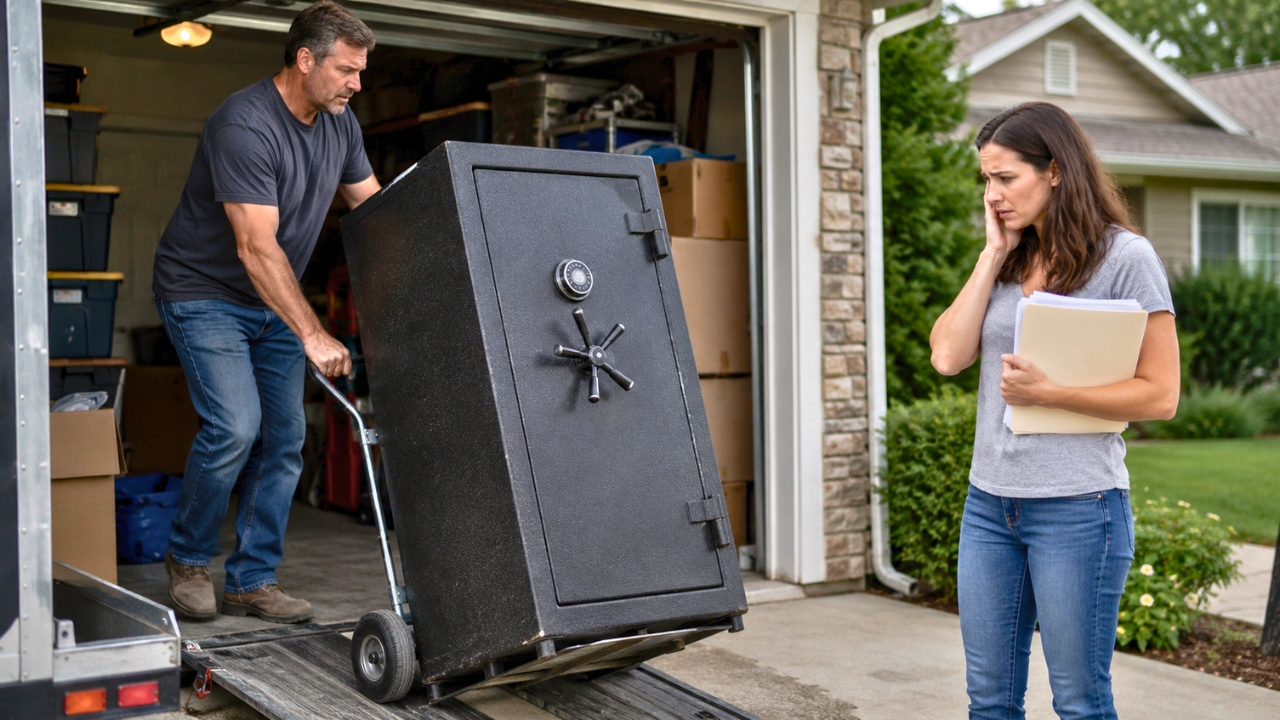
She had information that the ex-girlfriend had recently moved the firearms and gun safe to a new location — reportedly the workplace of the ex-girlfriend’s new boyfriend.
The original Reddit post can be found here: https://www.reddit.com/r/legaladvice/comments/1auj8vx/deceased_dads_stolen_firearms/
When the daughter contacted the ex-girlfriend about arranging a time to get the firearms, the answer did not match what she believed was happening. The ex allegedly said the guns had been picked up or surrendered to law enforcement years earlier, after the father had received a restraining order.
The daughter did not reveal that she had heard the guns had been moved recently. Instead, she started checking the story. She called law enforcement agencies in the area and said none of them had any record of firearms in her father’s name being held.
That left her believing the ex-girlfriend was lying. In the post, she said she was about 95 percent confident that the firearms registered to her dad had been taken, moved, or possibly given to the new boyfriend.
The lack of serial numbers made the situation harder. She tried to contact the DOJ for a list of serial numbers tied to her father, but said she was rejected because that information would only be released to law enforcement. She knew there were at least six firearms, including handguns, rifles, and shotguns, but she did not know the exact count or all of the serial numbers.
That put her in a difficult position. She believed she was the only family member who could inherit them. She said she lived in California and could legally own guns. But she did not have the records she needed, and the person who had access to the guns was allegedly denying they were still around.
Her next plan was to file a police report with the sheriff’s department. She wanted to know what to include so someone would take it seriously and follow up. She had the suspected location, contact information, the ex-girlfriend’s address, and the new boyfriend’s workplace. She also knew the new boyfriend had a criminal history involving trespassing and DUIs, though she had not found anything that would legally bar him from possessing firearms.
The whole situation sat at the intersection of estate issues and stolen-firearm concerns. If the guns truly belonged to the father’s estate, then the ex-girlfriend should not be able to simply keep or move them. If they had actually been surrendered to law enforcement years earlier, there should be some record. If they were moved to the boyfriend’s workplace after the father died, the daughter had every reason to worry they might disappear before the estate could sort them out.
Commenters pushed her toward law enforcement and outside agencies rather than trying to chase the guns herself. One commenter specifically suggested contacting the ATF, saying stolen guns would be something they could investigate.
Others focused on the police report. The daughter needed to provide as much detail as possible: her father’s name, the ex-girlfriend’s statement, the lack of law enforcement records, the suspected new location, the information about the boyfriend, and any proof that the firearms had been moved after her father’s death.
The bigger theme was documentation. Without serial numbers, the case would be harder, but not impossible to report. She could still provide descriptions, approximate numbers, known storage history, text messages, witness information, and anything showing the guns were part of her father’s property.
The post ended with the daughter trying to protect part of her father’s estate before it vanished. The firearms were not just sentimental property. They were regulated items, possibly moved without authority, and the longer she waited, the harder it could become to prove where they went.
Like The Avid Outdoorsman’s content? Subscribe to our newsletter so you never miss an article.
Here’s more from us: