Photo credit: Andrew Patrick Photo/Pexels.com
Drive the backroads long enough and you start to notice the little clues: a new gate where a sagging one used to be, fresh “No Trespassing” signs stapled on clean posts, a skid steer track where there used to be nothing but cow prints. The ground is the same ground, but the ownership isn’t. And for hunters, that matters more than most folks in town will ever understand.
What’s happening right now isn’t one big dramatic land grab. It’s quieter than that. Older landowners are finally selling. Heirs are cashing out. Out-of-state money is buying “recreational” parcels. Timber companies are swapping tracts. In some places, the best deer dirt is getting broken up into smaller pieces; in others, it’s getting stitched together into big, managed blocks with locked access.
Here are 20 states where the handoff is especially noticeable, and what it’s doing to hunting access, deer culture, and the way you should think about permission going forward.
1. Texas

If you’ve hunted Texas on a handshake, you already know that era is fading. The combination of high land prices, recreational leases, and bigger outfits managing for trophy whitetails has pushed a lot of “just come on down” access into a paid category.
In some counties you’ll still find reasonable day-lease deals, but the best ground is getting wrapped in high fence improvements, new road work, and strict guest rules. If you do get invited, expect check-in/check-out expectations, camera rules, and a real emphasis on not freelancing across a fence line.
2. Florida
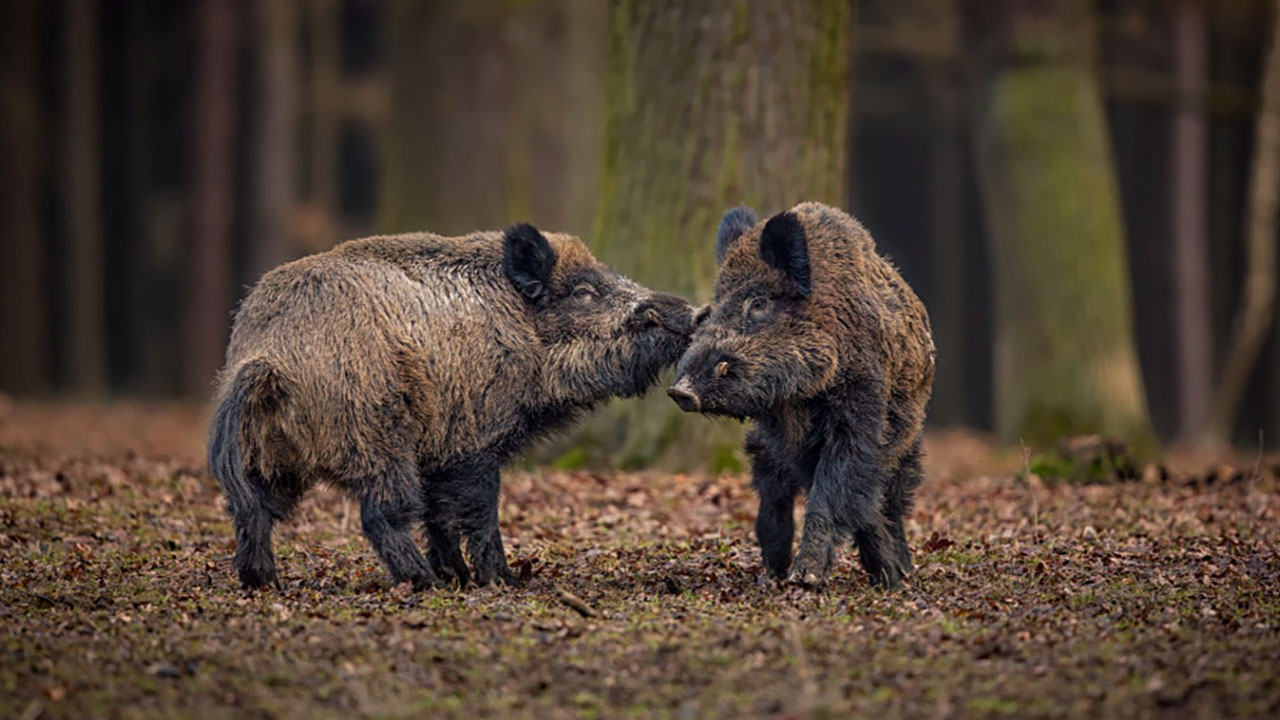
Florida’s wild hog and deer opportunities are still there, but private land is changing hands fast in the rural-to-suburban edges. What used to be orange groves, cattle pasture, and timber is turning into ranchettes, solar, or development.
A big shift here is smaller parcels with new owners who aren’t plugged into the local hunting network. That means permission isn’t “assumed” through a cousin or coworker anymore. Written permission, clear parking spots, and hard boundaries matter, because the new neighbor might call it in the first time they hear a rifle shot.
3. Georgia
Georgia has long been lease country, and it’s getting even more that way. As family farms sell, a lot of the buying is done by investors who don’t hunt but understand that hunting income is predictable.
The upside is that leases can be stable if you’re a good tenant. The downside is that the casual permission hunt is harder to keep alive. If you’re leasing, put the work in: fix gates, keep trash picked up, be the group the landowner doesn’t regret.
4. North Carolina

In North Carolina, you’ve got two different worlds: mountains and coastal plain, both under pressure. Mountain parcels are getting split into “views” properties, and the coastal side has timber and farm ground being restructured or sold off piece by piece.
Hunters are also feeling the squeeze from new residents who moved rural for quiet but didn’t move rural for deer season. It’s not about arguing with them. It’s about being squeaky clean on where you park, where you drag, and how you communicate with landowners before you step foot on the place.
5. South Carolina
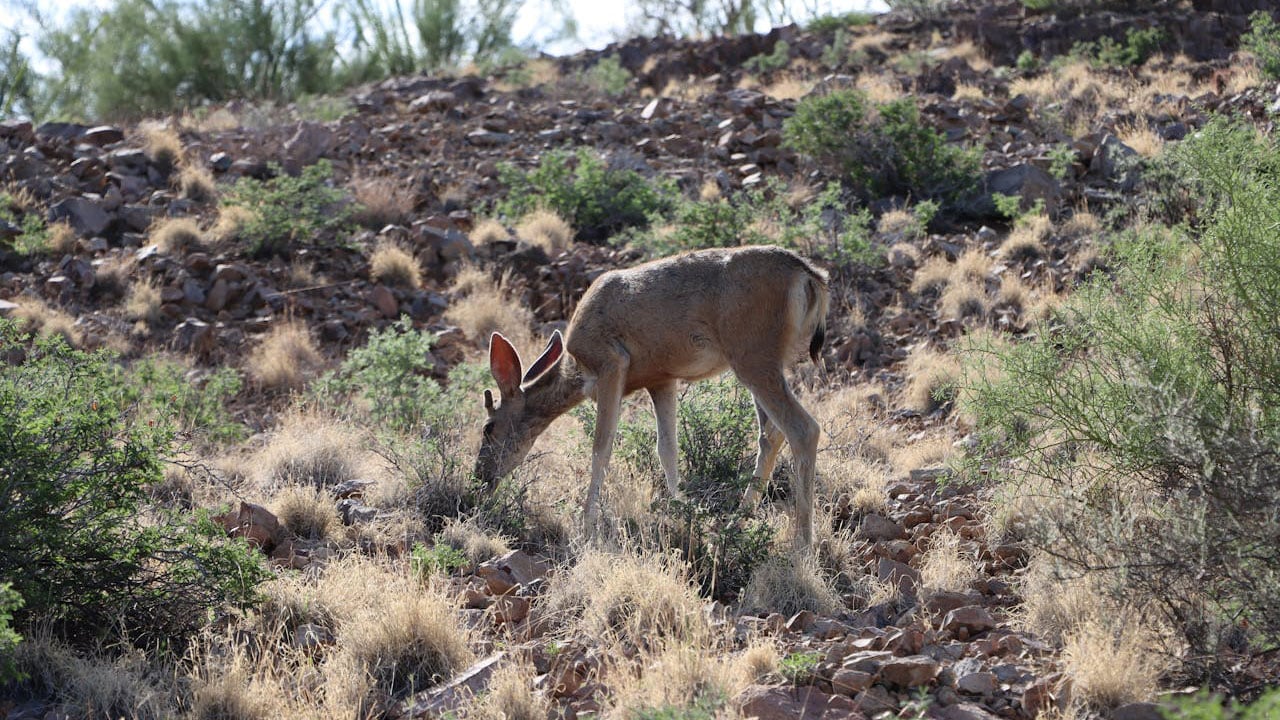
South Carolina has always had strong private-land traditions, but the coastal and near-coastal counties are watching land prices climb hard. That pushes hunting into leases, clubs, or smaller family-held places that guard access tight.
When land changes hands here, the first thing that often changes is the gate code. The second thing is the tolerance for “my buddy said it was fine.” Don’t be that guy. If you’re not holding the permission yourself, assume you don’t have it.
6. Tennessee

Tennessee is getting a steady flow of new residents and second-home money, and it’s changing what “available” hunting ground looks like. A lot of old ridge-and-holler properties are being bought for cabins, short-term rentals, or “getaway” land.
That doesn’t mean hunting disappears. But access becomes more formal, and the new owner may want to hunt it themselves or keep it for family. If you’ve got a relationship with an older landowner, keep in touch with the family. When a place transitions, your name being familiar helps.
7. Kentucky

Kentucky whitetails are no secret, and the market knows it. Good deer ground is getting purchased with “hunting potential” baked into the price, which changes the whole conversation about access.
Another piece is fragmentation. One big farm becomes four smaller tracts, each with its own rules, and suddenly your safe stand location is a property line mess. GPS boundaries, clearly marked corners, and disciplined shot angles are the difference between a clean season and a phone call nobody wants.
8. Alabama

Alabama is timber country in a lot of places, and timber changes hands differently than farmland. When big tracts get bought and sold, access can go from open to closed overnight depending on liability concerns and management goals.
The folks who do best here are the ones who treat permission like a job: get it in writing if possible, ask about road use, and never assume you can bring extra people. A new owner might be fine with you, but not fine with ten of your friends.
9. Mississippi
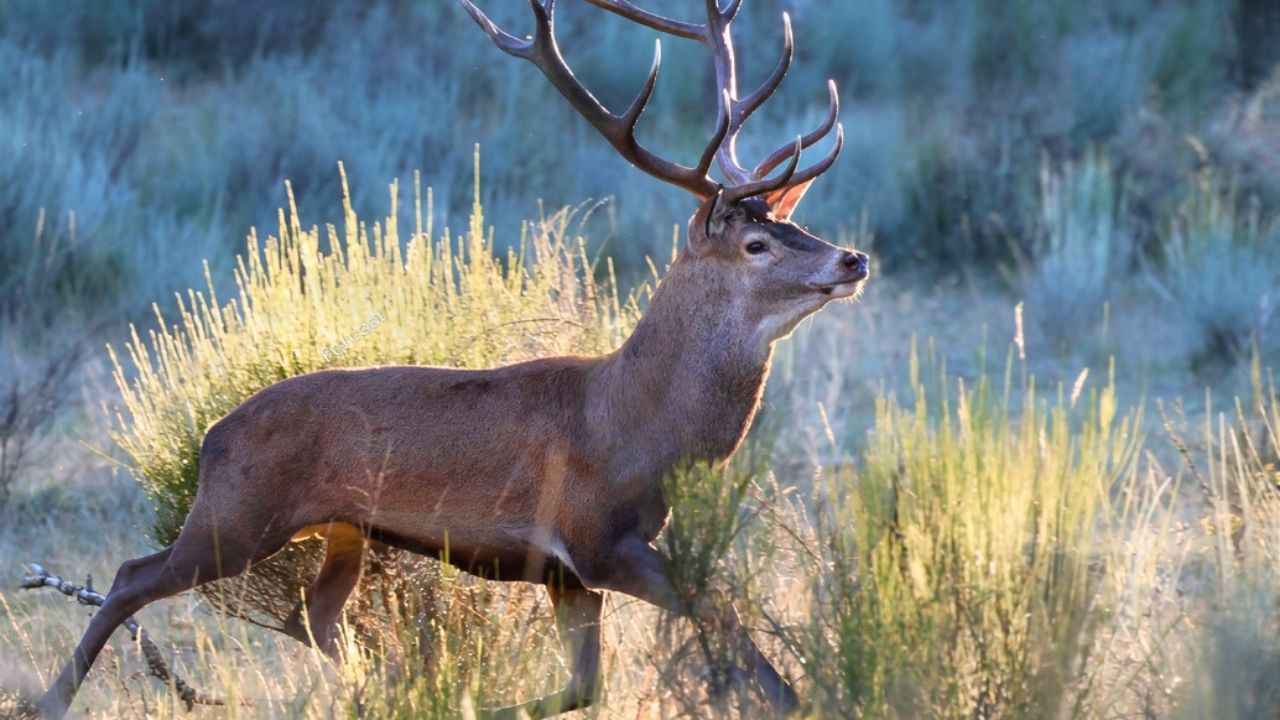
Mississippi has some serious deer dirt, and it’s attractive to buyers who want a managed hunting place. That can mean more food plots, more cameras, and more structure. It also usually means fewer “free” invites.
If you’re hunting near big managed properties, expect deer patterns to shift, especially when pressure gets controlled on one side of the fence. It’s worth it to do a little more offseason scouting and pay attention to where the new pressure lines are.
10. Arkansas
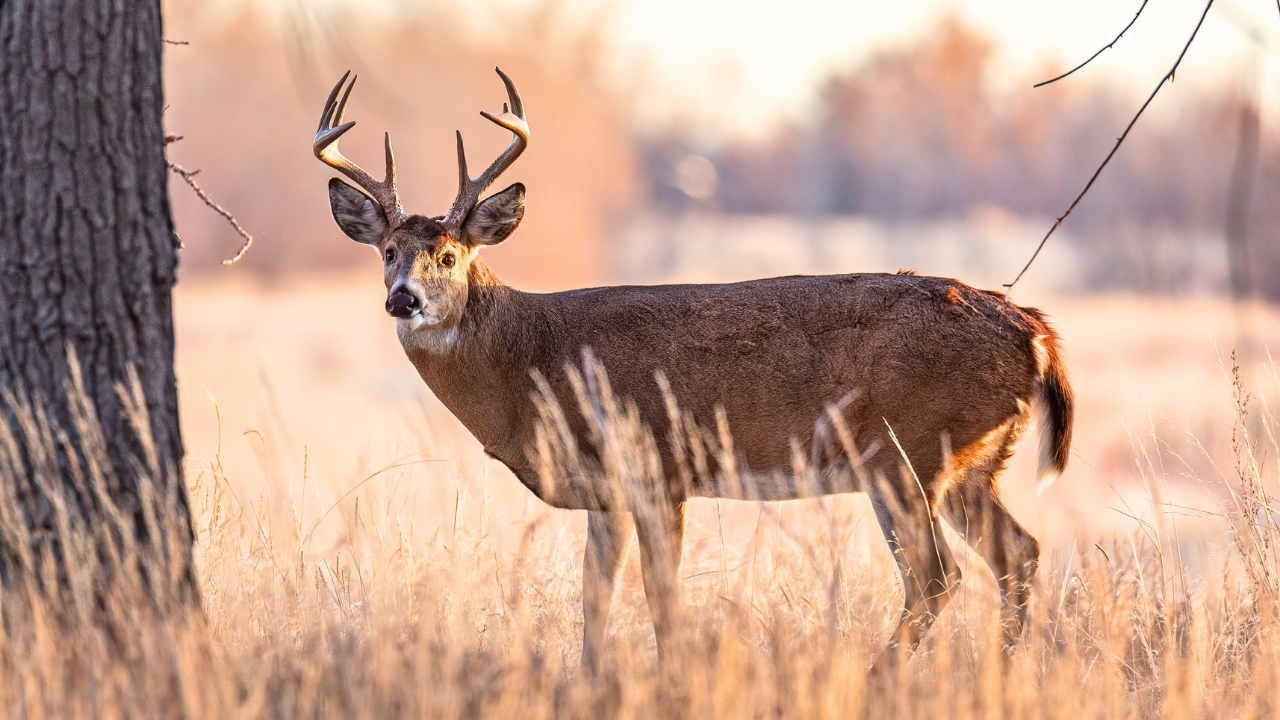
Arkansas is a mix of timber, delta ag, and a whole lot of deer woods that people don’t talk about online. Land is changing hands here through timber deals, farm transitions, and folks buying hunting/recreation tracts.
One thing to watch is access roads. A “normal” route to your spot might cross a corner of a tract that used to be friendly and isn’t anymore. Don’t gamble on old habits. Ask, verify, and be willing to walk farther rather than start a season with a trespass accusation.
11. Louisiana
Louisiana’s hunting land picture is complicated by water, leases, and changing habitat. Coastal erosion, storms, and flooding have already reshaped a lot of ground, and when land sells, the new owner often reassesses what it’s worth and who should be on it.
In the deer woods, it’s not unusual to see landowner goals shift toward timber value or strict lease income. If you’ve been hunting a place for years, don’t wait until opening week to check in. A simple preseason conversation can save you from showing up to a locked gate and a “Sorry, that’s leased now.”
12. Missouri
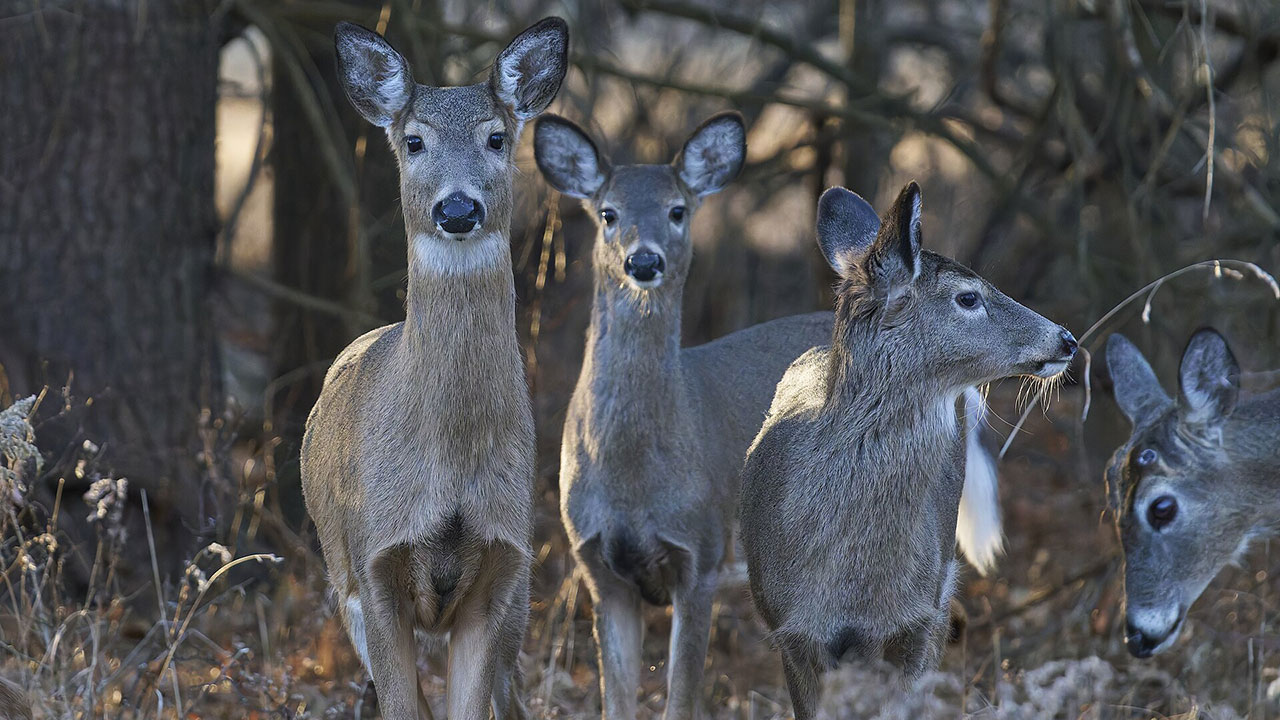
Missouri is one of those states where a farm can quietly be a whitetail factory. That’s also why it’s on the radar for buyers who want a Midwest deer place without the Iowa price tag.
When those farms sell, the new owners often implement tighter rules: no rifle during certain windows, limited guests, and a big emphasis on not shooting young bucks. If you’re a meat hunter, it can still work, but you need to be honest about whether the new management style fits you.
13. Illinois
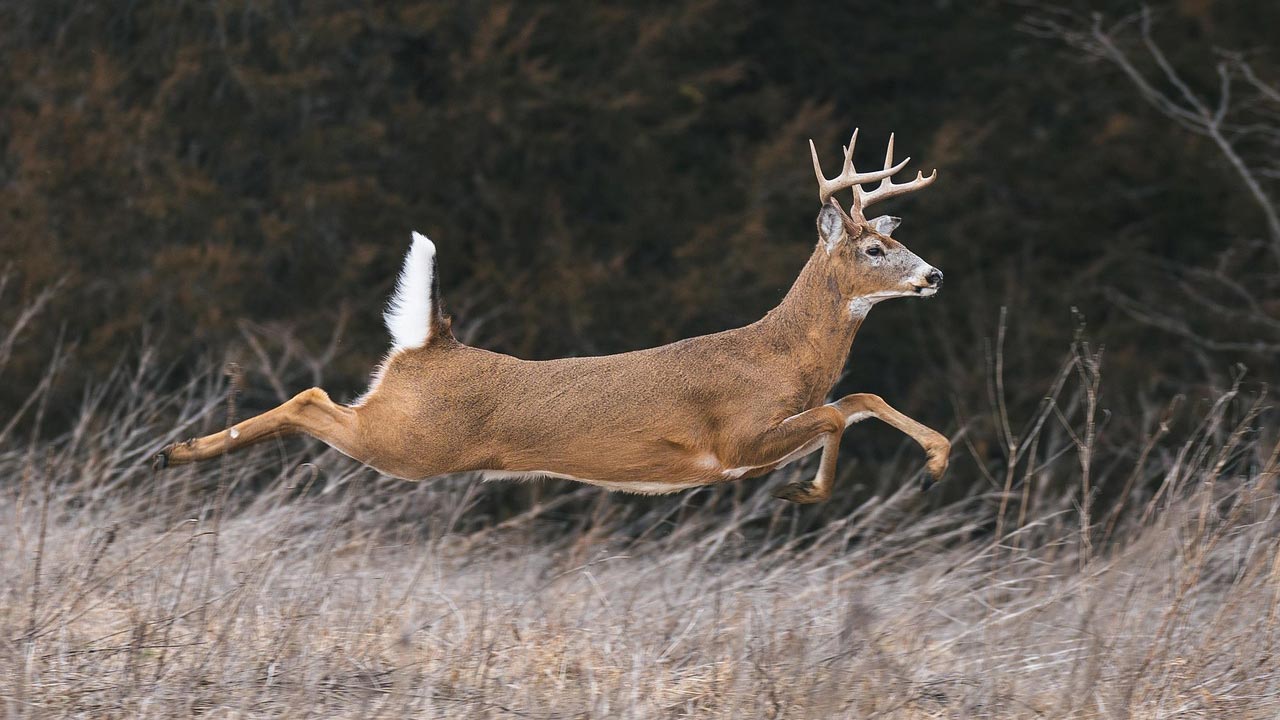
Illinois has legendary deer ground, and the market treats it like gold. More parcels are being bought as hunting investments, not just working farms, and that has a direct effect on who gets to sit there in November.
Access is also getting more “contractual.” Written leases, liability coverage expectations, and strict harvest rules are normal on the better dirt. If you’re used to informal permission, you may need to adjust and treat it like a professional relationship, because that’s what many owners want now.
14. Iowa

Iowa is still a dream for a lot of whitetail hunters, and land ownership reflects that. When a good farm hits the market, it doesn’t sit long. And when it sells, it’s often to someone who intends to hunt it hard and manage it tight.
The ripple effect is that nearby permission becomes more valuable and more protected. If you’ve got a small slice to hunt, be the best neighbor possible. Noise complaints, careless shooting directions, and sloppy trespass will get you shut out fast when everyone knows how valuable that access is.
15. Wisconsin

Wisconsin has deep hunting culture, but a lot of the northwoods land is being bought as vacation property or investment forest. That changes access in subtle ways: roads get gated, old camp agreements dissolve, and “we’ve always hunted here” becomes a dead phrase.
At the same time, some new owners are open to permission if you approach it right. Offering help with trail maintenance, sharing trail cam photos (when asked), and being respectful about ATV use can open doors. Acting entitled will close them.
16. Michigan
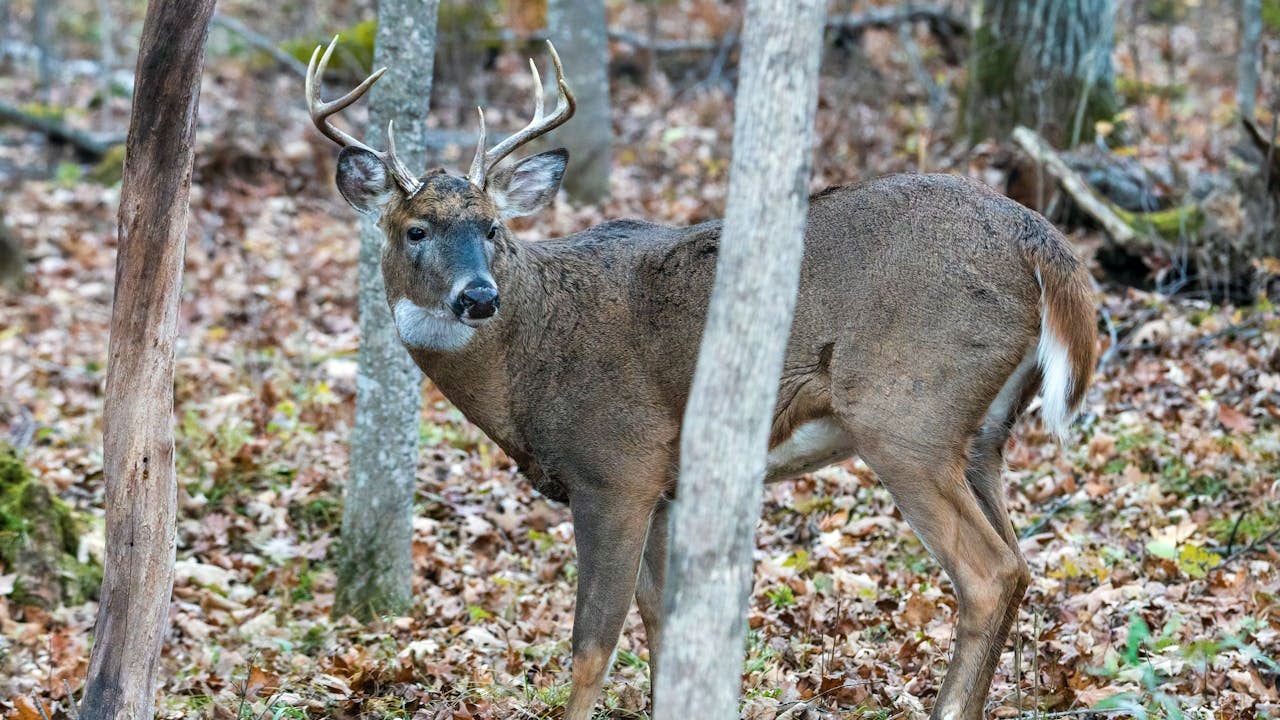
Michigan’s mix of private ag ground downstate and big timber up north creates two different land-transfer stories. Downstate parcels are getting chopped up and developed. Up north, large tracts move between companies and investors, and access rules can flip quickly.
If you hunt near property that changes hands, double-check boundary lines every season. I’ve seen guys lose a stand because the old “line tree” got cut during a timber job. Nothing fancy about a good mapping app and a ribboned corner, and that’s kind of the point.
17. Pennsylvania

Pennsylvania has a ton of hunters and a ton of tradition, but family land transitions are hitting hard. When a farm goes from a single older owner to multiple heirs, hunting access can turn into a family disagreement you don’t want to be part of.
Also, new owners in some areas are more concerned about liability and safety zones. That doesn’t mean you can’t hunt. It means you need to be more careful about where you shoot, how you retrieve, and how you communicate. A quick text before you go can prevent a whole lot of stress.
18. New York

Upstate New York has plenty of good deer woods, but the ownership pattern is shifting with second homes and “escape” buyers. A place that sat empty most of the year suddenly has weekend traffic, dogs, kids, and a different tolerance for hunting activity.
Permission can still happen here, but it tends to be more personal and less assumed. Introduce yourself, be clear about seasons and methods, and don’t act offended if they say no. A polite first impression can turn into a yes next year.
19. Colorado

Colorado’s big-game scene is tied to access, and access is tied to land ownership. When ranches and foothill properties sell, the new owner might lock it down for private use, or they might restructure it with paid access and strict rules.
This also affects migration corridors and pressure on public land. When private refuges get managed differently, elk and mule deer move differently. If you’ve hunted the same public spot for years and it suddenly feels “off,” it might not be the herd. It might be the private ground next door changing the whole equation.
20. Montana
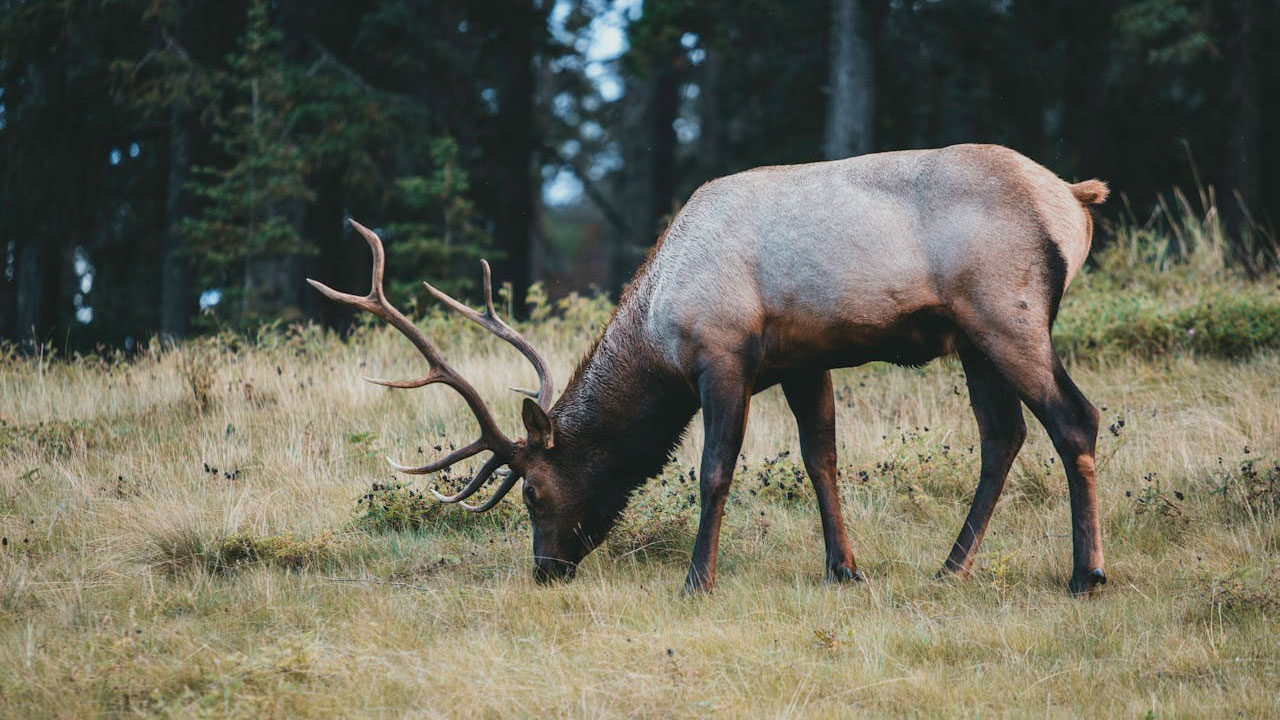
Montana has plenty of space, but not as much access as people assume. When ranches sell or get consolidated, the new ownership can tighten access immediately, especially near popular areas where trespass issues have been a problem for years.
The best move here is to treat permission as a long game. Be the guy who closes gates, doesn’t tear up roads when they’re soft, and doesn’t bring drama. And if you hunt public that borders private, keep your navigation tight. In big country, it’s easy to drift. Ask me how I know.
None of this is meant to be doom and gloom. Land changing hands is normal. What’s different right now is the pace, and the fact that hunting access is often the first thing to tighten up when a deed changes names. If you’ve got a place to hunt, take care of it. If you’re looking for a place, start building relationships in February instead of November. Quiet changes are still changes, and the folks who adapt early usually keep hunting while everybody else is still complaining about gates.
Like The Avid Outdoorsman’s content? Subscribe to our newsletter so you never miss an article.
Here’s more from us: