Photo credit: CW Longshot/YouTube
When you’ve hunted long enough, you start to see clear differences between cartridges that can kill a deer and cartridges that should be used on deer. Some rounds were fine decades ago when shots were close and expectations were lower, but today’s ammo and rifles demand more consistency and cleaner performance. A cartridge may look great on paper, or it might have nostalgic appeal, but real-world results tell a different story.
Plenty of hunters learned the hard way that certain rounds struggle with penetration, accuracy at realistic ranges, or terminal performance that falls short when conditions aren’t perfect. These are the cartridges you’re better off retiring from deer duty altogether.
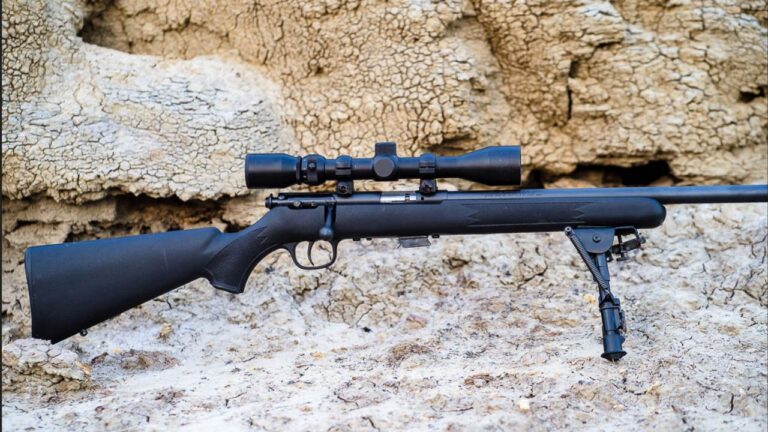
.22 Long Rifle

The .22 LR shows up every season in conversations about “perfect shot placement,” but it simply doesn’t deliver the reliability you owe a whitetail. Even with premium ammo, penetration is shallow, expansion is unpredictable, and wind drift is extreme past short range. Hunters who try it often discover that what looks clean in theory rarely plays out clean in real woods.
The .22 LR can certainly kill a deer under perfect conditions, but the margin for error is basically nonexistent. Wet fur, odd angles, or even slight movement all work against you. It’s a great small-game round, but it has no business being in a deer camp anymore.
.17 HMR

The .17 HMR is flat-shooting and accurate, but the bullet is far too light for dependable deer performance. Even with polymer-tipped loads, the projectile tends to fragment on contact, especially at higher velocities. That leads to shallow wound channels and almost zero margin for penetration.
A broadside shot at close range might work, but anything slightly quartering becomes a risky gamble. Hunters who’ve tried it often end up tracking much farther than they should. It’s simply a varmint round, not a deer cartridge, and expecting it to behave like something bigger is a recipe for frustration.
.22 Magnum

The .22 WMR hits harder than a .22 LR, but that still doesn’t make it suitable for deer hunting. Penetration is inconsistent, especially when the bullet hits bone or thick muscle. In cold weather, performance gets even worse as velocity drops and expansion becomes unreliable.
Deer deserve a round that can break shoulders or reach vitals at less-than-ideal angles. The .22 Magnum doesn’t offer that. Hunters who’ve used it often report long tracking jobs or lost deer, and that’s reason enough to retire it from whitetail use entirely.
.25-20 Winchester

The .25-20 had a moment early in the 1900s, but modern standards show exactly how limited it is. With low velocity and light bullets, it simply doesn’t provide the energy you need once ranges stretch past bow distance. Even at close range, the bullet struggles to hold together or create a meaningful wound channel.
While it’s a charming small-game and varmint cartridge, there’s no real justification for taking it into deer woods today. There are dozens of modern rounds that hit harder, penetrate deeper, and give you far more reliable results.
.32-20 Winchester

The .32-20 is another nostalgic round that doesn’t meet expectations for deer. It’s underpowered, inconsistent across different rifles, and extremely limited in both velocity and bullet construction. Expansion is unreliable, and most bullets were never designed for medium-game impacts.
Even at the close ranges where it historically saw use, the cartridge leaves little room for error. An angled shot or a hit through thicker shoulder tissue becomes a major problem fast. Modern hunters are far better served with something more capable.
.218 Bee
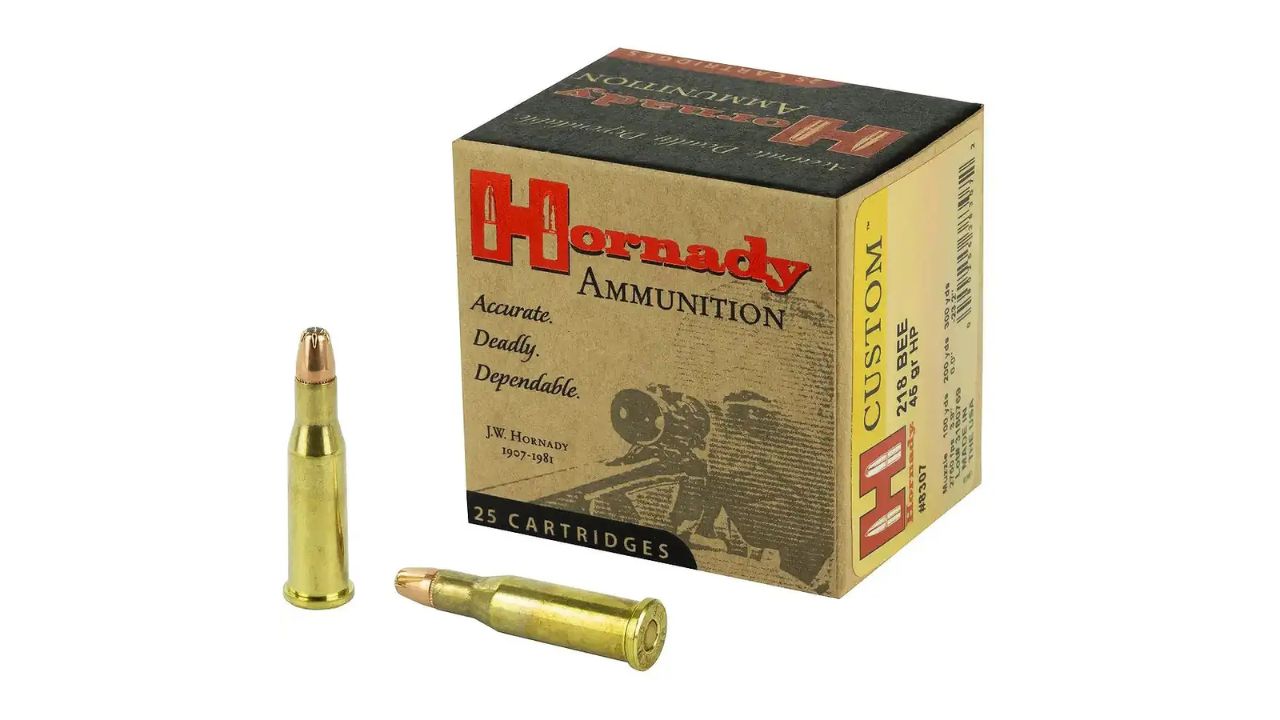
While fun to shoot and extremely accurate on varmints, the .218 Bee falls short on deer-sized game. It relies too heavily on lightweight bullets that dump energy too early or fail to penetrate deep enough. Wind drift also becomes a serious factor, especially in open country.
Even premium loads don’t change the fact that this cartridge wasn’t designed for medium game. Using it for deer turns every hunt into a high-risk experiment with very little payoff.
.22 Hornet

The .22 Hornet sits in a strange spot between varmint and light hunting rounds. It’s charming, quiet, and surprisingly accurate, but it’s lacking where it matters most: consistent terminal performance on deer. Most loads feature fragile bullets that simply don’t hold up when meeting bone or thicker tissue.
The Hornet can work in controlled settings, but modern whitetail hunting rarely offers those conditions. A cartridge that struggles with penetration shouldn’t be your choice when a real animal is on the line.
.30 Carbine
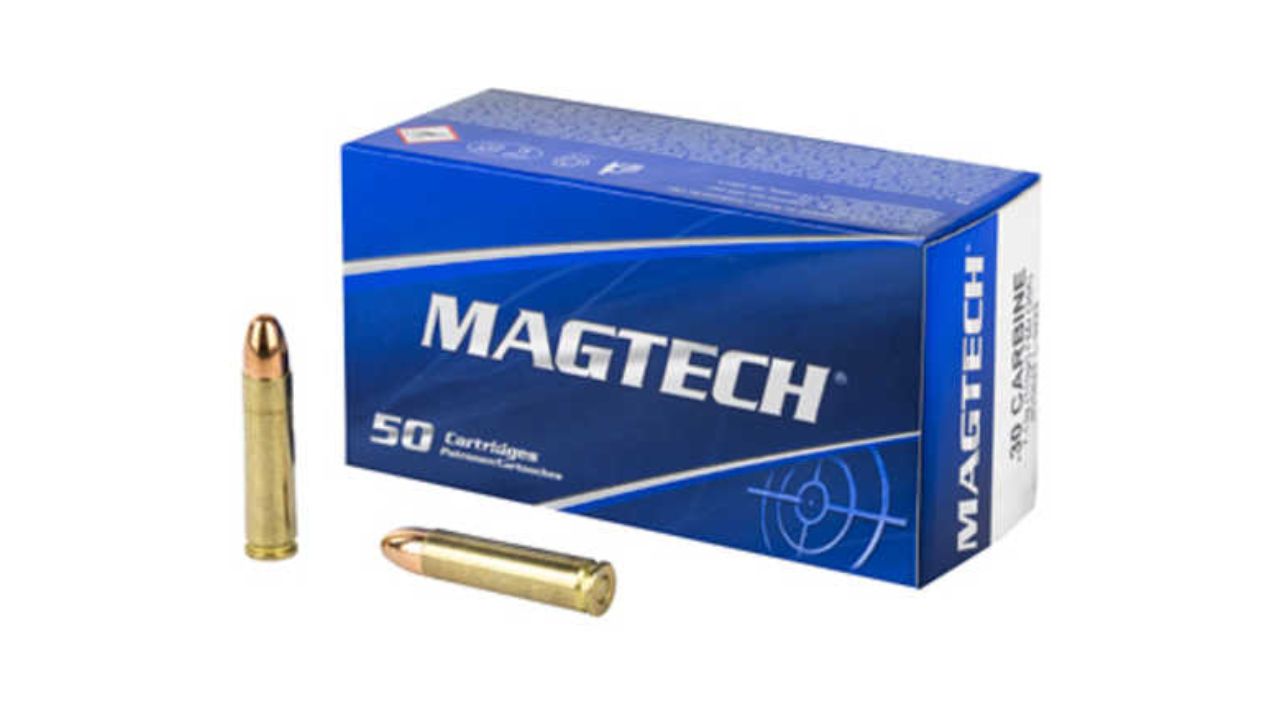
The .30 Carbine is often romanticized because of its military history, but in the deer woods it shows every bit of its age. With modest velocity and limited bullet options, it lacks the punch needed for clean kills on medium game. Expansion is inconsistent, and penetration becomes a major concern at anything beyond tight cover distances.
It’s simply underpowered for modern deer hunting standards. Hunters who try it quickly realize that it belongs in the category of historical curiosity—not dependable deer cartridge.
5.7x28mm

The 5.7x28mm has plenty of hype thanks to fast velocities and unique bullet designs, but those traits don’t translate well into deer hunting. The light, fast projectiles often fragment shallowly or fail to penetrate to the vitals unless the angle is perfect.
While it’s a fun round for personal defense or range use, it lacks the mass and energy you need for deer-sized animals. Even specialized loads struggle to produce meaningful wound channels. It’s simply not built for ethical deer shots.
.223 Remington

The .223 can take deer effectively with the right loads, but many hunters still use lightweight varmint bullets that are absolutely not appropriate. These projectiles explode on impact and fail to drive through muscle, bone, or even light brush.
The issue isn’t the cartridge itself—it’s the bullet choice. Using varmint rounds on deer leads to poor penetration, shallow wounds, and increased chances of losing game. If you’re not using controlled-expansion bullets, you shouldn’t be using the .223 on deer at all.
.357 SIG

The .357 SIG is fast and snappy, but it was designed for handgun defense, not medium-game hunting. The bullet weights are too light to create the penetration needed on deer, and most loads are optimized for rapid expansion in soft tissue—not thick hide or bone.
It performs poorly past short distances, and even inside bow range it’s inconsistent. There are much better handgun and carbine cartridges for whitetail hunting.
9mm Luger

The 9mm is a proven defensive round, but it falls short when used on deer. Expansion varies widely between loads, penetration is marginal from both handguns and carbines, and the bullet design simply isn’t optimized for medium game.
While a perfectly placed shot can work, you don’t have the consistency or energy needed for responsible hunting. There are far safer choices for whitetails.
.410 Slug

The .410 slug is often marketed as “okay” for deer, but real-world results show otherwise. The slug is extremely light, lacks penetration, and loses energy quickly. It also struggles with accuracy past short distances, especially from smooth-bore barrels.
Modern hunters have far better options that provide ethical, consistent kills. The .410 should be left for small game and practice—not deer.
.44-40 Winchester

The .44-40 has been around forever, and while it took plenty of deer back when options were limited, it’s underpowered for modern expectations. Velocity is low, bullet construction isn’t optimized for medium game, and penetration varies wildly depending on impact angle.
Today’s hunters have access to vastly superior straight-wall and bottleneck cartridges that outperform the .44-40 in every meaningful way. It’s time to retire this one from deer duty.
7.62x39mm (with FMJ)

The 7.62×39 can work well with soft-point hunting ammo, but many hunters still use FMJ or steel-cased loads that aren’t meant for game. FMJ rounds punch small holes with almost no expansion, leading to long tracking jobs and wounded deer.
The problem isn’t power—it’s bullet choice and inconsistent ammo quality. If you’re not running proper hunting loads, this cartridge shouldn’t be anywhere near a whitetail.
Like The Avid Outdoorsman’s content? Be sure to follow us.
Here’s more from us:
The worst deer rifles money can buy
Sidearms That Belong in the Safe — Not Your Belt
*This article was developed with AI-powered tools and has been carefully reviewed by our editors.