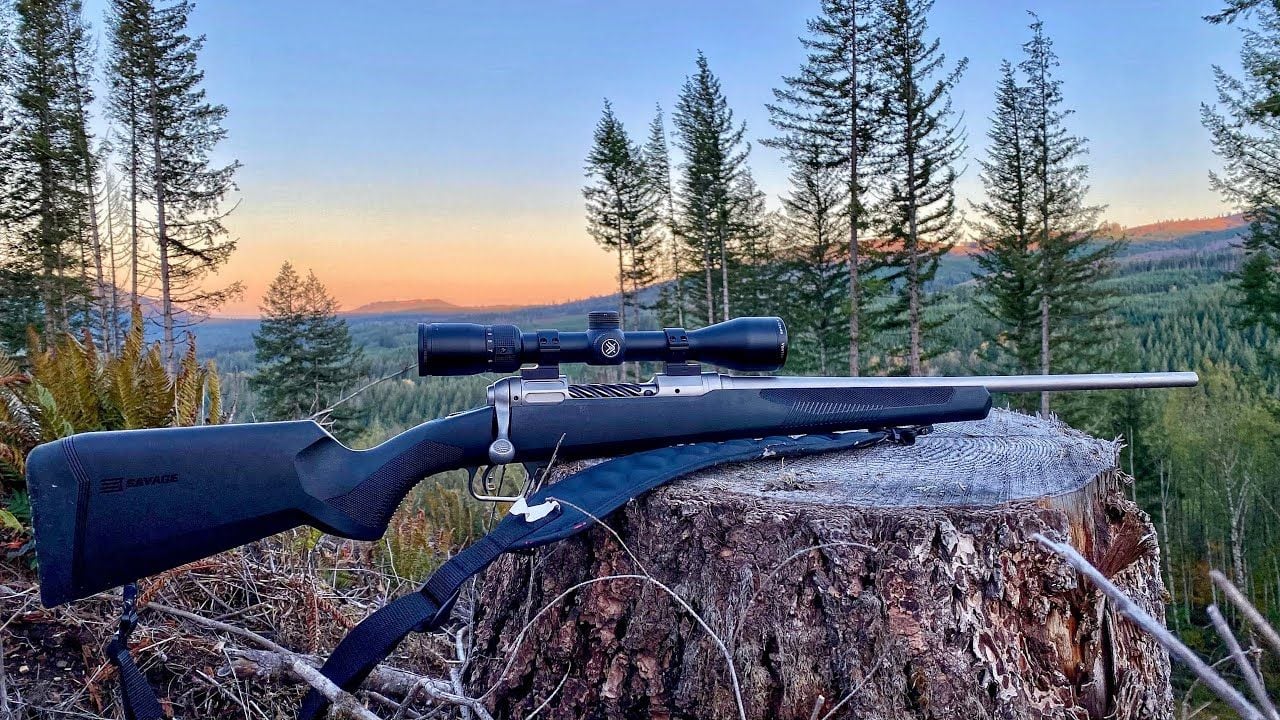
Photo credit: Yakfish Taco/YouTube
When the wind starts moving, that’s when you find out whether a rifle you’ve trusted actually holds up. Some rifles shrug it off thanks to barrel weight, velocity, and consistency. Others fall apart the second gusts start rolling across a field. You start seeing fliers, wandering groups, and shots you know should’ve landed but didn’t.
Plenty of rifles handle wind smartly, but the ones on this list earn their reputation for making those conditions harder than they need to be. If you’ve ever tried to stretch a shot in shifting air with one of these rifles, you already know how quickly your confidence fades.
Ruger American Ranch (5.56/.300 BLK)

The Ranch is a handy carbine, but its short barrel and slower velocities hold up poorly in the wind. Light bullets drift dramatically, and even careful shooters see groups move sideways far more than they expect. The rifle’s compact design makes it easy to carry, but it doesn’t give you the stability or bullet weight you need when wind starts pushing.
It’s not that the Ranch is inaccurate—it’s that the cartridge pairings amplify every gust. When you’re dealing with real distance or unpredictable crosswinds, it becomes a rifle you second-guess before breaking the shot.
Mossberg Patriot Bantam
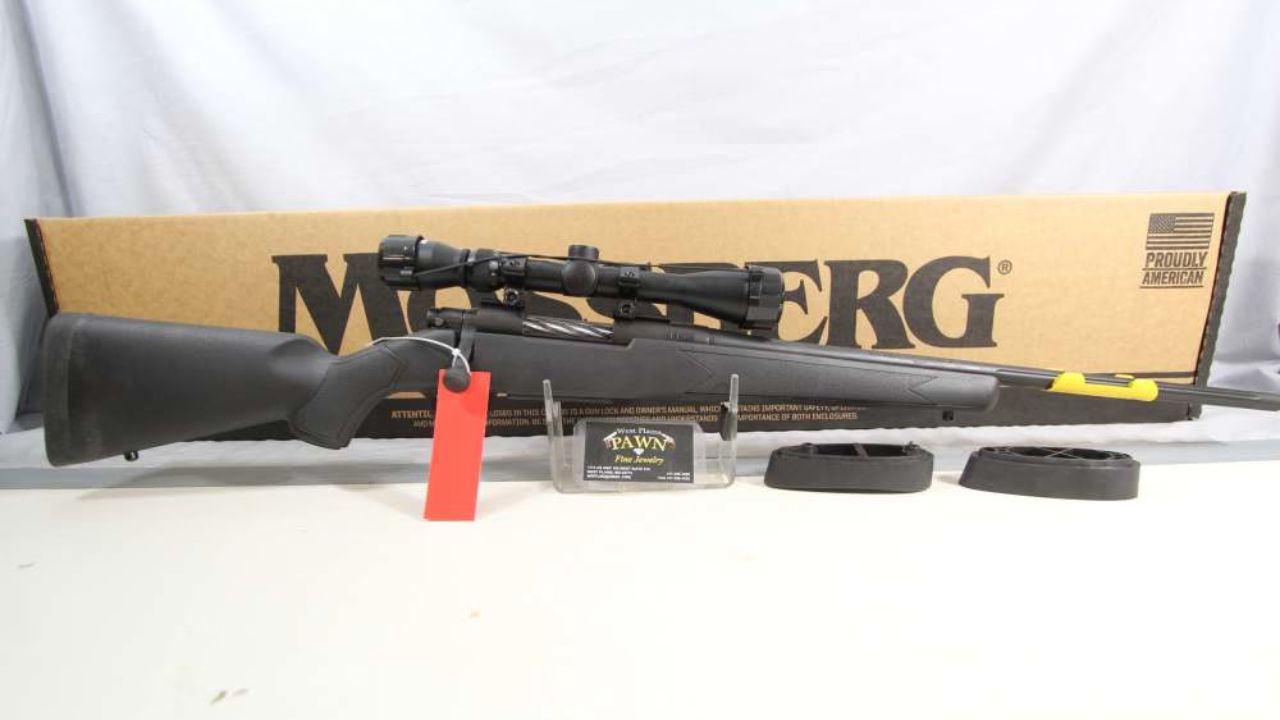
The Patriot Bantam is lightweight and budget-friendly, but light barrels tend to whip under shifting wind, making consistency tougher to maintain. Hunters like how easy it is to carry, yet that same weight savings means the rifle jumps around more as wind buffets your position.
With some chamberings and factory loads, the bullets themselves don’t have the wind resistance needed for longer pokes. That combination—light rifle, thin barrel, mid-tier ammo—creates drifting impacts you can’t always predict. When you step into a gusty valley, the Bantam starts feeling like it’s fighting you instead of helping.
Winchester XPR Compact

The XPR line offers good features for the money, but the Compact version struggles in the wind due to short barrels and lightweight construction. Velocity loss hurts you fast, and the rifle’s overall feel doesn’t give much stability when the breeze stiffens.
You can make it shoot well inside typical deer ranges, but stretch it farther or push it in gusty terrain, and the drift becomes harder to manage. Even experienced shooters report fliers they can’t cleanly explain, especially when shooting lighter hunting bullets.
Ruger Gunsite Scout (5.56 Version)

The Scout is popular for its handiness, but the 5.56 variant isn’t known for stability in windy conditions. Light bullets, modest velocity, and the forward-mounted optic position all make precise wind calls tougher.
Shooters appreciate the rifle’s layout, yet the truth is simple: it’s built for maneuverability, not long-range wind performance. If you’re shooting in open fields or on ridge lines, you’ll notice your groups sliding sideways faster than you’d like, even when your fundamentals are solid.
Savage Axis II Compact

The Axis II Compact is an accurate budget rifle under calm conditions, but it’s unforgiving once the wind gets involved. The lightweight stock flexes, the thin barrel heats quickly, and the shorter length reduces velocity—all factors that make drift more noticeable.
You can absolutely take game with it, but if you’re shooting across open pastures or wide cuts, the wind pushes your bullet farther than you expect. Hunters often report needing more correction than they’re used to with similarly chambered rifles.
Browning A-Bolt Micro

The Micro is a great little woods rifle, but it becomes a different story when you’re dealing with wind across open terrain. The shorter barrel robs velocity, and the lighter recoil footprint often pairs with bullet choices that drift aggressively.
Despite the smooth action and good ergonomics, the rifle doesn’t give you much forgiveness once gusts come into play. You can still make hits, but you’ll work harder for them compared to heavier or longer-barreled rifles in the same chambering.
Remington Model Seven

The Model Seven is a classic short-action carbine, but wind is its biggest enemy. The compact profile and thinner barrels lead to unpredictability at longer distances, especially when using lighter hunting bullets.
The rifle handles beautifully in tight timber, yet in open country it’s easy to watch the wind grab hold of your shots. You’re forced to make bigger corrections than you’d expect from similar chamberings in full-size rifles. It’s a terrain-specific tool—not a rifle you reach for when conditions are messy.
Henry Long Ranger (Standard Barrel)
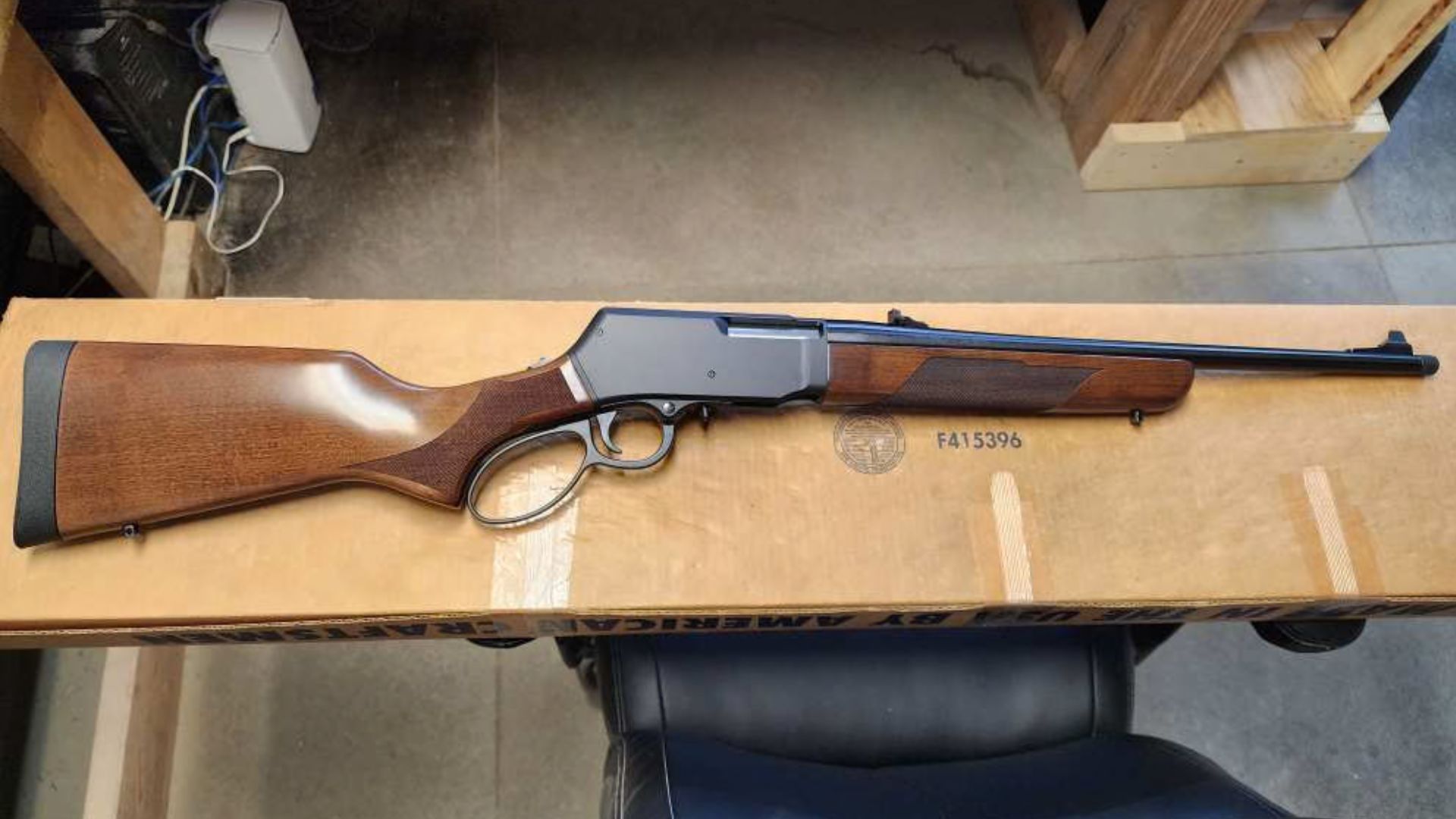
The Long Ranger cycles smoothly and carries well, but its standard barrel isn’t the most stable platform when gusts start moving. Lever-action geometry also provides less rigidity for precision shooting in wind.
Most hunters love it inside moderate ranges, but it becomes harder to predict past that, even with well-constructed bullets. When wind is bouncing off hillsides or coming at you in pulses, the Long Ranger makes consistent hits more challenging than bolt guns of similar weight.
Marlin 336 (Traditional Loads)

The 336 has earned its place in deer camps, but nobody leans on it for wind performance. .30-30 bullets have low ballistic coefficients, and the rifle’s modest velocity makes drift far more pronounced compared to modern cartridges.
It’s a fantastic woods gun, yet when you take it into the open, the wind wins more than you’d like. Your shots start walking away from center even when you hold steady, and past 150 yards the drift becomes impossible to ignore.
CVA Cascade Compact

The Cascade Compact is a solid entry-level rifle, but when you shorten the barrel and stick with lightweight factory loads, the wind takes its toll quickly. The stock isn’t the stiffest, and the overall platform has a hard time staying locked in under shifting air.
You can make accurate shots with good setup, but once you step into higher country or rolling fields, it becomes a rifle you second-guess. Drifts that wouldn’t faze heavier rifles become much more noticeable here.
Savage Lightweight Storm

The Lightweight Storm lives up to its name, and that’s part of the problem in the wind. The rifle doesn’t have the mass needed to settle naturally, and even a mild crosswind pushes it around. Pair that with thin barrels and standard hunting loads, and you’ll see drift stack up fast.
It’s a rifle built for packing, not wide-open precision. In calm weather it’s fine, but when gusts show up you spend most of your time holding correction and hoping groups stay tight.
Mossberg 464
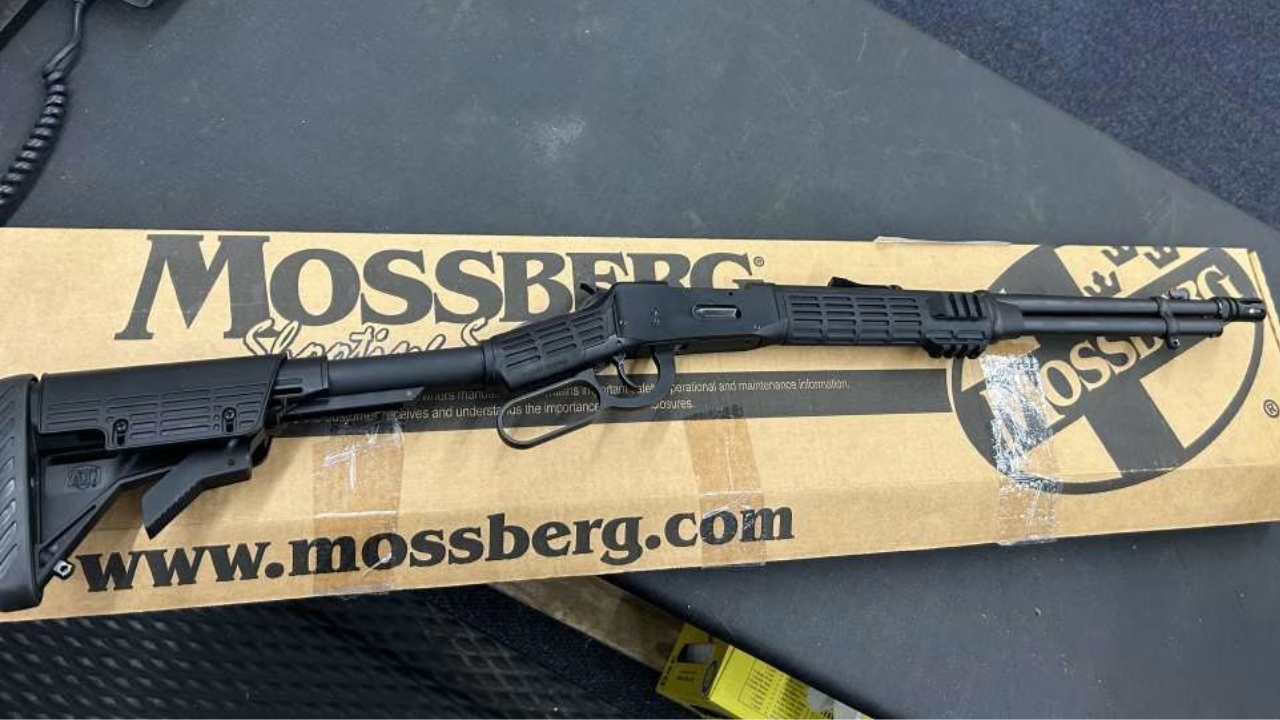
As a traditional lever gun, the 464 isn’t designed for performance in windy terrain. The flat-nosed bullets commonly used in tubular magazines drift heavily, and the platform doesn’t allow the kind of precision you need when the wind is shifting.
In the woods it’s reliable and quick, but in fields or mountain saddles it becomes a rifle you don’t trust for tight hits. The wind grabs those slow-moving bullets and moves them farther than you’d expect.
Ruger 77/357
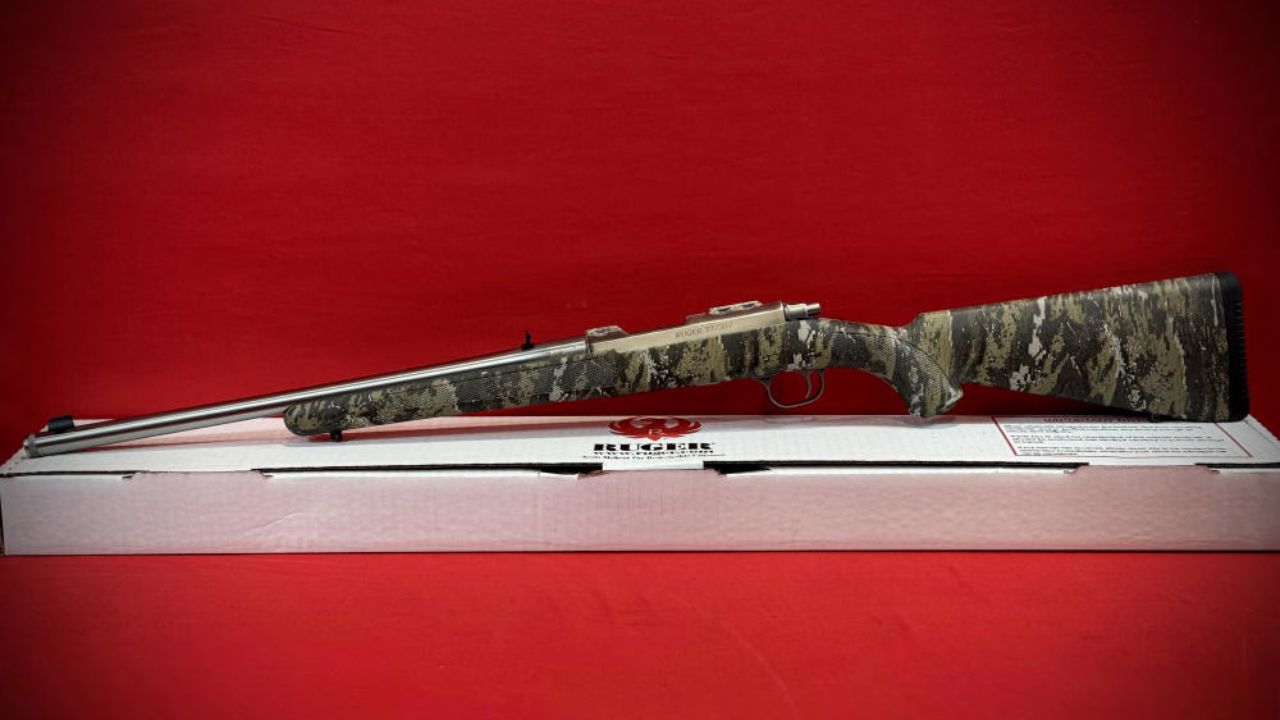
The 77/357 is fun, but it’s nowhere near wind-friendly. Low ballistic coefficients and modest velocity mean the drift is huge compared to standard rifle cartridges. Even mild gusts push shots dramatically at moderate ranges.
It’s a great short-range tool and a blast for plinking, but when the wind picks up, accuracy becomes guesswork. Many shooters treat it as a specialty rifle for a reason—it simply can’t keep up in open country.
Thompson/Center Compass Compact
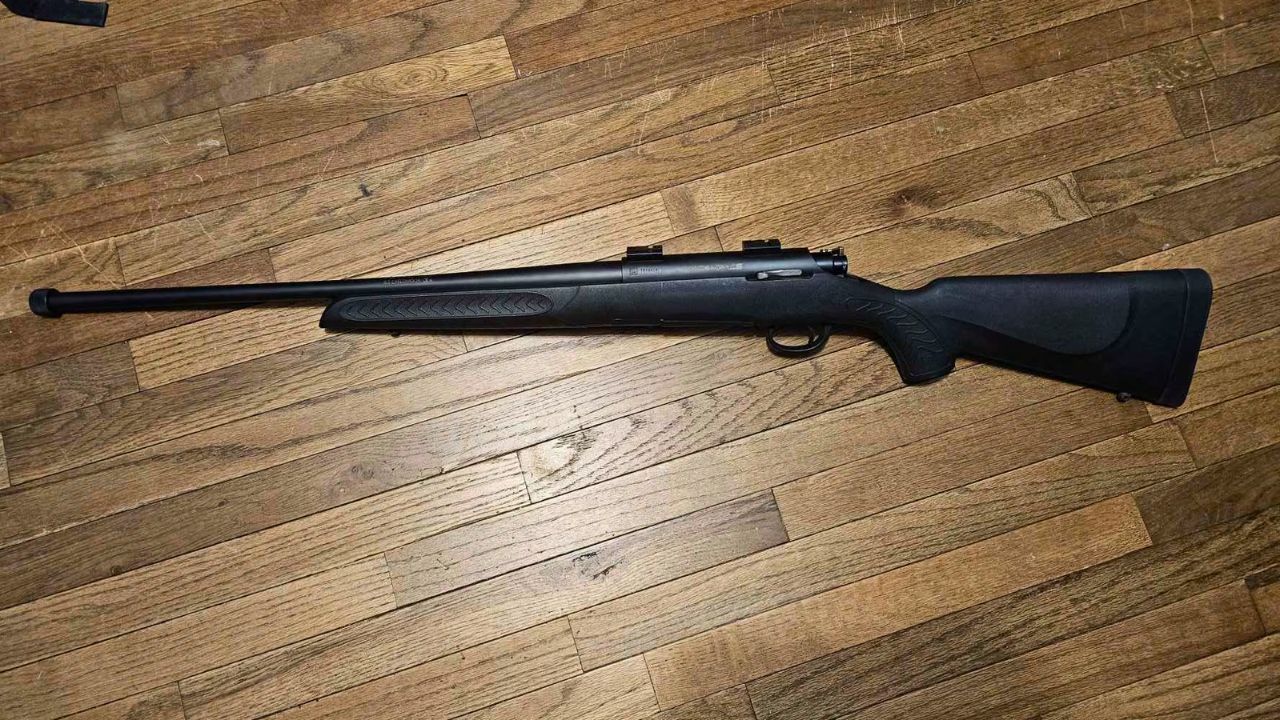
The Compass Compact offers good value, yet doesn’t shine in windy settings. The shorter barrel reduces velocity, the lightweight stock moves under pressure, and groups widen quickly once wind starts rolling across the barrel.
You can shoot it well under calm conditions, but the moment the air moves, you’ll see why many shooters avoid relying on it for long shots. Corrections feel large, and drift often surprises people who are used to heavier rifles.
Henry Single Shot (.223)

The Henry Single Shot in .223 is extremely pleasant to carry, but with light bullets and slow twist rates on some early models, wind drift becomes obvious fast. Even with modern loads, the platform’s limits show up once gusts start shifting.
It’s accurate inside moderate ranges, but open-country shooting with wind involved turns every shot into a calculation. Compared to heavier, faster rifles, you end up applying more hold than you’d expect—which is why many shooters keep it as a calm-weather rifle only.
Like The Avid Outdoorsman’s content? Subscribe to our newsletter so you never miss an article.
Here’s more from us: