
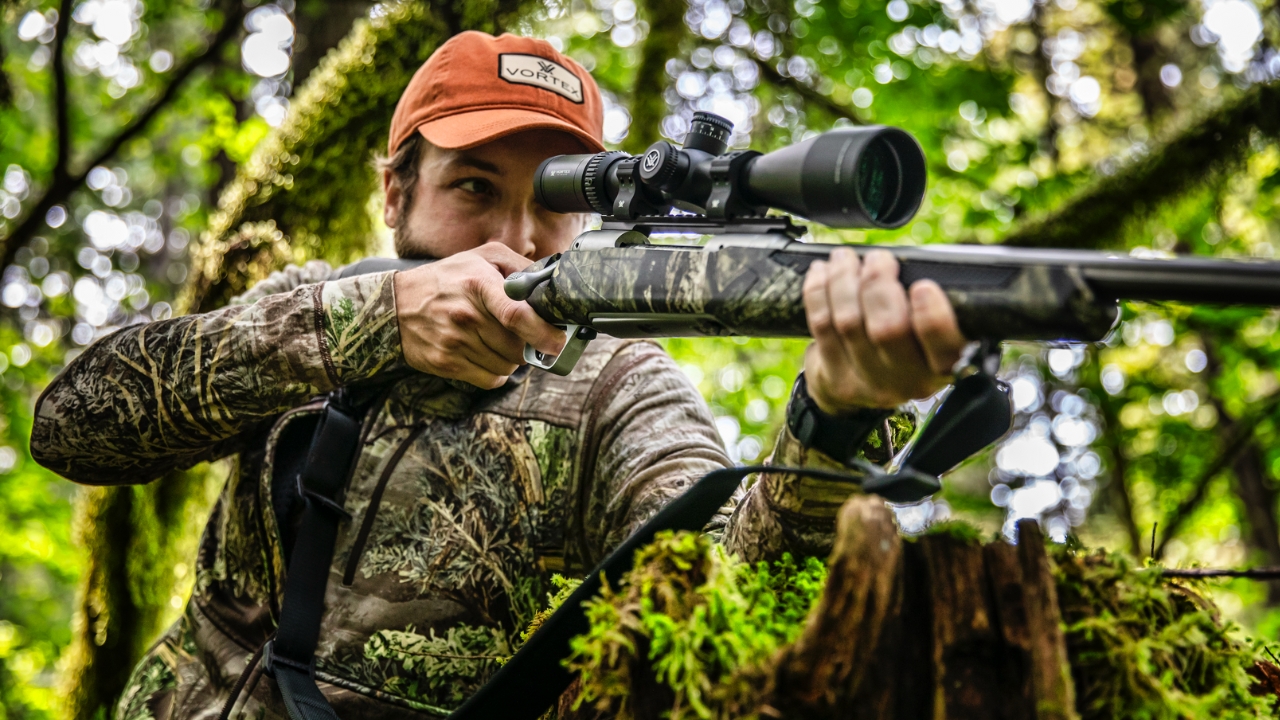
Photo credit: Savage Arms
Choosing the right caliber isn’t about what looks good on paper — it’s about what performs when you need it most. Some cartridges promise versatility, reach, or energy but fail to deliver under real-world conditions.
Whether it’s poor penetration, unreliable terminal ballistics, or steep energy drop-offs, the wrong choice can make a critical shot harder than it should be. These are the rifle calibers shooters often regret relying on when performance truly counts.
.17 HMR
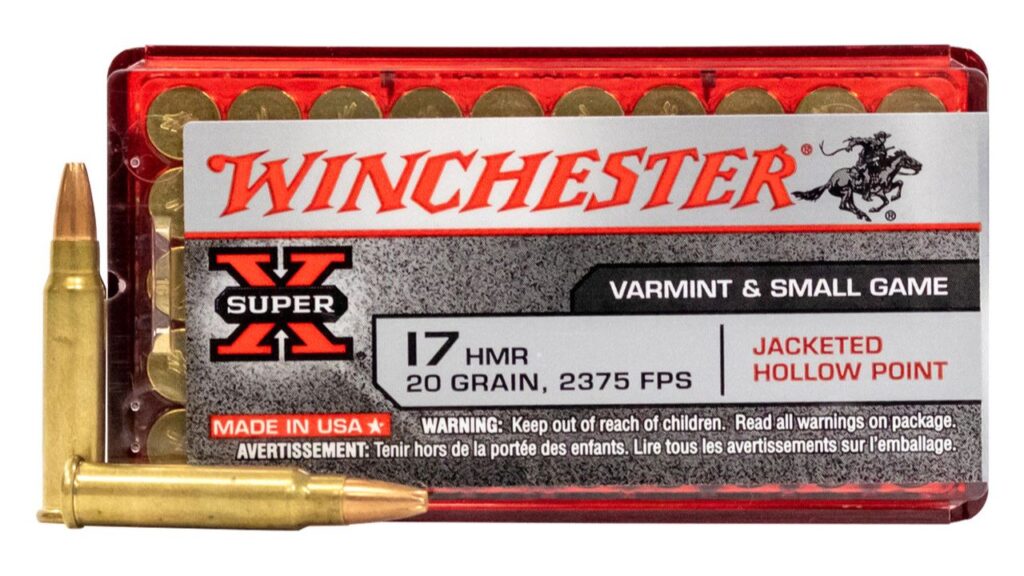
The .17 HMR is known for its flat trajectory and speed, but its lightweight 17- to 20-grain bullets severely limit penetration. On small varmints, it’s excellent, but when conditions shift or shot placement isn’t perfect, it fails to perform.
Wind drift is another major issue. Even moderate crosswinds can push it off target past 100 yards, making it unreliable when precision really matters. It’s fun for plinking and pest control, but if you need dependable performance under pressure, this caliber struggles to deliver.
.22 LR
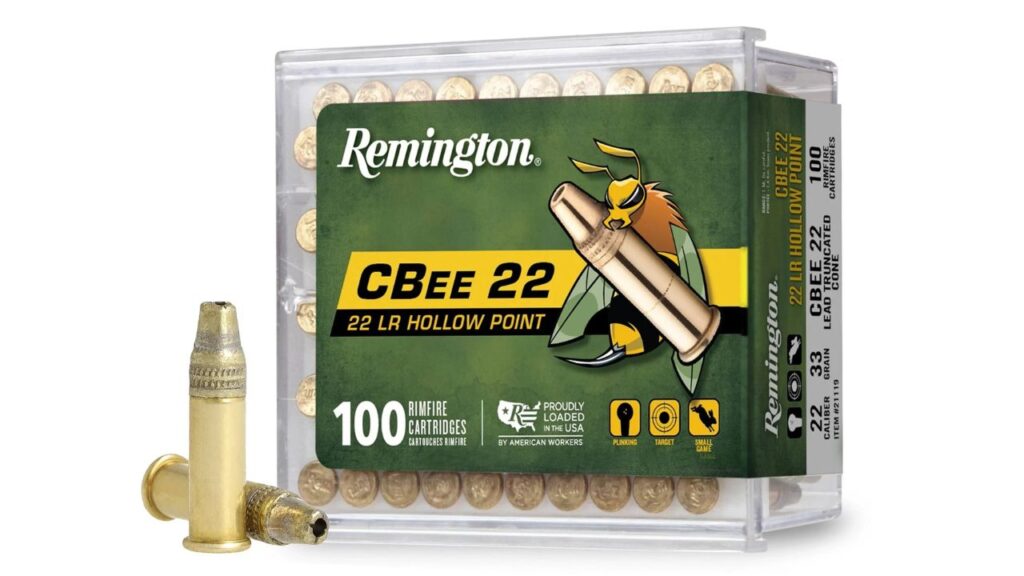
The .22 LR has been around forever, and while it’s cheap and versatile, it isn’t built for critical scenarios where reliable terminal performance matters. Its low velocity and limited energy make it prone to shallow penetration and inconsistent expansion.
Even within 50 yards, you’re working with minimal stopping power. Hunters and survivalists often find themselves frustrated when the round underdelivers in situations where a clean, ethical shot matters. It’s a fantastic training tool, but when stakes are high, you’re better off stepping up in caliber.
.204 Ruger
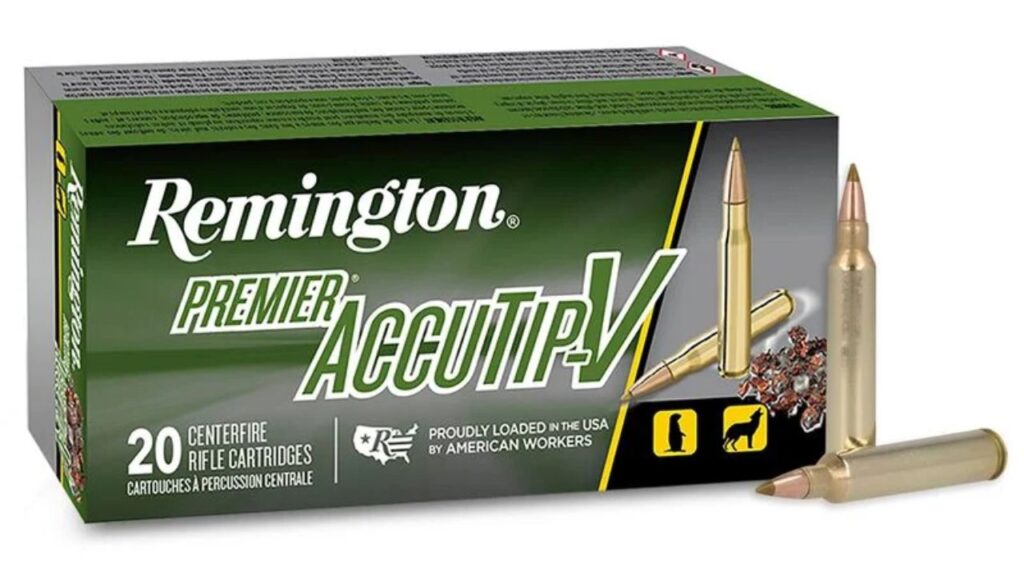
The .204 Ruger was marketed as a high-speed, flat-shooting varmint round, and while it’s fast, it lacks real-world versatility. Its tiny 32- to 40-grain bullets tend to fragment rapidly, which leads to poor penetration on anything bigger than prairie dogs.
Add in its sensitivity to wind, and you’ll find yourself compensating more than expected at moderate distances. For specialized pest control, it works, but if you’re counting on dependable performance against tougher game, it’s not built to handle the demands.
5.45×39mm
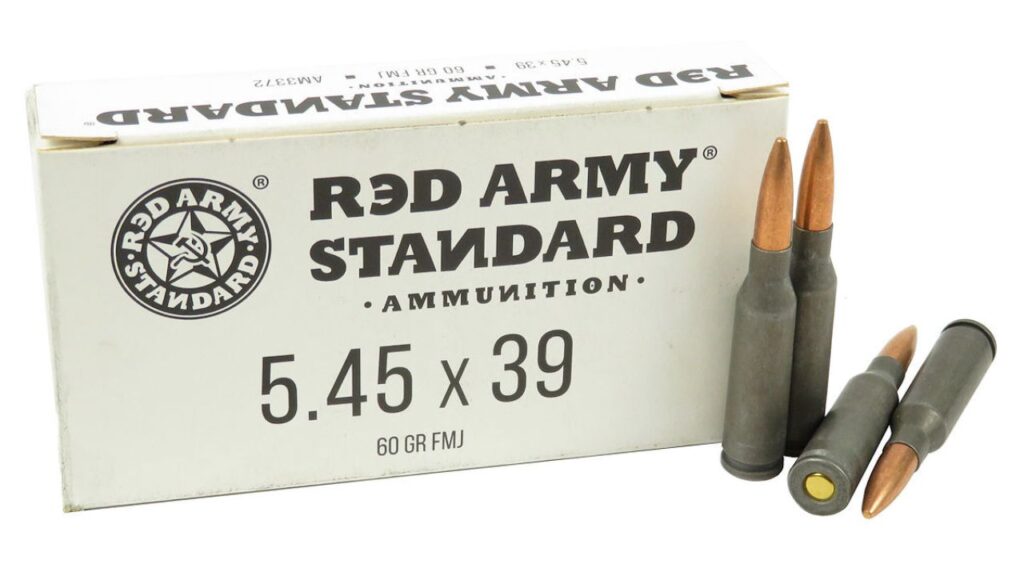
Popularized by AK-74 platforms, the 5.45×39mm round is soft-shooting and affordable but lacks consistent terminal performance. Its light 53- to 60-grain bullets often tumble on impact, leading to unpredictable wound channels and unreliable stopping power.
For training or recreational shooting, it’s fine. But when it comes to situations where quick incapacitation matters — whether hunting mid-sized game or relying on it for defense — its ballistic shortcomings become a problem. Shooters expecting better results often find themselves disappointed.
.300 Blackout Subsonic
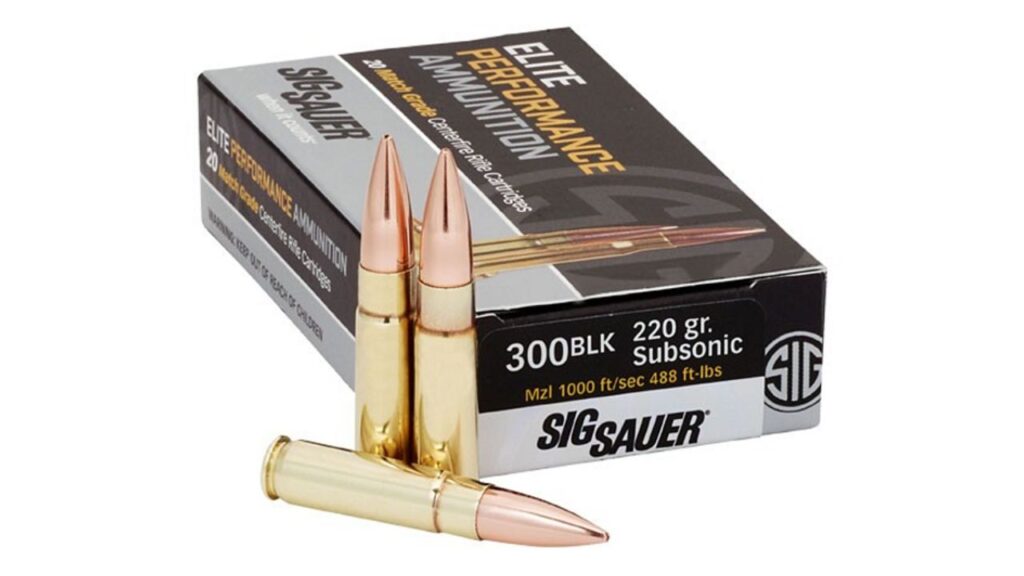
Subsonic .300 Blackout loads are designed for suppressed shooting and minimal noise, but their low velocity limits effective range and energy transfer. Past 75 yards, stopping power drops significantly, especially with expanding projectiles.
Supersonic loads perform much better, but many shooters pick subsonic expecting similar capability and end up frustrated when rounds underpenetrate or fail to expand properly. If silence is the priority, it serves its purpose — but in scenarios where decisive hits matter, it can leave you undergunned.
6.5 Grendel
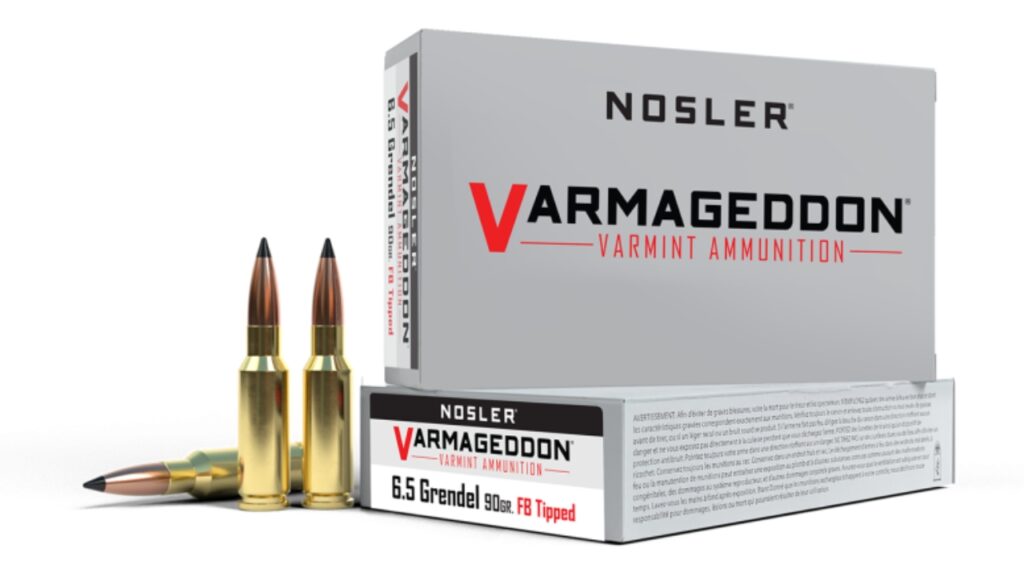
The 6.5 Grendel shines inside 400 yards, but once you stretch it beyond that, its slower velocities become a major limitation. While accurate, it sheds energy quickly compared to other modern 6.5 cartridges.
Hunters chasing mid-sized game past moderate ranges often find themselves wishing they’d brought something with more punch. For AR-15 platforms, it’s a solid option, but if you’re preparing for shots in unpredictable conditions, its performance curve flattens out too early to rely on.
7.62×39mm
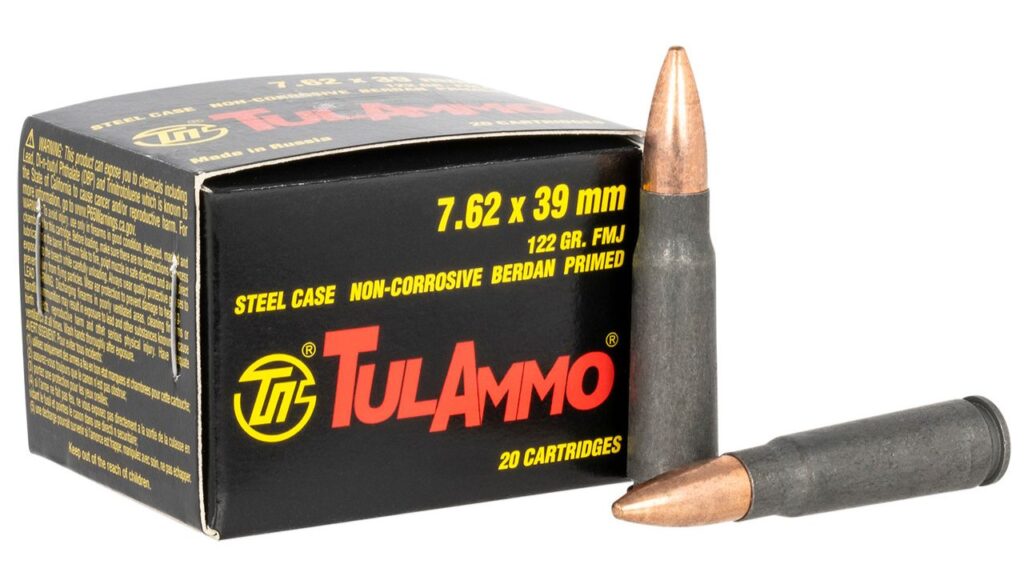
The 7.62×39mm is everywhere thanks to the AK-47, but its effective range is limited to around 200 yards before bullet drop and energy loss make precision tough. While it’s cheap and plentiful, that doesn’t mean it’s reliable when performance matters most.
Its trajectory is arcing, wind pushes it around easily, and terminal results vary widely depending on ammo quality. It’ll work for close-range situations, but anyone expecting consistent performance at distance quickly realizes its limitations in demanding conditions.
.243 Winchester

The .243 Winchester is a favorite for deer hunters, but with lighter bullets, it often struggles on tougher game or marginal shot placement. While it’s accurate and manageable, its lower sectional density compared to larger calibers can limit penetration.
For well-placed shots on smaller animals, it’s highly effective, but when bone or heavy muscle comes into play, it can leave you wishing for more stopping power. Under ideal conditions, it works fine, but its limitations show when the pressure’s on.
5.56 NATO
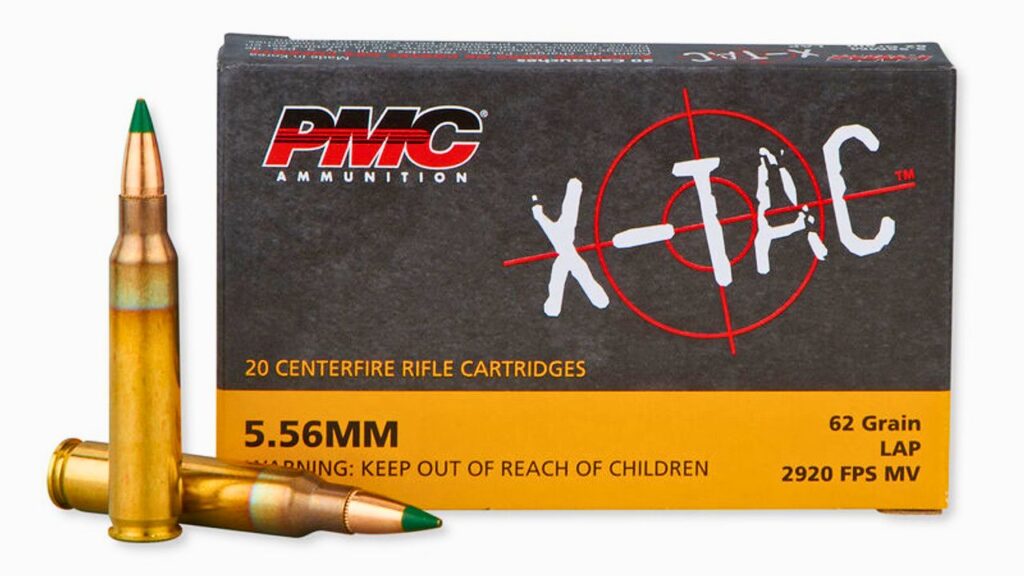
The 5.56 NATO is standard in countless rifles, but its lightweight bullets sometimes fail to meet expectations in hunting or defensive situations where deeper penetration is necessary. Its wounding potential depends heavily on velocity and bullet construction.
At close range with the right load, it performs well. But in unpredictable scenarios — longer distances, barriers, or larger targets — shooters often learn it isn’t as versatile as they assumed. It’s effective within its lane, but outside it, performance drops off quickly.
.30 Carbine
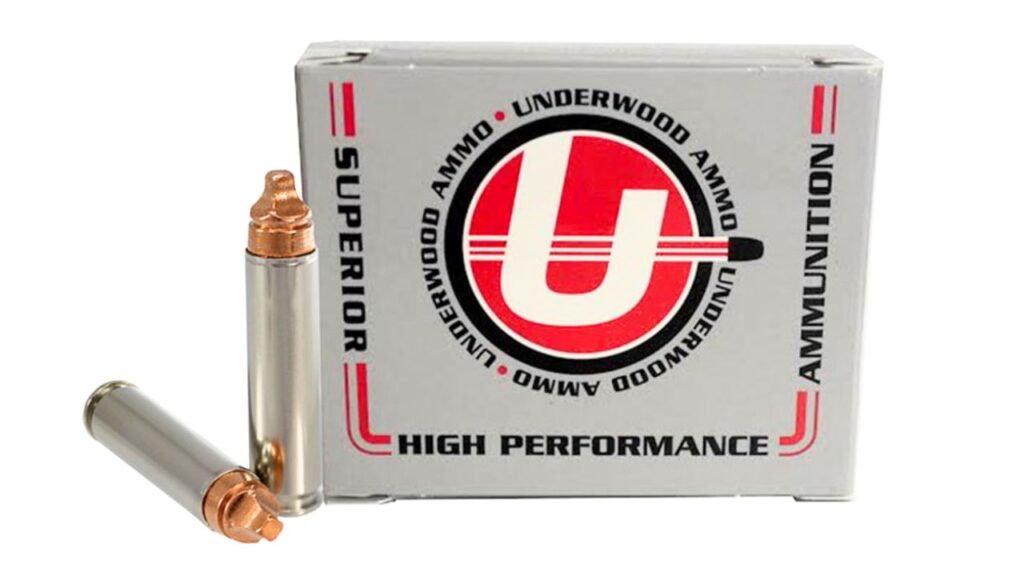
Originally designed for the M1 Carbine, the .30 Carbine delivers mild recoil but struggles in modern performance standards. Its 110-grain bullets lack the velocity and energy needed for reliable penetration, especially on medium-sized game.
In defensive roles, results are mixed at best, and accuracy beyond 100 yards starts to suffer. While it has historical appeal and low recoil advantages, when reliability matters most, it simply doesn’t match the capability of more modern intermediate rifle rounds.
*This article was developed with AI-powered tools and has been carefully reviewed by our editors.


