Photo credit: Dennis MacDonald/Shutterstock.com
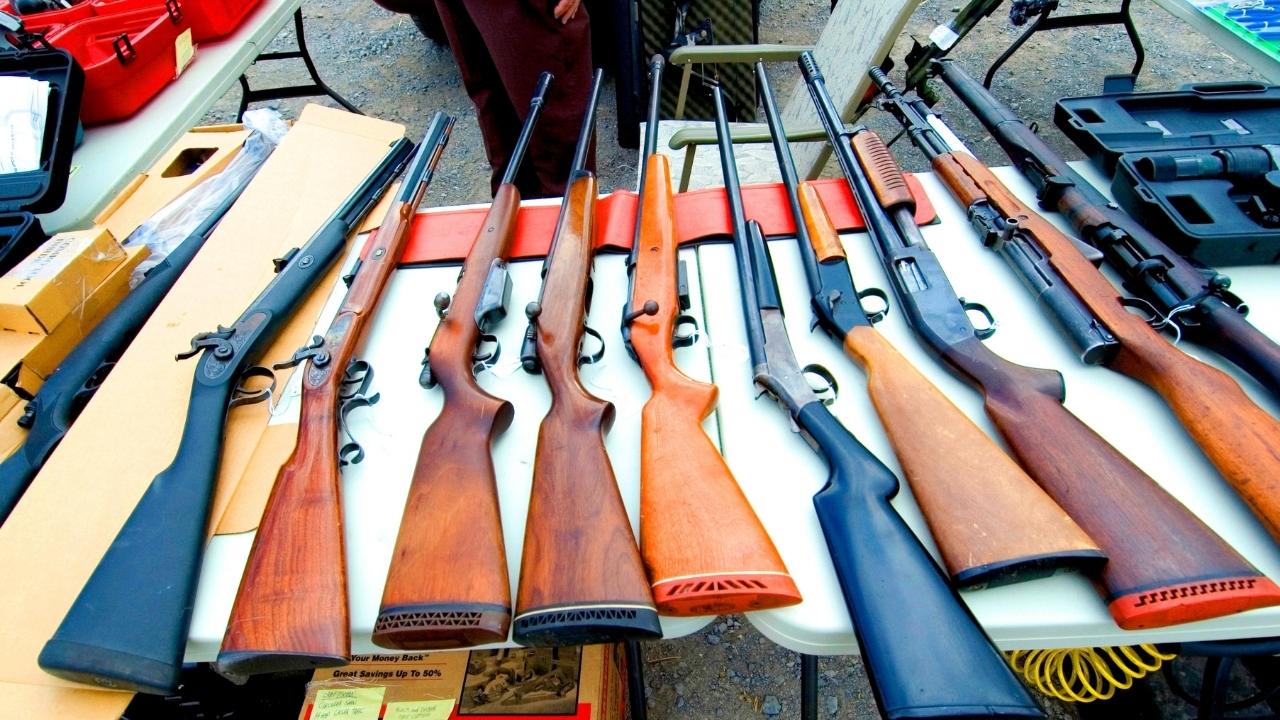
Gun shows are designed to overload you. Tables packed shoulder to shoulder, people talking over each other, prices written in Sharpie, and a steady stream of “you better grab it now” energy. For someone new, it feels like a marketplace where knowledge and speed are rewarded. In reality, it’s a place where hesitation gets punished socially and confidence—real or fake—gets rewarded. That environment creates one trap that catches first-time buyers almost every time, because it preys on the fear of looking inexperienced more than the fear of making a bad purchase.
The trap is letting the table control the pace instead of you. First-time buyers let the seller’s urgency, the crowd behind them, and the chaos of the show rush their decision. They feel like taking time is rude or risky. So they shortcut inspection, accept vague answers, and buy based on pressure instead of information. That’s not a character flaw. It’s a predictable reaction to a high-friction environment designed to keep things moving.
Crowded tables create artificial urgency that isn’t real
One of the most effective pressure tools at a gun show is the crowd itself. Someone steps up next to you. Another guy reaches for the same rifle. The seller casually mentions they’ve had “a lot of interest.” None of that means the gun is special. It just means you’re standing in a crowded room on a weekend. First-time buyers interpret this as scarcity and assume that if they don’t act fast, they’ll miss a once-in-a-lifetime deal. That assumption drives rushed decisions.
Experienced buyers know something first-timers don’t: most gun-show tables are full of inventory that will still be there in an hour, or will reappear at the next show if it sells. Scarcity is often manufactured by environment, not reality. When you let the table rush you, you’re buying the moment, not the gun. And moments are expensive.
Sellers talk to fill silence—and silence is where bad decisions start
At a busy table, sellers rarely stop talking. They narrate condition, history, and value whether you ask or not. That constant stream of words is intentional or instinctive, but it serves the same purpose: it fills the space where you might otherwise slow down and think. First-time buyers feel awkward interrupting or asking to pause. So they nod, listen, and absorb a story instead of verifying details.
The trap here is mistaking confidence for accuracy. A seller who talks fast and confidently isn’t necessarily lying, but they’re also not necessarily right. Talking fills the gap that inspection should occupy. When you find yourself listening more than looking, you’re already losing control of the transaction. Good deals survive silence. Bad ones need noise.
“Handling permission” is where new buyers give up leverage
Watch a new buyer at a gun-show table and you’ll see it immediately. They ask, “Can I see that?” They hold the gun carefully, almost apologetically. They rush the check and hand it back quickly. The whole interaction feels like borrowing instead of evaluating. That mindset hands all leverage to the seller. The buyer behaves like they’re imposing, when in reality they’re the one with money.
There is nothing rude about taking time to inspect a firearm you’re considering buying. Experienced buyers don’t ask for permission the same way. They ask clearly, handle deliberately, and take the time they need. The trap is thinking politeness requires speed. It doesn’t. Politeness requires respect, and respecting your own money means not rushing.
First-time buyers focus on price instead of condition
Another table trap is fixating on the number on the tag. New buyers compare that number to what they remember seeing online and decide quickly whether it’s “good” or “bad.” They don’t yet understand how much condition, wear, and hidden issues matter compared to sticker price. A slightly cheaper gun with problems is far more expensive than a clean gun that costs a little more.
Sellers know this, which is why price is often the loudest detail on the table. Condition takes time to evaluate. Price is instant. First-time buyers gravitate toward the instant metric because it feels concrete. That’s backwards. The smart order is condition first, history second, price last. Flip that order and the table wins.
The “I’ll knock a little off” move seals rushed decisions
Nothing accelerates a bad decision like a small, quick discount. A seller senses hesitation and immediately offers to shave off twenty or fifty dollars. That move reframes the conversation away from inspection and toward emotion. The buyer feels like they’re “winning” something, and that win becomes more important than whether the gun is actually a good buy.
For first-time buyers, that small discount feels like validation. In reality, it’s often a distraction. A seller confident in condition usually doesn’t rush to cut price unless the buyer has raised real concerns. When a discount shows up before you’ve even finished evaluating, it’s often there to stop the evaluation. The trap works because it feels like progress.
New buyers don’t have a walk-away trigger yet
Experienced buyers have invisible lines they won’t cross. Certain answers, certain wear patterns, certain vibes trigger an automatic walk-away without drama. First-time buyers haven’t developed those triggers yet, so they rely on feeling—and feeling is easily manipulated at a busy table. Without clear reasons to walk away, they default to staying engaged even when doubts creep in.
That’s how regret starts. Not with a single big mistake, but with a series of small ignored signals. Something didn’t feel right, but the buyer didn’t know which detail mattered enough to justify leaving. So they stayed. The table counted on that.
The fastest way to beat the table trap
The simplest way to avoid this trap is to decide your pace before you arrive. Walk in knowing that no table gets to rush you. If you feel crowded, step back. If you feel pressured, pause. If the seller won’t give you space to inspect calmly, that’s already your answer. A good deal doesn’t collapse because you took two minutes to think.
Also decide ahead of time what you’re there to buy. Specific model, rough condition standard, rough price range. Browsing is fine, but buying without a plan is how first-time buyers get caught. The more specific your goal, the less power the table has over you.
Why this trap keeps working year after year
Gun shows constantly bring in new buyers, and new buyers haven’t been burned yet. The environment hasn’t changed, and human behavior hasn’t changed either. People still hate feeling rushed and inexperienced, and sellers still benefit when buyers make decisions under pressure. That’s why this trap never goes away.
The good news is that once you recognize it, it loses most of its power. The moment you stop letting the table dictate your speed, you flip the dynamic. The show becomes what it should be: a place to evaluate options, not a place to prove how fast you can decide.
Like The Avid Outdoorsman’s content? Subscribe to our newsletter so you never miss an article.
Here’s more from us: