Photo credit: RugerFirearms/YouTube
Some pistols are easy to ignore while they are still sitting in gun cases. Then production ends, prices climb, clean examples disappear, and everyone suddenly acts like they knew the gun was special the whole time. That is usually when the regret starts.
Discontinued pistols do not always become valuable because they were perfect. Sometimes they were odd, expensive to make, ahead of their time, or just overlooked when buyers had easier choices. But once they are gone, the better ones have a way of making collectors wish they had grabbed one before the market caught on.
Browning Hi-Power

The Browning Hi-Power is probably the easiest example of a pistol people should have bought sooner. It had history, service use, great lines, and a grip that still feels right to a lot of shooters. Browning discontinued the original Hi-Power in 2018 after decades of production, and that immediately made clean Belgian and later-production examples feel more important than they did when they were easier to find.
Collectors regret passing on them because the Hi-Power was never just another old 9mm. It was one of the classic double-stack service pistols, and it had enough military, police, and civilian history to keep demand alive. New clones and modern versions exist, but they do not scratch the same itch as a real Browning-marked or FN-made Hi-Power.
SIG Sauer P239
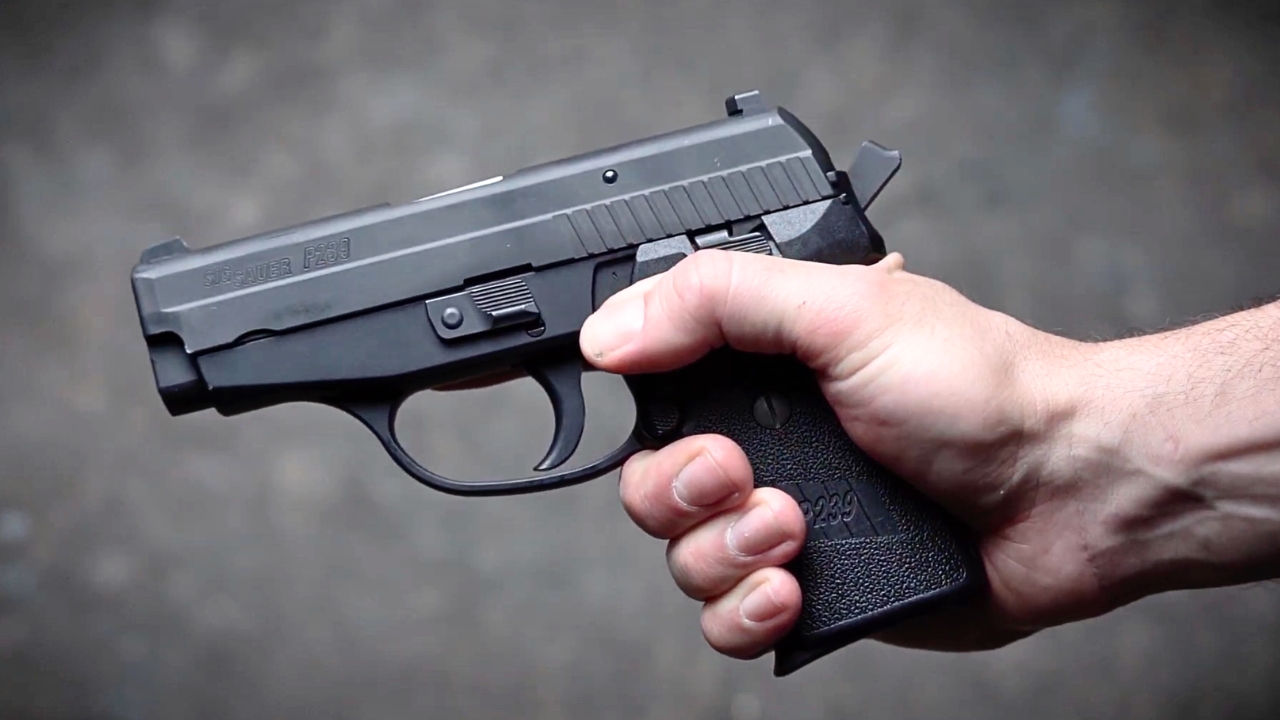
The SIG Sauer P239 was never the trendiest carry pistol, which is exactly why a lot of people missed it. It was a single-stack metal-frame pistol offered in useful carry chamberings, and it had the old SIG feel that many shooters still trust. It was not light by modern standards, but it felt solid, smooth, and serious.
Now that the carry market is full of micro 9mms, the P239 feels more interesting than it did when it was still in production. Collectors and shooters regret not buying one because it represents a type of pistol that companies are not rushing to build anymore: compact, metal-framed, hammer-fired, and made for people who liked traditional SIG handling.
HK P7M8

The HK P7M8 is one of those pistols that was weird enough to scare off casual buyers and good enough to haunt them later. The squeeze-cocker design, fixed barrel, gas system, and compact shape made it unlike almost anything else. It was expensive when new, and it only got more expensive once people realized HK was not going to keep making pistols like that forever.
Collectors regret not buying the P7M8 because it became one of the clearest examples of a discontinued pistol turning into a serious collector piece. Well-kept HK P7 pistols have been reported trading for thousands of dollars, with collector interest driven by shrinking supply and the gun’s unusual design.
Colt Woodsman

The Colt Woodsman is the kind of .22 pistol that makes modern rimfires feel disposable. It had classic lines, good balance, and a long production run that stretched from 1915 to 1977. Even basic examples have a kind of old Colt appeal that gets stronger every year.
Collectors regret not buying them sooner because clean Woodsman pistols no longer feel like ordinary used .22s. The Match Target versions, early guns, and nicer condition examples can be especially tempting. It is the kind of pistol people used to see as a pleasant plinker, then later realized it was also one of Colt’s great rimfire handguns.
CZ 2075 RAMI

The CZ 2075 RAMI was easy to overlook when polymer micro-compacts were taking over. It was chunky for its size, heavier than some carry guns, and unmistakably built around the CZ 75 family feel. That made it less trendy, but it also made it more interesting once it left the catalog. CZ’s own historical writeup notes that the RAMI was discontinued in 2021 in favor of the CZ P-10 S.
Collectors regret not grabbing one because the RAMI filled a strange little niche. It was a subcompact hammer-fired CZ with real personality. It was not perfect as a carry gun, but it gave CZ fans something the newer striker-fired options do not quite replace. Once people started missing that metal-frame feel, the RAMI got harder to ignore.
Walther P99 AS
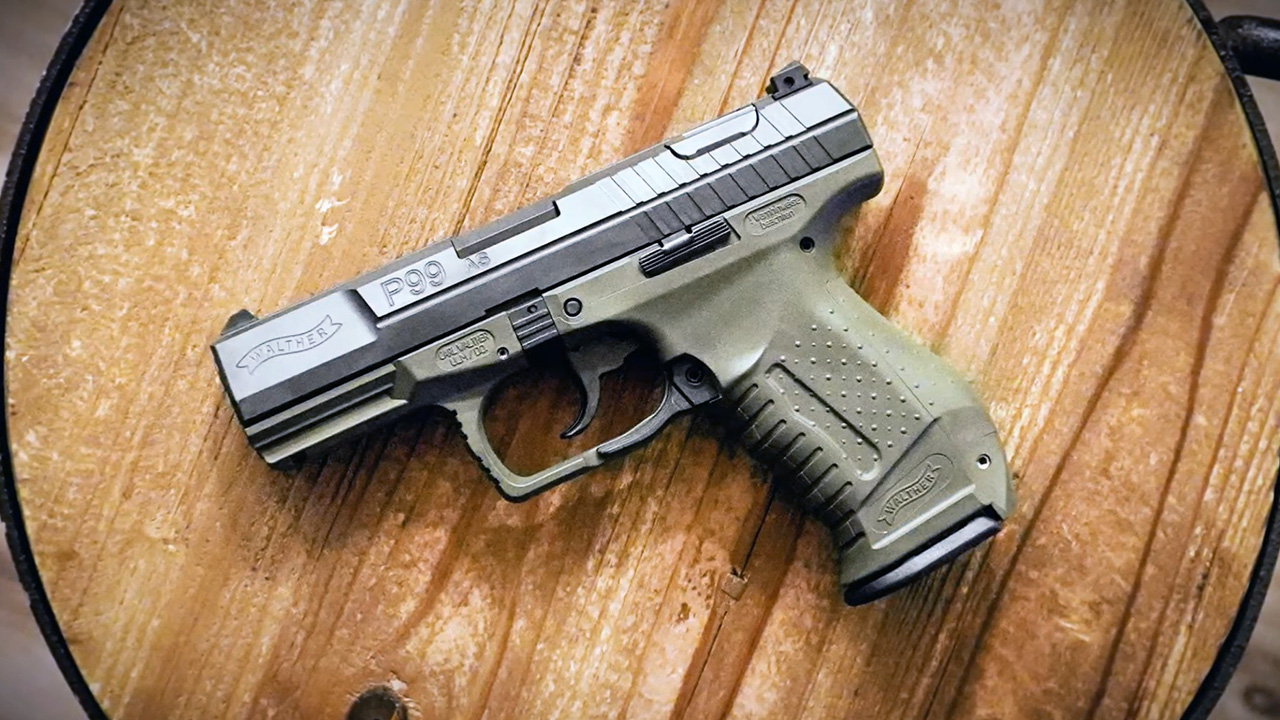
The Walther P99 AS was ahead of its time in some ways and odd in others. It had striker-fired operation, interchangeable backstraps, a decocker, and the Anti-Stress trigger system that made it stand apart from simpler striker pistols. Walther later moved on to the PPQ and PDP lines, and the P99 got a Final Edition sendoff in 2023.
Collectors regret not buying one because the P99 now feels like a bridge between old and modern handgun design. It has a unique trigger system, movie-gun cool, and a very different personality from today’s duty pistols. It may not have been everyone’s favorite when new, but discontinued Walthers have a way of becoming more interesting with time.
Smith & Wesson Model 3913
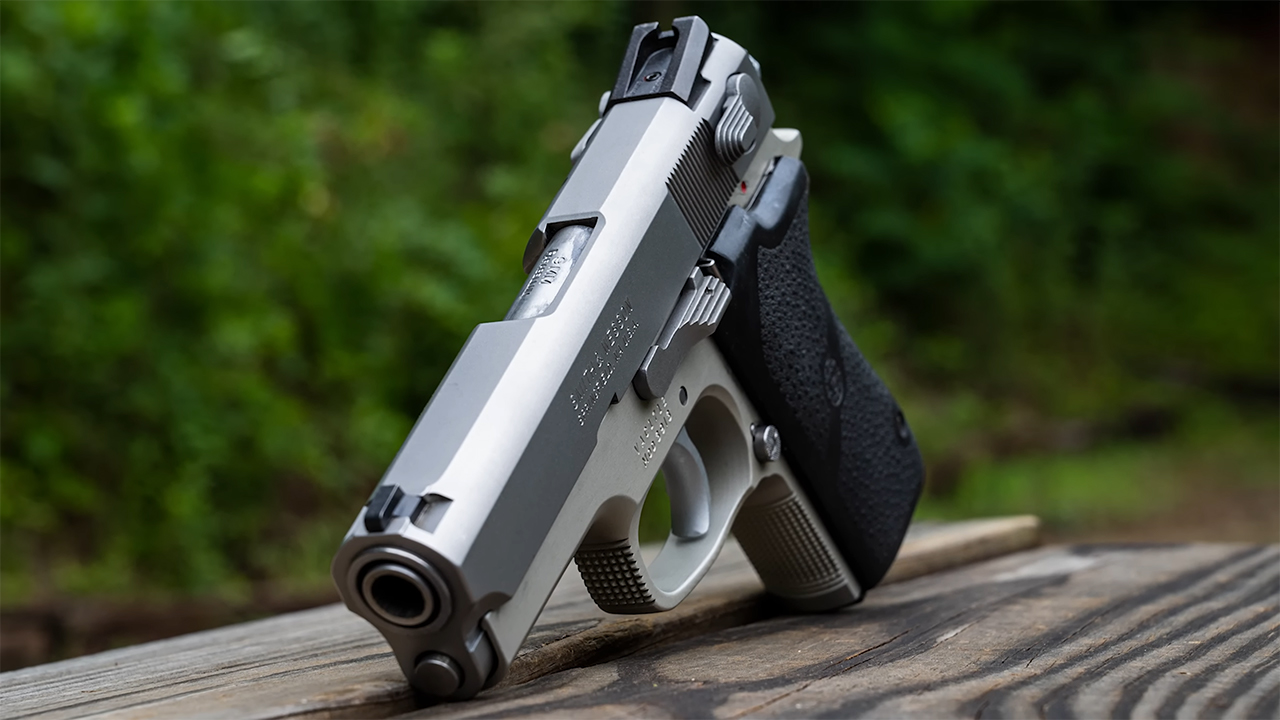
The Smith & Wesson Model 3913 was once just a practical carry pistol. That was the problem. People used them, carried them, traded them, and did not always treat them like future collectibles. It was a slim single-stack 9mm with an alloy frame, stainless slide, and the kind of balance that made it feel better than many small carry pistols.
Collectors regret missing them because the 3913 represents a lost era of American carry guns. It is thin, hammer-fired, reliable, and far more refined than a lot of pocket-size pistols that replaced it. Clean examples, especially with original magazines and box, have become harder to find than they used to be.
Smith & Wesson Model 5906
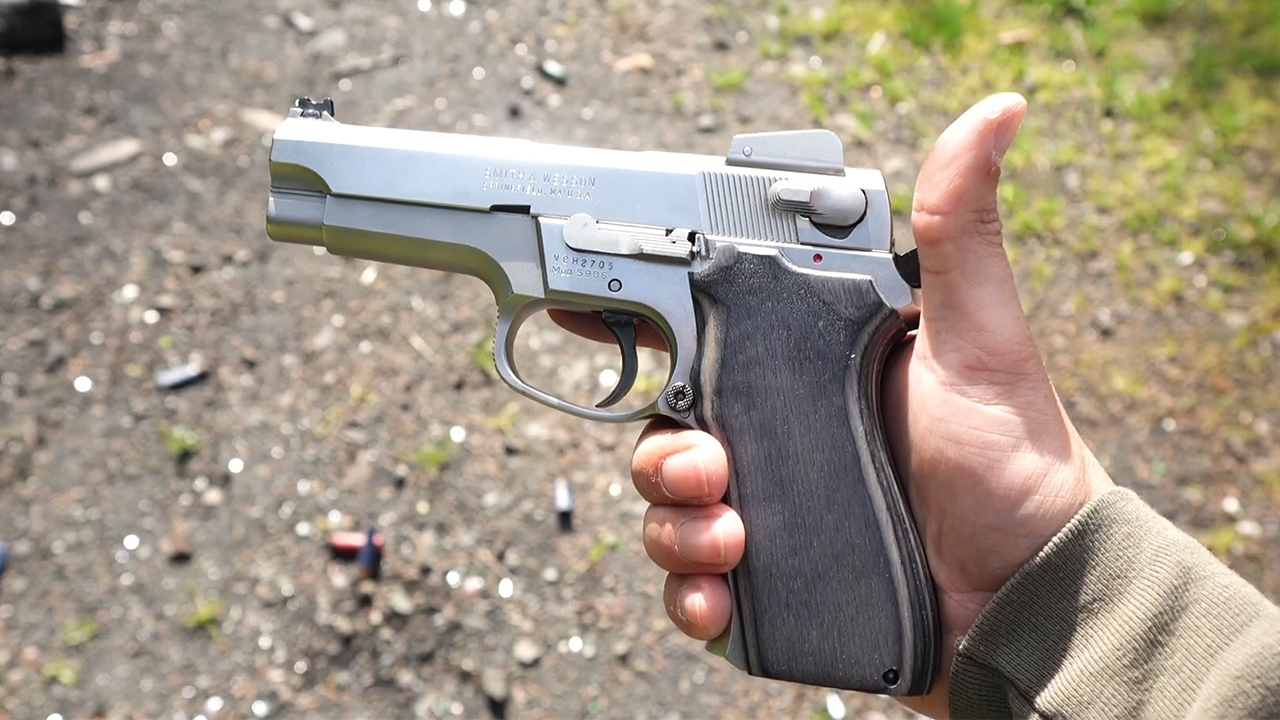
The Smith & Wesson 5906 was heavy, tough, and built like it expected a long police career. It was not elegant in the modern slim-carry sense, but it was a stainless-steel double-stack 9mm that could take real use. For years, people saw them as old police trade-ins rather than future collectibles.
That was a mistake. Collectors regret not grabbing clean 5906 pistols when they were cheaper because the market has warmed up to third-generation Smith autos. The 5906 has weight, durability, and old-school duty-gun character that newer polymer pistols cannot copy. It went from “used cop gun” to “why did I not buy three?” faster than some expected.
Colt Mustang Pocketlite

The Colt Mustang Pocketlite had the right name, the right size, and the right timing before the pocket-pistol market exploded. It was a small .380 with 1911-style influence, light carry weight, and enough Colt charm to feel more interesting than many tiny autos. A lot of people ignored them because .380 pocket guns were not always taken seriously.
Collectors regret that now because small Colts have a habit of getting desirable once they are gone. The Mustang Pocketlite feels like one of those pistols that bridged old Colt style with modern concealed-carry demand. Clean examples are exactly the kind of gun people wish they had bought before everyone remembered they were cool.
Beretta 86 Cheetah
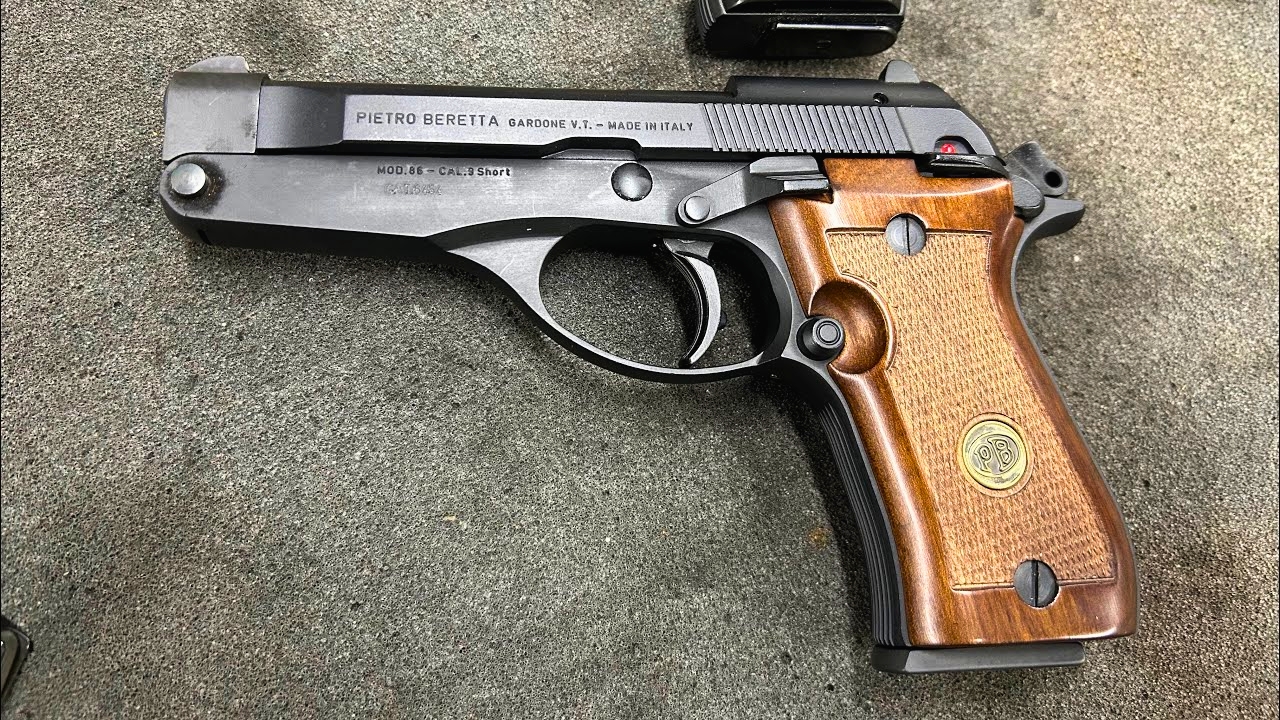
The Beretta 86 Cheetah is one of those pistols that people did not fully appreciate until they started looking for one. The tip-up barrel design made loading and unloading easy, especially for shooters who struggled with slide manipulation. It also had the good looks and smooth handling of the Cheetah series.
Collectors regret passing on the 86 because it is more unusual than the standard Beretta .380s. It was practical, clever, and attractive all at once. The problem is that Beretta did not keep making them forever, and the people who want one now usually have to hunt harder and pay more than they expected.
Beretta 84FS Cheetah

The Beretta 84FS Cheetah is another discontinued .380 that aged better than many expected. It was not tiny, and that made some buyers skip it when smaller pocket guns became popular. But the double-stack magazine, DA/SA operation, and classic Beretta shape gave it a shootable feel that many micro .380s cannot match.
Collectors regret not buying them because the Cheetah line has real charm. These are not disposable pocket pistols. They are attractive, well-made guns that feel like scaled-down service pistols. Once Beretta moved away from the old Cheetah pattern, clean 84FS pistols started looking a lot more collectible.
Colt Detective Special
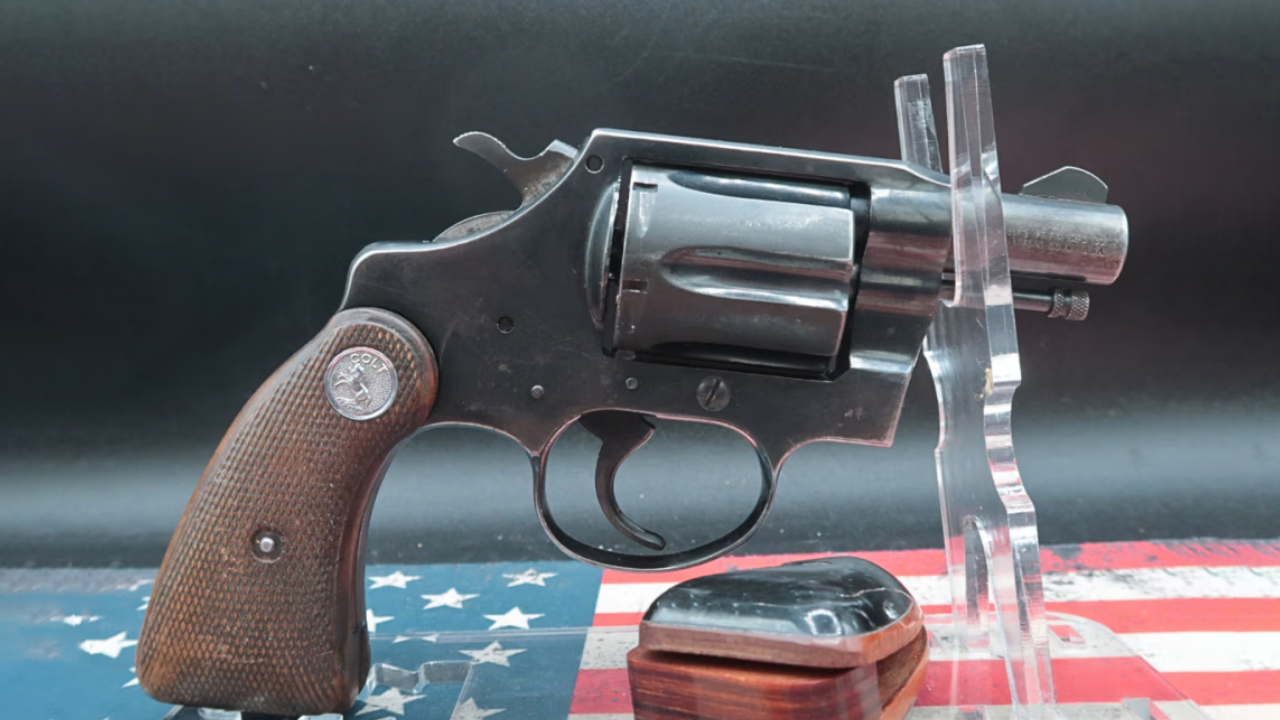
The Colt Detective Special was a revolver, but it belongs in this conversation because small-frame Colts have punished anyone who waited too long. It was once a common snubnose carried by police, detectives, and regular people who wanted a compact .38. For years, they were practical used revolvers rather than prized collector pieces.
Now, clean Detective Specials make people wince when they remember what they used to cost. Collectors regret not buying them because Colt’s older double-action revolvers have a pull and personality that modern options rarely match. A nice Detective Special is not just a carry gun anymore. It is a piece of Colt history.
Colt Python, original production
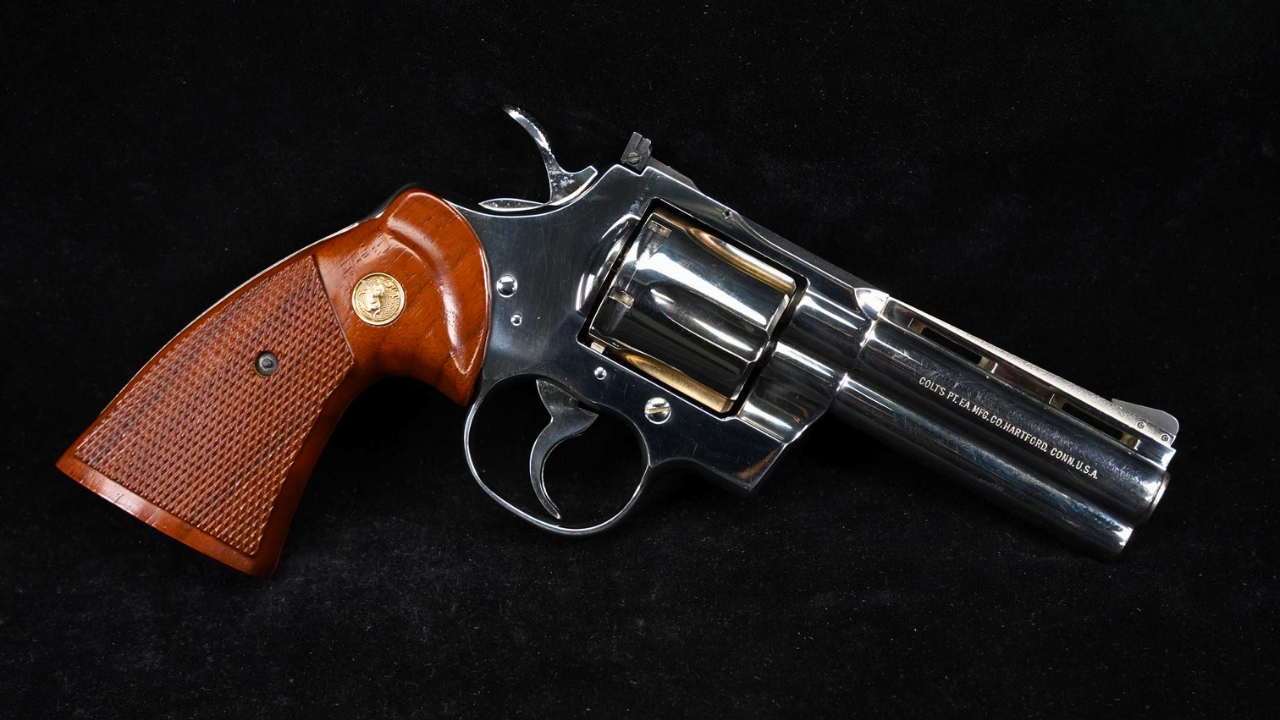
The original Colt Python is the painful one. Plenty of shooters remember when they were expensive but still reachable. Then the market went wild, Colt stopped making the original version, and the Python became one of the most obvious “should have bought it back then” revolvers in America.
Collectors regret not grabbing one because the original Python had the blue finish, action feel, and reputation that made it larger than life. The new-production Pythons are good guns, but they are not the same collector object as an older Royal Blue example. Anyone who passed on one years ago probably still remembers the price tag they ignored.
Ruger P89

The Ruger P89 was never treated like a collector’s pistol when it was new. It was big, blocky, affordable, and built to run. That plainness worked against it for years. People saw it as a budget 9mm instead of a pistol that would eventually represent a tougher, simpler era of Ruger handguns.
Collectors regret not buying clean ones because the P89 is getting more nostalgic by the year. It may never be a high-dollar collectible like a Python or P7, but it has the kind of rugged charm that makes owners keep them. The people who sold theirs cheap often end up wanting another one later.
Ruger SR1911 Lightweight Commander 9mm

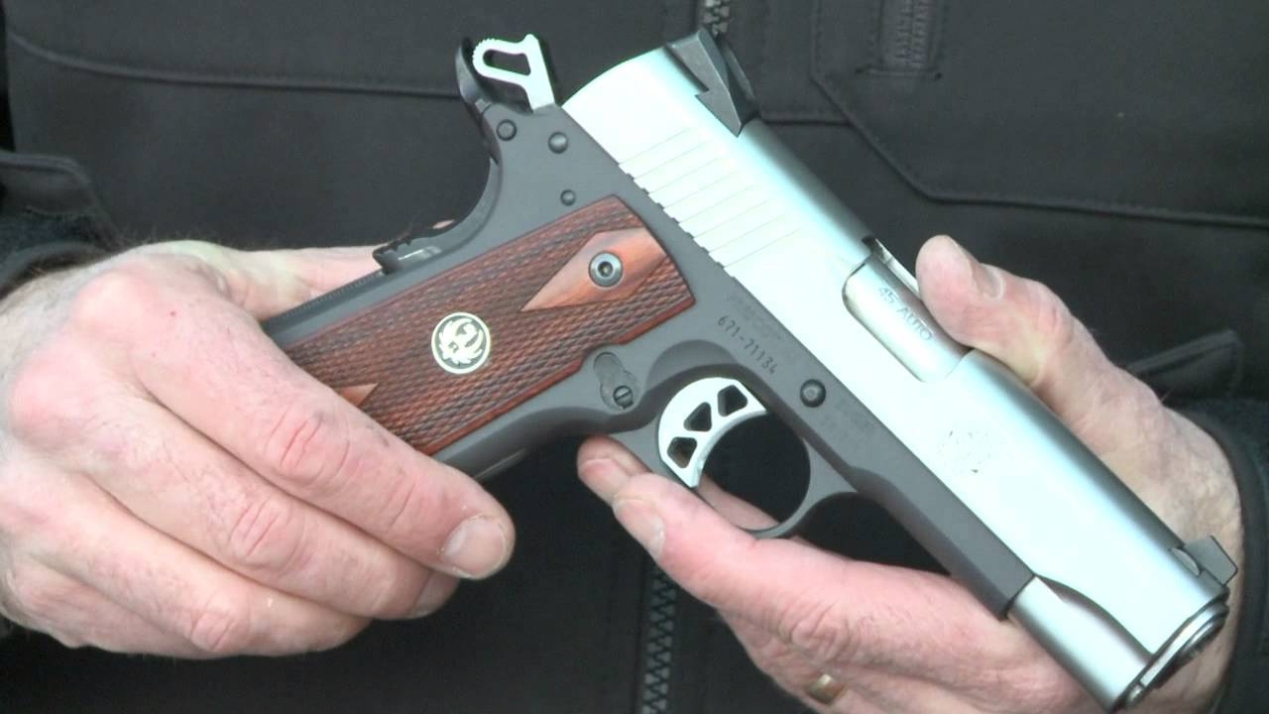
The Ruger SR1911 Lightweight Commander in 9mm was the kind of pistol that made sense to shooters who wanted a practical 1911 without .45 recoil or full-size weight. It was not as prestigious as a Colt or as flashy as a custom gun, but it was a usable carry-size 1911 with Ruger’s straightforward appeal.
Collectors and shooters regret missing certain SR1911 variants because Ruger has changed the lineup enough over time that some versions are harder to replace. A lightweight Commander-style 9mm 1911 is exactly the kind of gun people assume will always be around until it is not sitting in the case anymore.
SIG Sauer P225
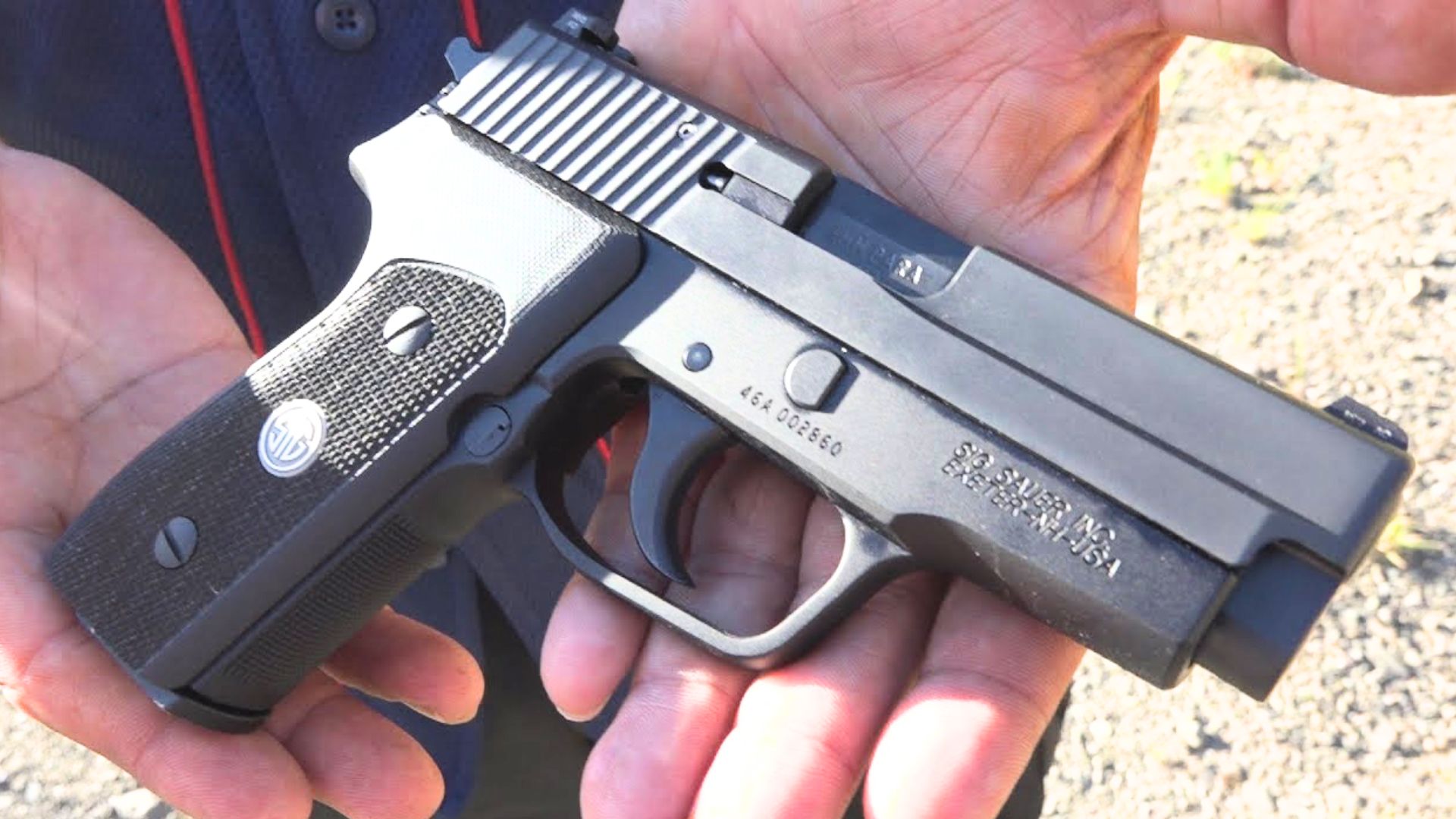
The SIG Sauer P225 is one of those pistols that quietly grew on people after it became harder to find. It was a single-stack 9mm with classic SIG controls, a slimmer feel than the P226, and the kind of carry-friendly balance that still makes sense. It was not the highest-capacity option, but it felt right.
Collectors regret passing on the P225 because it belongs to that older SIG era people keep chasing. The pistol is simple, clean, and more graceful than many modern carry guns. For shooters who like hammer-fired SIGs but do not want the size of a P226, the P225 became more appealing after it left the normal retail world.
SIG Sauer P232

The SIG Sauer P232 was never the most practical .380 by modern standards, but it had style for days. It was slim, elegant, and clearly descended from the European police-pistol world. Compared with today’s tiny polymer .380s, the P232 feels like something from a different class entirely.
Collectors regret not buying one because SIG no longer makes many pistols with that kind of look. The P232 was easy to dismiss when people wanted more capacity or cheaper pocket guns. Now, nice stainless and two-tone examples have a way of making people stop and stare. It is the kind of discontinued pistol that looks better every year.
Star BM
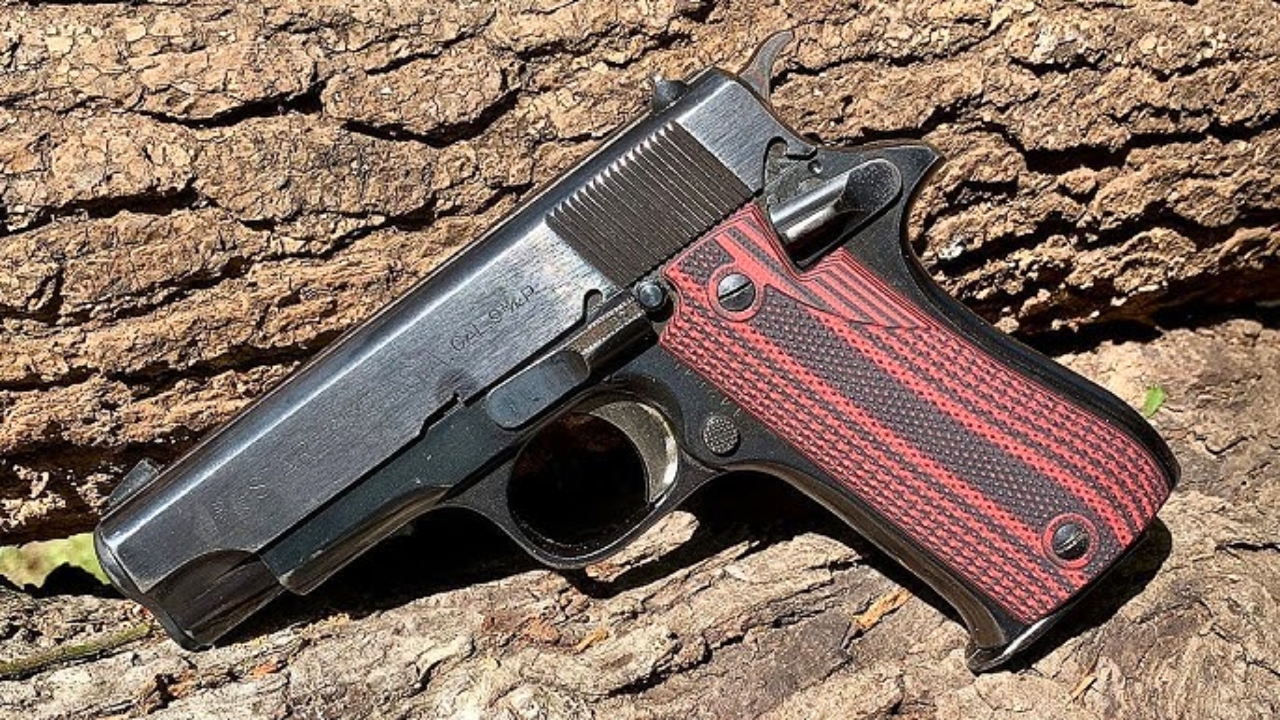
The Star BM used to be one of the great surplus bargains. It was a compact 9mm single-action pistol from Spain with 1911-ish handling and a steel-frame feel. For a while, they were cheap enough that people bought them as range toys without thinking much about future collectibility.
That window did not stay open forever. Collectors regret not grabbing one because surplus handguns dry up, and once they do, prices rarely go back to the good old days. The Star BM may not be a high-end pistol, but it has enough charm, history, and shootability to make people wish they had bought one when they were stacked deep and priced low.
Makarov PM
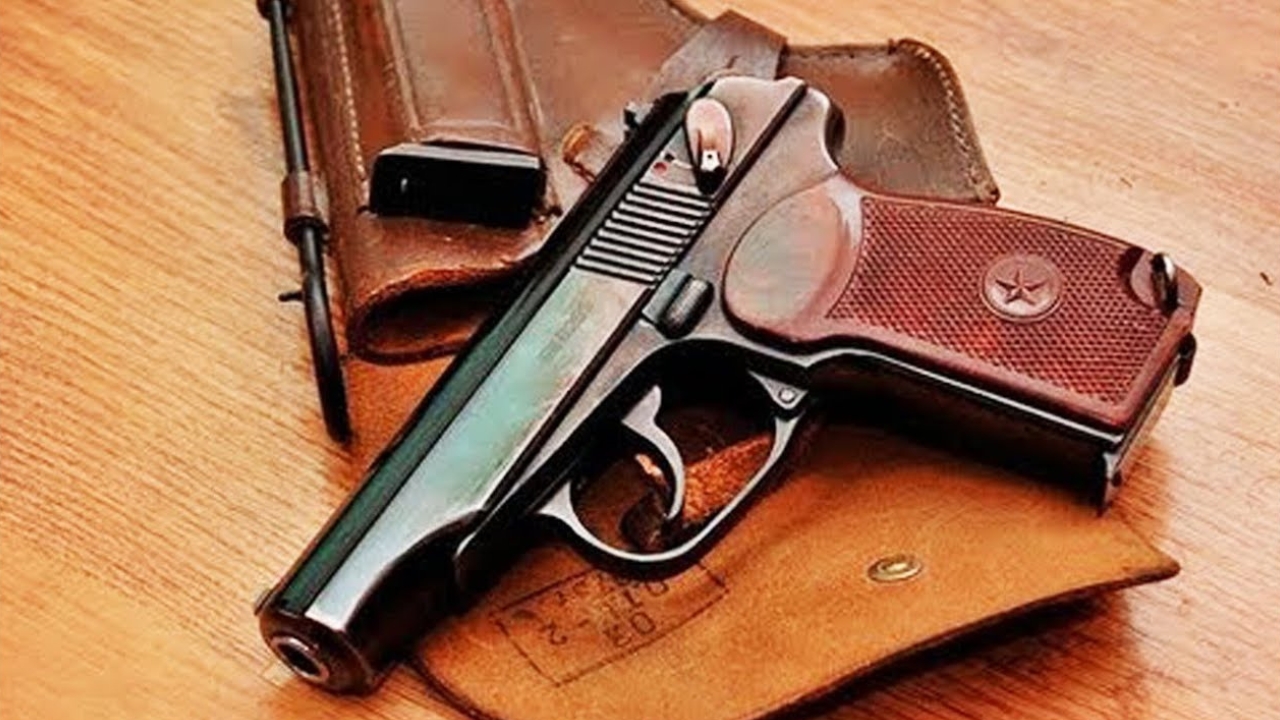
The Makarov PM was another surplus pistol that a lot of buyers took for granted. It was simple, rugged, and chambered in 9x18mm Makarov, which made it a little different from the usual American handgun choices. For years, they were cheap enough that some people treated them like disposable curiosities.
Collectors regret that now because clean military Makarovs are not as easy to find at old prices. Russian, East German, Bulgarian, and other examples all have their own following. The pistol itself is not fancy, but it is historically interesting, mechanically simple, and fun to own. That is exactly the recipe for surplus regret.
Walther PP
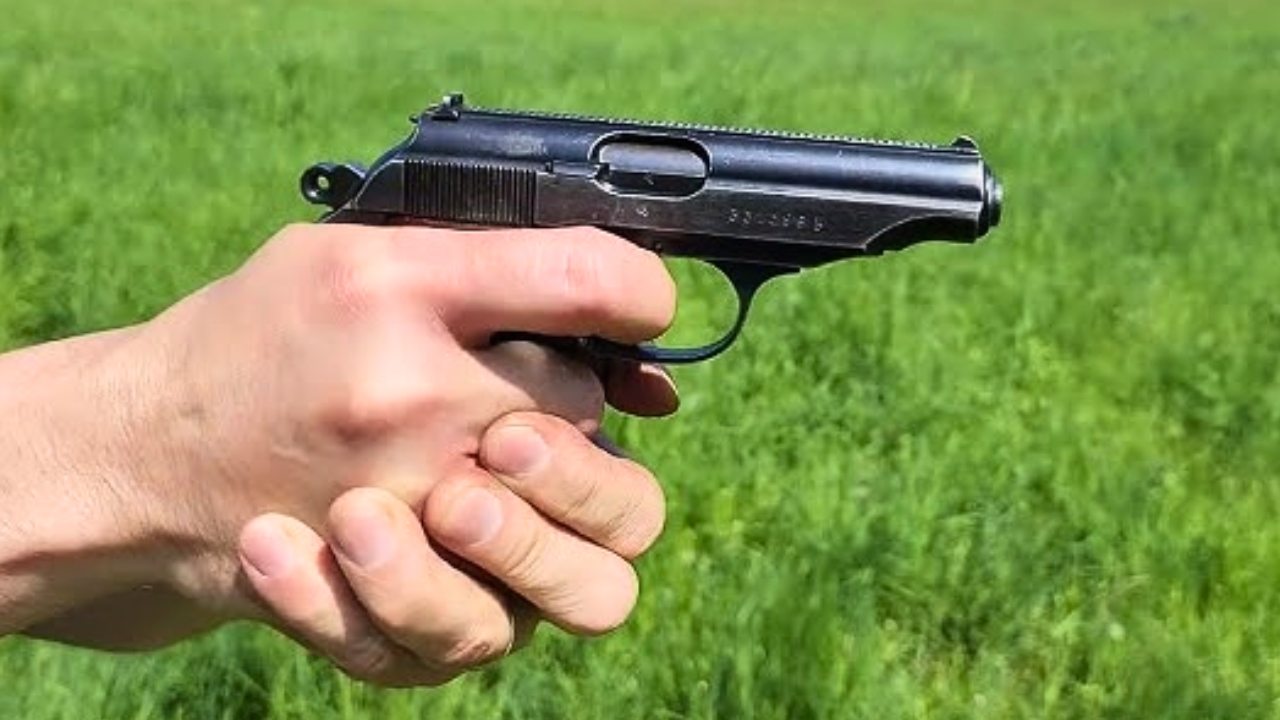
The Walther PP is one of those pistols that many collectors wish they had appreciated before prices rose. It has classic European lines, a long police and civilian history, and a design that influenced generations of compact pistols. It is slim, elegant, and much more interesting than its modest size suggests.
Collectors regret not buying good examples because older Walthers have a way of becoming harder to find in clean condition. The PP was once just an old-school .32 or .380 pistol to many buyers. Now it looks like a classic piece of handgun history, especially when it has the right markings, finish, and condition.
Like The Avid Outdoorsman’s content? Subscribe to our newsletter so you never miss an article.
Here’s more from us: