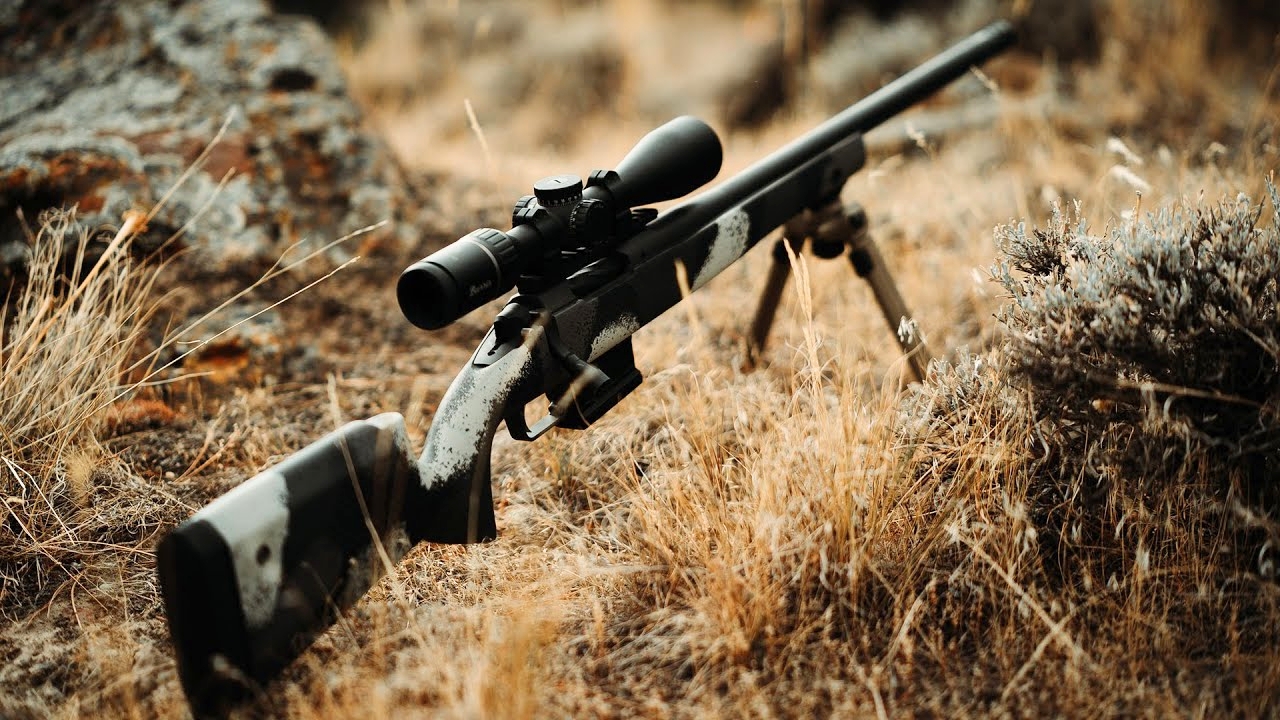
Photo credit: HuntStand/YouTube
When a rifle “misses when it counts,” it’s rarely magic. It’s usually consistency problems that don’t show up in a clean, calm range session—stock flex that changes point of impact, a light barrel that shifts as it warms, a magazine that feeds differently depending on how full it is, or an ultralight rifle that magnifies every heartbeat and breath. On paper, those rifles look like easy answers. In the field, they can be picky about how you hold them, how you rest them, and how you torque them.
None of this means you can’t hunt with these rifles. Plenty of people do. The point is that certain models and configurations are more likely to punish small setup changes—right when you’ve got cold hands, a fast window, and one shot.
Remington 700 SPS Synthetic
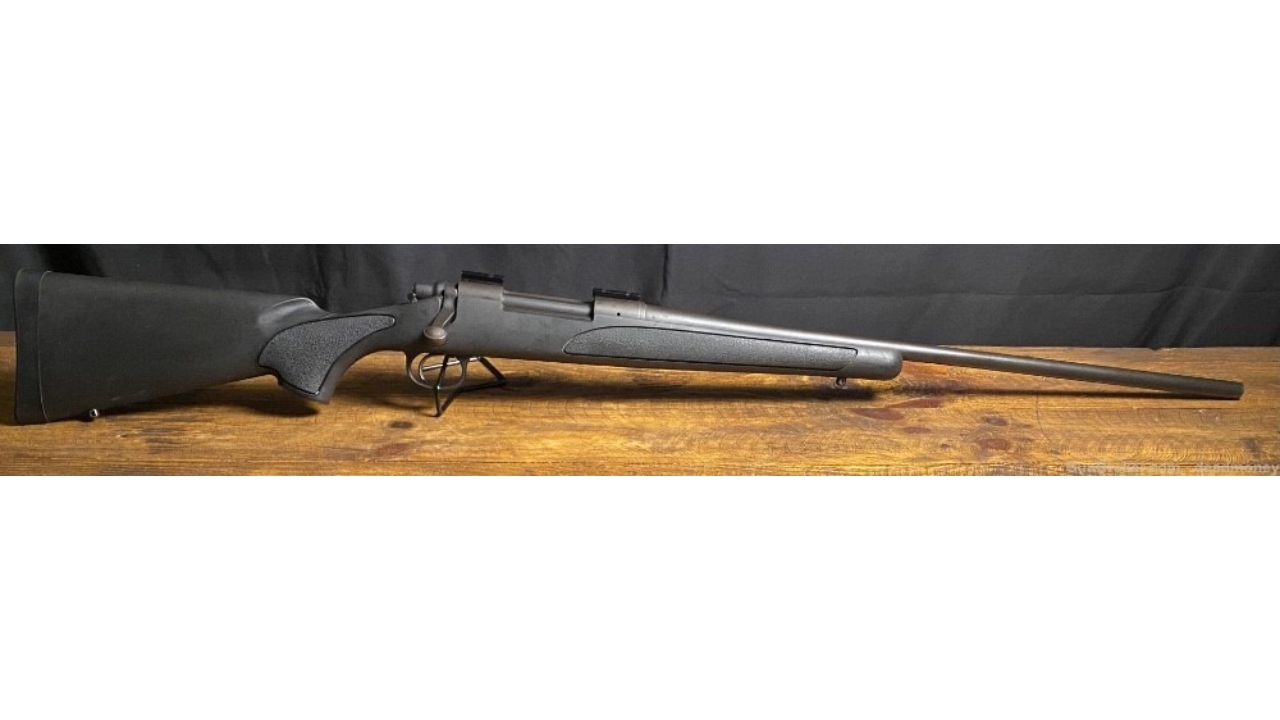
The 700 action has earned its reputation, but the SPS synthetic stock is where things can get slippery. The forend can flex under sling tension or a hard bipod load, and that can change barrel contact. On the bench, you can make it shoot. In the field, you don’t always rest it the same way twice.
You also see a lot of SPS rifles wearing “package” optics and rings that were installed quickly. If anything is slightly loose, you’ll chase a zero and blame the rifle. When it’s set up correctly, it can be a dependable hunting rifle. When it isn’t, it’s a perfect example of a gun that looks great on paper and makes you wonder what happened at the moment you needed it.
Howa 1500

A Howa 1500 can be a hammer, but the common Hogue OverMolded stock can work against you. That soft forend can flex enough to touch the barrel when you load it on a rest, especially with a bipod or tight sling. Touch the barrel, and your point of impact can move without warning.
At the range, you might get a sweet group off bags and think you’re set. Then you shoot off sticks, a pack, or a blind rail and the rifle prints somewhere else. That’s not because the Howa can’t shoot—it’s because the support pressure changed the stock. If you’ve ever had a rifle that “likes” one rest and hates another, this setup is a common reason.
Savage 110 Ultralite

The 110 Ultralite carries like a dream, and that’s exactly why it can bite you on shot execution. Very light rifles react to everything—heartbeat, breathing, sling tension, and even how hard you pull the rifle into your shoulder. The rifle might be accurate, but it’s far less forgiving than a heavier rig.
You’ll notice it most on real positions. A standing shot with a racing heart can feel steady, yet the reticle is still moving more than you realize. Then recoil comes fast and you lose follow-through. If your first shot is slightly off and you need a quick second, a light barrel can also warm and shift faster than you expect. The Ultralite can absolutely work, but it demands your fundamentals when you’re least comfortable.
Tikka T3x Superlite

A T3x Superlite can be mechanically consistent, but the “superlite” part changes how it shoots for you. With less weight out front, the muzzle is easier to wobble and quicker to jump. Mild range ammo may feel fine, then hunting loads feel sharper, and that can add a flinch you don’t notice until you miss.
The other trap is support pressure. When a rifle is light, you tend to grip it harder and pull it into odd positions to steady it. That changes your natural point of aim and can shift where the rifle prints compared to a relaxed bench setup. The rifle can still be accurate, but your ability to repeat the same hold becomes the limiting factor. It looks like a “sub-MOA” solution on paper, then real shooting positions expose the human part fast.
Kimber Montana
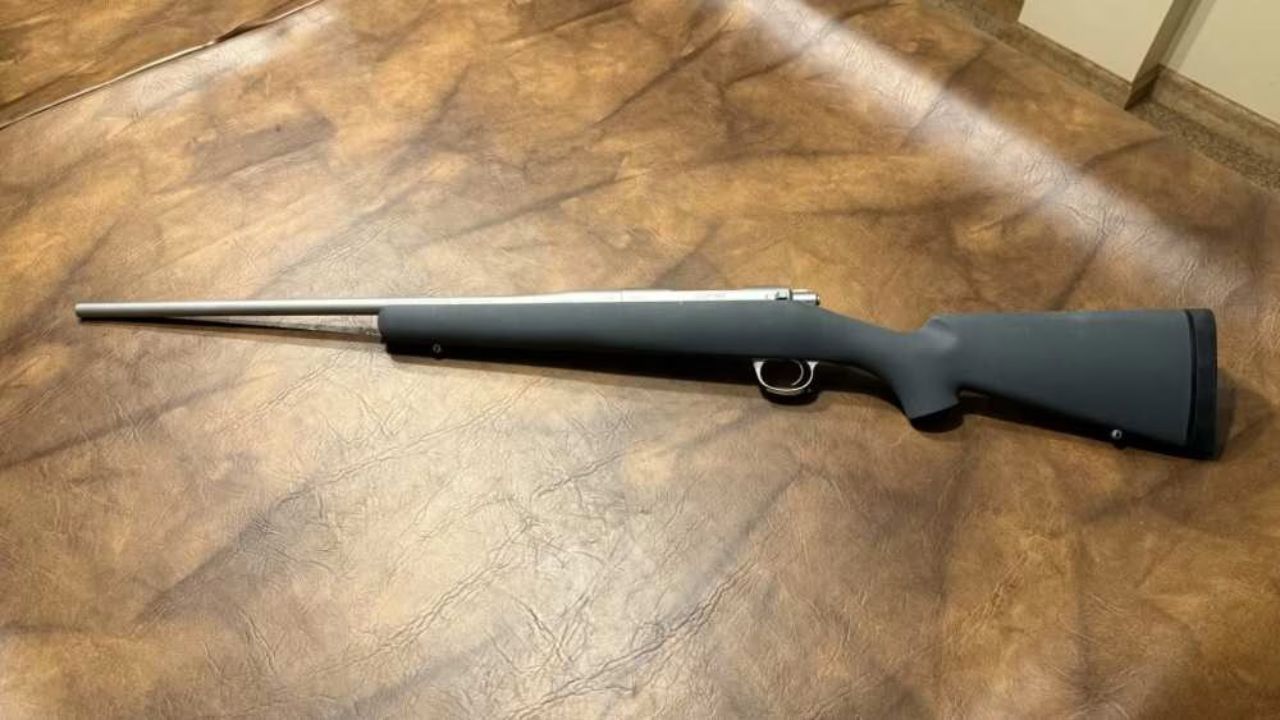
The Montana is built to be carried, and it’s excellent at that. The downside is that light rifles with slim stocks make your hold matter more. With a short, light platform, tiny changes in cheek weld and shoulder pressure can shift your impact more than you’d expect from a heavier rifle.
Recoil is also part of the story. Even in standard hunting cartridges, a light rifle recoils quicker, which can make you blink, flinch, or lift your head at the shot. You don’t feel like you’re doing it—until you watch misses stack up in real conditions. At the bench, you’re calm and braced. On a cold ridge, you’re not. The Montana can be a great hunting rifle, but it doesn’t cover mistakes. It puts them on display.
Browning X-Bolt Hell’s Canyon Speed
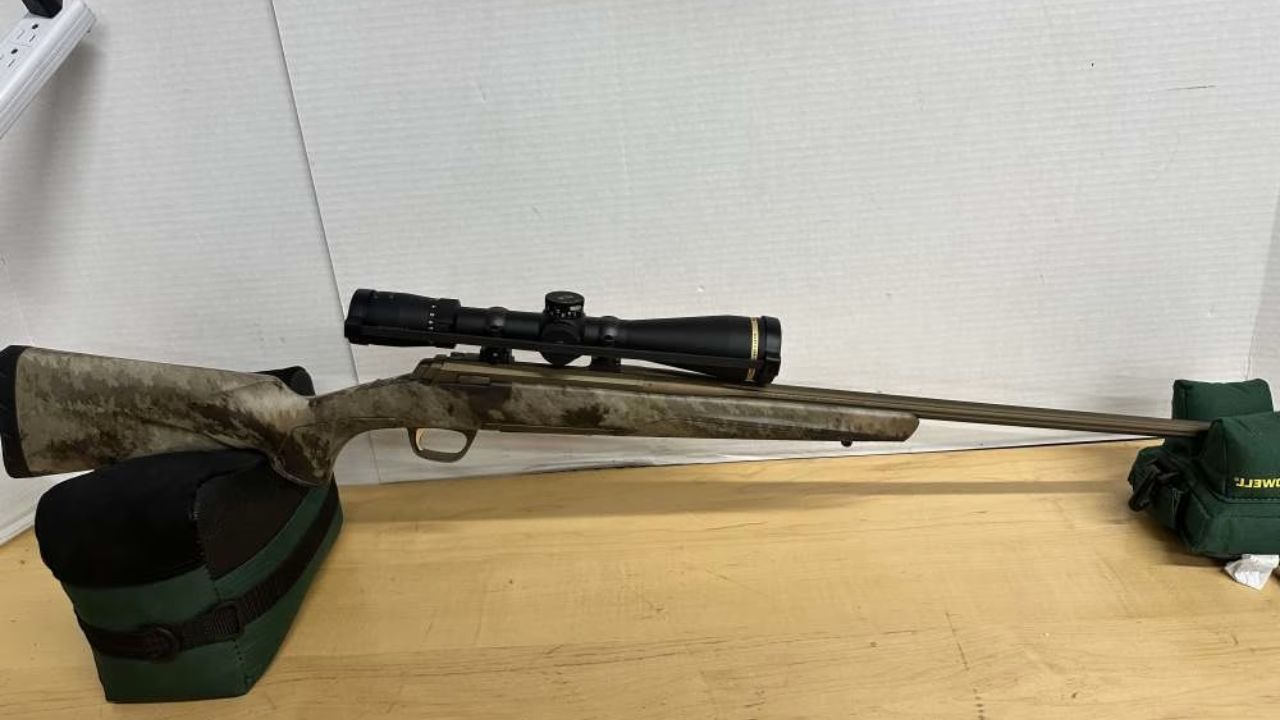
The Hell’s Canyon Speed looks like a do-it-all rifle: light-ish, weather ready, and sharp handling. Where you can get burned is consistency between rests and positions. With lighter contour barrels and hunting stocks, point of impact can move if you change how you support the forend or how tight you run a sling.
Another place people get tripped up is the “it shot great once” effect. You’ll print a nice group with one load, then buy a different factory load for hunting season and assume you’re still good. The X-Bolt can be picky about what it likes, and your hunting ammo choice matters. None of that is a deal-breaker, but it’s how a rifle can look like a sure thing on paper and still miss when you take a quick shot from a less-than-ideal rest.
Weatherby Mark V Backcountry

Backcountry models are built for carrying miles, and that means they’re often extremely light. Light rifles can be accurate, but they demand a calm, disciplined trigger press and follow-through. If you’re even slightly rushed, that brisk recoil impulse can pull the shot before you realize it.
You also tend to see these rifles paired with lightweight optics and mounts to keep the whole package trim. If anything in that stack-up isn’t torqued correctly, the rifle becomes a zero-chasing headache. At the range, it might behave during a short session. In the field, bouncing around in a scabbard or pack can expose weak mounting jobs. The rifle isn’t “missing.” The system is losing consistency, and the timing of that failure is always cruel.
Weatherby Vanguard Synthetic

The Vanguard action is solid, but the basic synthetic setups can be sensitive to how they’re held and rested. A hunting stock that flexes or shifts under pressure can move impact enough to matter on game, even if it still prints decent groups on a controlled bench.
A common scenario is this: you zero from bags, then hunt off shooting sticks or a blind rail and suddenly your hits aren’t centered. If your forend pressure is different, the rifle can print different. The fix is often boring—check action screw torque, confirm zero from field positions, and don’t assume the bench tells the whole story. The Vanguard can be a dependable rifle, but the plain-Jane configuration is the kind that can make you blame yourself when the real issue is repeatability between how you tested and how you actually shot.
Springfield Armory 2020 Waypoint
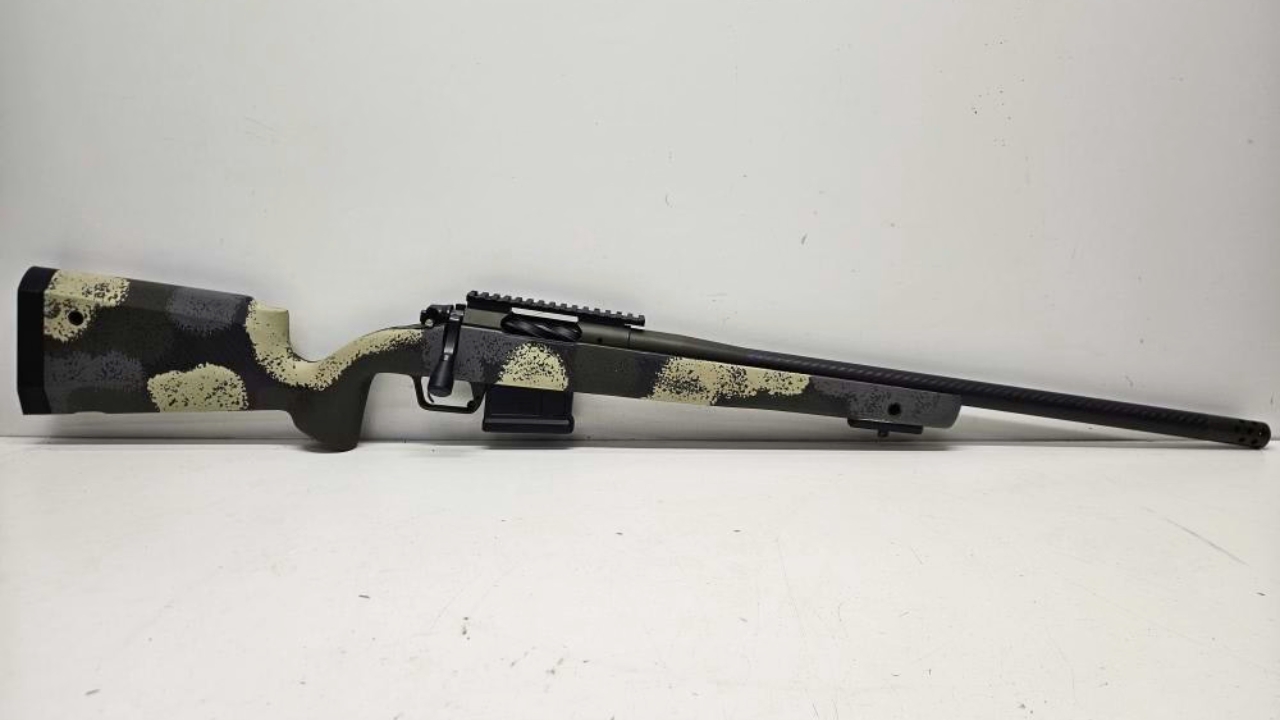
The Waypoint looks like a premium answer: lightweight, modern, and built around accuracy expectations. The catch is that light, fast-handling rifles still obey the same rules. If the rifle is light enough to carry all day, it’s light enough to amplify your wobble, especially in awkward positions.
Another trap is thinking the rifle is “set” because it shot one great group. A rifle can be accurate and still be picky about hold, bipod load, or how it’s supported on a pack. If you don’t confirm from field positions, you can get a surprise at the moment of truth. You’ll also notice that lightweight rifles are less pleasant to shoot for long sessions, which means you tend to practice less with them. That’s how a rifle looks perfect on paper and still lets you down when timing and stress show up.
Christensen Arms Ridgeline
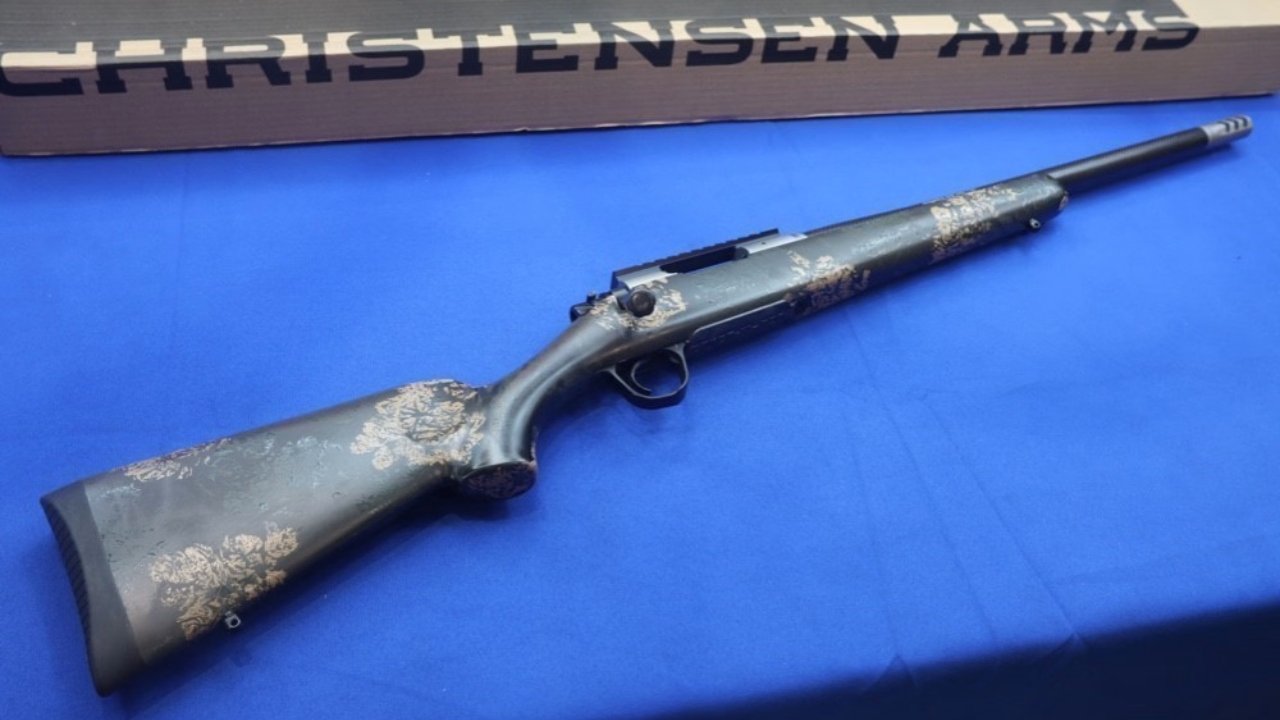
The Ridgeline class of rifles is built around the idea of “carry light, shoot tight.” That can be true, but light rifles live on a smaller margin for shooter input. If your fundamentals are sloppy, the rifle won’t cover it. Your shoulder pressure, grip tension, and follow-through become the difference between a clean hit and a miss.
You also see these rifles pushed hard on expectations. When a rifle is marketed for accuracy and mountain carry, owners often assume it will shoot well with anything, in any position, forever. Real shooting doesn’t work like that. If you don’t verify your hunting ammo, confirm zero after travel, and practice off real rests, you can get fooled. The rifle may be accurate, but your system isn’t consistent. That’s how “great on paper” turns into a miss that feels personal.
Ruger Gunsite Scout Rifle

The Scout Rifle concept is practical, and the Gunsite Scout is handy. The limitation is that short barrels and lighter profiles can make the rifle more sensitive to heat and support pressure. It might shoot a nice first group, then open up as you shoot a few rounds faster than you planned.
You also tend to mount these rifles differently, sometimes with forward optics or irons, and that changes how you shoot them under stress. A rifle that feels fast can encourage a quick trigger press, and that’s where misses happen. The Scout can absolutely do good work, but it’s not a benchrest rig. If you treat it like one, you’ll end up chasing tiny groups and wondering why the rifle doesn’t repeat them when the barrel is warm or the rest changes. It’s a field rifle that demands field-style verification.
Ruger Mini-14
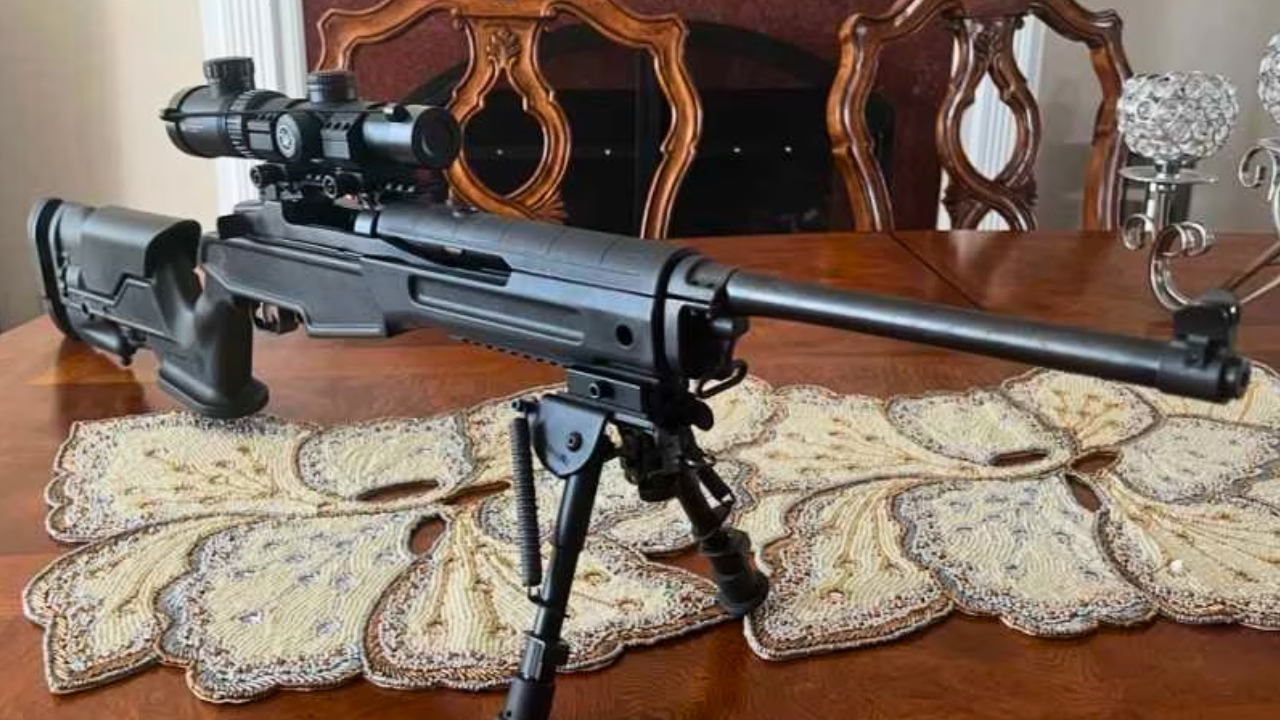
On paper, the Mini-14 checks a lot of boxes: handy, reliable, and easy to carry. Where it can disappoint is precision expectations, especially as the barrel warms. Thin barrels and fast strings can change group size and point of impact, and that shows up when you’re trying to hit small targets beyond typical woods distances.
If you sight in with slow, careful shots, you might think you’ve got a solid zero. Then you take a quick follow-up shot on a coyote or hog and your group isn’t where you expected. That’s not always the rifle “failing.” It’s the reality of a light, handy semi-auto that wasn’t built to be a precision rig. The Mini can be great within its lane. Problems start when the spec-sheet mindset makes you expect bolt-gun steadiness from a platform built for field handling and volume fire.
Mossberg MVP Patrol
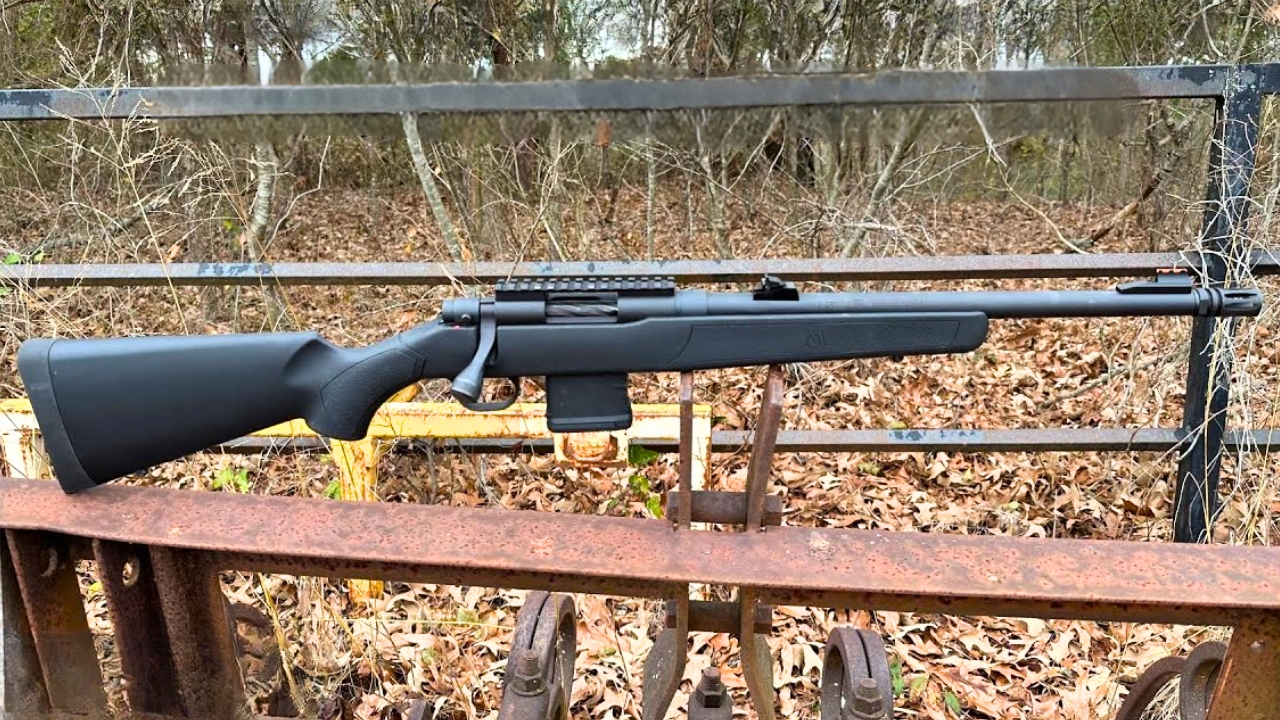
The MVP Patrol looks smart on paper because it takes common magazines and offers a compact bolt-gun package. The real-world hang-up is that magazine fit and feed geometry can vary depending on the specific magazines you use and how they’re loaded. If feeding isn’t consistent, your rhythm breaks and your follow-up shots get rushed or awkward.
Accuracy can also be more position-sensitive than you expect in a short, handy bolt gun. A compact barrel profile and a practical stock can respond to how you rest it. It might shoot a clean group off bags, then shift a bit off a pack or hard rail. That shift is small on paper, big on game. The MVP can do good work, but it’s a rifle that benefits from confirming your exact magazines and your real field positions—because the details matter more than the brochure suggests.
Bergara B-14 Wilderness Ridge
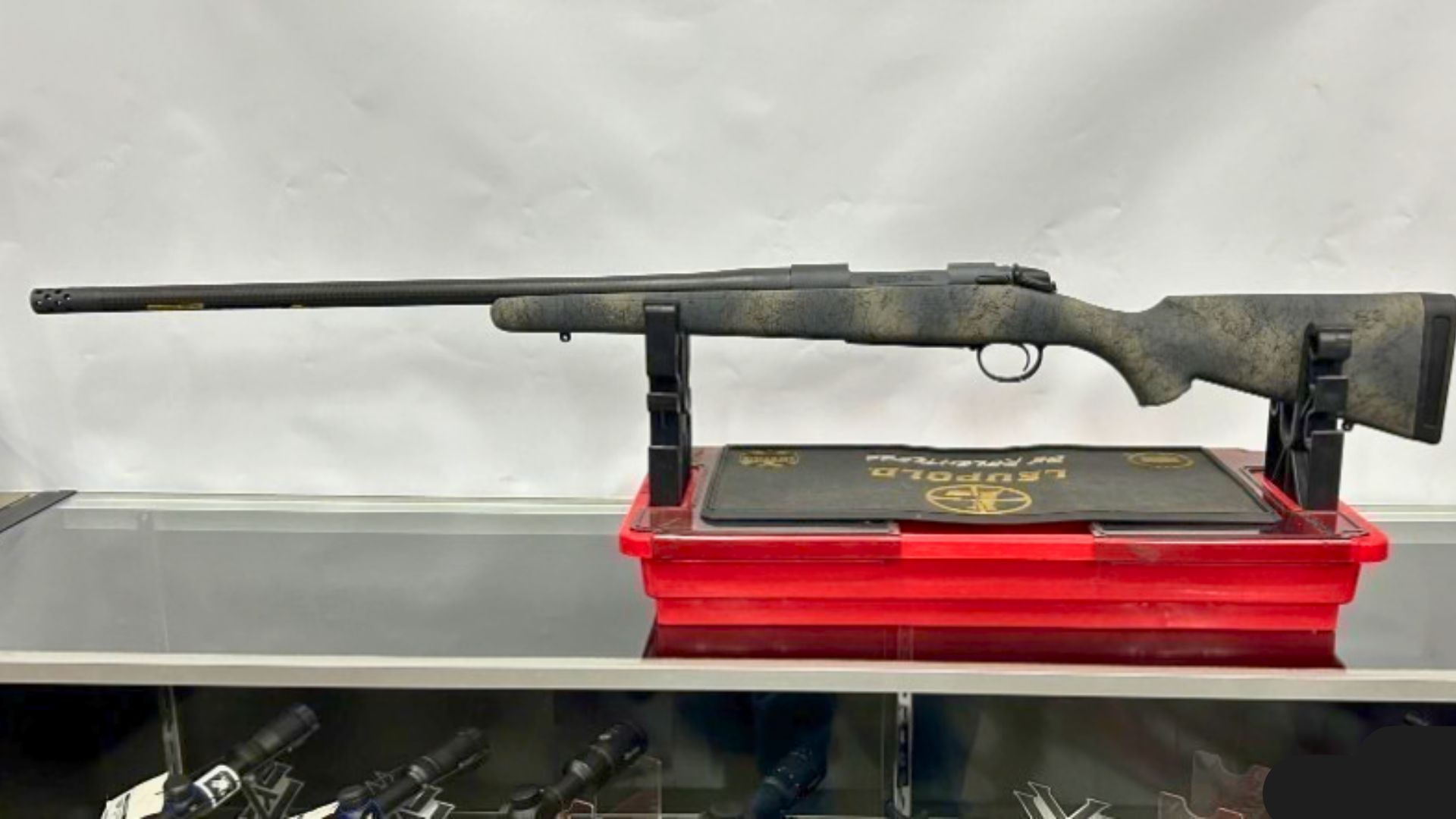
The B-14 Wilderness Ridge looks like a safe bet: solid action, good barrel reputation, and a hunting-ready package. The way it can miss you is when you treat a nice rifle like it’s immune to setup problems. Loose mounts, inconsistent torque on action screws, or a sloppy rest can still move impact, and the confidence you have in the brand can make you skip checks you’d do with a cheaper rifle.
You also see people change one thing and assume nothing else changed. Swap a muzzle device, switch ammo lots, or adjust stock fit and your point of impact can shift. If you don’t confirm, you’ll wear that miss. The Bergara can be very accurate, but accuracy isn’t the same as repeatability under your real conditions. The rifle won’t save you from the boring details, and that’s how a great-looking setup still misses when it counts.
Remington Model 7 Synthetic
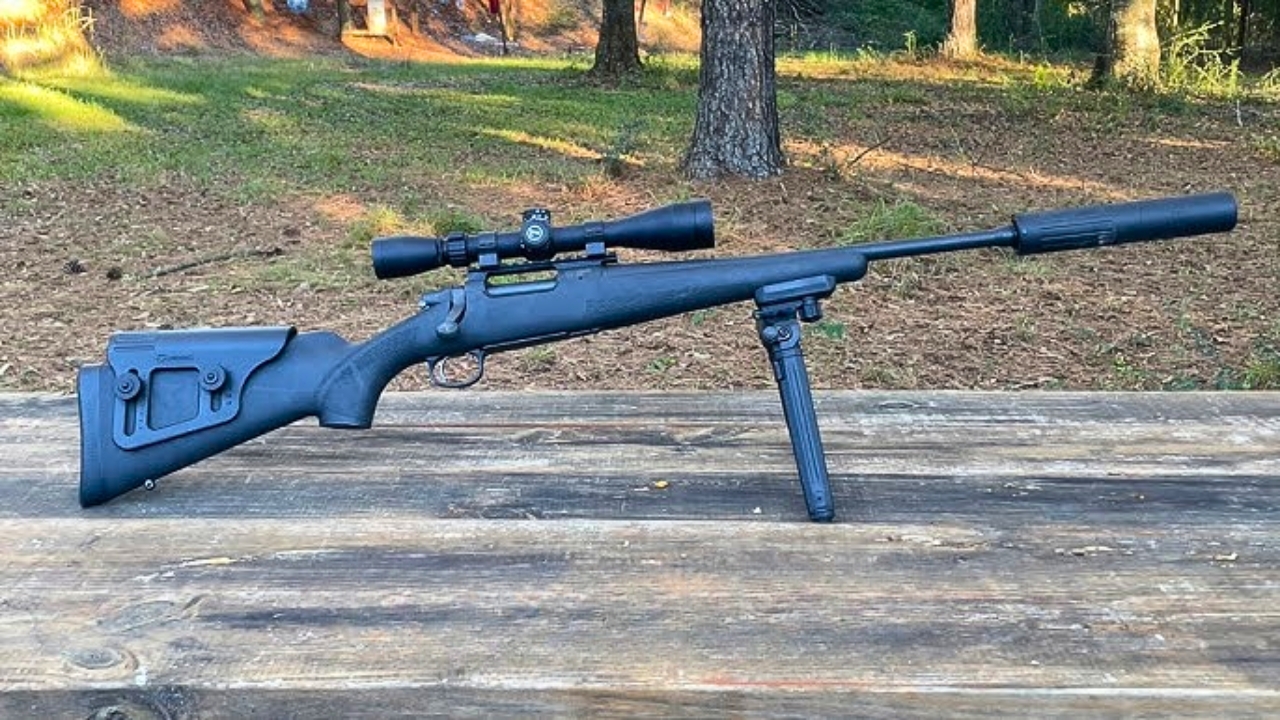
The Model 7 is a classic “carry all day” rifle, and that short, light format is exactly why it can be tricky to shoot under pressure. With less weight and often a shorter barrel, the rifle tends to move more in the sight picture. If you’re breathing hard, kneeling on uneven ground, or shooting from an improvised rest, your wobble zone grows fast.
The other issue is that many Model 7s wear slim, flexible hunting stocks. If the forend pressure changes, the rifle can print differently. At the bench, you’re consistent. In the field, you’re not. That’s how a rifle can shoot a tidy group during a calm sight-in session and then miss a straightforward shot at a distance you normally trust. The Model 7 can be a great hunting tool, but it demands that you practice and confirm from field positions, not only from a bench.
Like The Avid Outdoorsman’s content? Subscribe to our newsletter so you never miss an article.
Here’s more from us: