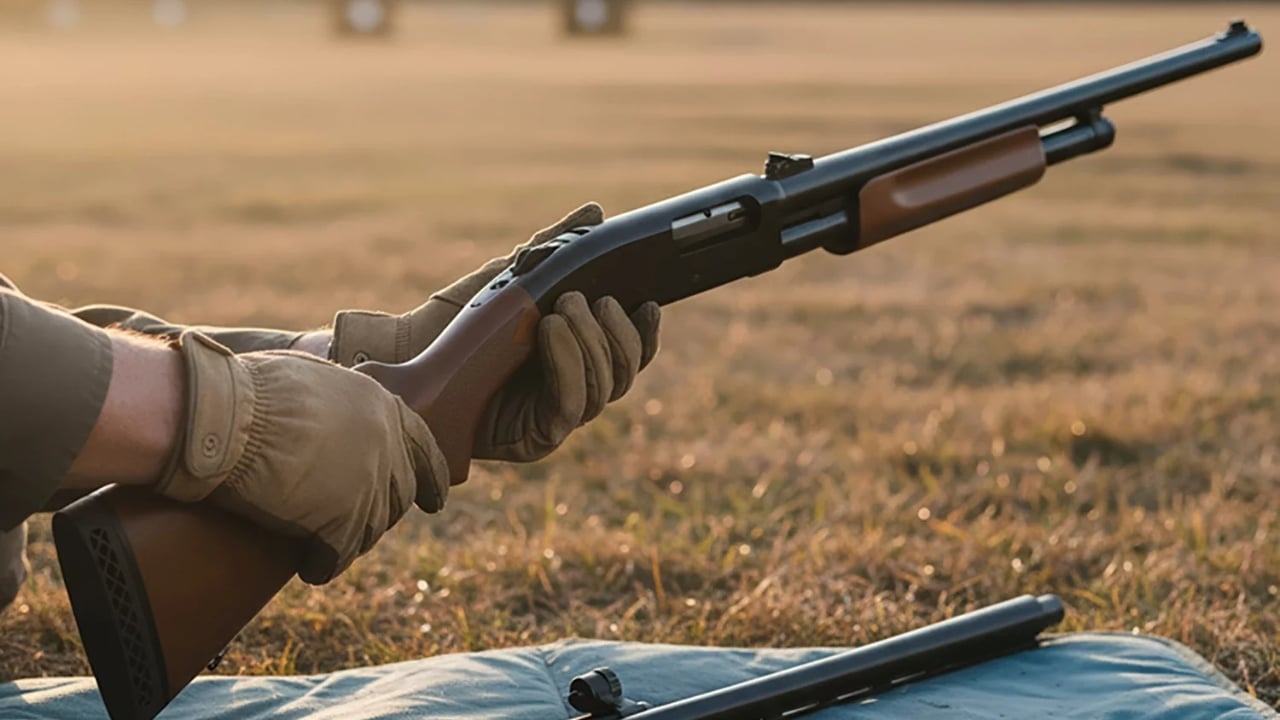
Photo credit: Academy Sports
Some guns try hard to look special. They show up with wild finishes, clever names, oversized controls, and marketing that makes them sound more important than they are. Then there are the guns that never bothered with any of that. They just worked, shot straight, carried easy, and slowly became the firearms owners never wanted to sell.
Those are often the best lifetime keepers. They are not always rare, expensive, or beautiful. Sometimes they are plain rifles, beat-up shotguns, simple revolvers, or practical pistols that earned trust one season at a time. These guns became keepers the old-fashioned way: by doing the job without begging for attention.
Winchester Model 94
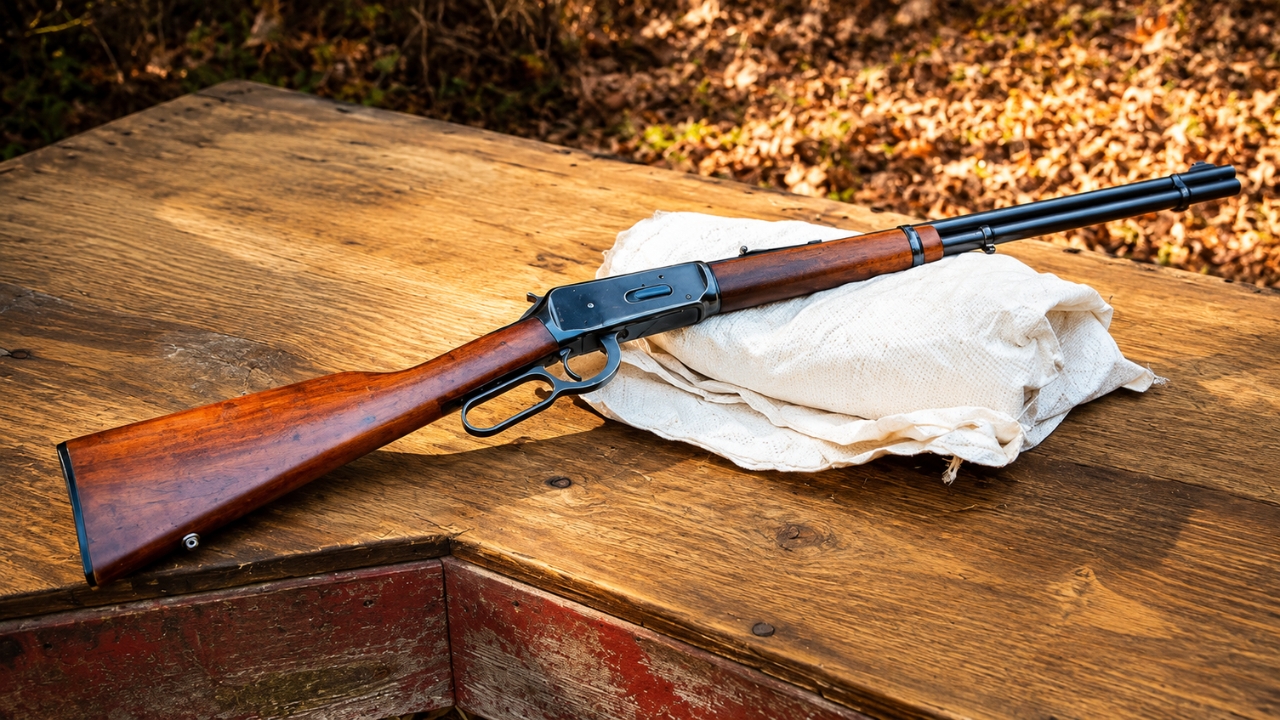
The Winchester Model 94 never needed to look modern to earn a permanent spot in the safe. It was light, handy, quick to shoulder, and easy to carry through the woods. In .30-30 Winchester, it became one of the most trusted deer rifles ever because it fit the way a lot of people actually hunted.
Nobody kept an old Model 94 because it had the best trigger or the flattest trajectory. They kept it because it was there when deer stepped out close, when the woods were thick, and when a long, heavy rifle made no sense. A plain 94 with worn bluing and a scratched stock often means more to its owner than a rifle that cost three times as much.
Remington 870 Wingmaster
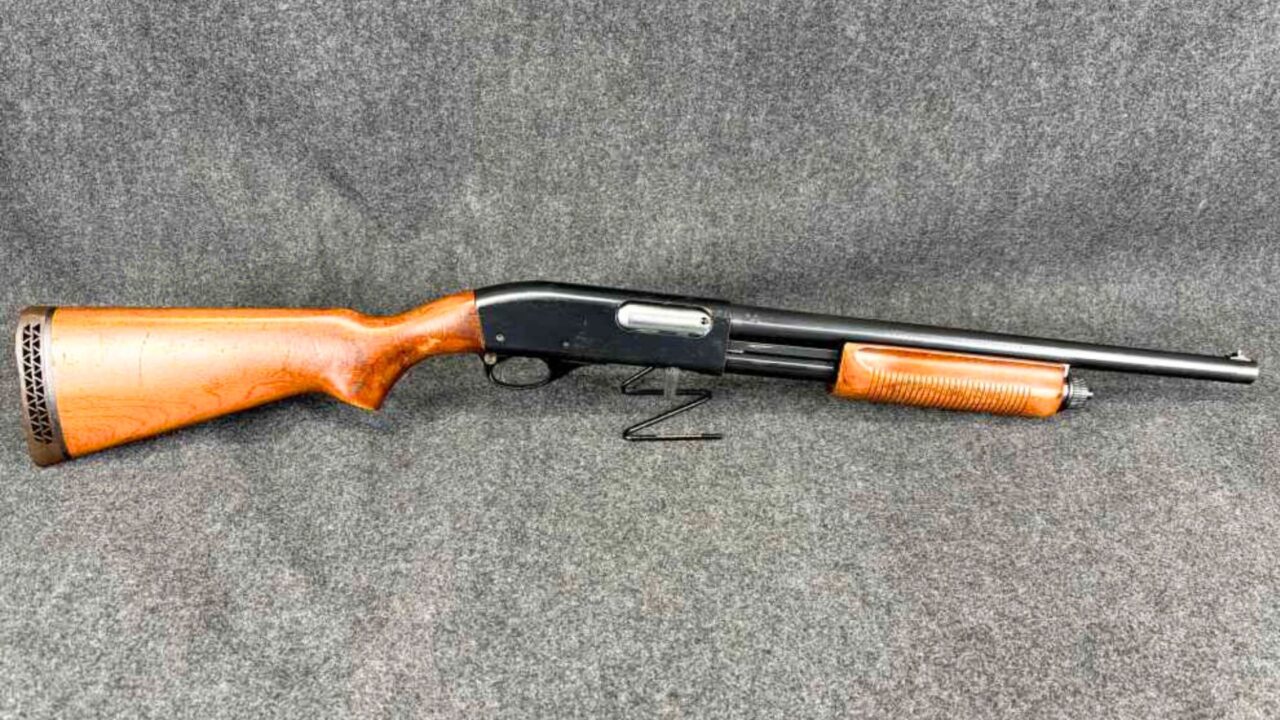
The Remington 870 Wingmaster was never flashy, but it had a smoothness that made people trust it. It could hunt ducks, doves, pheasants, rabbits, and deer with the right barrel. It also felt solid in the hands without acting fancy. That combination made it one of those shotguns that quietly stayed in families for decades.
Owners did not need a sales pitch after a few seasons with one. The pump stroke smoothed out, the wood picked up marks, and the shotgun became familiar in a way newer guns often do not. A Wingmaster is the kind of gun people mean when they say they just want something that works.
Ruger M77
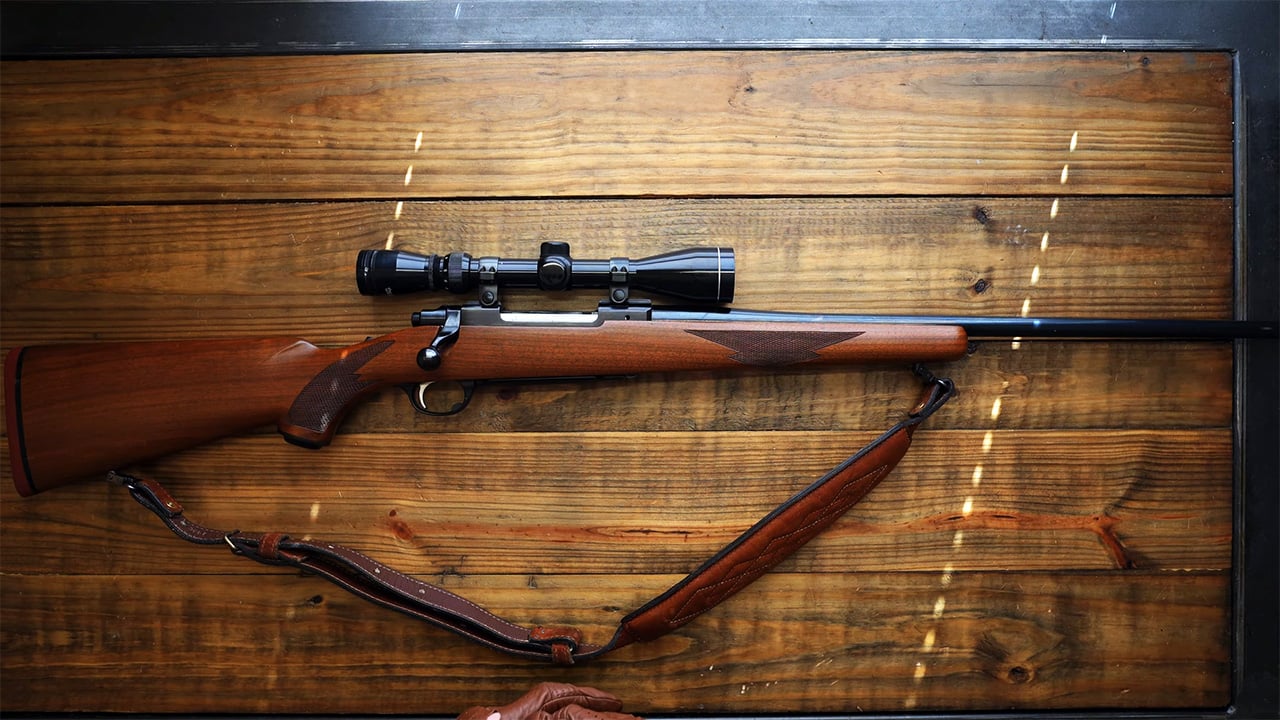
The Ruger M77 became a keeper by being a real hunting rifle without trying to be fashionable. It had controlled-round-feed versions, a strong action, and a practical feel that appealed to hunters who cared more about reliability than trends. It was not the lightest rifle or the cheapest rifle, but it felt like it belonged in the field.
A lot of M77s stayed in the safe because they became the rifle an owner trusted on opening morning. Whether chambered in .243, .270, .30-06, .308, or a harder-kicking magnum, the M77 built loyalty through use. It was a rifle you could hunt with for years without feeling like you needed to explain the choice.
Smith & Wesson Model 10
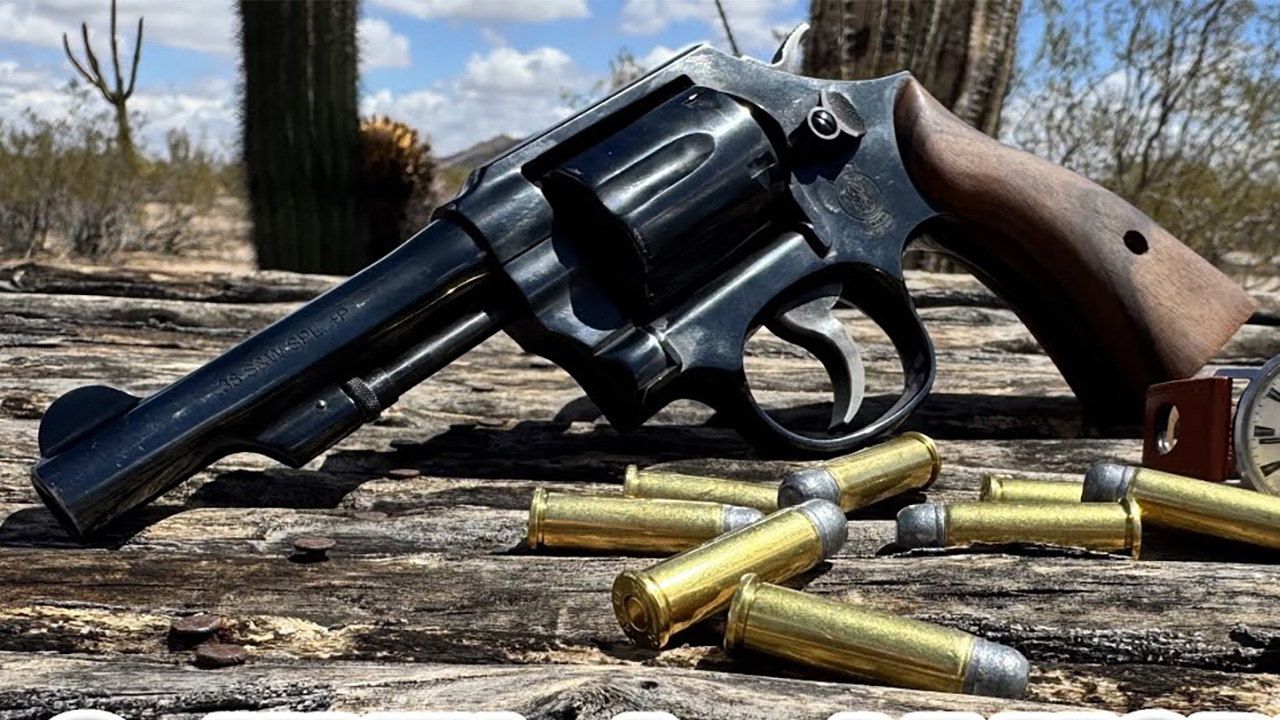
The Smith & Wesson Model 10 is about as plain as a revolver can get, and that is part of its charm. Fixed sights, .38 Special chambering, simple lines, and no nonsense. It served police officers, homeowners, guards, and ordinary shooters for generations because it was easy to understand and easy to trust.
Owners kept them because the Model 10 did not make anything complicated. It was accurate enough, reliable, and pleasant enough to shoot that it never felt obsolete for basic revolver work. A lot of prettier revolvers exist, but the Model 10 has the kind of quiet usefulness that makes selling one feel unnecessary.
Marlin Model 60

The Marlin Model 60 earned lifetime-keeper status the humble way. It was an affordable semi-auto .22 that a lot of people bought as a first rifle, a squirrel rifle, or a backyard plinker. It had a tubular magazine, simple controls, and enough accuracy to make shooting cans, paper, and small game feel easy.
A Model 60 did not have to impress anybody on a gun counter. It impressed owners by being the rifle that was always fun to grab. Many shooters learned sight picture, trigger control, and safe handling on one. Once a gun carries those memories, it becomes hard to treat it like just another cheap rimfire.
Browning BL-22

The Browning BL-22 is not loud about what it is, but anyone who has used one understands the appeal. It is a slick little lever-action .22 with a short throw and a quality feel that makes it more satisfying than most rimfires. It looks classic without feeling fragile.
This is the kind of rifle that sneaks up on owners. At first, it seems like a nice plinker. Then it becomes the gun everyone wants to shoot when friends or family visit. It is light, handy, and enjoyable in a way that never gets old. That is exactly how a rimfire becomes a lifetime keeper.
Ithaca Model 37
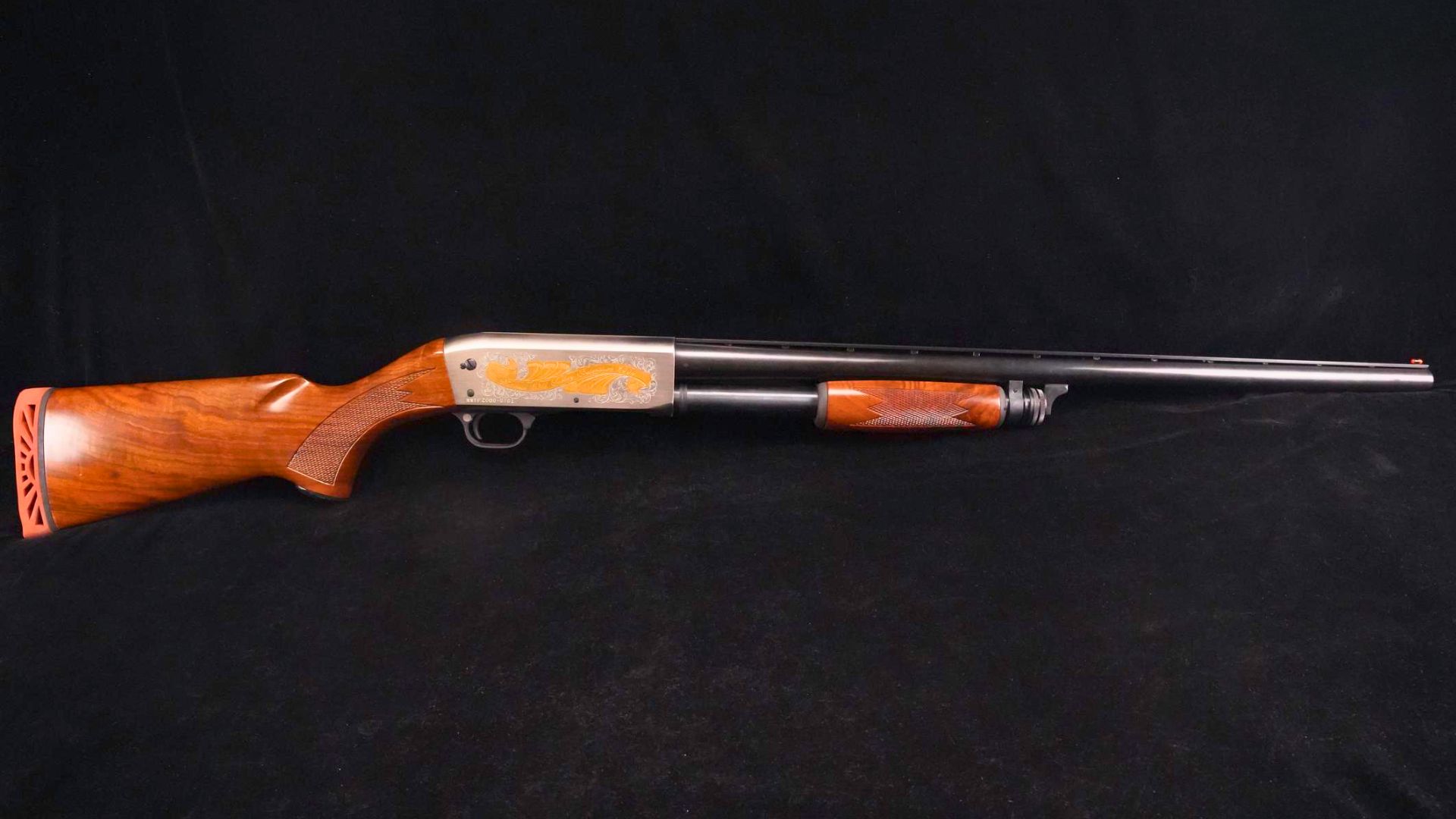
The Ithaca Model 37 became a keeper because it handled beautifully and worked hard. The bottom-eject design made it friendly for left-handed shooters, and the pump action had a slick, natural feel. It was used for birds, rabbits, deer, and home defense without needing to look tactical or expensive.
Owners tend to hang onto Model 37s because they feel different from other pump guns. They are trim, fast, and carry well. A good Model 37 does not need rails or oversized controls to justify itself. It just shoulders right, points right, and reminds people why older pump shotguns earned such loyalty.
Ruger Security-Six
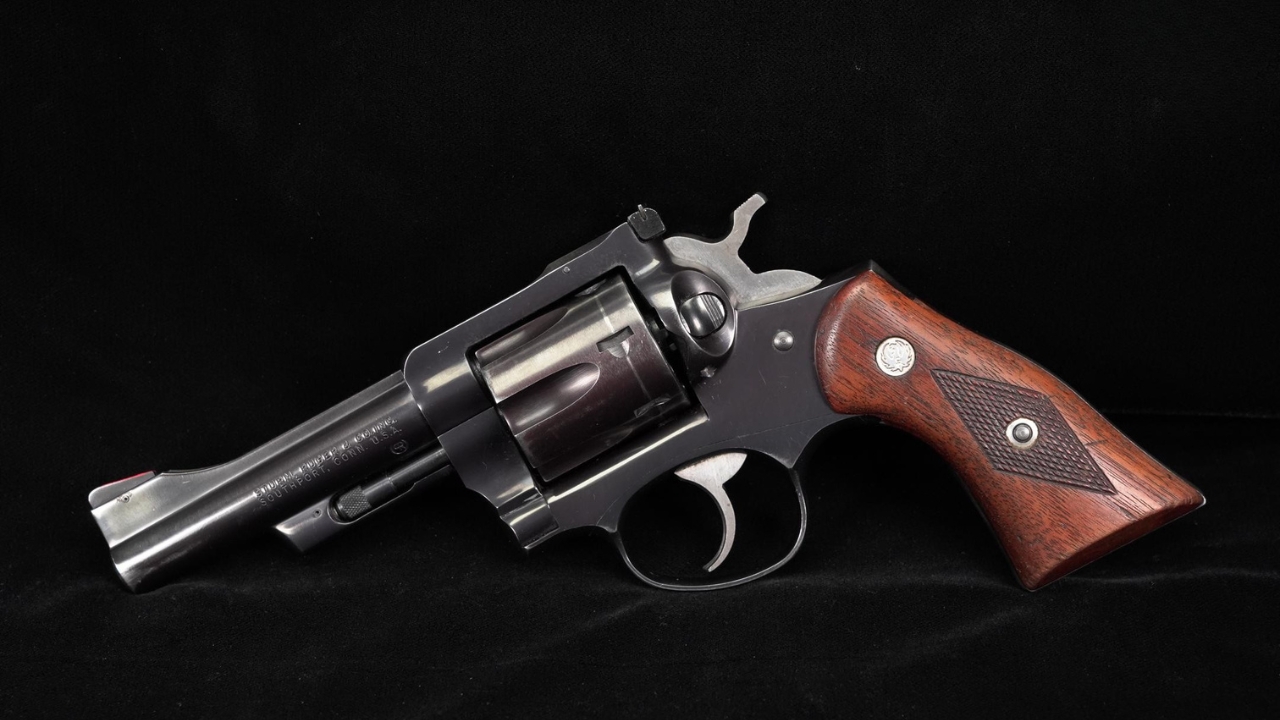
The Ruger Security-Six was not as polished as some Smith & Wesson revolvers, but it had a toughness that owners respected. It gave shooters a strong .357 Magnum revolver at a fair price, and it did not feel delicate. For carry, home defense, trail use, or range shooting, it did the job without trying to be glamorous.
That is why so many owners regret selling them. The Security-Six was useful in a way that made sense long after it left production. It was not oversized, it was not fragile, and it could handle real use. A revolver like that has a way of becoming more appreciated after it is gone.
Savage Model 24
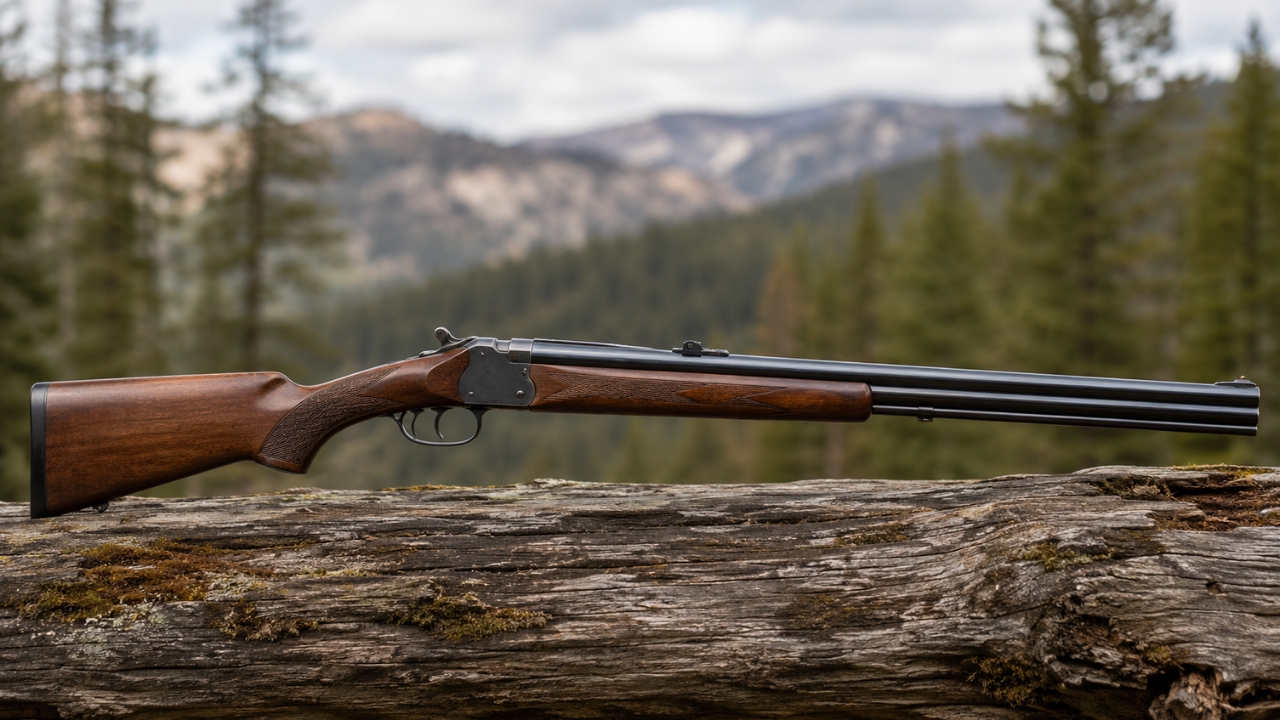
The Savage Model 24 became a keeper because it was useful, not flashy. A rifle barrel over a shotgun barrel gave outdoorsmen a compact tool for small game, pests, camp use, and wandering around the property. It was the kind of gun that made sense in a truck, behind a door, or on a long walk through the woods.
Owners kept them because they solved a problem few other guns handled as neatly. A .22 over .410, .22 Magnum over 20 gauge, or similar setup gave you options without carrying two firearms. It was never fancy, but it was clever, handy, and hard to replace once you got used to having it around.
Remington Model Seven
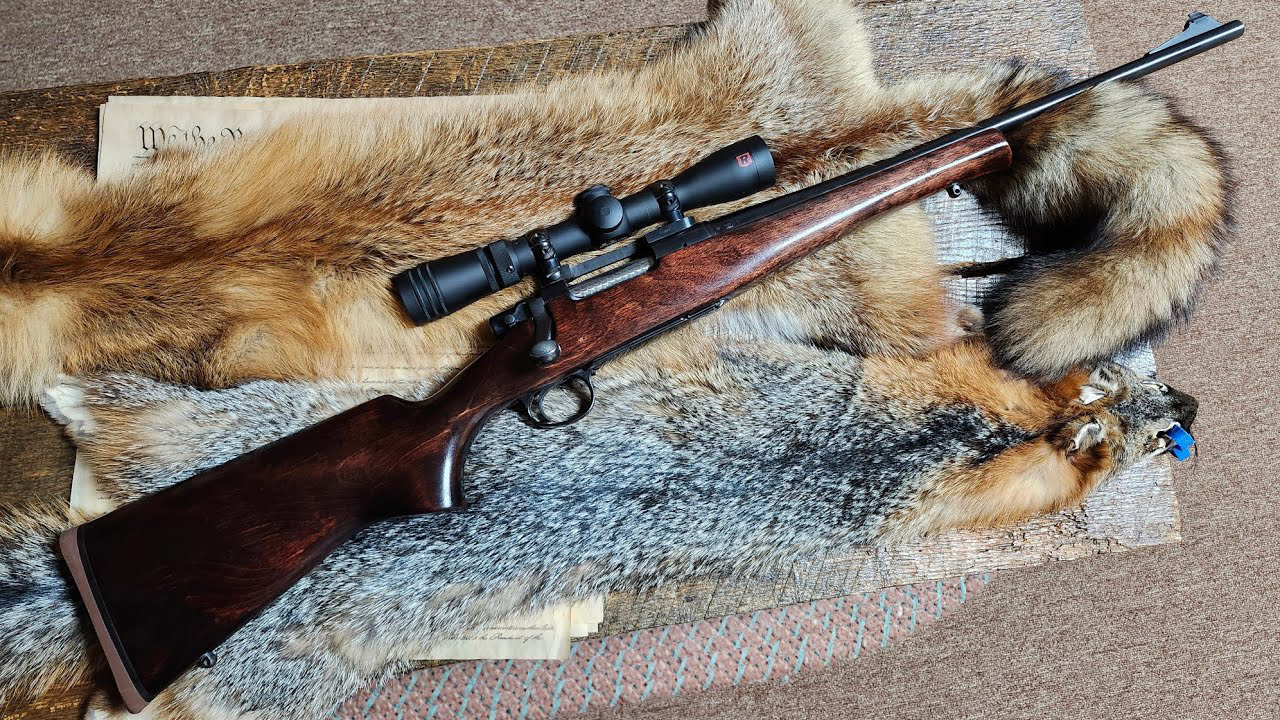
The Remington Model Seven earned loyalty by being a short, handy bolt-action rifle before every company was obsessed with compact hunting guns. It carried well in thick woods, climbed easily into stands, and made sense for younger hunters, smaller-framed hunters, or anyone who did not want a full-size rifle dragging through brush.
A Model Seven in .243, 7mm-08, .308, or .260 Remington could cover a lot of deer hunting without feeling overbuilt. Owners kept them because they were easy to carry and easy to like. They did not need to look tactical or long-range capable. They just needed to be there when the shot appeared.
H&R Handi-Rifle
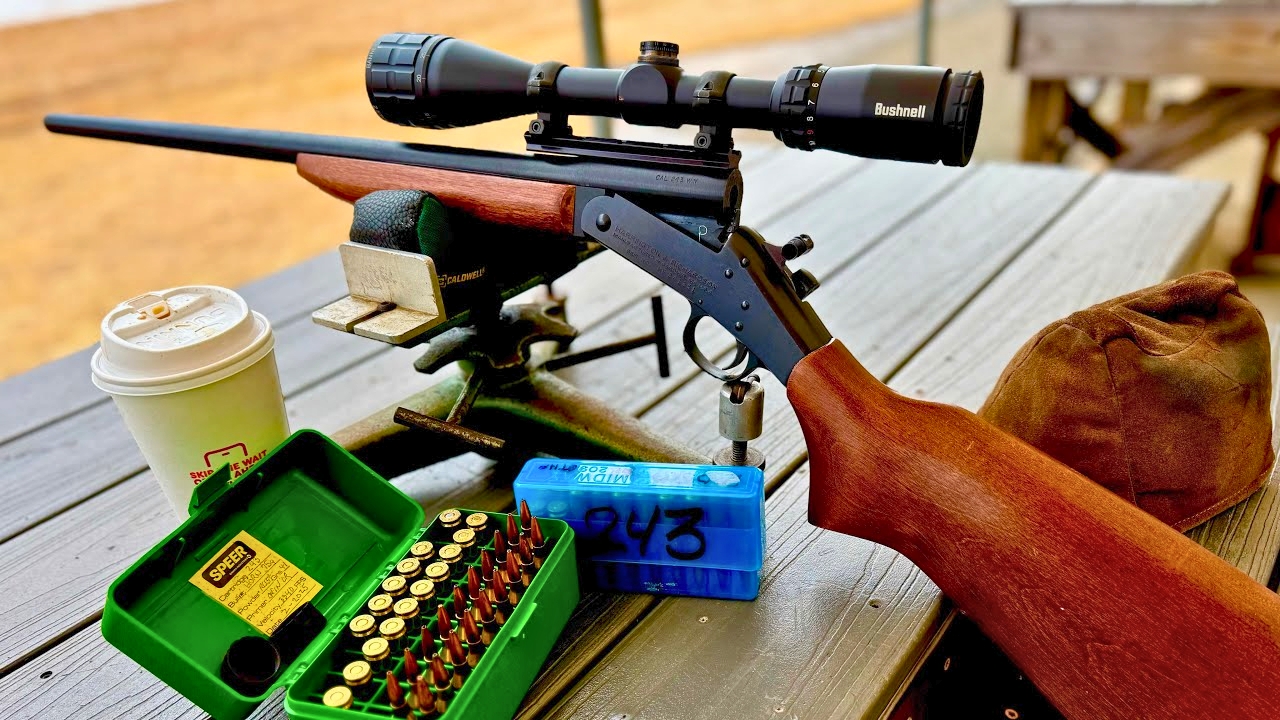
The H&R Handi-Rifle was never fancy, but it had a way of sticking around. It was a single-shot break-action rifle that came in all kinds of useful chamberings. It was affordable, easy to understand, and simple enough that a new shooter or experienced hunter could both appreciate it.
People kept Handi-Rifles because they filled practical roles. A .223 version could handle varmints. A .45-70 version could handle heavy woods work. A .243 or .30-06 version could hunt deer without costing much. It was not elegant, but it was honest, and honest guns often become keepers.
CZ 452
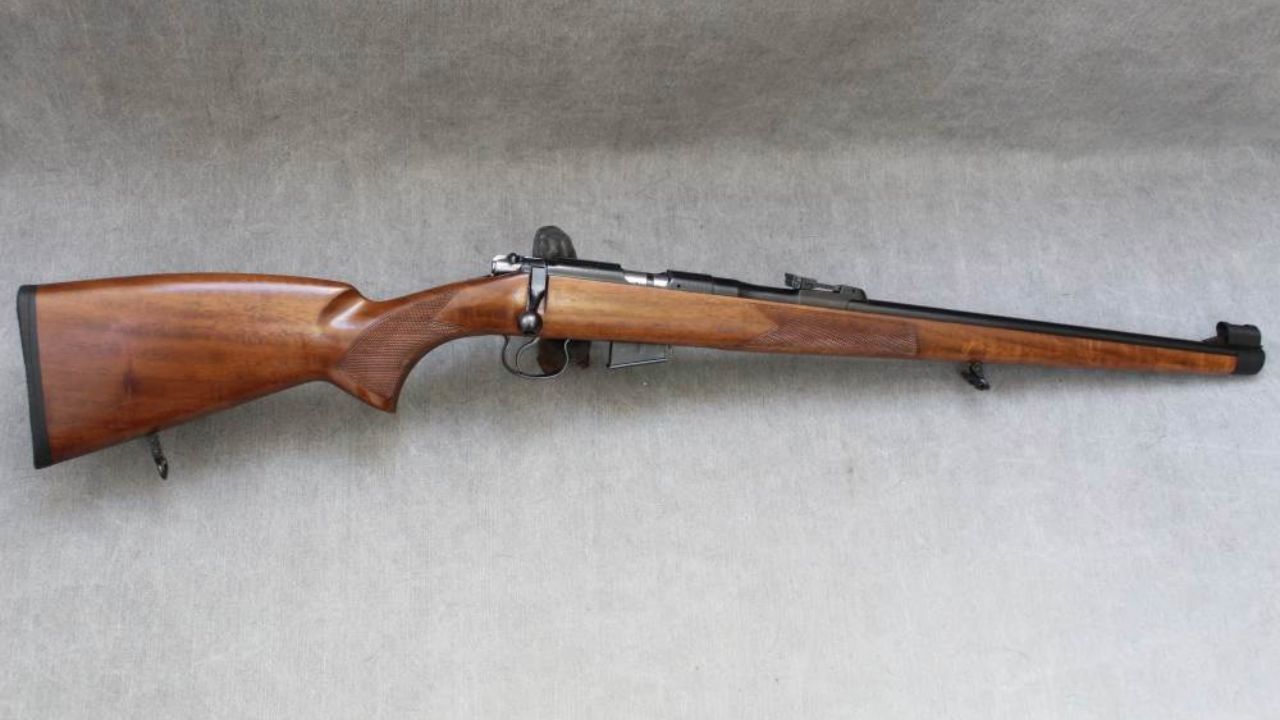
The CZ 452 became a lifetime keeper by being a rimfire that shot better than its price suggested. It had a real bolt-action feel, good accuracy, and enough old-world charm to stand apart from cheaper .22 rifles. It was not covered in gimmicks. It was just a well-made little rifle.
Owners kept them because accurate .22s are hard to get bored with. A CZ 452 could be used for small game, target practice, or slow, careful shooting at the bench. It made cheap ammo feel meaningful. Once a rimfire teaches you to slow down and shoot well, it becomes more than just a plinker.
Mossberg 500 Field
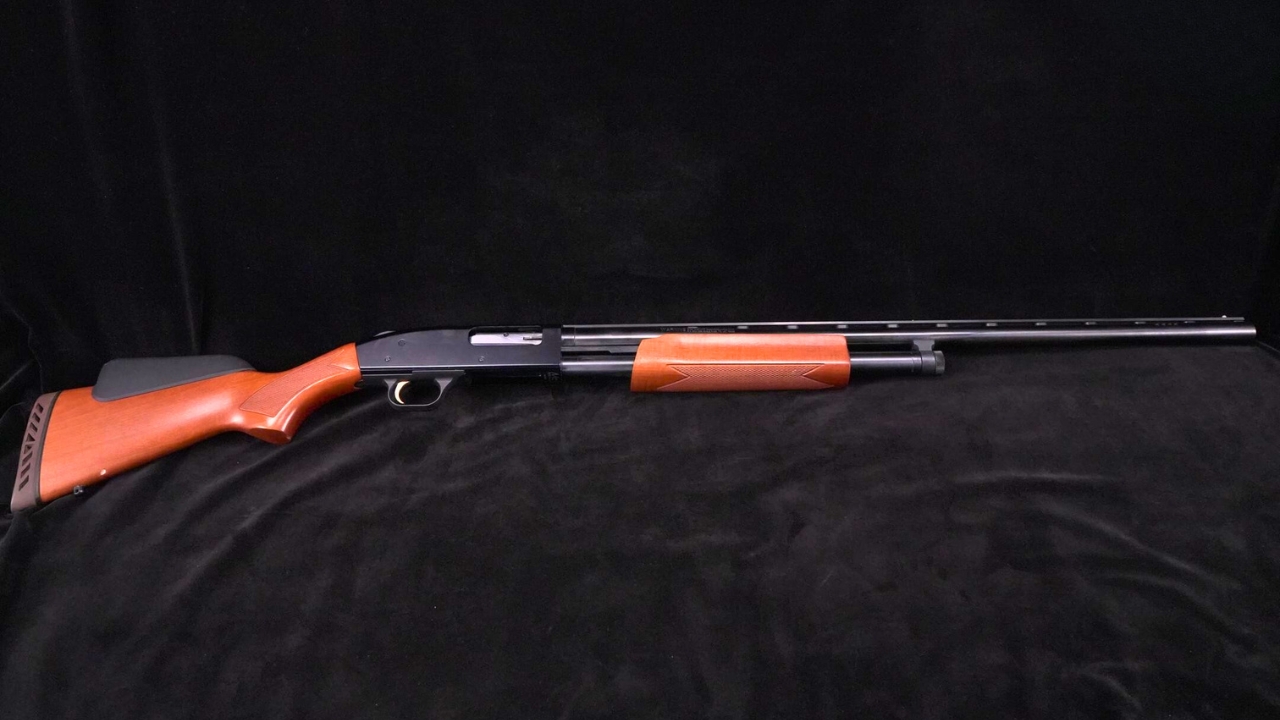
The Mossberg 500 Field model is one of those shotguns people keep because it is always useful. It is not polished like a Wingmaster, and it does not pretend to be high-end. But it is dependable, affordable, easy to maintain, and adaptable enough to handle birds, deer, pests, and general property use.
That kind of flexibility makes a shotgun hard to sell. A 500 with a field barrel can live in a closet for years and still get called on when dove season opens or something needs handled around the farm. It may not impress a shotgun snob, but it keeps earning its place.
Winchester Model 70 Featherweight
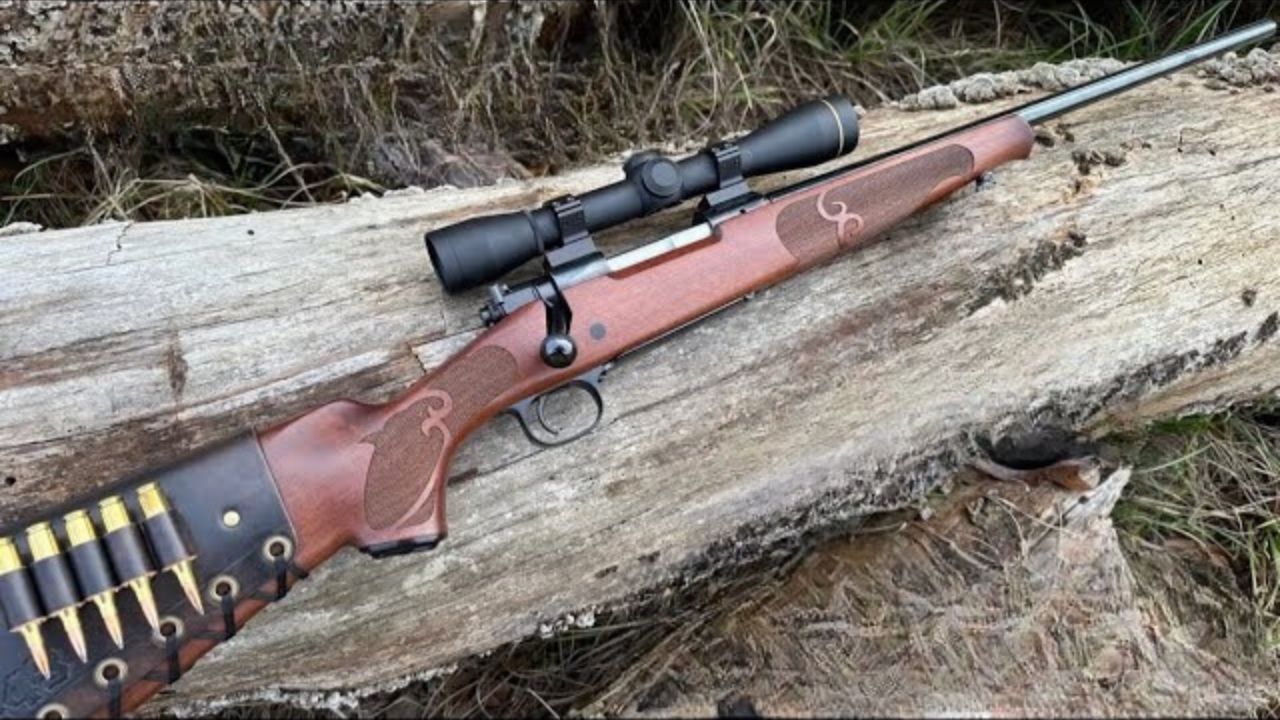
The Winchester Model 70 Featherweight became a keeper because it had class without showing off. It gave hunters the Model 70 feel in a lighter, trimmer rifle that still looked like a proper sporting arm. The schnabel fore-end, controlled-feed versions, and classic chamberings made it feel timeless.
A Featherweight in .270, .30-06, 7mm-08, or .308 is the kind of rifle that makes sense almost anywhere. It is light enough to carry and traditional enough to feel special. It never needed wild styling because it already looked right. That is why so many owners hold onto them.
Beretta A300 Outlander
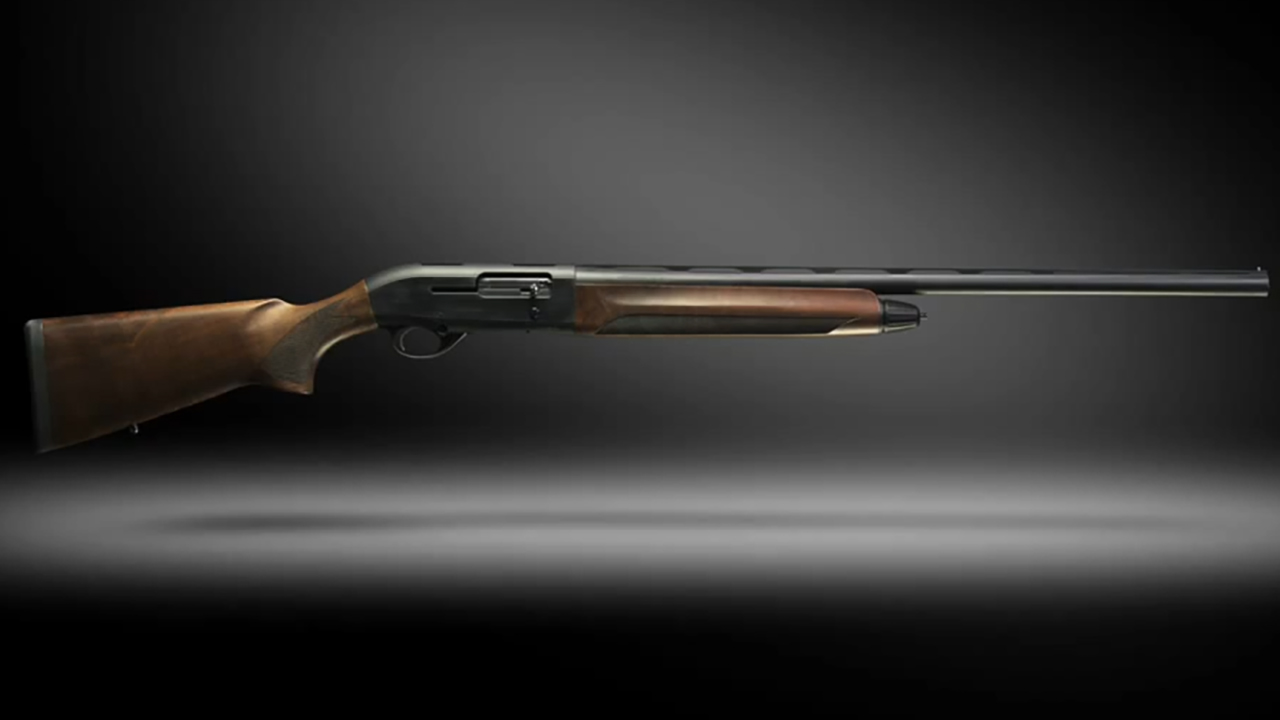
The Beretta A300 Outlander became a keeper by giving hunters a reliable semi-auto shotgun without premium shotgun pricing. It was not the fanciest Beretta, but it carried the right name, handled well, and did what most hunters needed from a gas-operated shotgun. For doves, ducks, and clays, it was easy to trust.
Owners kept them because they were practical. The A300 Outlander did not feel like a compromise once it started working season after season. It gave shooters soft recoil, good function, and enough quality to feel like money well spent. A shotgun like that does not need to impress anyone. It just needs to keep cycling.
Ruger GP100
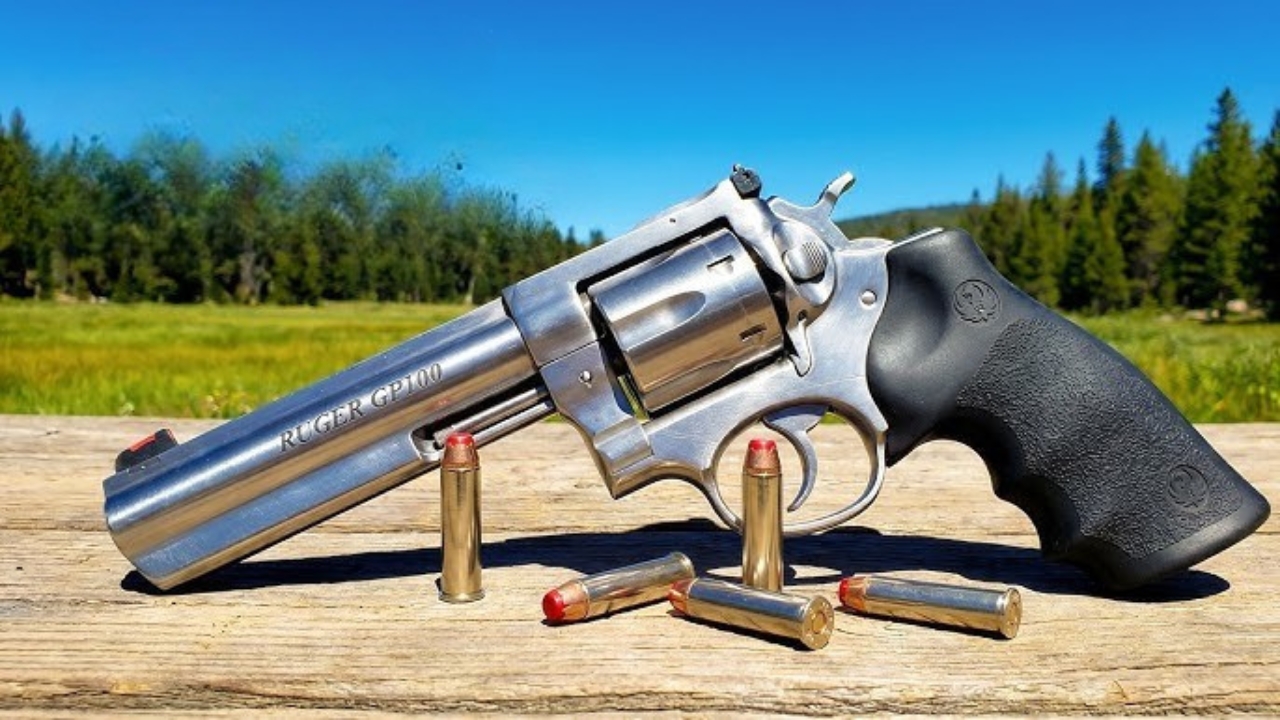
The Ruger GP100 is not a delicate revolver, and that is why people love it. It is heavy, strong, and built for years of .357 Magnum use. It may not have the same elegant lines as some older Smith & Wesson revolvers, but it gives owners confidence every time they load it.
A GP100 becomes a keeper because it feels like a revolver you can actually use. Range trips, woods carry, home defense, handloads, .38 Special practice, and full-power magnums all fit its personality. It is not subtle, but it is honest. That is enough to make plenty of owners hang onto it for life.
T/C Contender
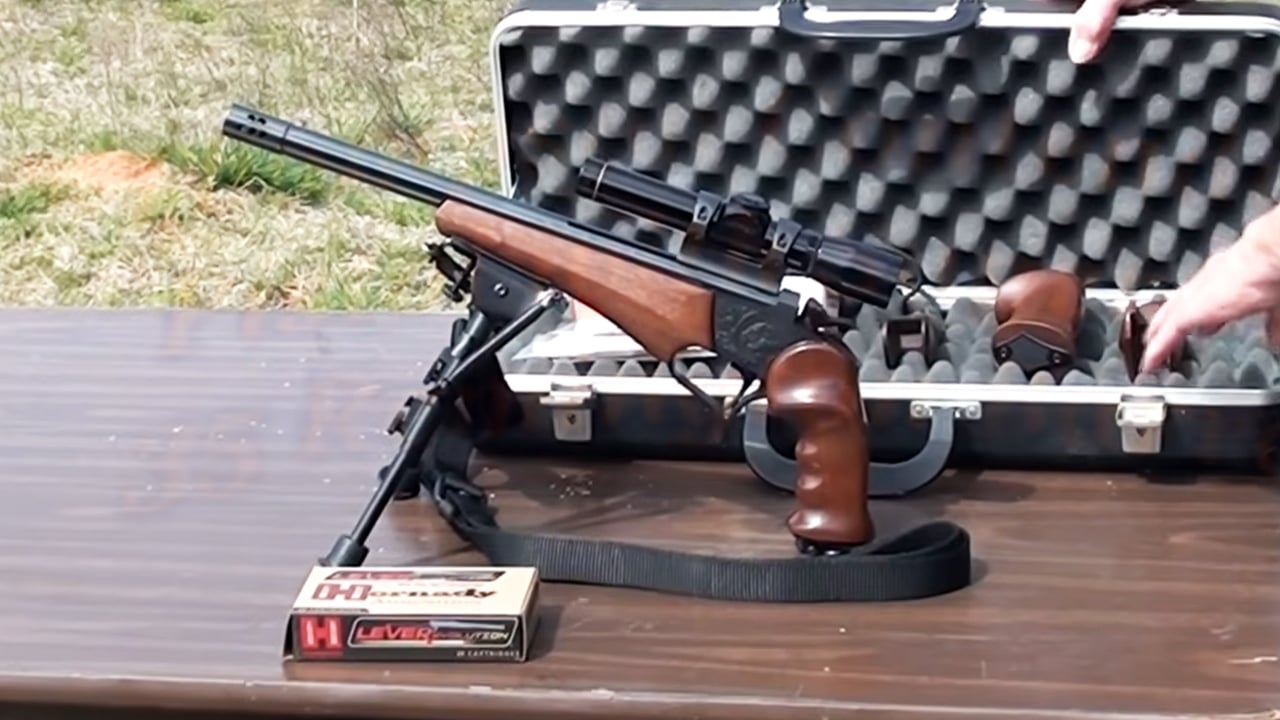
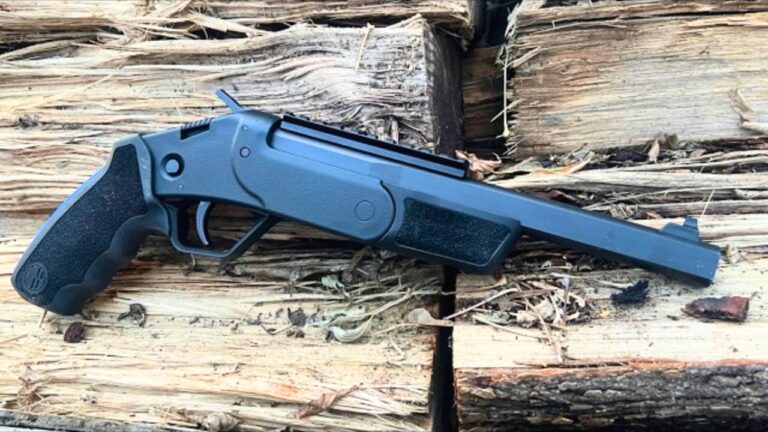
The Thompson/Center Contender became a keeper by being one of the most flexible single-shot firearms ever sold. With interchangeable barrels, owners could turn one frame into a handgun or carbine in several different chamberings. It appealed to hunters, handloaders, experimenters, and shooters who liked making one gun do several jobs.
That flexibility is what makes the Contender hard to let go. It is not just one firearm. It becomes a whole system built around the owner’s interests. A Contender in .22 LR, .223, .30-30, .44 Magnum, or another favorite chambering can feel personal in a way most factory guns never do.
Stevens 311
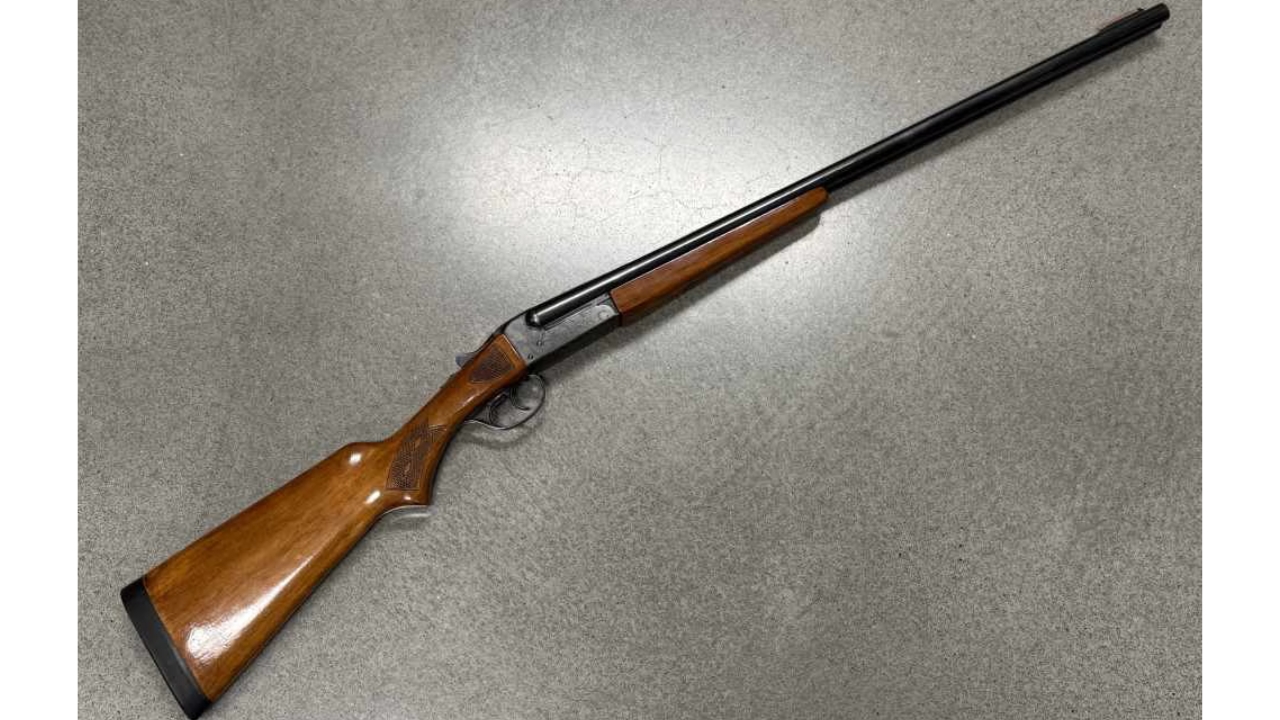
The Stevens 311 side-by-side was never a luxury shotgun, but it became a keeper through pure usefulness. It was a plain double gun that could ride behind the seat, follow someone through rabbit cover, or sit by the back door without making the owner nervous. It looked like a shotgun because it was one, not because it was trying to sell an image.
Owners kept them because double guns have a way of feeling permanent. Two barrels, two shells, and a simple break-action design are hard to overcomplicate. A Stevens 311 may not turn heads at a high-end sporting clays course, but it has the kind of straightforward charm that sticks with people.
Sako Finnbear
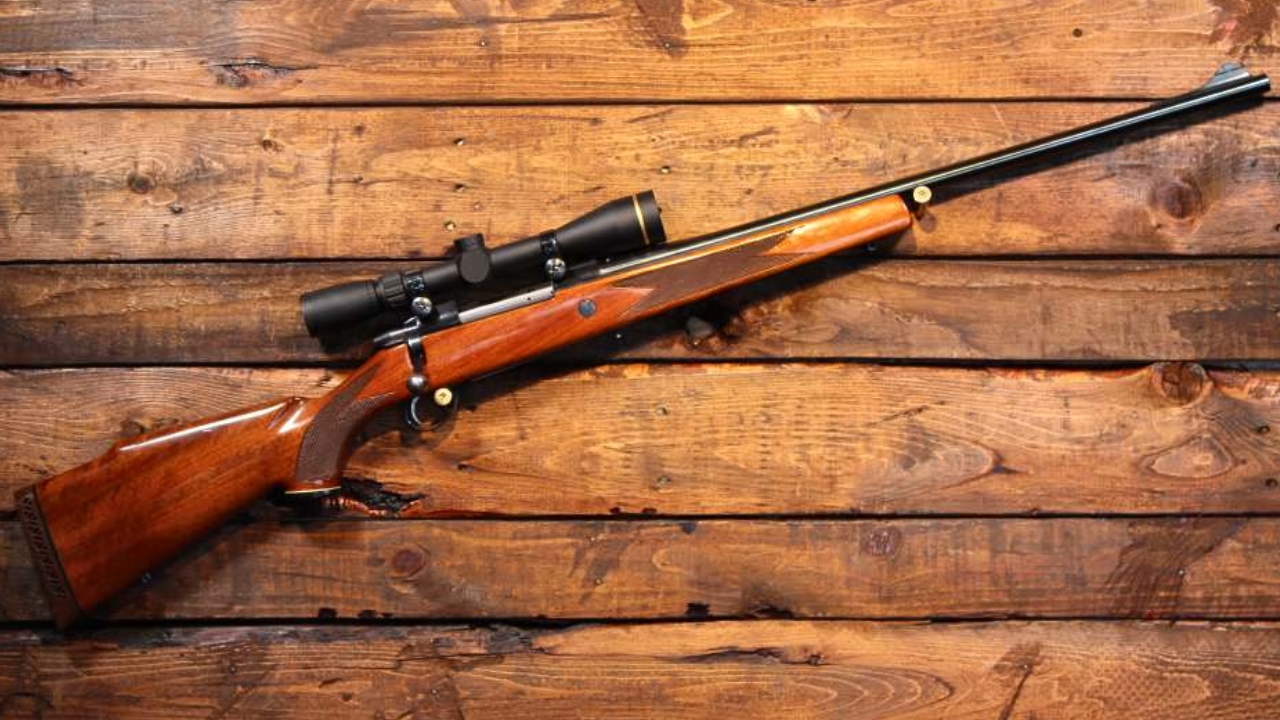
The Sako Finnbear became a lifetime keeper by doing everything a good bolt-action hunting rifle should do. It had smooth machining, strong accuracy, and a feel that made it stand above most ordinary hunting rifles without needing to look flashy. It was refined, but not delicate.
Owners tend to keep Finnbears because they feel like rifles from an era when quality was obvious once you worked the bolt. A Finnbear in .270, .30-06, 7mm Rem. Mag., or .300 Win. Mag. feels ready for real hunting. It impresses slowly, which is usually the kind of impression that lasts.
Browning Hi-Power
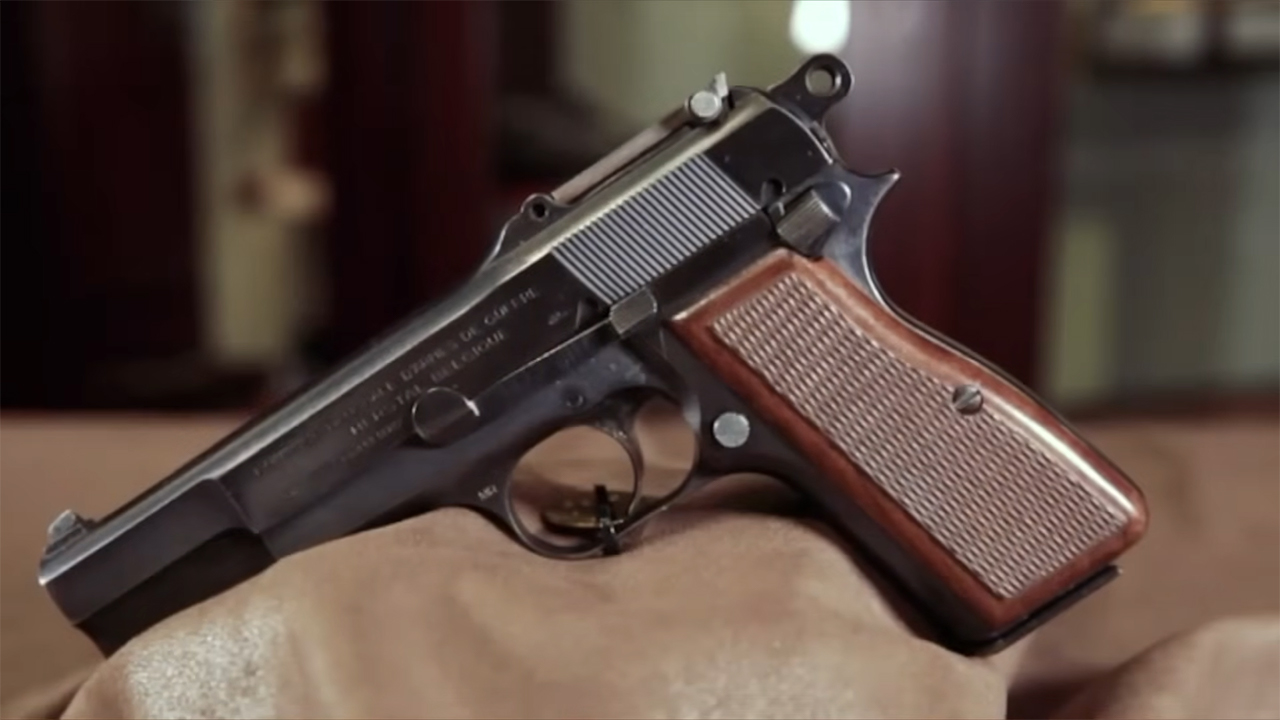
The Browning Hi-Power became a keeper without chasing trends because it was already right in so many ways. It had classic lines, good balance, a comfortable grip, and a 9mm double-stack design long before modern carry pistols made that sound normal. It was a fighting pistol with enough elegance to feel special.
Owners keep them because the Hi-Power has a feel that newer pistols rarely copy. It is slim for what it is, natural to point, and tied to a long service history. Even people who carry lighter polymer guns often keep a Hi-Power because it reminds them that practical pistols can still have character.
Like The Avid Outdoorsman’s content? Subscribe to our newsletter so you never miss an article.
Here’s more from us: