Photo credit: KOLXI/YouTube
New guns are easy to get excited about until the price tag shows up. A different slide cut, a new color, or one extra letter in the model name does not always mean a gun is actually better. A lot of recent releases feel like companies are charging more for changes most shooters will barely notice.
Some newer guns, though, do make sense. They bring real upgrades, better optics support, smarter ergonomics, better magazines, or more useful hunting features without acting like the buyer should be grateful to overpay. These recent releases feel like they actually give shooters something back for the money.
Ruger RXM

The Ruger RXM is one of the more interesting recent pistol releases because it does not pretend to reinvent the striker-fired 9mm. Instead, it takes a familiar compact pistol layout and adds the kind of value shooters actually care about. The RXM uses a serialized fire-control insert, a Magpul grip frame, Glock 19-pattern magazine compatibility, and comes optics-ready with multiple footprint support. Ruger lists current RXM models with 17+1 capacity, co-witness-height sights, and MSRPs starting around $539.
That is what makes it feel worth the money. You are not paying for mystery features or a fancy launch campaign. You are getting a practical compact 9mm with strong parts support, familiar handling, and enough modularity to matter. For someone who wants a carry or range pistol without spending premium money, the RXM feels like Ruger actually paid attention to what buyers were asking for.
Smith & Wesson Bodyguard 2.0
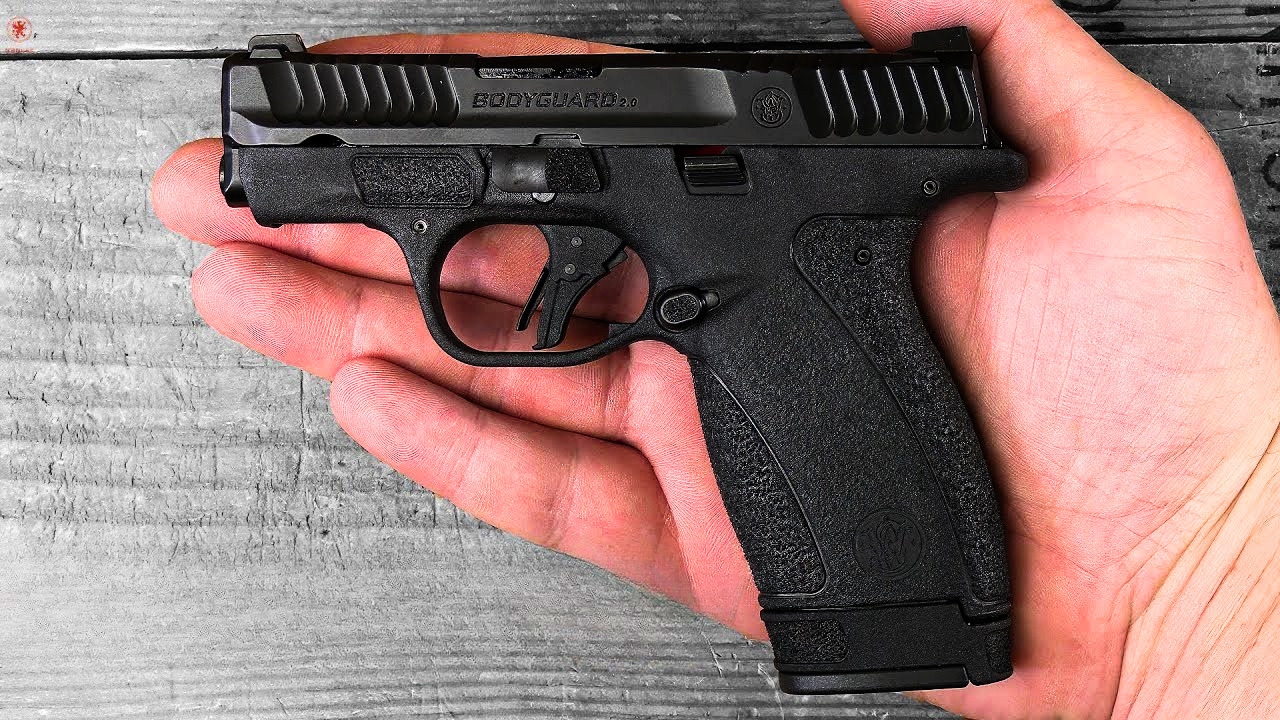
The original Bodyguard always made sense on paper, but the Bodyguard 2.0 feels like the pistol that tiny .380 should have been all along. Smith & Wesson reworked the gun into a much more shootable micro pistol, with a better grip shape, better trigger feel, useful sights, and 10+1 or 12+1 capacity in a very small package. Smith & Wesson currently lists Bodyguard 2.0 models in the $449 to $599 range.
That price is fair because this is not just another pocket .380 with rough edges. It is one of the few small .380s that feels like it was built for people who might actually practice with it. The controls, grip, and capacity make it easier to take seriously, and that matters when a tiny pistol is supposed to be carried more than admired.
Springfield Armory Echelon 4.0C
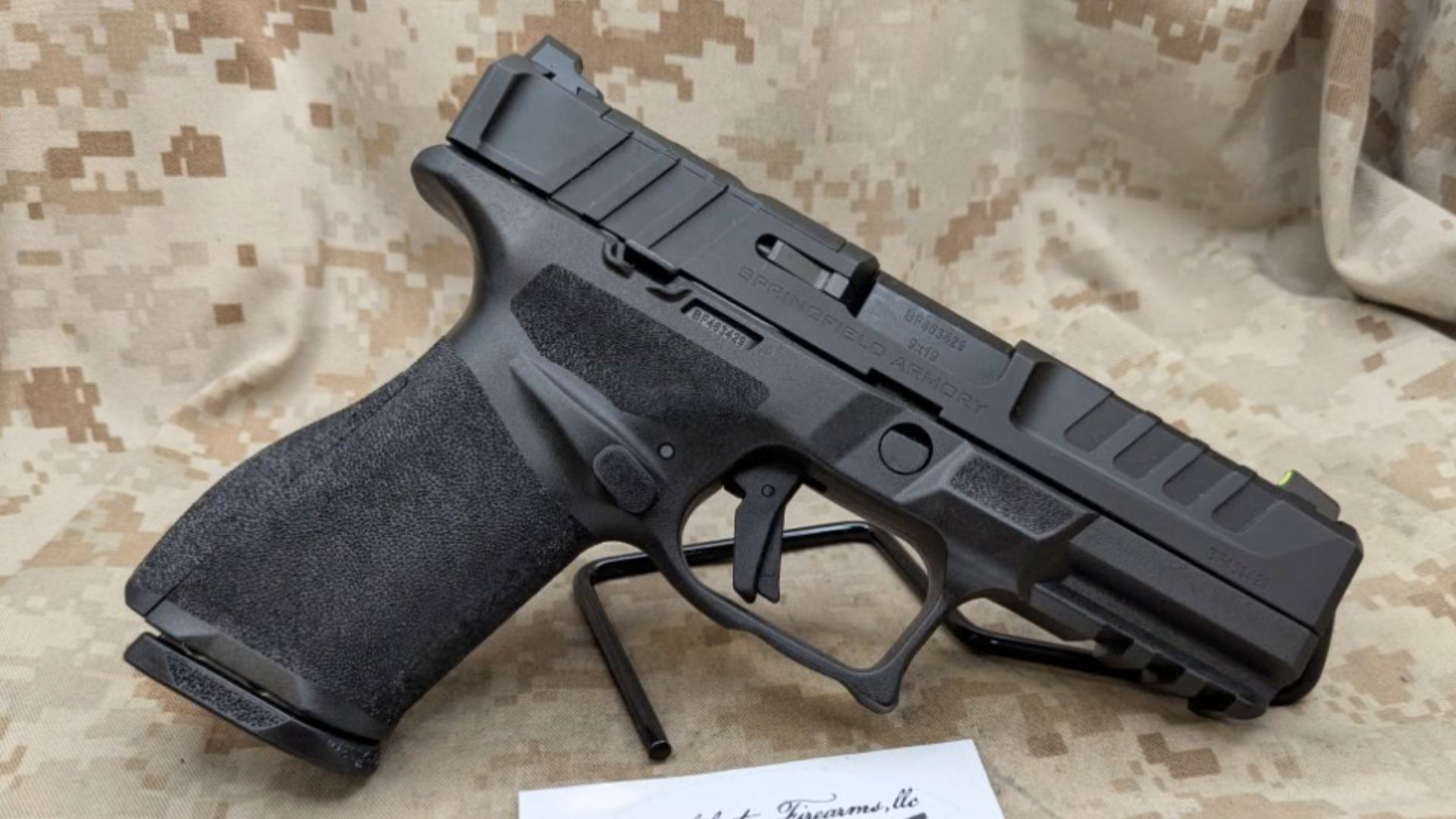
The Echelon 4.0C makes sense because Springfield did not just shrink the full-size Echelon and call it a day. The compact version keeps the strong optics system, useful grip texture, and modular chassis concept while landing in a size that works better for carry. Springfield lists the 4.0C with a 4-inch barrel, 15-round flush magazine, 18-round extended magazine, and MSRP around $710 depending on the model.
The value is in how complete it feels out of the box. A lot of compact pistols need sights, plates, grip work, or aftermarket help before they feel ready. The Echelon 4.0C gives you a modern optic mounting setup, good capacity, and a frame that does not feel like an afterthought. It is not the cheapest compact 9mm, but it feels like the money went into the right places.
Springfield Armory Echelon Alpha 4.0C
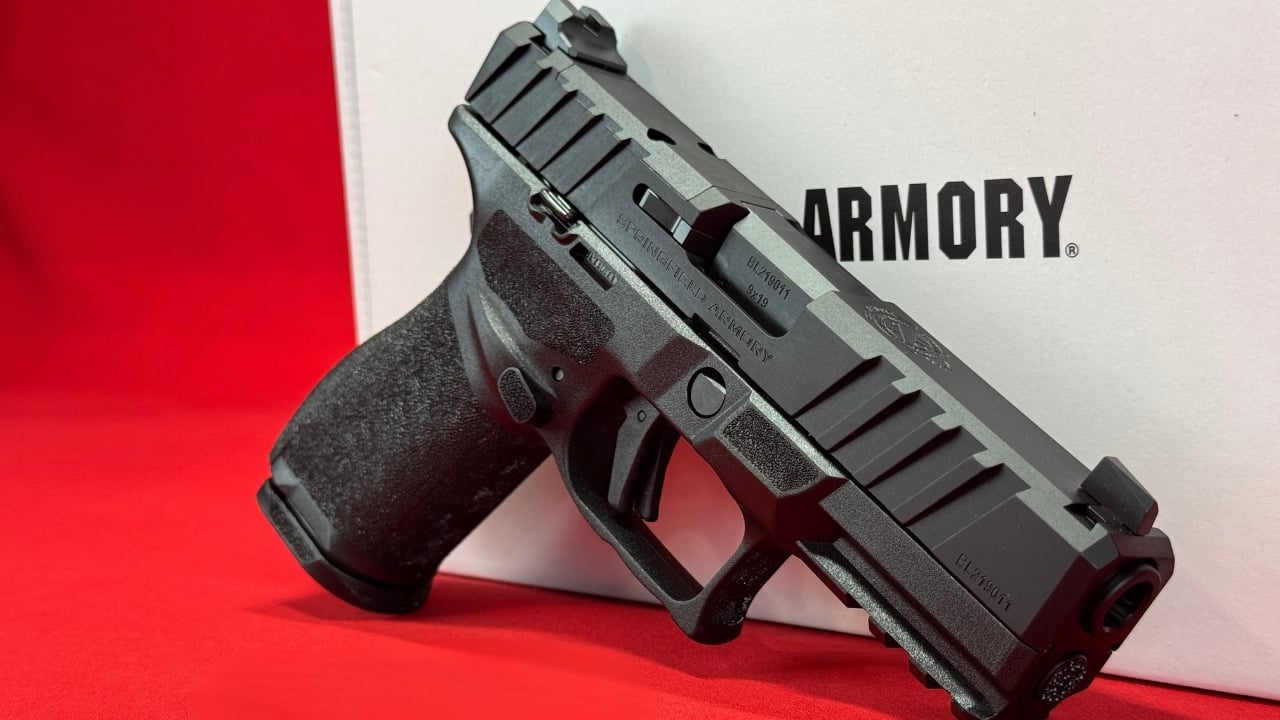
The Echelon Alpha 4.0C is the version that makes the most sense for buyers who want the Echelon system but do not care about paying extra for every higher-trim feature. The standard Alpha 4.0C was announced with a $599 MSRP, undercutting the regular compact model while keeping the same basic optics mounting system.
That is the kind of release more companies should be making. It trims cost where a lot of shooters will not care as much, but it keeps the main reason people want the platform in the first place. For a carry gun, range gun, or first serious optic-ready pistol, the Alpha 4.0C feels like the smarter buy for people who want performance without paying for extras they were going to change anyway.
SIG Sauer P365 Fuse
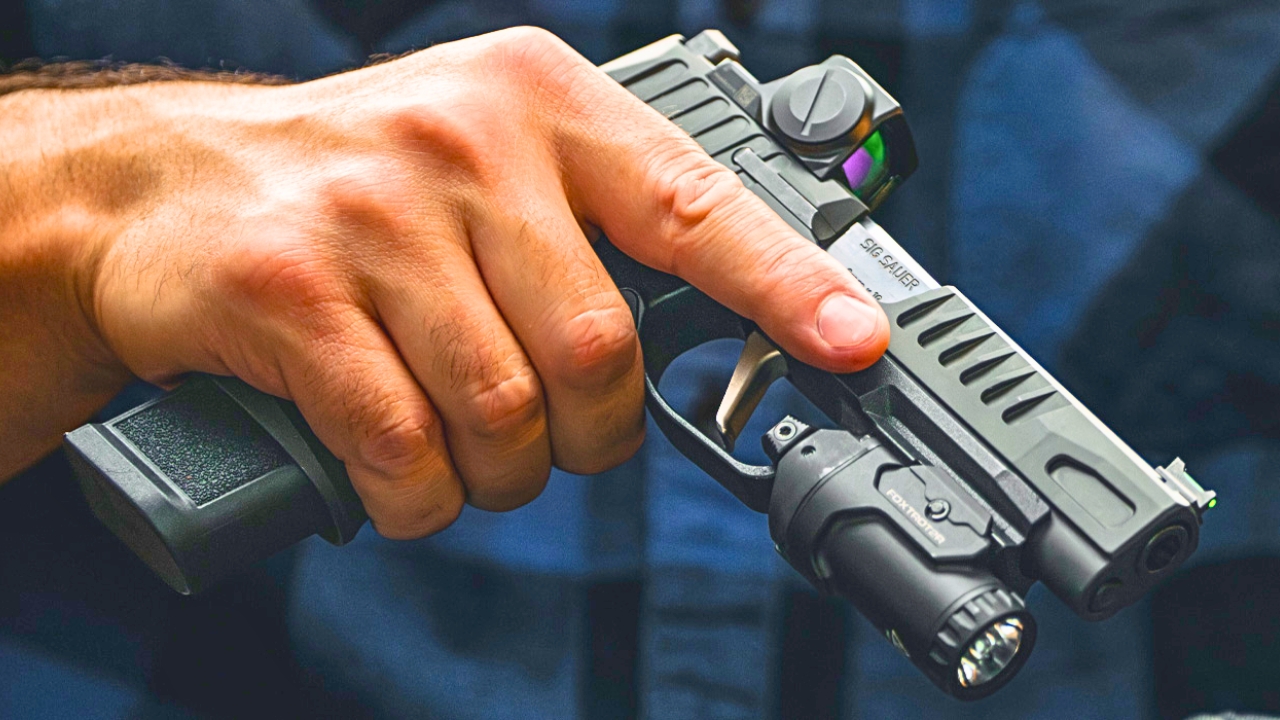
The SIG P365 Fuse is not cheap, but it does feel like a lot of pistol for the money if you like the P365 system. It stretches the platform into a longer, higher-capacity pistol with a 4.3-inch barrel, 17-round standard capacity, and extended 21-round magazines included with some packages. Early pricing put the Fuse around $729 without an optic.
The reason it earns a spot is that it fills a real gap. It shoots more like a larger pistol but still stays thin and easy to carry compared with many full-size guns. If someone already likes the P365 grip angle, controls, and aftermarket support, the Fuse gives them a flatter-shooting version without jumping into a totally different handgun.
Ruger American Rifle Generation II
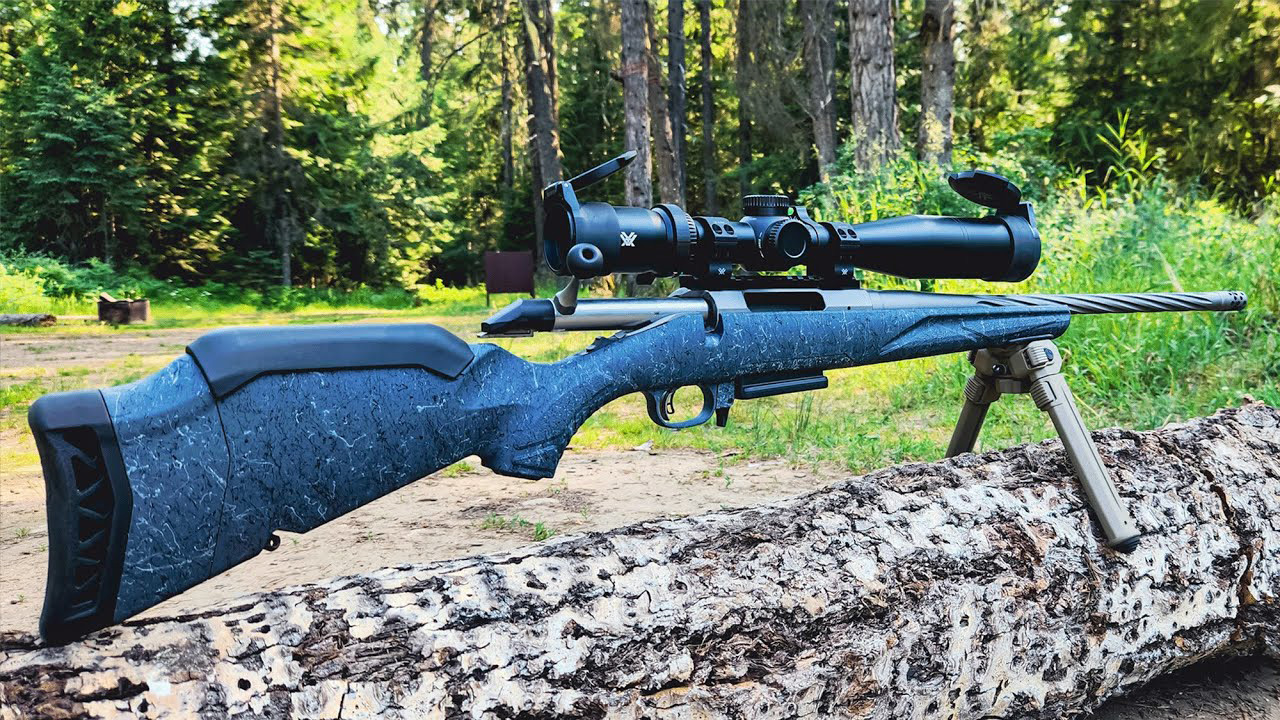
The Ruger American Rifle Generation II is the kind of hunting rifle release that actually matters. The original American was already a strong budget rifle, but the Gen II adds features people usually want after the purchase. Ruger lists current Gen II standard models with spiral-fluted barrels, AI-style or cartridge-specific magazine setups, and MSRP around $769.
That is still reasonable in today’s bolt-action market. You get a rifle that is light enough to hunt with, accurate enough for normal deer distances, and upgraded enough that it does not feel stripped down. The Gen II is especially appealing for someone who wants a practical hunting rifle and would rather put more money into glass than into a rifle with a prettier name.
Ruger American Rifle Gen II Predator

The Gen II Predator version is the one that makes even more sense for hunters who want a rifle that can cover deer, coyotes, hogs, and range use. Ruger lists Predator Gen II models in chamberings such as .308 Win., 6.5 Creedmoor, 7mm-08, .22 ARC, .350 Legend, and 7mm PRC, with MSRPs around $769.
This rifle feels worth the money because it is not pretending to be a safe queen. It gives you modern chambering choices, a usable stock, threaded barrel options across the lineup, and a rifle that can ride in a truck or blind without making you nervous. For the hunter who wants one rifle to handle a lot of jobs, this is one of Ruger’s better recent moves.
Smith & Wesson Model 1854
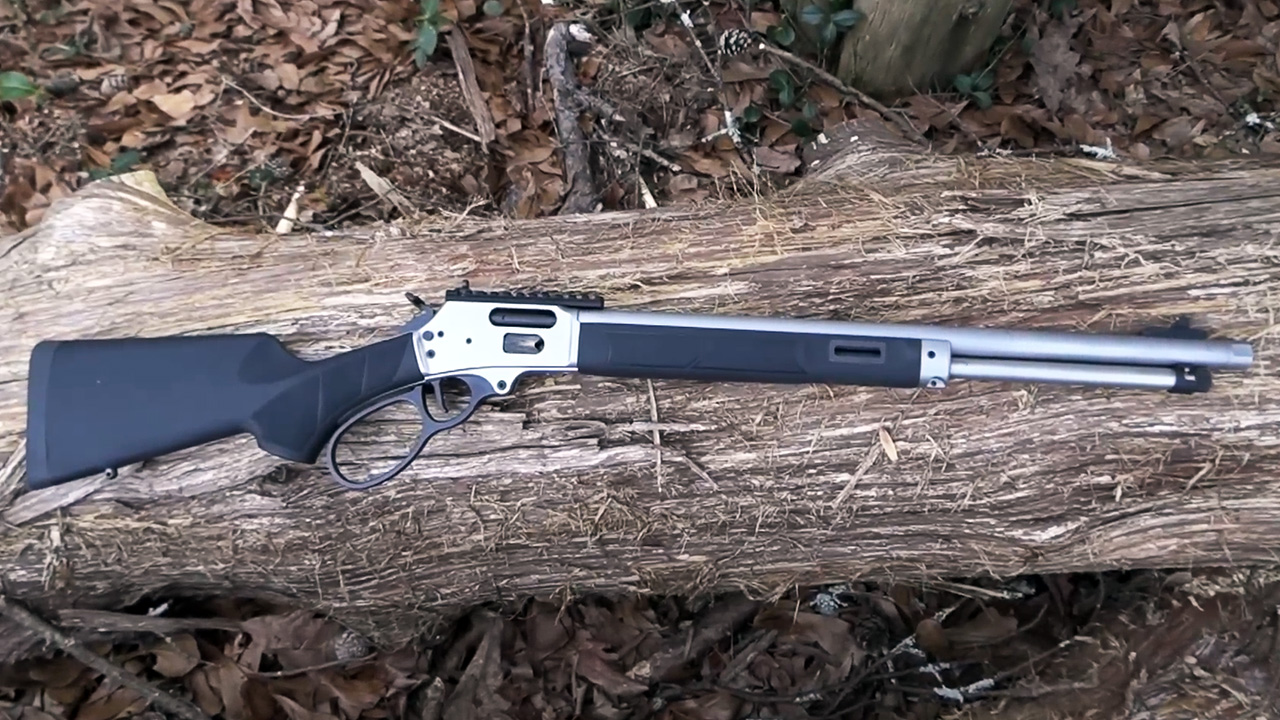
The Smith & Wesson Model 1854 came out at the right time, because lever guns are hot and prices have gotten wild. S&W’s lineup now includes chamberings such as .30-30 Win., .44 Magnum, .357 Magnum, .45 Colt, .45-70 Govt., and .360 Buckhammer, with listed pricing starting around $1,279 depending on model.
That is not bargain-bin money, but compared with what good lever guns cost now, the 1854 is easier to justify than some of the nostalgia-priced rifles out there. It gives hunters and lever-action fans modern sight and mounting options without turning the rifle into a goofy range toy. If you want a new-production lever gun that feels usable instead of just collectible, the 1854 has a real case.
Savage RXR22
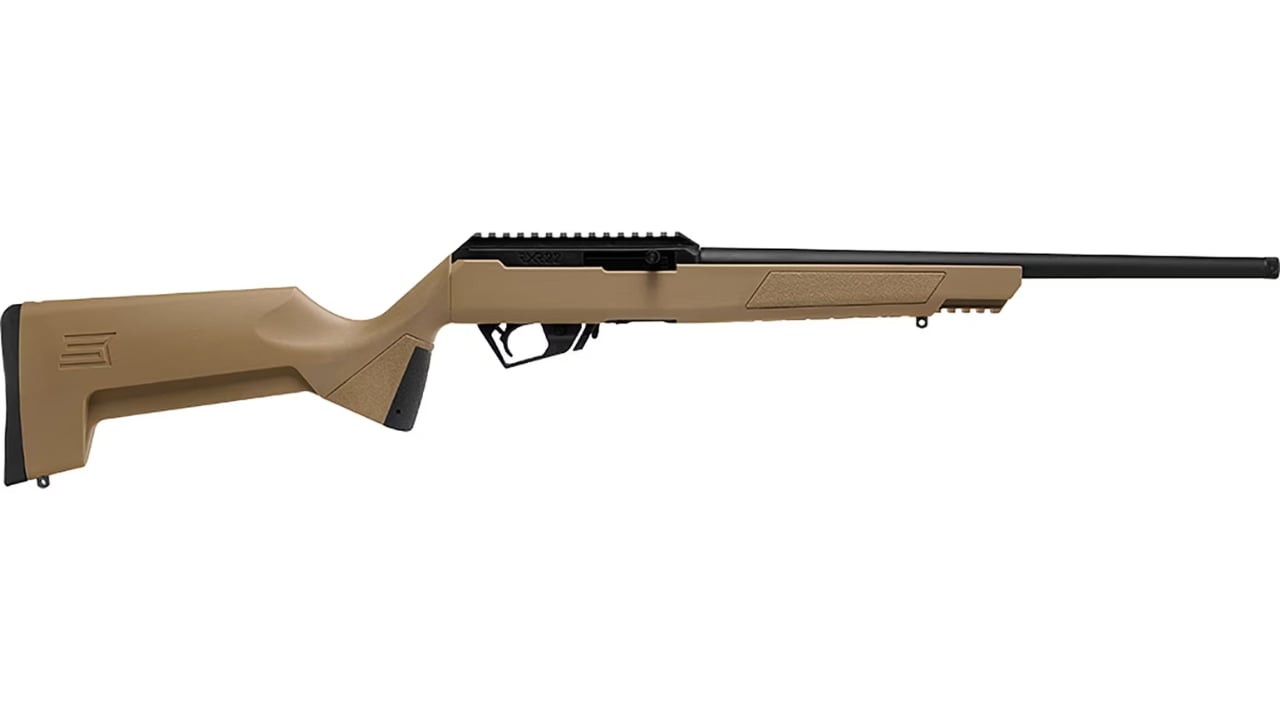
The Savage RXR22 is a smart rimfire release because it gives shooters a low-cost .22 LR that does not feel locked into one factory setup forever. Savage lists the RXR22 at $259 to $299 depending on source and configuration, with a 16.5-inch barrel, 10-round capacity, synthetic stock, and 10/22-pattern compatibility being one of the big selling points.
That makes it a strong value for new shooters, small-game hunters, and anyone who wants a rimfire trainer. The aftermarket matters with .22 rifles, and Savage was smart to make this one play nicely with the huge world of 10/22 parts. It is affordable enough to buy as a starter rifle but flexible enough to grow into something more personal.
Beretta 1301 Tactical Mod.2
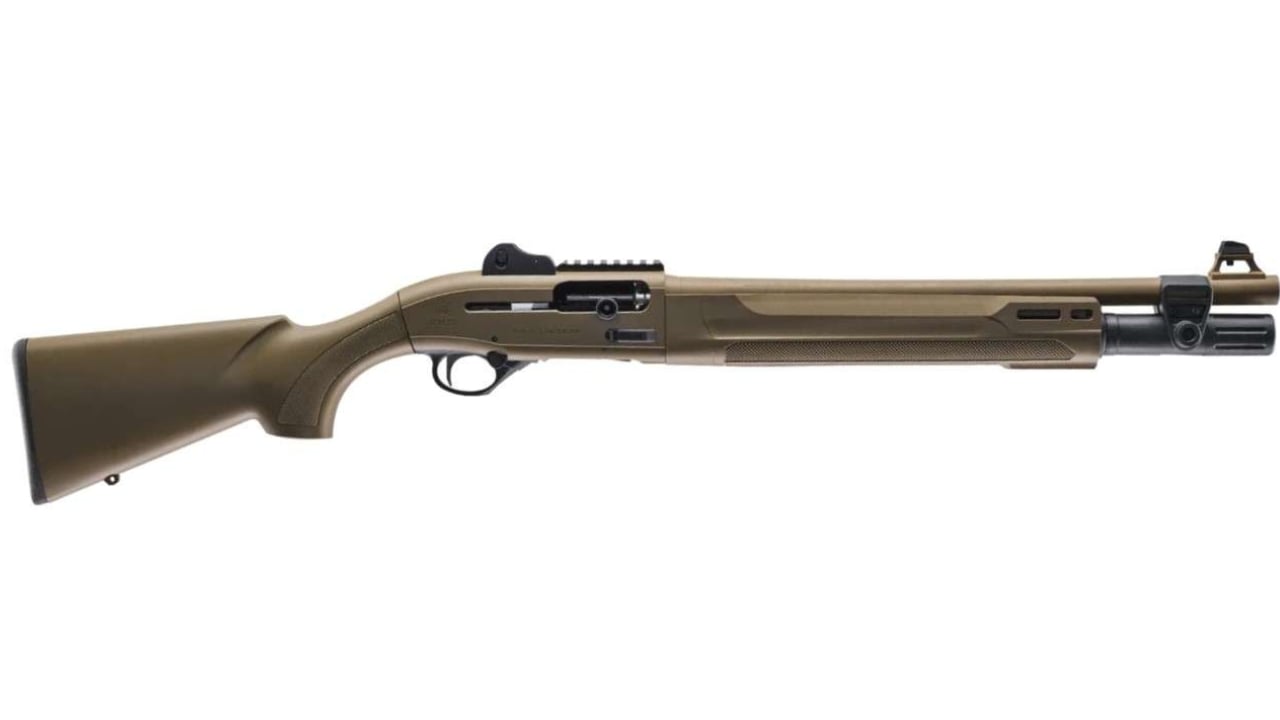
The Beretta 1301 Tactical Mod.2 is expensive, but it is one of the few newer defensive shotguns where the price does not feel like pure name tax. The Mod.2 added useful changes like a better trigger setup, improved controls, and factory configurations with higher tube capacity. Current Beretta Gallery pricing shows the black 1301 Tactical Mod.2 at $1,749.
For a shotgun that might be used hard, those details matter. The 1301 already had a strong reputation for cycling speed and soft recoil, and the Mod.2 feels like Beretta fixed the stuff people were already upgrading. It is not the budget pick, but it does feel like a serious shotgun instead of a basic gun with tactical furniture bolted on.
Franchi Affinity 3 update
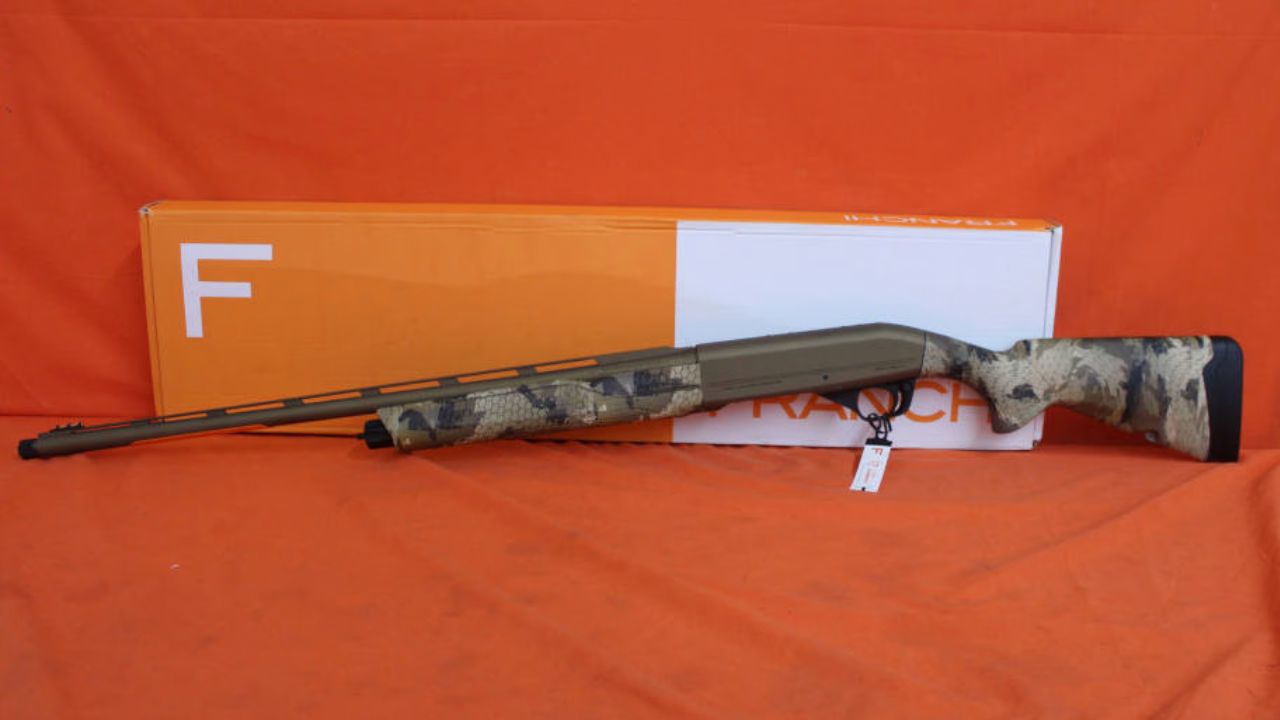
Franchi’s updated Affinity lineup is worth watching because the Affinity has always sat in a useful middle ground. It is not priced like a bargain Turkish semi-auto, but it also does not demand Benelli money. The 2026 updates include changes across numerous 12- and 20-gauge Affinity models, including slimmer forends, deeper checkering, and redesigned parts like the magazine cap and trigger guard.
That matters for hunters because shotgun feel is everything. A duck gun, dove gun, or clays gun can look great on the rack and still feel clumsy in the hands. If the updated Affinity keeps its reliable inertia-driven appeal while handling better, it remains one of the smarter buys for people who want a semi-auto hunting shotgun without spending top-shelf money.
Taurus GX2

The Taurus GX2 is not trying to impress gun snobs, and that is part of why it makes sense. It is aimed at buyers who want an affordable 9mm for home defense, range use, or basic carry without paying for premium branding. Taurus has been pushing harder into practical budget pistols, and the GX2 fits that lane better than another overpriced micro-compact would.
The value here is straightforward. A lot of shooters need a dependable pistol they can afford, not another $900 carry gun that still needs an optic, holster, light, and magazines. The GX2 should not be confused with a duty-grade pistol from a higher tier, but for the buyer shopping on price, it is a more relevant release than many flashy pistols that cost twice as much.
Canik Mete MC9 Prime

The Canik Mete MC9 Prime is the kind of release that shows why Canik keeps getting attention. The company has figured out that buyers want good triggers, optics support, usable capacity, and a pistol that does not feel like it needs immediate upgrades. Recent SHOT Show coverage listed the MC9 Prime among notable new pistols for 2026.
Canik’s value has always been about giving people more features than expected for the price. The MC9 Prime continues that pattern in a carry-sized package. It may not have the same long-term reputation as Glock, SIG, or Smith & Wesson, but for shooters who care about what they get in the box, it is hard to ignore.
FN 309 MRD
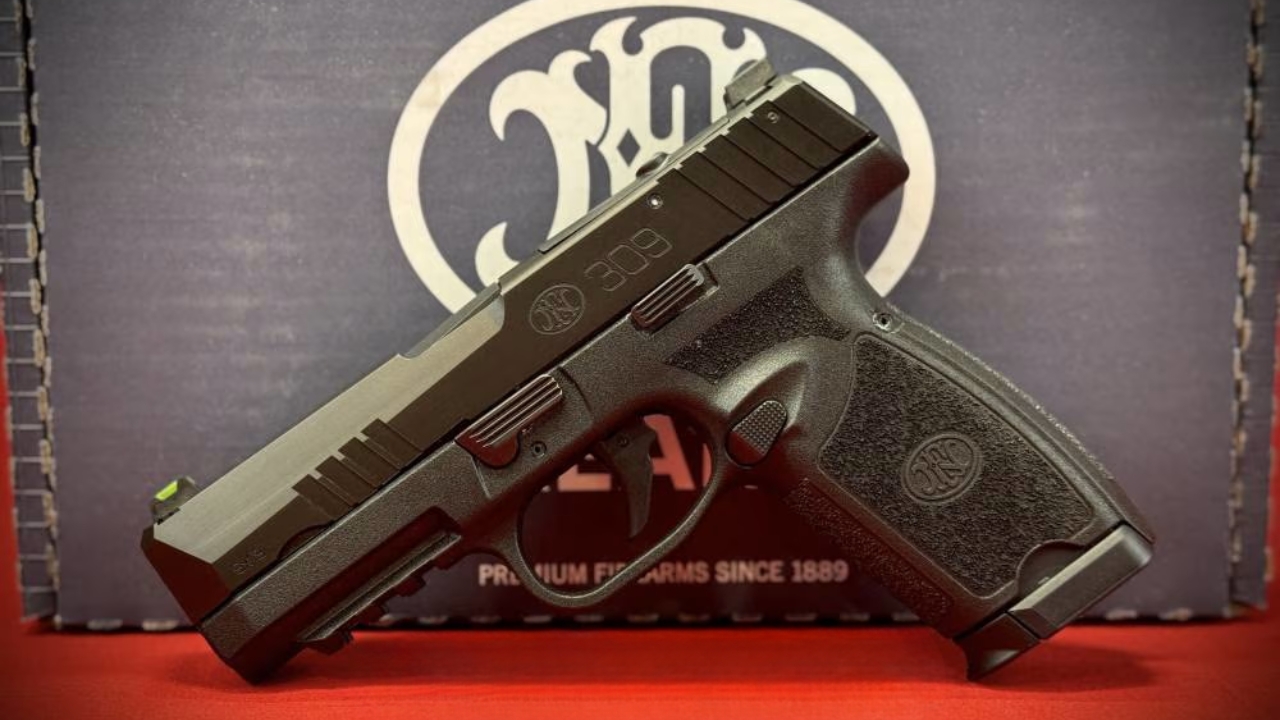
The FN 309 MRD is interesting because FN does not usually chase the cheapest corner of the pistol market. When FN releases a new handgun, buyers expect good build quality, clean controls, and a pistol that feels like it belongs in serious use. The 309 MRD showed up among the notable new pistol releases coming out of SHOT Show 2026 coverage.
The appeal is not that it will be the cheapest 9mm on the shelf. It is that FN tends to build pistols that feel more refined than the average striker-fired option. If the 309 MRD lands at a fair street price, it could be one of those guns that makes sense for buyers who want something newer but do not want to be unpaid beta testers for a weird design.
KelTec PR57
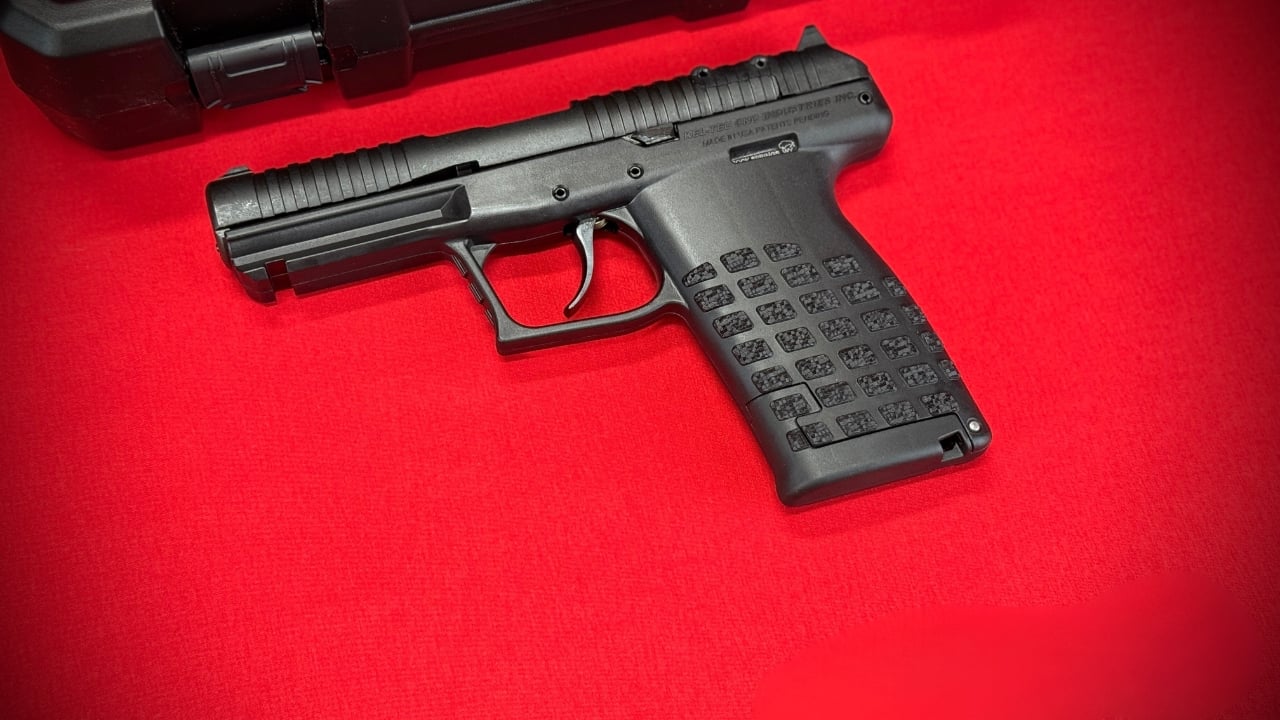
The KelTec PR57 is exactly the kind of oddball release that could still be worth the money for the right shooter. It takes the 5.7x28mm concept and brings it into a very lightweight pistol package, giving buyers another option in a caliber that has become much more common than it used to be. It was listed among new handgun releases for 2026 in SHOT Show coverage.
This is not going to be everyone’s carry gun, and that is fine. The value comes from being different in a way that actually serves a purpose. If someone wants low recoil, light weight, high velocity, and something more unusual than another polymer 9mm, the PR57 is at least fresh. In a market full of copycat pistols, that counts for something.
Springfield Armory Echelon 4.0FC
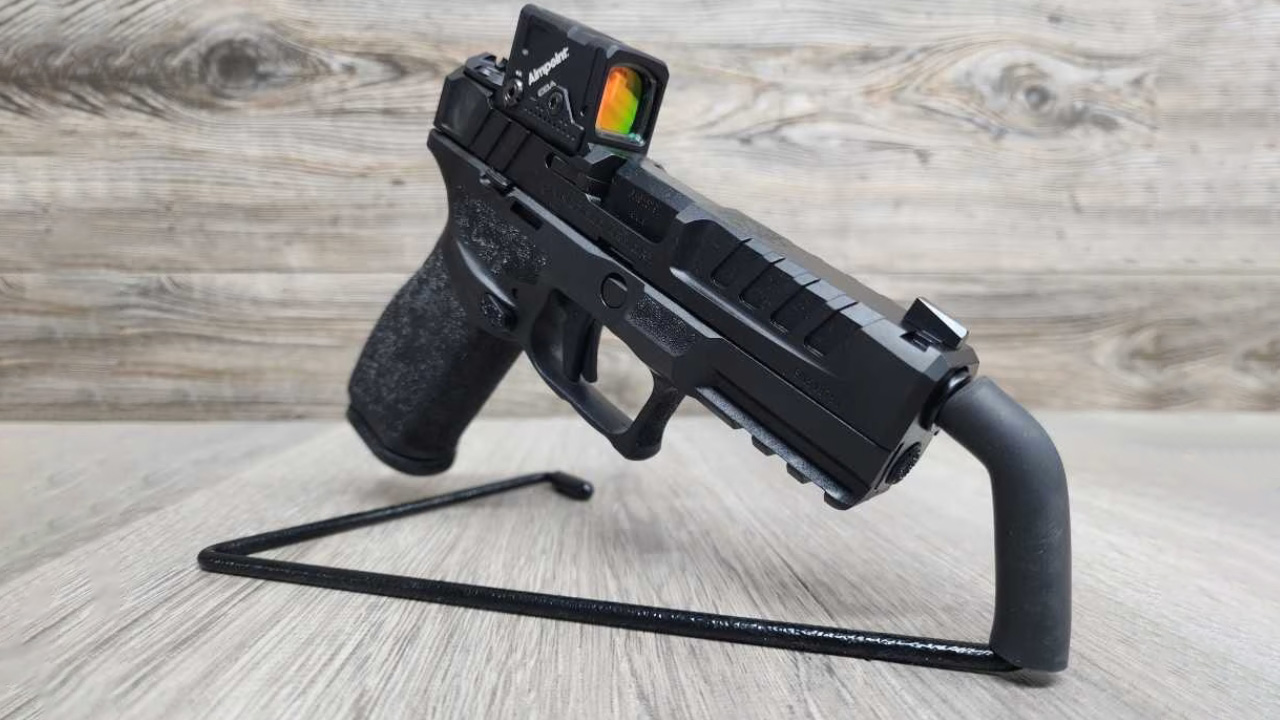
The Echelon 4.0FC is one of those crossover pistols that actually makes sense instead of feeling like a catalog filler gun. It uses the compact 4-inch slide with a full-size grip, giving shooters a shorter, easier-carrying top end with 17+1 capacity. That puts it in the same general lane as guns like the Glock 45, but with Springfield’s modular Central Operating Group and strong optic-mounting system. Guns.com listed it among its 2026 concealed carry picks and noted the 4-inch barrel, full-size grip, and 17+1 setup.
The value is in the format. A lot of shooters like compact slides but do not love giving up grip length, reload speed, or capacity. The 4.0FC gives you the part of the gun that helps with concealment without making the grip feel cramped. If someone already likes the Echelon but wants a more practical carry/duty size, this is probably the version that makes the most sense.
Taurus TX9 Compact
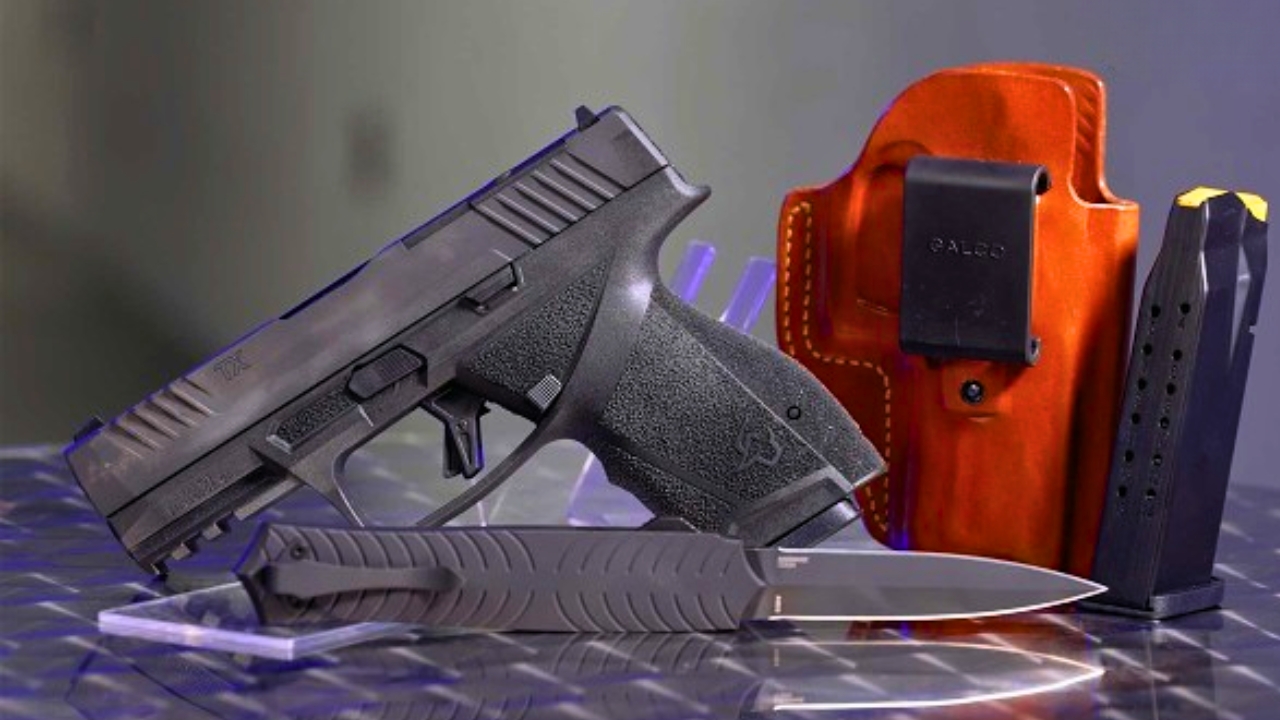
The Taurus TX9 Compact is worth watching because Taurus is finally trying to build a more serious duty-style 9mm instead of only chasing the bargain carry-gun crowd. American Rifleman described the TX9 line as Taurus USA’s first purpose-built, duty-grade striker-fired pistol platform, with full-size, compact, and subcompact versions.
That matters because Taurus already knows how to compete on price. If the TX9 Compact gives buyers decent reliability, optics support, and better long-term durability than the older Taurus reputation suggests, it could be a strong value pick. It does not need to beat Glock, Smith & Wesson, or SIG at everything. It just needs to give budget-minded shooters a modern 9mm that feels like it was built to be used hard, not just sold cheap.
Ruger Red Label III
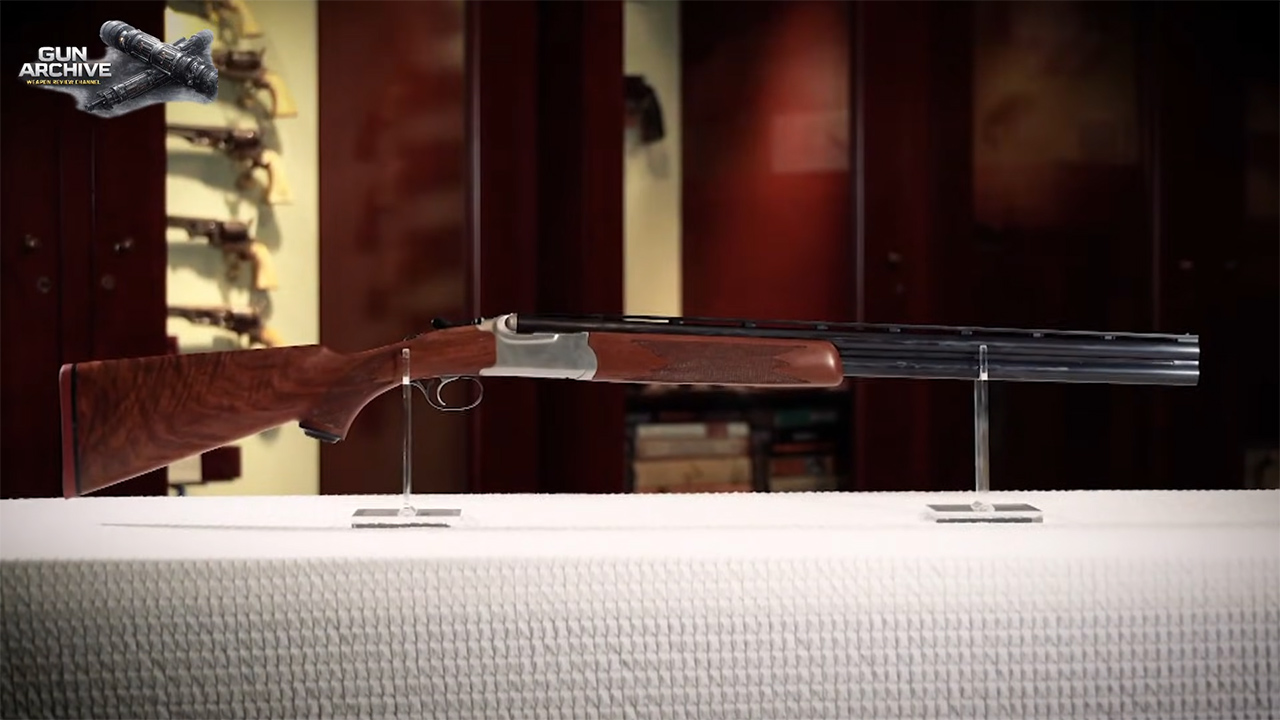
The Ruger Red Label III is a different kind of value pick because over-under shotguns can get expensive fast. Ruger bringing the Red Label back gives upland hunters, clay shooters, and waterfowl hunters another American-branded option in a market where prices can jump from basic to painful in a hurry. American Rifleman’s 2026 new-guns guide noted the Red Label III as a third-generation Ruger shotgun built by Connecticut Shotgun Manufacturing Company, with a hand-fitted locking system, blued barrels, ventilated rib, and five Tru-Choke tubes.
It is not going to be the cheapest shotgun in the safe, but that is not the point. The value is in getting a modern Red Label with real sporting-shotgun features instead of just another imported over-under wearing a familiar name. For someone who wants a field gun that can also handle clays, the Red Label III feels more useful than another tactical shotgun release nobody asked for.
Ruger Harrier
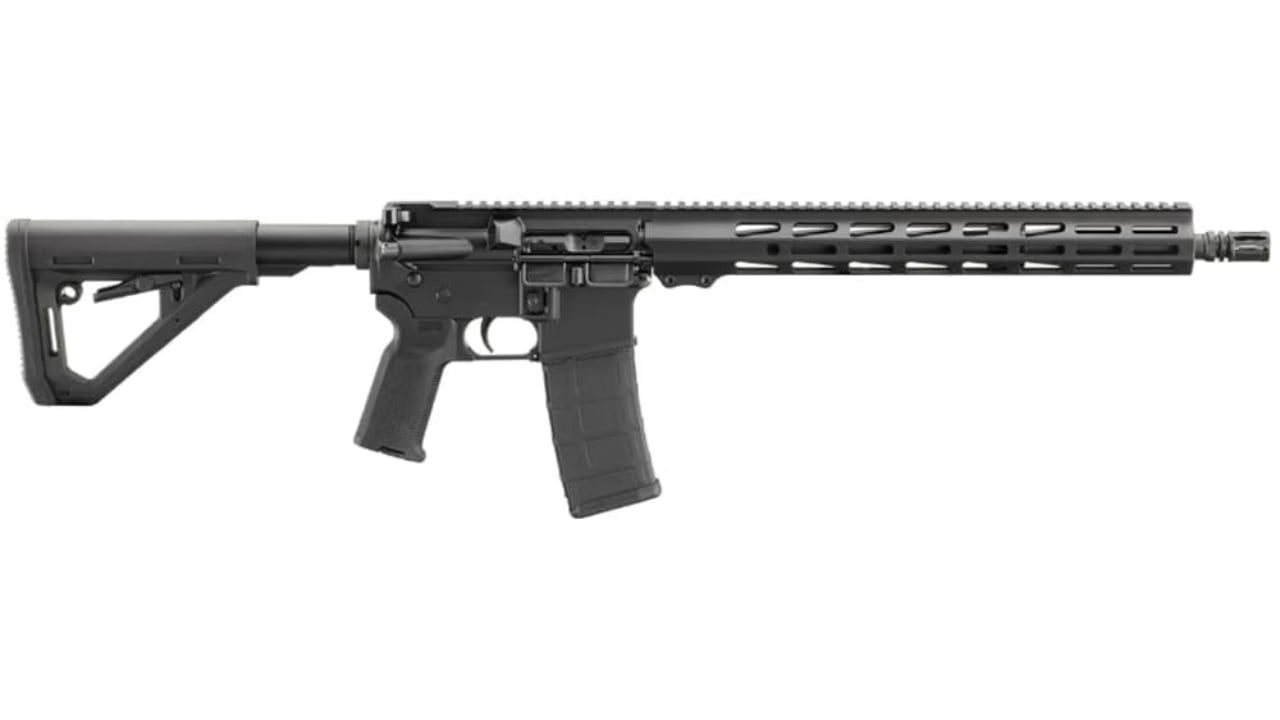
The Ruger Harrier is a smart release because Ruger’s AR-556 was always affordable, but it did not always feel exciting next to newer rifles with better factory features. The Harrier is Ruger’s newer AR-platform rifle line, replacing the AR-556 direction with a reworked modern sporting rifle built around improved fit, function, and aftermarket compatibility. Silencer Central reported that the Harrier line initially launched with two 5.56 NATO rifle models.
This is the kind of AR release that actually has a reason to exist. The market is packed with basic rifles, so a new one has to do more than wear a different handguard. If Ruger can keep the Harrier reasonably priced while improving the feel and factory setup, it becomes a practical buy for someone who wants a dependable AR without jumping into boutique rifle money.
Mossberg 990 SPX Magpul
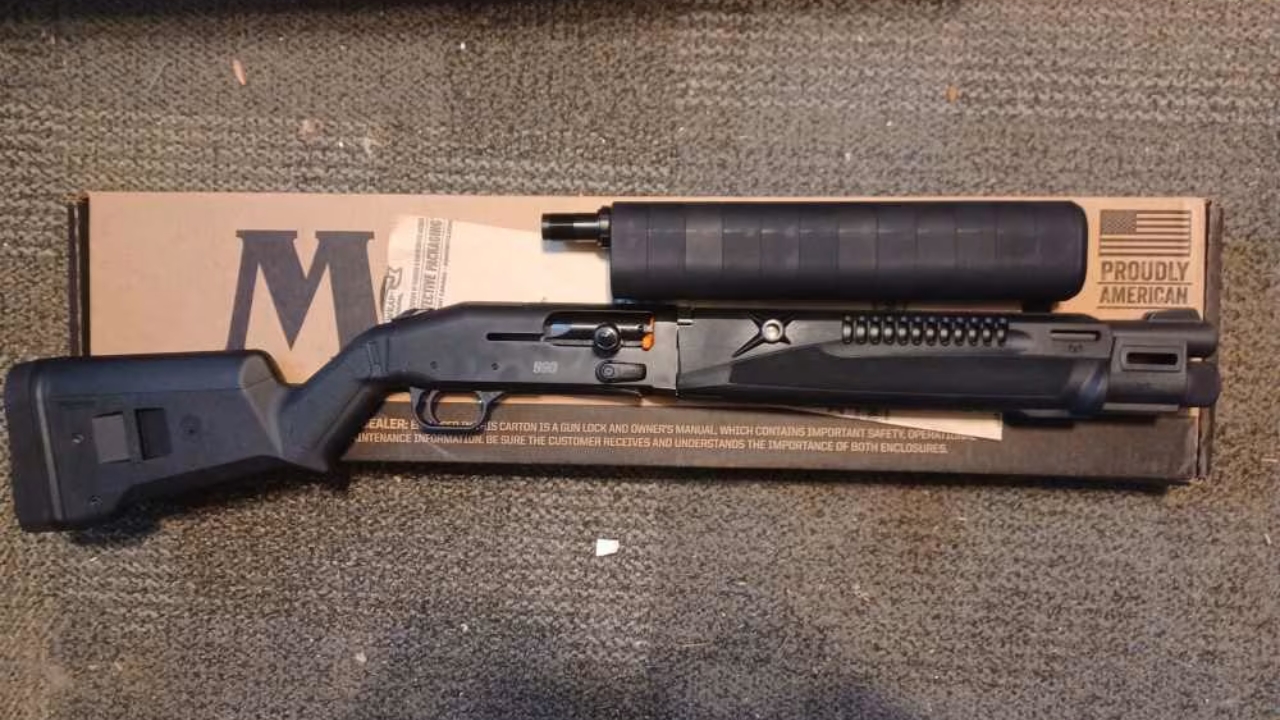
The Mossberg 990 SPX Magpul is worth including because semi-auto tactical shotguns are easy to overprice and underdeliver. This one gets attention by pairing Mossberg’s semi-auto shotgun platform with Magpul furniture and a defensive setup that should make sense right out of the box. USCCA listed the Mossberg 990 SPX Magpul Semi-Auto 12 gauge among notable new guns for 2026.
The reason it feels worth the money is that the defensive shotgun buyer usually ends up paying twice: once for the gun, then again for better furniture, controls, and accessories. If Mossberg is giving people a better-equipped shotgun from the start, that saves hassle and money. It also gives buyers another option below the very expensive imported tactical semi-autos.
Like The Avid Outdoorsman’s content? Subscribe to our newsletter so you never miss an article.
Here’s more from us: