Photo credit: MidwayUSA/YouTube
A used rifle is not always a compromise. A lot of the time, it is the smarter buy. When hunters go looking for certain older rifles on purpose, they are not chasing nostalgia alone. They are chasing actions they trust, stock shapes that still carry well, triggers they already understand, and designs that earned their reputations in deer camps, elk camps, and pickup racks long before the latest crop of rifles started fighting for shelf space. Many of these models stayed in production for decades, and a few still influence what new rifles are trying to be.
That is why the used market stays strong for certain names. You are often getting a rifle that has already proven it can hold up, feed right, and do honest hunting work without much drama. Some of these rifles are bought for value, some for feel, and some because hunters flat-out prefer them to newer options. Either way, nobody is buying these by accident.
Winchester Model 70

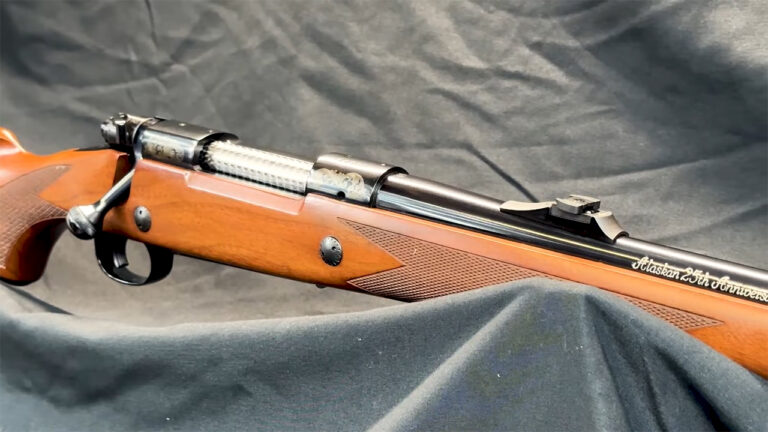
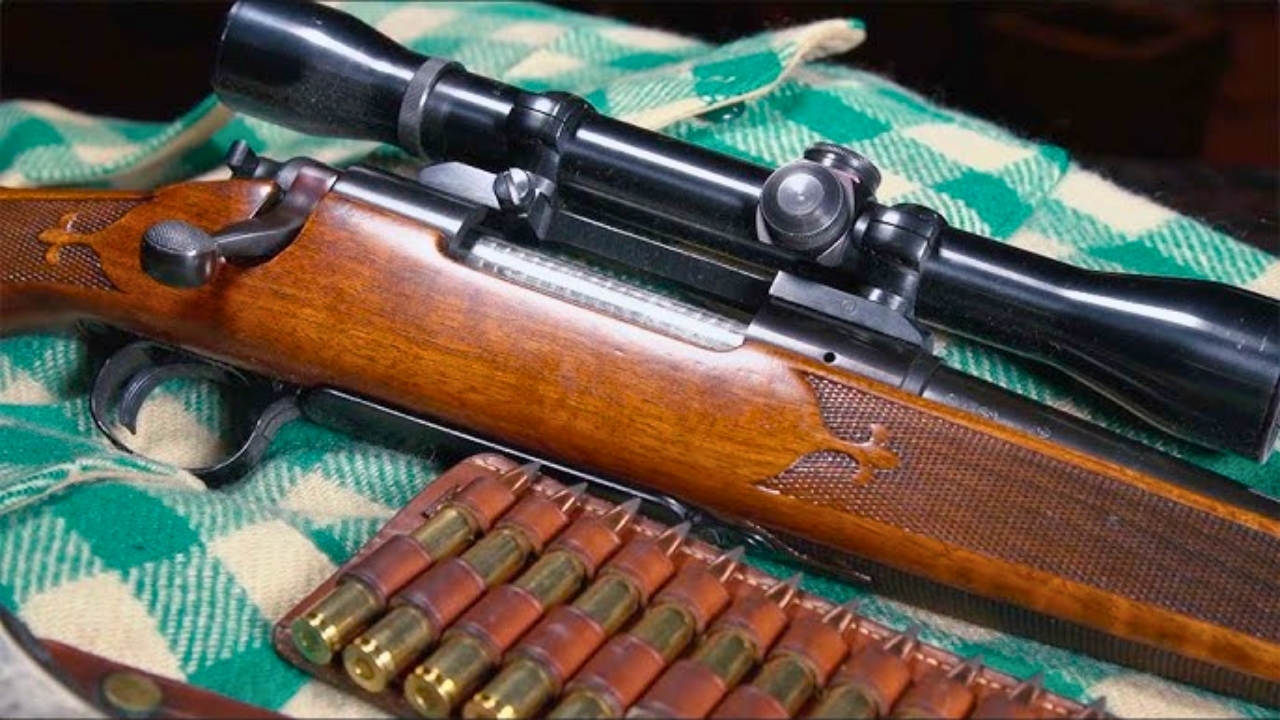
The Winchester Model 70 is one of the clearest examples of a rifle hunters seek out used because they already know what they are getting. Introduced in 1936, it built its reputation as a dependable sporting bolt gun and became so respected that “The Rifleman’s Rifle” stuck as more than a catchy nickname. Even now, older Model 70s carry weight with hunters who like controlled-feed actions, familiar handling, and the kind of fit that made these rifles standards in the first place.
A used Model 70 still makes sense because it feels like a real hunting rifle the moment you shoulder it. The balance is right, the action has authority, and the whole rifle tends to feel more grounded than many plastic-stock newcomers. If you want a bolt gun with history that still earns its keep in the field, this is one hunters keep buying on purpose.
Remington 700

The Remington 700 has been a used-rack favorite for years because it hits that sweet spot between familiarity, availability, and plain old usefulness. Introduced in 1962, it became one of the dominant American bolt-action hunting rifles and spread into just about every hunting role you can think of. That matters in the used market, because a rifle with that much reach usually has parts, mounts, knowledge, and smith support all over the place.
Hunters keep buying used 700s because they already know the platform and trust what it can do. A good one still carries easy, shoots well, and gives you a lot of chambering choices without making the rifle feel complicated. There are newer bolt guns everywhere, but a used 700 often feels like the safer bet if you want something proven, easy to set up, and still widely understood by the people who actually work on rifles.
Savage Model 99

The Savage 99 still pulls hunters in because it offers something newer rifles do not quite duplicate. It was a hammerless lever gun with a rotary magazine, later with detachable-magazine versions, and it stayed in production until 1997. That long run helped it build a serious following among deer and big-game hunters who liked a lever rifle that handled fast but was not limited the way many tubular-magazine guns were.
A used Model 99 makes sense for hunters who want character without giving up real function. It carries well, points naturally, and feels slimmer and handier than a lot of modern rifles with more bulk and less soul. Plenty of buyers know they are getting an older design, and that is exactly the point. They are choosing a rifle that still feels alive in the hands and still works in the woods where quick shots matter.
Marlin 336

The Marlin 336 is the kind of rifle hunters buy used because it has already proven what it is. Introduced in 1948, it became one of the classic American lever guns, especially in .30-30, where short-to-medium-range deer hunting is still real life for a lot of people. The side-eject design and solid-top receiver also made it easier to scope than some older lever rifles, which only added to its long-running appeal.
What keeps used 336s moving is how practical they remain. They are easy to carry, quick to shoulder, and built around the kind of hunting most people actually do instead of the kind they talk about online. In thick woods, creek bottoms, and brushy edges, a worn but sound 336 still feels more useful than a lot of heavier, longer rifles with bigger paper numbers and less real-world charm.
Savage 110

The Savage 110 keeps drawing used buyers because it built its name on straightforward value and honest performance. Savage notes that it was first introduced in 1958, and that long production life helped it become one of the most familiar American bolt-action platforms around. It never needed to be fancy to stay relevant. Hunters kept buying it because it gave them a workable action, useful chamberings, and a reputation for solid accuracy at a price a lot of people could live with.
A used 110 still appeals for the same reason. You can pick one up, mount glass, and head to the range without feeling like you bought a museum piece or a fashion statement. It is a rifle people buy because they want function first. If you are the kind of hunter who values results more than polish, an older 110 still makes a lot of sense.
Ruger M77

The Ruger M77 has the kind of following that only comes from years of honest field use. By 2018, American Rifleman was calling it a rifle that had been around for half a century, and that staying power tells you a lot before you even cycle the bolt. The M77 earned respect as a rugged American bolt gun that gave hunters a dependable working rifle without forcing them into premium-rifle money.
Hunters keep buying used M77s because they tend to feel sturdy in a way many newer rifles do not. They have substance. The stocks, metalwork, and overall handling often feel made for actual seasons outdoors, not for a quick sales pitch. If you find a good older M77, you are getting a rifle that already survived years of hunting life and still has plenty left. That kind of track record is hard to ignore.
Browning BAR

The Browning BAR stays desirable on the used market because it gave hunters a semi-auto that felt like a serious sporting rifle instead of a novelty. Browning’s own history notes that the BAR was introduced in the late 1960s, and it went on to become one of the most recognized semi-automatic hunting rifles in the country. That matters because semi-auto hunting rifles do not keep a loyal following for decades unless they are actually doing something right.
A used BAR still appeals to hunters who want fast follow-up shots without carrying a rifle that feels crude or awkward. It has always been a little smoother and more refined than people expect from a hunting autoloader. For deer drives, hog hunting, or any situation where a second shot might come fast, an older BAR still looks like a smart buy rather than a compromise.
Winchester 94

The Winchester 94 is one of those rifles people buy used because the used one is often the one they actually want. Designed in the 1890s and made in huge numbers, it became one of the best-known hunting rifles in America, especially once .30-30 became tied to it. American Rifleman still describes it as a bestseller more than a century after its introduction, and that kind of staying power is no accident.
Hunters keep seeking older 94s because the rifle still makes sense in the woods. It is light, quick, and easy to carry all day without feeling like you are hauling a fence post. In tight cover, on stands, or riding in a truck, a good used 94 still does exactly what generations of hunters bought it to do. Some rifles age out. This one never really did.
Browning BLR

The Browning BLR keeps showing up on purpose buys because it gives hunters lever-action handling with a more modern appetite for cartridges. Browning notes that full production began in 1971, and the rifle built its place by offering a detachable box magazine and chamberings that pushed beyond what many traditional lever guns were built around. That gave hunters a lever rifle that felt quicker than a bolt gun without being boxed into old limitations.
A used BLR still attracts buyers because it fills a niche few rifles cover as neatly. It carries like a lever gun, points quickly, and still lets you run pointed bullets in common hunting rounds. For the hunter who wants something handier than a long bolt rifle but more flexible than a classic tube-fed lever gun, an older BLR often feels like exactly the right answer.
Remington 760 Gamemaster

The Remington 760 Gamemaster is one of those rifles that makes perfect sense once you have hunted with one. RemArms’ history page notes that it was introduced in 1952 and ran until 1981, with more than a million made. That production volume is a clue. Hunters do not keep buying a pump-action centerfire rifle in those numbers unless it is solving real problems in the field.
Used 760s still move because they are fast, familiar, and well suited to the kind of snap-shot deer hunting common in thick country. If you grew up around shotguns, the manual of arms feels natural, and the rifle can be run quickly without much thought. A lot of hunters buy these used because they know exactly what they want: a fast-handling woods rifle that has already proven itself over decades.
Ruger No. 1

The Ruger No. 1 is a different kind of used-rifle buy. People are not picking it because it is the easiest or cheapest option. They buy it because they want a strong single-shot with style, balance, and a feel you do not get from the average bolt action. Ruger’s own product-history records show the No. 1 dates back to the late 1960s, and it has held onto its place as a respected hunting rifle ever since.
Hunters keep buying used No. 1s because the rifle still feels special without feeling fragile. It carries compactly for its barrel length, and the single-shot action forces you to slow down in a way some hunters genuinely like. It is not for everybody, and that is part of the draw. A good used No. 1 feels like an intentional choice by someone who values craft and confidence over extra rounds.
Weatherby Mark V

The Weatherby Mark V keeps a loyal used following because it has always stood for a certain kind of hunting rifle: strong, accurate, and built with enough confidence to handle hard-hitting cartridges. Weatherby says the Mark V was introduced in 1958 as its first bolt-action platform and designed to be the strongest action in the world. Whether a buyer is chasing magnum performance or simply likes the rifle’s identity, that reputation still carries weight.
A used Mark V still appeals because it offers more than velocity talk. It has presence. The action is smooth, the rifle feels substantial, and it carries a kind of old-school prestige that a lot of mass-market rifles never touch. Hunters buy these used because they want a rifle with real character and proven backbone, not just another synthetic-stock tool that looks like everything else on the rack.
Winchester Model 88
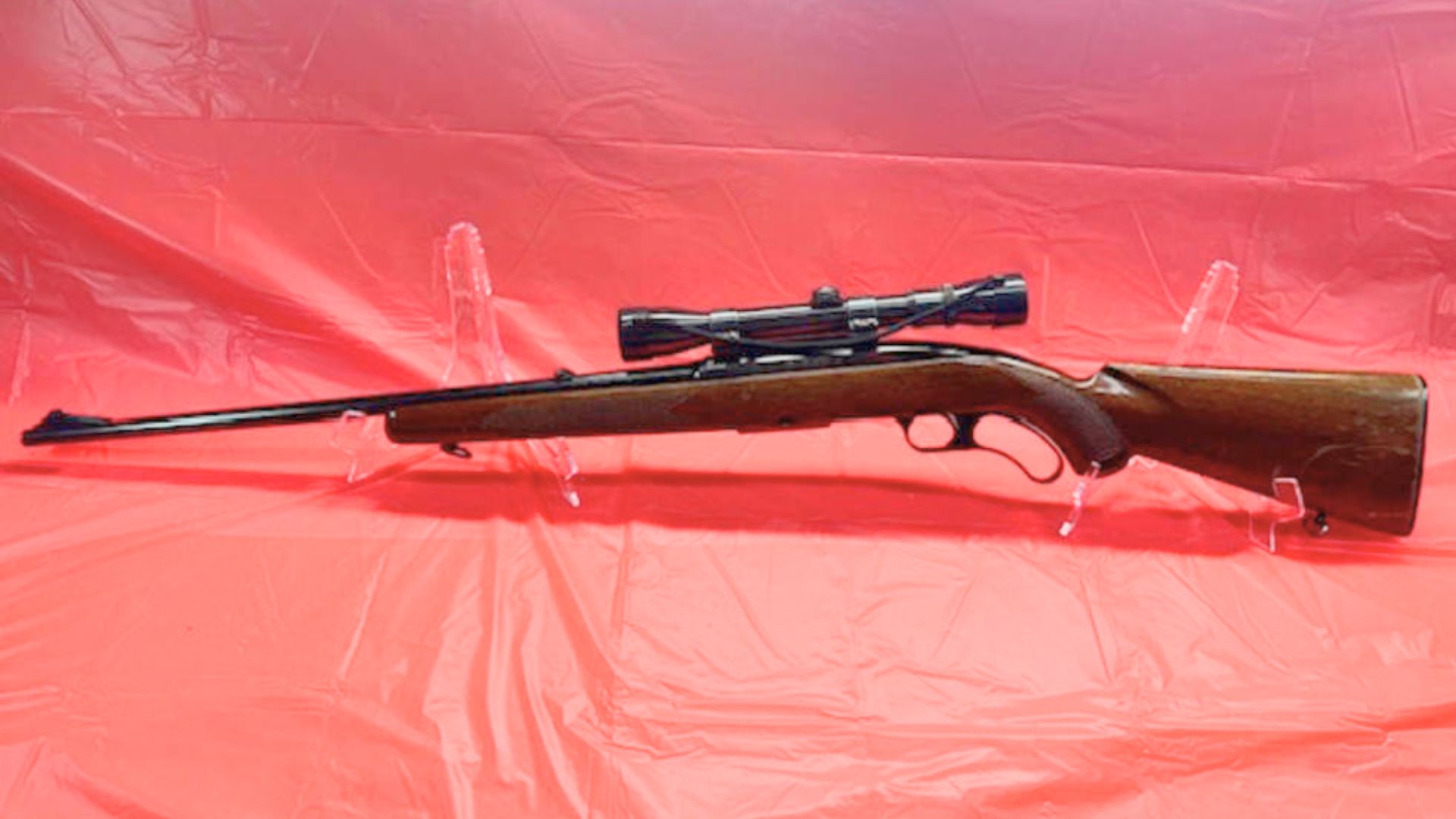
The Winchester Model 88 is one of the more interesting rifles hunters still hunt down used because it gave them something uncommon: a lever gun that behaved more like a modern rifle. American Hunter notes that Winchester introduced it in 1955 with a detachable box magazine, which let hunters use spitzer bullets and helped separate it from more traditional lever actions. That changed what a lever rifle could be in the eyes of a lot of deer and elk hunters.
Used Model 88s still attract buyers because they feel quick and lively without giving up much in practical performance. They have a loyal crowd of hunters who like the compact feel, the cleaner profile, and the fact that the rifle still does something a little different. It is not the most common used lever rifle, and that is exactly why many buyers keep reaching for it.
Remington 721 and 722

The Remington 721 and 722 are the kind of older rifles hunters buy used because they know they are getting the bones of something important. Remington made them from 1948 until the early 1960s, and they became the foundation the Model 700 would later build on. Even today, the rifles keep a good reputation for accuracy and straightforward usefulness, which is why they still get picked up by hunters who know what they are looking at.
A used 721 or 722 often appeals to the hunter who cares more about performance than polish. They are plain in some ways, but that simplicity is part of the charm. The action is strong, the rifles tend to shoot well, and they offer a lot of old-school value if you find one in solid shape. People buy these on purpose because they see a trustworthy hunting rifle, not because they are chasing a trend.
Sako L61R Finnbear

The Sako L61R Finnbear still gets bought used because it built a reputation for being a serious rifle in an era full of serious rifles. Sako’s own “Legendary Sako Rifles” page identifies the L61R Finnbear as a 1961 model, and Field & Stream notes it ran through the early 1970s. Those dates matter less than what they produced: a long-action rifle many hunters came to see as one of the finer production guns of its time.
Hunters keep chasing used Finnbears because they tend to have the kind of fit, finish, and smoothness that still stand out. The action feels refined, the rifles balance well, and there is a confidence to them that is hard to fake. If you want a used rifle that feels a step above ordinary without turning into pure collector bait, an older Finnbear still makes a very convincing case.
Pre-64 Winchester 94
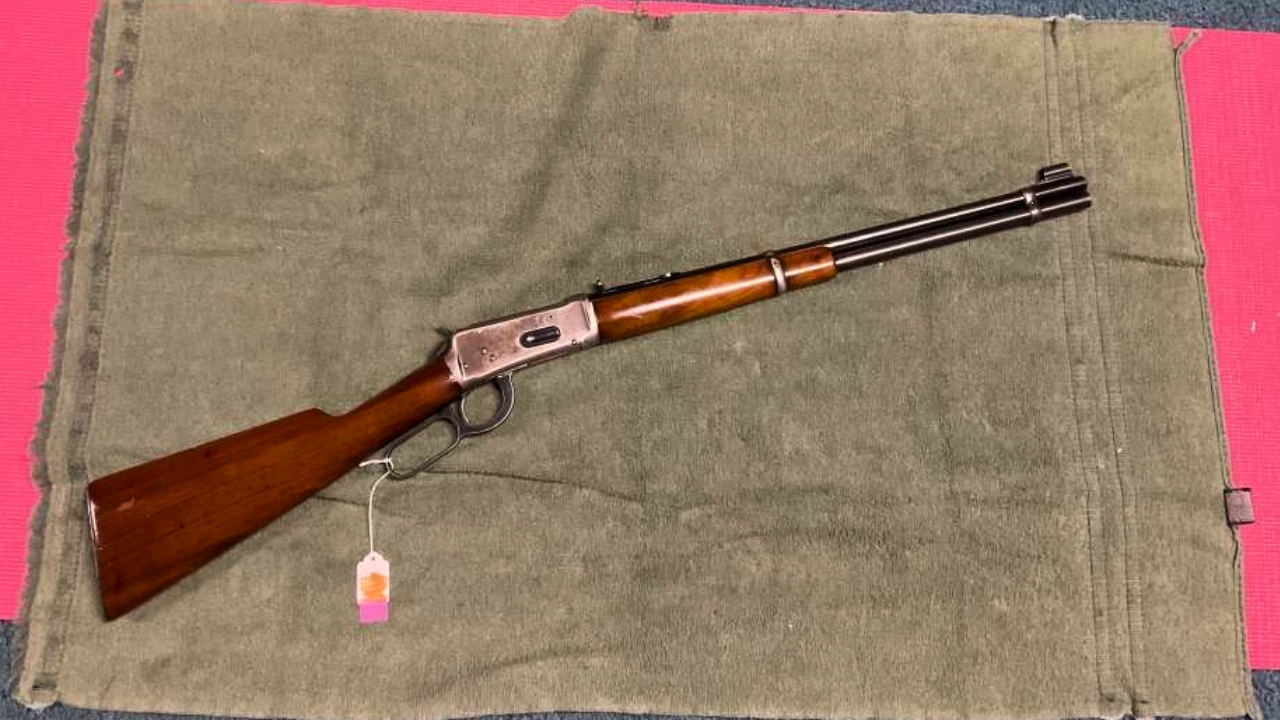
A pre-64 Winchester 94 deserves its own spot because many hunters are not merely buying a used Model 94—they are buying one made before the 1964 cost-cutting changes. Sources on the Model 94 note that the pre-64 guns bring a premium, and there is a reason for that. For a lot of buyers, those earlier rifles represent the older Winchester feel they actually want when they go looking for a traditional lever gun.
Hunters keep buying pre-64 94s on purpose because they are after that older fit, machining, and overall character. They want the rifle their father carried, or the version they believe best represents the classic Winchester woods gun. Whether you agree with every bit of the pre-64 mystique or not, the demand is real. These rifles do not get chosen by accident. They get chosen because people know exactly what era they want.
Like The Avid Outdoorsman’s content? Subscribe to our newsletter so you never miss an article.
Here’s more from us: