Photo credit: GUNS/YouTube.
The Beretta 21A Bobcat is one of those pistols that a lot of shooters know as a tiny pocket gun, but the real story is that it carved out a very specific niche by doing a few things differently from most other mouse guns. It is a compact semi-automatic pistol that has been in production since 1984, and one of its defining traits is the tip-up barrel system that lets the shooter load or unload the chamber without racking the slide. That feature is central to why the Bobcat has stayed memorable for so long.
What makes the 21A especially interesting is that it was never just a generic backup pistol. It grew out of Beretta’s earlier mini-pistol line, it came in both .22 LR and .25 ACP, and it kept a traditional DA/SA, exposed-hammer setup at a time when many tiny carry pistols were moving in other directions. It also became one of the best-known modern Beretta pocket pistols, right alongside the Tomcat.
1. The 21A Bobcat has been around since 1984

A lot of shooters assume the Bobcat is newer than it really is, probably because it still looks fairly current in the pocket-pistol world. But the reference history says production began in 1984, and Handguns magazine also says Beretta released the Model 21A in 1984.
That gives the pistol a much longer life than many people realize. The 21A is not some short-lived oddball. It is a long-running Beretta mini-pistol that managed to survive several major eras of concealed-carry trends.
2. It grew out of the earlier Beretta Model 20
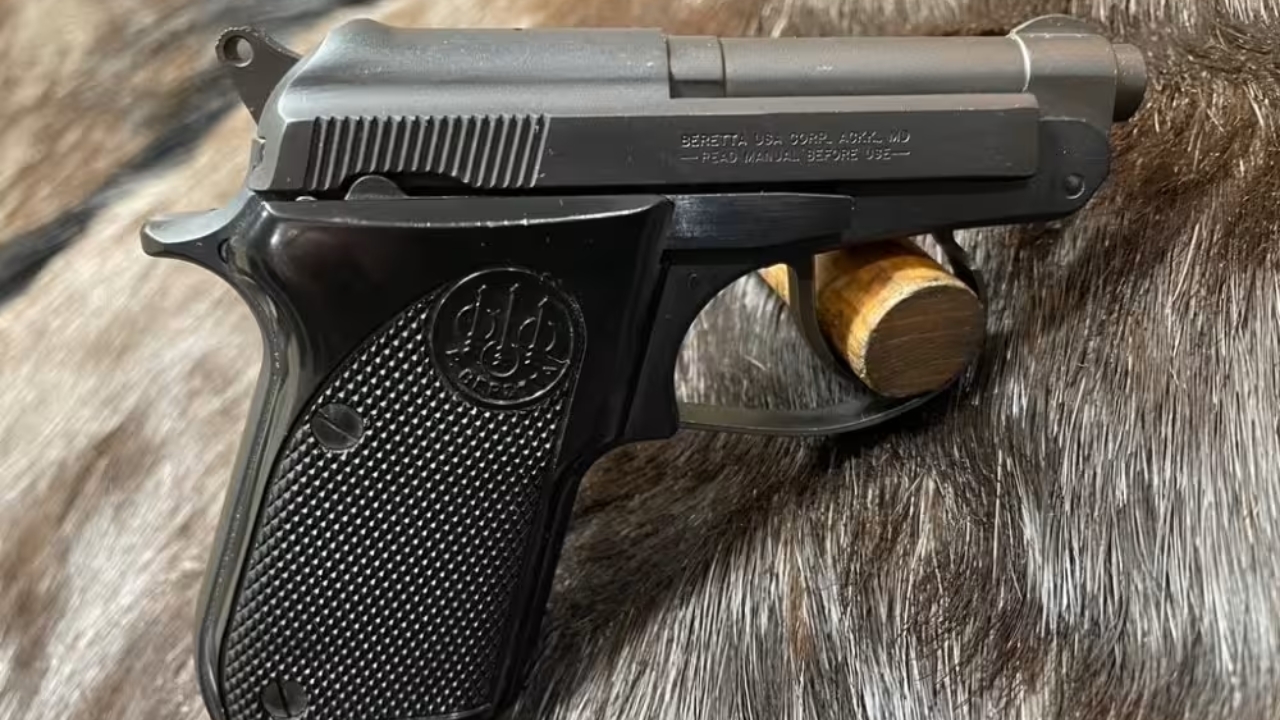
The 21A did not come out of nowhere. The reference history says it is a further development of the Beretta Model 20, and Handguns magazine says the 21A was similar in design to the Model 20 while expanding the chambering options.
That matters because the Bobcat was part of a longer Beretta mini-pistol lineage. It was not a one-off experiment. It was Beretta refining a concept it already understood.
3. The tip-up barrel is the whole reason the Bobcat stands out

The 21A’s most famous feature is the tip-up barrel. American Rifleman says the barrel unlocks by the flick of a frame-mounted lever, allowing the chamber to be loaded or unloaded with the slide closed. The reference history says this is the defining feature of the design.
That sounds like a novelty until you think about what it does for real users. It can make the gun much easier to handle for people with limited hand strength or anyone who struggles with racking a tiny slide.
4. It was designed with easy loading in mind

American Rifleman specifically says the tip-up arrangement is appealing to folks with limited dexterity because it makes the pistol quick and safe to load or unload.
That is one of the Bobcat’s most practical strengths. A lot of tiny pistols are harder to manipulate than larger guns, but the 21A’s design tried to solve that problem instead of accepting it.
5. The 21A came in both .22 LR and .25 ACP
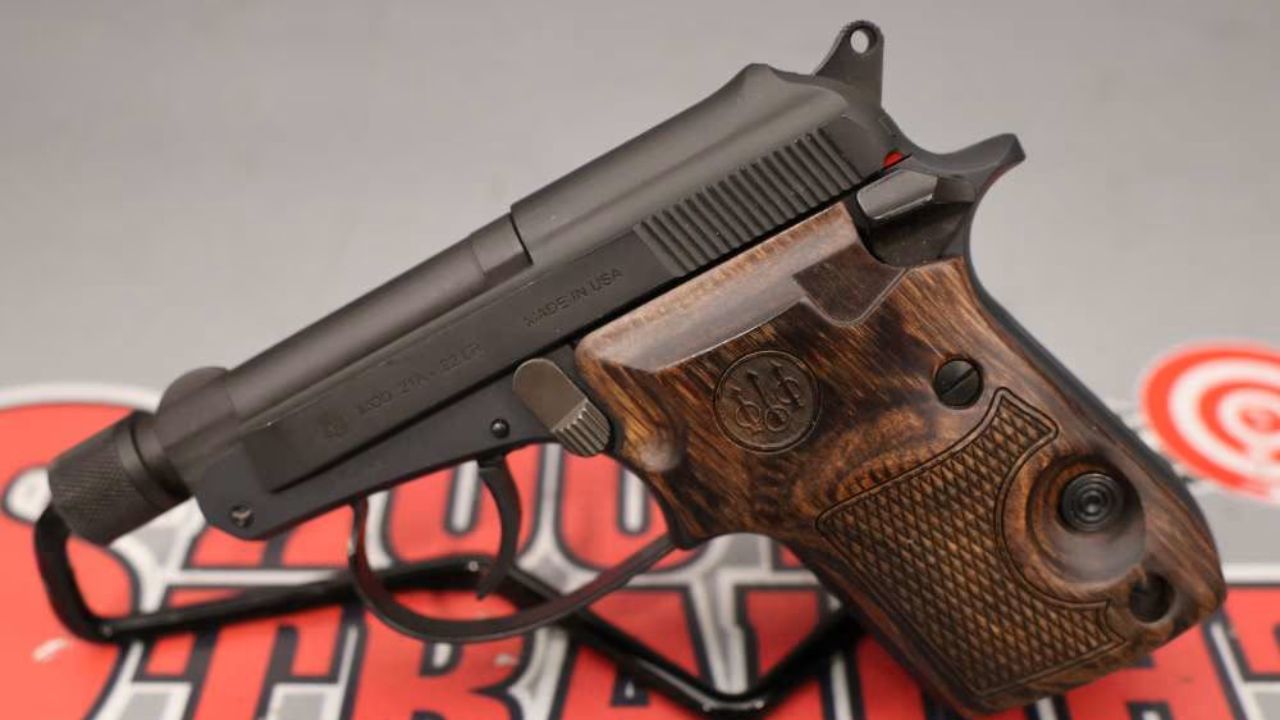
A lot of shooters know the Bobcat mainly as a .22 LR pistol, but the reference history says it was available in either .22 LR or .25 ACP. Handguns magazine says that adding .22 LR alongside the .25 option was one of the key differences from the older Model 20.
That chambering mix helped widen the pistol’s appeal. Buyers could choose the cheaper, more available rimfire route or stick with the traditional .25 Auto pocket-pistol formula.
6. Capacity depends on the chambering
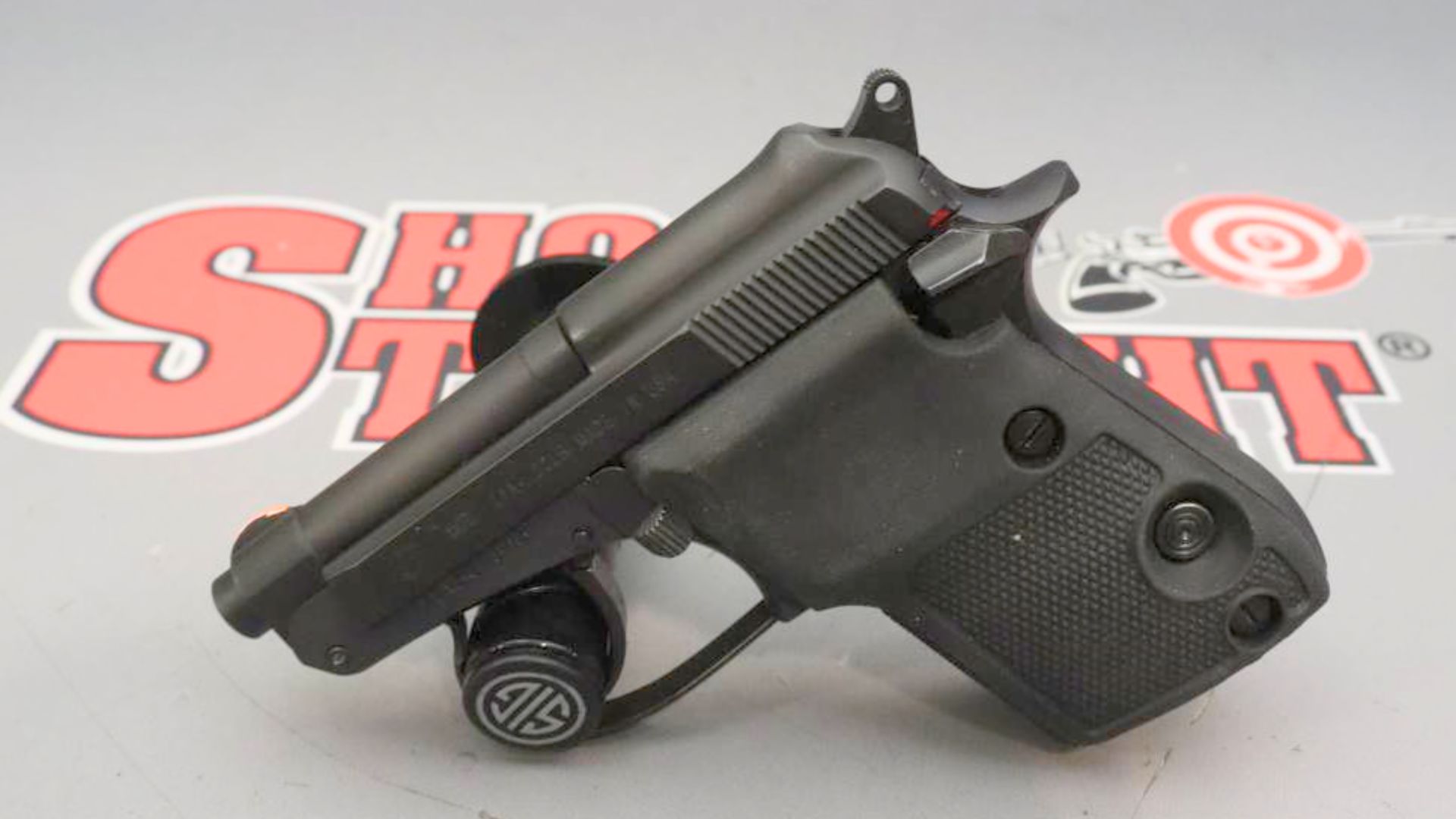
The reference history says the .22 LR version uses a 7-round magazine, while the .25 ACP version uses an 8-round magazine.
That is a small but useful detail because people often talk about “the Bobcat” like every version is the same gun. The caliber choice changed both the magazine capacity and, to some extent, the role the gun was likely to fill.
7. It is a DA/SA pistol with an exposed hammer
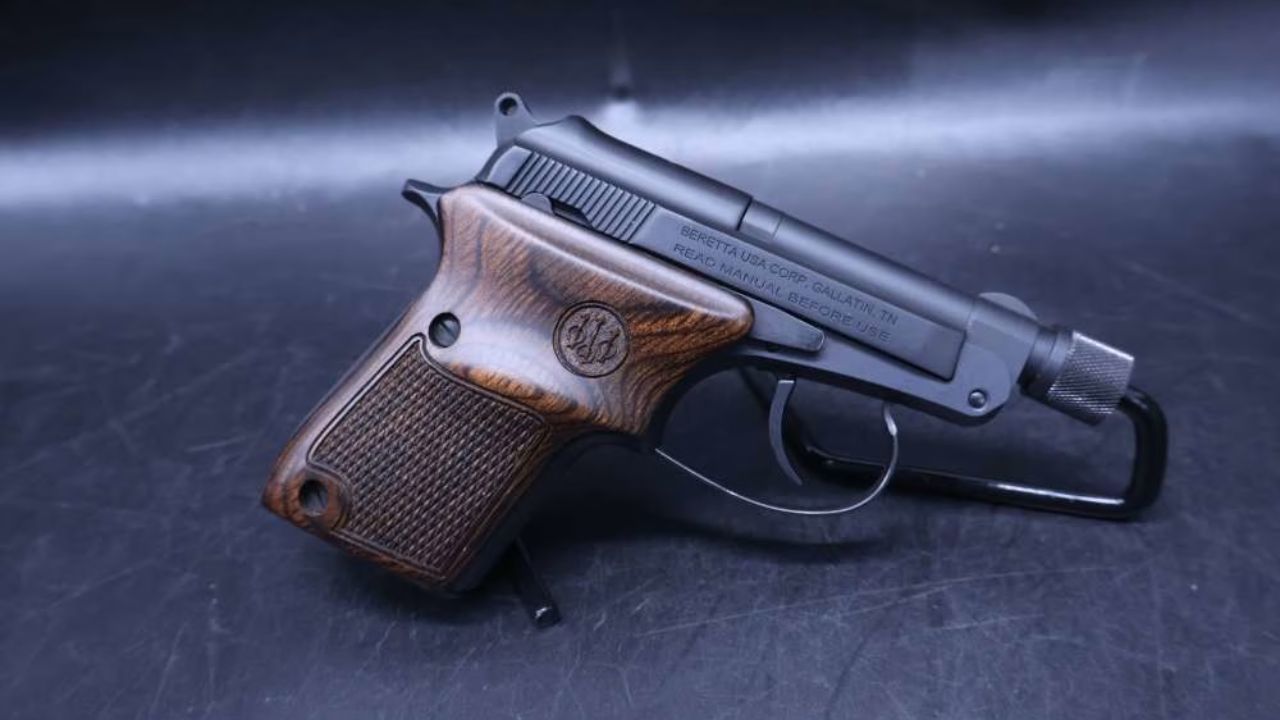
The reference history says the 21A uses a single-action/double-action trigger mechanism and an exposed hammer.
That gives the pistol a very different feel from many modern pocket guns. The Bobcat stays rooted in a more traditional small-pistol manual-of-arms instead of chasing the newer striker-fired style.
8. It is a straight blowback pistol
The 21A uses simple blowback operation, according to the reference history. American Rifleman also describes it as operating like a traditional fixed-barrel self-loader, just with the added tip-up system.
That is important because it helps explain both the gun’s simplicity and some of its quirks. The Bobcat was not meant to be mechanically complicated. It was meant to be a compact, easily carried pistol built around a straightforward operating system.
9. It does not use an extractor in the usual way

One of the more unusual details in the reference history is that the Bobcat was designed without an extractor, relying on pressure from the fired round to blow the empty case from the chamber. The same source says this makes the pistol more sensitive to ammunition choice for dependable operation.
That is a big reason the 21A’s reputation can vary from owner to owner. Tiny pistols are already less forgiving than larger guns, and the Bobcat’s design means ammo selection matters more than some people expect.
10. The ejection path is unusual too
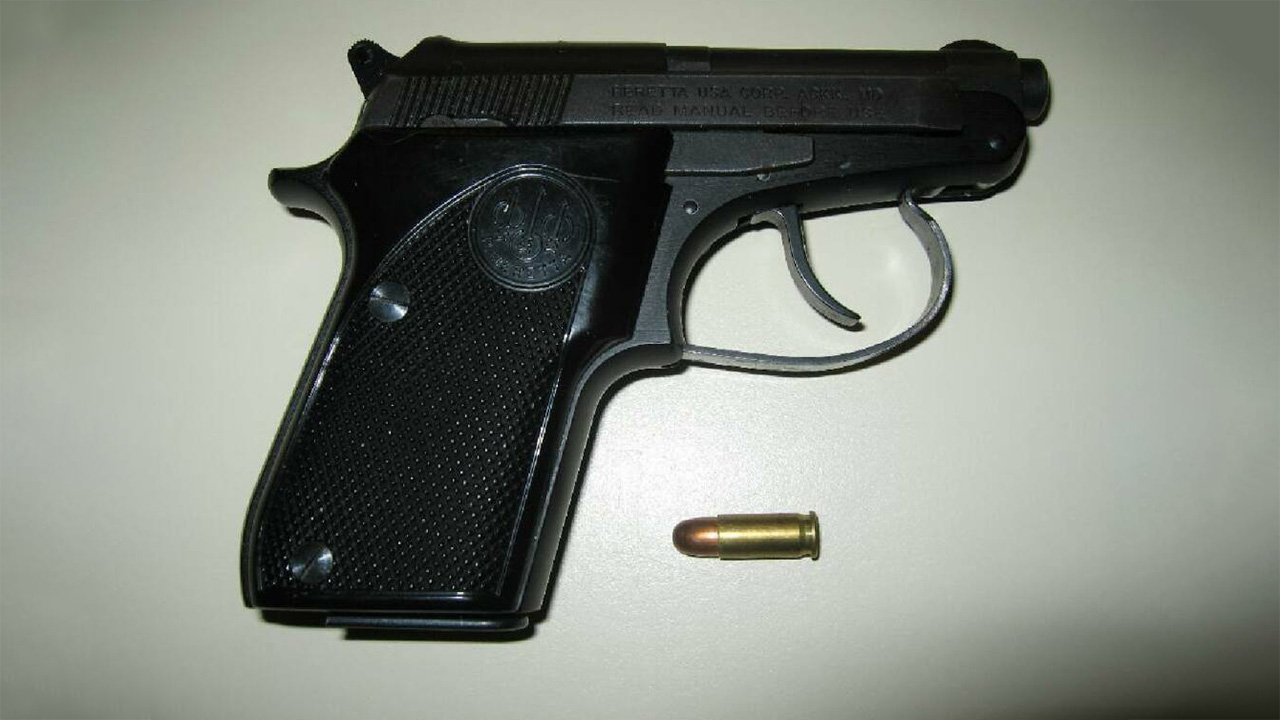
The reference history says the 21A ejects spent brass backward and upward rather than out to the side like most semi-automatic pistols.
That is one of those little traits that helps make the Bobcat memorable. Even among tiny pistols, it does a few things its own way.
11. The frame is aluminum alloy
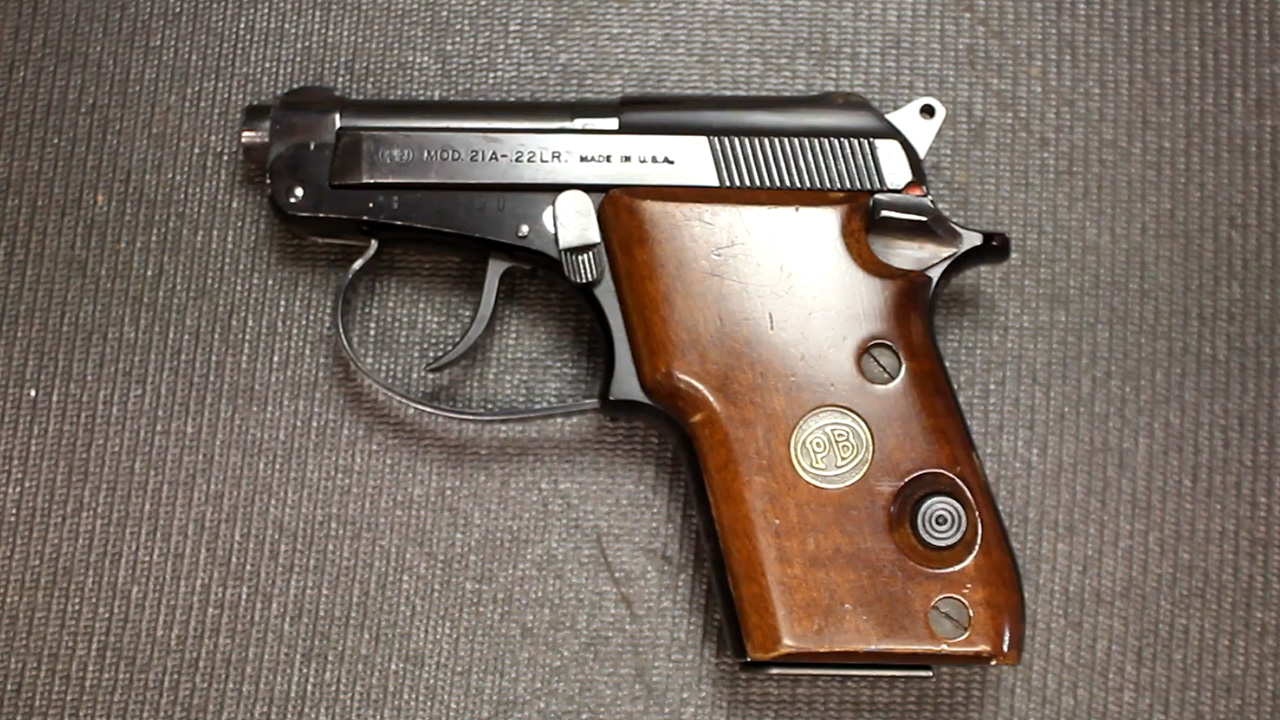
The reference history says the frame is made from aluminum alloy, while the barrel and slide are carbon steel or stainless steel depending on the version.
That material mix makes sense for a pocket pistol. It keeps the gun light enough to carry while preserving steel where it matters most for the upper assembly.
12. The Inox version is not fully stainless
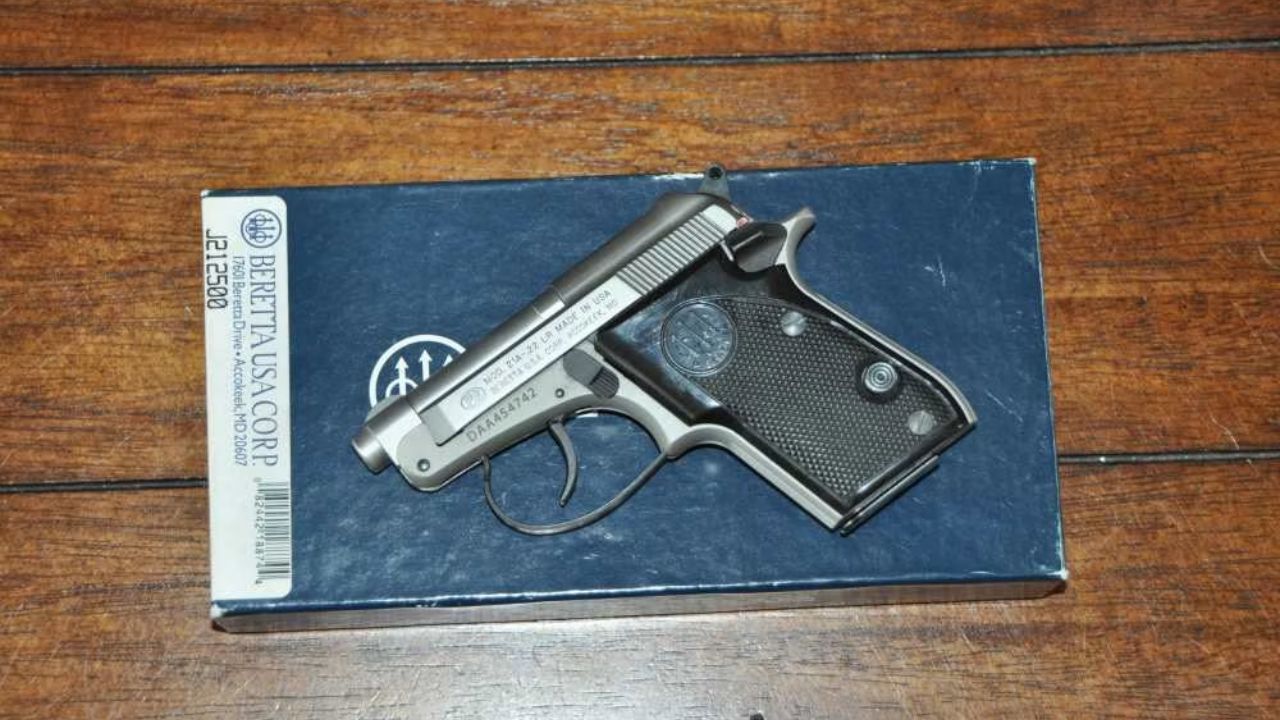
A lot of people hear “Inox” and assume the whole pistol is stainless. The reference history says that on the .22 LR Inox version, only the barrel and slide are stainless steel, while the alloy frame uses a matte light gray Bruniton coating.
That is a useful little distinction for collectors and buyers because the Inox look is part stainless styling and part coated-alloy construction, not full stainless throughout.
13. It was aimed at deep concealment from the beginning
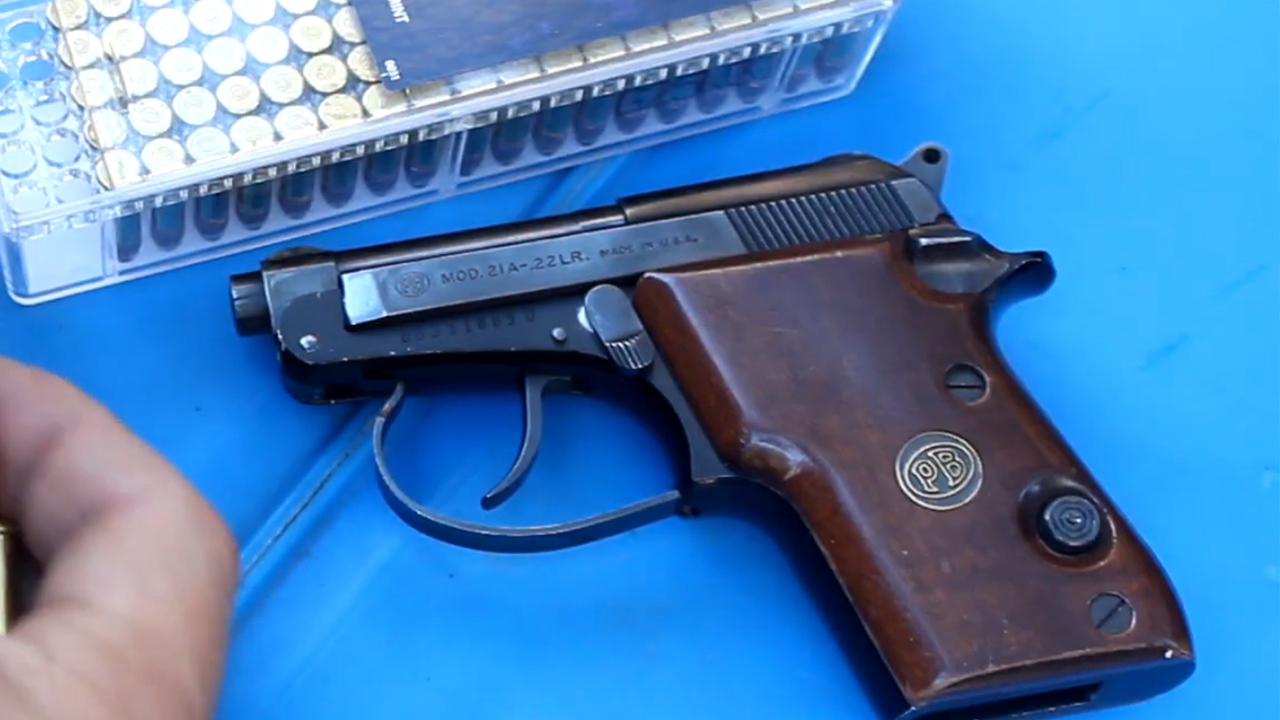
Handguns magazine says the tiny 21A became popular with people seeking ultimate concealment, whether as a primary or backup handgun. The reference history also says Beretta intended it for off-duty police and carry-permit holders seeking a highly concealable self-defense pistol.
That tells you exactly where the Bobcat fit in the market. It was not built to be a target pistol or a duty-size sidearm. It was built to disappear into a pocket or serve as a backup gun.
14. There was a Covert version with suppressor-friendly appeal
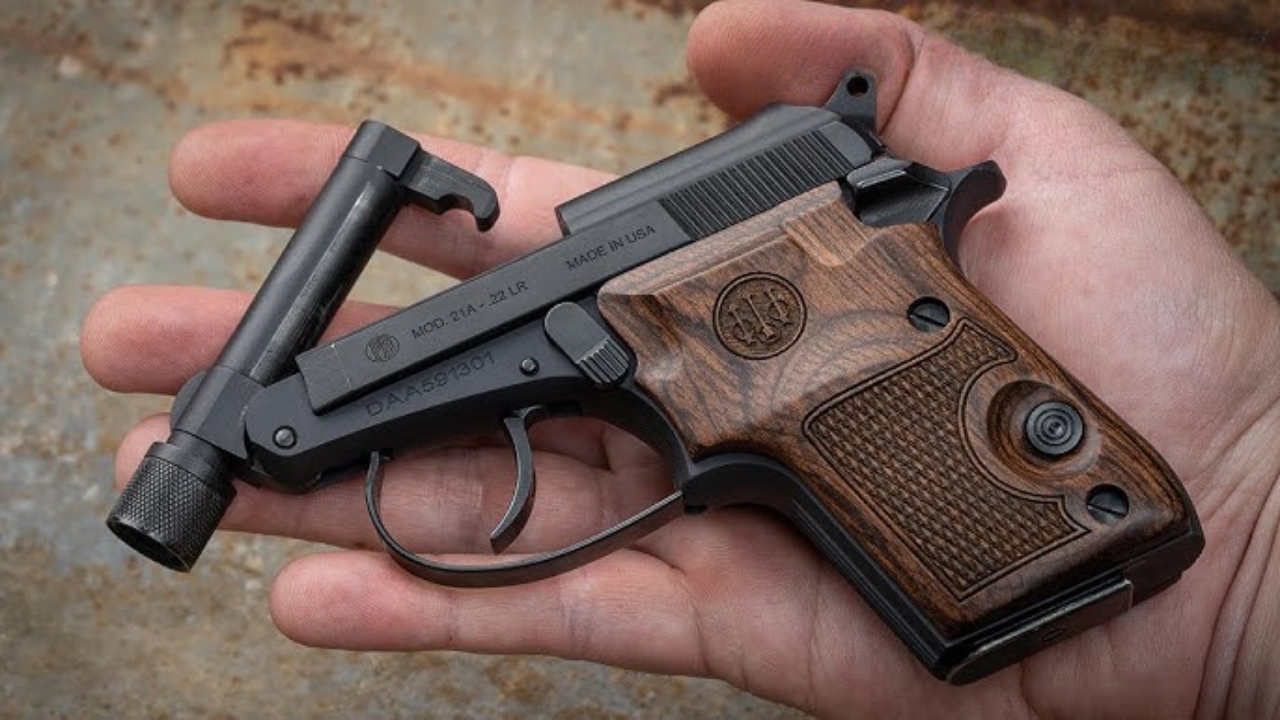
Shooting Illustrated’s 2021 review covered the Beretta 21A Bobcat Covert, which was a distinct variant that kept the little pistol relevant for buyers who liked its traditional styling but wanted a more specialized setup.
That is pretty interesting because it shows the 21A did not just survive as a static legacy gun. Beretta found ways to keep the platform appealing to newer shooters too.
15. Its biggest legacy is that it made the tiny pocket pistol feel more approachable
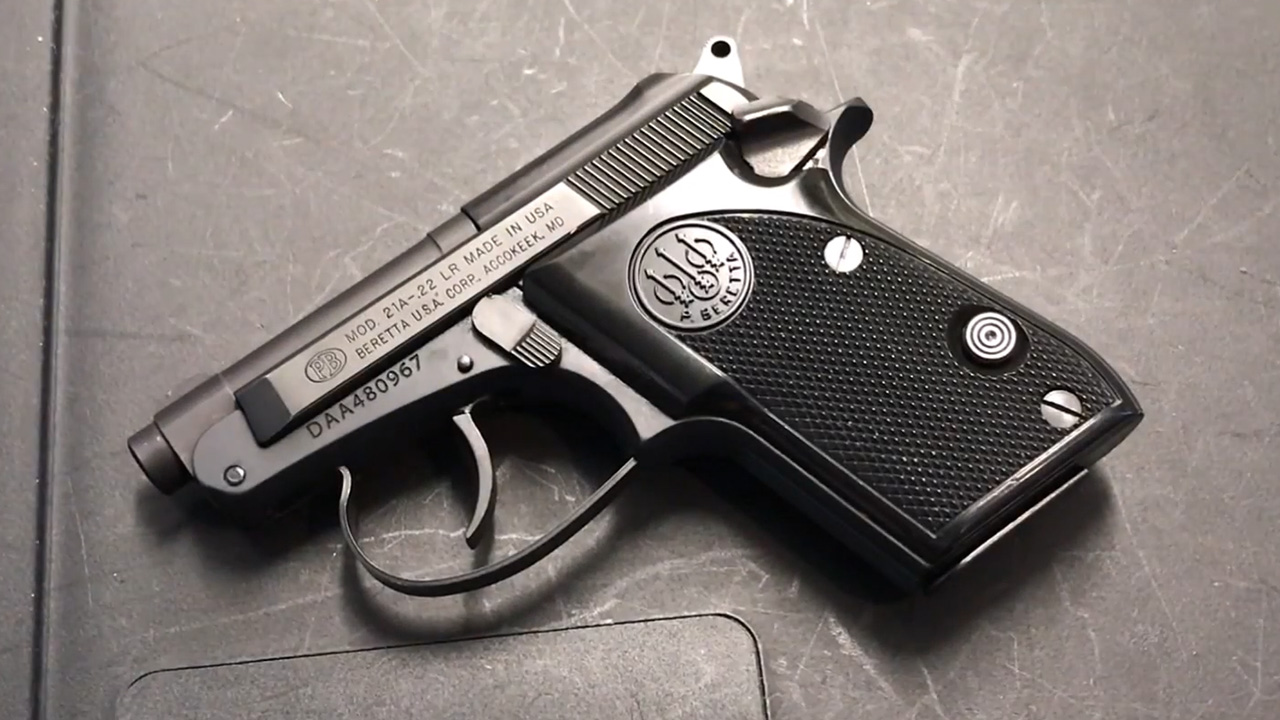
The most interesting thing about the 21A Bobcat is probably not its size alone. It is the way Beretta used the tip-up barrel, DA/SA action, and traditional layout to make a very small pistol feel more user-friendly than many competitors. American Rifleman’s review really drives that home by focusing on how easy it is to load and unload without fighting the slide.
That is why the Bobcat still matters. Plenty of tiny pistols have existed. Fewer built such a distinct identity around accessibility and old-school mechanical charm at the same time.
Like The Avid Outdoorsman’s content? Be sure to follow us.
Here’s more from us: