Photo credit: Freeograph/Shutterstock.com
Every hunter has a few moments that felt painful in real time and turn into the funniest stories later. The older you get, the more you realize those mistakes weren’t just “bad luck.” They were predictable problems you didn’t understand yet, or shortcuts you took because you were excited, cold, or trying to do too much too fast. The woods have a way of teaching lessons that stick, and it doesn’t always do it gently. The good news is most of the classic mistakes don’t cost you forever. They cost you one hunt, one morning, one opportunity, or one easy recovery. Then they turn into the stories you tell when someone new starts taking themselves a little too seriously. If you’ve been hunting long enough, you’ve either made these mistakes or you’ve hunted with someone who did, and you still remember it like it happened yesterday.
Moving at the wrong time and blaming everything except movement
One of the most common “funny later” mistakes is moving at the exact moment you shouldn’t, then acting like it was the wind, the moon, the rut, or the neighbor’s dog that ruined the hunt. A deer’s vision isn’t magic, but it’s built to catch movement, and if you shift your shoulders, turn your head too fast, or reach for something when an animal is already looking your way, you can watch a good opportunity evaporate in a second. The funniest part is how small the movement can be. Hunters will sit still for an hour, then scratch their nose like they’re swatting a wasp and wonder why the doe froze and blew out. Newer hunters also tend to move because they’re bored or uncomfortable, not because they need to, and that creates the kind of accidental motion that animals notice from farther away than you’d think.
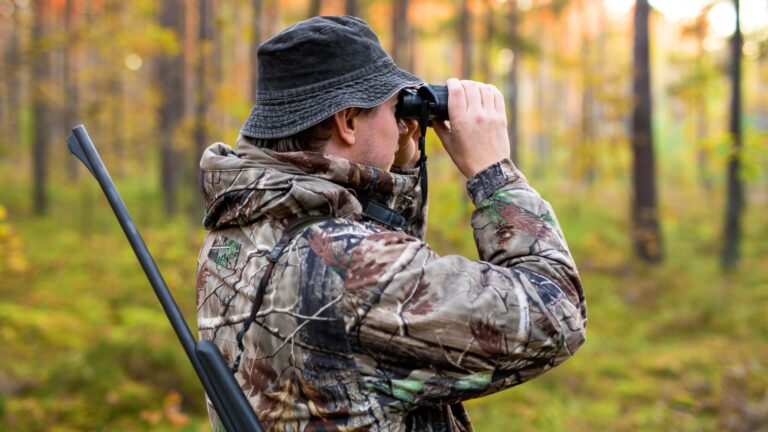
Years later, most hunters can laugh about the time they “slowly” lifted binoculars and made enough noise and motion to clear the county, but at the time it feels like the animal had superpowers. The real fix is discipline and timing. If you’re going to move, do it when the animal’s head is behind a tree, when it’s feeding with eyes down, or when there’s a natural distraction. If you treat movement like something you can do whenever, you’ll keep collecting stories you swear weren’t your fault.
Setting up in the wrong spot because it “looked right” instead of hunting sign
A lot of long-term hunting stories start with “it was a perfect spot” followed by “we didn’t see a thing.” That’s because “perfect” is usually a human judgment based on comfort, visibility, or what looks good from a stand, not what animals are actually doing. Newer hunters pick spots with great sight lines, easy access, and a nice tree, then wonder why deer travel 60 yards behind them in thick cover where they never look. Experienced hunters learn to hunt sign and travel routes, not scenery. If the freshest tracks and droppings are cutting a low saddle, that’s where the action is, even if the tree options aren’t ideal. If the rub line is in nasty cover, that’s where the movement is, even if you can’t see far.
These mistakes are funny later because you can look back and realize you basically hunted your own comfort zone, not the animals. It’s also how hunters burn a property unintentionally. They keep forcing the same “nice” setup, keep walking the same easy access, and teach deer exactly where the pressure comes from. The fix is simple but not easy: set up where the animals tell you they want to be, not where you want to sit.
Thinking gear will save you while skipping the boring checks
If there’s a category of mistake hunters laugh at the most, it’s gear problems that were completely preventable. Showing up with a dead headlamp. Finding out your scope caps won’t open quietly. Realizing the rifle got bumped in the truck and you never confirmed zero. Dropping the one shell you had handy into leaves and watching it vanish like it fell into a different dimension. These stories are funny because they’re so avoidable, and because everyone has done some version of it. The difference between hunters who keep repeating these mistakes and hunters who grow out of them is routine. The veterans aren’t lucky. They’re boring. They check batteries before season. They confirm their rifle after travel. They keep the same small essentials in the pack every time, not scattered between trucks and coat pockets.
This is also where one quality, simple tool can quietly reduce drama without turning into a gear obsession. A Primos Trigger Stick Gen 3 is a great example of something that helps real-world shooting without complication because it stabilizes awkward shots when your heart rate is up and your rest isn’t perfect, and it’s the kind of item a lot of hunters end up buying after they’ve lived through one too many shaky “I should’ve had a better rest” moments. The point isn’t buying your way out of mistakes. It’s having the basics handled so you’re not losing animals over things you could’ve checked the night before.
Rushing the shot and learning what “buck fever” actually looks like
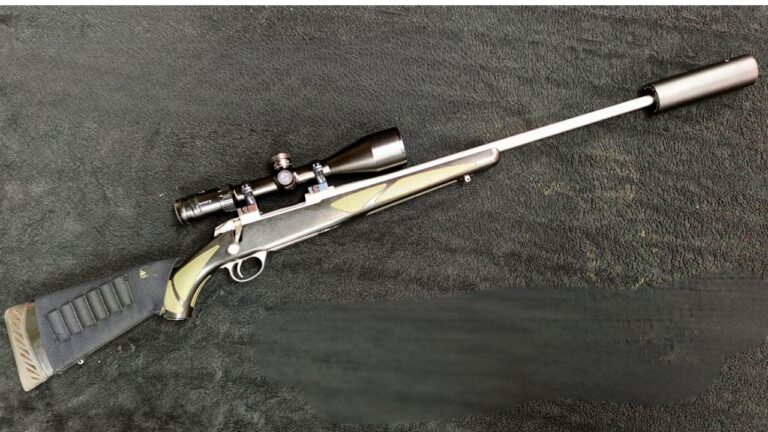
Every hunter has at least one story where the animal finally shows up and the brain just stops working. You rush the safety. You forget to settle the reticle. You try to shoot through brush you didn’t notice. You slap the trigger because you’re afraid the animal will disappear, and then it does, because you missed or hit poorly. Later, it becomes a joke. In the moment, it’s misery. The reason this mistake sticks around for years is because it teaches humility fast. You can know everything about deer movement and still fall apart when the moment hits if you haven’t trained your body to slow down. Experienced hunters don’t “not get excited.” They’ve just learned to run a quick mental checklist under pressure. Find the animal. Confirm what’s behind it. Build a stable rest. Let the reticle settle. Press the trigger like you mean it. If you’re shaky, take a breath and give it one more second. That one extra second is the difference between a clean kill and a story you’ll still be hearing about at camp. The funny part is that the biggest deer always seems to show up when you’re least ready, because that’s how it feels when adrenaline spikes. The fix is practice that looks like hunting, not practice that looks like shooting off a bench while chatting.
Losing track of direction and pretending it was “part of the plan”
Nothing turns a confident hunter into a humbled hunter faster than getting turned around in the woods. It usually happens during a recovery, at dusk, in thick cover, when you’re focused on blood sign and not on landmarks. Then you look up and the woods looks the same in every direction. New hunters are especially vulnerable because they don’t yet have a feel for terrain, and they often overestimate how easy it is to “just remember where the truck is.” The funny stories come later when you realize how close you were to the road the whole time, or how you walked a weird loop that made no sense, or how your buddy acted like he knew exactly where he was going while clearly not knowing at all. The serious part is that this mistake can turn dangerous in cold weather or on unfamiliar land. The fix is basic: mark where you started, note your direction of travel, and use tools without pride getting in the way. A simple mapping routine and a compass backup can keep a small mistake from becoming a real problem. This is another area where experienced hunters don’t talk tough. They just do the smart thing quietly, because the woods don’t care about your confidence and neither does the weather.
The difference between “funny later” and “never again”
Most field mistakes are funny years later because they didn’t cost you something permanent. They cost you an easy morning or a clean shot, and then they taught you something you actually applied. The hunters who keep repeating the same mistakes are usually the ones who never admit what happened, so they never adjust. The hunters who get better are the ones who can say, “Yeah, that was on me,” then change one habit so it doesn’t happen again. That’s the real reason these stories exist. Hunting has a learning curve, and the woods are the teacher. If you can laugh at the lesson and still respect it, you’ll keep improving, and you’ll also have the kind of stories that make new hunters feel better when they inevitably have their own “I can’t believe I just did that” moment.
Like The Avid Outdoorsman’s content? Subscribe to our newsletter so you never miss an article.
Here’s more from us: