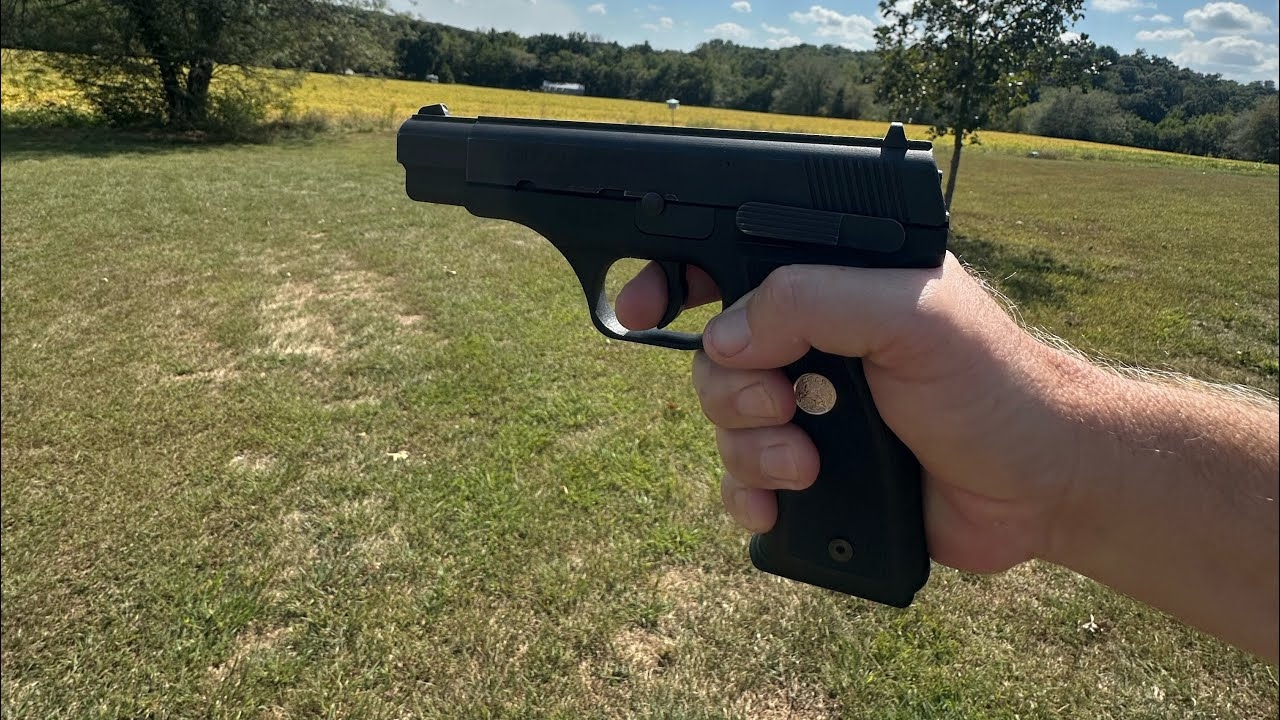
Photo credit: Midwest Guns and Gear/YouTube
Some handguns win you over before you ever shoot them. They have the right size, the right finish, the right name on the slide, or the kind of design that makes you think someone finally solved an old problem. Then the pressure shows up. Fast strings, defensive ammo, dirty range sessions, hotter loads, weak magazines, hard recoil, or real carry use can expose things the sales pitch never mentioned.
That does not mean every gun here is junk. Some owners have examples that run fine, and a few of these are interesting designs with real appeal. But when a handgun looks better than it performs under stress, buyers remember. These are the handguns that often left people wishing the shooting experience matched the first impression.
Remington R51
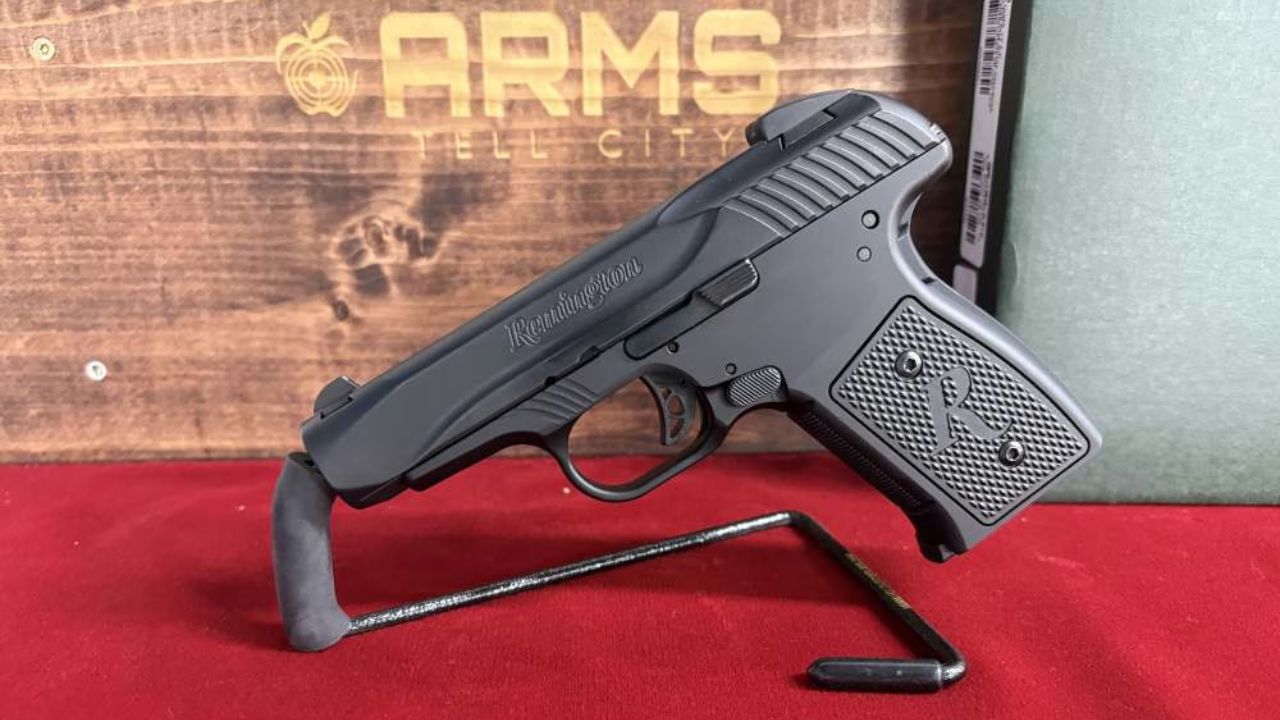
The Remington R51 looked like it had everything going for it. It was slim, interesting, comfortable in the hand, and tied to a respected old Remington design. For concealed carry buyers, it sounded like a fresh answer instead of another striker-fired copy.
Then the launch problems hit hard. Early pistols developed a reputation for rough function, reliability issues, and quality-control headaches that damaged confidence almost immediately. A carry gun has to feel boring in the best way, and the R51 never got that chance with many shooters. It looked clever, but pressure exposed too many weak spots.
Kimber Solo

The Kimber Solo looked like a premium micro 9mm before that category became crowded. It had clean lines, a compact frame, and the Kimber name behind it, which made buyers expect refinement in a serious carry package.
The problem was how picky it could be. Many owners found the Solo far less forgiving than its polished exterior suggested, especially with ammunition selection and grip consistency. A defensive pistol that needs a narrow diet and careful handling starts feeling less like a premium tool and more like a range experiment. It looked classy, but it did not always handle real carry expectations well.
Taurus Spectrum
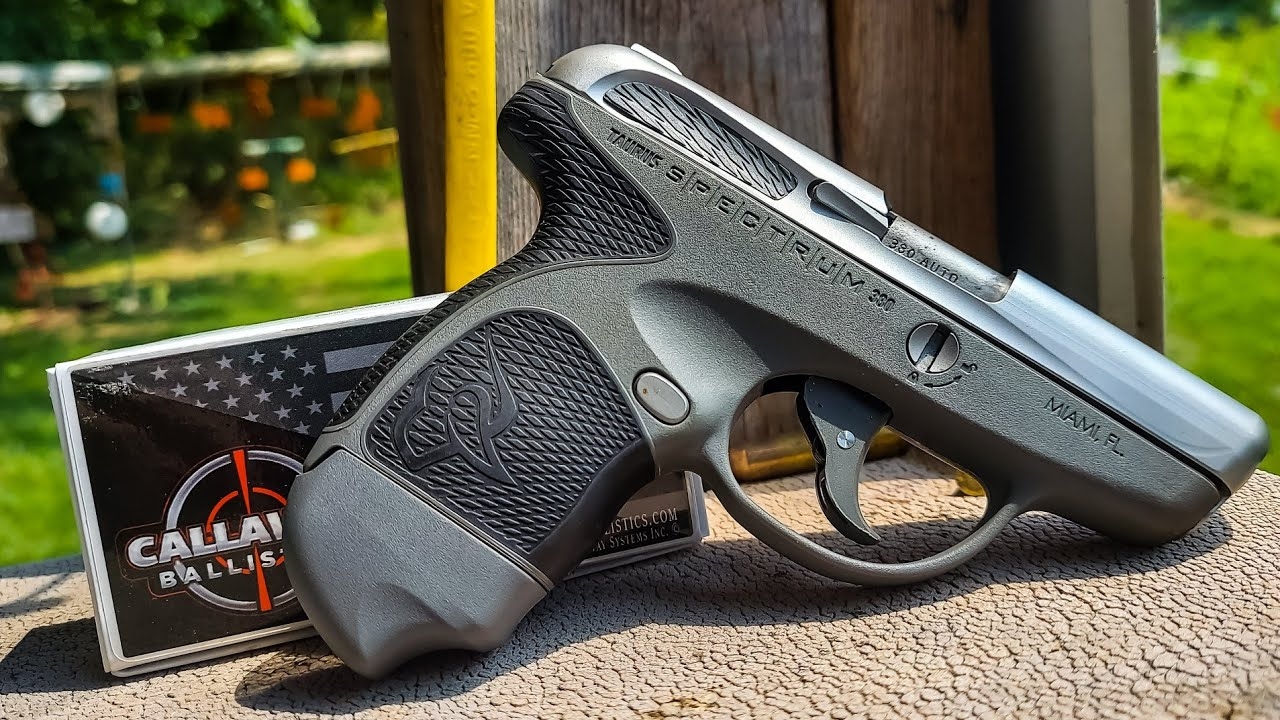
The Taurus Spectrum had one of the more attractive designs in the small .380 market. Its smooth shape, soft-touch panels, and clean profile made it look like an easy pocket pistol for people who wanted something less harsh than the usual tiny defensive guns.
Looks were not enough. The Spectrum struggled with a reputation for inconsistent triggers, reliability complaints, and a general feeling that the design never fully matured. A pocket pistol has to run when conditions are not perfect, because that is the whole reason people carry one. The Spectrum looked friendly and modern, but under pressure it often felt less confidence-building than it needed to be.
Colt All American 2000
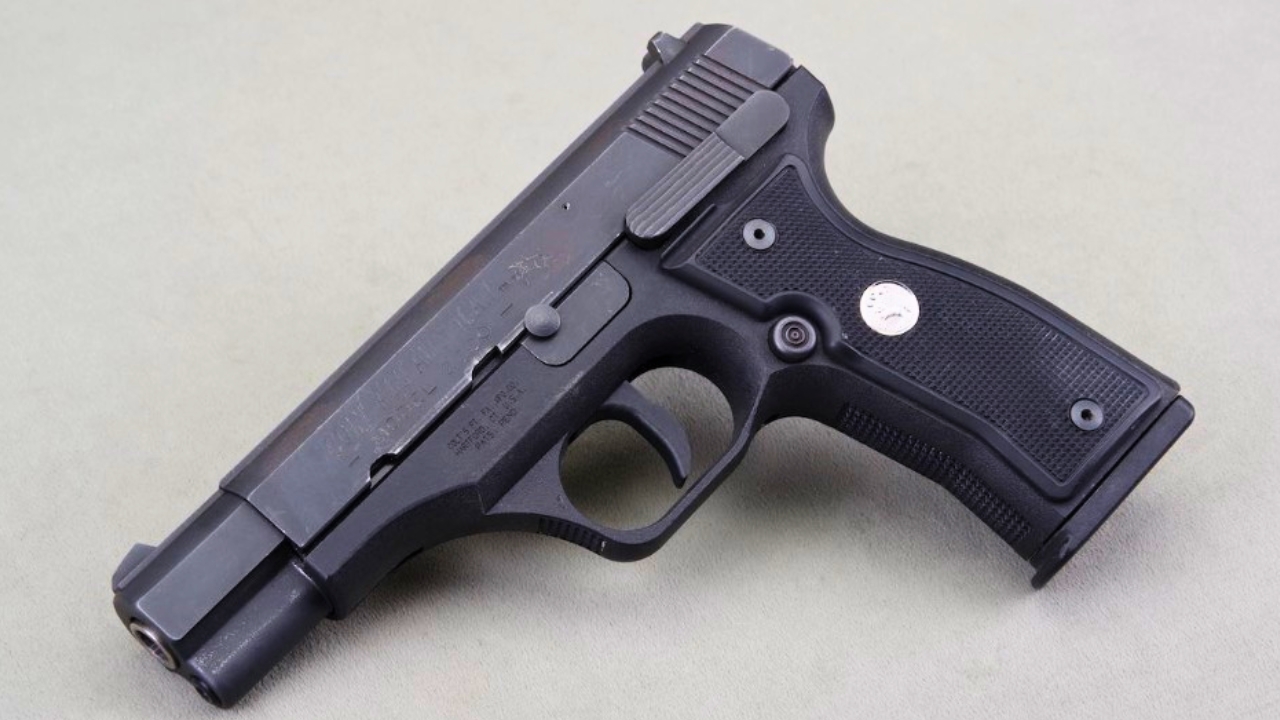
The Colt All American 2000 looked like it should have been Colt’s big modern comeback in the service-pistol world. It had a famous name, a forward-looking design, and enough hype behind it to make buyers curious.
The execution did not live up to the promise. The trigger was widely criticized, reliability and accuracy complaints followed the pistol, and it disappeared quickly compared with the designs it was supposed to challenge. That is the kind of failure people remember because the expectations were so high. It looked like Colt was stepping into the future, but the gun never found its footing.
Sig Sauer Mosquito
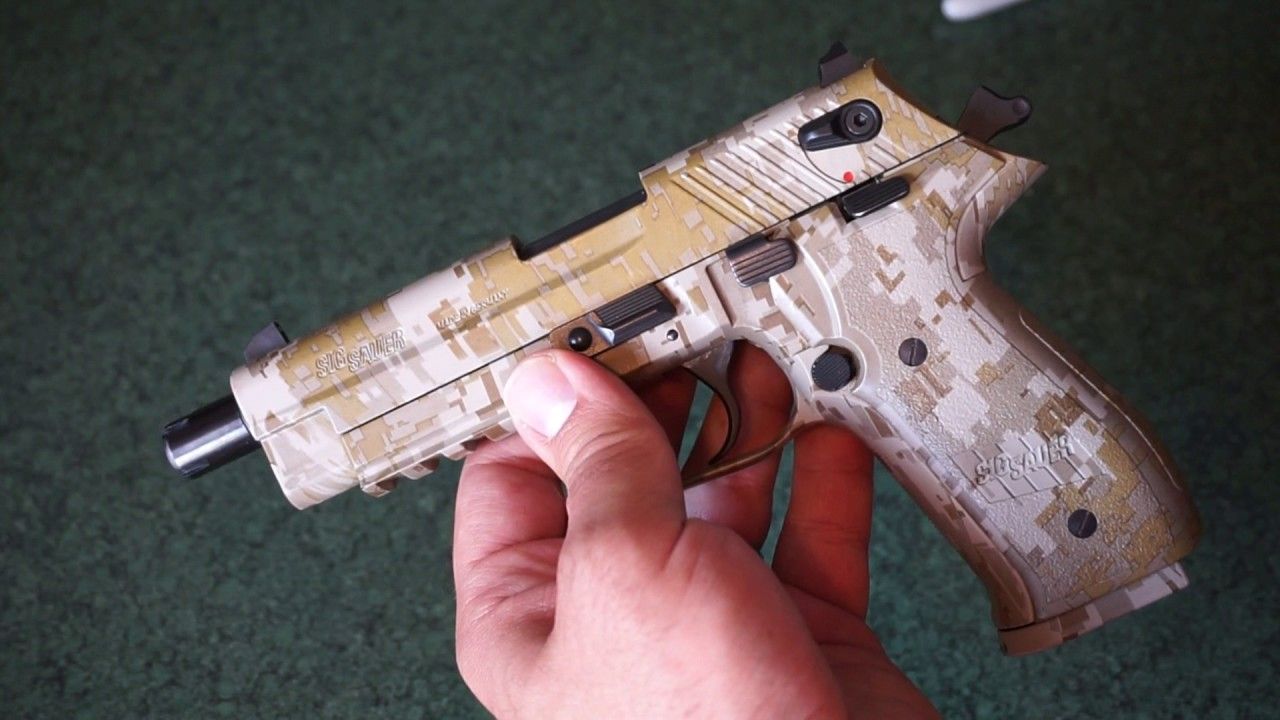
The Sig Sauer Mosquito looked like a perfect rimfire trainer. It wore a respected name, felt like a service-style pistol, and promised cheap practice in a package that seemed more serious than a typical plinker.
Then shooters discovered how sensitive it could be. Many Mosquitos wanted specific ammunition, careful cleaning, and patience that casual .22 buyers did not expect. Rimfire pistols can be picky, but the Mosquito’s reputation suffered because the name on the slide raised expectations. It looked like an easy training answer. For too many owners, it turned into a clearing-drill generator.
Walther P22
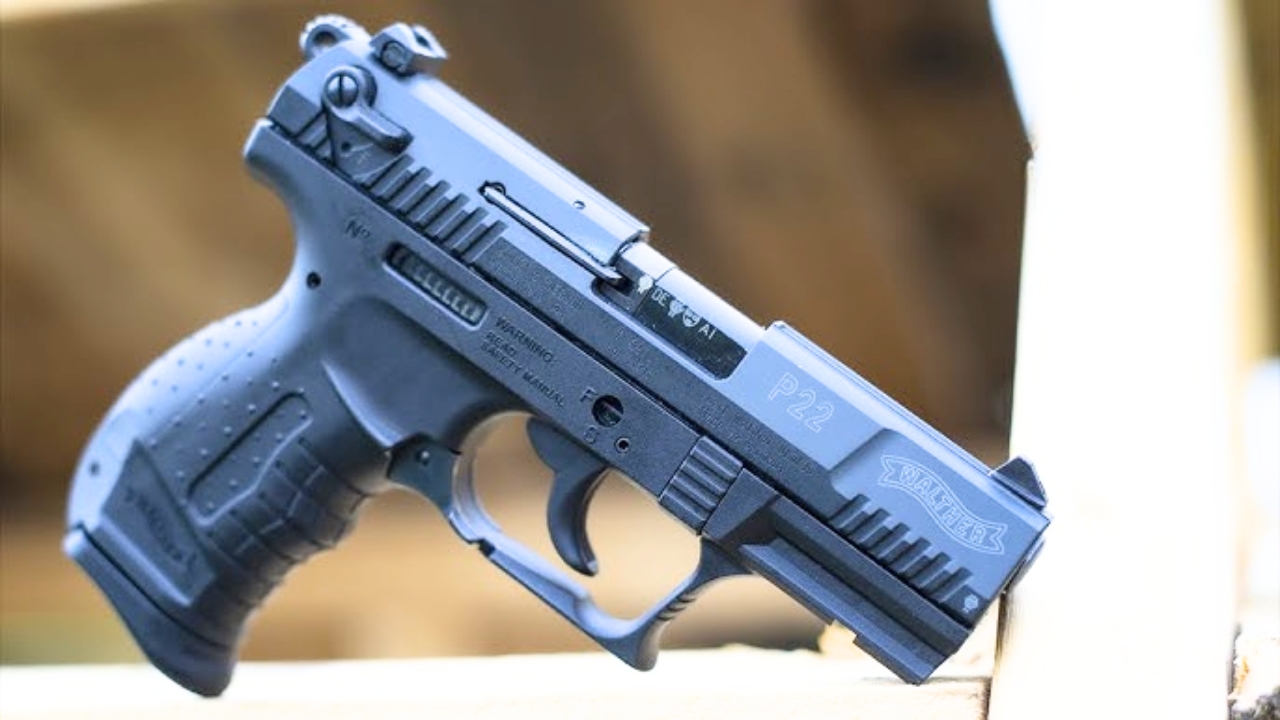
The Walther P22 had style, comfort, and an approachable size. It looked like the kind of .22 pistol that could serve new shooters, casual plinkers, and anyone wanting cheap range time with a modern-feeling handgun.
The issue is that a lot of P22 owners found the pistol more fragile and finicky than expected. Ammunition choice, magazine condition, cleanliness, and wear could all affect function. Some run fine, but others become annoying fast once the round count climbs. A .22 pistol should make practice easier. When failures become the main lesson, the good looks stop carrying much weight.
AMT Backup

The AMT Backup had a tough, stainless, pocket-gun look that still catches attention in used cases. It seemed like a sturdy little defensive pistol, especially in an era when truly small carry guns involved more compromise.
The shooting experience could be much rougher. Heavy triggers, sharp recoil, feeding problems, and inconsistent reliability followed many versions. It was small, but not always confidence-inspiring. The Backup looked like a serious little emergency gun, but pressure has a way of exposing old pocket pistols that were built before modern reliability standards became expected.
Para-Ordnance Warthog
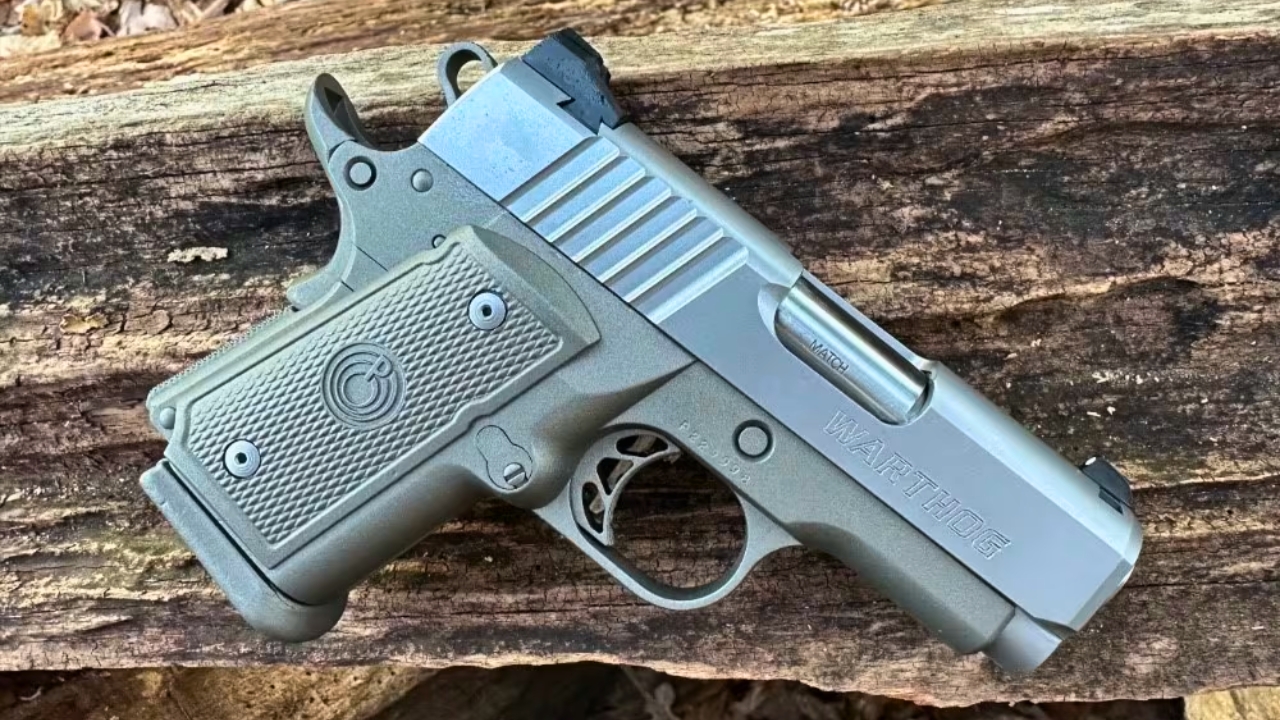
The Para-Ordnance Warthog had a strong sales pitch: compact 1911 feel, big-bore chambering, and higher capacity in a small frame. For buyers who loved 1911s but wanted carry size, it looked like a clever answer.
That short, chunky package came with tradeoffs. Tiny 1911-pattern pistols can be demanding, and the Warthog was no exception. Recoil, timing, magazine behavior, and feed reliability could all become concerns. Some owners had good luck, but many found the concept better than the reality. It looked powerful and practical. Under pressure, it could feel like too much squeezed into too little gun.
Diamondback DB9

The Diamondback DB9 looked appealing because it gave buyers an extremely small 9mm when pocketable 9mm pistols were still less common. It was thin, light, and easy to carry, which made the first impression strong.
Then recoil and reliability expectations caught up with it. Pistols this small in 9mm are hard to make forgiving. The DB9 could be snappy, ammunition-sensitive, and tough to shoot well under speed. Some examples worked fine, but the platform never felt as confidence-building as slightly larger carry guns. It looked like deep concealment solved. For many shooters, it felt like deep compromise.
SCCY CPX-2

The SCCY CPX-2 looked like a smart budget carry pistol. It offered decent capacity, compact size, and a price that made concealed carry feel more accessible to buyers watching every dollar.
The pressure came from the trigger and consistency. The long, heavy pull takes real work, and reliability experiences varied enough that many serious shooters remained cautious. A low price can be appealing, but a defensive pistol has to earn trust after repeated range sessions. The CPX-2 looked like a bargain. If yours ran well, maybe it was. If it did not, the savings stopped mattering fast.
KelTec PF-9

The KelTec PF-9 looked like a major step forward when slim 9mm pistols were not everywhere. It was flat, light, affordable, and easy to conceal. For many buyers, that was exactly what they wanted.
The problem is that ultra-light 9mm pistols ask a lot from the shooter and the gun. The PF-9 could be snappy, hard to shoot well, and more sensitive to grip and ammunition than larger pistols. Some owners trusted theirs, while others dealt with feeding or extraction complaints. It looked perfect in the holster. Under range pressure, it often reminded people why size matters.
Springfield XD-S .45
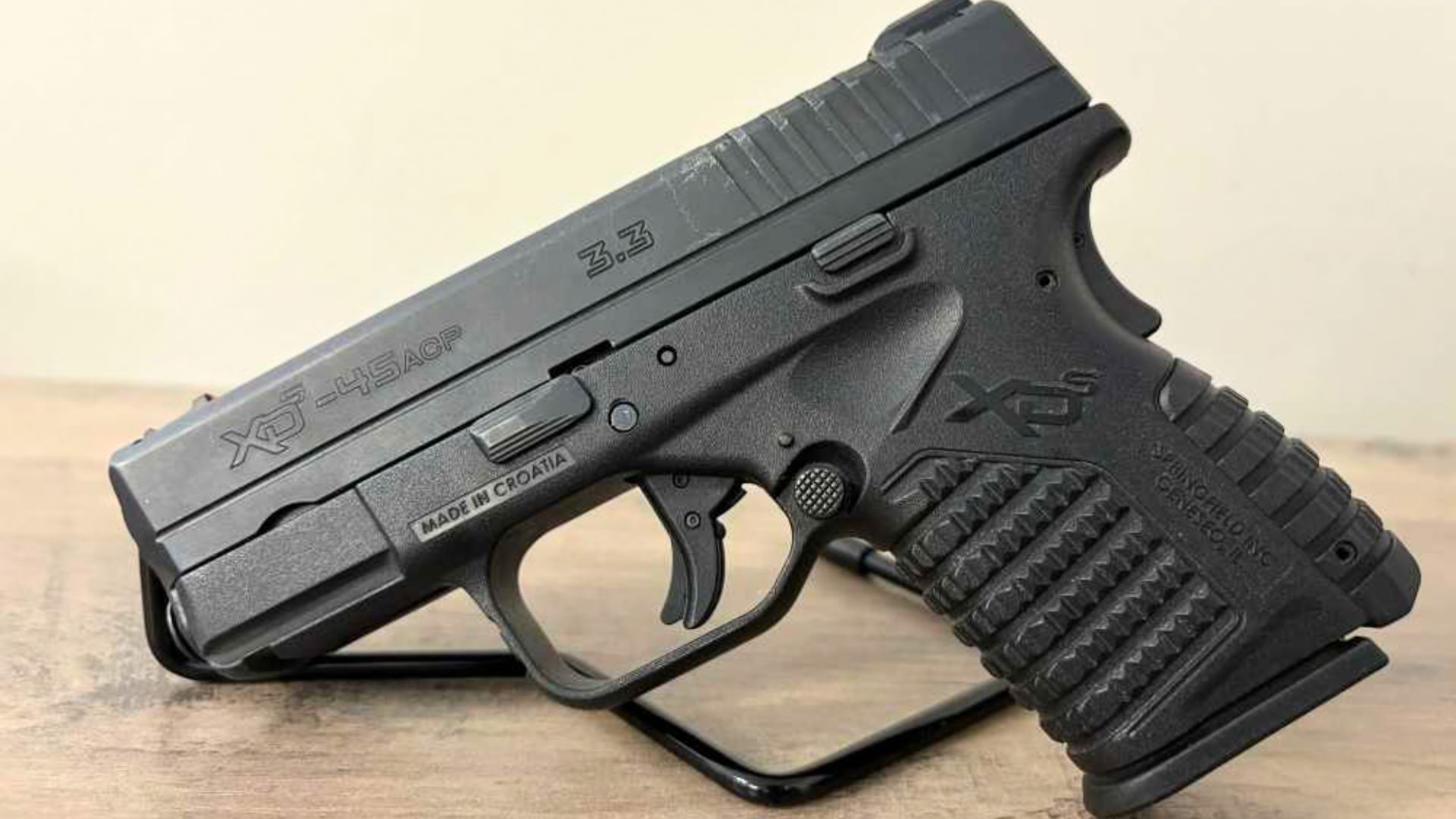
The Springfield XD-S .45 looked like a great idea for people who wanted .45 ACP power in a slim, carry-friendly pistol. It gave big-bore fans a compact option that seemed easier to carry than a traditional 1911.
The shooting experience could make buyers reconsider. A small .45 is not always pleasant, and the sharp recoil can slow follow-up shots more than people expect. The pistol also had an early recall history that made some owners cautious. It can work, and many people carried them successfully, but the concept sounded better than it felt for shooters who trained hard.
Heizer Defense PKO-45
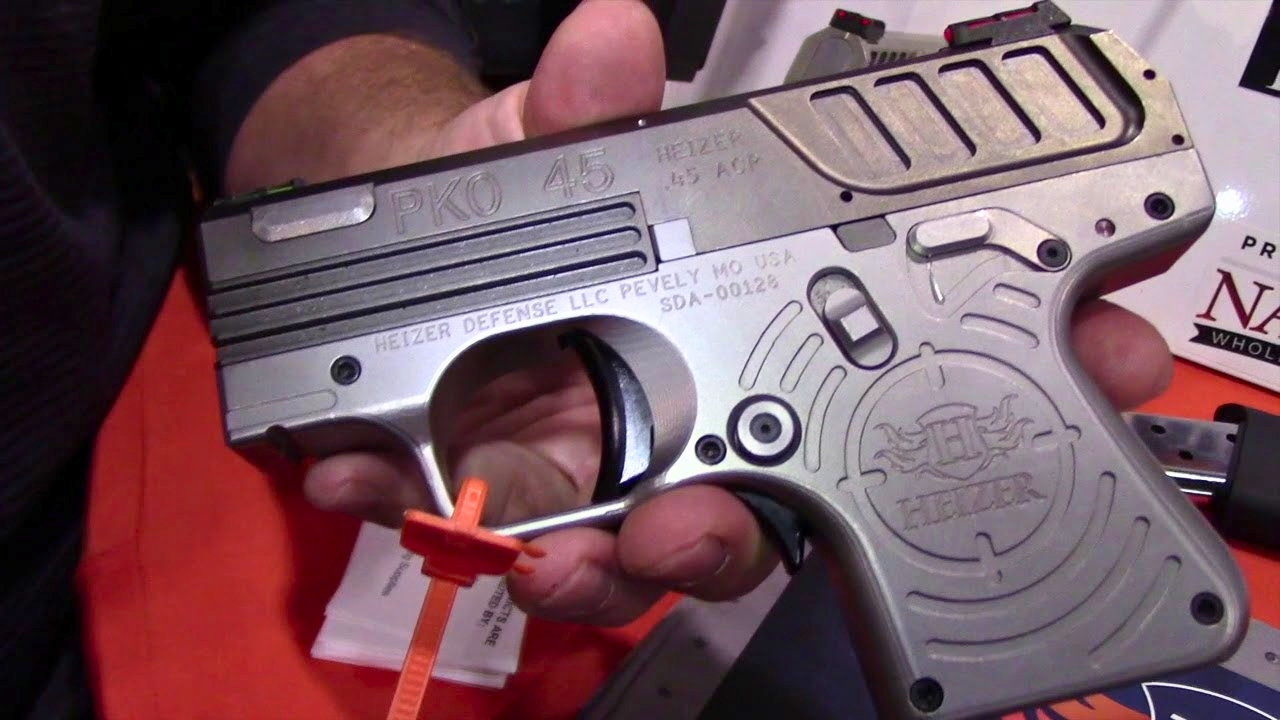
The Heizer Defense PKO-45 looked interesting because it promised a very thin .45 ACP pistol in a package that stood apart from normal carry designs. It was different enough to catch attention immediately.
Different did not automatically mean better. A slim, lightweight .45 can be punishing, and unusual designs have to prove they can run as well as ordinary ones. The PKO-45 never became a mainstream answer because the appeal was narrower than the promise. It looked like clever engineering on the counter. Under pressure, many buyers were better served by more conventional carry pistols.
Hudson H9

The Hudson H9 looked incredible when it arrived. It had a low bore axis, a 1911-like trigger concept, a futuristic profile, and the kind of design that made shooters think they were seeing something genuinely new.
The problem was not that the idea lacked appeal. The problem was durability, support, and execution. Reports of parts breakage and the company’s collapse made ownership feel risky. A handgun can shoot well and still fail the long-term pressure test if parts, service, and confidence disappear. The H9 looked like the future. Then the future got hard to maintain.
Arsenal Strike One
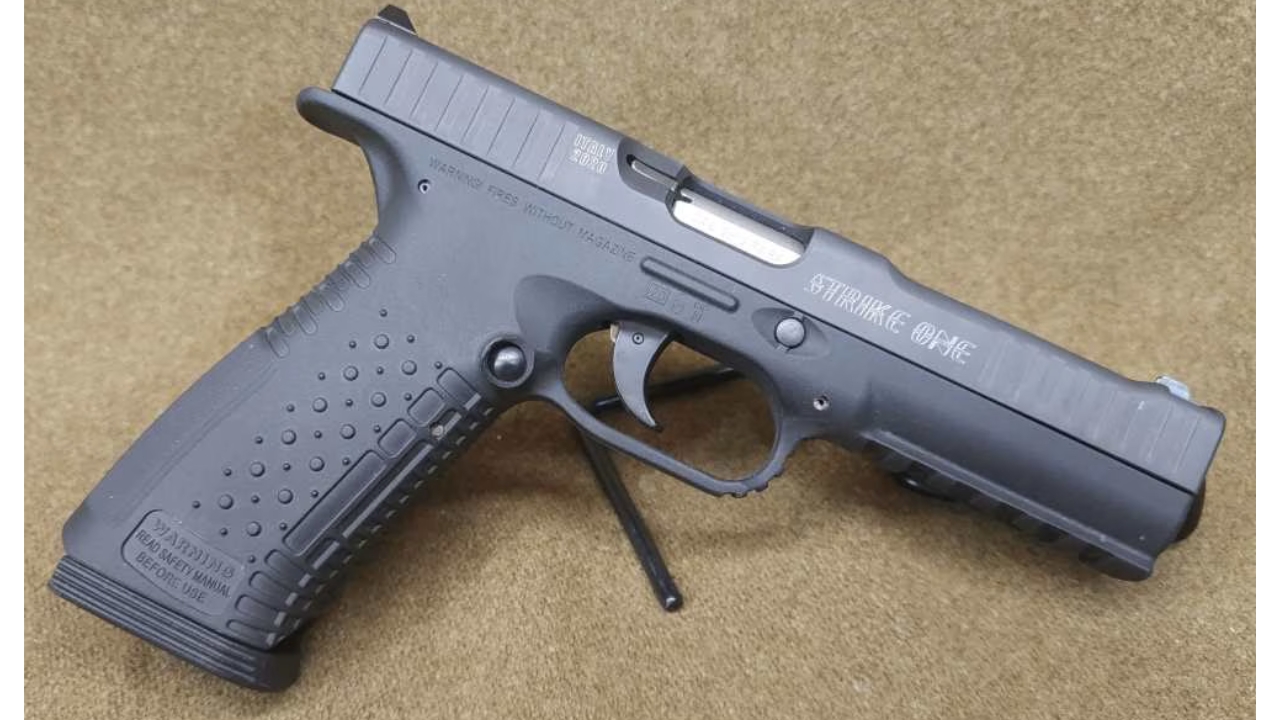
The Arsenal Strike One looked fast, low, and modern. Its unusual operating system and competition-friendly feel gave it real intrigue, especially for shooters tired of the same striker-fired patterns.
But interesting designs need broad support, consistency, and staying power. The Strike One never became the common, easy-to-own pistol its promise suggested. Holsters, parts, availability, and market confusion made it harder to trust as a practical choice. It could be a good shooter, but pressure is not only recoil and speed. Sometimes pressure means living with the gun for years, and that is where it struggled.
Like The Avid Outdoorsman’s content? Subscribe to our newsletter so you never miss an article.
Here’s more from us: