Photo credit: James Case – CC BY 2.0/Wiki Commons
Some firearms spend years in the shadow of louder names. They get dismissed as outdated, too plain, too heavy, too specialized, or simply not fashionable for the moment. Then the market shifts. Shooters spend more time behind them, collectors take a harder look, or newer buyers start realizing an older design solved problems people are still trying to solve now. That is usually when the conversation changes.
A gun does not suddenly become better because people start talking about it. It was either good all along or it was not. What changes is recognition. Some rifles and pistols were dependable, well-built, and genuinely useful years before the wider market caught up. If you have been around guns long enough, you have seen that happen more than once. These are the firearms that are finally getting the respect they should have had a long time ago.
Smith & Wesson 3rd Generation
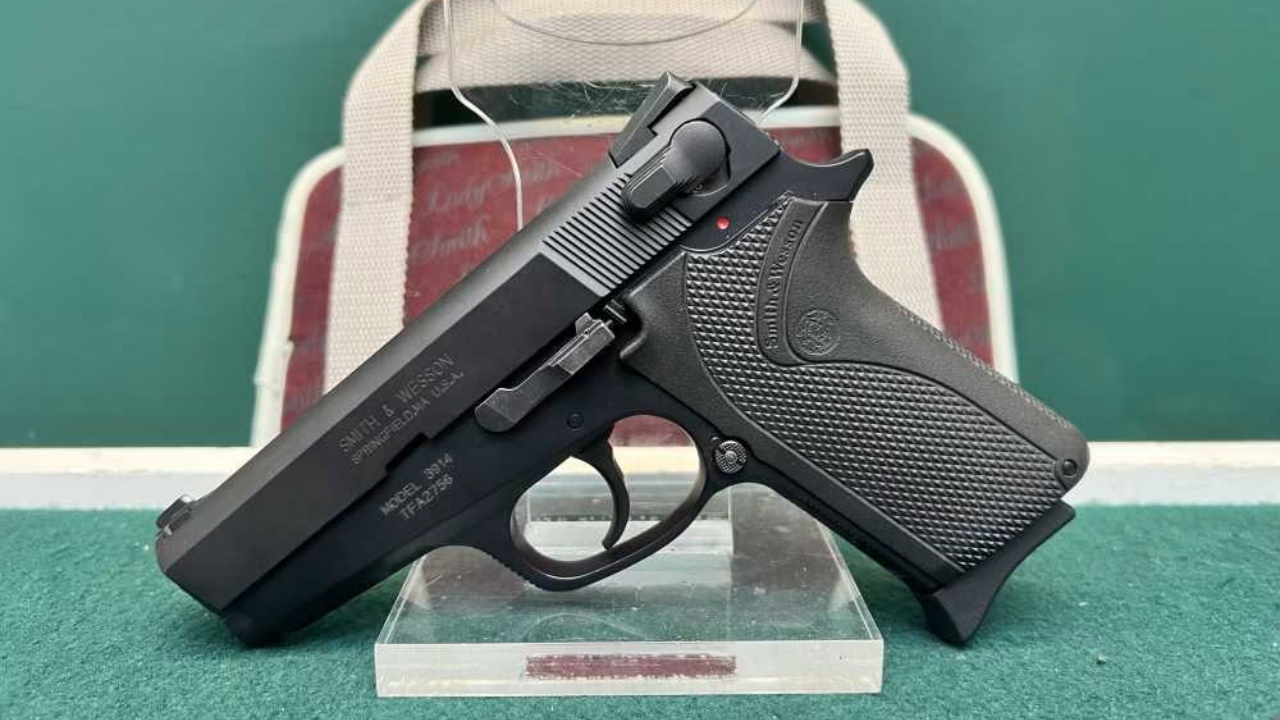
For a long time, Smith & Wesson’s 3rd Generation pistols sat in that awkward middle ground where they were too old to feel current and too recent to feel collectible. A lot of shooters looked at the metal frames, double-action triggers, and duty-gun bulk and saw yesterday’s police sidearm. That kept prices soft and attention elsewhere, even though these pistols had a reputation for durability that many newer guns would be proud to claim.
Now more shooters are recognizing what they really are: serious working pistols built for long service life. Models like the 5906, 4566, and 3913 were put together with a level of solidity that is harder to find in many current handguns. They are not trendy, but they are reliable, well-made, and honest. That kind of quality has finally started getting noticed again, and it should have happened years earlier.
Beretta PX4 Storm

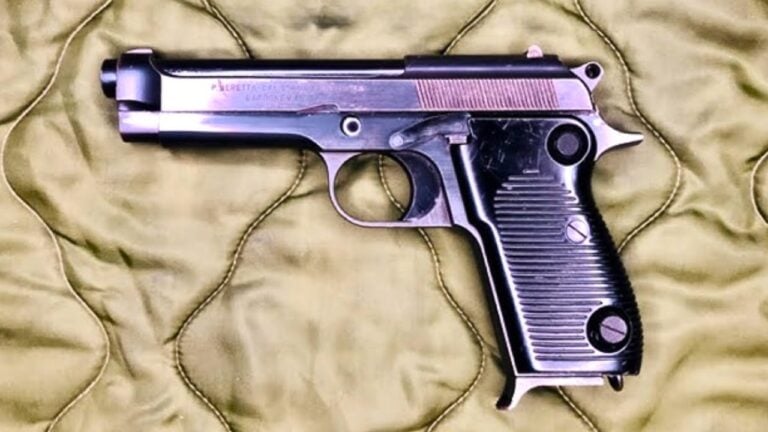
The Beretta PX4 Storm spent too many years being overlooked because it did not have the classic appeal of the 92 series and did not fit neatly into the striker-fired wave that dominated the market. Many buyers saw the shape, wrote it off as odd, and moved on. That was a mistake. The PX4 has always been a capable, practical pistol with better real-world manners than many shooters gave it credit for.
As more experienced shooters revisit it, the respect is finally catching up. The full-size and compact models have proven to be soft-shooting, reliable, and easier to handle than their looks might suggest. The rotating-barrel system is not a gimmick when the gun is actually working in your hands. It is a smart design that deserved a fairer hearing from the start. The PX4 was useful long before people started taking a second look.
Ruger P-series pistols

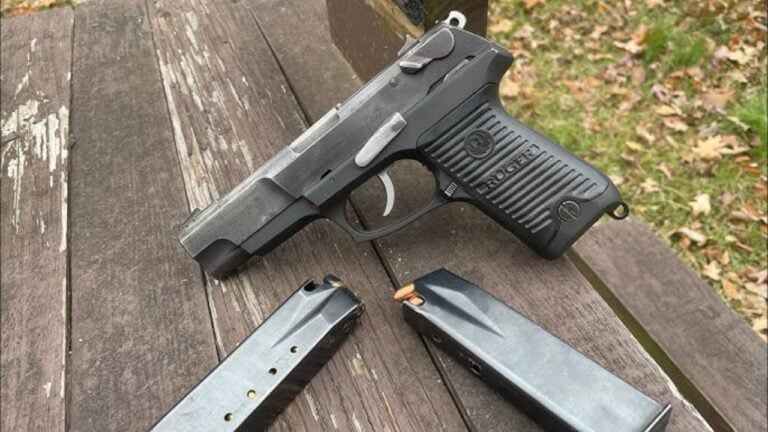
Ruger’s P-series pistols were mocked for years as bulky, blocky, and unattractive. That reputation stuck hard enough that many shooters never looked past it. The P89, P90, and their relatives were rarely the guns people bragged about. They were often treated like cheap backups, truck guns, or first pistols bought because they were affordable. In the process, a lot of people missed what those pistols actually did well.
What they did well was run. They were built tough, handled abuse, and kept working in a way that earned quiet loyalty from people who used them hard. Now that the market is full of shooters rediscovering durable metal-framed pistols, the old P-series is finally getting more respect. They were never pretty, but they were far better than the gun-counter jokes made them sound. Ruger built those pistols to last, and time has done a good job proving it.
Marlin 336

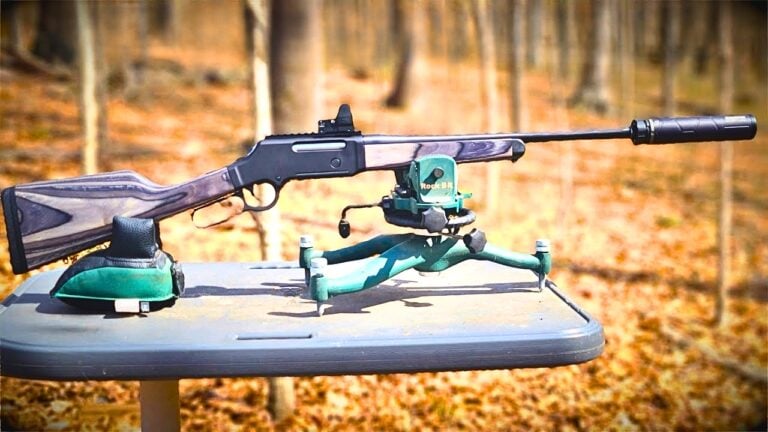
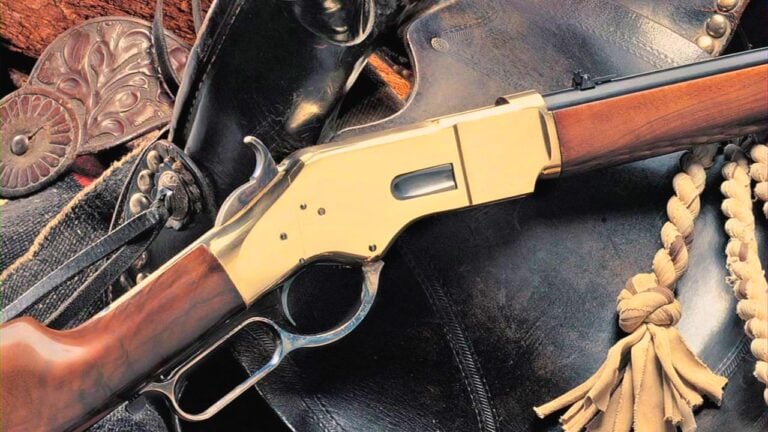
For years, the Marlin 336 was the lever gun many hunters respected without fully appreciating. It was practical, dependable, and widely available, which made it easy to treat like a standard working rifle rather than something worth talking about. The Winchester name often drew more collector attention, and the 336 quietly kept doing what it had always done: carrying well and killing deer cleanly without much fuss.
That quiet reputation is exactly why it deserved more credit earlier. The 336 has long been one of the most useful lever actions for real hunting, especially in the kind of woods country where fast handling matters more than romance. As more shooters started looking harder at older Marlins, especially North Haven rifles, the respect finally started catching up. It was always a serious deer rifle. People are only now giving it the recognition it earned decades ago.
Smith & Wesson Model 10

The Smith & Wesson Model 10 was so common for so long that many shooters stopped seeing it clearly. It was a police revolver, a security revolver, a nightstand revolver, and a pawn-shop regular. Because so many existed, people treated it like background noise in the handgun world. That made it easy to forget how much real quality lived in those revolvers, especially older examples with good lockup and honest original condition.
Lately, more shooters have started paying attention again, and that overdue respect makes sense. The Model 10 points naturally, shoots well, and represents a time when service revolvers were expected to work for a living. It may not have the collector flash of rarer Smith & Wessons, but it has always been one of the most practical revolvers the company ever made. It should have been held in higher regard long before prices and interest began rising.
Browning Hi-Power

The Browning Hi-Power has always had admirers, but for years it still lived in a strange spot where a lot of shooters respected it in theory more than they appreciated it in practice. Many newer buyers skipped it for polymer pistols, while older shooters often kept the praise broad and nostalgic. That left the Hi-Power in a place where its actual strengths could get lost behind reputation alone.
What more people are finally recognizing is that the Hi-Power was not only influential, it was genuinely good. It offered strong capacity for its era, excellent balance, and a grip shape that still feels right to many shooters today. It is not perfect, and it never was, but it earned its place through real performance, not only legacy. The renewed attention is deserved. The Hi-Power was a serious handgun long before the market decided to revisit classic steel-frame service pistols.
Ruger SP101

The Ruger SP101 spent years being treated like the heavy little revolver people bought when they wanted durability more than refinement. That description was not entirely wrong, but it often came with an unfair tone, as if the gun’s stout build somehow counted against it. Many shooters saw it as a chunky alternative to lighter snubs and never gave it the deeper respect it deserved.
What time has shown is that the SP101 was built around the right priorities. It is strong, practical, and easier to shoot well than many ultralight revolvers that look more attractive on paper. With real use, that extra substance becomes an advantage. Shooters who spend time with one tend to understand quickly why it stayed in production and kept a loyal following. It was never trying to be fashionable. It was trying to be dependable, and it has earned much more respect for that than it used to get.
Mossberg 590A1

For years, the Mossberg 590A1 was respected by people who knew shotguns, but it still did not always get the broader credit it deserved outside those circles. Many buyers gravitated toward whichever pump gun they knew best and left it at that. The 590A1 often got reduced to “the heavier Mossberg” without enough attention paid to why that heavier build mattered in the first place.
Now the appreciation is finally broadening. The 590A1 is a serious hard-use pump shotgun with features and durability that were not added for show. It was built to handle rough service, and that shows up in both feel and long-term reputation. It is not the lightest or prettiest pump gun on the shelf, but it has long been one of the most honest. The respect it is getting now is deserved, because the gun has always been tougher than many people gave it credit for.
Colt Detective Special
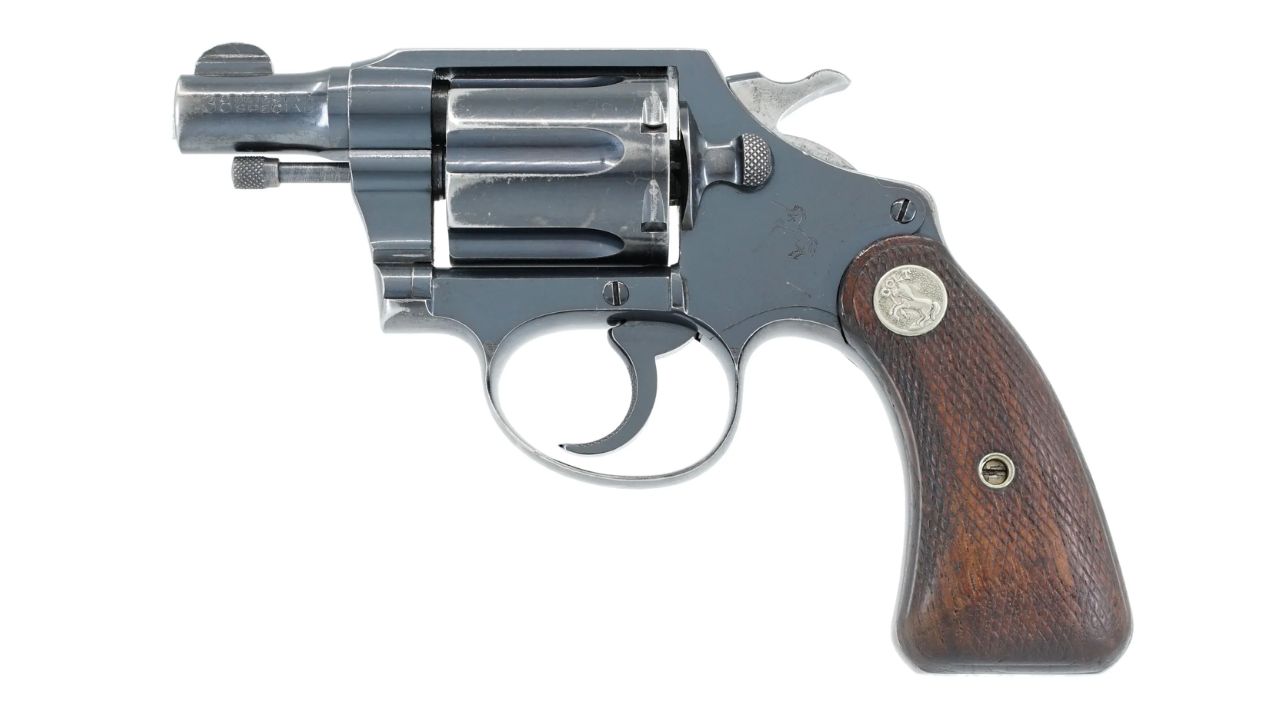
The Colt Detective Special was ahead of its time in ways people now understand more clearly than they did for years. It was a true concealment revolver built with serious defensive purpose long before modern concealed carry became a market category of its own. Even so, for a long time it was often treated as merely an old snub-nose with some collector flavor rather than the influential, well-thought-out carry gun it really was.
That has started to change. More shooters have begun recognizing how well the Detective Special balanced size, handling, and practical carry use for its era. The extra round in the cylinder mattered, the dimensions made sense, and the gun was designed with real-world use in mind. It deserves more than casual nostalgia. It was one of the smarter defensive handguns of its generation, and it should have been given that respect much earlier than it was.
Winchester Model 94 post-64 rifles
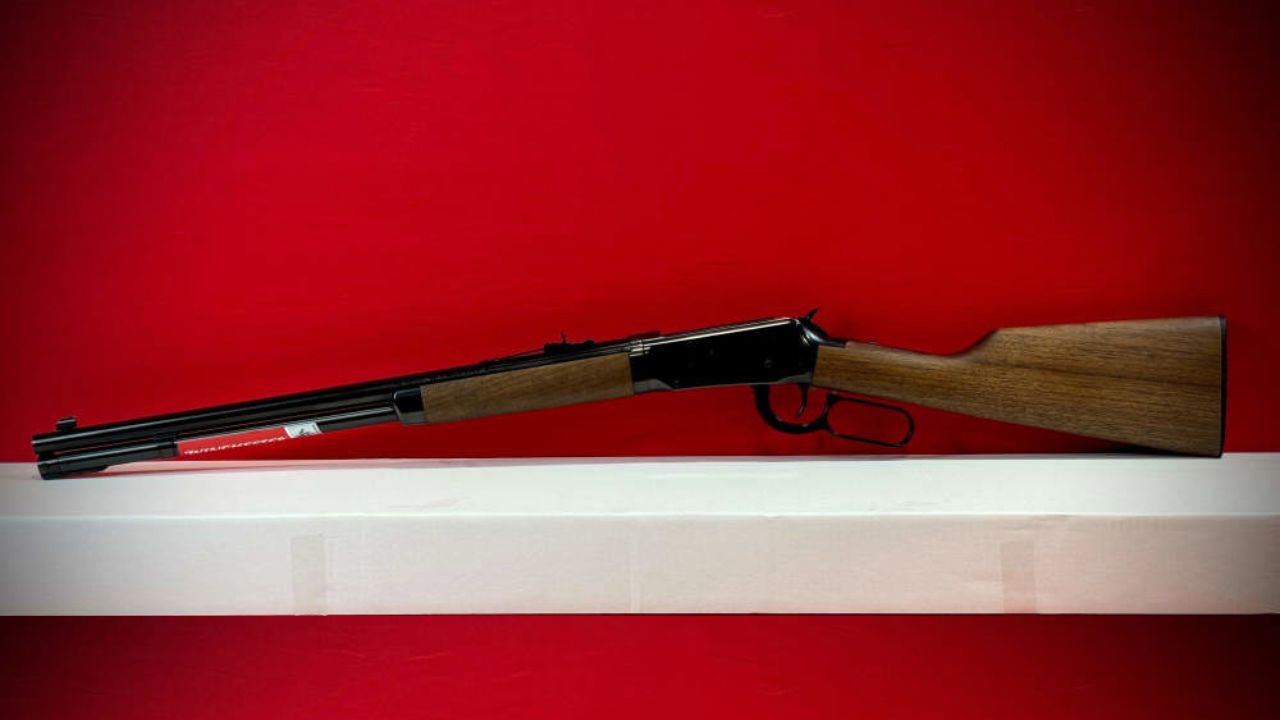
Post-64 Winchester Model 94 rifles spent decades carrying the burden of comparison. Because they came after the pre-64 era, many shooters and collectors treated them as automatically lesser, sometimes without much nuance. That flattened the conversation too much. Yes, there were manufacturing changes, and yes, the pre-64 guns have their place. But the broad dismissal of later rifles caused a lot of hunters to ignore very usable, dependable carbines.
What people are finally admitting is that many post-64 Model 94s were better rifles than the old reputation allowed. They still carried well, handled naturally, and served generations of deer hunters exactly the way a lever-action should. They were working rifles, not display pieces, and they did that work just fine. The renewed appreciation is overdue. Too many shooters spent years talking past the fact that these rifles remained practical, effective, and worth owning.
CZ 75
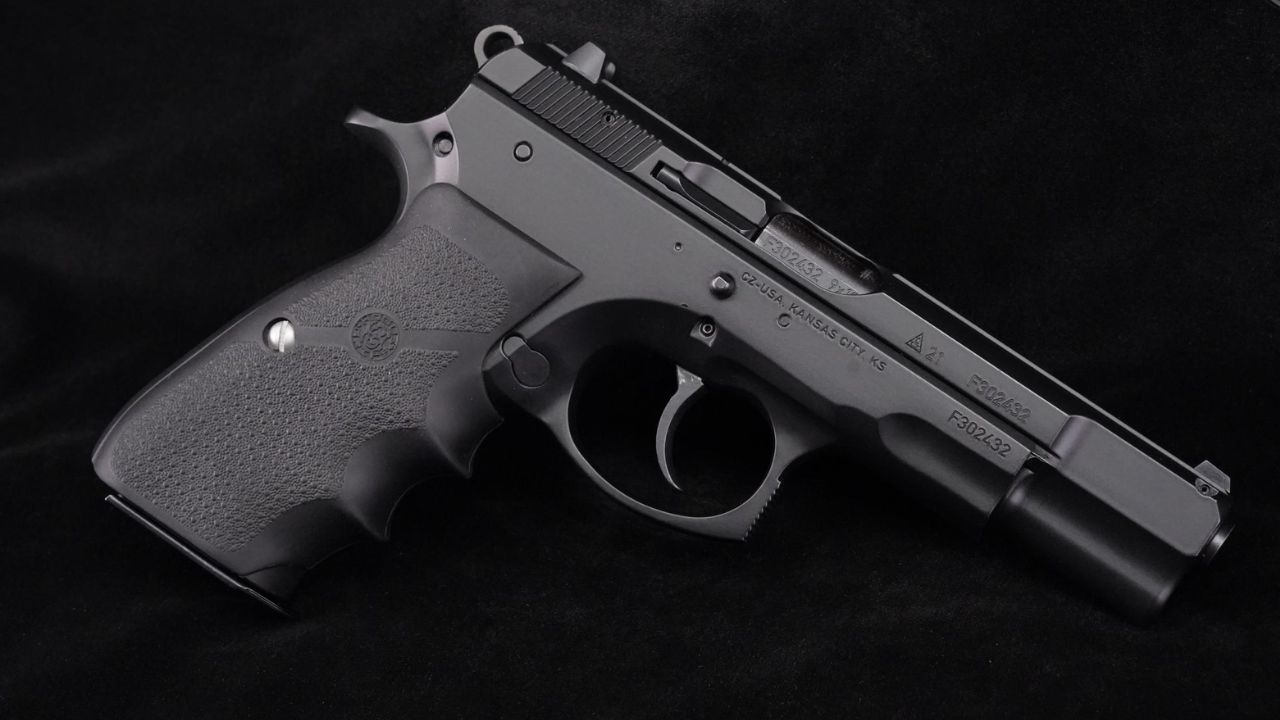
The CZ 75 spent a long time being one of those pistols serious shooters respected while the broader market kept looking elsewhere. It had loyal fans, but it never got the same mainstream attention in America that some other service pistols did. That meant a lot of buyers missed out on a handgun that was well-balanced, durable, and genuinely pleasant to shoot long before it became fashionable to praise it.
The respect it gets now feels like the market finally catching up. The ergonomics have always been strong, the all-steel feel has always appealed to people who shoot enough to notice the difference, and the platform proved itself through decades of real use. It was never built around trend-driven appeal. It earned its reputation the slower way. The CZ 75 should have been in more serious conversations years earlier, and it is good to see more shooters finally treating it accordingly.
Remington 870 Wingmaster

The Remington 870 Wingmaster used to be so common that many shooters took it for granted. It was the nice pump gun your dad had, the one at deer camp, the one in the closet with honest wear and a slick action. Because it was so familiar, people often forgot to talk about how well those older Wingmasters were made. Familiarity turned real quality into something many buyers stopped noticing.
That has started to change as people compare older Wingmasters to later production shotguns and realize what they had been overlooking. Smooth actions, good fit, and durable construction are not accidental traits. They are the result of a different standard of production, and shooters are finally giving those guns more respect because of it. The Wingmaster was never loud about what it offered. It simply worked well for decades, and it should have been appreciated more consistently all along.
Ruger Mini-14

The Ruger Mini-14 has spent years getting talked around instead of talked about honestly. Some shooters dismissed it because it was not an AR-15. Others expected it to fill the exact same role and judged it poorly when it behaved like a different rifle entirely. That left the Mini-14 stuck in a conversation that was not always fair to what it actually offered: a compact, handy, reliable rifle with its own practical strengths.
The respect it is getting now comes from people using it on its own terms. A good Mini-14 is light, familiar, quick to shoulder, and more useful in the field than critics long admitted. It was never meant to be everything to everyone. It was meant to be a practical rifle that worked. That sounds ordinary, but ordinary and dependable is often exactly what earns long-term respect. The Mini deserved that fair reading a long time ago.
Colt Woodsman

For years, the Colt Woodsman was admired by collectors and old-school rimfire fans, but many shooters still treated it like a nice old .22 rather than the remarkably well-made pistol it is. Part of that was timing. Rimfire pistols do not always get the same attention as service guns or big-bore revolvers, and older .22s can be easy to underestimate if you have never spent time with one that was built exceptionally well.
The Woodsman was built exceptionally well. Its balance, feel, and overall quality have always been stronger than casual buyers expected from a rimfire pistol of that age. As more shooters handle them and realize how refined they are, the respect is finally widening beyond a small circle of collectors. That is overdue. The Woodsman was never merely an old plinker with a famous name. It was a serious piece of craftsmanship that should have drawn broader appreciation years ago.
Smith & Wesson 3913

The Smith & Wesson 3913 was ahead of a lot of its time in ways that are easier to see now than they were when the market was chasing other ideas. It was slim, compact, metal-framed, and built to be carried. But because it was a traditional double-action pistol arriving in a market that increasingly leaned toward polymer simplicity, many shooters overlooked it or treated it like an outdated holdover.
That was a mistake. The 3913 has long been one of the smartest compact carry pistols Smith & Wesson ever made. It is slim without being flimsy, compact without feeling undersized, and durable enough to hold up as a real working gun. Now that more shooters are revisiting metal-framed carry pistols, the 3913 is finally getting praised the way it should have been earlier. It was a thoughtful, practical carry gun long before the broader market seemed ready to value it.
Savage 99

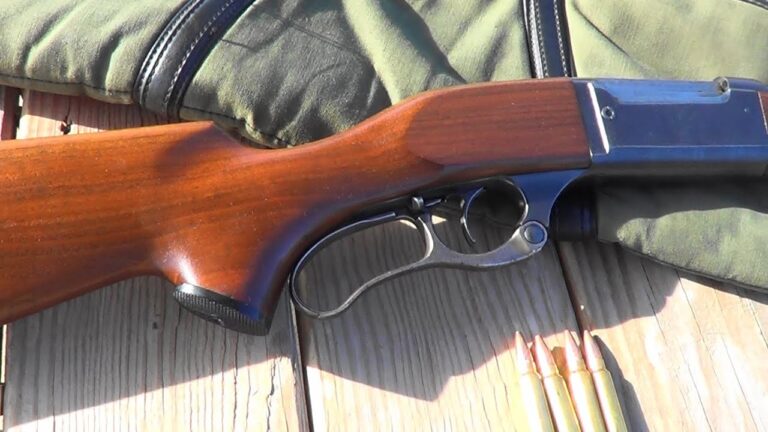
The Savage 99 always had a loyal following, but it still spent years being overshadowed in the broader hunting conversation by more familiar bolt guns and better-known lever actions. That kept many shooters from really appreciating how smart the rifle was. The design was advanced for its time, the handling was excellent, and the rifle brought real utility to hunters who wanted something more capable than many people assumed a lever gun could be.
More shooters are finally giving it the respect it deserves, and that makes sense. The 99 was not only interesting, it was genuinely useful. It carried well, pointed naturally, and served generations of hunters who valued practical field performance over trend-driven preferences. It was never the loudest rifle in camp, but it was often one of the most capable. The fact that people are finally treating it like the important sporting rifle it has always been is long overdue.
Like The Avid Outdoorsman’s content? Subscribe to our newsletter so you never miss an article.
Here’s more from us: