Photo credit: Spirit of the Outdoors/YouTube
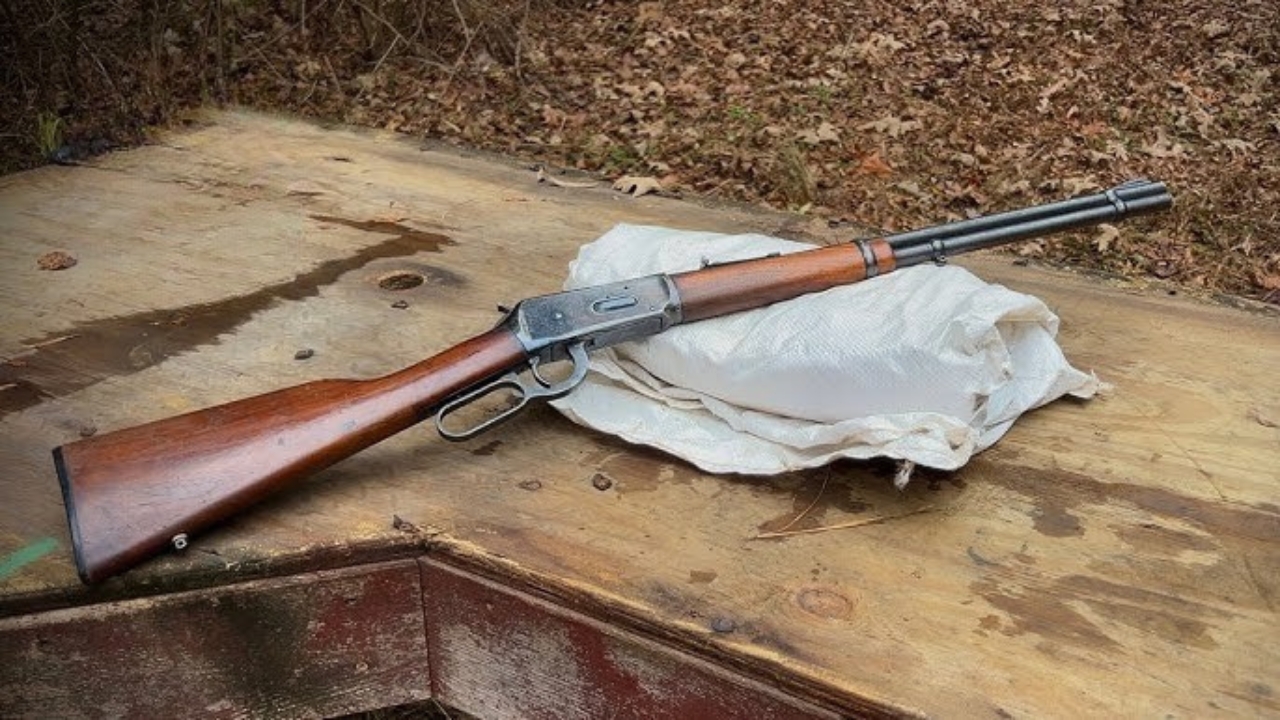
The Winchester 94 did not become famous because it was rare, delicate, or expensive. It became famous because it was the rifle people actually carried. It rode in saddle scabbards, pickups, cabins, deer camps, barns, closets, and behind kitchen doors for generations. It was light, handy, fast, and chambered for cartridges that made sense for the kind of hunting most people were actually doing.
Designed by John Browning and introduced in 1894, the Winchester Model 1894 became one of the most important lever-action rifles ever made. It was later chambered for the .30 WCF, better known now as the .30-30 Winchester, and became the first commercial sporting rifle to sell more than 7 million units. Winchester still offers Model 94 lever-action rifles today in versions like the Sporter, Deluxe Sporting, and Trails End Takedown.
1. John Browning Designed It

The Winchester 94 had a serious head start because John Browning designed it. Browning’s name is tied to some of the most important firearms ever made, and the Model 1894 fits right into that legacy. It was not just another lever gun tossed into the market. It came from one of the best firearm minds in history.
That matters because the 94 had to improve on earlier lever-action ideas. Older Winchester designs like the 1866, 1873, and 1876 were important, but the 1894 was built for a different cartridge era. Browning gave Winchester a stronger, more modern lever-action design at exactly the time smokeless powder was changing sporting rifles.
2. It Was Built for the Smokeless Powder Era

The Model 1894 became Winchester’s first rifle specifically developed around smokeless powder cartridges. That was a major shift. Earlier lever guns had built their names in the black powder era, but smokeless cartridges brought higher velocities, flatter trajectories, and a new standard for hunting rifles. The Winchester Arms Collectors Association notes that the Model 1894 was the first Winchester specifically developed for smokeless powder.
That helped the 94 stay useful much longer than older lever designs. It was not trapped in the past as cartridges improved. It arrived at the right moment, with an action strong enough for the new direction sporting rifles were taking. That gave it staying power from the beginning.
3. The .30-30 Made It a Deer Camp Staple

The Winchester 94 and .30-30 became one of the most famous rifle-and-cartridge pairings in American hunting. The .30 WCF was introduced in the 1890s and later became known as the .30-30 Winchester. It gave hunters enough power for deer, black bear, hogs, and similar game at the distances most woods hunters were actually shooting.
That practical usefulness is why the combination stuck. The .30-30 was not a long-range magnum, and it did not need to be. Inside normal timber and brush distances, it worked. Pair that cartridge with a light, fast lever gun, and hunters had a rifle that made sense for real woods hunting.
4. It Was Light Enough to Carry All Day

A classic Winchester 94 carbine was not some heavy bench rifle pretending to be useful in the woods. It was light, slim, and easy to carry. Traditional 20-inch carbine versions weighed around 6.5 to 6.8 pounds depending on configuration, which made them friendly for hunters covering ground.
That mattered more than people realize. A deer rifle spends more time in your hands than on your shoulder firing. The 94 was easy to tote through brush, across ridges, around farms, and up into stands. A rifle people actually carry is a rifle that gets used, and the Winchester 94 got used everywhere.
5. It Handled Fast in Thick Woods

The Model 94 became famous partly because it felt right in close country. The short carbine versions were quick to shoulder, easy to swing, and handy in brush. For hunters in timber, creek bottoms, cutovers, and tight trails, that mattered far more than long-range ballistics.
A bolt-action rifle with a scope might beat it across a bean field, but that was never the 94’s main lane. The Winchester 94 was made for fast handling and practical shots at real woods distances. That is why so many hunters trusted it when deer might step out quickly and vanish just as fast.
6. The Lever Action Was Fast and Familiar

A good lever action has a rhythm to it. Fire, run the lever, get back on target. The Winchester 94 gave hunters a fast repeating rifle that was easier to run from the shoulder than many people expected. It made follow-up shots quicker without the shooter lifting their head as much as they might with a bolt gun.
That speed helped the rifle earn respect. Hunting does not always give perfect one-shot opportunities. Sometimes a deer moves, a shot needs correcting, or a second animal appears. The 94 gave regular hunters a fast, familiar system that felt natural after enough practice.
7. It Became the Everyday Working Rifle

The Winchester 94 became famous because it fit regular life. It was not only a deer rifle. It was a ranch rifle, farm rifle, cabin rifle, truck rifle, and general-purpose tool for people who needed something handy and capable. That kind of daily usefulness builds a reputation faster than any advertisement.
A rifle like that does not have to be perfect. It has to be around when needed. The 94’s size, weight, and chamberings made it easy to keep close. For generations of rural shooters, it was the rifle that lived near the door because it could handle a lot of ordinary problems.
8. It Sold in Huge Numbers

Fame follows numbers, and the Winchester 94 had plenty of those. The Model 1894 became the first commercial sporting rifle to sell more than 7 million units, and more than 7.5 million have been produced over its long life. That level of production puts it in a very small club.
Those numbers matter because they explain why the rifle became part of American gun culture. People saw them everywhere. They inherited them, traded them, hunted with them, and talked about them. A rifle does not sell in those numbers unless it fills a real need for a very long time.
9. It Had More Chambering Variety Than People Remember

The .30-30 gets most of the attention, but the Model 94 was offered in several chamberings over the years. Early and classic chamberings included .32-40, .38-55, .25-35, .32 Winchester Special, and .30 WCF. Later versions stretched into other cartridges and special configurations too.
That variety helped the rifle reach more buyers. Some wanted the .30-30. Others liked the .32 Special. Some collectors chase older black powder-era chamberings. The 94’s identity may be tied most strongly to .30-30, but the rifle was broader than that, and that helped keep it interesting.
10. It Became Closely Tied to the Word “Winchester”

The Model 94 became so famous that it helped shape what many people pictured when they heard “Winchester rifle.” Earlier Winchesters had already built the brand’s frontier image, but the 94 carried that name deep into the 20th century. It became one of the rifles most associated with the Winchester identity.
That kind of brand connection is hard to overstate. Some firearms become successful products. A few become symbols of the company itself. The Winchester 94 did that. It was not only a lever action made by Winchester. To a lot of hunters, it was the Winchester.
11. It Had Just Enough Power Without Too Much Recoil
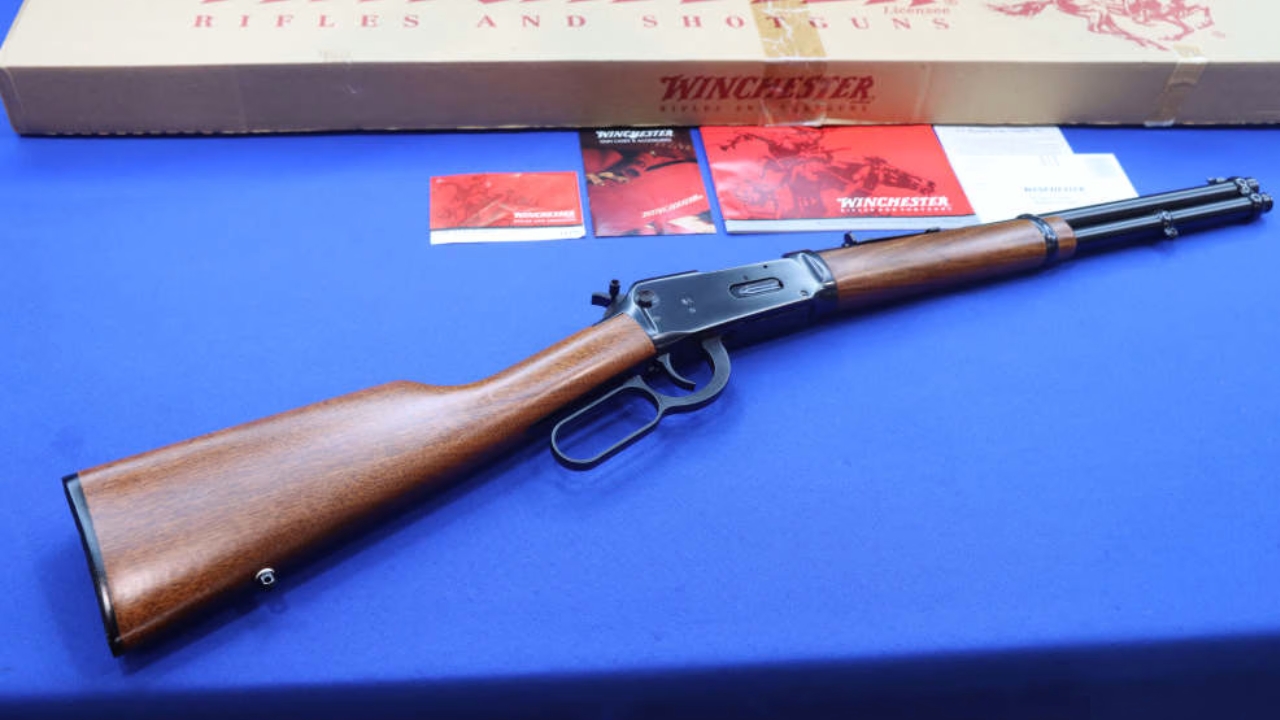
The Winchester 94 in .30-30 worked because it gave hunters enough punch without beating them up. It was not a magnum, and that was a good thing for a lot of shooters. Recoil was manageable, follow-up shots were realistic, and new hunters could learn on it without developing a flinch as quickly as they might with harder-kicking rifles.
That balance helped it stay popular. A rifle that regular people shoot well is often more useful than one that looks better on paper. The 94 and .30-30 combination gave hunters confidence. It was powerful enough for the job but still pleasant enough to practice with.
12. It Was Easy to Store and Keep Handy

The Winchester 94’s slim receiver and carbine profile made it easy to keep around. It fit in scabbards, racks, trucks, cabins, closets, and tight spaces better than many longer or bulkier rifles. That kind of convenience helped it become part of daily rural life.
A rifle that is easy to store and easy to grab tends to get used. The 94’s handiness made it the rifle people reached for when they did not want to overthink it. That practical presence helped turn it from a popular hunting rifle into a household name.
13. It Had a Long Production Life

The Model 1894’s long production life helped build its legend. Original Winchester production ran for generations, U.S. production eventually ended in 2006, and Winchester later reintroduced Model 94 rifles. Current Winchester listings still include Model 94 lever-action rifles, which shows how much demand remains around the design.
That kind of longevity matters. A rifle can be popular for a decade and then fade. The 94 kept coming back because people kept wanting it. It survived changing hunting trends, changing cartridges, changing optics, and changing rifle styles. That is not normal. That is what classics do.
14. It Became a Collector Favorite
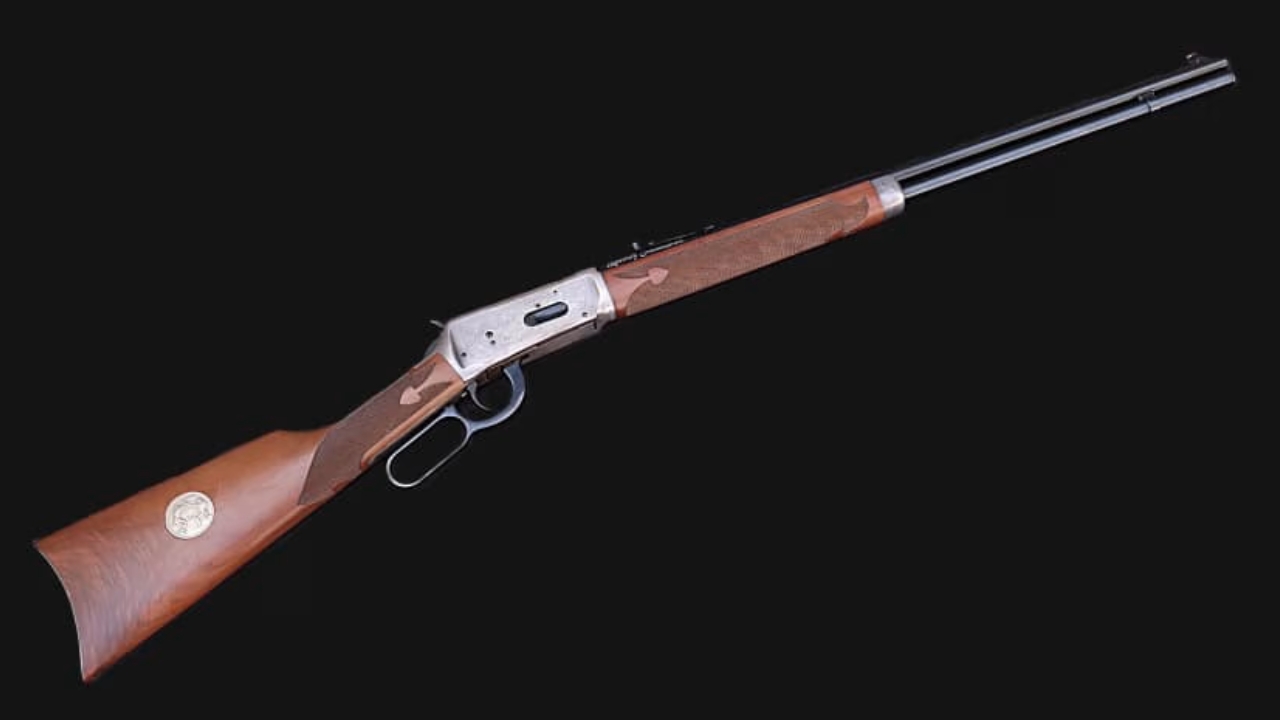
The Winchester 94 became famous as a working rifle first, but it also became a collector’s rifle. Pre-1964 examples, special-order features, older chamberings, saddle-ring carbines, takedowns, commemoratives, and clean original guns all draw attention from collectors.
That collector interest helped keep the rifle in conversation even as modern bolt guns and ARs took over many practical roles. People still study serial numbers, production changes, finishes, markings, and condition. The 94 is one of those rifles that can be both a field gun and a collectible, which gives it more staying power.
15. It Matched the Way Americans Actually Hunted

The biggest reason the Winchester 94 became so famous is that it matched the way a lot of Americans actually hunted. Most deer were not being shot at 600 yards across open country. They were being hunted in woods, brush, hills, farms, and short-to-medium-range terrain where a light, quick .30-30 lever gun made perfect sense.
That is why the rifle stuck. It was not perfect for every job, and it was never meant to be. But for generations of hunters, the Winchester 94 was exactly enough rifle in exactly the right package. It carried easy, pointed fast, hit hard enough, and became part of deer camp history. That is how a rifle gets famous and stays famous.
Like The Avid Outdoorsman’s content? Subscribe to our newsletter so you never miss an article.
Here’s more from us: