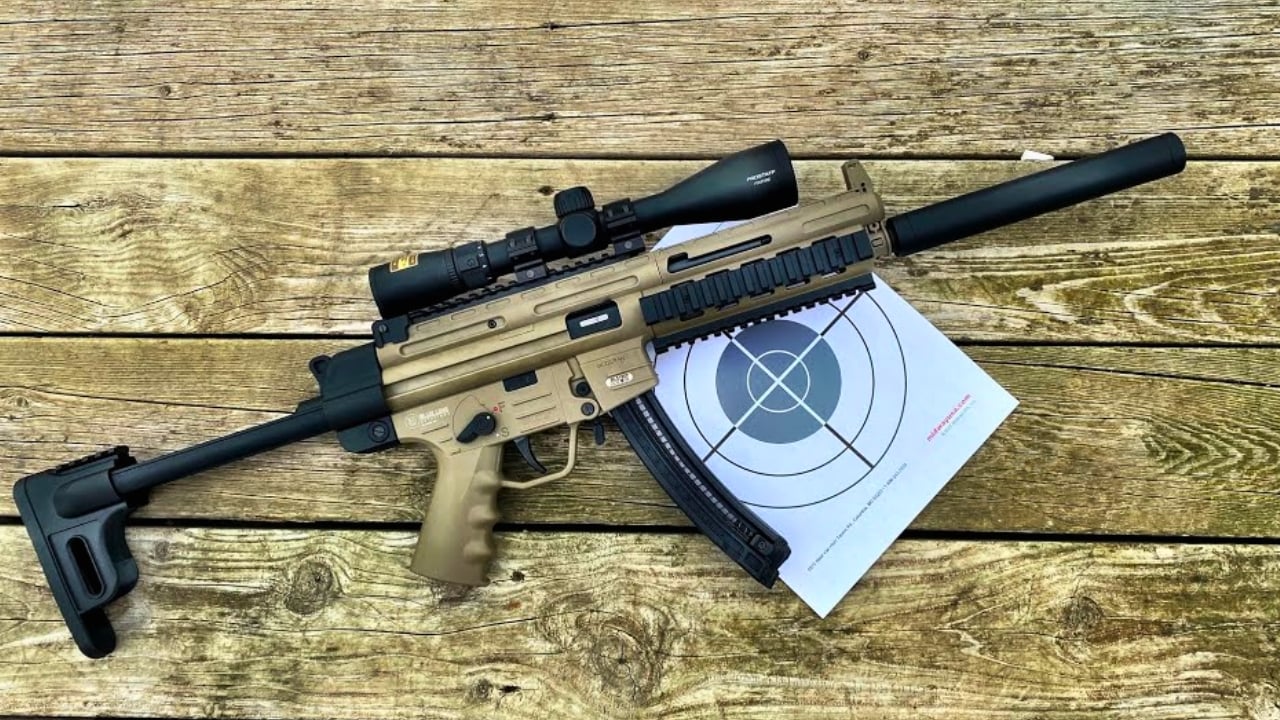
Photo credit: Black Bear Outdoors/YouTube
A firearm can perform perfectly on a clean range and still be poorly suited to hard field use. Real-world guns get dropped, bumped against door frames, exposed to rain, packed with dust, and carried for years without access to specialized replacement parts.
The weakest designs often depend on delicate buffers, lightweight frames, complicated magazines, brittle furniture, or small components that were never intended to absorb serious abuse. Some of these firearms are historically important or enjoyable to collect. That does not mean they should be treated like rugged defensive or field equipment.
Walther P1
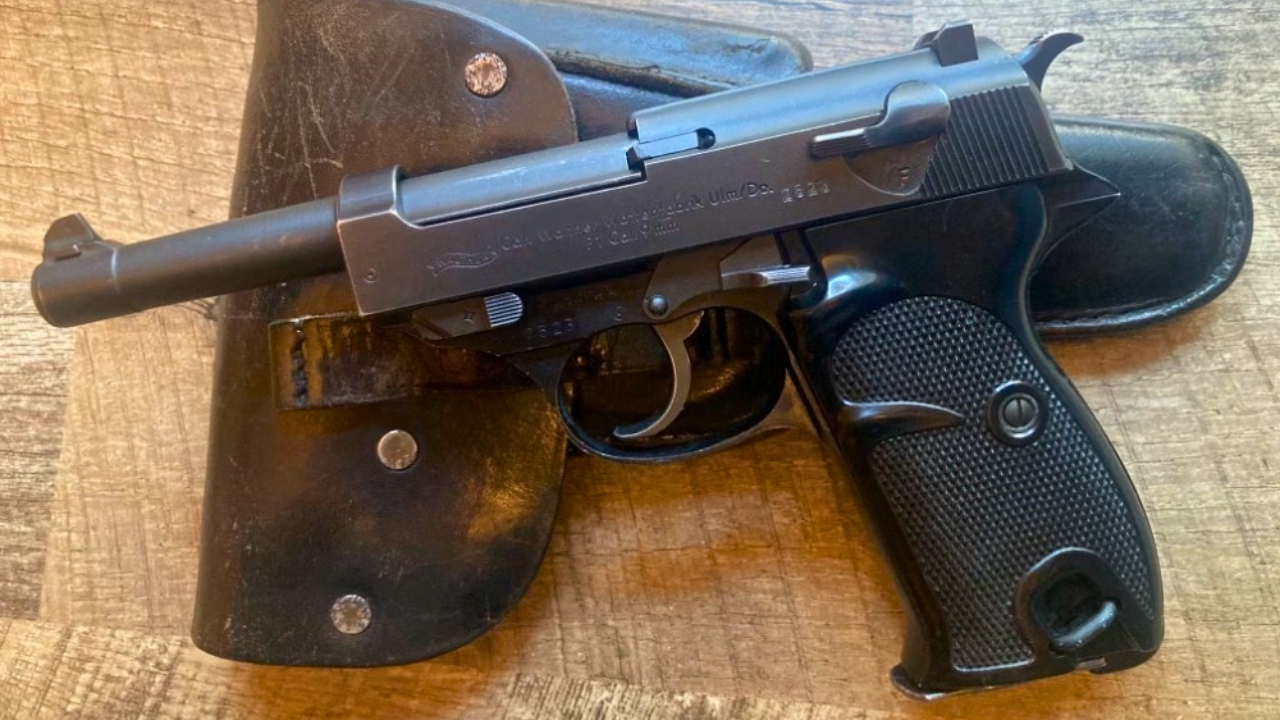
The Walther P1 was essentially a postwar P38 built with a lighter aluminum frame. That reduced the pistol’s weight and manufacturing cost, but it also removed some of the strength provided by the original steel frame.
Early P1 pistols developed reputations for frame cracking and accelerated wear under prolonged use. Walther eventually added a reinforcing hexagonal pin above the trigger area and strengthened later slides. Those changes helped, but older examples still deserve conservative treatment. A P1 can be an enjoyable historical range pistol, yet it is not the gun most owners should select for constant duty use or high-pressure ammunition.
Heckler & Koch P9S

The P9S is accurate, soft shooting, and mechanically fascinating. Its roller-delayed operating system and fixed barrel give it a shooting character unlike most conventional service pistols.
The weakness is its internal recoil buffer. The original polymer buffer deteriorates with age and can crumble even when the pistol has not been fired heavily. Continuing to shoot with a failed buffer can allow the slide to batter expensive and difficult-to-replace internal components. The P9S remains a beautifully made pistol, but relying on an aging piece of synthetic material makes it poorly suited to careless real-world use.
Luger P08
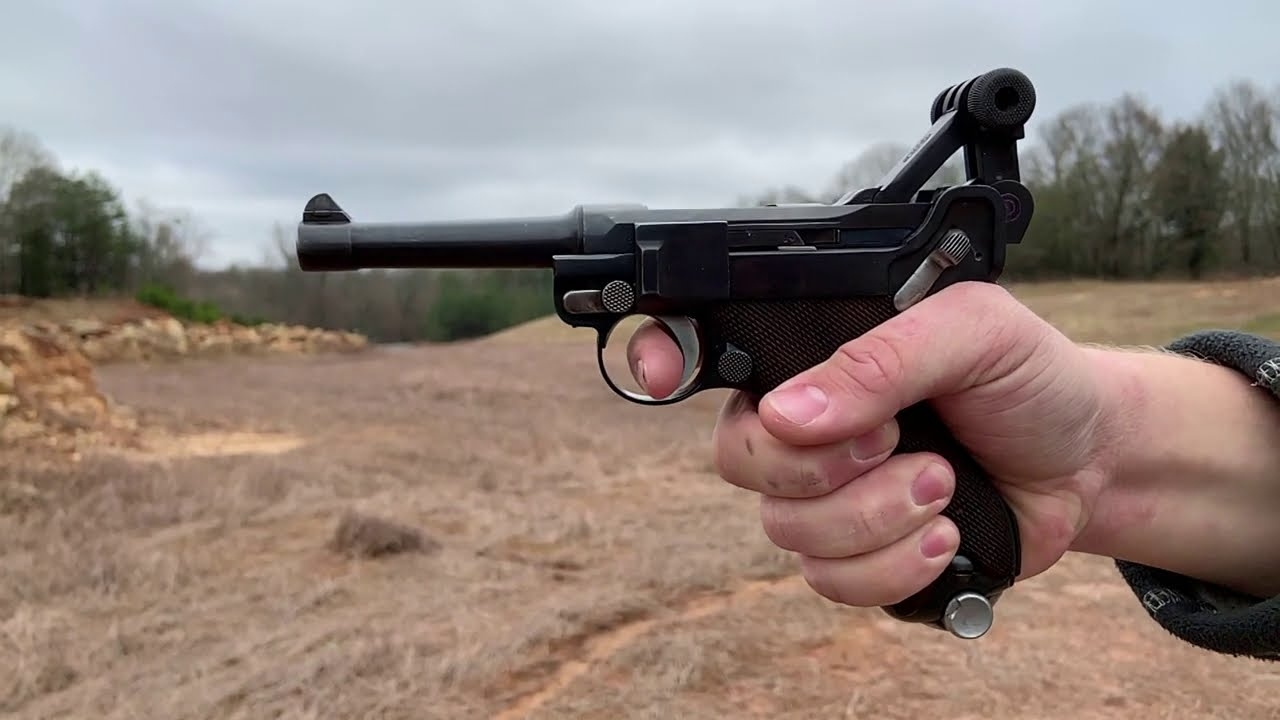
The Luger P08 is one of the most recognizable pistols ever produced. Its toggle-lock action is smooth, mechanically elegant, and capable of excellent accuracy with properly fitted parts.
That precision becomes a disadvantage when dirt, rust, damaged magazines, or inconsistent ammunition enter the equation. The exposed toggle mechanism gives debris several opportunities to interfere with movement, while many small components require careful fitting. A broken numbered part can also reduce the historical value of a collectible pistol. The Luger is best treated as a carefully maintained range gun rather than a firearm expected to tolerate rough defensive use.
Colt Pocket Nine
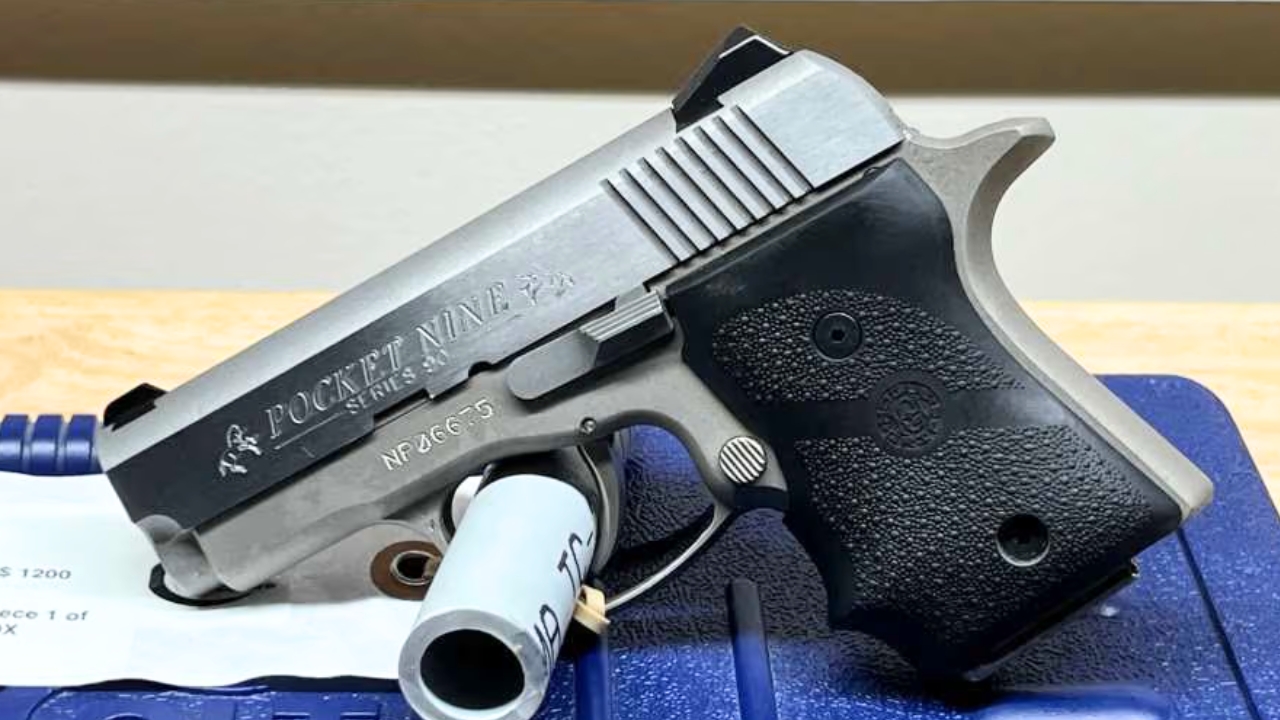
The Colt Pocket Nine was an early attempt to produce an extremely compact 9mm pistol with an aluminum frame. It was thin, light, and noticeably easier to conceal than most service pistols available during the same period.
The compact design placed considerable stress on the frame and locking system. Colt discontinued the pistol after a short production run, and reports of frame cracking helped damage its reputation. Replacement components are now scarce, making every damaged part more serious. The Pocket Nine was innovative for its time, but modern micro-compacts provide greater capacity and stronger long-term support.
Colt Lightning Rifle
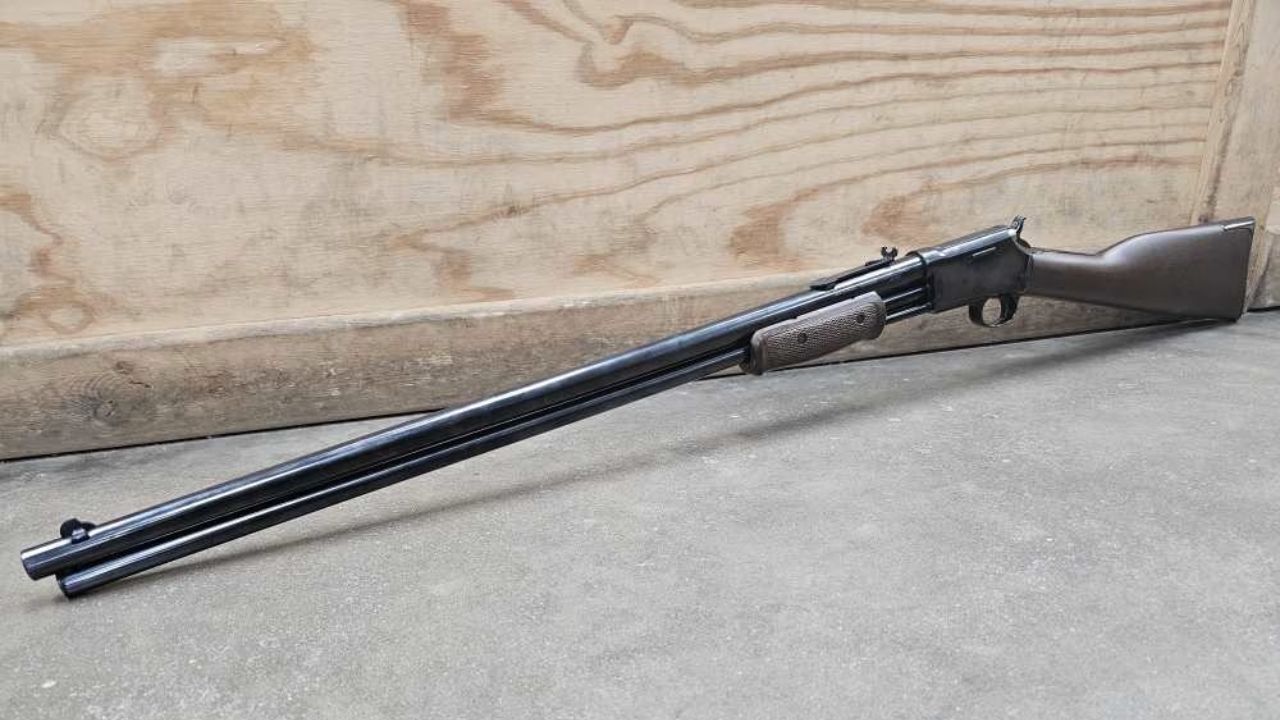
The Colt Lightning offered pump-action speed in a rifle originally produced during the late 19th century. It could be operated rapidly and gave shooters an alternative to the lever actions dominating the period.
Its internal timing is far more delicate than its rugged Western appearance suggests. The cartridge carrier, locking components, and action bars must remain properly fitted for the rifle to feed smoothly. Wear or poor adjustment can produce jams that are difficult to clear without disassembly. Modern reproductions can run well, but the Lightning remains less forgiving of dirt and abuse than a conventional lever-action rifle.
Remington Model 742 Woodsmaster
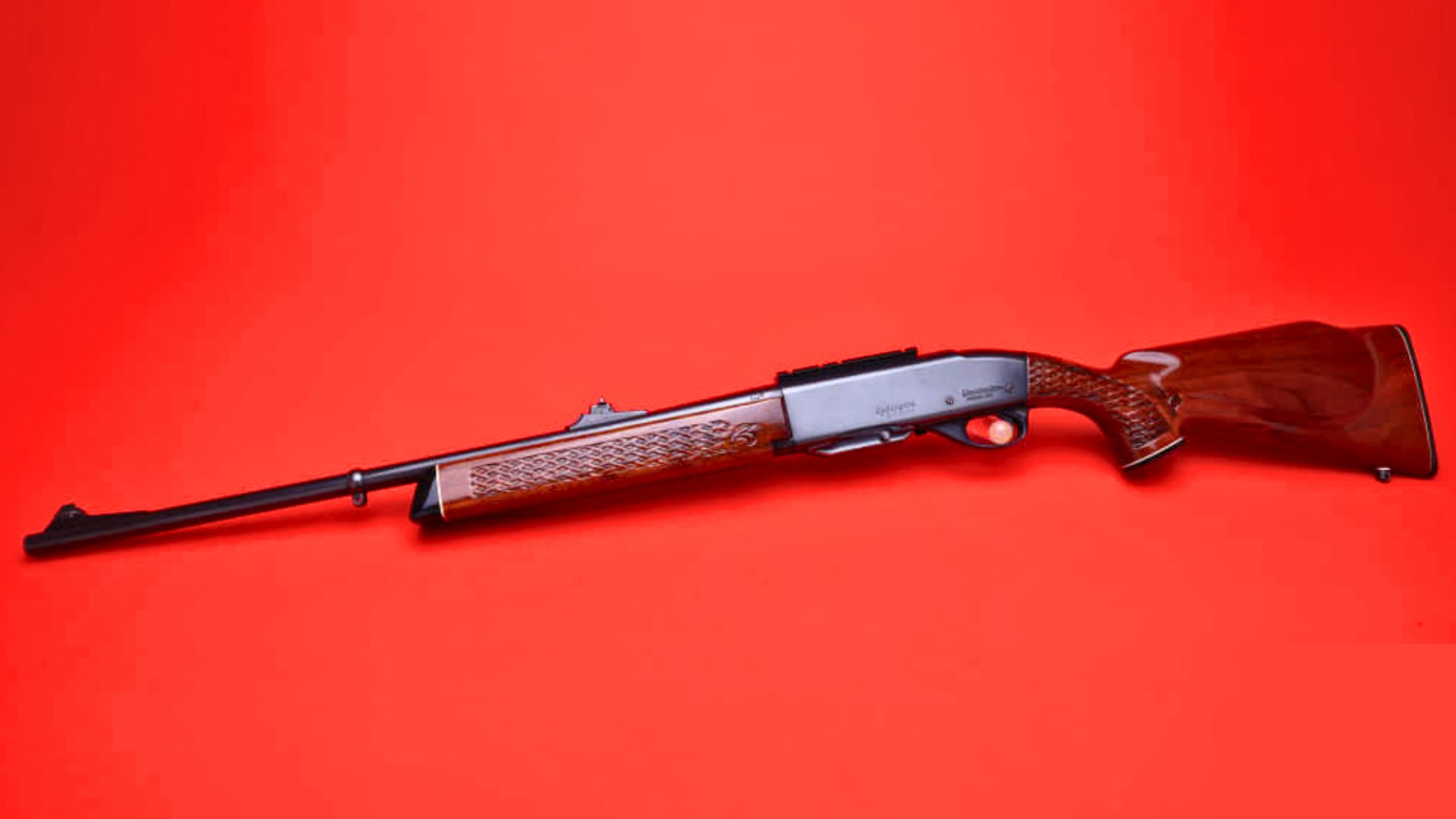
The Model 742 became a popular deer rifle because it provided semiautomatic fire in familiar hunting cartridges. Its handling and appearance appealed to hunters who wanted faster follow-up shots without carrying a military-style rifle.
Heavy use could batter the receiver rails where the bolt lugs traveled. Once those internal surfaces became damaged, the action might begin binding, and repairing the receiver was often impractical. Neglect and corrosion made the problem worse. A lightly used 742 can remain a functional hunting rifle, but it was never a strong choice for high-volume practice or hard field abuse.
Winchester Model 100
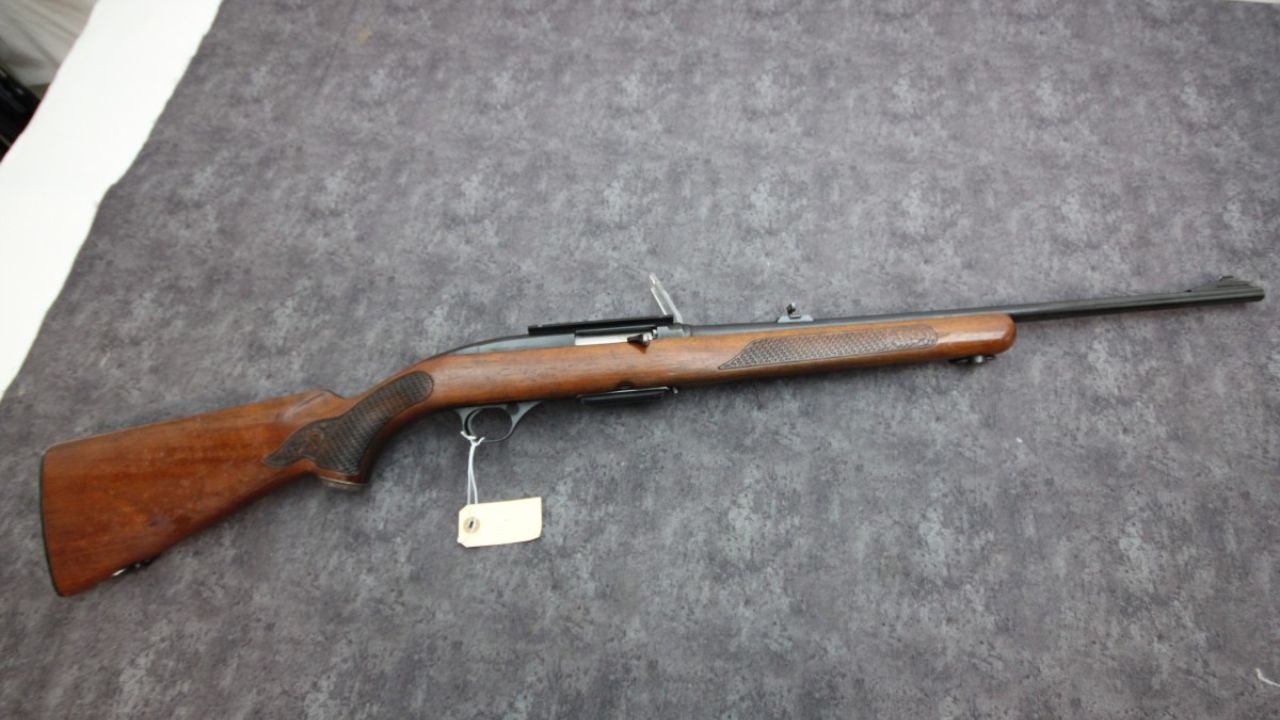
The Model 100 was another traditional-looking semiautomatic hunting rifle intended for deer and similar game. Its detachable magazine and familiar Winchester styling made it attractive to hunters moving away from lever actions.
The rifle became subject to a firing-pin recall because certain firing pins could break and potentially allow an unintended discharge. Beyond that issue, the design is complicated to service and depends on parts that are increasingly difficult to replace. It can remain useful after proper inspection, but an aging Model 100 is not the rifle to choose when easy repairs and long-term field support matter.
Franchi SPAS-12
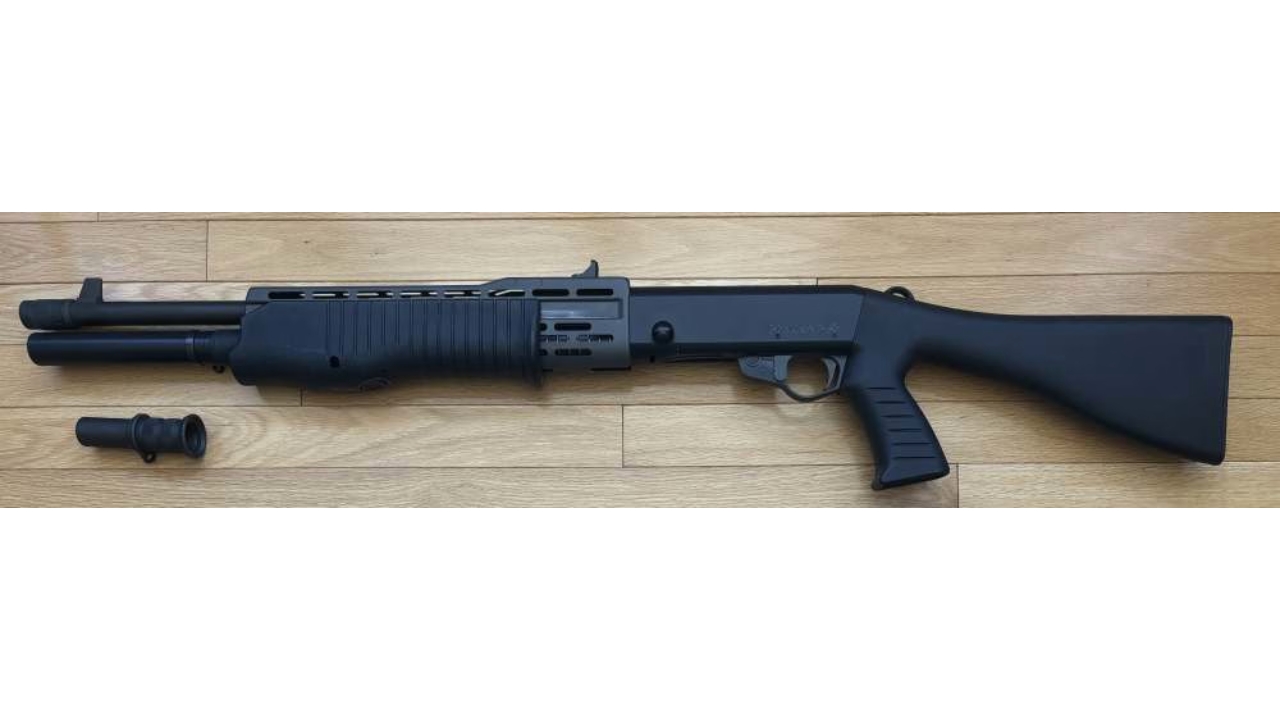
The SPAS-12 looks like an indestructible combat shotgun. Its folding stock, heat shield, dual-mode operating system, and oversized construction helped make it famous in movies and video games.
Several important components are much less rugged than the shotgun’s appearance suggests. The internal shock absorber can deteriorate with age, and firing the gun after that buffer fails can damage the receiver. The folding-stock hook is also vulnerable to bending or breaking, while original replacement parts are expensive. The SPAS-12 is collectible and visually impressive, but it is a poor shotgun to treat carelessly.
Calico M950
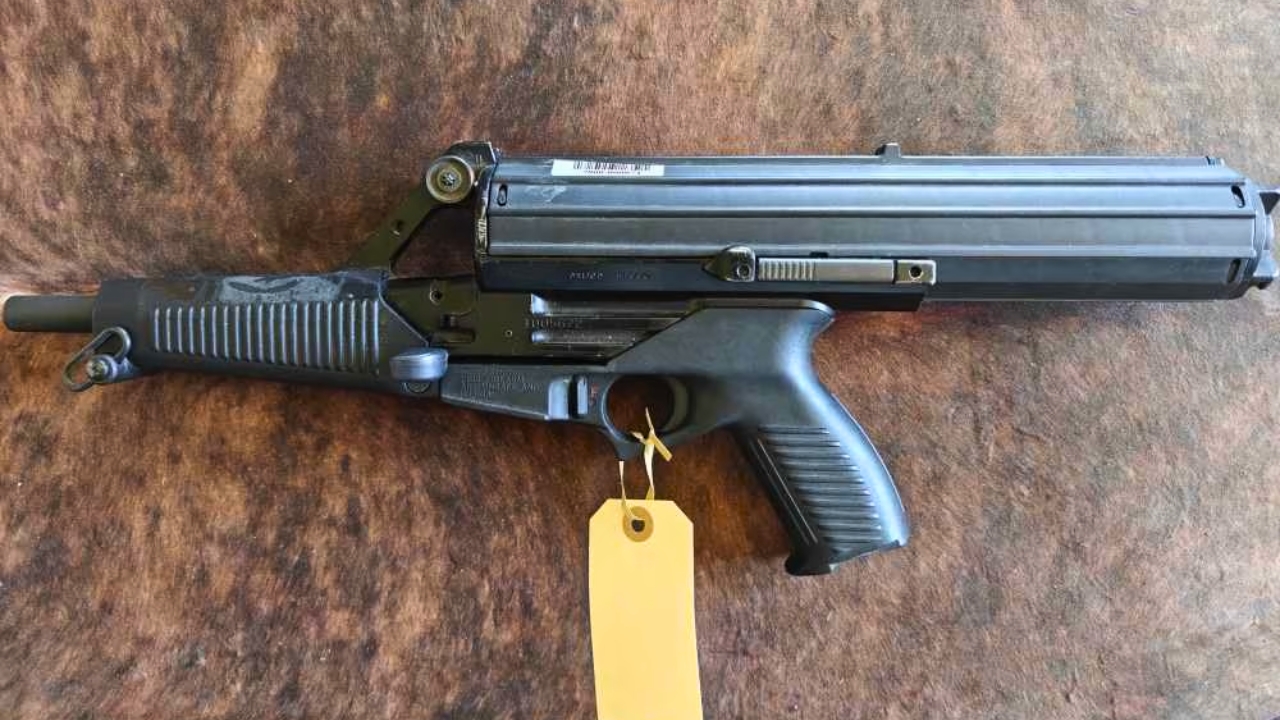
The Calico M950’s greatest feature is also its biggest weakness. Its top-mounted helical magazine can hold far more ammunition than a conventional pistol magazine while keeping the firearm relatively compact.
The magazine is complicated, sensitive to loading procedure, and more vulnerable to damage than a basic double-stack box magazine. Spring tension must be set correctly, and dirt inside the helical track can create feeding problems throughout the entire stack. Dropping a loaded magazine can turn a major part of the gun into an expensive malfunction source. The design is clever but poorly suited to rough defensive handling.
USFA ZiP .22

The ZiP .22 was supposed to be an inexpensive, modular rimfire pistol that could attach beneath a rifle or function as a compact stand-alone gun. Its unconventional shape and extensive polymer construction attracted plenty of initial attention.
Almost every part of the operating experience worked against practical use. The charging rods were located near the muzzle, clearing malfunctions was awkward, and the feeding system was unreliable. The lightweight housing and unusual controls did not inspire confidence when force was required. It remains one of the clearest examples of a firearm being designed around novelty rather than durability.
Charter Arms AR-7 Explorer
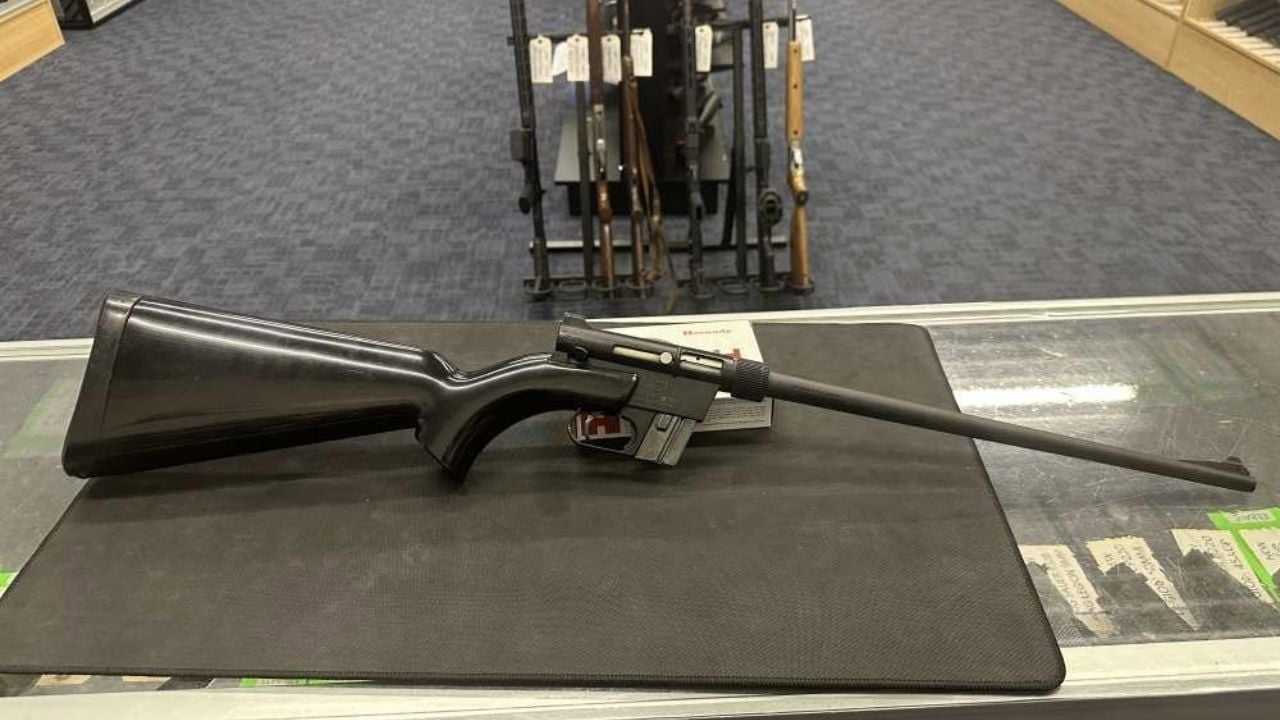
The AR-7 concept is useful because the barrel and receiver can be stored inside the hollow stock. ArmaLite’s original survival rifle was intended to provide pilots with a compact emergency firearm.
Some later Charter Arms production developed a much weaker reputation. Stocks could crack, sights felt fragile, magazines were inconsistent, and the lightweight receiver system did not tolerate abuse particularly well. The rifle might function adequately when clean and carefully assembled, but it lacked the substantial feel expected from a serious survival gun. Later Henry production improved the concept considerably.
KelTec SU-16C
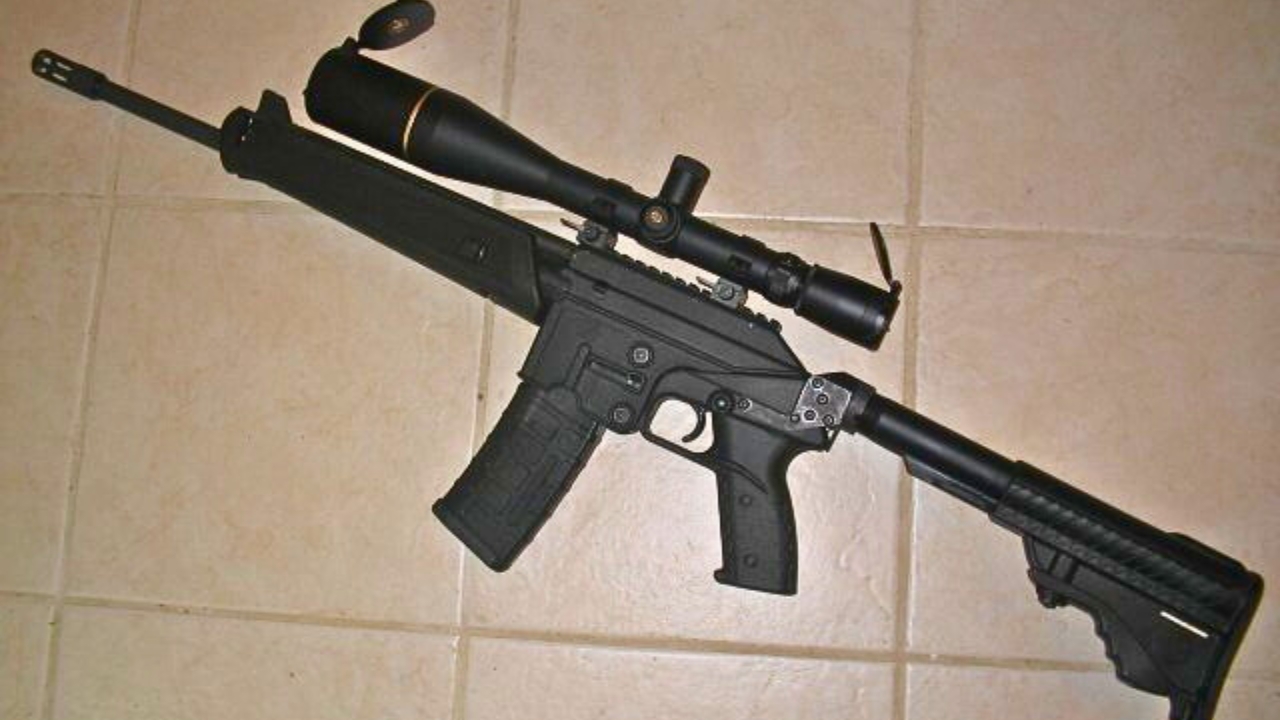
The SU-16C is an extremely light folding rifle that accepts common AR-15 magazines. Its piston system, compact storage dimensions, and low weight make it attractive as a vehicle or emergency gun.
The rifle relies heavily on polymer construction, including areas subjected to recoil and repeated folding. It was never intended to replace a heavy-duty service carbine used for constant training. Rough handling, excessive heat, or high round counts place stress on the receiver and hinge system. The SU-16 is convenient to carry, but its lightness comes from removing material that sturdier rifles retain.
GSG MP40 .22
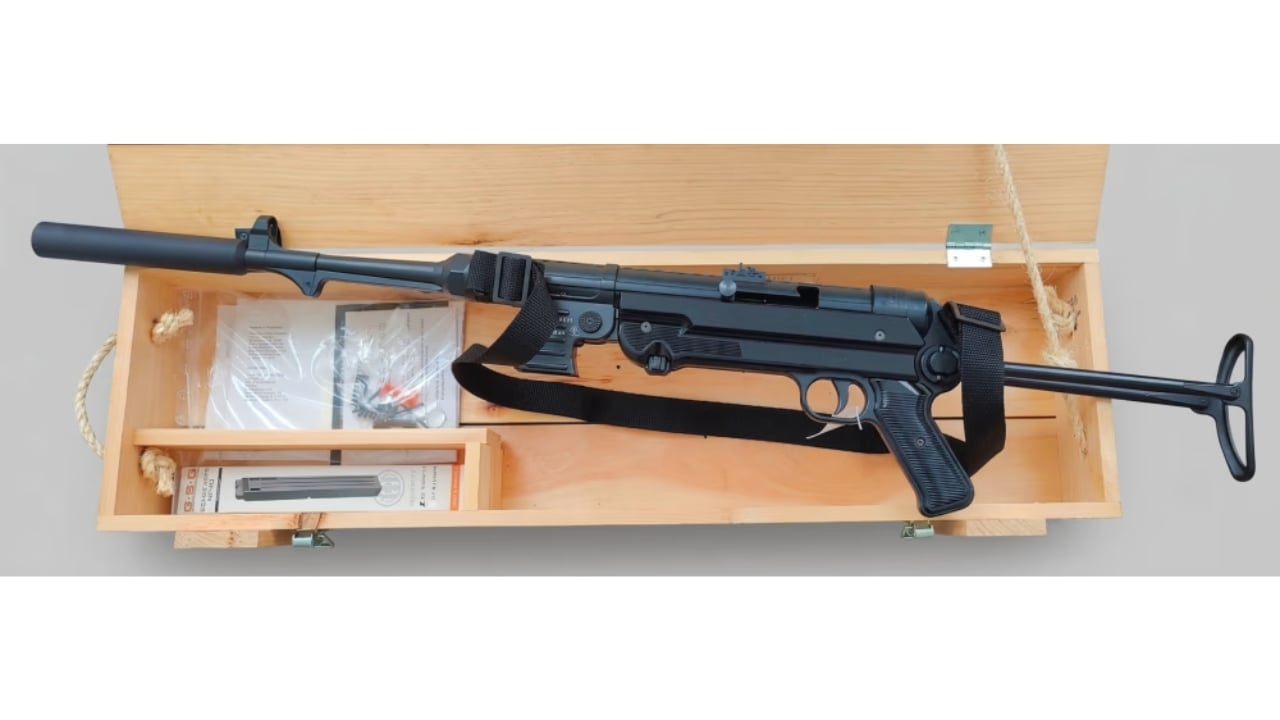
The GSG MP40 .22 gives buyers the appearance and general handling of the famous German submachine gun without the cost or legal restrictions of an original automatic weapon.
Its construction is based heavily on zinc alloy and inexpensive components rather than the stamped steel expected from a military firearm. Controls, internal parts, and magazines can wear or break under rough use. The gun works best as a recreational range piece fired occasionally and handled carefully. Its military appearance creates expectations the rimfire replica was never designed to meet.
Walther Colt M4 .22
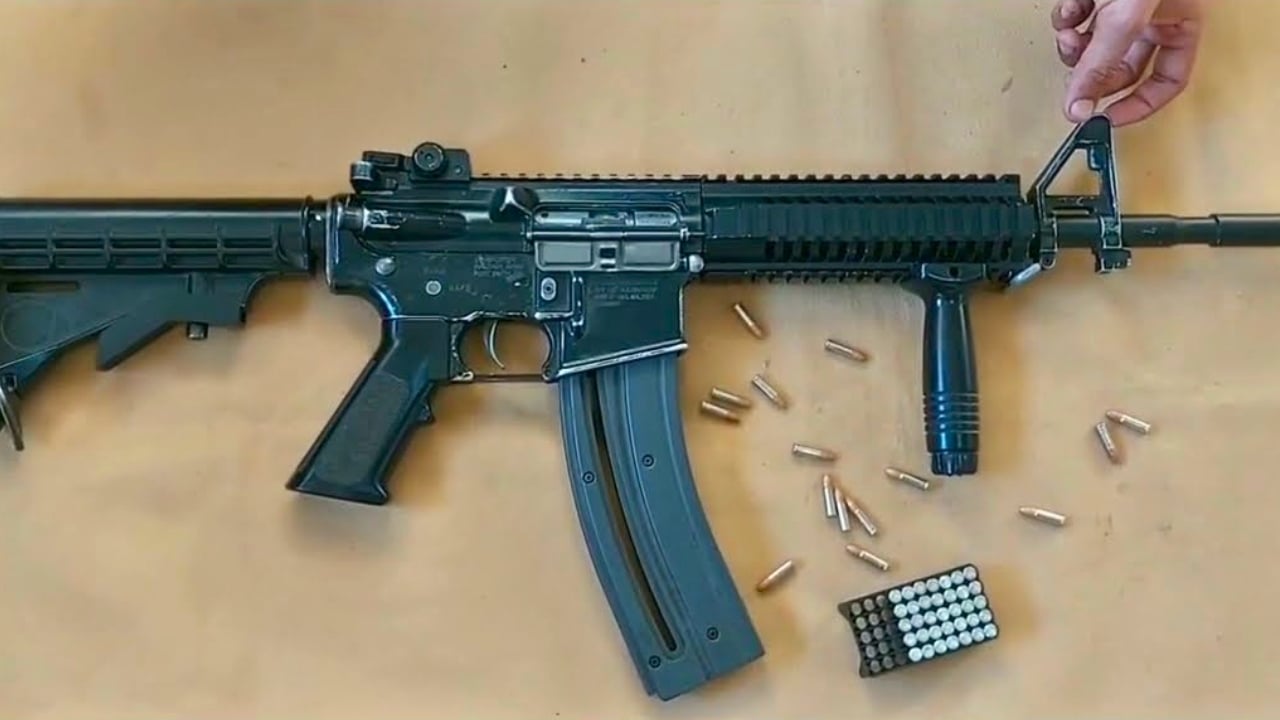
The Walther-made Colt M4 .22 resembles a centerfire AR-15 closely enough to serve as an inexpensive training rifle. It uses familiar controls, detachable magazines, and a conventional-looking receiver.
Internally, it remains a dedicated blowback rimfire with extensive use of aluminum and zinc-alloy components. Hard use can wear bolt parts, controls, and internal hardware much faster than it would on a centerfire AR. Repairs also depend on proprietary components rather than common AR-15 parts. It is useful for recreational practice, but it should not be mistaken for a rugged duty rifle.
ATI GSG-16
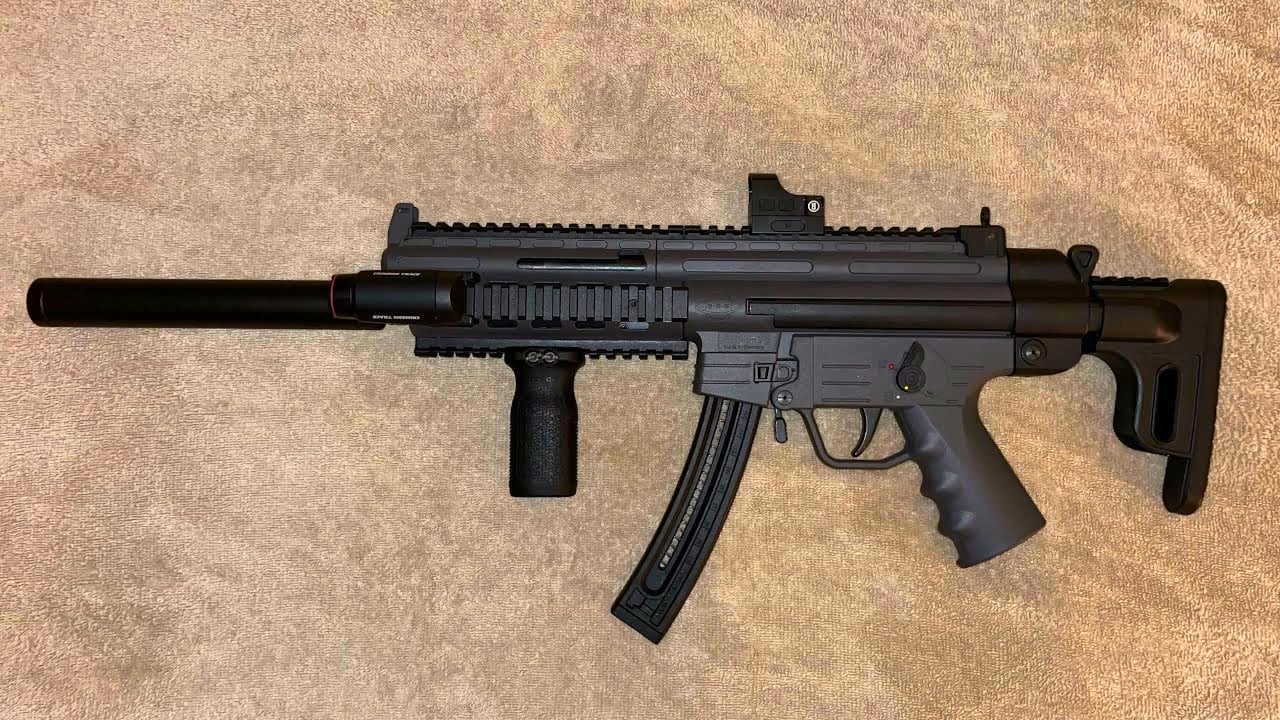
The GSG-16 is affordable, lightweight, and equipped with enough rails and adjustable furniture to appeal to shooters who want a tactical-looking rimfire rifle.
Its polymer body panels, charging handle, stock components, and small controls feel vulnerable compared with the parts on a centerfire service rifle. Rough manipulation can loosen hardware or damage components that are not easy to replace locally. The GSG-16 can be entertaining with appropriate ammunition, but it is better treated as a recreational plinker than a survival or field rifle.
UTAS UTS-15

The UTS-15 uses two tubular magazines positioned above the barrel, giving the shotgun substantial capacity inside a compact bullpup layout. The shooter can select either magazine or alternate between them.
That complexity introduces multiple failure points. The polymer shell tubes, selectors, loading system, and feed mechanism must all remain aligned and functional. Early examples developed a particularly poor reputation for feeding problems and fragile components. Later production improved, but the design still lacks the mechanical simplicity expected from a hard-use pump shotgun.
Chauchat M1915

The Chauchat is remembered as one of the least dependable automatic rifles fielded during World War I. Its long-recoil system was mechanically unusual but not necessarily hopeless on its own.
The open-sided semicircular magazine allowed mud and dirt to reach the cartridges easily. Thin magazine construction also made it vulnerable to dents that disrupted feeding. Combined with rough wartime manufacturing, the fragile magazine turned battlefield debris into constant stoppages. The Chauchat demonstrated that a firearm is only as durable as the component delivering ammunition to it.
Ross Rifle Mk III

The Ross rifle was praised for accuracy and its fast straight-pull action. In clean conditions, it could perform impressively and earned a following among marksmen.
Trench warfare exposed its weaknesses. Tight tolerances made the action sensitive to dirt, while certain ammunition could be difficult to extract. More seriously, the bolt could be assembled incorrectly on some versions, creating a dangerous condition. A precision sporting environment suited the Ross much better than mud, stress, and hurried military maintenance.
Nambu Type 14

The Type 14 Nambu has an unusual appearance and an important place in Japanese military history. Its light cartridge and locked-breech action made recoil mild.
The pistol’s striker spring was not especially strong and could weaken enough to cause ignition failures, particularly in cold weather. Its small parts, awkward safety, and exposed locking system also did not tolerate neglect well. Later oversized trigger guards improved winter handling but did not solve the basic mechanical limitations. The Type 14 is historically valuable but falls short as a rugged service pistol.
Japanese Type 94 Nambu
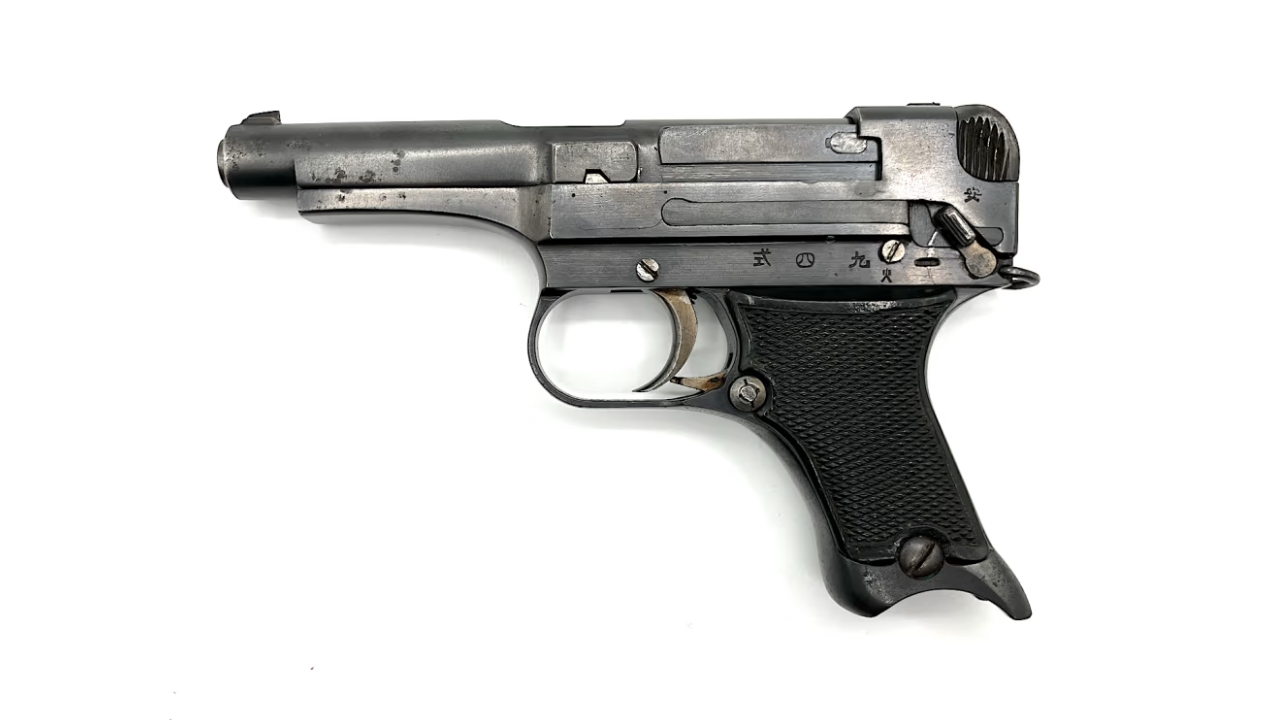
The Type 94 Nambu was designed to be smaller and cheaper than the Type 14. It succeeded in reducing size but created one of the most criticized military handgun designs ever issued.
Its exposed sear bar could fire the pistol if pressed while the chamber was loaded and the action was cocked. The small grip, awkward controls, and weak overall construction added further concerns. Not every Type 94 discharged accidentally, but a service pistol should not contain an exposed component capable of releasing the firing mechanism. It belongs in a collection, not a defensive holster.
Like The Avid Outdoorsman’s content? Subscribe to our newsletter so you never miss an article.
Here’s more from us: