Photo credit: Archetype of Man/YouTube
Slide-lock reloads are a normal skill. The gun locks back, you dump the mag, insert a fresh one, and get the gun back into action. Some pistols make that smooth and repeatable. Others punish you with stiff springs, sharp magwell edges, tiny slide stops, weird ergonomics, or magazine seating issues that show up when you’re moving fast. If a carry pistol makes slide-lock reloads miserable, it’s not just annoying—it affects how you train and how confident you feel under pressure.
Ruger LCP / LCP Max

These pistols are built around deep concealment, not fast reloads. The controls are small, the grip is tiny, and the gun is hard to hold stable during a reload. Slide-lock reloads often feel awkward because you don’t have much to grab. Seating the mag cleanly can be inconsistent if your hand placement is sloppy, and hitting the slide stop is not something most people do confidently on these guns.
A lot of LCP owners end up sling-shotting the slide instead of using the stop because the stop is small and the gun is small. That’s fine, but it’s still slower and harder to do cleanly under stress. If your carry gun makes reloads annoying, you’ll avoid practicing reloads, and that’s how skill quietly disappears.
SIG P365 (standard size)

The P365 is a good carry pistol, but slide-lock reloads can feel cramped. The slide stop is small, and depending on how you grip, you might be riding it. That can prevent lockback in the first place, or it can make it harder to hit confidently when you’re reloading. The magazine also seats into a short grip, and with some baseplates you don’t get much leverage.
Under speed, the most common issue is not seating the mag hard enough. The gun is small, and people get gentle without meaning to. Then you hit the slide release and nothing happens because the mag isn’t fully locked. That’s the “punish you” moment. The fix is training and deliberate seating, but the platform doesn’t give beginners much forgiveness.
Springfield Hellcat

The Hellcat is similar to the P365 in that it’s compact, snappy, and crowded around controls. Slide-lock reloads can feel stiff because new mags are tight and the springs are strong. Seating a full magazine on a locked-back slide is usually fine, but seating a full mag with the slide forward can be noticeably harder, and that bleeds into how people perceive the gun during reload work.
The other issue is the slide stop’s size and feel. Some shooters just don’t like using it under speed because they can’t hit it consistently. They end up overhand racking every time, which works, but it can be slower and clunkier in the micro-gun format. If you carry a Hellcat, practice reloads intentionally so you’re not discovering quirks in the moment.
Glock 43 / 43X (especially with tight new mags)
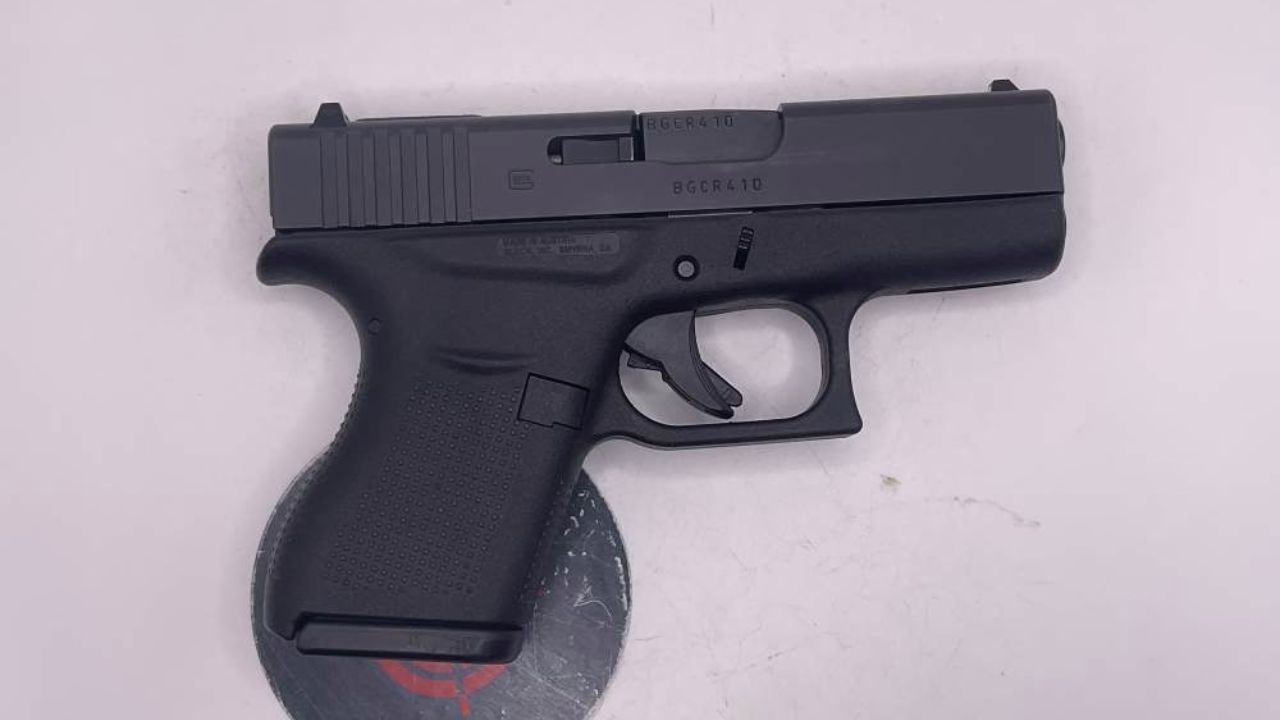
Glocks usually reload well, but the slim models can punish sloppy technique. With tight new mags, seating a full magazine can require more force than people expect. Then shooters hit the slide release and wonder why the slide didn’t go forward. It’s because the mag isn’t fully seated. On a compact double-stack, you get more margin. On a slim gun, you get less.
Another issue is the small frame and how people grip it during reloads. If you don’t stabilize the pistol well, you’ll “chase” the gun while trying to insert the mag. That’s where reloads fall apart. The guns aren’t broken—people are rushing. But the slim format is less forgiving of rushed or half-committed reload technique.
S&W Shield (original and some variants)
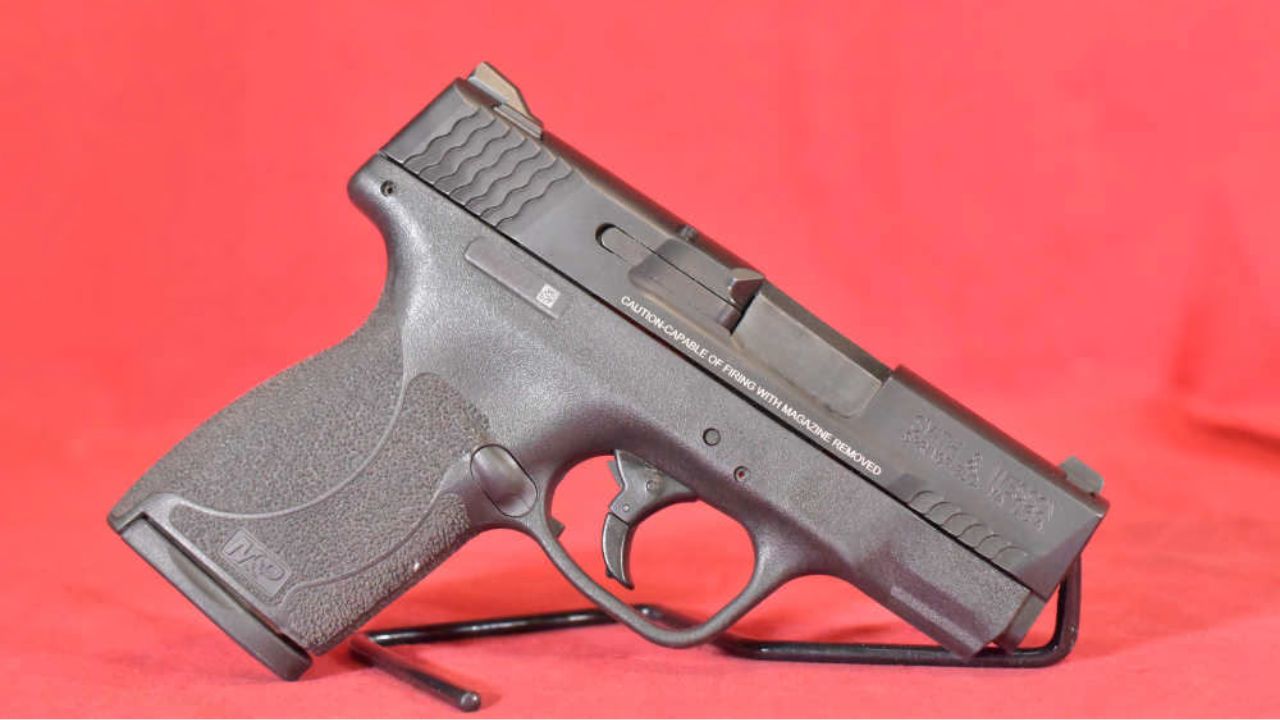
The Shield is a classic carry gun, but slide-lock reloads can feel slower and fussier than on a compact service pistol. The grip is short, and the gun can move in the hand during the reload unless you’re deliberate. Mags can feel stiff when new, and seating a full mag can take a firm push, especially if you’re not giving it a straight insertion.
The slide stop is also not the most user-friendly for everyone. Some shooters can hit it easily, others can’t. If you can’t, you end up racking the slide, which again is fine—but it adds steps and movement. The Shield is a solid carry pistol, but it’s not the easiest platform to run fast reloads on unless you’ve practiced it enough that your hands don’t fumble.
Kahr PM9 / CM9

Kahr pistols often punish slide-lock reloads because of trigger and control feel combined with small size. The slide stop isn’t always easy to hit quickly, and the gun’s compact grip makes it harder to stabilize during the reload. Some shooters also find the mags need a firm seat to lock reliably—especially when everything is tight.
The bigger issue is that Kahrs tend to be carried more than shot. That means the owner doesn’t build smooth reload reps, so slide-lock reloads become a weak point. The gun will happily punish that by not chambering cleanly if you do a half-seated mag and then run the slide. If you run a Kahr, drill mag seating and pick one consistent reload method.
Walther PPS (and other slim single-stacks)

Slim single-stacks tend to punish slide-lock reloads because there’s not much gun to hold on to. The PPS is a good pistol, but the reload motion can feel awkward, and stabilizing the frame while inserting the mag takes more precision than people expect. Under stress, precision drops, and reloads get sloppy.
Slide stops on these guns also vary in feel and accessibility depending on hand size. Some shooters can hit them, others prefer racking. Neither is wrong. The problem is inconsistency. If your reload method changes because the gun feels awkward, you lose repeatability. The PPS can be a fine carry gun, but it’s not a “reload monster” unless you put in reps.
SIG P238 / P938
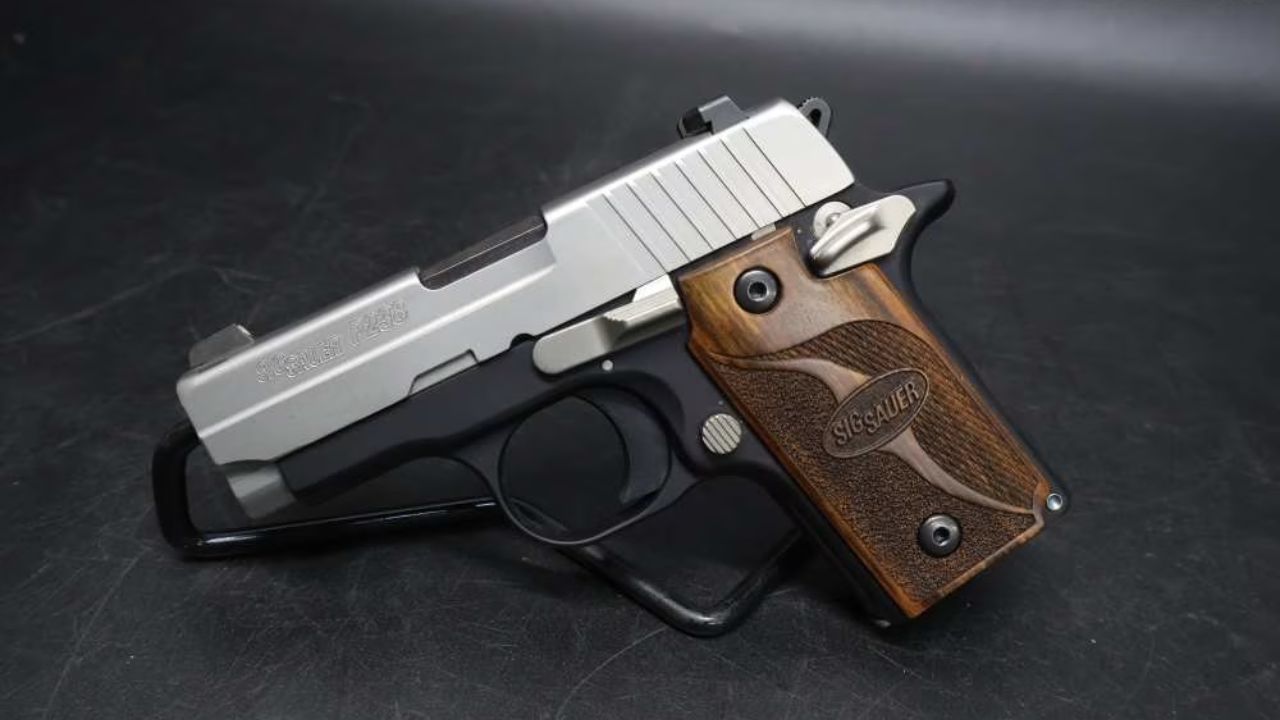
These are small single-action pistols with small controls. Slide-lock reloads are totally doable, but they’re not as smooth as on larger pistols. The slide stop can be small, and seating magazines cleanly takes deliberate force because you don’t have a big grip to anchor against. Under speed, a tiny gun feels like it’s dancing around in your hands.
A lot of owners end up using an overhand rack because it’s more consistent for them than trying to press a small slide stop under stress. Again, that’s fine—just train it. The punishment comes when you try to reload them like a duty gun and discover the ergonomics aren’t built for that style of speed.
Beretta Tomcat

The Tomcat has its own operating style, and slide-lock reloads aren’t the thing it does best. Small frame, small controls, and a design that’s more about convenience than speed. Under stress, manipulating the slide and seating mags can feel clumsy. It’s a pocket-style pistol with a unique personality, and it doesn’t pretend to be a modern duty micro-9.
If someone carries a Tomcat, the reload plan should be simple: practice enough to do it, but don’t build your whole defensive confidence around “fast reloads” on that platform. The gun’s role is close-range carry, not high-tempo reload work. It will punish you if you expect it to behave like a larger modern pistol.
S&W Bodyguard .380 (original)
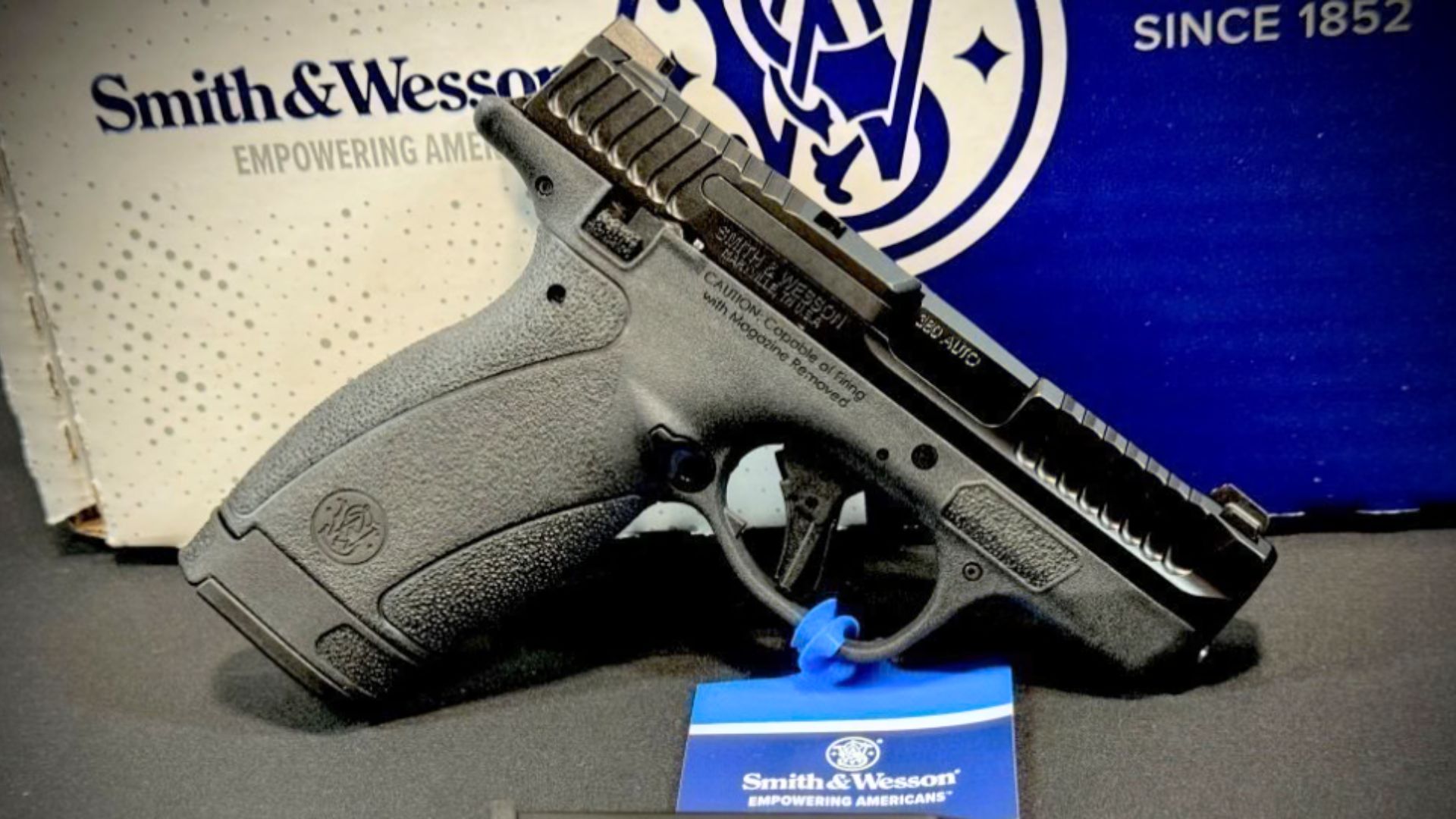
The original Bodyguard is another pistol that makes slide-lock reloads feel like work. It’s small, the controls are not generous, and the whole gun feels better suited to “load it and carry it” than “run it hard.” Seating a mag while stabilizing the gun is harder than people expect, and under speed it’s easy to get crooked insertion or a half-seated mag.
A half-seated mag on a slide-lock reload is how you waste time and create confusion. That’s the punishment. The fix is reps and being forceful with mag seating. But in reality, most people don’t shoot these guns enough to make reloads smooth. That’s why they feel worse in real handling than they look on paper.
Glock 26 (short grip complicates reload grip)

The Glock 26 reloads fine, but the short grip can complicate slide-lock reloads if you don’t manage your hand position. Some shooters “pinch” the mag during insertion because their pinky and palm are fighting for space. Others don’t seat the mag fully because their hand is slipping on the short frame.
The gun isn’t punishing you because it’s flawed—it’s punishing you because it’s compact. The fix is using a consistent technique: strip the mag cleanly, seat the fresh mag with authority, and then run the slide the same way every time. If you’re inconsistent, the G26 will expose it. If you’re consistent, it runs like it should.
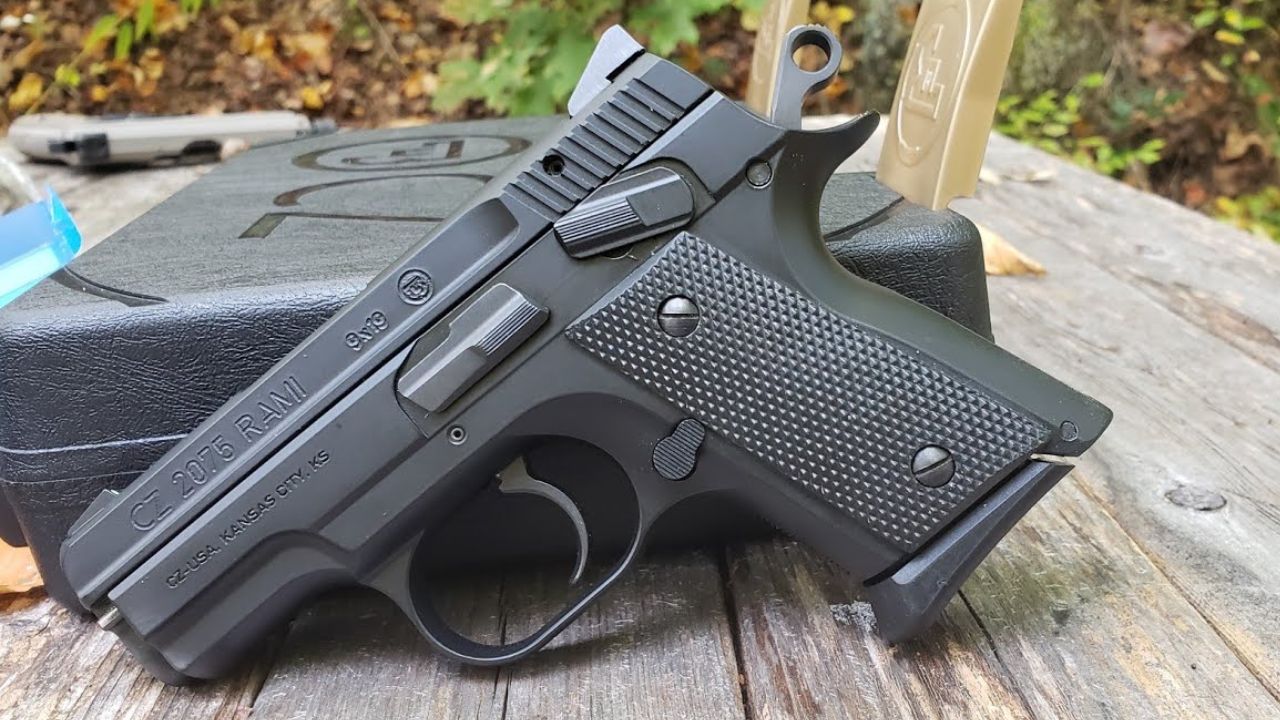
CZ RAMI
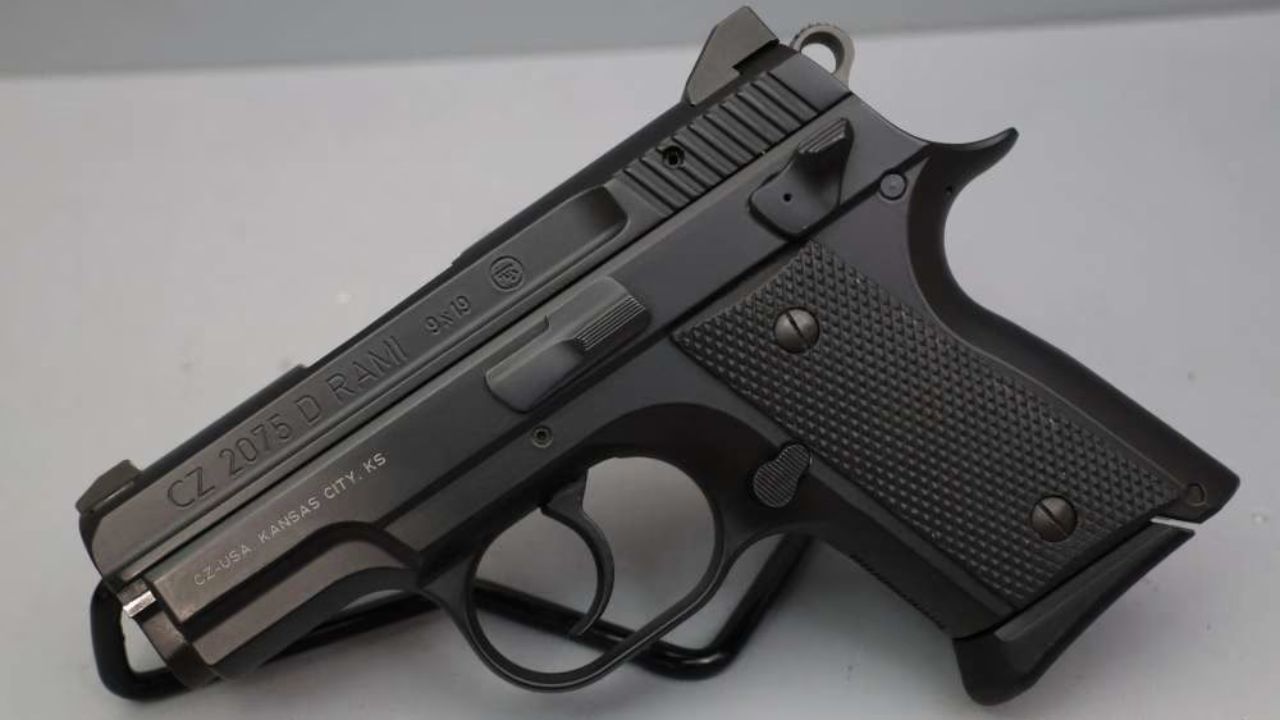
The RAMI is a compact that can be great, but slide-lock reloads can feel awkward depending on your hands. The controls are small, and the frame is short. Stabilizing the pistol while inserting a mag can feel cramped. If your reload grip isn’t clean, you’ll waste motion and time getting the mag lined up.
The other issue is that RAMI ownership often includes a mix of mags and baseplates, and inconsistency there can make reloads feel unpredictable. A short grip plus different mag lengths equals different indexing feel. Under speed, that can lead to missed seats or sloppy insertions. If you carry a RAMI, simplify your mag setup and practice with the exact mags you’ll carry.
SIG P239

The P239 is a solid pistol, but as a slim single-stack it still carries the “less forgiving” reload reality. Slide-lock reloads can feel slower because you don’t have the same grip real estate. The slide stop is usable, but not everyone finds it fast. And with older mags, seating feel can vary depending on spring condition and baseplate wear.
This is one of those pistols that can be carried confidently, but if you’re trying to run modern-speed reloads, it may feel behind the curve. That’s not an insult—it’s just the reality of the design era and format. If you carry one, train a consistent method and keep your mags in good shape so you don’t get surprised by inconsistent seating.
Walther PPK / PPK/S

The PPK is not a reload-friendly pistol under stress. The controls are small, the grip is small, and the slide bite risk can make you hesitant to manipulate the slide aggressively. Slide-lock reloads can feel clumsy because the gun’s ergonomics were not designed around modern defensive reload drills.
A lot of PPK owners end up treating reloads as “slow and careful,” which is fine for range use. The punishment comes when you expect it to behave like a modern carry pistol in training. If you’re carrying a PPK, your best bet is to keep practice realistic and accept the limitations. You can still run it, but you’ll work harder than you would with a modern compact.
Micro 9s with very stiff new magazine springs (category problem, not one brand)
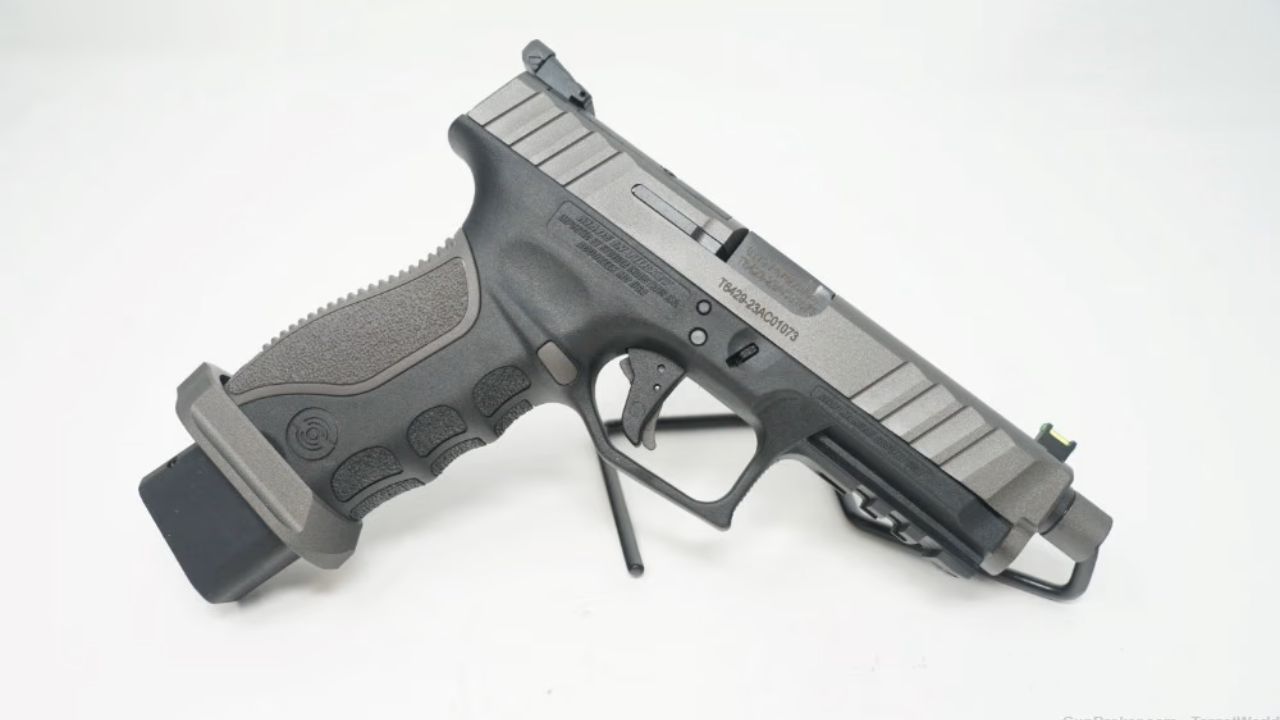
This isn’t one specific gun, but it’s a real pattern: micro 9s often have stiff magazines that punish slide-lock reloads until they break in. When the springs are tight, seating a full mag takes real force. New shooters often don’t seat it hard enough. Then the slide doesn’t chamber, and the shooter thinks the gun failed. It didn’t. The mag wasn’t locked.
This is why I tell people to practice reloads with their actual carry mags and confirm seating by feel. Slam it in. Tug it. Then run the slide. Micro pistols are less forgiving because there’s less leverage and less room to be sloppy. If you accept that and train accordingly, you can run them well. If you don’t, they’ll punish you every time the gun locks back.
Like The Avid Outdoorsman’s content? Be sure to follow us.
Here’s more from us: