Photo credit: ROGUE OUTDOORS/YouTube
Every hunter has owned one rifle that looked great in the catalog, felt fine at the counter, and then turned into a long season of second-guessing once it was actually taken into the field. These aren’t rifles that fall apart or fail spectacularly. They simply underperform where it matters most: in the woods, in the cold, and under the pressure of real shots on real animals.
Plenty of rifles can shoot decent groups on a calm summer afternoon, but very few carry well, settle quickly, and stay predictable when your heart rate spikes. The rifles below are the ones hunters forget to mention when sharing success stories—because many regret buying them as soon as they try putting meat in the freezer.
Remington Model 710

The Remington 710 is one of those rifles hunters often buy because the price looks right. Once you actually use it, though, the shortcomings become obvious. The bolt feels rough even when the rifle is new, and that sluggish cycling is something you notice when you’re trying to chamber a round quietly. The plastic components don’t inspire confidence, especially the stock, which flexes under pressure and shifts point of impact in field positions.
From the bench, accuracy can be fair, but things change the moment you rest the rifle on a branch or kneel for a quick shot. Hunters expecting an affordable, reliable tool often find themselves fighting the rifle more than working with it. After a season or two, many move on to something that feels sturdier and performs more consistently.
Thompson/Center Venture (Early Models)

The early T/C Venture rifles had potential, but many hunters walked away disappointed after real field use. Accuracy was often acceptable, yet the rifles showed inconsistent performance depending on how they were supported. The factory stock had enough flex to influence barrel harmonics, especially when used on shooting sticks or natural rests.
The bolt lift also felt heavier than expected, making quick follow-up shots difficult while wearing gloves. Hunters liked the idea of a budget rifle from a respected company, but after spending serious time in the woods, many decided the rifle didn’t offer the stability, consistency, or handling they needed for unpredictable deer hunting conditions.
Remington Model 597 Magnum (.22 WMR)
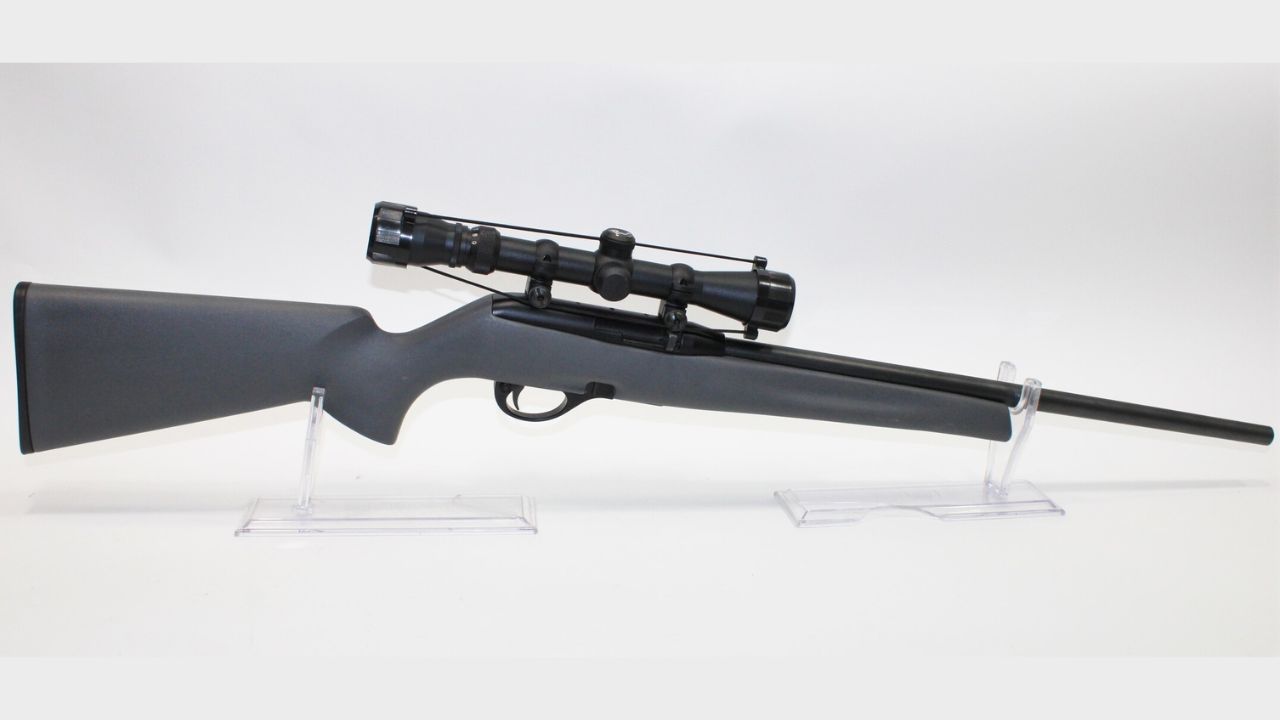
The Remington 597 Magnum appealed to hunters wanting a rimfire with more punch. In the field, though, many users found the rifle too unpredictable for small-game or predator work. Extraction problems became common once the rifle had some mileage on it, and the action didn’t handle varied environmental conditions as well as competing designs.
Accuracy from a bench was decent, but groups often opened up when transitioning to standing, sitting, and supported field positions. Hunters typically regret using it for serious tasks and eventually transition to bolt guns that offer steadier results and fewer quirks in real terrain.
Mossberg MVP Patrol (.308)

The MVP Patrol looks attractive on paper—a compact .308 with AR-mag compatibility—but many hunters regret choosing it for deer or hog hunting. The lightweight build creates more recoil than many expect, and maintaining a steady sight picture in offhand or kneeling positions becomes challenging.
Accuracy varies noticeably from one ammunition type to another, and the factory triggers can feel inconsistent. Hunters who bought it for portability often end up frustrated when the rifle struggles to deliver predictable groups in the field. It’s handy, but not dependable enough for those who demand steadiness and repeatable performance in varied terrain.
Browning AB3 Composite Stalker
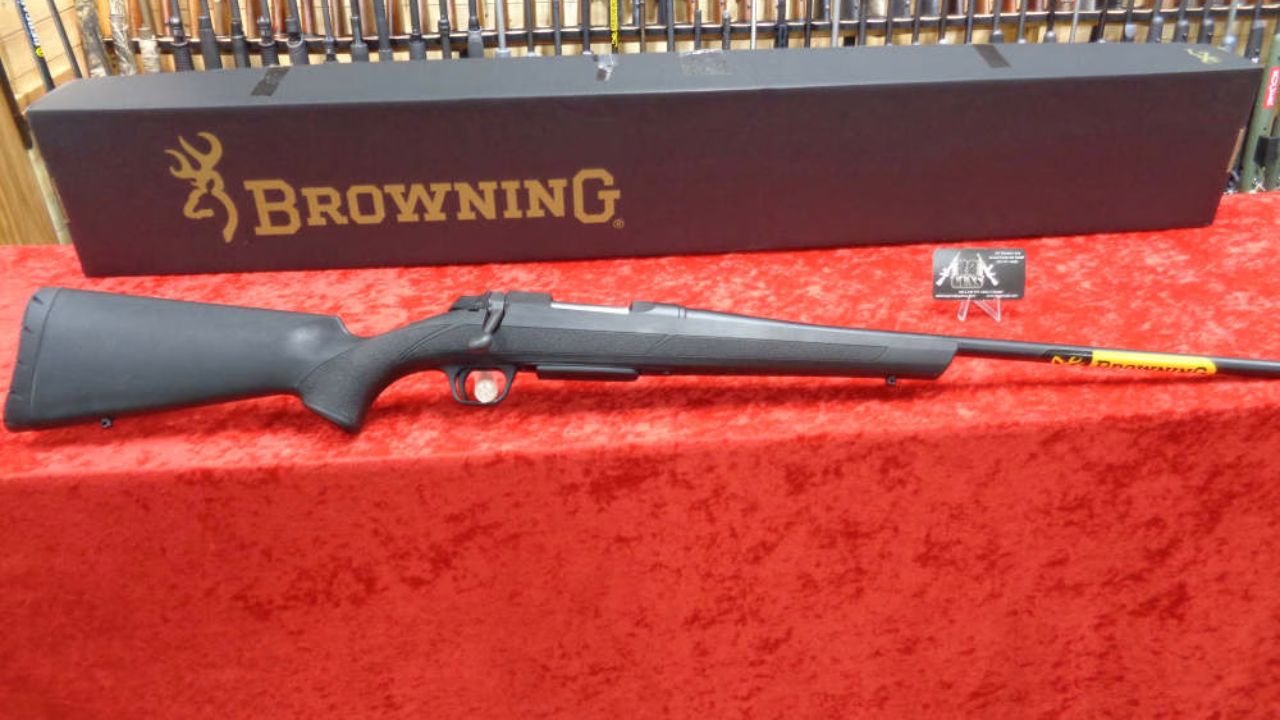
The Browning AB3 is affordable, but many hunters regret choosing it once they start using it in rough terrain. The bolt lift feels stiff compared to the smoother X-Bolt line, and this becomes more noticeable when cycling the action while cold. The synthetic stock feels hollow and doesn’t offer the grip or stability you’d want for quick shots.
Accuracy is fine under controlled conditions, yet hunters commonly report that it doesn’t maintain the same consistency in field positions. The rifle can work, but many hunters eventually upgrade to something more refined, especially after struggling with its inconsistent handling during fast shooting opportunities.
Marlin 336W (Economy Versions)

The economy versions of the Marlin 336 look appealing to hunters who want a classic lever gun without the higher price tag. In practice, though, the newer entry-level models can feel rougher and less predictable. The actions sometimes need extensive break-in, and feeding issues show up more frequently with varied ammunition.
Accuracy at moderate distances is hit-or-miss, particularly with bulk ammo. Hunters wanting a reliable brush gun often find themselves wishing they had invested in a higher-grade lever rifle that cycles more smoothly and holds groups steadier when shooting from improvised field rests.
Ruger American Predator in 6.5 Grendel

The American Predator series is popular, but the 6.5 Grendel variant has frustrated many hunters. Magazine compatibility has been a recurring issue, with some rifles struggling to feed smoothly from AR-style magazines. That unpredictability shows up at the worst times during deer season.
Accuracy can be good, but it is heavily load-dependent, and hunters expecting a forgiving rifle often find themselves working harder than they planned. The lightweight build feels great on hikes, yet it becomes a challenge during offhand shots or when shooting from uneven natural rests. Many who try it in the field decide they want something with more consistency.
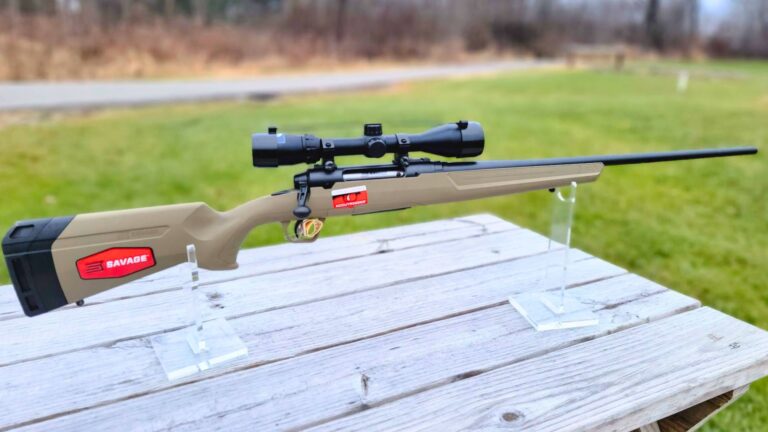
Savage 110 Storm (Early Stainless Versions)
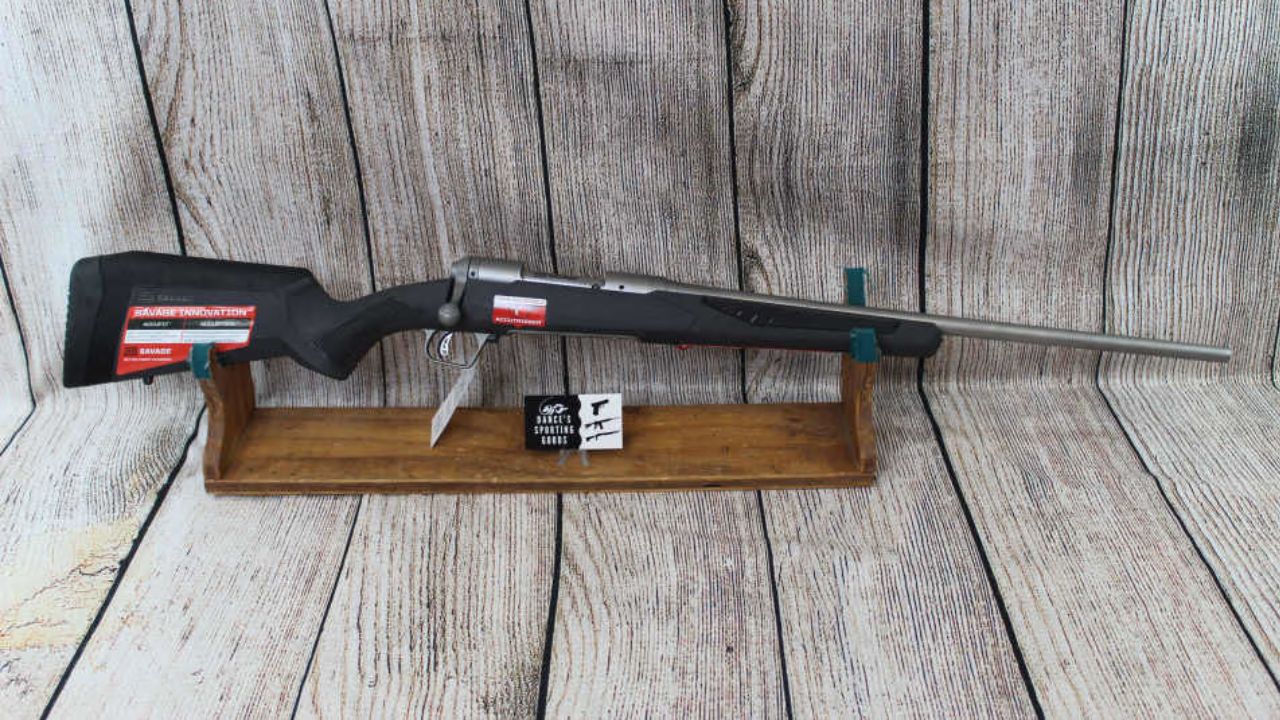
The early stainless Storm rifles sometimes showed issues with stock fit and bedding pressure, which became clear in field shooting. Hunters often noticed their groups shifting depending on how the rifle was supported—something that only shows up once you’re actually hunting.
The AccuFit system is useful, but early versions didn’t always lock up with rock-solid repeatability. In rough hunting weather, the rifle proved harder to shoot consistently than competing models. Many hunters eventually swap it out for something more predictable once they realize how sensitive it can be to real-world conditions.
Howa 1500 Lightweight
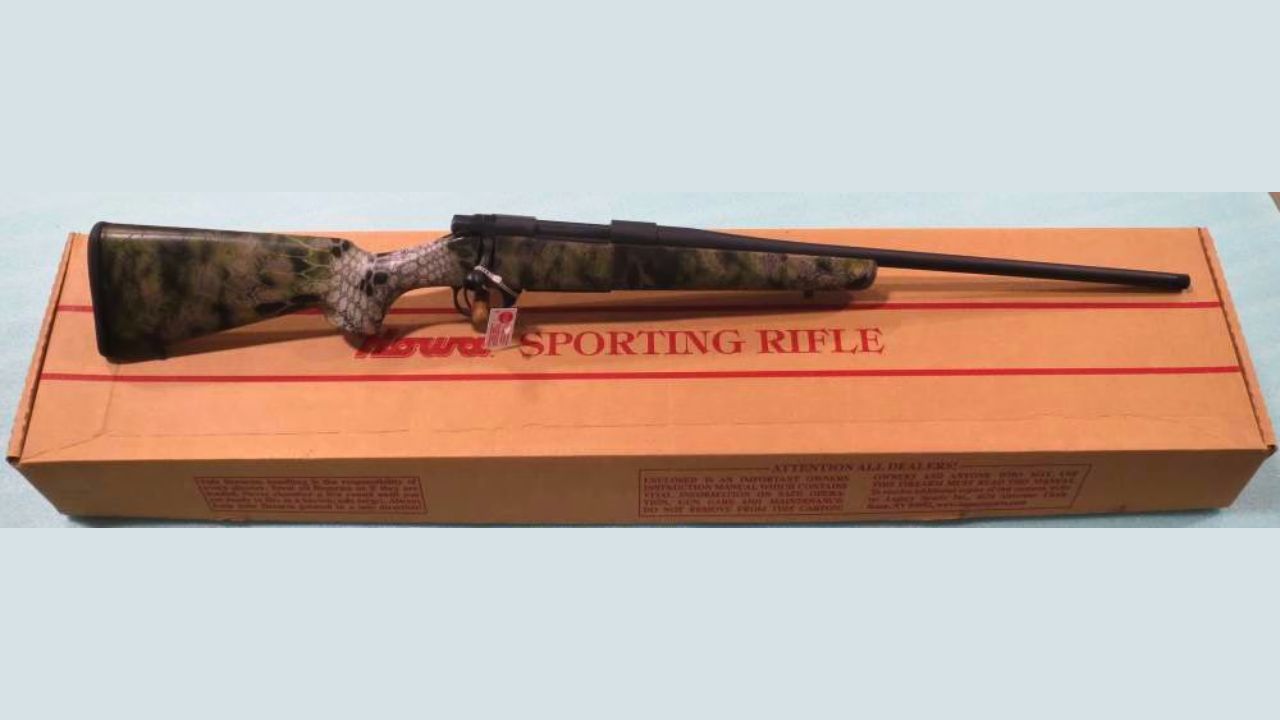
The lightweight Howa 1500 rifles attract hunters wanting a simple, dependable option, but the ultra-light versions can be challenging to shoot well. Even moderate calibers generate noticeable muzzle jump, and follow-up shots often require more effort than expected.
While accuracy can be good from a solid rest, things change quickly when shooting from typical hunting positions. The rifles feel whippy, especially during fast, reactive shots. Hunters who expect a forgiving, stable platform often discover that the lightweight setup works against them in the field and end up choosing a slightly heavier rifle for steadier performance.
Weatherby Mark V Ultra Lightweight

Weatherby’s Ultra Lightweight models are engineering achievements, but many hunters regret using them for real hunting. The thin barrels heat quickly, and point-of-impact drift can become noticeable after two or three shots. This isn’t a problem at the range, but it matters during follow-up opportunities on game.
Recoil can be sharper than expected due to the weight, and settling the crosshairs takes more concentration in awkward positions. Hunters love the rifle’s portability, but once they experience the trade-offs during a full season, many realize they’d prefer a rifle with more stability and more predictable barrel behavior.
Remington 783

The Remington 783 promised better performance than the 770 series, but hunters still report frequent regrets. The stock, while improved, remains flexible, and the bedding blocks sometimes allow small shifts that affect accuracy during real hunting conditions.
The bolt feel is better than earlier budget models, yet it still lacks the smoothness hunters expect during quick cycling. Many hunters enjoy the rifle during range sessions but find themselves frustrated when accuracy changes depending on rest, pressure, and shooting angle. After a season, many move on to something that inspires more confidence.
Ruger Mini-14 (New Shooters Expecting Bolt-Gun Accuracy)
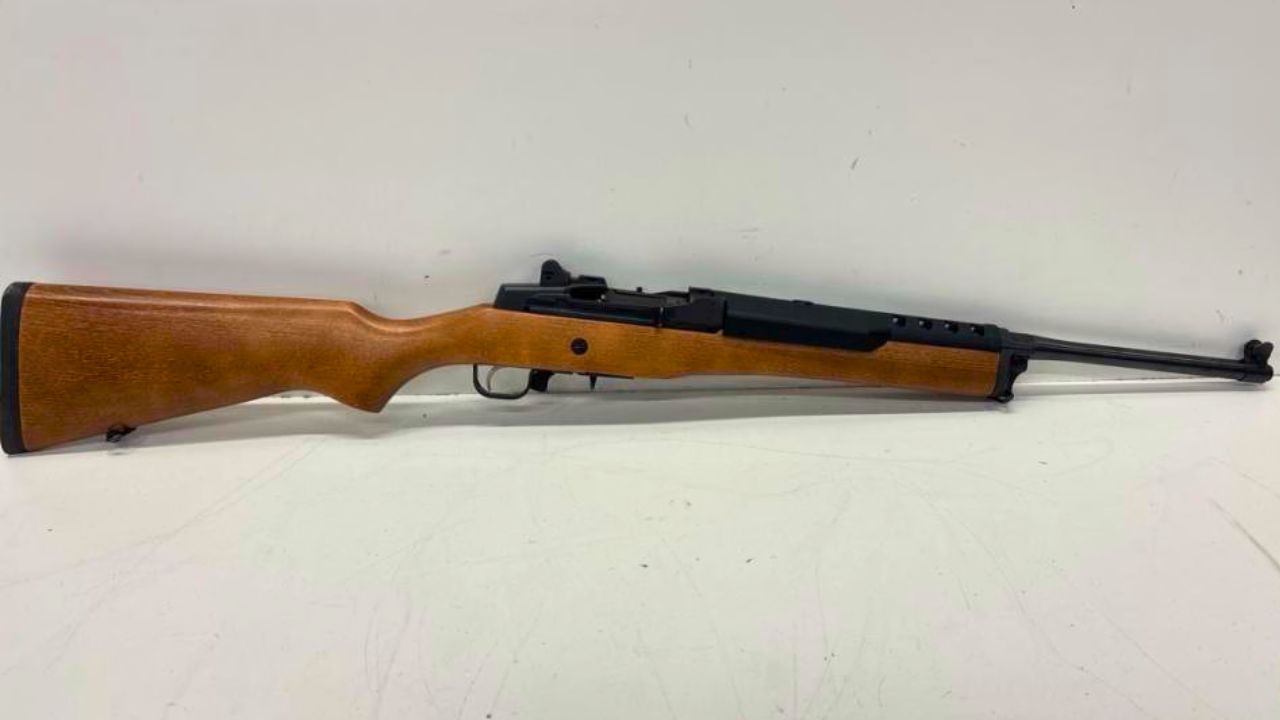
The Mini-14 has its place, but hunters expecting bolt-gun precision quickly learn its limits. Group sizes often vary widely, even with premium ammunition, and the traditional stock design doesn’t feel as stable in offhand or kneeling positions.
For predators or hogs inside moderate distances, it’s fine—but for deer-sized game at the edge of its range, many hunters end up regretting the decision. The rifle handles beautifully, yet real-world results rarely match expectations for precise shot placement.
Winchester Wildcat (.22 LR)

The Winchester Wildcat is lightweight and fun, but hunters quickly realize it isn’t suited for serious small-game hunting. The modular design feels good for plinking, yet the rifle doesn’t always offer the consistency needed for precise field shots.
The lightweight build makes it sensitive to how it’s held, and many hunters notice accuracy drifting as positions change. While it’s great for new shooters or practice, most hunters eventually replace it with a sturdier rimfire that delivers steadier results in the woods.
Rossi RS22 (.22 LR)
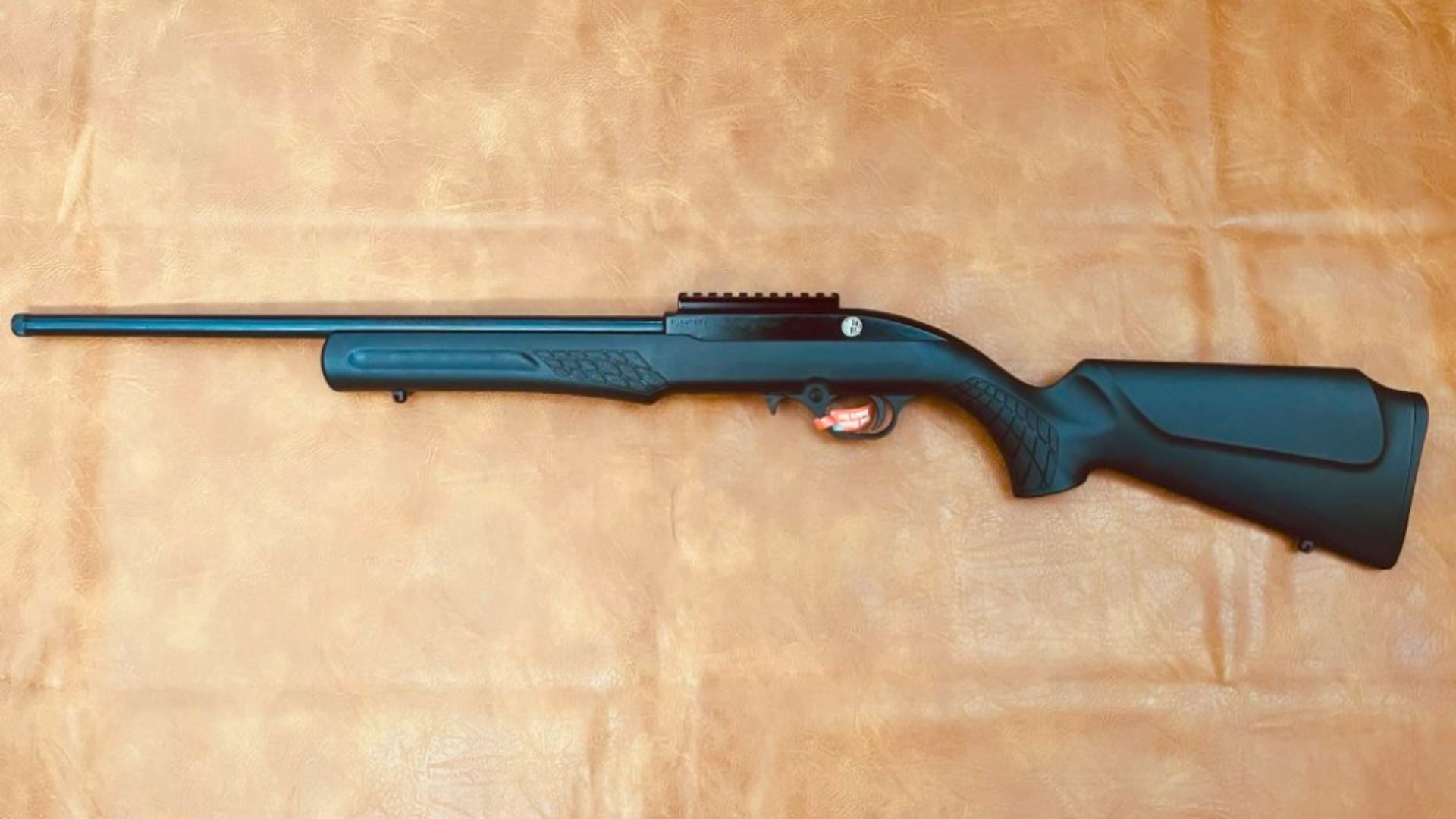
The Rossi RS22 is affordable, but hunters often regret using it for anything beyond casual plinking. The triggers vary greatly from rifle to rifle, and accuracy isn’t as predictable as competing platforms. Feeding can also become inconsistent once the rifle gets dirty.
In the field, hunters find themselves working harder than they expected for clean shots on squirrels or small predators. The concept is appealing, but the execution leaves many wanting a more dependable rimfire for real hunting conditions.
Benelli R1

The Benelli R1 is a semi-auto with great ergonomics, but many hunters discover the accuracy doesn’t always match their expectations. Some rifles show strong cold-bore performance but struggle to maintain group stability after heating slightly.
Recoil management varies depending on caliber, and follow-up shots from field positions can feel slower than expected. The rifle certainly works, but hunters relying on consistent precision often regret choosing the R1 once they spend a full season with it.
Like The Avid Outdoorsman’s content? Subscribe to our newsletter so you never miss an article.
Here’s more from us: