Photo credit: SolidMaks/Shutterstock.com
A lot of handgun ammo looks great in the box. Fancy bullet shape, aggressive marketing, polished cases, big promises. None of that means much if the round will not feed cleanly in your pistol. The truth is, handguns can be picky. Feed-ramp geometry, magazine design, overall cartridge length, recoil spring weight, and even how dirty the gun is can all change what runs well and what turns into a stoppage.
That is why experienced shooters learn to distrust packaging and trust function. A round may look advanced, expensive, or well reviewed and still choke in your gun. Reliability always matters more than appearance. If you spend enough time shooting pistols, you start seeing the same ammo-related problems come up again and again. These are the kinds of handgun loads and ammo habits that often look convincing at first, then start causing headaches once you put them through real use.
Wide-mouth hollow points with abrupt bullet profiles
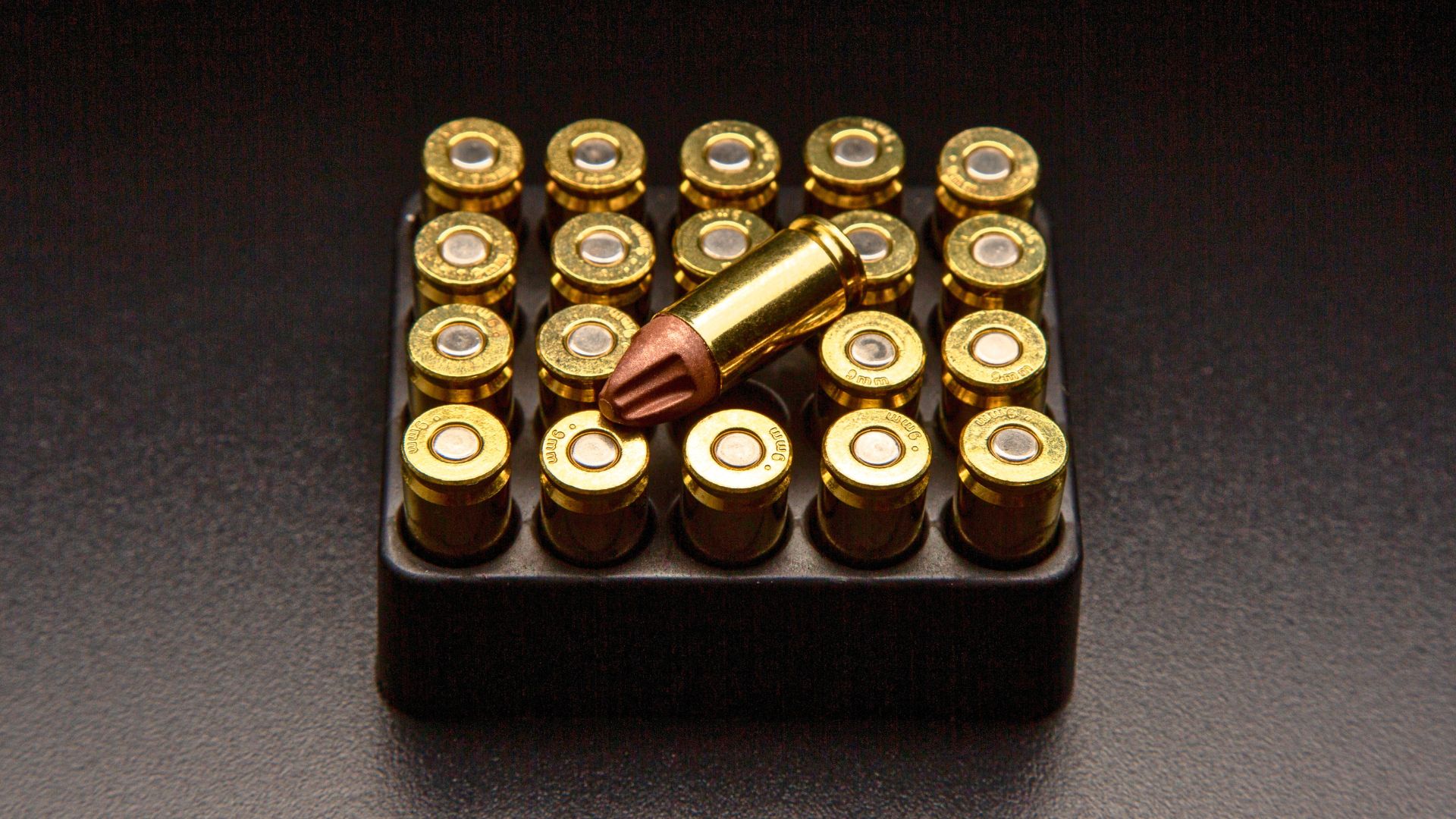
Some hollow points look impressive because the cavity is large and the bullet nose has a sharp, aggressive shape. On the shelf, that can make them seem like a serious step up from more conventional loads. The problem is that some pistols, especially older designs or guns with less forgiving feed ramps, do not always like abrupt bullet geometry. A round can hang up before it ever gets fully seated.
That does not mean every wide-mouth hollow point is a problem. Plenty run well in plenty of guns. The issue is that dramatic bullet shape can increase the chances of nose-dives or feed hesitation in pistols that are already a little sensitive. When a round looks extreme, it deserves more skepticism, not more confidence. If it will not cycle cleanly in repeated testing, the box art and bullet design stop mattering immediately.
Ammo loaded long enough to push your pistol’s limits
Overall cartridge length matters more than many shooters realize. A round can look perfectly normal at a glance and still sit at the edge of what your pistol, magazine, or feed geometry tolerates well. Some loads run a little longer than others, and while they may stay within spec, that does not guarantee every handgun will like them. Tight magazines and shorter feed paths can expose that quickly.
When ammo runs too close to the pistol’s comfort zone, small issues become bigger ones. A little fouling, a slightly tired magazine spring, or a fast reload under pressure can turn a borderline setup into a stoppage. That is why function testing matters so much. A cartridge that barely works in a clean gun on a calm day is not a trustworthy choice. Ammo should run with margin, not only when everything is going right.
Flat-nose loads in pistols that prefer rounded profiles
Flat-nose handgun ammunition can shoot fine in some pistols and become a nuisance in others. Many shooters assume that if a cartridge is dimensionally correct, the nose shape should not matter much. In reality, it can matter a lot. Some handguns feed most smoothly with rounder bullet profiles that glide up the ramp and into the chamber with less resistance. Flatten that nose too much, and you may start seeing hesitation.
This becomes more noticeable in compact pistols, older designs, or guns that already run a little less forgiving than full-size service models. The round does not have to be “bad” to become troublesome. It only has to be a poor fit for the specific path your pistol wants the cartridge to take. That is why a load that runs flawlessly in one gun can become a repeat problem in another that looks nearly identical on paper.
Heavy-for-caliber loads that upset timing in small pistols
Heavier bullets can make perfect sense in certain handguns, but they can also create reliability issues when the pistol is already operating close to its timing limits. Smaller semiautos, lighter slides, and compact recoil systems tend to be less forgiving than duty-size guns. Change bullet weight enough, and the slide velocity and cycling rhythm can shift in ways the gun does not handle well. That is where trouble starts.
Sometimes the problem shows up as sluggish feeding. Other times it appears as failures to return fully to battery or inconsistent ejection that points to the gun running out of sync. None of that means heavier bullets are automatically unreliable. It means your specific pistol may not like the way that load changes the cycle. A handgun that runs beautifully on one bullet weight can become noticeably less trustworthy when you step outside what it clearly prefers.
Lightweight fast loads that feel sharp and cycle unevenly
A lightweight, high-speed load can sound appealing because velocity numbers always catch attention. But in some pistols, especially smaller ones, fast light loads can create a sharper, snappier recoil impulse that changes how the gun cycles. Even if the recoil feels “lighter” on paper, the timing can become abrupt enough to expose weaknesses in grip, spring balance, or magazine performance that slower loads never reveal.
That can lead to a gun that feels inconsistent. One magazine runs fine, the next produces a nose-up stoppage or an odd return-to-battery issue. Sometimes the load is not weak or underpowered. It is simply a poor match for the way that pistol wants to move under recoil. Speed alone does not make a round a good choice. If the gun cycles more violently or less predictably with it, the performance on the box is not helping you much.
Nickel cases that hide problems people blame on the coating
Nickel-plated cases often get attention because they look clean, slick, and premium. A lot of shooters assume the finish itself guarantees smoother function. Sometimes nickel cases do handle well, but the case coating alone is not a cure for poor magazine condition, rough chambers, or inconsistent ammunition dimensions. When a load looks polished and expensive, people can be slower to admit the rounds themselves may still be contributing to problems.
The coating is not the real issue most of the time. The bigger problem is assuming a shiny case means reliable function without proof. If an ammo line has inconsistent overall length, odd bullet shape, or variable quality control, nickel will not rescue it. Then shooters waste time excusing stoppages because the rounds “should” be slicker. Premium appearance can hide basic reliability flaws if you let looks override what the pistol is clearly telling you on the range.
Reloads with inconsistent seating or crimp
Reloaded ammunition can be excellent when it is built carefully and consistently. It can also become one of the fastest ways to create mysterious handgun problems when the seating depth, crimp, or case condition varies too much round to round. At a glance, a bag of reloads may look fine. Under actual use, small inconsistencies can turn into feed issues that seem random until you inspect the cartridges more closely.
A slightly different bullet seating depth can change how the round presents from the magazine. Too much or too little crimp can affect chambering and extraction. Mixed brass can add one more layer of unpredictability. None of this means reloads are inherently bad. It means that lower consistency often shows up first as reliability trouble in semiautos. If a pistol suddenly feels erratic with one batch of ammunition, the ammo itself deserves a hard look before you start blaming the gun.
Old carry rounds repeatedly chambered and unloaded
A round that has been loaded, unloaded, and rechambered over and over can become a problem even if it started as quality ammunition. Repeated chambering can push the bullet deeper into the case, mark up the nose, or create subtle changes that affect feeding and pressure. Many shooters overlook this because the cartridge still “looks fine” unless they inspect it closely beside a fresh round.
That kind of wear can create reliability issues that seem to come out of nowhere. A round that has taken repeated hits against the feed ramp may no longer present the same way. Setback can also create a condition no careful shooter should ignore. The fix here is not complicated, but it does require discipline. Ammunition is not meant to be cycled endlessly because it is convenient. If you keep rotating the same top rounds through the gun, eventually you are asking worn ammo to do fresh work.
Mixed magazines full of different bullet shapes
Some shooters load a magazine with mixed ammunition types because they want to “cover all bases” or use up partial boxes. It sounds harmless until you start thinking about how semiautos actually run. Different bullet shapes, different recoil impulses, and different cartridge lengths in the same magazine can create an inconsistent feeding pattern that makes the gun harder to predict. One round strips cleanly, the next presents differently, and the rhythm changes.
That inconsistency makes malfunctions harder to diagnose too. If the pistol stumbles, you do not know whether the issue is the magazine, the gun, or the odd round you dropped into the middle of the stack. When you mix shapes and load styles, you are also mixing variables that can affect how each round moves through the same feed path. If you want to evaluate reliability honestly, a magazine full of mismatched ammo is one of the quickest ways to confuse the result.
Like The Avid Outdoorsman’s content? Subscribe to our newsletter so you never miss an article.
Here’s more from us: