Photo credit: Skills2Survive/YouTube
A lot of firearms that bring real collector money now did not start out that way. They were truck guns, deer rifles, tackle-box pistols, service sidearms, and everyday shooters that ordinary people bought to use, not to seal in a box and save. What changes the market is usually the same old story: production ends, cleaner examples get harder to find, and people slowly realize the gun they once walked past is not being replaced by anything quite like it.
That is when an “ordinary” firearm starts moving into a different category. It is no longer only about function. It becomes about condition, originality, timing, and the fact that a lot of these models were worked hard for decades before anybody thought to treat them like collectibles. If you have been around the used racks long enough, these are the guns you have watched make that jump.
Savage 99

The Savage 99 spent years as a working hunter’s rifle, and that is part of why so many people overlooked how special it was for so long. It was a lever gun, yes, but it was not a typical one. The hammerless design and rotary magazine gave it a more advanced feel than most people expected from a rifle that still rode in truck racks and deer camps like any other woods gun.
Once production ended, buyers started looking at it differently. The Model 99 family ran for decades before winding down in the late 20th century, and cleaner rifles became harder to find because so many had been carried hard and altered over the years. What used to be treated like a plain old hunting rifle now gets real attention when the wood is right, the finish is honest, and the gun has not been messed with.
Winchester 9422
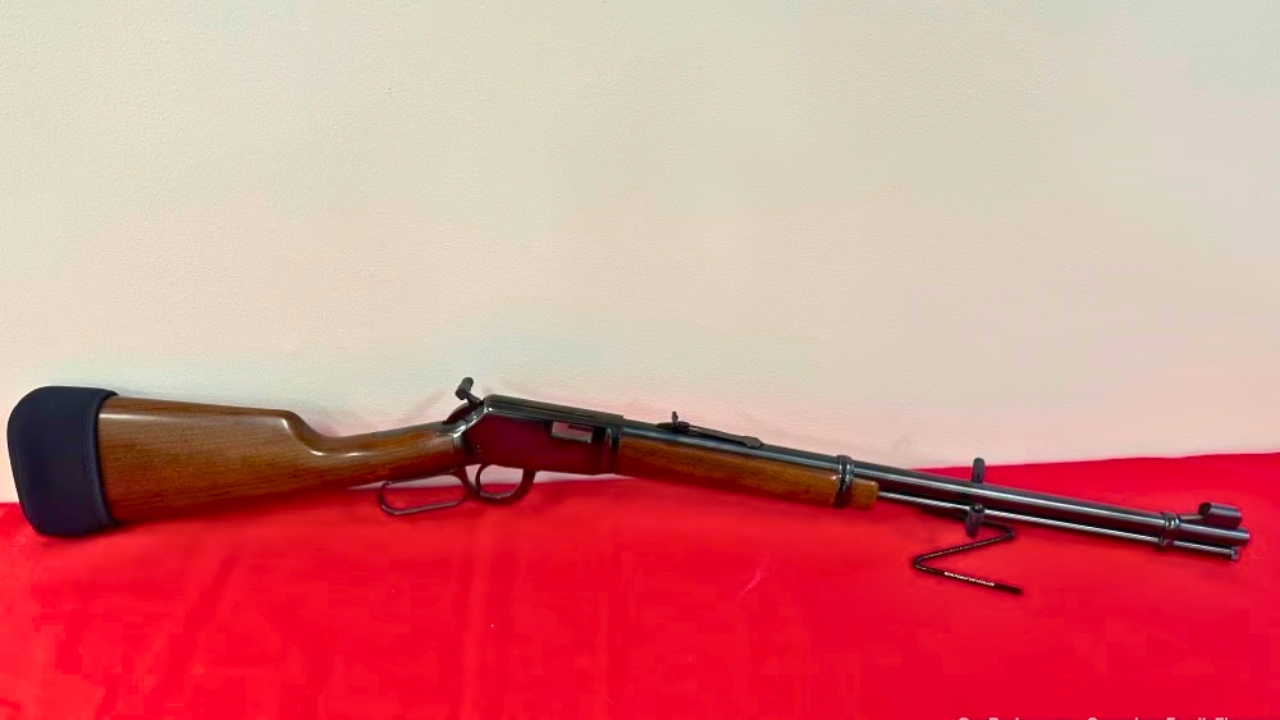
The Winchester 9422 was long treated as a fun, well-made rimfire lever gun that people actually used. That meant plinking, squirrel woods, and teaching new shooters, not careful storage in a humidity-controlled safe. For years, it felt like the kind of .22 you bought because you wanted a Winchester lever action without stepping into centerfire prices or recoil.
That changed once Winchester discontinued it in 2005. The company itself notes the 9422 was one of its most popular rimfire rifles, and once it left the line, people started paying closer attention to clean originals and nicer variants. A rifle that once looked like a high-quality but ordinary rimfire now lands in a very different spot, especially if it has not been worn down by decades of regular use.
Remington Nylon 66

The Remington Nylon 66 looked ordinary partly because it was built to be practical. It was light, handy, and sold as a working .22 for people who wanted something modern and easy to carry. At the time, the synthetic-stock idea was unusual, but once the rifle proved itself, it settled into daily life as a field gun and plinker rather than something most owners treated like a future collectible.
Now people see it differently. The Nylon 66 was produced from 1959 to 1989, and its early use of synthetic stock material gave it a place in firearms history that feels more obvious in hindsight than it did when it was stacked in gun racks. A rifle once dismissed by some as a utility .22 now gets collector attention because it represents a real turning point in mainstream rifle design.
Marlin 39A

For a long time, the Marlin 39A was simply one of those dependable rimfire lever guns people expected to be around forever. It was a field rifle, a camp rifle, and the kind of .22 many owners shot for years without ever thinking of it as rare or especially delicate. That everyday usefulness is exactly what kept a lot of them out in the woods instead of tucked away.
That picture changed as production faded out. The 39A is now widely treated as out of production, and once people realized no fresh supply was coming, attention shifted hard toward cleaner, original rifles. A model that once felt like a permanent part of the American .22 landscape now draws a very different kind of buyer, especially when the takedown fit is good and the rifle has not been overcleaned or altered.
Winchester Model 12

The Winchester Model 12 was once so common and trusted that it felt almost too familiar to become special. It was the kind of pump shotgun hunters and clay shooters actually used, not the sort of gun most people bought with future collector value in mind. It earned its place by working, and working guns usually get carried more than they get preserved.
That is part of why clean Model 12s no longer feel ordinary. Winchester produced them in huge numbers until standard production stopped in 1964, but the fact that nearly two million were made does not mean sharp originals are sitting everywhere. Many saw decades of use, and nicer examples in honest condition have become far more appreciated than they were when the gun was still simply the pump shotgun a lot of people grew up around.
Remington 742 Woodsmaster

The Remington 742 Woodsmaster was never introduced as a collector piece. It was a practical autoloading deer rifle, bought by the hundreds of thousands by hunters who wanted a fast second shot and a familiar sporting profile. For a long stretch, it was one of those rifles people saw in camps, closets, and back windows so often that it almost disappeared into the background.
That familiarity has changed some. Remington says the 742 was made from 1960 to 1980, with more than 1.4 million produced, which tells you how ordinary it once looked in the market. But production ended decades ago, and nicer rifles with clean wood, proper magazines, and less field wear now draw more interest than they used to. It is still not a rare rifle in absolute terms, but the better examples no longer get treated like throwaway used guns.
Winchester Model 100

The Winchester Model 100 spent years living as a sleek postwar hunting rifle that a lot of owners treated as a practical deer gun first and nothing more. It was a trim autoloader, easy to like, easy to carry, and the kind of rifle buyers often chose because it looked modern for its time. That practical role kept many of them in steady use rather than in collections.
Now the better ones are seen differently. The Model 100 was made from 1961 to 1973, and Winchester’s own museum notes that more than 262,000 were built. That sounds like plenty until you narrow the field down to rifles that remain in strong original condition, especially in the scarcer chamberings. A rifle once bought for ordinary field use has become much more interesting to collectors who want clean, unmodified examples from that particular Winchester era.
Winchester Model 88

The Winchester Model 88 was one of those rifles that felt a little different even when it was still a normal hunting gun. It was a lever action, but a modern one, and many buyers simply saw it as a smart deer rifle rather than a future collectible. That kept it in hunting rotation, which meant real use, real wear, and a lot less safe-queen treatment than later collectors would have preferred.
That changed because the 88 stopped being replaceable. It debuted in 1955, and over time people came to appreciate that there was never another Winchester lever gun that filled the same lane in quite the same way. Once the supply of clean originals started thinning out, the used-rack attitude faded. The Model 88 now gets much more respect from buyers who want an example that still shows why it once felt ahead of its time.
Remington Model 600

The Remington Model 600 did not look refined enough at the time to many buyers to become an obvious collector darling. It looked compact, unusual, and a little odd, which made it more of a field rifle curiosity than a prestige piece. Hunters bought them to carry, not to admire, and that meant a lot of them got used exactly the way a short, handy woods rifle tends to get used.
That short production run changed everything later. Remington lists the Model 600 as introduced in 1964 and discontinued in 1967, with total production of roughly 94,086 rifles. Once people started noticing how brief that run really was, the tone shifted. A gun once treated as a quirky compact bolt rifle now carries much more weight with collectors, especially in cleaner condition and in the more interesting chamberings.
Browning Hi-Power

The Browning Hi-Power was never exactly ignored, but for many years it was still treated by ordinary shooters as a serious used-service pistol rather than as a piece buyers had to chase hard. Police trade-ins, surplus imports, and used examples helped keep it in circulation as a practical handgun. That made it feel attainable, even when people already respected the design.
That shifted when production ended. Browning notes that the classic Hi-Power is no longer in production, and the long Belgian-made run finally closing in the late 2010s changed how buyers looked at original pistols. Once people knew the pipeline had really stopped, stronger examples and earlier variations started drawing a very different level of interest. A pistol once seen as an old service auto now brings much more serious money when condition and originality line up.
Colt Python

For years, the original Colt Python sat in a strange place. It was admired, certainly, but it was still a shooter’s revolver for a lot of owners, especially before prices really took off. People bought them because they liked them, carried them, shot them, and in some cases modified them without much thought that they were handling one of the future heavy hitters of the collector market.
The end of original production changed that. The classic Python was pushed out of regular production in the early 2000s before Colt later reintroduced a redesigned version in 2020, and that split made original guns feel like a closed chapter. Once buyers understood the old hand-fitted revolvers were no longer being made in that form, clean original Pythons stopped being “nice used Colts” and started bringing a much more serious kind of money.
Smith & Wesson 3913

The Smith & Wesson 3913 once looked like exactly what it was: a practical single-stack carry pistol from the era before polymer frames took over everything. A lot of buyers saw it as a smart, compact 9mm and treated it accordingly. It was carried, holstered, and used, which meant many examples picked up honest wear and never had a chance to stay pristine enough for later collector-minded buyers.
That practical background is part of why cleaner ones now stand out. The 3913 came out of Smith & Wesson’s third-generation era, and that entire family was discontinued as the company moved toward newer lines. Once those alloy-frame single-stacks were gone, a lot of shooters realized there was no direct replacement with quite the same feel. A pistol that used to look like a plain concealed-carry choice now gets much more attention from people who specifically want that vanished era of Smith autos.
Marlin Camp Carbine

The Marlin Camp Carbine looked ordinary for a long time because it fit a practical role so well. It was a pistol-caliber carbine built for fun, utility, and easy handling, not for collectors. People bought them as useful 9mm and .45 ACP carbines, shot them, tossed them in cases, and rarely treated them like anything more than handy range or woods guns.
That changed after they disappeared. The Camp Carbine line has been out of production since the late 1990s, and once the pistol-caliber carbine market exploded years later, a lot of buyers looked back and realized Marlin had been there early with a gun they could no longer buy new. That has made original examples more desirable than they looked when they were simply another used oddball on the rack.
Colt Woodsman

The Colt Woodsman was once exactly the kind of .22 pistol people bought to use. It was a serious sporting handgun, yes, but it lived in tackle boxes, range bags, camp kits, and field holsters. Owners appreciated it, but many treated it as a quality working rimfire rather than as something too special to scratch. That everyday usefulness is a big part of its story.
Looking back, it is much easier to see why that attitude changed. The Woodsman was produced from 1915 to 1977, which gave it a very long run, but long production does not mean untouched examples are common. The better surviving pistols now attract much stronger interest because buyers know what they are looking at: an old Colt .22 with deep roots, broad appeal, and a lot fewer clean originals than the raw production span might suggest.
Browning Auto-5

The Browning Auto-5 was once one of those shotguns people simply used. It was a serious hunting and sporting gun, but for decades it was also just part of the landscape. A lot of owners saw it as a dependable autoloader, not as a future collectible. That meant blind wear, hunting dings, aftermarket pads, shortened barrels, and all the other signs of a gun that did real work for a long time.
That is exactly why the nicer ones now carry more weight. The original Auto-5 design ran for nearly a century before classic production ended in 1998, and that long life helped it feel ordinary while it was still around. Once the old line truly closed, clean Belgian and Japanese-made originals started being viewed through a different lens. A shotgun many people once treated as a regular field gun now gets much more serious attention when it is still right.
Winchester Model 1894
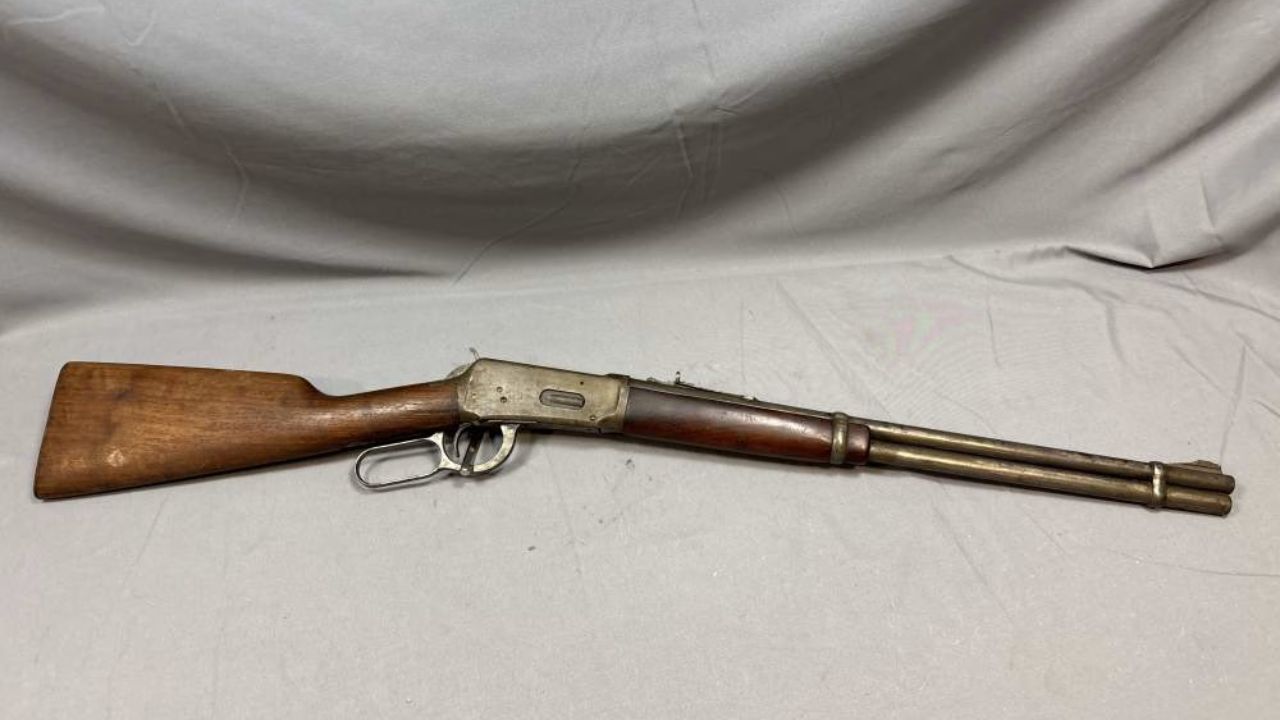
The Winchester Model 1894 may sound too famous to fit this theme, but that is exactly why it does. For years, it was so common in American hunting culture that a lot of people stopped seeing it as special. It was a deer rifle, a truck rifle, a saddle gun, and in many homes it was simply the lever action in the closet. Familiarity made it feel ordinary, even while it remained one of the defining sporting rifles in the country.
That is part of why better originals now bring attention quickly. The long production life made the rifle feel permanent, but the end of New Haven production in the 2000s changed the mood around older examples. Once buyers realized those familiar working rifles were no longer as endless as they seemed, cleaner pre-safety and earlier guns started moving into a much more serious collector space than many owners ever expected.
Like The Avid Outdoorsman’s content? Subscribe to our newsletter so you never miss an article.
Here’s more from us: