Photo credit: Lena Miculek – Trigger Tribe/YouTube
A lot of older shooters hang on to revolvers because revolvers keep rewarding the things experience teaches you to value: a clean trigger, a grip that settles naturally, honest balance, and a manual of arms that does not ask much when your hands are cold, tired, or under stress. That is not nostalgia talking. It is the result of long use. The current market still reflects how alive these guns are, too—Smith & Wesson still sells the 686 Plus line, Ruger still offers the GP100, SP101, Redhawk, and Super Redhawk, and Colt is actively selling modern Python, Cobra, King Cobra, and Single Action Army variants.
What keeps these guns in older hands is not stubbornness. It is the fact that many of them still do exactly what they always did: point well, shoot straight, carry their weight honestly, and feel trustworthy in a way that newer pistols sometimes do not. When a revolver has spent decades proving itself, people who know the difference are not usually in a hurry to set it aside.
Smith & Wesson Model 10

The Model 10 is one of those revolvers older shooters keep because it never tried to be anything fancy. It is a straight-up K-frame .38 Special with fixed sights, a six-shot cylinder, and a reputation built on sheer familiarity. The Model 10 traces back to 1899 as the Military & Police, and more than 6,000,000 of the type have been produced, which tells you exactly how deeply it worked its way into police holsters, nightstands, and range bags.
That kind of history matters because it usually means the gun got the basics right. Older shooters stick with a Model 10 because it points naturally, shoots softly with standard-pressure .38s, and feels like an extension of ordinary practice instead of a machine that needs constant explaining. It is not glamorous, but that is part of the appeal. A revolver this proven does not need glamour. It needs to keep doing what it has always done, and it still does.
Smith & Wesson Model 19

The Model 19 hangs on because it hits a balance a lot of shooters still think was never fully replaced. Introduced in 1957 on Smith & Wesson’s K-frame, it gave shooters a .357 Magnum revolver that was smaller and lighter than the big N-frame Model 27, while still feeling like a serious fighting or field gun. That combination is exactly why it remains so respected.
Older shooters keep these because the gun feels alive in the hand. It carries easier than the large-frame magnums, but it still has enough size to shoot .38 Special beautifully and .357 Magnum with real authority if you know what you are doing. It feels like a revolver built around daily use instead of bragging rights. Once somebody has spent years with that kind of balance, it is easy to understand why they do not let it go.
Smith & Wesson Model 27

The Model 27 still holds older shooters because it represents the big, serious magnum revolver in its classic form. It was first produced in 1935 and was the first purpose-built Smith & Wesson revolver chambered for .357 Magnum. Built on the large N-frame, it gave shooters a six-shot magnum with adjustable sights and enough steel around it to make the cartridge feel like it belonged there.
That matters more than people think. A Model 27 is not only a powerful revolver—it is a reassuring one. The weight settles the gun, the sight picture feels deliberate, and the whole revolver carries that old-school sense of mechanical confidence. Older shooters who grew up around big-frame Smiths know that feel, and they trust it. Once you have spent years with a revolver that solid, lighter or busier guns can start feeling like substitutes instead of upgrades.
Smith & Wesson Model 36

The Model 36 stays in older pockets and safes because it solved a practical problem in a way that still makes sense. Introduced in 1950 as the Chiefs Special, it was built to chamber .38 Special in a truly small, concealable package, and it became one of the defining J-frame revolvers. Even now, it is still in production in classic form, which says a lot about how well that original idea aged.
Older shooters keep them because they know what a small revolver is supposed to do. The Model 36 is compact, straightforward, and easier to trust than many tiny autos that ask more of the shooter. It is not a range toy and not a vanity piece. It is a carry gun built around real-world concealment and real-world simplicity. That is exactly why so many people who know handguns still hang on to one.
Smith & Wesson 686 Plus

The 686 Plus is one of the newer classics older shooters stick with because it gives them magnum capability without the rough edges of some lighter revolvers. Smith & Wesson still sells the 686 Plus line, and the company’s own listings highlight the seven-shot cylinder and the strong L-frame design built for continuous Magnum usage. That tells you what the gun is for right away: steady, repeated work with real .357 loads.
That is a big reason older shooters do not give it up. It gives you enough weight to calm the gun down, enough capacity to feel modern by revolver standards, and enough durability that regular magnum use does not feel like abuse. It is a revolver that rewards practice instead of punishing it. Once somebody gets used to that kind of shootable strength, it becomes very hard to replace with something that feels lighter but less settled.
Colt Python
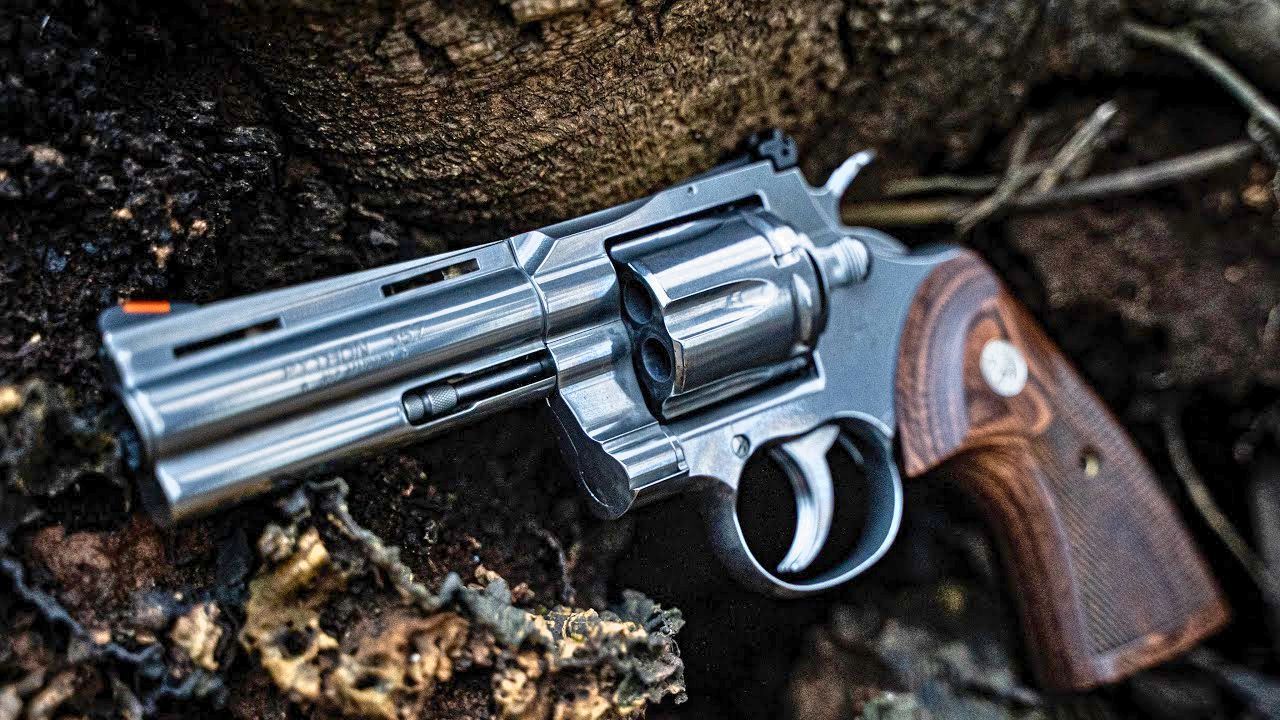
The Python keeps a grip on older shooters because it has long offered a combination of accuracy, smooth trigger feel, and unmistakable presence that very few revolvers match. Colt introduced it in 1955, and the original first-generation run lasted until 2005 before the model returned in 2020. Its reputation for accuracy and smooth action is a big part of why it never stopped carrying weight with serious revolver people.
Older shooters who hold onto Pythons are usually holding onto more than a brand name. They are holding onto a revolver that feels refined every time the trigger moves. The lock-up, the sight picture, and the way the gun balances in the hand all leave an impression that sticks. A lot of modern wheelguns are good. Very few feel like a Python. Once you know that difference firsthand, letting one go gets a lot harder.
Colt Detective Special

The Detective Special stays around because it was one of the first real snubnose revolvers that made compact carry feel serious instead of compromised. Colt produced it across several runs beginning in 1927, and it became the first example of what became known as the snubnose revolver class. It also gave buyers six shots in a concealable package, which helped separate it from many smaller five-shot competitors.
Older shooters keep them because the gun still makes sense as a carry revolver. It has enough grip and enough cylinder capacity to feel substantial without becoming bulky, and it carries the kind of old-school double-action Colt feel that a lot of people still prefer. When somebody learned to trust a snub on a Detective Special, newer small guns can feel like they are solving a problem that was already solved.
Colt Single Action Army
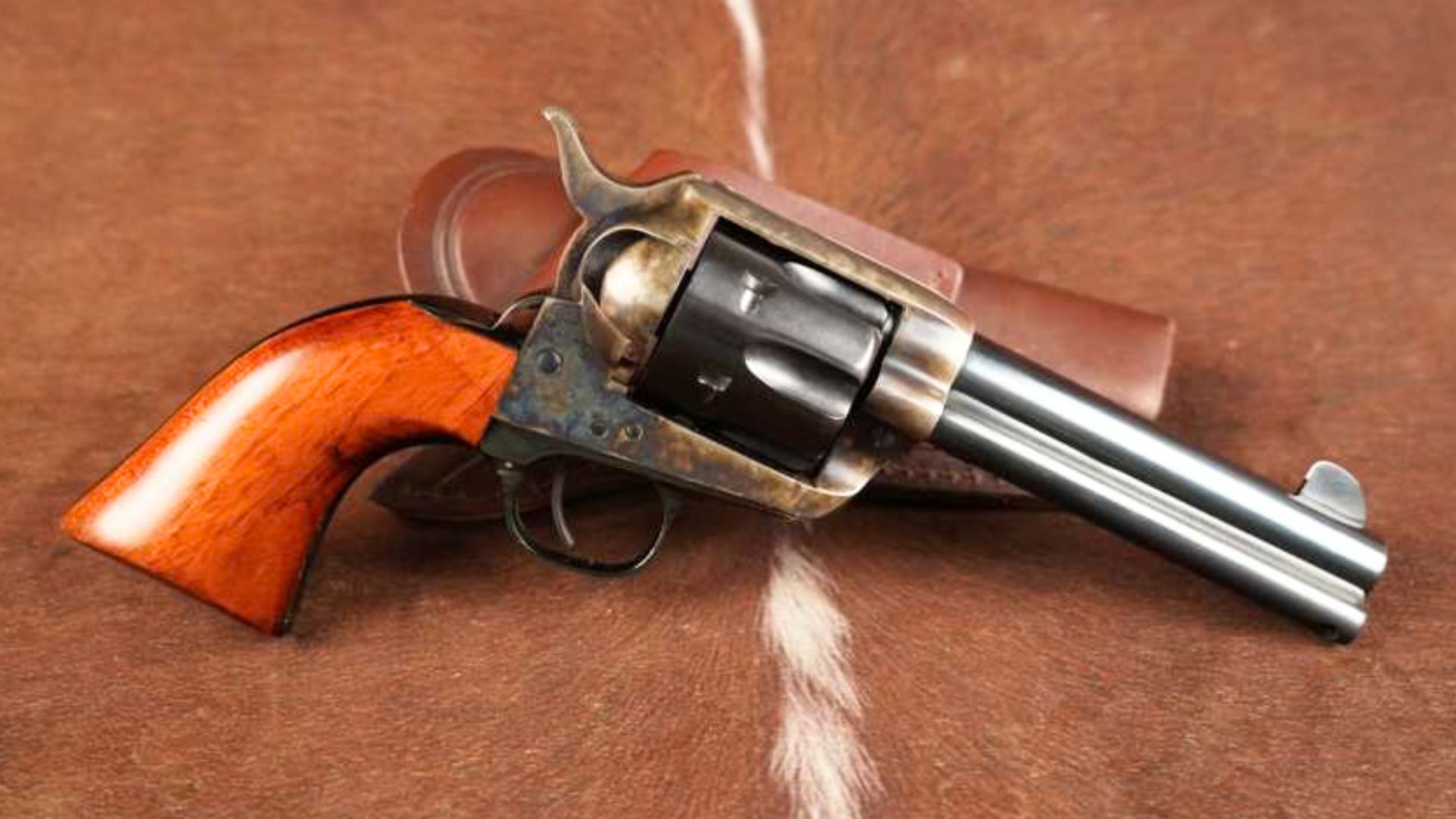
The Single Action Army stays in older hands because it represents a kind of revolver shooting that never fully loses its hold on people. Colt is still selling modern Single Action Army revolvers today, and the fact that this design remains a live product says a lot about how deep the appeal runs. It is not a relic people merely talk about—it is still a revolver people actively buy.
Older shooters who keep one usually do it because the rhythm matters. Thumb-cocking the hammer, running the loading gate, and shooting with intention all feel different from double-action work. It slows you down in a good way and keeps you connected to a very old idea of what a sidearm is supposed to feel like. That experience is hard to replace, and people who grew up appreciating it usually do not see much reason to give it up.
Colt King Cobra

The King Cobra keeps a loyal following because it gives older shooters a modern Colt revolver that still feels like a real magnum wheelgun. Colt’s current King Cobra family includes .357 Magnum models in multiple lengths, along with target and carry versions, which makes it clear the platform is still being treated as a serious line rather than a one-off nostalgia exercise.
What older shooters often like here is that the gun still feels like a revolver first. It has real steel, real sighting options, and enough frame to make .357 loads feel worth using. It does not try to imitate a semi-auto or feel stripped down into a novelty. It gives you a modern Colt that still scratches the same itch older magnum revolvers always did, and that makes it easy for experienced shooters to stay attached.
Colt Cobra

The Colt Cobra holds on because it covers the light-carry side of the revolver world without abandoning the basic virtues older shooters still care about. Colt’s current Cobra family is centered on .38 Special +P, with multiple carry-oriented versions still in the lineup. That tells you this is not some forgotten concept. There is still real demand for a compact, practical Colt carry revolver.
Older shooters keep Cobras because a good small revolver still has a place. It is straightforward, familiar, and easy to understand under pressure. In a world full of tiny autos with sharper recoil and fussier controls, a compact revolver that still carries well and fires a proven cartridge makes a lot of sense. Once someone has spent years trusting that kind of carry gun, they are usually not eager to trade it for something trendier.
Ruger GP100

The GP100 keeps older shooters because it has a long-earned reputation for strength and durability without feeling oversized for ordinary use. Ruger’s GP100 line has been in production since 1985, and the design is widely described as one of the strongest medium-frame revolvers around. That reputation is not marketing fluff—it is the kind of thing shooters learn by living with a gun for years.
What keeps people from giving it up is the way it balances sturdiness and practicality. The GP100 gives you a double-action revolver that is heavy enough to handle magnums well, but still trim enough to carry, train with, and use like a real sidearm. Older shooters who value durability usually trust a gun that feels like it can take a lifetime of shooting without asking for much in return. The GP100 fits that description better than most.
Ruger SP101

The SP101 hangs on because it does exactly what older shooters want from a small, strong revolver: it stays compact without feeling flimsy. Ruger’s current SP101 lineup still emphasizes its solid steel sidewalls, no side-plates, and triple-locking cylinder. That kind of construction is a big reason the gun built its reputation as a small revolver that can take real use instead of only occasional carry.
That is why older shooters keep them. A good SP101 feels like a carry revolver that was built to last, not merely a lightweight convenience item. It carries easier than a bigger magnum, but it still has enough substance to feel reassuring. For shooters who want a compact wheelgun that does not feel delicate, the SP101 hits a very useful middle ground. Once someone gets used to that, it is easy to understand why it stays in rotation for years.
Ruger Blackhawk

The Blackhawk stays with older shooters because it offers the single-action experience in a package built for hard use, not museum treatment. Ruger’s Blackhawk debuted in 1955, and it has remained in production ever since. That kind of lifespan does not happen by accident. It happens because the gun keeps making sense to people who actually shoot revolvers.
Older shooters keep a Blackhawk because it lets them enjoy traditional single-action handling without worrying that they are wearing out a delicate classic. It is strong, versatile, and available in multiple chamberings, which means it can be a range revolver, a field revolver, or a plain old favorite you never quite tire of. When a gun feels that durable and that straightforward, it is not hard to see why people keep reaching for it.
Ruger Redhawk

The Redhawk holds older shooters because it gives them the kind of large-frame double-action strength that still matters when loads get serious. Ruger’s current Redhawk line highlights a single-spring mechanism for a smooth trigger pull and a triple-locking cylinder for dependable operation. Those are exactly the kinds of details experienced revolver shooters pay attention to, because they show up where it counts: in long-term use.
People who keep Redhawks usually do it because they know what a heavy-duty revolver feels like. The gun has enough frame, enough steel, and enough honest heft to inspire confidence with powerful loads. It is not a casual belt gun, and it is not supposed to be. It is a revolver built around durability and control, and that kind of certainty is something older shooters tend to appreciate more, not less, with time.
Ruger Super Redhawk Alaskan

The Super Redhawk Alaskan stays in older hands because it is one of those guns that makes its purpose obvious the second you pick it up. Ruger’s current Alaskan and Super Redhawk descriptions emphasize the extended frame, extra metal in key areas, and the ability to handle powerful big-game loads. That is not subtle, but it is honest. This revolver exists to deal with hard recoil and serious use.
Older shooters who keep one usually do it because there is still comfort in a revolver that feels massively overbuilt for the job. In bear country, backwoods carry, or simply as a working heavy revolver, the Alaskan scratches an itch many lighter handguns never will. It feels like a gun you can trust when the moment is not casual. That kind of confidence is exactly what keeps certain revolvers from ever getting sold.
Like The Avid Outdoorsman’s content? Subscribe to our newsletter so you never miss an article.
Here’s more from us: