Photo credit: WHO_TEE_WHO/YouTube
Some guns stay liquid on the used market because owners see them as replaceable. Others are starting to disappear into safes because people realize that once they sell one, getting another example in the same condition may be harder and more expensive than expected.
That does not always mean prices are exploding. Sometimes the reason is discontinued production. Sometimes it is better older manufacturing, a shrinking supply of clean examples, or simply the realization that newer replacements do not feel quite the same. These 20 firearms are becoming the kind owners think twice about letting go.
Marlin 336 JM-Stamped Rifles
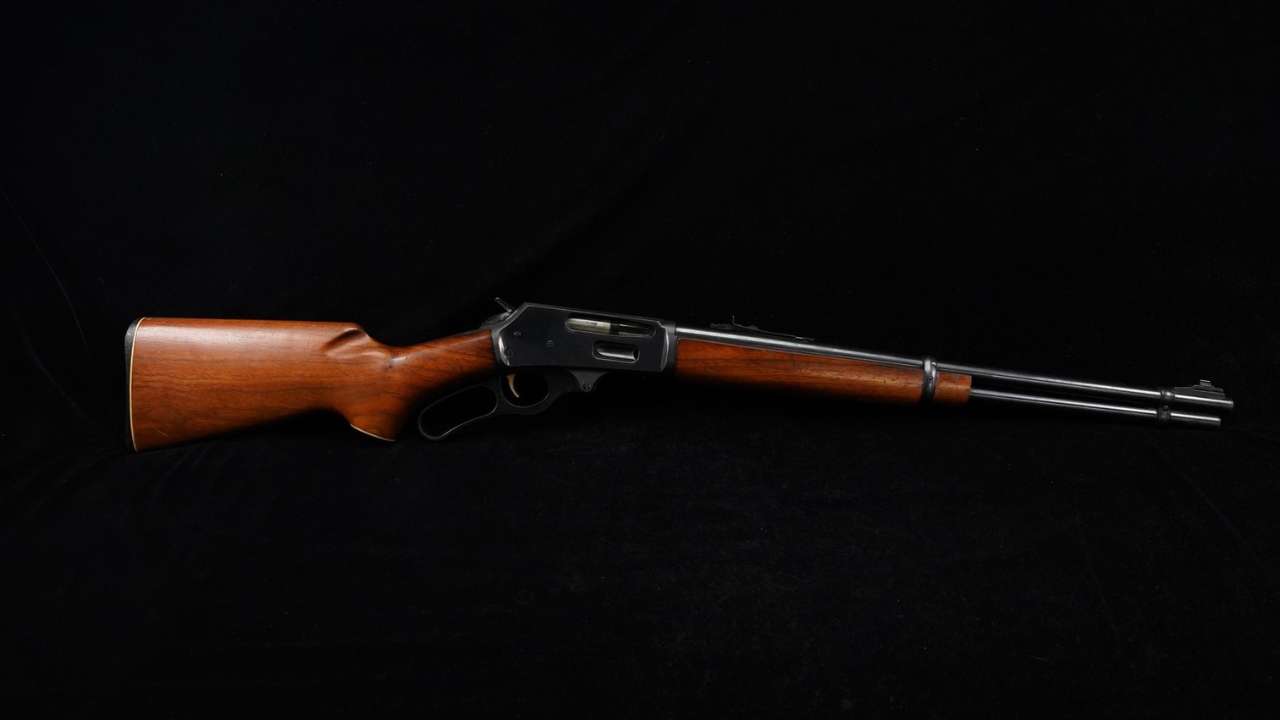
Older JM-stamped Marlin 336 rifles have become harder to ignore because they represent the pre-Remington era of Marlin production. Many owners specifically prefer the fit, finish, and traditional feel of these rifles compared with later examples.
That has changed how people treat them. A clean .30-30 that might once have been traded toward a newer deer rifle now tends to stay in the safe. Ruger has brought Marlin back successfully, but that has not erased demand for older North Haven-built guns. Owners know they cannot simply walk into a store and replace one with another original JM rifle.
Winchester Model 9422
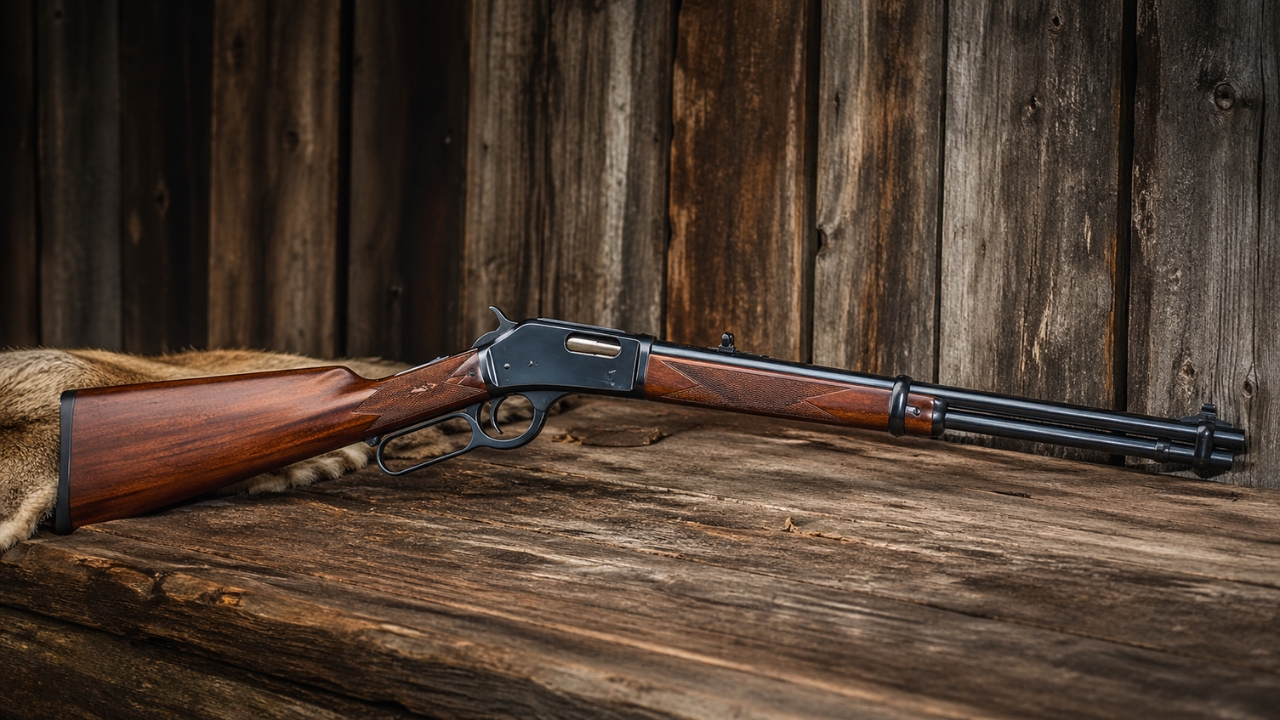
The Model 9422 used to be viewed as a nice rimfire lever gun. Now it is increasingly treated like a rifle worth hanging onto.
Production ended years ago, and Winchester never really replaced it with an equivalent rimfire lever gun carrying the same reputation. Clean examples keep getting harder to find, especially ones that have not been heavily used or altered. Owners who bought them when they were ordinary .22 rifles are increasingly realizing they have something that is not easy to replace.
Ruger No. 1
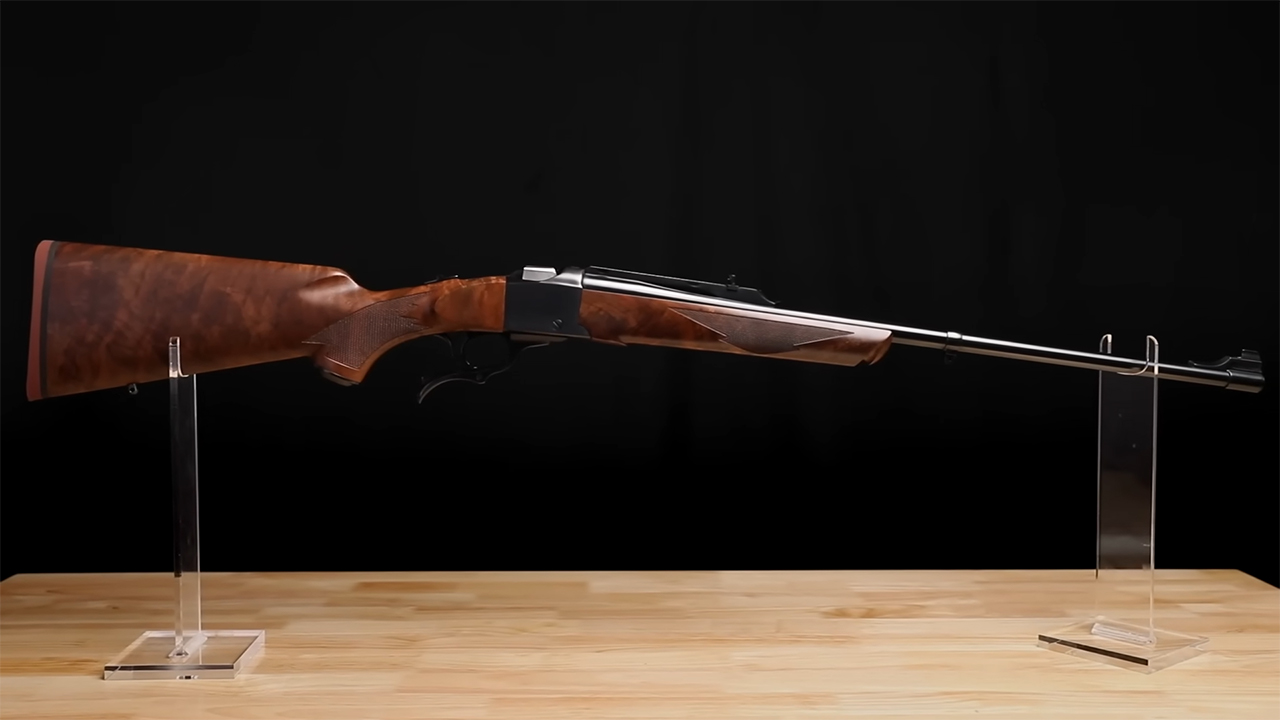
The Ruger No. 1 has always had a loyal following, but fewer rifles like it exist today. It is a single-shot hunting rifle built with a level of traditional character that has become less common in mainstream production.
That makes owners reluctant to move them. The rifle does not appeal to everyone, but people who like No. 1s tend to really like them. Certain chamberings and older configurations are especially hard to replace once sold. It is the kind of gun that often seems expendable until you start looking for another one.
Remington Model 700 BDL
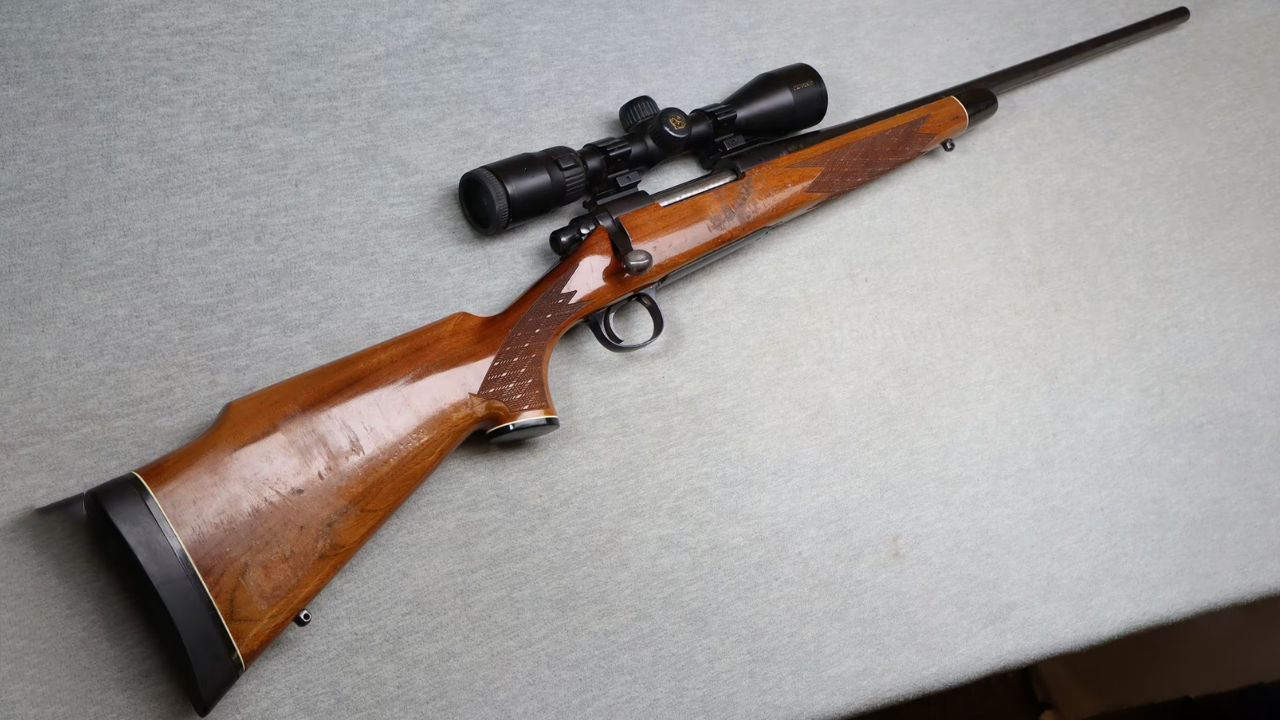
Older BDL rifles are increasingly being treated differently than basic modern hunting rifles. The polished blue steel, walnut stocks, and traditional finish give them a character that many newer production guns no longer prioritize.
Owners who grew up around them often prefer keeping a good BDL rather than selling it to fund something newer. You can buy a more modern rifle with better modularity and features, but that does not make the older Remington easy to replace. Clean examples are becoming the ones people hold onto.
Browning BL-22

The BL-22 has never been the cheapest rimfire lever gun, and that is part of why owners tend to keep them. The short lever throw, solid construction, and excellent fit make the rifle feel more refined than many inexpensive .22s.
It is also the kind of rifle that fills a very specific role. Once somebody has a good one, there is little reason to sell it unless they truly need the money. The used supply reflects that. Buyers looking for clean examples often discover that owners are not eager to part with them.
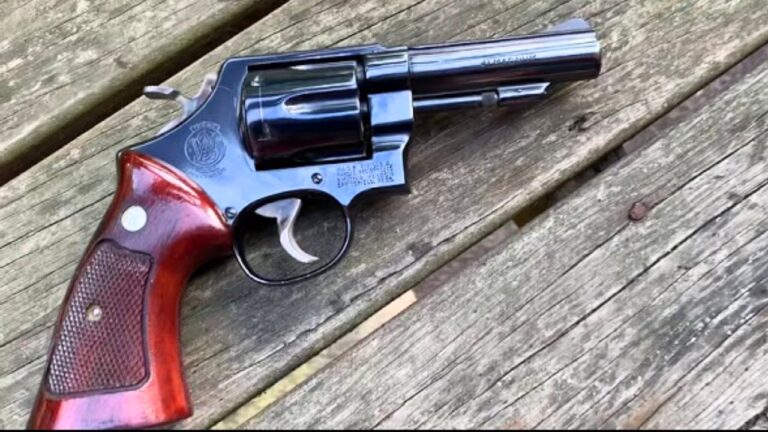
Smith & Wesson Model 19
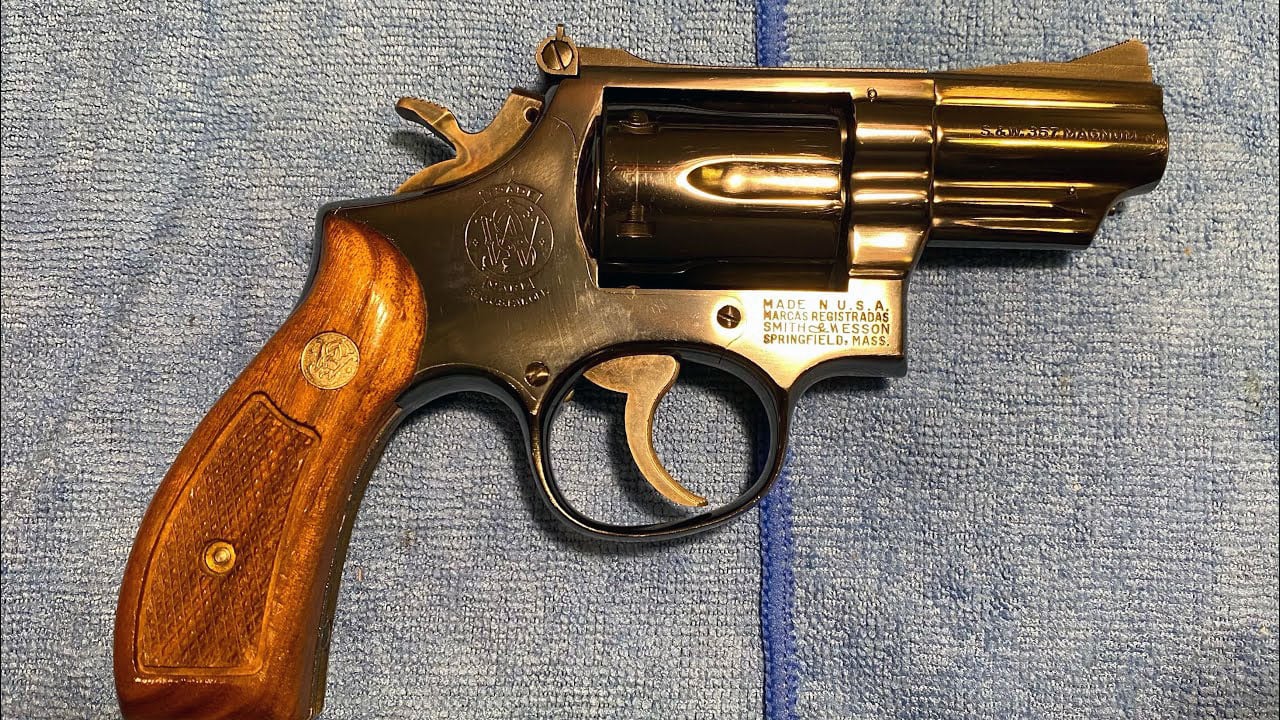
The Model 19 has always been desirable, but older examples are becoming increasingly “keeper” guns. They combine a manageable K-frame size with .357 Magnum capability and the classic look of older Smith & Wesson revolvers.
Collectors and shooters both want them, especially examples with good finish and original components. That overlap matters because it takes guns off the market. Owners can still buy modern Model 19s, but many specifically want older production. Once someone has a good example, selling it often creates instant regret.
Smith & Wesson Model 27
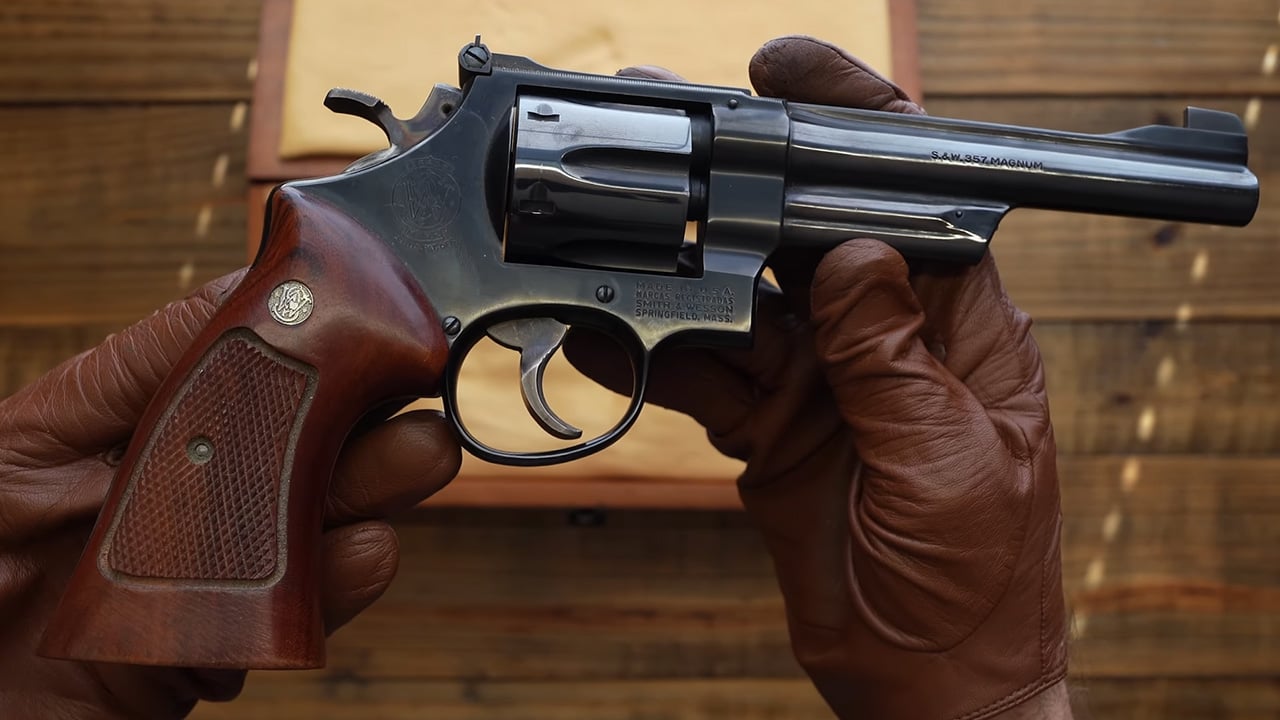
The Model 27 represents the more polished side of classic Smith & Wesson revolvers. Older examples with deep bluing and traditional craftsmanship have become increasingly difficult to replace.
That encourages owners to hang onto them rather than trade them away like ordinary used handguns. These guns are large, heavy, and not especially practical by modern carry standards, but practicality is not the reason people keep them. They are becoming safe guns precisely because the owner knows the next one may cost considerably more.
Colt Detective Special
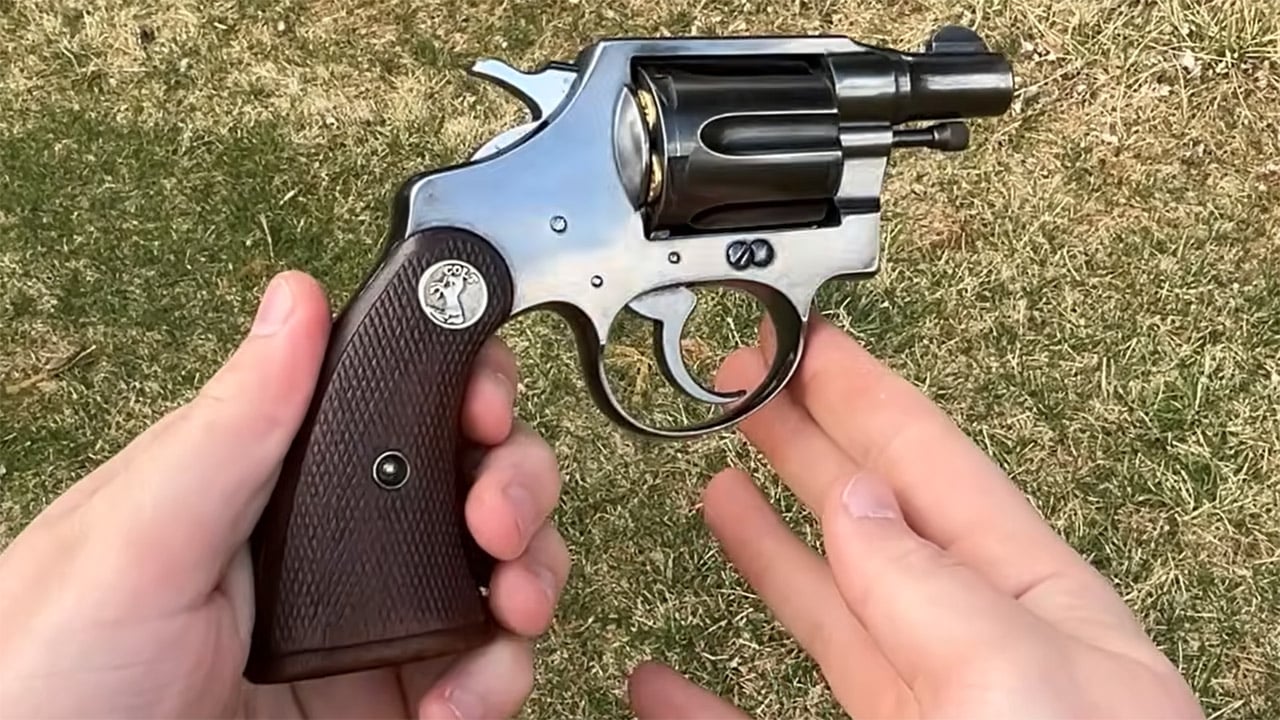
The Detective Special once filled a common role as a compact defensive revolver. Today, older examples are increasingly viewed as collectible carry-era Colts rather than just obsolete six-shot handguns.
That has changed owner behavior. People who might have sold one a decade ago now tend to keep it because original examples are finite and the Colt name carries increasing collector interest. The gun may no longer be the obvious choice for concealed carry, but its desirability has moved in the opposite direction.
Colt Woodsman
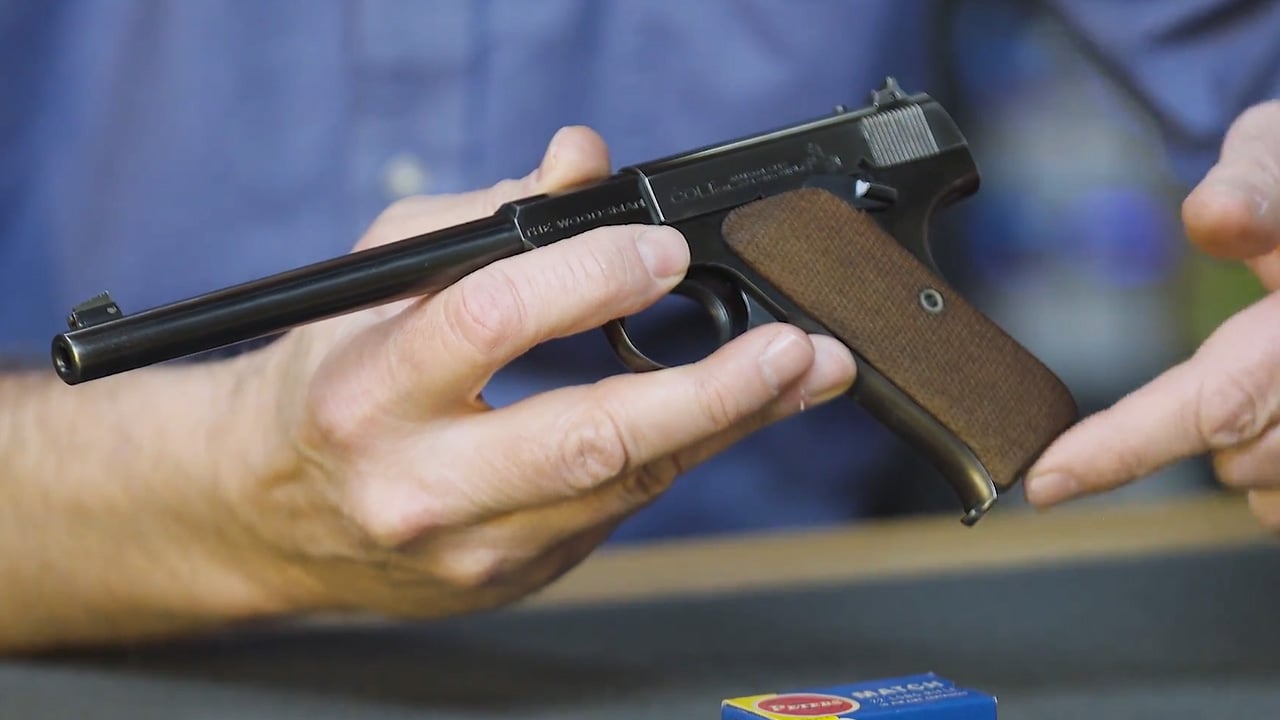
The Woodsman is one of those pistols that owners frequently regret selling because there really is not a direct modern replacement. It is slim, beautifully balanced, and has a feel very different from most current .22 pistols.
Production ended long ago, so every clean example removed from the market matters. Shooters who inherited or bought one cheaply often end up keeping it once they understand what they have. The Woodsman has shifted from ordinary rimfire pistol to the kind of gun that stays in families.
Browning Hi-Power
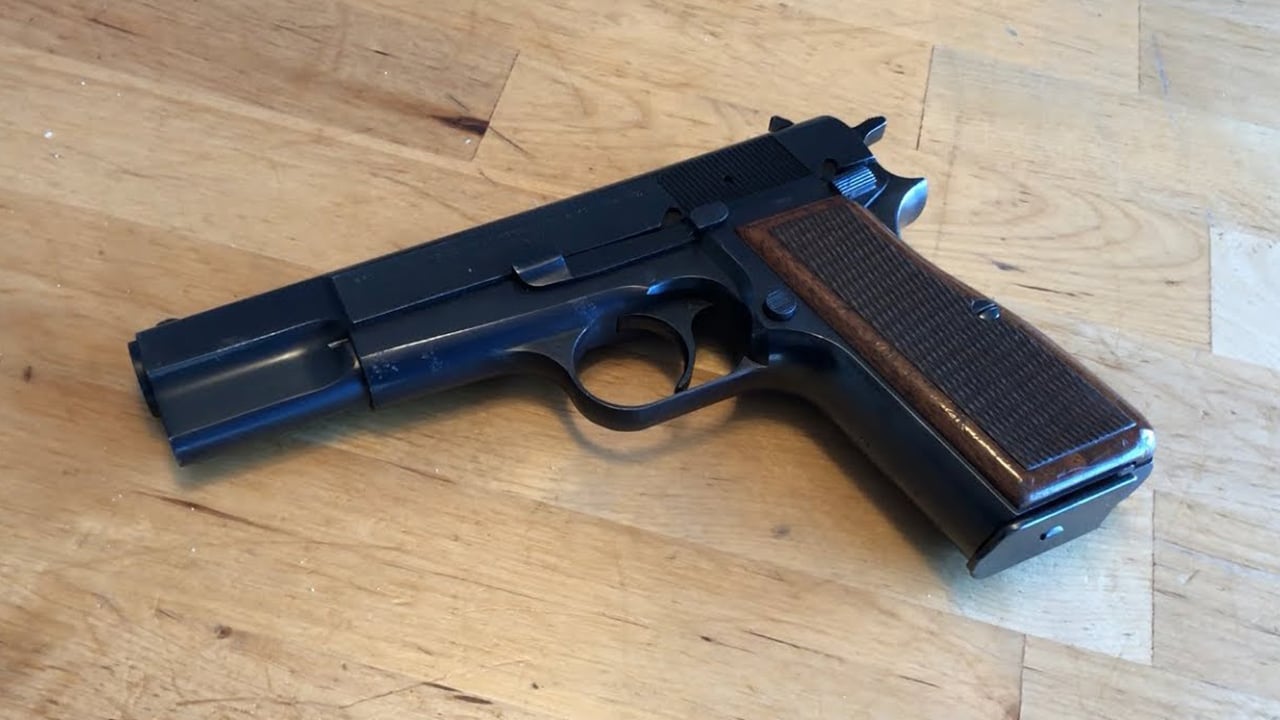
Original Browning Hi-Powers have become much harder for owners to treat like ordinary used pistols. FN ended traditional production, and although the Hi-Power concept has returned through newer designs, collectors still care about original guns.
That creates a split market. Modern shooters can buy new Hi-Power-style pistols, but someone who wants an original Browning-marked example has to find one already in circulation. Owners know that. A clean Hi-Power is increasingly something people keep instead of trading toward the latest striker-fired pistol.
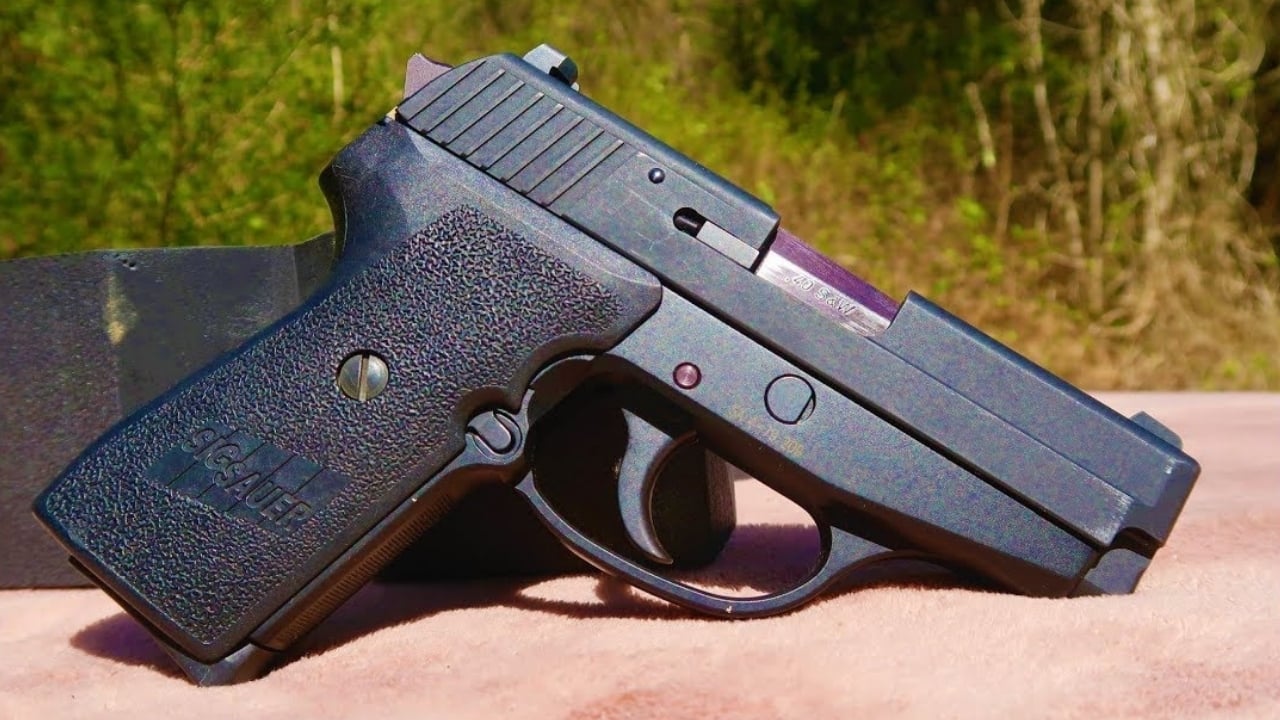
SIG Sauer P239
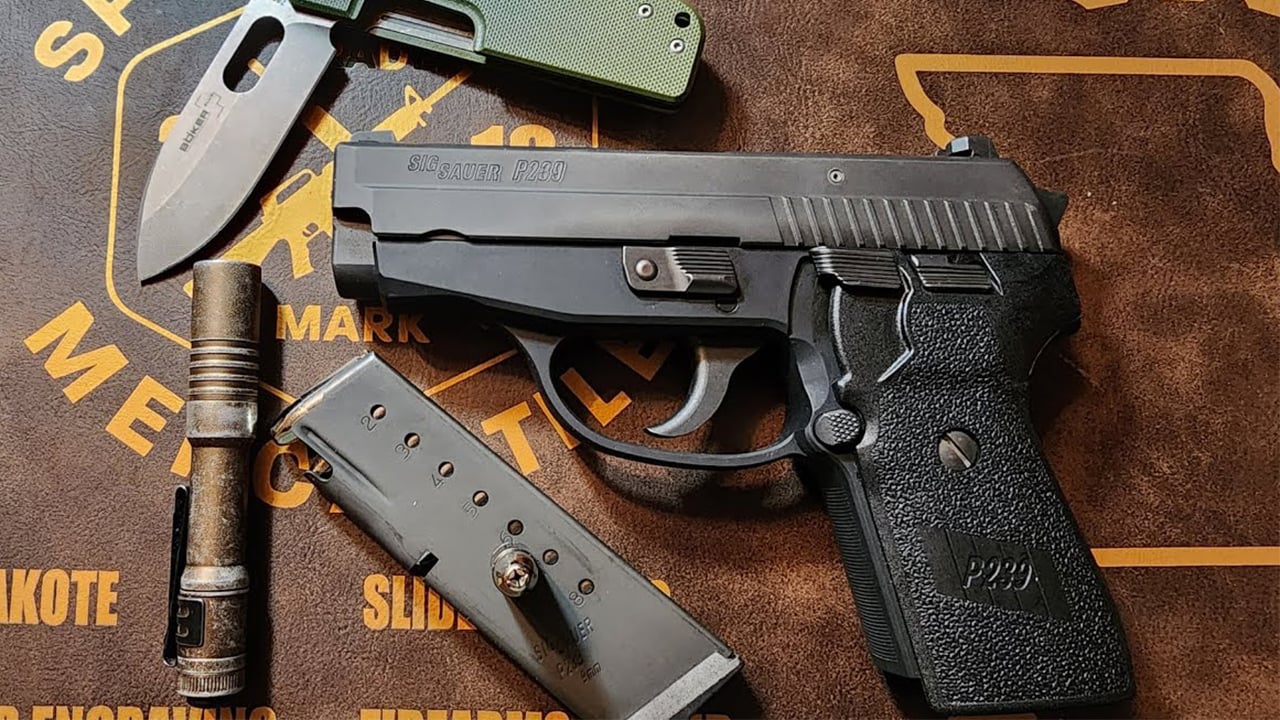
The P239 was once just another compact SIG in the catalog. Now that it is discontinued, it has become much more desirable to shooters who prefer older metal-framed SIG pistols.
Its single-stack capacity looks dated today, but that does not reduce its appeal to people who like the feel and construction of classic SIGs. There is no true current replacement in the lineup. Owners who already have one are starting to recognize that selling it means giving up something SIG is unlikely to build again.
SIG Sauer P225-A1
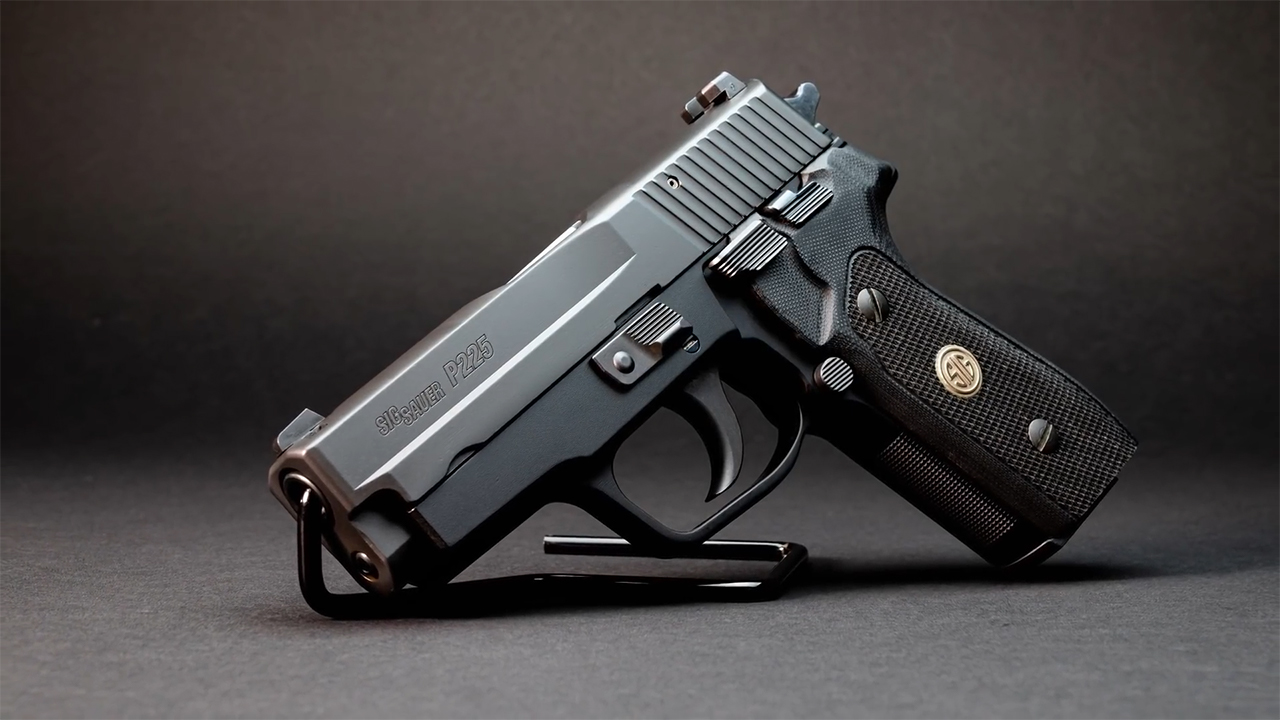
The P225-A1 had a relatively short run, which is exactly why owners are becoming reluctant to let them go. It offered a modernized version of the classic single-stack SIG concept but disappeared before becoming truly common.
That limited supply gives it an appeal it did not necessarily have when new. The pistol is not the most capacity-efficient carry gun, but people buying one now usually want it for what it is rather than for pure defensive utility. Those buyers tend to hold onto them.
Heckler & Koch P7
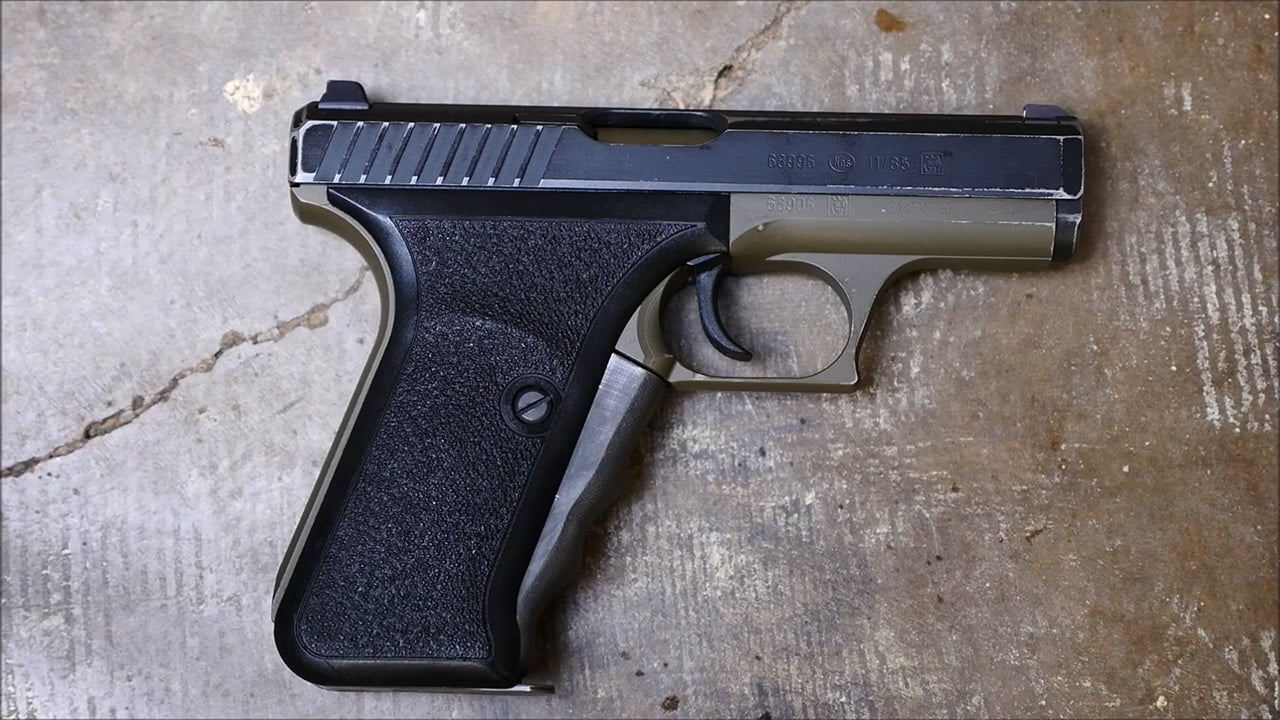
The P7 has long been collectible, but it continues becoming harder to replace as clean examples settle into private collections. Its squeeze-cocking system and extremely low bore axis make it unlike almost anything else.
That uniqueness is exactly why owners hoard them. HK is not making a modern equivalent, and there is little reason to expect another mainstream manufacturer to revive such a complicated design. Selling a P7 today means accepting that another one may be much more expensive or much harder to find later.
Smith & Wesson Model 39
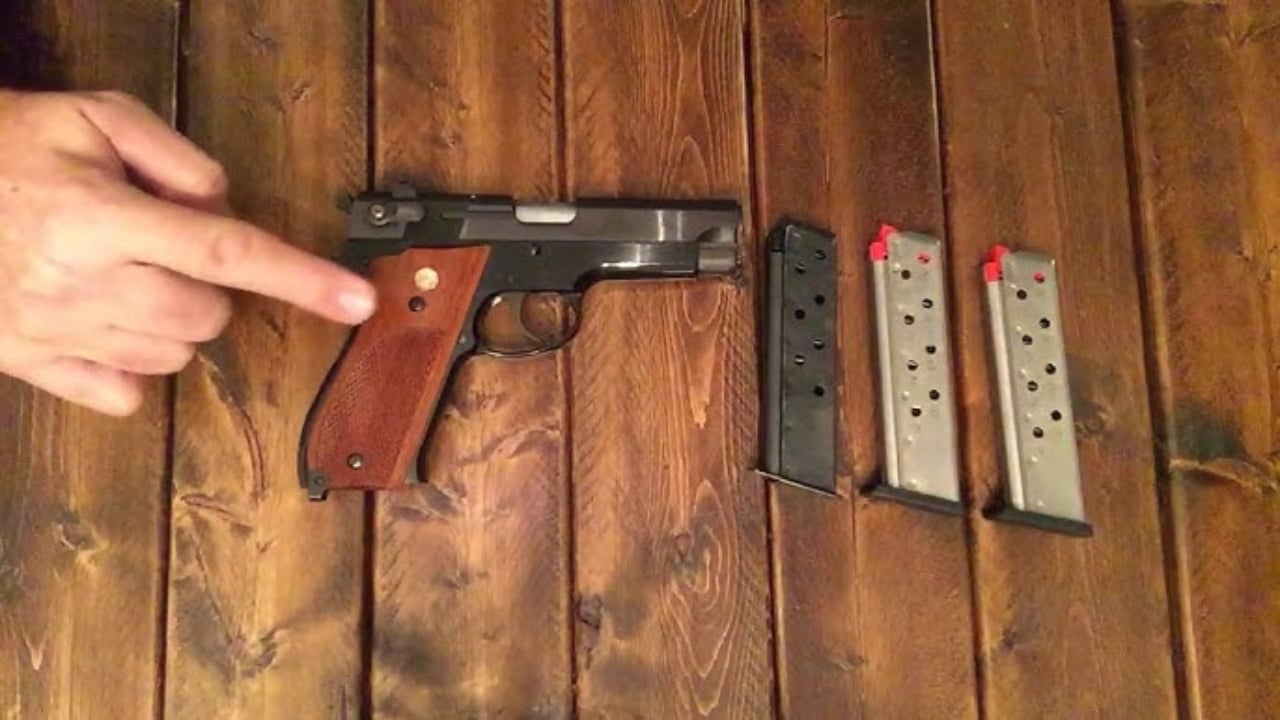
The Model 39 is gaining attention as one of the most important early American 9mm semiautomatics. For years it was overshadowed by newer service pistols and later Smith & Wesson generations.
That is changing as collectors become more interested in early double-action American autos. Good examples are increasingly treated as historical pieces rather than old carry guns. Owners who already have one often recognize that the supply is only moving in one direction.
Smith & Wesson Model 5906
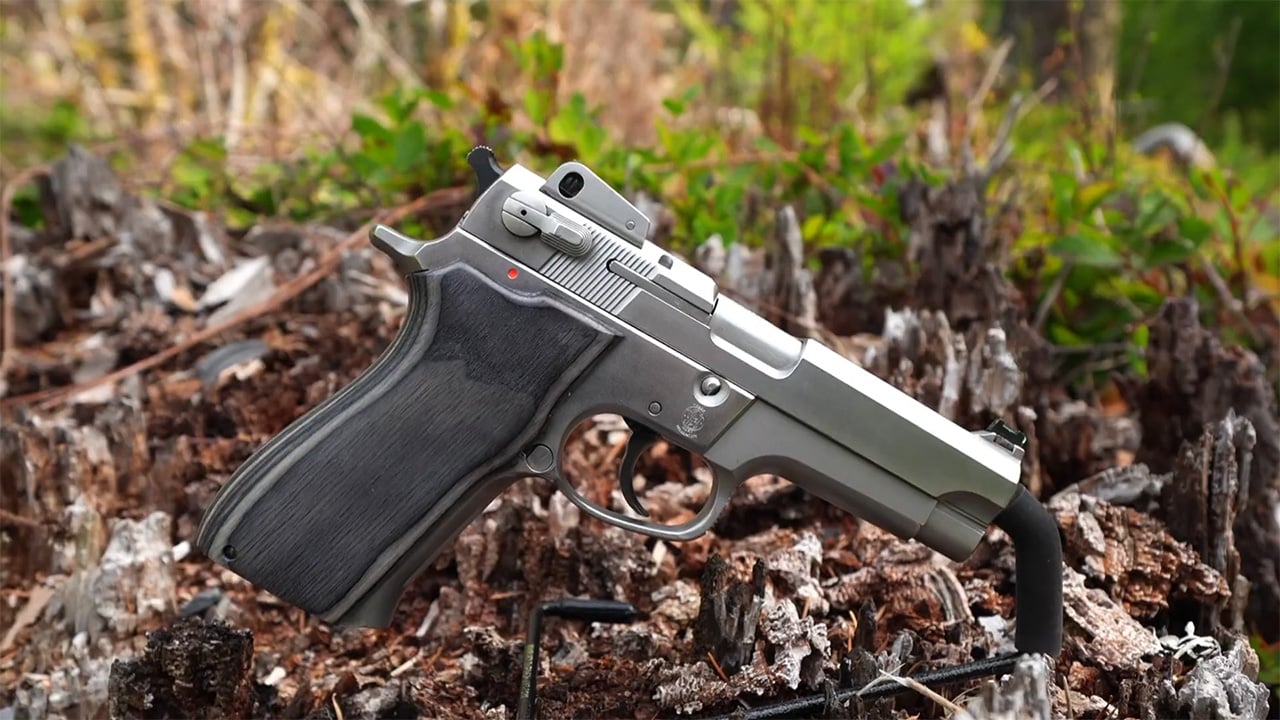
The 5906 went through a period when police trade-ins were inexpensive and easy to find. That made them feel disposable.
Those days are fading. Clean third-generation Smith & Wesson pistols have become much more desirable, especially as shooters rediscover heavy metal-framed service pistols. Owners who bought them cheaply are less willing to sell because replacing one at the same price is getting difficult.
CZ 527
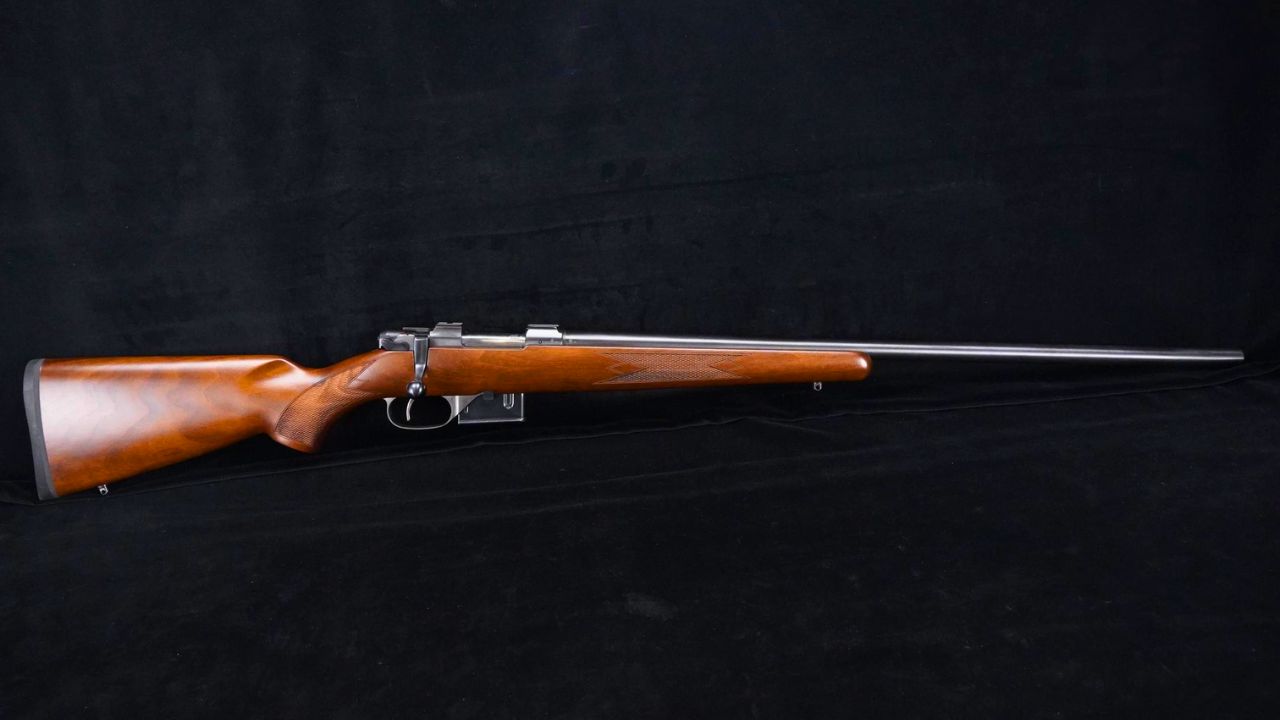
The CZ 527 built a loyal following as a compact bolt-action rifle, particularly in chamberings like .223 Remington and 7.62x39mm. Once CZ discontinued it, demand became much more obvious.
The replacement CZ 600 family is modern and capable, but it does not feel like the little 527. That matters to owners. A rifle that was once viewed as a quirky small-action bolt gun is becoming something people hang onto because the exact design is gone.
CZ 550
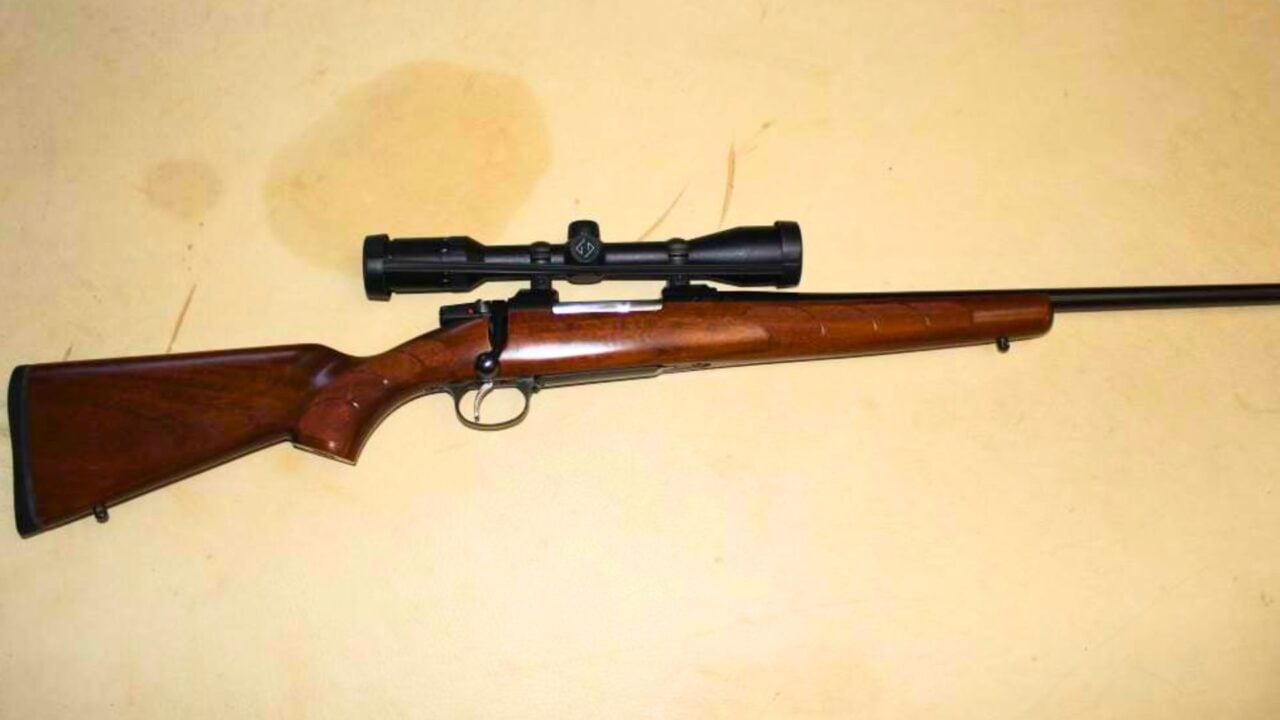
The CZ 550 has a similar story. Controlled-round-feed actions, robust construction, and availability in serious hunting cartridges made it especially popular among hunters who wanted an old-school bolt rifle.
CZ moved on to newer designs, leaving the 550 without a direct equivalent in regular production. Clean examples in desirable chamberings are increasingly held rather than traded. Owners know that replacing one with the same action and feel is not straightforward.
Ruger 77/44
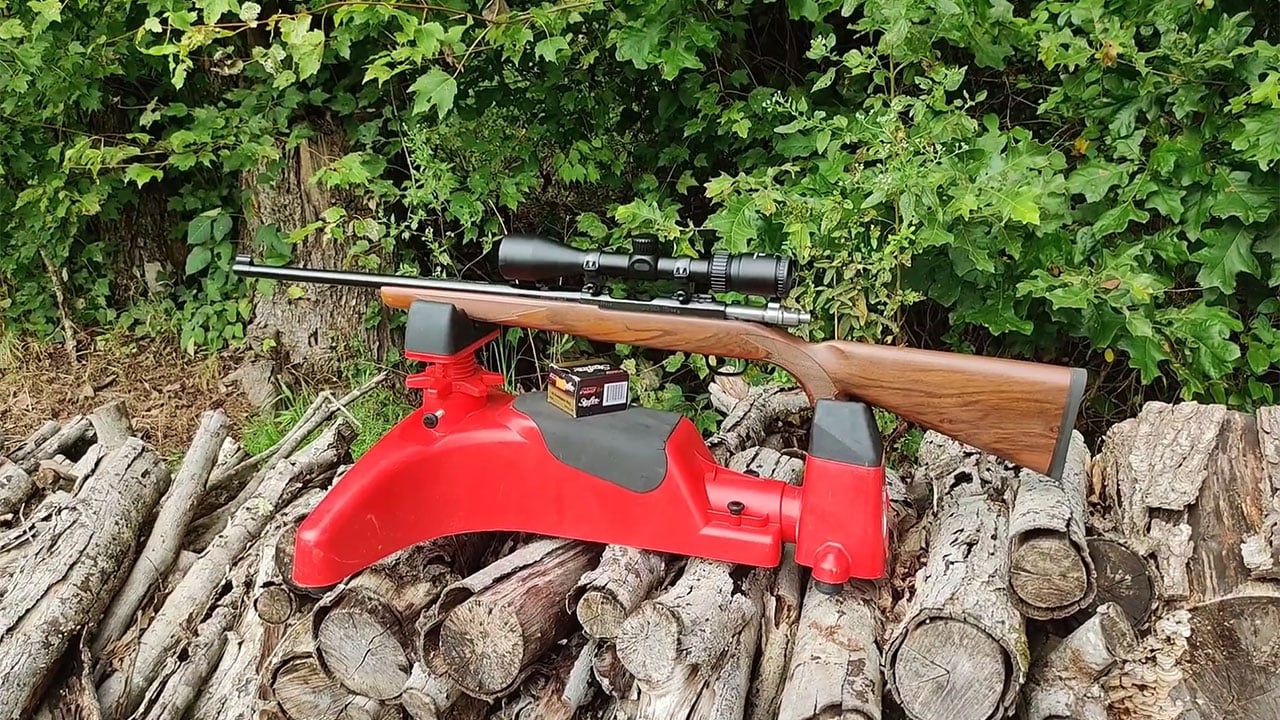
The 77/44 occupies a niche that has become much more interesting as suppressors and pistol-caliber hunting rifles have grown in popularity. A bolt-action .44 Magnum rifle is quiet with the right load, simple to suppress, and useful at short hunting distances.
The problem is availability. These rifles have not always been easy to find, and owners who already have one tend to recognize how unusual the configuration is. That makes the 77/44 exactly the kind of rifle people keep because selling it removes an option that may be difficult to replace later.
Thompson/Center Contender
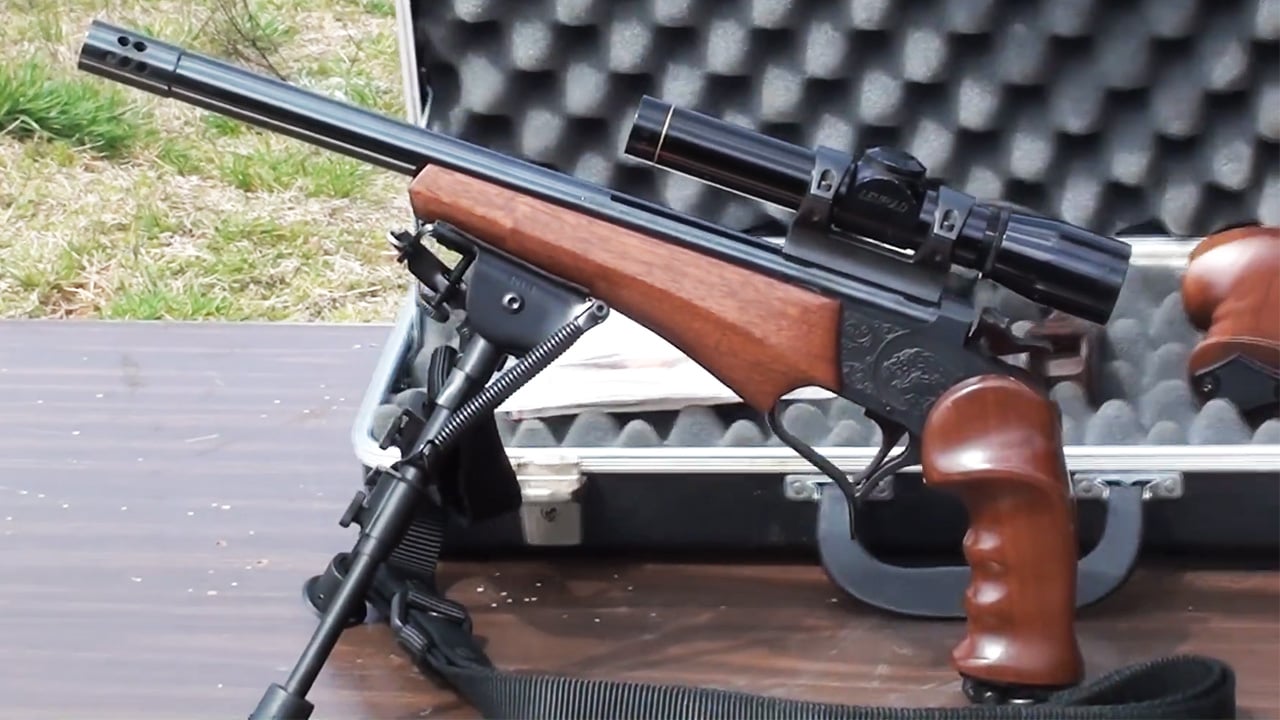
The Contender’s interchangeable-barrel system created one of the most flexible handgun and rifle platforms ever sold. Owners accumulated barrels in everything from common hunting cartridges to obscure wildcats.
That ecosystem is why people are reluctant to sell complete setups now. Thompson/Center has been through major changes, and even with the brand returning, decades of older Contender barrels and frames cannot simply be recreated overnight. Owners with established collections tend to keep adding to them rather than breaking them apart.
Browning BPS

The BPS was once just one of several mainstream pump shotguns. Its bottom-loading and bottom-ejecting design made it different, but buyers could always assume another one would be available later.
That assumption became less safe as regular production faded. Left-handed shooters in particular appreciate the BPS because its bottom ejection works naturally from either shoulder. Clean examples now have a reason to stay put. Once owners realize there are very few pumps built like it, selling starts making a lot less sense.
Like The Avid Outdoorsman’s content? Subscribe to our newsletter so you never miss an article.
Here’s more from us: