Photo credit: Freeograph/Shutterstock.com
You want the list that makes good guides sigh — the rifles, pistols, and oddballs that get you a polite shake of the head and a quiet “why’d you bring that?” from someone whose job is keeping you alive and legal. I’ll keep this tight and honest: gear that’s under-powered, poorly suited, or just plain impractical for the job. You’re hunting to make an ethical shot, not to prove a point. These picks aren’t the usual suspects I trot out — they’re the quirky, borderline, or flat-out frustrating choices guides see and immediately start planning how they’d replace them if you handed them the trip deposit. You asked for truth. Here it is — blunt, experienced, and in the voice you want. Read it, then rethink anything you’re tempted to shoulder into a guide’s truck because you loved it on the internet.
Smith & Wesson Governor

You buy the Governor because the idea is neat — a revolver that eats .410 shotshells and .45 Long Colt — but guides see it and register the practical problems before you fire a round. In the field, it’s a compromise in every direction: cylinder capacity and sight radius are tiny, slug performance is poor compared to a real shotgun or proper rifle, and recoil and muzzle rise make quick, accurate follow-ups tougher than you’d expect. For bear country or anything that can ruin your day, a Governor turns into a “hope it works” tool rather than a confident choice.
What makes guides shake their heads isn’t that the gun is unsafe — it’s that people bring it thinking versatility equals capability. The Governor gives you novelty, but not the predictable, repeatable terminal performance guides want on a dangerous-game outing. When a client hands this over, most guides mentally inventory plan B options: up-charge for a rental, insist on different calibers, or quietly gift the rifle case to the truck. It’s fun at the range, questionable where it matters.
KelTec Sub-2000
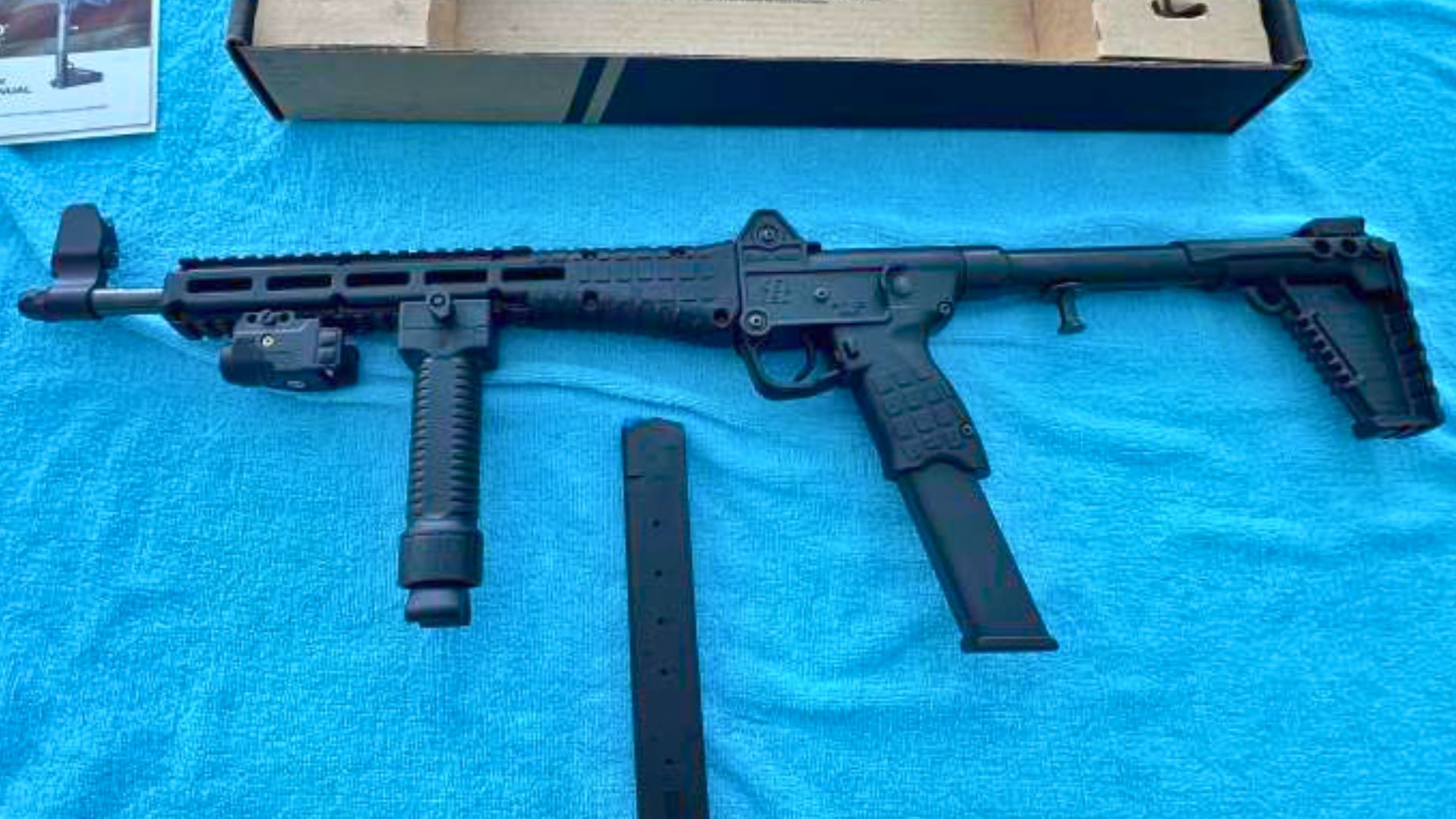
You appreciate the Sub-2000 for its folding slickness and the crazy convenience of a carbine that fits in a backpack, but guides tend to read that as “novelty over usefulness.” It’s a pistol-caliber carbine with real utility in certain hands — home defense, ultralight pack carry, plinking — but for serious hunts it runs into limits: limited effective range, bullet energy that’s often inadequate for ethical game past short distances, and ergonomics that leave some shooters fighting sight picture and trigger control when wind or terrain get involved.
Guides aren’t trying to be buzzkills. They just want tools that make clean kills predictable. When a Sub-2000 shows up at a moose or elk hunt, you can see the internal checklist start: “Where’s the back up? Do they have proper ammo?” If you must bring a PCC, pick one with proven terminal performance for the quarry and keep it as a purposeful choice — not a party trick.
Chiappa Little Badger (and ultralight survival .22s)

The Little Badger is brilliant on paper: tiny, absurdly light, cheap, and easy to pack. You can stash it in a backpack and forget it until you need a small varmint dispatch tool. But take one into real hunts and guides cringe because those tiny rifles encourage questionable decisions: you shoulder a dinky .22 and suddenly feel “armed enough” for targets well beyond ethical range. Those actions flex, barrels are short, and harmonics open groups quick once distance or weather shows up.
What really sets guides off is the mismatch between confidence and capability. A Little Badger will get a groundhog or a close-range pest on calm days — that’s it. Hand one to a person who thinks “light equals smart” and you’re in for uncomfortable conversations about ethics and recovery. They’re fun to own; they don’t belong as your primary plan for anything you actually care about.
Heritage Rough Rider (cheap single-action revolvers)
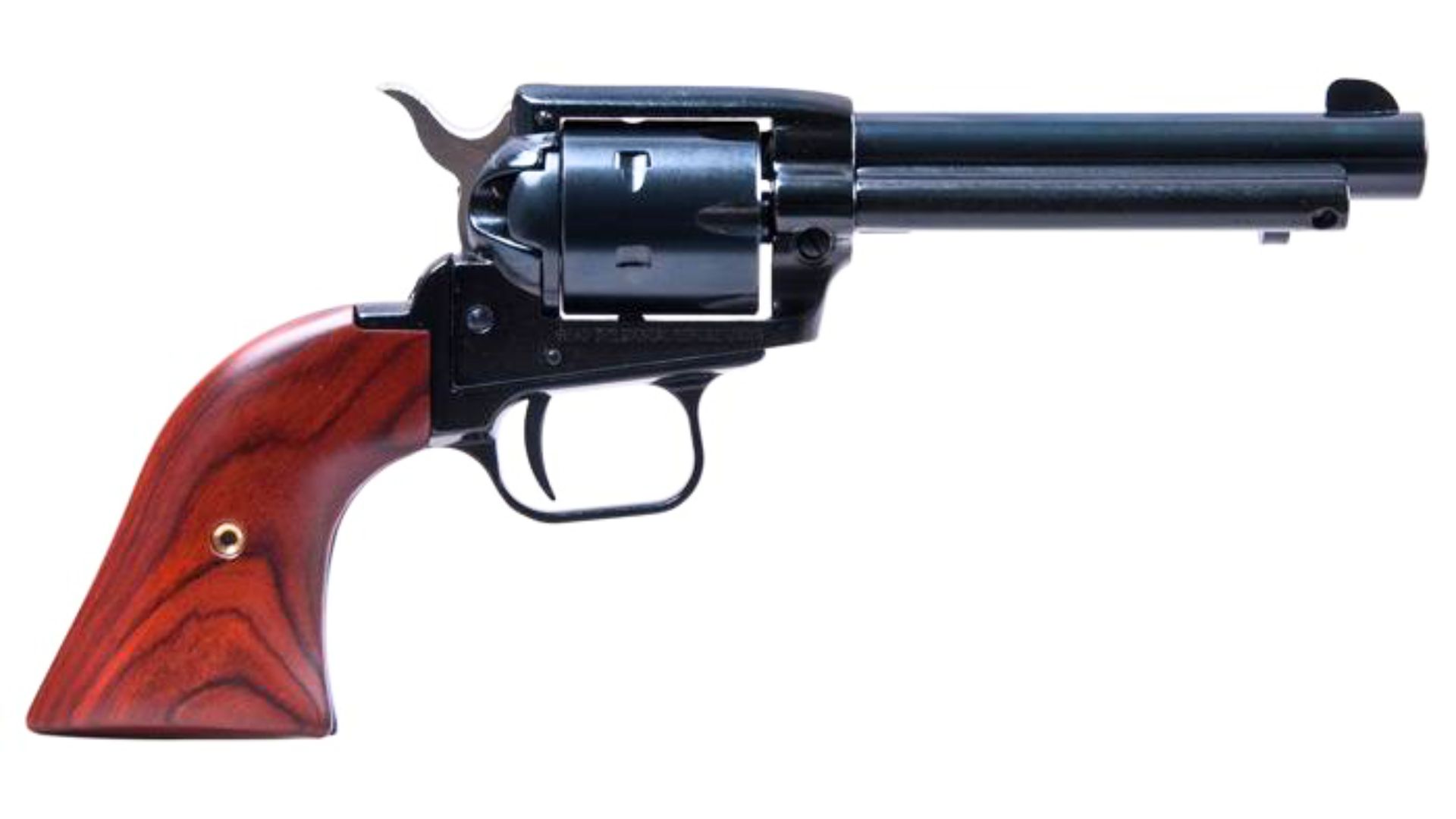
Heritage Rough Riders look like fun classics you can shoot all day, but guides hate seeing clients treat them as serious field sidearms. They’re perfectly fine for plinking and cowboy classes, but drop them into hunting or backcountry defense and the shortcomings show: sights rarely inspire precision, reloads are slow and messy compared to modern revolvers or autos, and barrel lengths and light frames mean accuracy and terminal performance drop off faster than owners expect.
Guides want point-and-stop tools when the situation demands it. When someone shows up with a Rough Rider for anything beyond squirrels, the guide’s first thought is contingency: “Do you have better gear in the truck?” It’s not that the revolver is unsafe; it’s that it invites overconfidence in scenarios where you want calm, reliable, repeatable tools.
KelTec PMR-30 and similar lightweight rimfire pistols
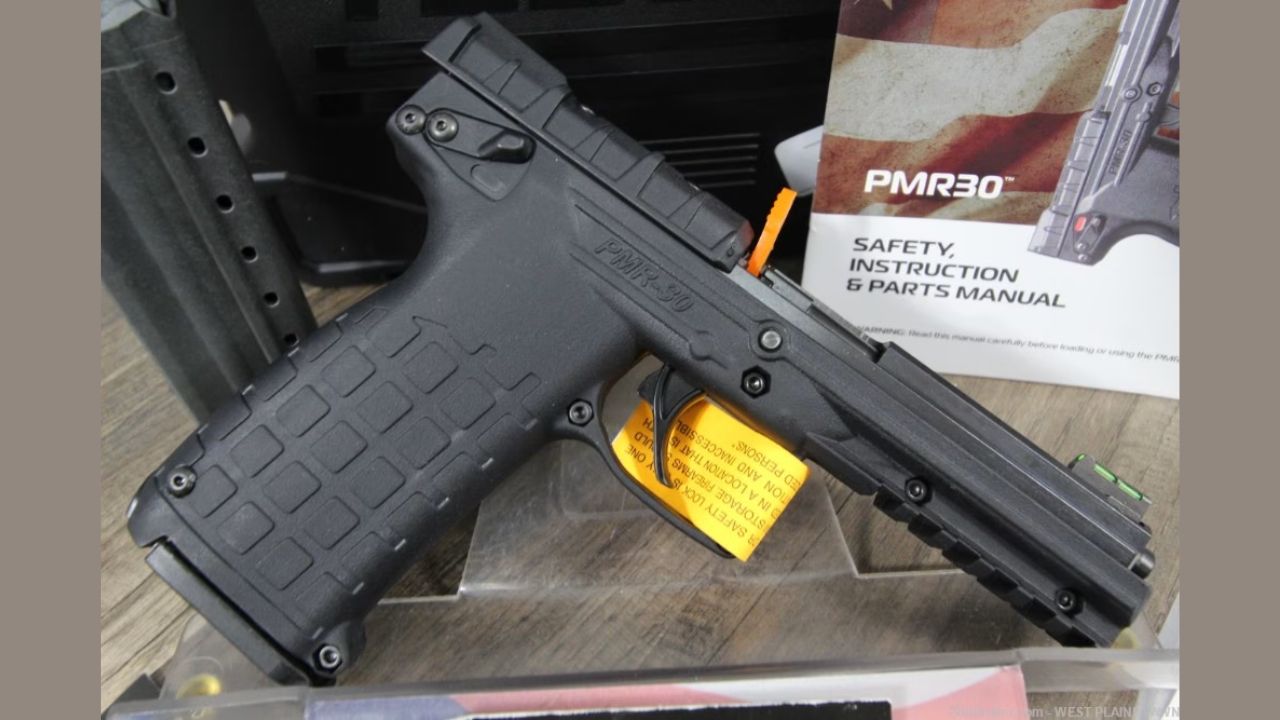
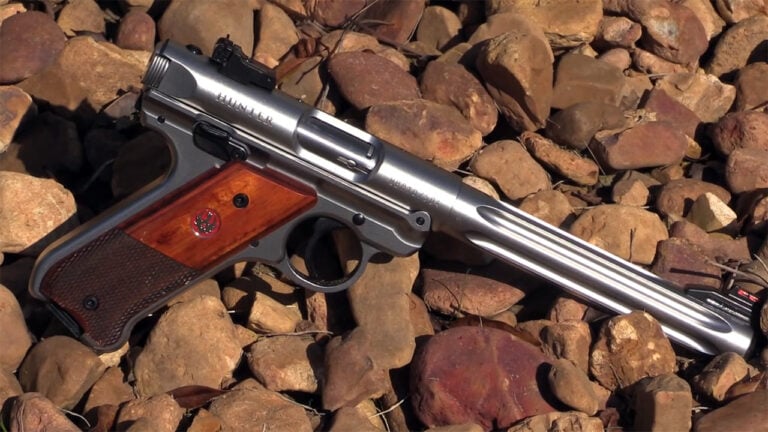
A PMR-30 fills a mag your .22LR pistol cannot — it’s a neat idea until you try to use one for serious defense on a hunting trip. Lightweight frames, thin barrels, and fast rimfire ammo make these pistols pleasant to carry but finicky when wind, cold, or distance show up. Guides wince because a high round count in a gun that can’t reliably expand or penetrate in real-world conditions isn’t a substitute for something that delivers knockdown energy where it’s needed.
You’ll see owners fall in love with capacity and then panic at recovery shots that don’t do the job. For varmints on an accessible ridge? Fine. For anything you’d regret missing, guides prefer a tool with predictable terminal performance — even if it means fewer rounds in the tube.
Hi-Point Carbine (and cheap, oversized optics)
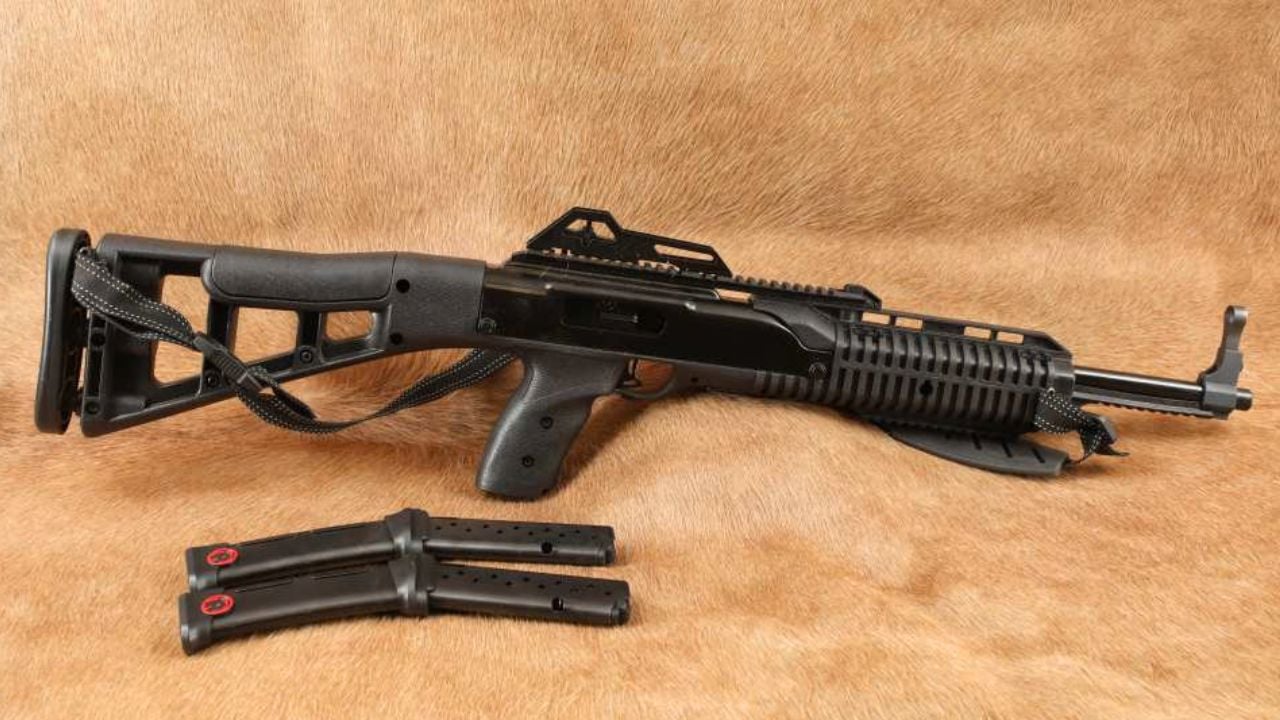
Hi-Point carbines are the poster child for “works when it needs to” at a rock-bottom price, but most guides read them as an invitation to problems. The action tolerances, stock ergonomics, and factory sights make follow-up shots and consistent accuracy a chore. Add a bulky, cheap optic slapped on top and you’ve doubled the chance that zero will shift or mount hardware will fail when you need it.
Guides are practical: they’ll tolerate cheap gear if it’s been proven reliable and matched to expectations. But a client shows up with a Hi-Point carbine zeroed with tape and a $40 scope and the guide’s brain flips to “backup plan” mode. On real hunts, you want gear that makes accurate, ethical shots easier — not an exercise in hope and patience.
COP .357 Derringer and tiny pocket pieces
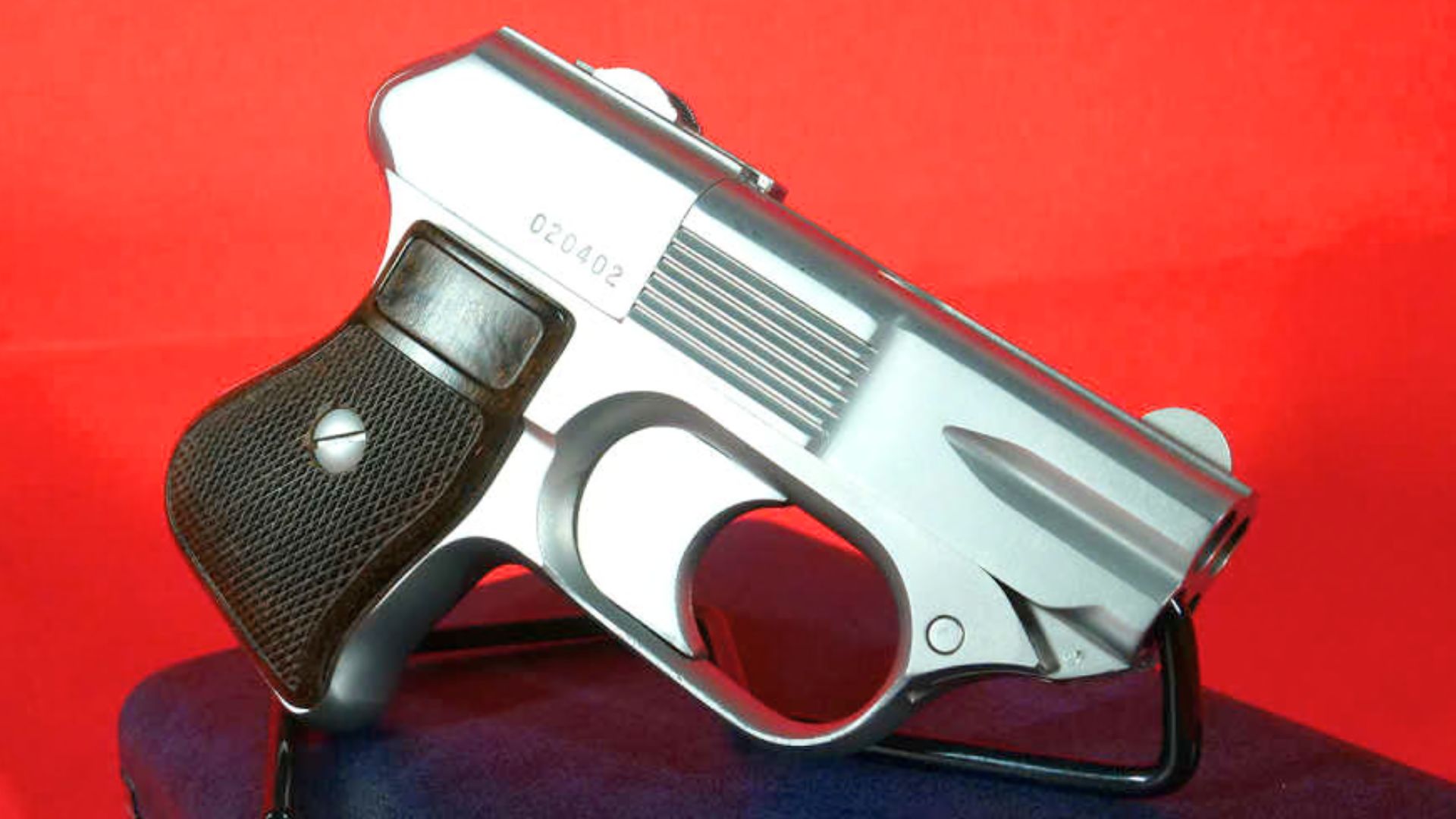
Derringers and micro-pocket pistols are awesome as last-ditch tools in a city pocket, but take one into bear country and your guide’s face tightens. Short sight radius, poor ergonomics for fast, accurate fire, and minimal terminal effect on large predators make these firearms borderline useless for anything beyond extreme close-quarters self-defense. If you think a COP .357 will save the day against a charging boar from ten yards, you’re betting on a lot of luck.
Guides prefer straightforward tools that make success easy for the shooter. When someone brings a derringer to a big-game or long-range hunt, it signals either a lack of knowledge or an unwillingness to invest in appropriate kit — both things a good guide will quietly correct before you leave the truck.
Flintlock or antique-style muzzleloaders as primary guns
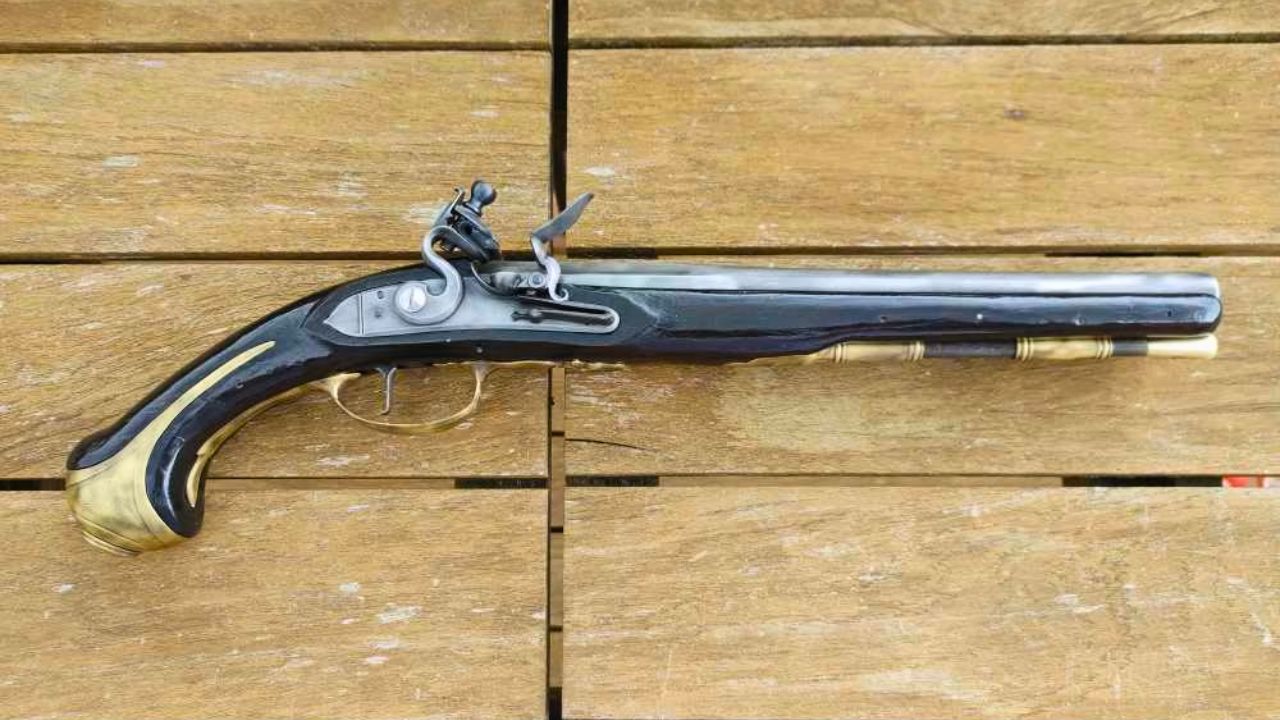
There’s romance to hunting with a flintlock — nobody’s denying that — but bringing a reproduction cap-and-ball or flintlock as your primary planned rifle is what gets guides to sigh. Ignition reliability, long reload times, and sensitivity to weather make these platforms poor choices for anything you plan to ethically harvest and recover. If you’re doing historical hunts or period events, fine. But as your go-to tool for an actual paid hunt, it’s a poor match for the realities of animal behavior and the need for a quick follow-up.
A guide’s job is to keep tags filled and animals recovered. When a client insists on an antique for practicality’s sake, guides have to plan around it — slower shots, more tracking, and a lot more anxiety. That’s why you don’t see flintlocks as primary tools on modern guided outings.
Shotgun-only choices for mountain hunting (short-barrel/slug setups that aren’t matched)

Some folks think a short shotgun with improvised slug loadouts is a clever, lightweight substitute for a proper rifle on alpine ridgelines. Guides see that and wince: slugs need a consistent sighting platform and predictable ballistics to be ethical at range, and chopping barrels or mismatching ammo and sights is a recipe for missed shots and long treks. A scattergun turned slug gun without proper testing and match ammo is frustratingly unreliable under pressure.
Guides want known quantities. If you’re bringing a shotgun as your primary big-game tool, do the homework: proper slug barrel, tested load, and a sighting system that works. Otherwise you’re effectively carrying a glorified hope-gun.
AR-pistol with arm brace for anything past very close range

AR-pistols and brace setups are clever legal engineering for compact firepower, but guides frown when they’re offered as multi-purpose hunting guns. Short barrels and pistol ballistics reduce effective range and energy delivery compared to full-length rifles. Many people assume that an AR platform equals rifle performance — it doesn’t automatically. When you hand a guide an AR-pistol as your planned tag tool, they’ll ask about your zero, your ballistic expectations, and whether you’ve practiced precise shots on moving targets.
If you insist on a compact AR, do it deliberately: know its limits, sight it for the ranges you’ll actually face, and keep expectations realistic. Otherwise guides treat it as an “in a pinch” option, not the main event.
Tiny, lightweight survival bolt-actions (.22LR/.17HMR ultralights)

You love the idea of an ultralight bolt action in .17 HMR or .22LR for packability. Guides like portability too — until they realize those tiny rifles encourage optimistic shot placement at poor ranges and under adverse conditions. Short barrels, light stock flex, and rimfire or small-varmint cartridges mean wind and elevation can ruin groups faster than you can judge. For ethical harvest of anything beyond close-range varmint work, those rifles are a liability.
Guides will happily show you how to carry lighter, but they’ll also insist on a backup that gets it done when a deer or larger animal walks into the open. The ultralight nuttiness belongs in the kit list as a convenience, not the plan B you bet your tag on.
Like The Avid Outdoorsman’s content? Be sure to follow us.
Here’s more from us:
The worst deer rifles money can buy
Sidearms That Belong in the Safe — Not Your Belt
*This article was developed with AI-powered tools and has been carefully reviewed by our editors.