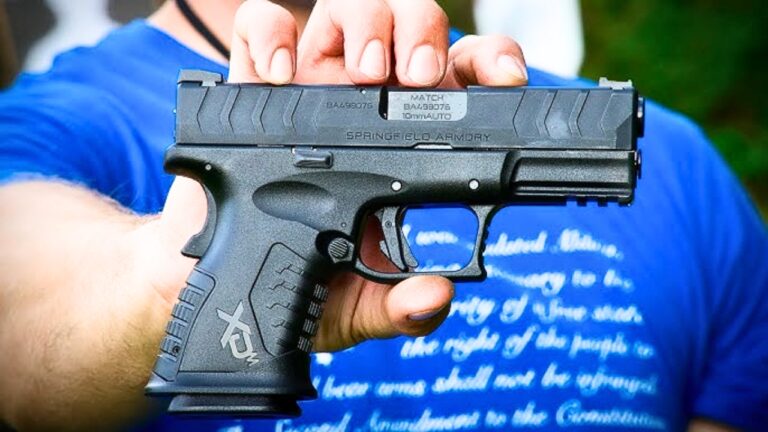
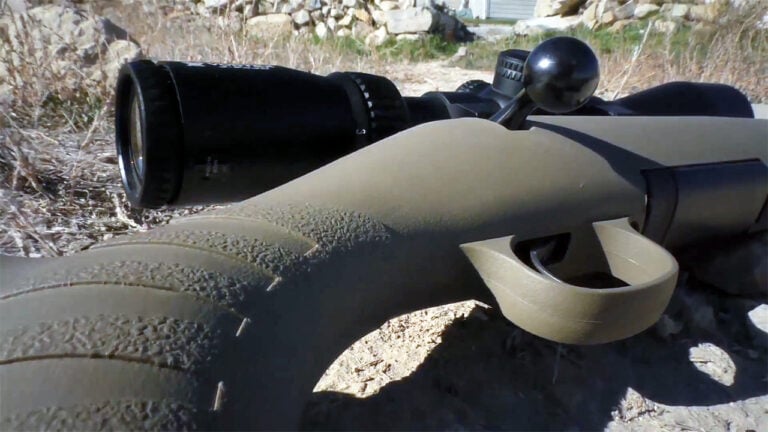
Photo credit: Just dance/Shutterstock.com
When you spend enough time around rifles and big-game hunters, you start to notice a pattern: some calibers earn their reputations the hard way, through decades of clean kills and predictable performance, while others hang around mostly because they sound exciting on paper. High recoil, loud muzzle blast, and ballistics that fall apart in the field turn a lot of “hot” cartridges into long-term disappointments.
These are the rounds that make you brace harder than you aim, yet leave you scratching your head when the results don’t match the recoil. If you’ve ever walked away thinking, “Why did I bother with that?”—you’re not alone.
.300 Remington Ultra Magnum

The .300 RUM built its reputation on raw speed, but that speed often comes with downsides you notice the moment you fire it. The recoil is heavy, the blast is sharp, and the barrel heat builds fast. Many shooters quickly realize that the extra velocity doesn’t translate into noticeably better field performance than more manageable .300-class cartridges. With long-range capability overshadowed by difficult follow-up shots and inconsistent groups in lighter rifles, the .300 RUM ends up being more recoil than reward for most hunters.
.338 Remington Ultra Magnum
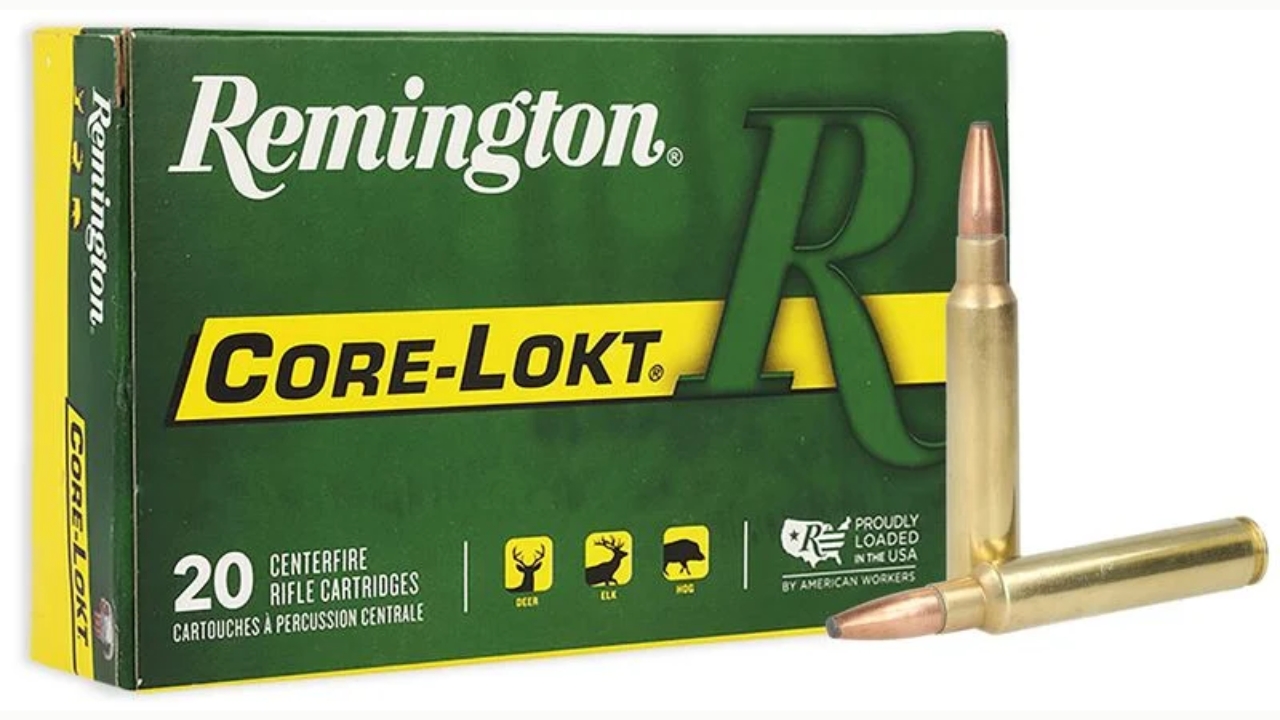
The .338 RUM promises enormous power, yet many hunters find it punishing to shoot. Even in rifles with good stocks, the recoil is fierce enough to change your shooting habits. Accuracy often suffers when you start anticipating the hit to your shoulder. While it’s capable on big game, its real-world usefulness is limited by how few shooters can run it well under pressure. Many discover that traditional .338 calibers deliver the same results without such extreme punishment, making the RUM feel like an overbuilt answer to a question few asked.
.257 Weatherby Magnum
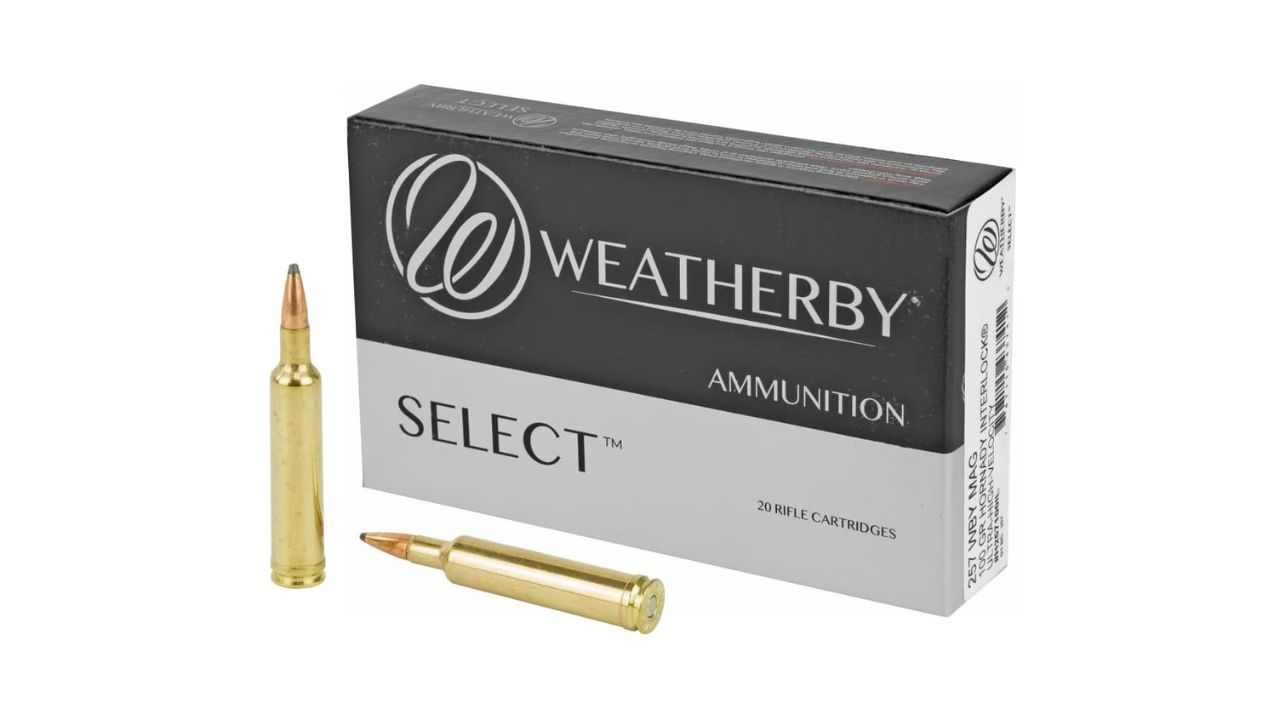
The .257 Weatherby Magnum has fans, but it also has a growing list of hunters who walked away unimpressed. The muzzle blast is intense, the recoil sharper than you’d expect from a quarter-bore, and barrel wear comes faster than most are comfortable with. While it shoots flat, it can be finicky with bullet selection, and performance drops quickly if you don’t pick the right load. Many shooters eventually realize that more balanced .25-caliber cartridges offer similar results without the noise and the headache of finding a load their rifle actually loves.
7mm STW

The 7mm Shooting Times Westerner once had a cult following, but its drawbacks become clear once you start shooting it in real conditions. The recoil is stout, the muzzle blast is harsh, and the cartridge’s long, overbore design burns barrels quicker than most hunters expect. Even with its impressive velocity, real-world gains aren’t that dramatic compared to modern 7mm rounds that do the job with less punishment. For many shooters, the STW turns into a loud, expensive reminder that speed alone doesn’t guarantee better performance.
.30-378 Weatherby Magnum

The .30-378 Weatherby Magnum holds the title of one of the loudest hunting rounds you can fire. Rifles chambered for it bark hard enough to turn heads across an entire range, and the recoil matches the noise. While it posts huge velocity numbers, those gains fade fast when conditions aren’t perfect. Follow-up shots are difficult, and most hunters quickly discover that the cartridge’s extreme power rarely translates into better results on game. It’s impressive on paper, but in the field it’s more punishment than payoff.
.325 WSM

The .325 WSM arrived with big expectations but often leaves shooters underwhelmed. The recoil is brisk for a short-action magnum, and many rifles chambered for it amplify that snap. While it performs adequately at moderate ranges, handloaders regularly report difficulty finding consistent accuracy. In many cases, traditional .338 calibers outperform it with better bullet availability and more predictable results. The name draws interest, but the performance rarely earns long-term loyalty.
.264 Winchester Magnum

The .264 Win. Mag. came roaring into the market decades ago with claims of long-range dominance, yet its real-world performance never fully backed it up. The muzzle blast is uncomfortably sharp, and the overbore case design leads to rapid barrel wear. Even though it shoots flat, the cartridge is sensitive to barrel length and load choice. Many shooters eventually move toward modern 6.5s that do the same job with less recoil, less heat, and far more consistency day to day.
.338 Lapua Magnum (In Lightweight Hunting Rifles)

There’s no question the .338 Lapua is a legendary long-range round, but when chambered in lightweight hunting rifles, it becomes almost unmanageable. The recoil is heavy enough to disrupt fundamentals, and the blast is brutal without a brake. The cartridge shines in heavy, purpose-built rifles—not in the field where you’re trying to settle in for a cold-morning shot. Many hunters who try it for the novelty eventually retire it, admitting that the experience wasn’t worth the discomfort.
.30 Nosler
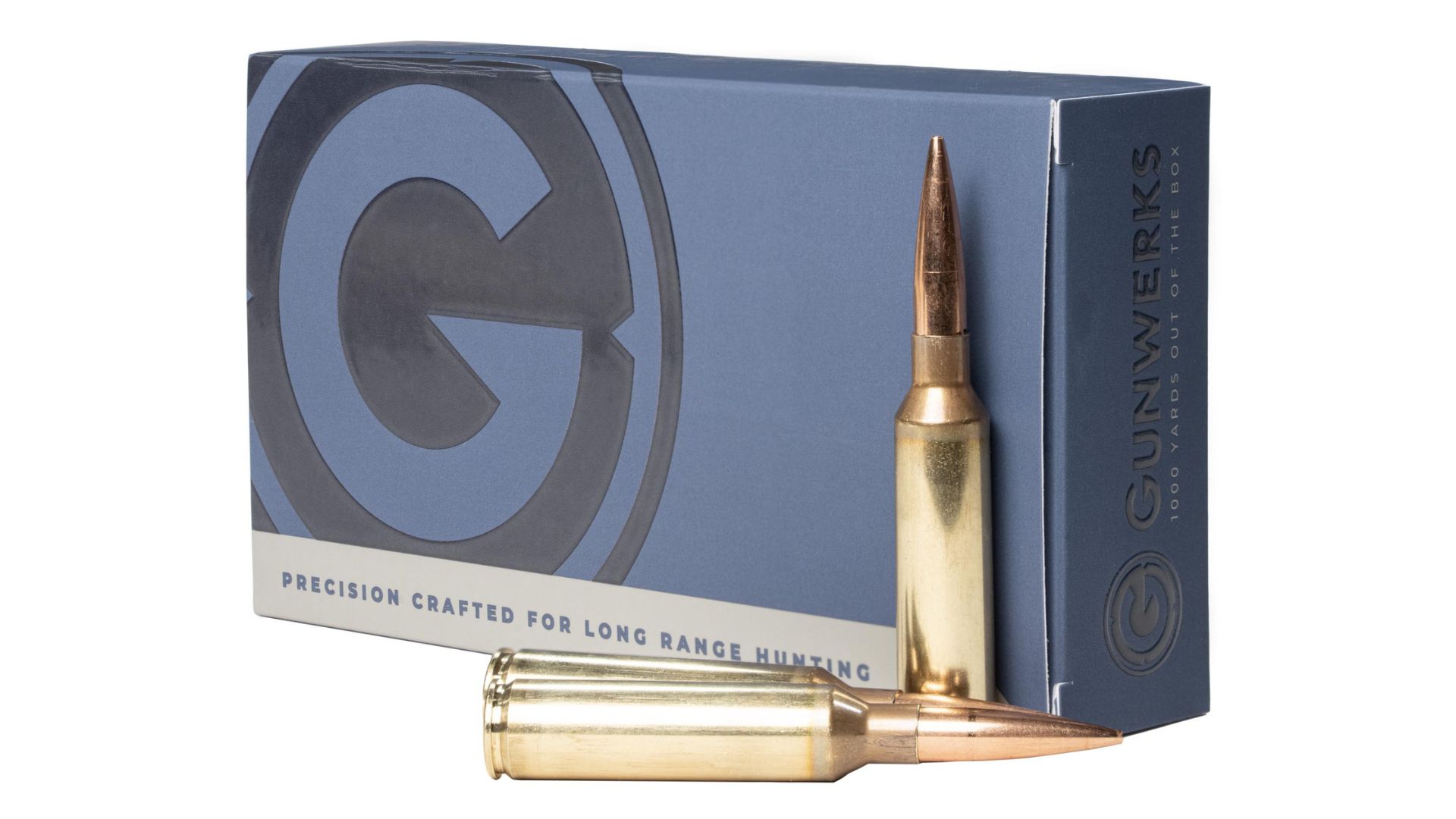
The .30 Nosler draws attention with sleek ballistics and strong marketing, but the recoil can be punishing, especially in lighter rifles built for mountain hunts. Accuracy varies more than many expect, and finding ammunition or components adds frustration. In the field, its advantages over established .30 magnums are minor, while the downsides—heat, blast, and recoil—show up immediately. Many shooters walk away feeling the cartridge promises more than it delivers.
28 Nosler
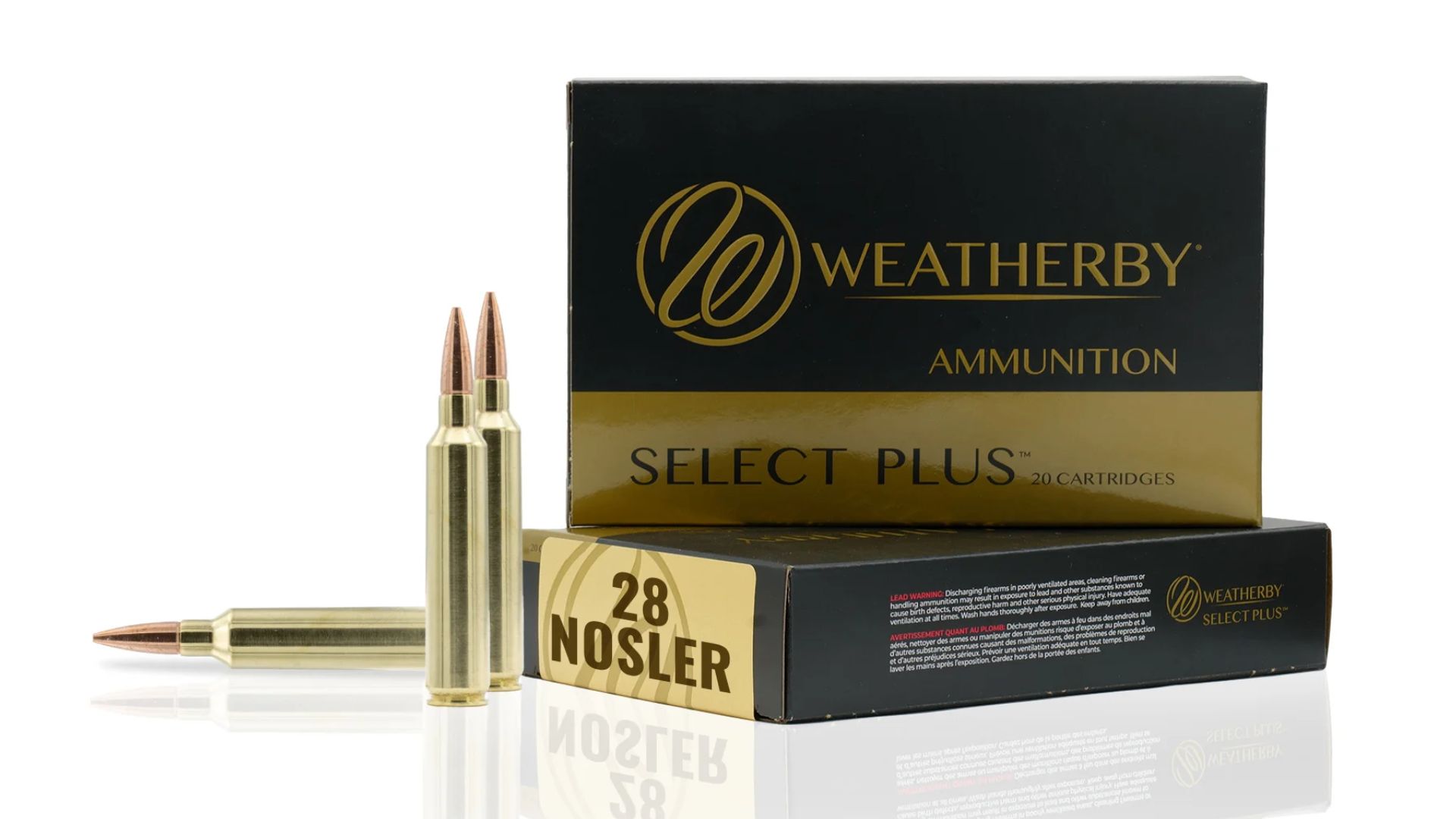
The 28 Nosler is one of the hottest 7mm cartridges on the market, but the heat it generates isn’t just figurative. Barrels wear quickly, the muzzle blast is fierce, and recoil runs heavier than most expect from a 7mm. While it shoots incredibly flat, the practical benefits diminish fast when you factor in cost, barrel life, and difficulty maintaining accuracy as the rifle ages. Many hunters eventually switch back to more balanced 7mm cartridges that offer nearly identical performance with far fewer hassles.
.358 Norma Magnum
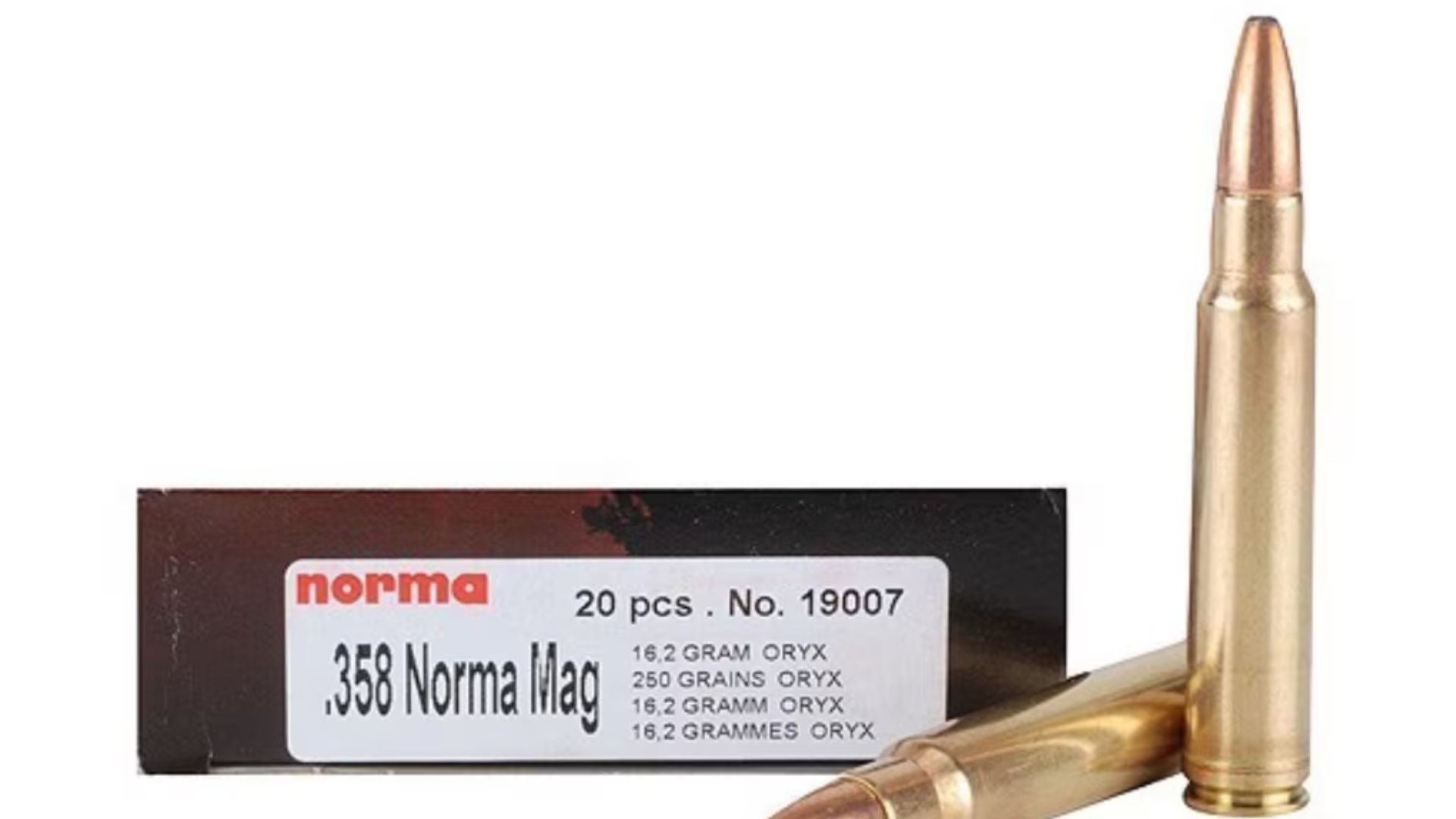
The .358 Norma Magnum carries serious power, but the tradeoffs make it a difficult cartridge to love. Its recoil is stout, and ammunition is both expensive and hard to find. Accuracy varies widely between rifles, and many shooters find the blast and recoil disproportionate to the real-world benefits. While it’s capable on large game, most hunters never experience conditions where the Norma outperforms more accessible .35-caliber options, leaving it feeling like an overpowered specialty round.
.240 Weatherby Magnum

The .240 Weatherby Magnum offers speed, but it comes at the cost of loud report, noticeable recoil for its size, and fast barrel wear. It’s a cartridge that demands precise handloading and long barrels to shine, and many rifles chambered for it never reach their full potential. Hunters chasing a lightweight, low-recoil .24-caliber performer often find themselves disappointed when the Weatherby proves more temperamental and abrasive than expected.
.300 Weatherby Magnum

The .300 Weatherby has real history behind it, yet many shooters still walk away feeling the recoil outweighs the advantages. Its freebore design makes accuracy unpredictable between rifles, and the blast is substantial enough to make long shooting sessions uncomfortable. While it certainly works on big game, most hunters discover that more manageable .30-caliber magnums do the same job with fewer downsides. The Weatherby name keeps it popular, but the shooting experience leaves many underwhelmed.
7mm Remington Ultra Magnum

The 7mm RUM pushes boundaries in velocity, but the severe recoil and muzzle blast make it difficult to shoot well. Barrel life is short, and accuracy can be inconsistent unless you handload and tune the rifle carefully. While its ballistics look impressive, the cartridge’s real-world benefits rarely justify the punishment. Most hunters move back to more practical 7mm options that offer predictability instead of extremes.
.375 Ruger (In Lightweight Rifles)
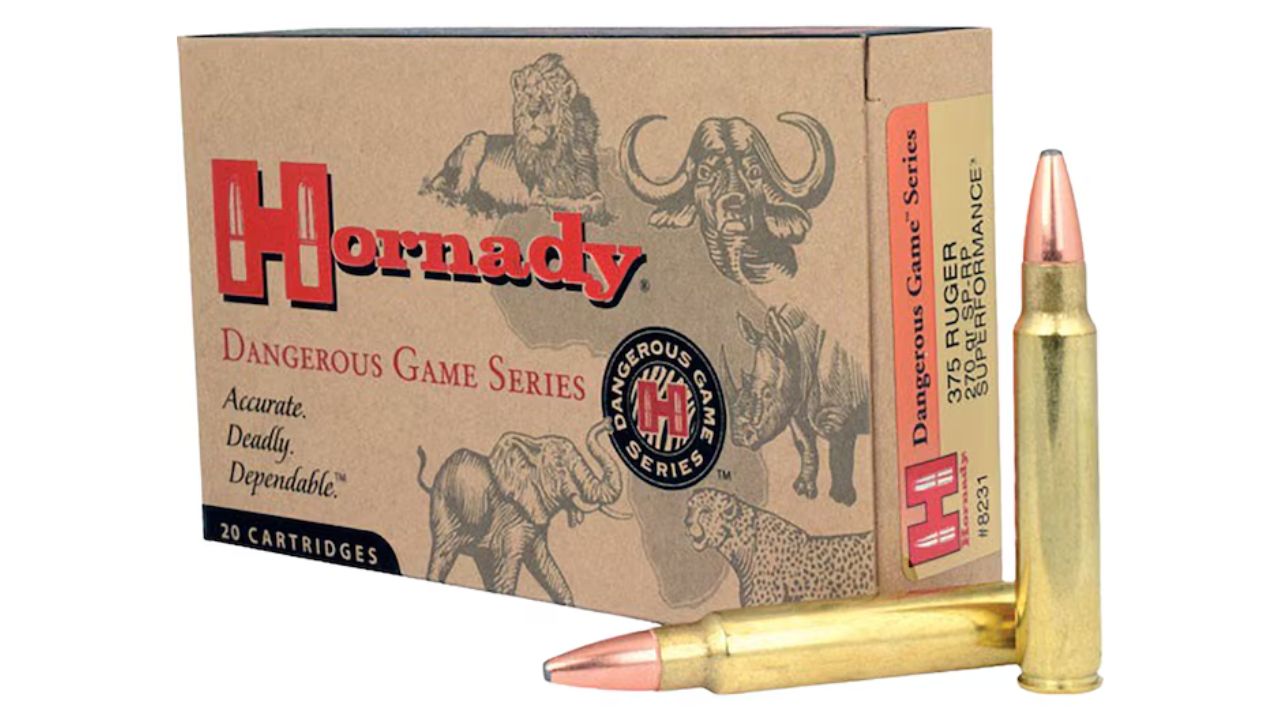
The .375 Ruger is a powerful, capable cartridge, but when manufacturers chamber it in lightweight rifles, things get rough in a hurry. Recoil becomes sharp and difficult to control, making practice sessions short and expensive. Even experienced shooters find it tiring to run through multiple rounds. While it performs well on dangerous game, many hunters quickly realize they don’t need that level of recoil for anything else, and the novelty wears off fast.
Like The Avid Outdoorsman’s content? Subscribe to our newsletter so you never miss an article.
Here’s more from us: