Photo credit: Jaeger Concepts/YouTube
Some folks just can’t help themselves. They take a perfectly functional firearm and start slapping on every part they saw in a YouTube video. Sometimes it’s cosmetic nonsense. Other times, it’s stuff that actually makes the gun less reliable—or flat-out unsafe. There’s nothing wrong with tuning your gear to your preferences, but too often people make changes that look cool but hurt performance. Here are ten mods that just need to go, or at least be thought through a little more.
Cheap Red Dots on Defensive Pistols
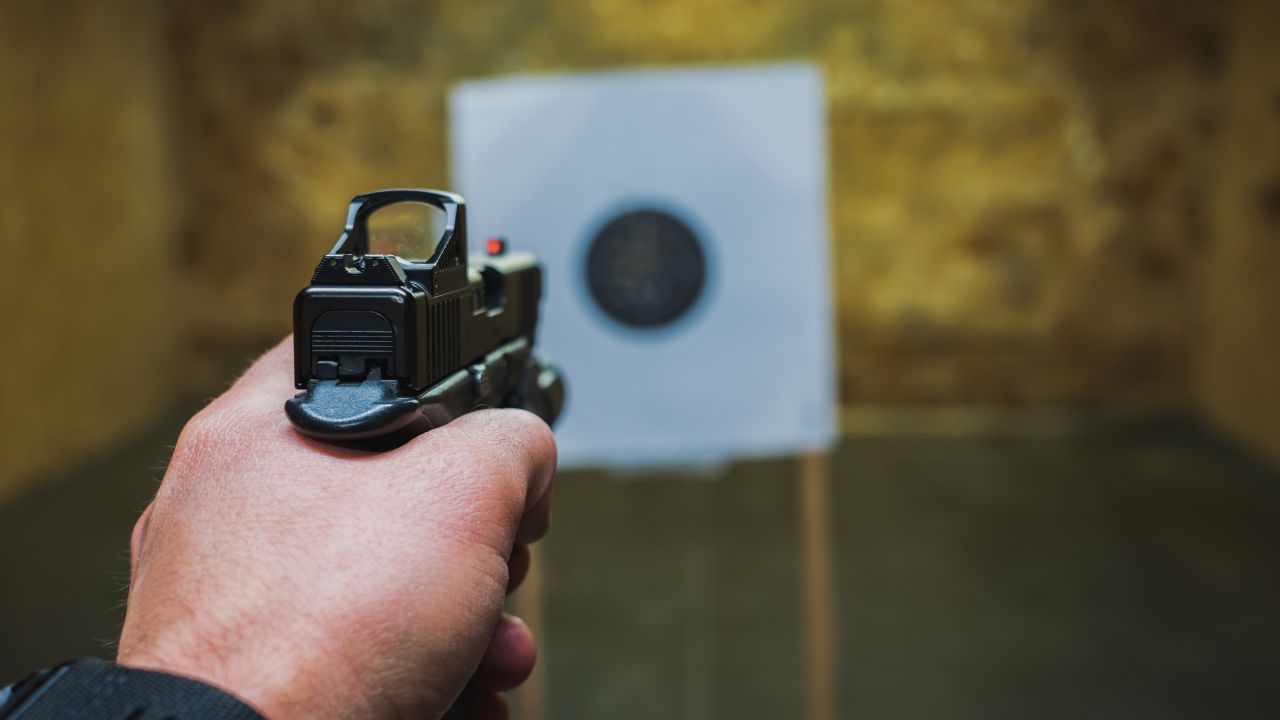
A budget red dot might be fine on a range toy, but slapping one on your carry pistol without vetting it is asking for trouble. These off-brand optics often lose zero, wash out in daylight, or break under recoil. And if the battery dies? You’re stuck with a blurry window and no iron sights in backup. If you’re betting your life on it, don’t go cheap. Either invest in quality or train with irons until you’re ready for something better.
Over-polishing Internal Parts

Trying to smooth up a trigger is fine—until someone goes too far with a Dremel. Over-polishing sears or other internal parts can lead to light primer strikes, unreliable resets, or in the worst cases, a dangerous trigger that won’t hold. It might feel slick on the bench, but reliability is what matters. If you’re not trained in how those parts interact, it’s better to leave them alone or let a qualified smith do the work.
Ridiculously Light Trigger Jobs
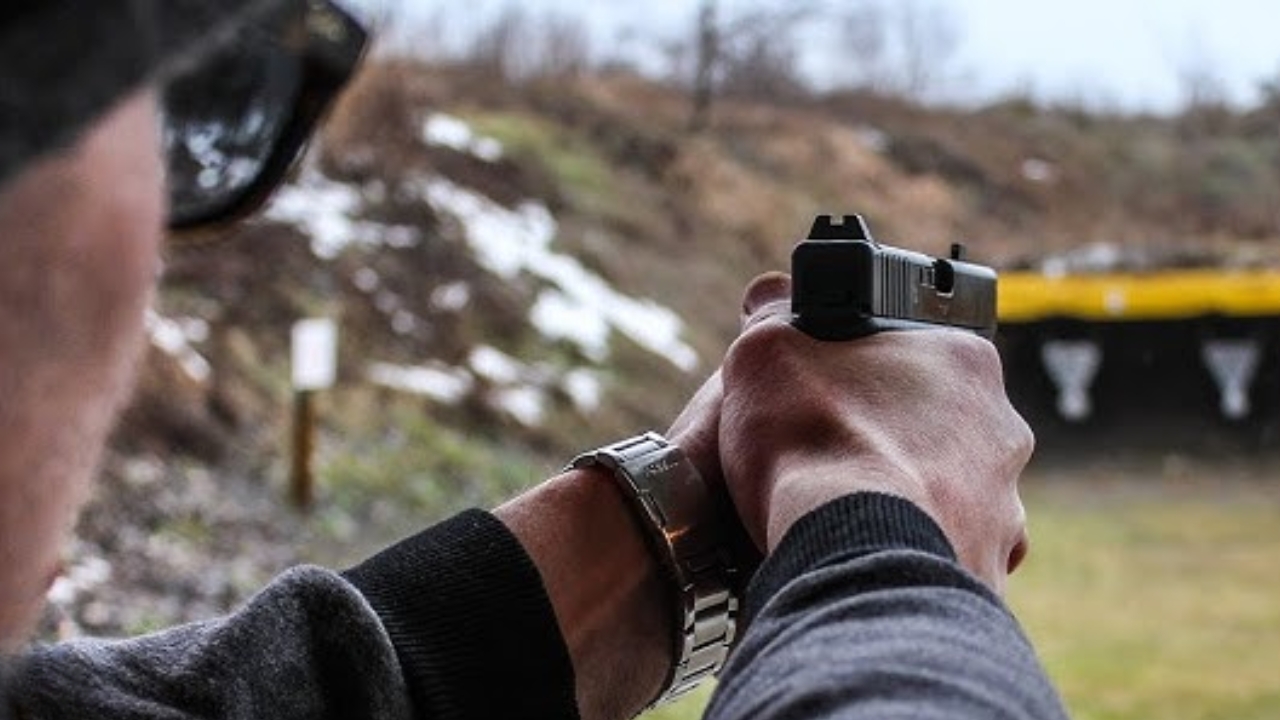
Sure, a crisp trigger is great, but shaving it down to something barely heavier than a breath can create real safety problems. This gets especially sketchy on carry or home defense guns. Accidental discharges become a real risk under stress. Light triggers might make sense in competition where every tenth of a second counts—but for anything else, they can cause more harm than good. You want control, not a hair trigger that surprises you every time.
DIY Stippling Disasters

Done right, stippling can improve grip. Done wrong, it turns your frame into a melted mess. Too many people jump into stippling their polymer gun with no plan, no practice, and a soldering iron that’s too hot. The result? Ugly, uneven texture that actually makes the grip worse. And once it’s done, there’s no going back. If you want more traction, try tape or grip sleeves first. If you still want stippling, maybe leave it to someone who’s done it before.
Tactical Flashlights with Cheap Mounts

Everyone wants to throw a flashlight on their rifle, which makes sense—until they use a weak mount or junk-tier light. The first time it flies off during recoil or fails to turn on, you’ll wish you spent a little more. Worse, some mounts aren’t secure and let the light shift, which can block sights or controls. If you’re going to run a weapon light, make sure it’s solid, dependable, and locked down tight. Otherwise, it’s just dead weight.
Skeletonizing for No Reason
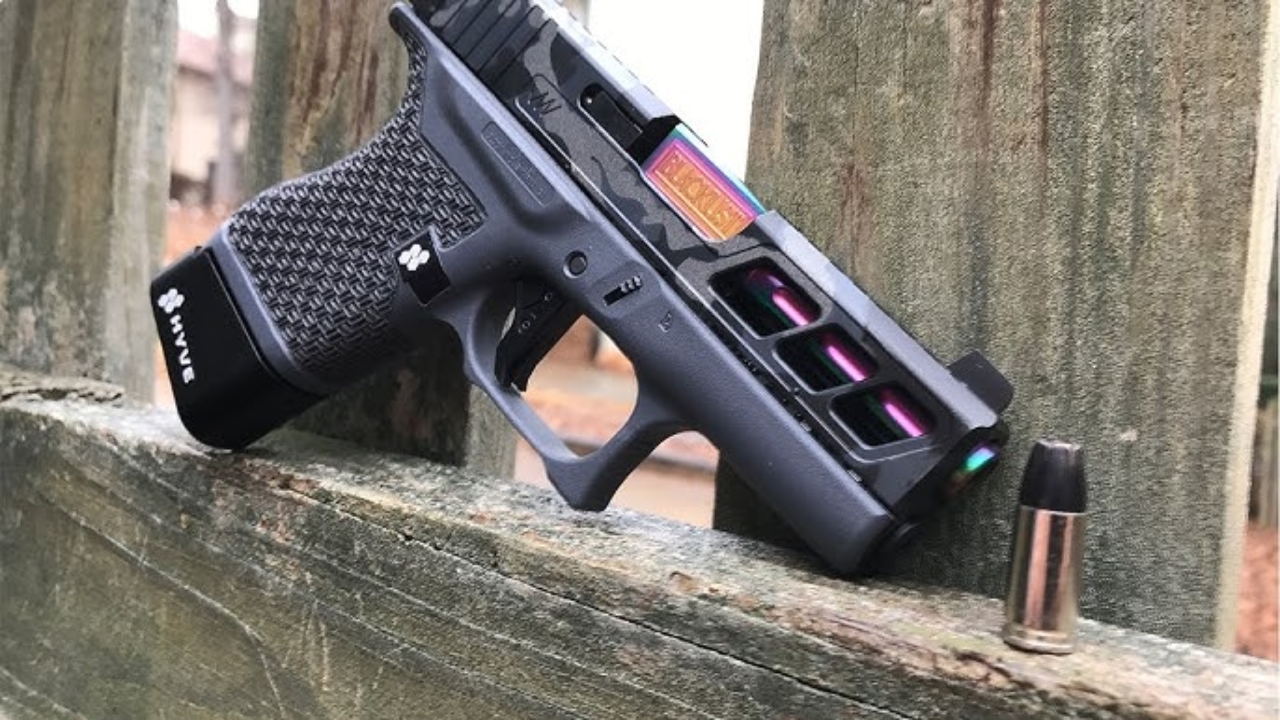
Cutting away chunks of your slide or receiver might look cool, but unless you’re building a race gun, it doesn’t do much besides introduce new failure points. Lighter parts can cycle faster—but that also means more felt recoil and more wear. Plus, you’re adding areas where dirt, debris, and moisture can get in. It’s one of those mods that gets done for looks, not function. Unless you know exactly what you’re doing, leave the skeletonizing to the competition crowd.
Homemade Muzzle Brakes That Don’t Work
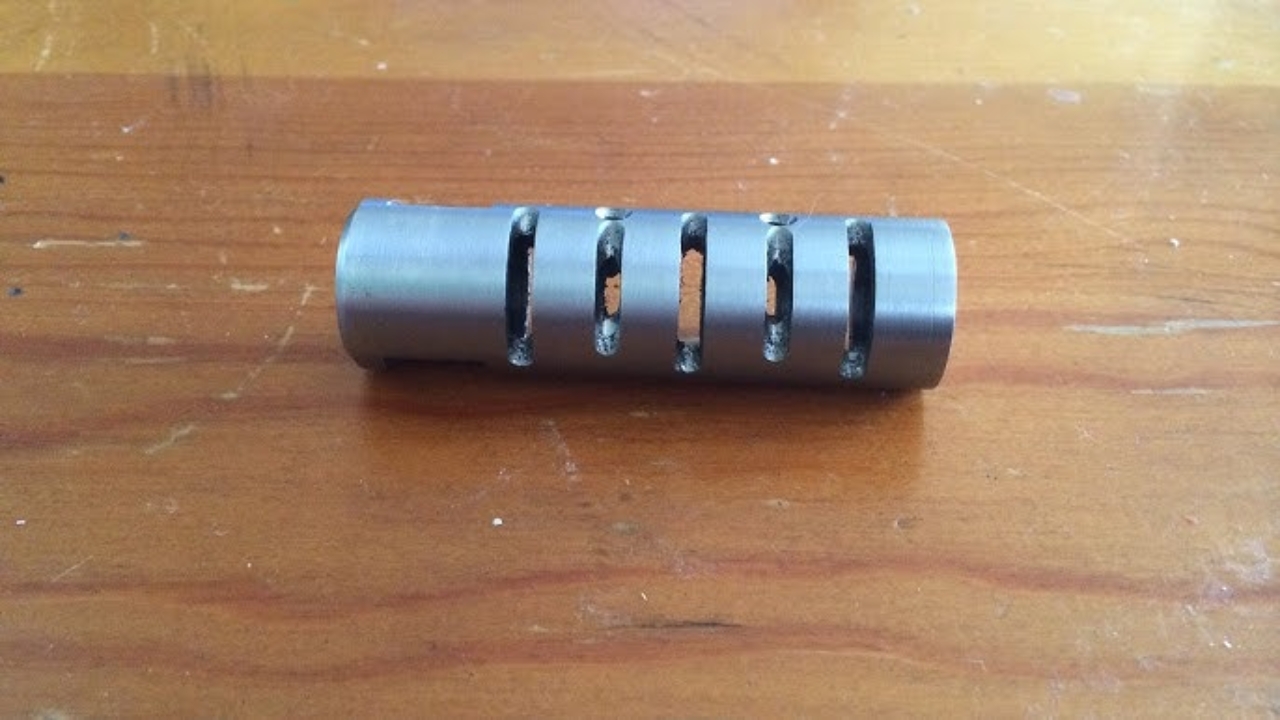
People love trying to make their own muzzle devices, especially on budget rifles. Problem is, most of these don’t actually reduce recoil—and some even increase it. Poor design can make the muzzle rise worse, throw off your point of aim, or blast gas directly back at you. There’s also the risk of baffle strikes if the hole’s not aligned properly. A good muzzle brake is worth it—but if you’re not a machinist, skip the DIY route and buy one that’s been tested.
Over-accessorizing to the Point of Uselessness

Some rifles end up looking like Christmas trees—lasers, lights, optics, angled grips, bipods, you name it. At a certain point, you’re adding bulk and weight without adding function. It makes the rifle clumsy and harder to run, especially in tight spaces or offhand. Every accessory should earn its place. If it doesn’t help you shoot better or handle the gun more effectively, it’s probably just in the way. Less is often more when it comes to setup.
Spray Painting Internals
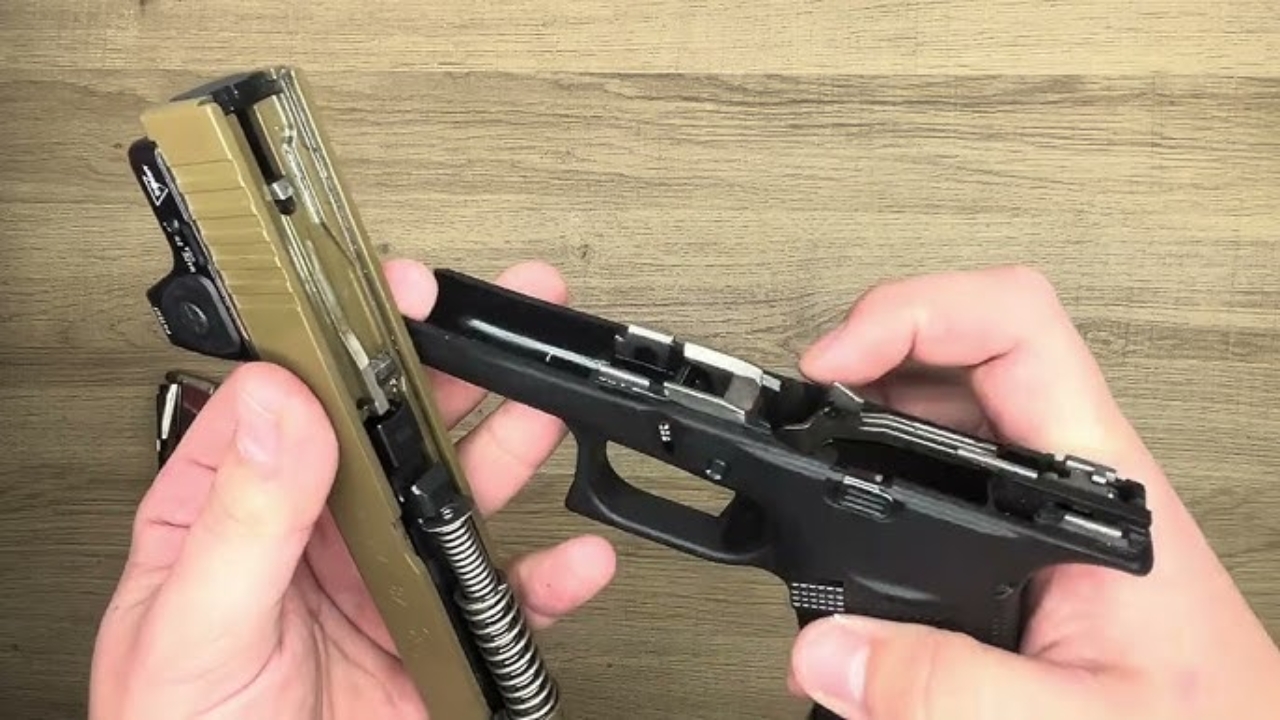
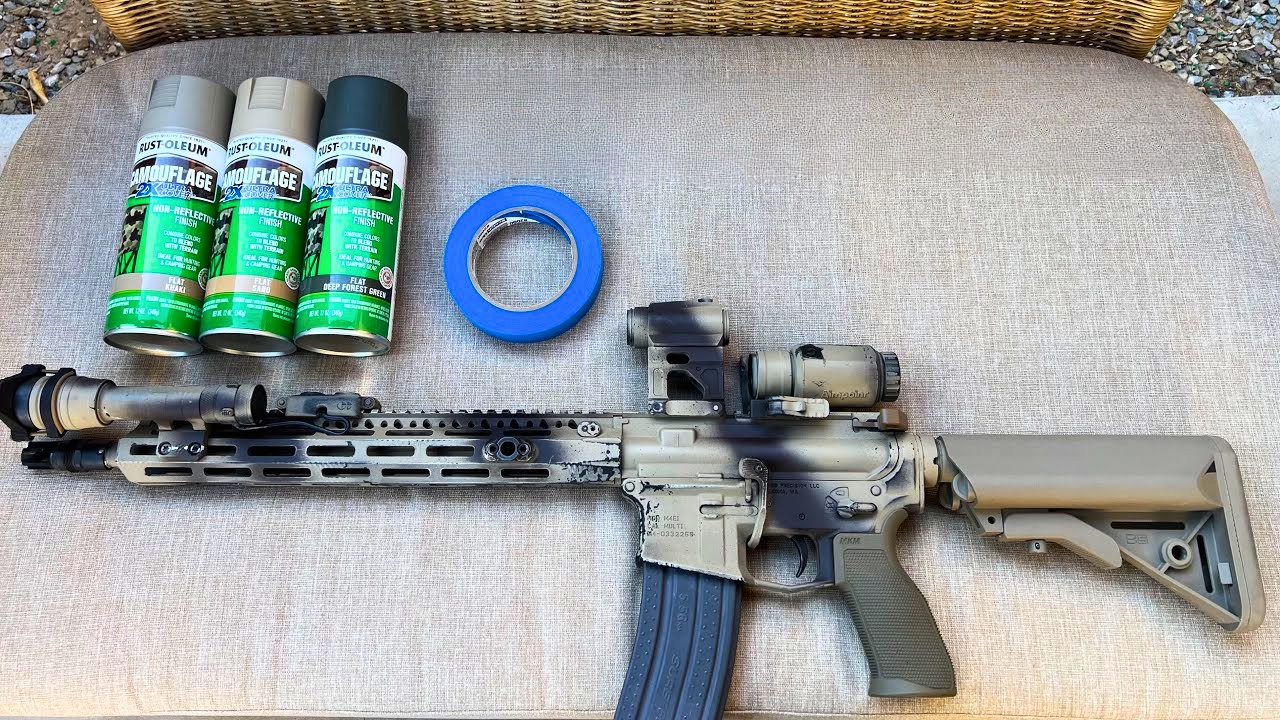
People love painting their guns, and that’s fine—until they start hitting parts that should stay clean and slick. Painting internals like the bolt, feed ramps, or inside the trigger group can cause real function issues. Paint adds thickness, and most of these parts have tight tolerances. Add some gunked-up paint to that mix and you’re asking for feeding problems, light strikes, or worse. If you’re going to paint, mask off the internals. If it moves or slides, don’t coat it.
Chopping Barrels Without a Plan
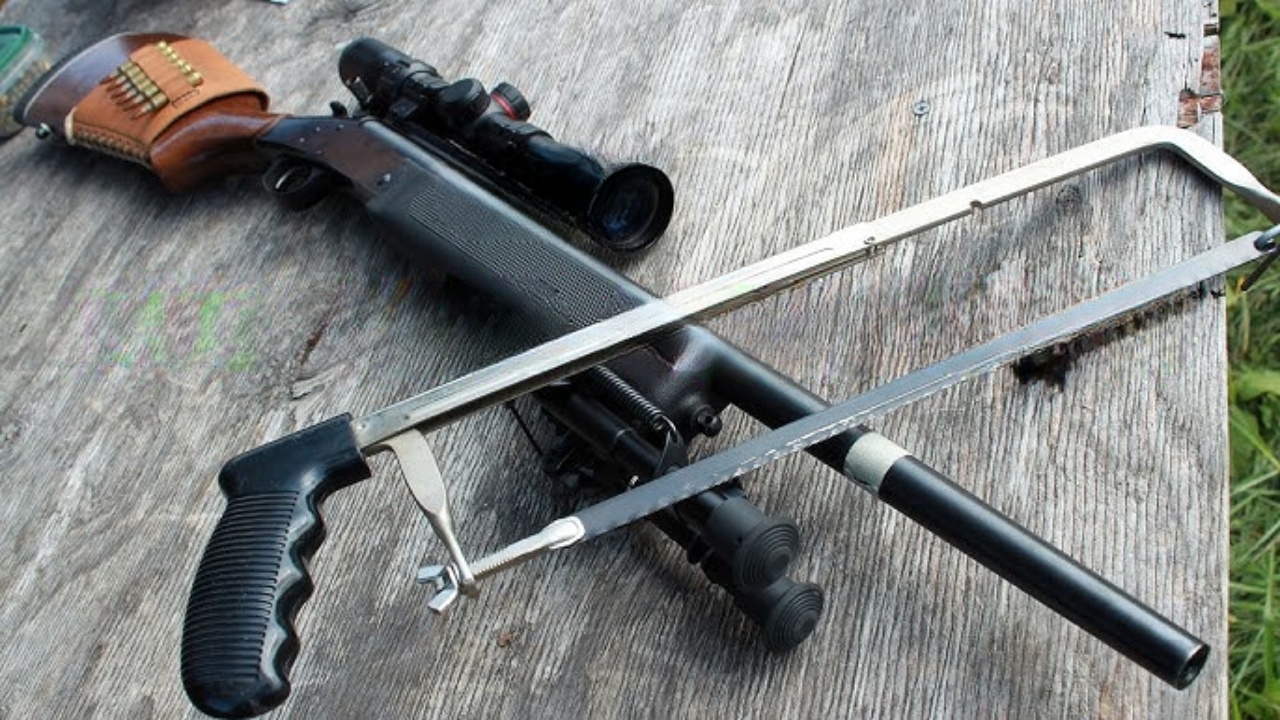
Short barrels have their place, but cutting one down without knowing what you’re doing creates a cascade of problems. Gas systems get thrown off, accuracy suffers, and velocity drops fast. Plus, if you’re not watching your measurements, you might end up with something that needs an NFA stamp. It’s tempting to trim a rifle for easier handling, but there’s more to it than just hacksawing the end off. If you’re going short, do it right—or don’t do it at all.
*This article was developed with AI-powered tools and has been carefully reviewed by our editors.