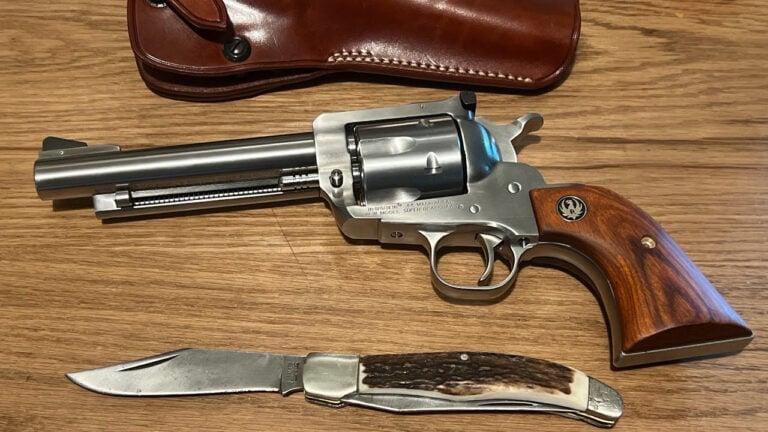
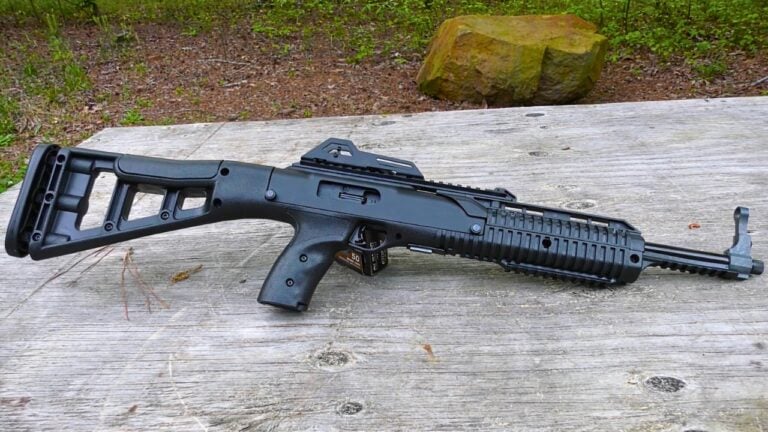
Photo credit: Kit Badger/YouTube
It’s one thing to group shots from a benchrest. It’s another to carry that same gun through rough country, get it dirty, rushed, maybe bumped around—and expect it to perform the same. Some rifles and pistols print tiny groups at the range, but throw flyers the moment you leave a static position. And it’s not always the cheap ones. I’ve seen pricey builds lose zero after a bumpy ride or choke on ammo outside their favorite brand. You might think you’ve found a tack driver—until you try shooting prone on a hillside or off a tree limb. Here are some that look good on paper, behave on the bench, but fall apart in the field.
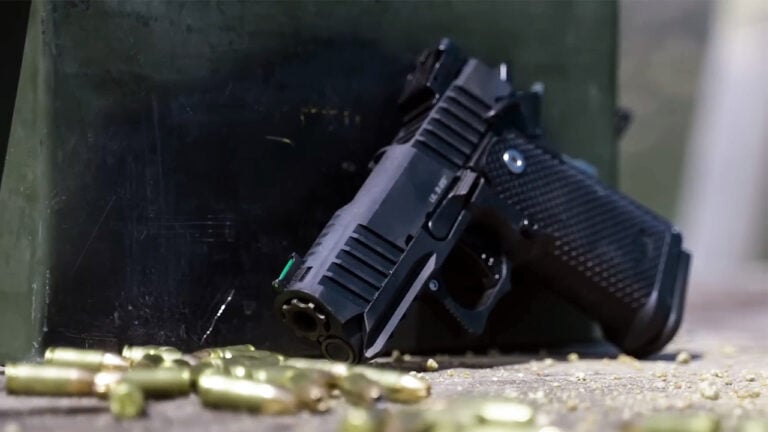
Kimber Micro 9

You won’t hear complaints about how the Micro 9 looks or how tight it groups on a sandbag. But that all changes when you’re out of the air conditioning and drawing from a holster. This gun doesn’t always handle sweat, lint, or grime without hiccups. Add hollow-points into the mix, and now you’re hoping the slide cycles instead of knowing it will. It’s controllable when you’re rested, but it’s not forgiving when you’re shooting quickly or under stress. Plenty of shooters have posted impressive targets—right before clearing a stovepipe.
Remington 770

At the range, a good scope and decent ammo can help the Remington 770 fake it. You’ll hear folks say theirs “isn’t that bad.” But when you’re trying to cycle quickly in cold weather or chamber a follow-up shot uphill, the clunky bolt and flimsy action show their true colors. The trigger isn’t helping either. Benched groups might hover around 2 MOA, but shift your position or shoot offhand, and you’ll fight the rifle more than the shot. There’s a reason most people who hunt with one are shopping for something else by the next season.
Desert Eagle .50 AE
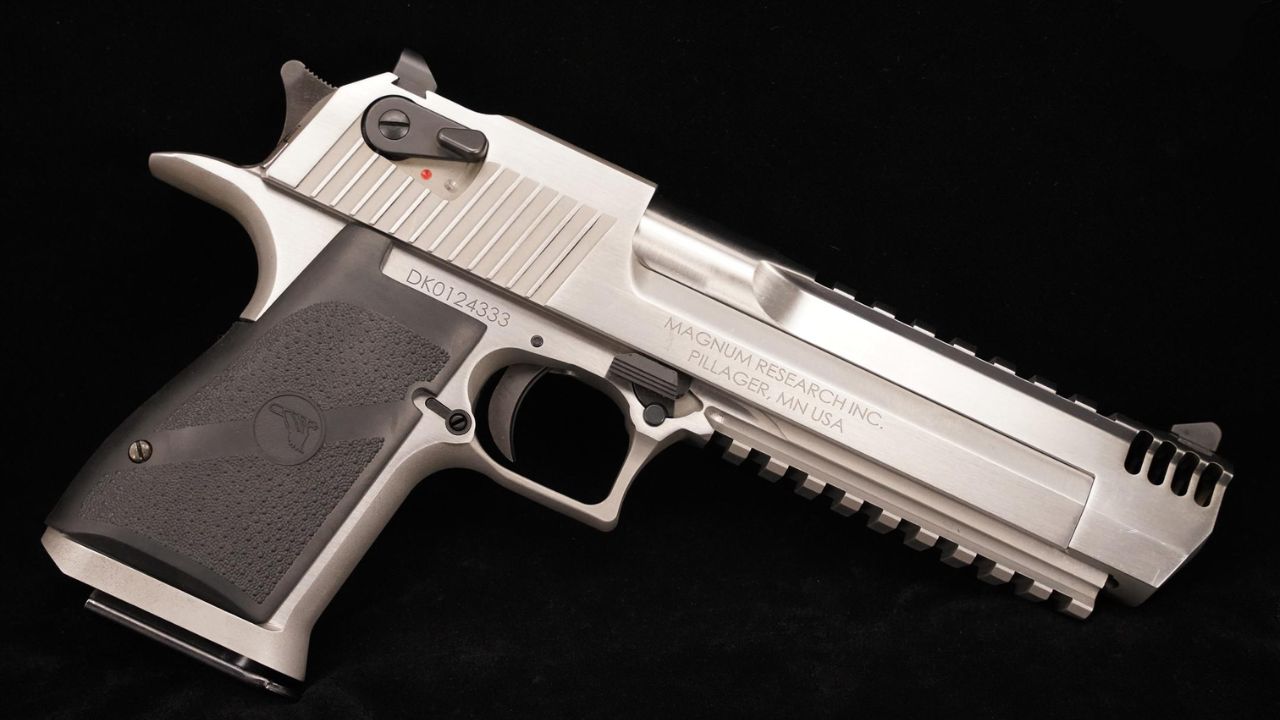
It’s fun, flashy, and absolutely accurate from a rest. But carry one into a defensive course or try running drills, and you’ll understand why hardly anyone actually trains with it. It’s heavy, bulky, and has reliability quirks when it’s not squeaky clean. Limp-wrist it even slightly, and you’ll jam. For a gun with this much power, you’d expect better reliability across different shooting positions—but it often fails to deliver unless you’re standing still and square. It’s a showpiece with range cred, not a gun you’ll want on your hip outside.
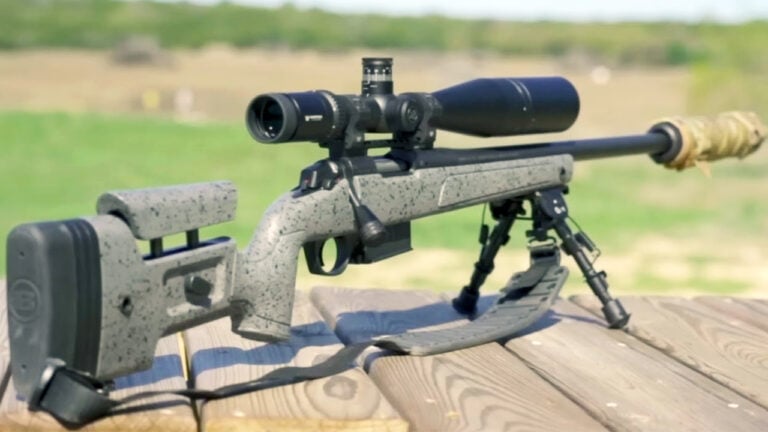
Browning X-Bolt Pro

Precision machining and hand-lapped barrels look great on a spec sheet. From a bench, this rifle will print under an inch with the right load. But in the woods, when the rifle gets bumped, slung over a shoulder, or shot from a hasty rest, that tight group can scatter. The carbon-fiber stock is lightweight, but it can amplify recoil and shift under pressure. Some hunters also report inconsistent cold-bore shots. It’s a great range performer—but one that can act touchy when you’re not perfectly set up.
KelTec Sub2000

The Sub2000 can shoot decently from a rest, especially if you’re running 9mm through Glock mags. The issue shows up when you try to run it fast or shoot from awkward stances. The sight radius is short, the charging handle placement is awkward, and the stock length doesn’t suit everyone. Under stress, the manual of arms gets clunky, and accuracy falls off. At the bench, it’s fun. In the field, it’s a constant compromise. You’ll spend more time fiddling with your grip and sight alignment than focusing on your shot.
Rossi RS22

This little .22 rifle surprises a lot of folks with how well it shoots from a rest. Cheap ammo, decent grouping—hard to complain. But when you step off the bench and start running drills or tracking small game, the flaws show up. The trigger is mushy, the stock flexes, and it doesn’t always cycle smoothly when held at odd angles. Bump the mag or shoot from a sling, and you might get a jam or inconsistent feed. It’s good for static plinking, but don’t expect confidence under movement.
CZ 527 Carbine

With its set trigger and classic styling, the 527 Carbine is a range darling. Off bags, it’ll surprise you with tight groups. But in the field, some shooters fight with scope mounting limitations, a stiff safety, and magazine quirks. The bolt throw is short, but not always smooth under pressure. If your shooting position isn’t perfect, that gorgeous accuracy starts to fade. It’s a rifle that feels like it should perform anywhere—but too often, it only cooperates when everything’s lined up just right.
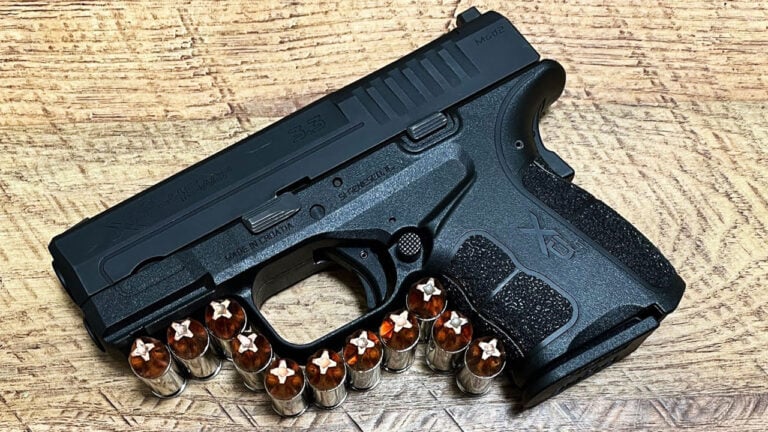
Springfield XD-S Mod.2

From a bench or static range lane, the XD-S Mod.2 is capable of decent groups. The recoil isn’t unbearable, and it’s thin enough to conceal easily. But when you’re drawing quickly, moving, or shooting at odd angles, the trigger feel and short grip work against you. Many shooters report low-left hits when rushed. Its single-stack mag means fewer chances to make hits under stress, and follow-up shots can feel inconsistent. It performs fine when you’ve got time—but real-world shooting rarely gives you that.
Savage Axis II Precision
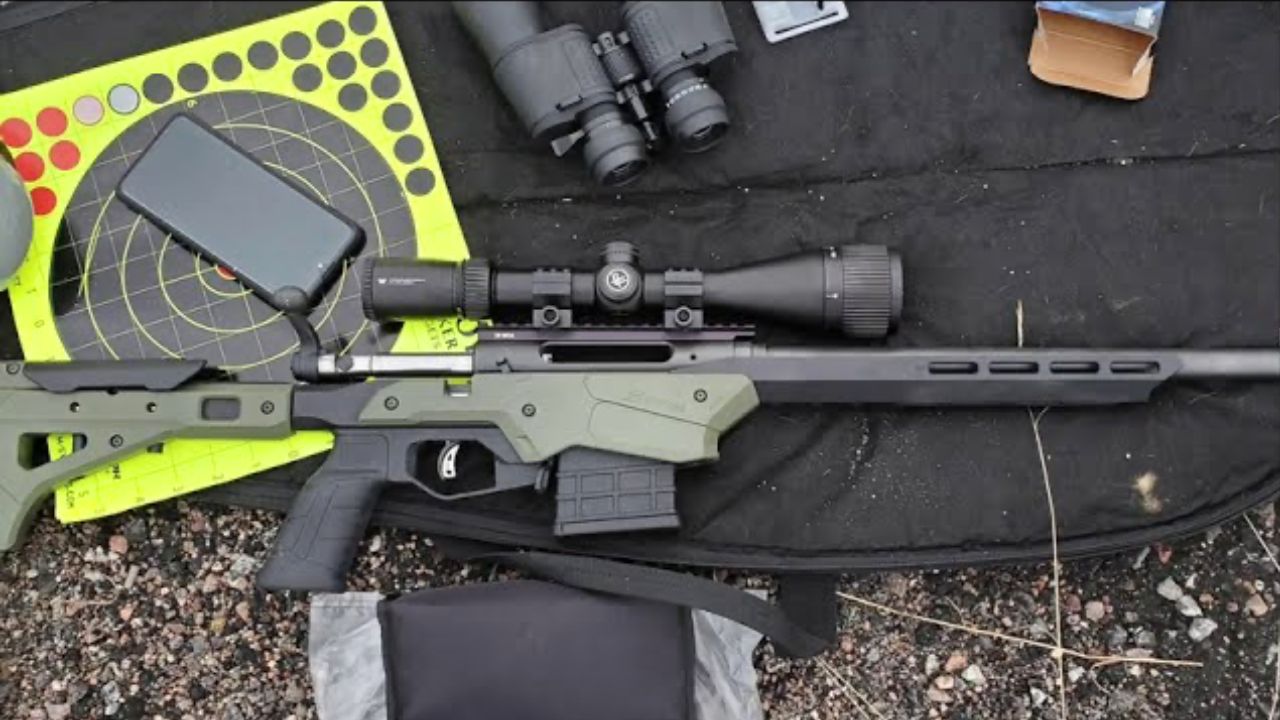
This rifle gets a lot of credit for its out-of-the-box accuracy. And on paper, sure—it can hang with rifles twice its price. But take it off the bench, and you’ll notice the stock geometry can feel off in field positions. It’s also not as rugged as it looks. The MDT chassis is nice until you start noticing loose points or flex after a season of use. The bolt isn’t buttery smooth either. It’ll group, yes—but don’t assume that makes it field-ready without real-world testing.
Beretta PX4 Storm

Beretta’s rotating barrel system makes this pistol interesting, and on a bench it’s pretty accurate. But once you leave the lane and introduce movement or real carry conditions, the magic fades. The DA/SA trigger transition isn’t intuitive for everyone, and the slide-mounted safety can trip up your draw. Add sweat or gloves, and you’ll see grip consistency fall apart. Shooters who spend time with it can work around the quirks—but out of the box, it doesn’t inspire confidence when speed and accuracy both matter.
Remington R51

This pistol came with high expectations and shot well from a rest in early tests. But real-world use exposed a lot of reliability problems. Hollow-point feeding was hit or miss. The slide could be tough to rack under stress. And the hesitation-locked action didn’t hold up well in dirty or fast-paced shooting. At the bench, it felt promising. But move off the bench, and you’re clearing malfunctions or chasing flyers. Remington tried to fix it with Gen 2, but the reputation never quite recovered.
Tikka T3x Lite
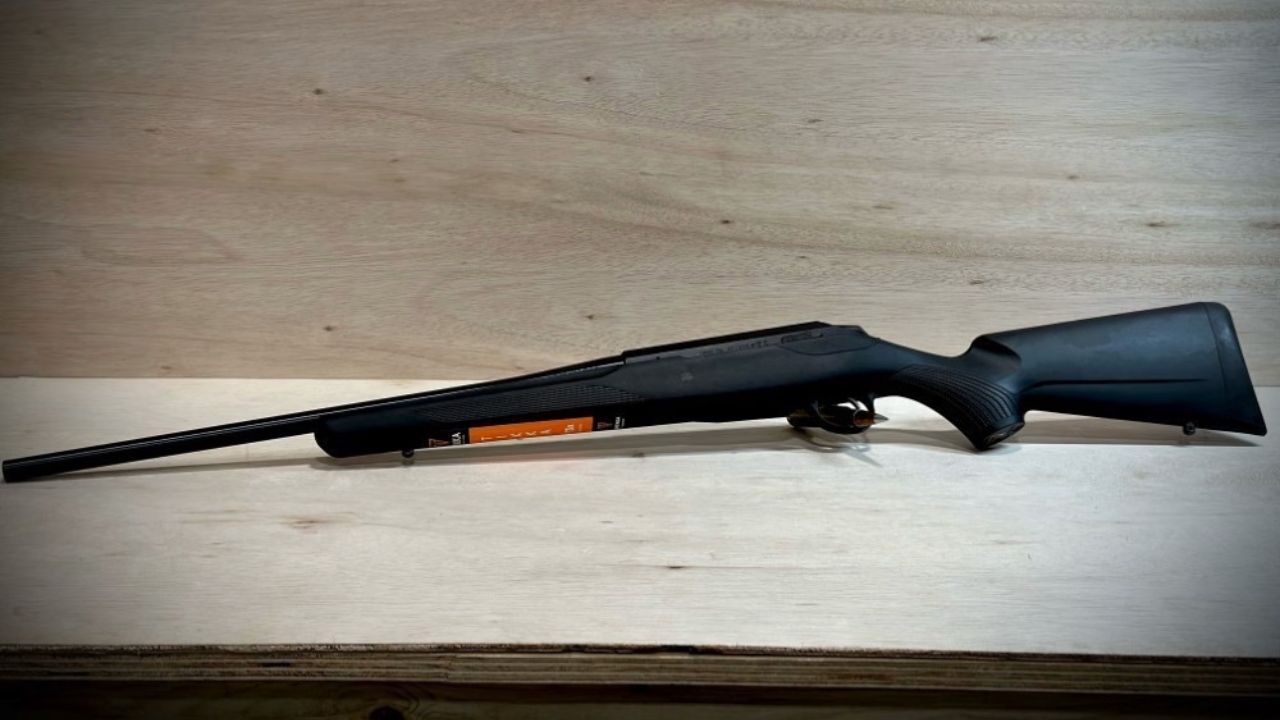
You’ll hear plenty of praise for the T3x Lite’s accuracy. And it’s not wrong—from a steady position with the right ammo, it’s a tight shooter. But the ultralight design cuts both ways. Recoil in heavier calibers can disrupt your follow-through, especially from improvised positions. Some hunters report stock flex or cheek weld issues when shooting uphill or downhill. For spot-and-stalk, it’s easy to carry—but don’t assume the range performance will hold steady in wind or after a tough climb.
Glock 42
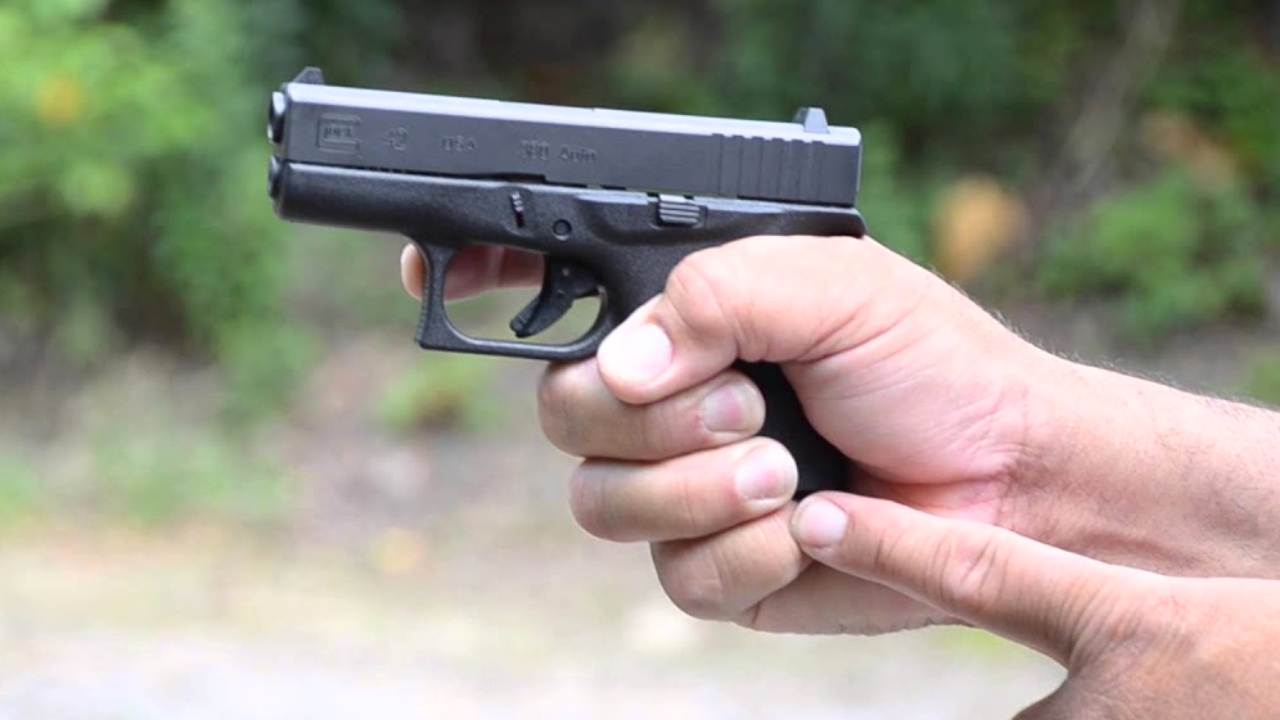
At 7 yards on a flat range, the Glock 42 punches neat holes. It’s small, light, and snappy. But in real carry conditions, it struggles. The grip is minimal, the sights are basic, and under pressure, it’s easy to short-stroke or limp-wrist if your grip isn’t dialed. Add in pocket carry dust or sweat, and you may run into stoppages. It shoots well when you’re calm and clean. But when speed and control matter most, you’ll see why many upgrade or move on.
Browning AB3

The AB3 often flies under the radar, partly because it looks like it should do more. On a bench, the trigger and barrel can produce solid groups. But try a fast follow-up shot or shoot from a rest in rough terrain, and the action may bind up. The bolt throw isn’t smooth under stress, and the stock flexes more than you’d expect. Cold-weather performance also takes a hit. If you’re staying in one spot and taking one shot, you’re fine. Anywhere else? You’ll want better.
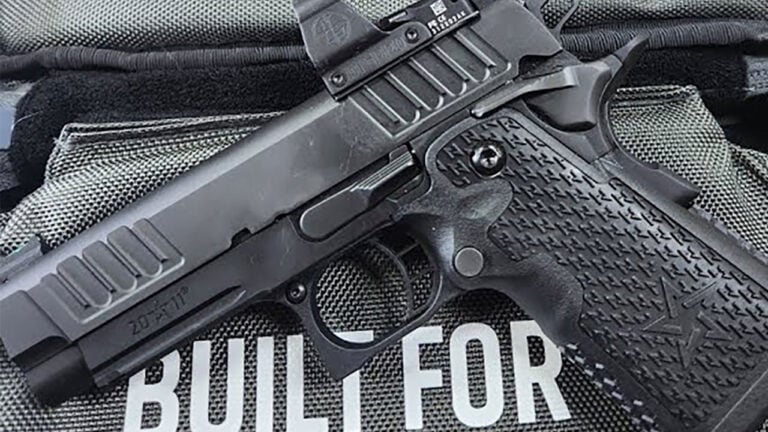
Rock Island Armory 1911 FS Tactical
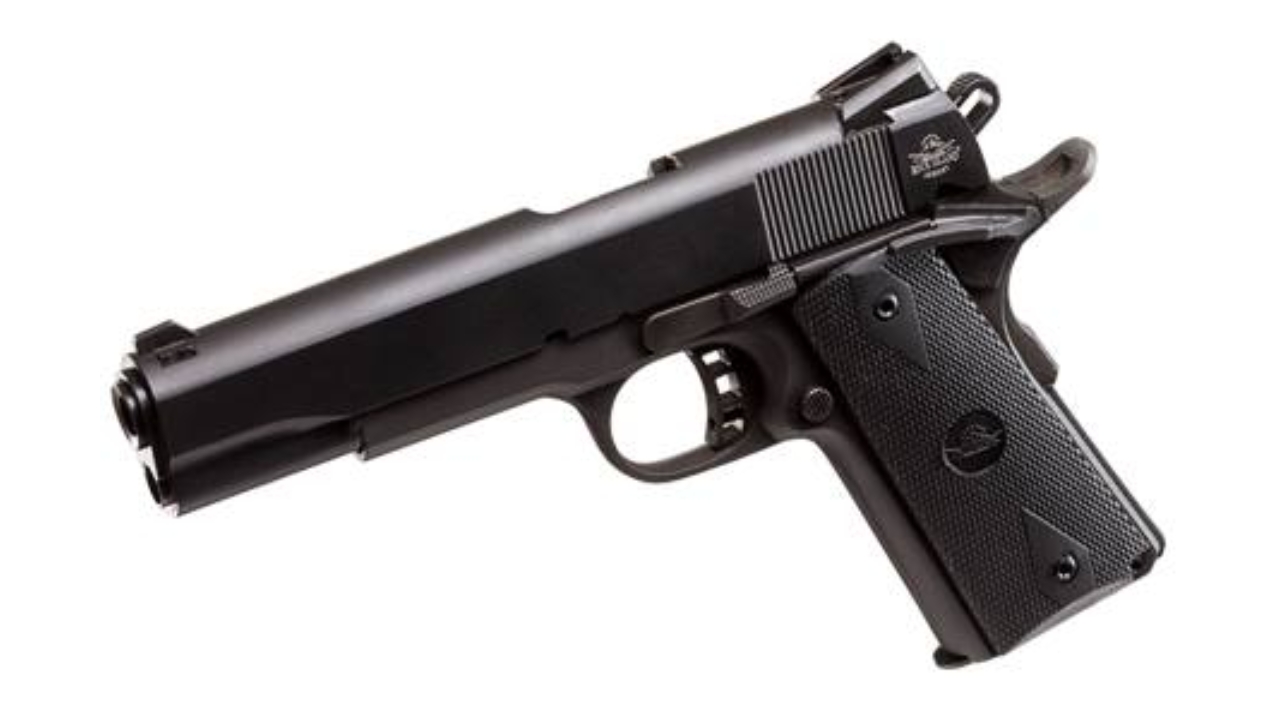
Rock Island’s full-size 1911s can punch tight groups all day with ball ammo on a bench. The issue is, many choke the moment you feed them anything hollow or jacketed differently. Inconsistent magazines and rough feed ramps can turn a smooth string into a headache. It’s also heavy for carry, and doesn’t handle sweat or dirt well. You can make it run—but it’ll take tuning, polishing, and testing to find the right mix. For out-of-the-box reliability under real conditions, it’s not always the safest bet.
Weatherby Vanguard Series 2

Accuracy from the bench is rarely a problem with the Vanguard Series 2. It often ships with a sub-MOA guarantee, and many owners report success with factory loads. But in the field, the longer action and weight can make it awkward to handle. If you shoot from uneven terrain or use a quick rest, your cheek weld or sight picture can suffer. The trigger is good, but the stock design doesn’t always support fast or flexible positions. Great on paper, solid on bags—but not always nimble where it counts.
Like The Avid Outdoorsman’s content? Be sure to follow us.
Here’s more from us:
The worst deer rifles money can buy
Sidearms That Belong in the Safe — Not Your Belt
*This article was developed with AI-powered tools and has been carefully reviewed by our editors.