Photo credit: hickok45/Youtube
Revolvers do not win people over the same way modern pistols do. They are not usually about capacity, optics cuts, fast reloads, or whatever the newest duty-gun trend happens to be. They earn loyalty in a slower way. You shoot one enough, carry one enough, hunt with one enough, or keep one loaded long enough, and you start understanding why some people never quit trusting them.
The revolvers people still believe in are not all expensive safe queens, either. Some are working guns. Some are old service revolvers. Some are woods guns that make sense when you are more worried about snakes, hogs, or black bears than magazine changes. They stick around because they do what they are supposed to do without needing much explanation.
Smith & Wesson Model 686

The Smith & Wesson Model 686 is one of those revolvers people keep coming back to because it feels useful almost anywhere. It is heavy enough to make .357 Magnum manageable, but not so huge that it turns into a burden every time you want to carry it.
You can run light .38 Special loads for practice, step up to serious magnums, or keep it as a home-defense revolver and never feel undergunned. The 686 has earned trust because it does not ask you to baby it. It shoots well, balances well, and feels like a revolver built for actual use.
Ruger GP100
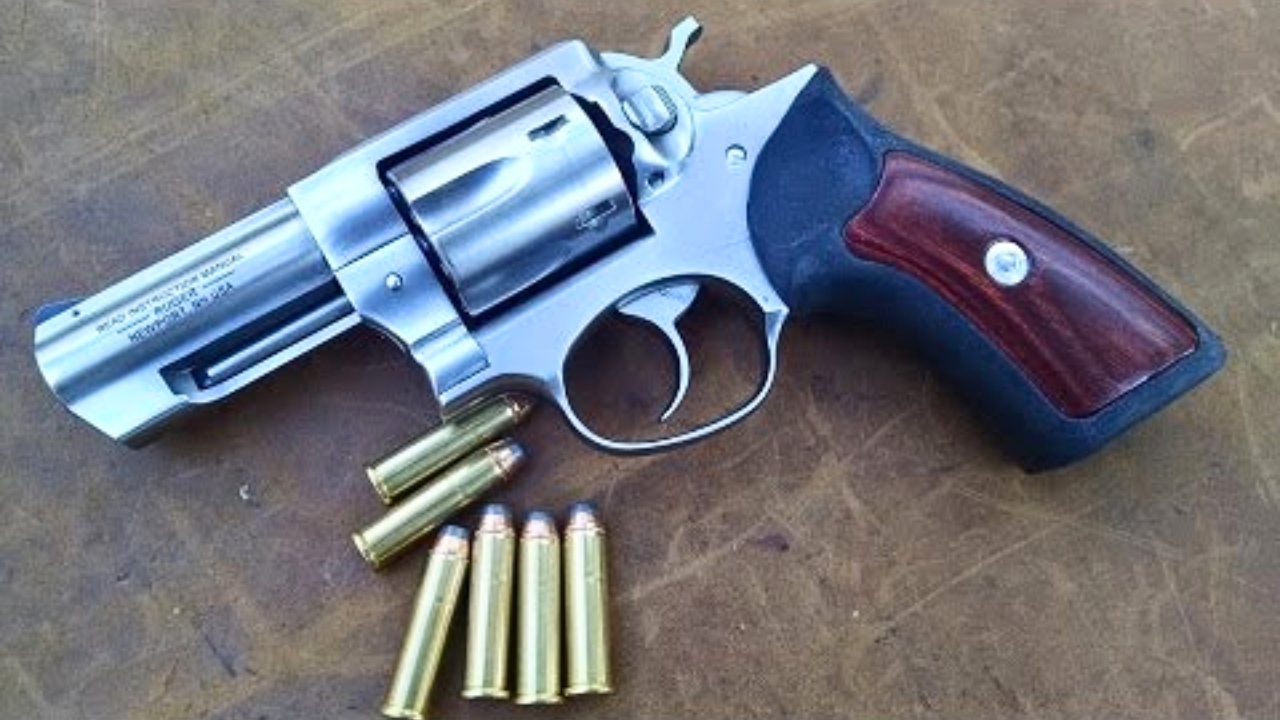
The Ruger GP100 has a reputation for being the revolver people buy when they want strength more than polish. It is not the sleekest .357 ever made, and nobody mistakes it for a delicate old Colt, but that is part of the appeal.
Shooters believe in the GP100 because it handles hard use without acting fragile. Hot magnum loads, long range days, dirty field conditions, and rough handling do not scare it much. The trigger can smooth out with use, and the frame feels built with a big safety margin. That kind of confidence matters.
Colt Python

The Colt Python has plenty of collector attention now, but people still believe in it for more than the price tag. A good Python has a balance and trigger feel that can make other revolvers seem ordinary once you spend time behind it.
Yes, the name carries a lot of romance, and that can get overdone fast. But the Python earned its reputation before the market went crazy. It points naturally, shoots accurately, and feels special without needing much sales talk. For many revolver shooters, it remains the one they compare everything else against.
Smith & Wesson Model 19
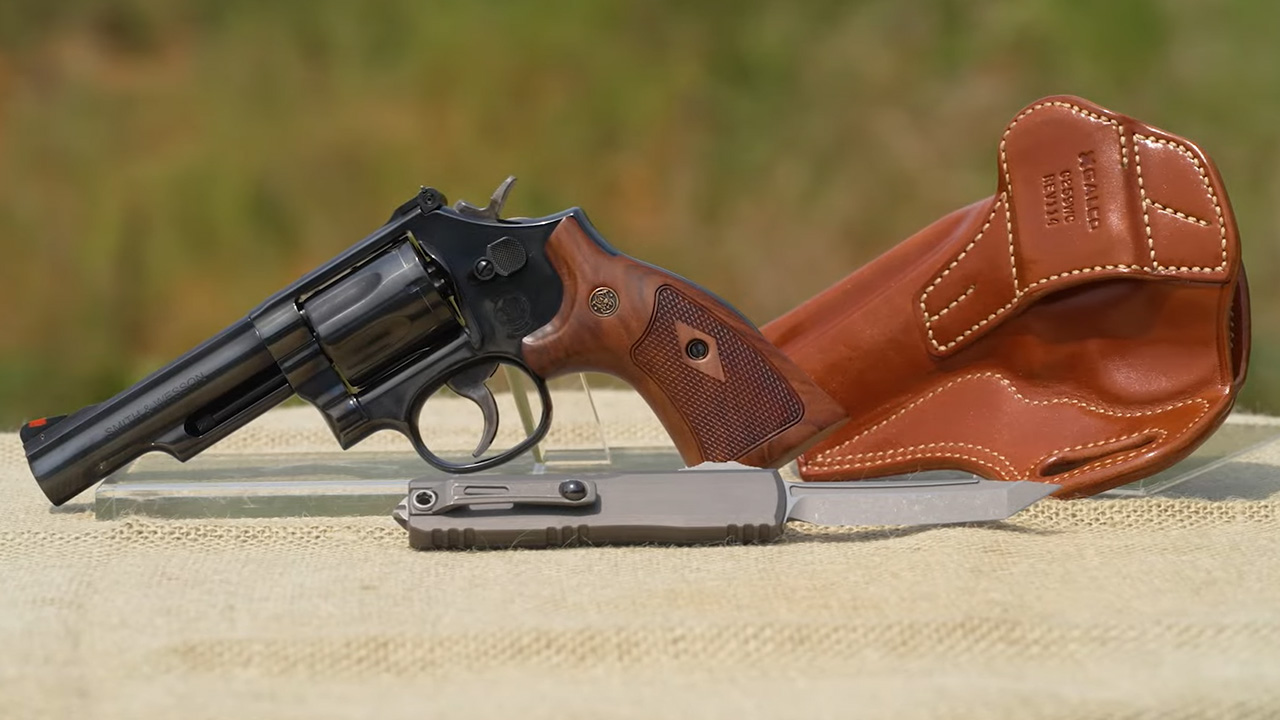
The Smith & Wesson Model 19 still has a loyal crowd because it hits a sweet spot many newer revolvers miss. It gives you .357 Magnum capability in a frame that feels trim, lively, and easy to carry compared with heavier options.
You do not buy a Model 19 to pound endless full-power magnums through it. You buy it because it carries like a practical sidearm and shoots beautifully with .38s and sensible .357 loads. That balance is why people still defend it. It feels like a working revolver made for real hands.
Ruger Blackhawk
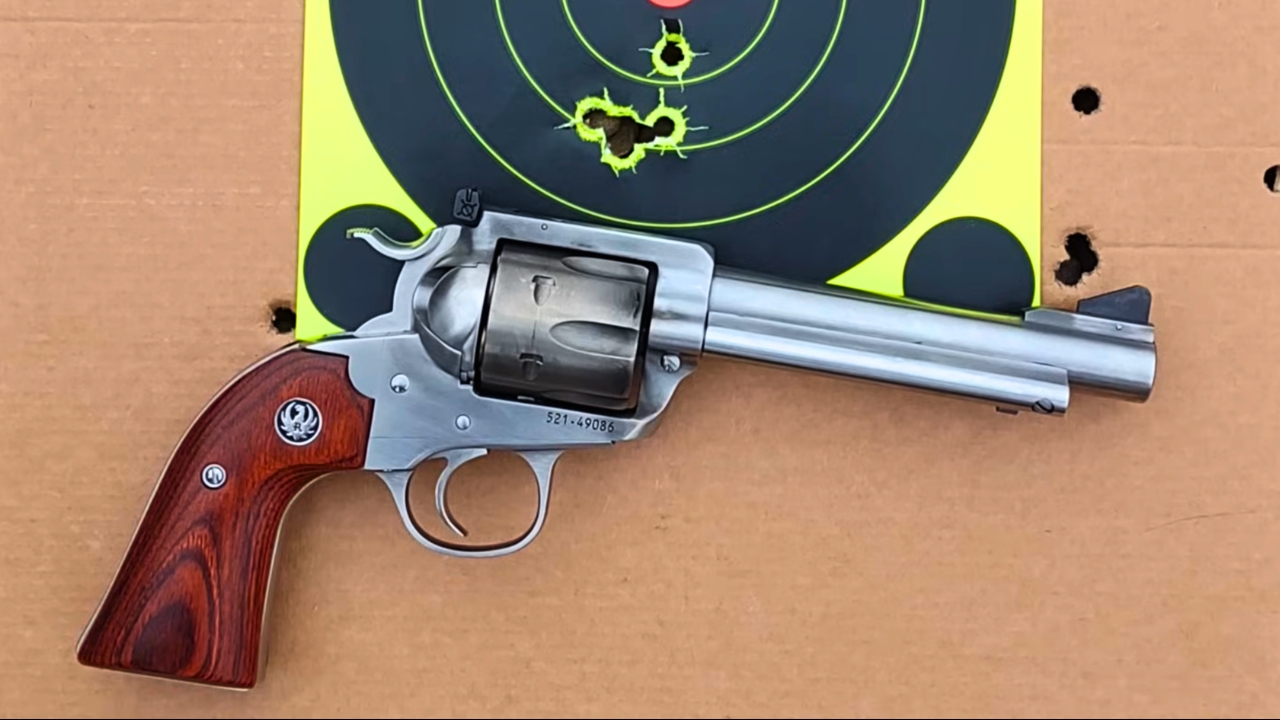
The Ruger Blackhawk is the revolver people trust when they want old-school handling with modern strength. It is a single-action gun, so it is not trying to compete with defensive semi-autos or high-capacity pistols. It plays a different game.
Hunters, handloaders, and woods shooters still believe in the Blackhawk because it can handle serious cartridges and rough country. Whether chambered in .357 Magnum, .41 Magnum, .44 Magnum, or something heavier, it feels like a revolver built for people who actually use revolvers outdoors. It is slow, strong, and hard to dismiss.
Smith & Wesson Model 60

The Smith & Wesson Model 60 remains easy to respect because it brings stainless-steel durability to a small-frame revolver that people have carried for decades. It is not soft-shooting with hot loads, but small revolvers rarely are.
People believe in the Model 60 because it is simple, sturdy, and easy to keep close. It works as a trail gun, a backup gun, or a defensive revolver for someone who understands its limits. The stainless frame helps it handle sweat, weather, and neglect better than prettier guns. That matters in a revolver meant to be carried.
Ruger SP101

The Ruger SP101 is not light, and that is exactly why many shooters trust it. In a small revolver, a little extra weight can be a blessing. It makes .357 Magnum less miserable and gives the gun a solid feel that inspires confidence.
The SP101 has always felt like a compact revolver built by people who expected it to get knocked around. It is thick through the frame, simple in layout, and easy to keep running. You give up some comfort in the pocket, but you gain durability and control. That trade still makes sense.
Smith & Wesson Model 629
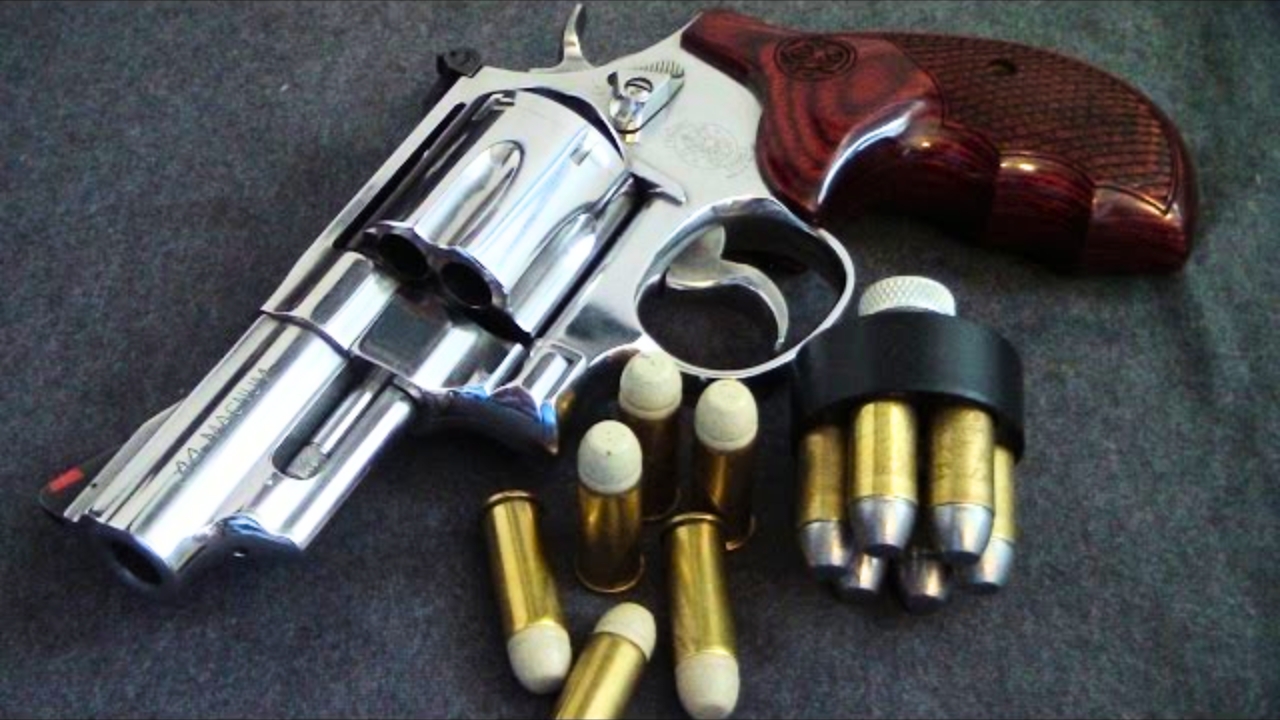
The Smith & Wesson Model 629 is one of the revolvers people still believe in when the conversation moves from paper targets to the woods. Chambered in .44 Magnum, it has enough power for hunting, backcountry carry, and serious animal-defense concerns.
It is not a casual beginner revolver, and it will tell on bad grip habits quickly. But in trained hands, the 629 offers accuracy, authority, and proven usefulness. Stainless construction gives it field appeal, and the platform has been around long enough to earn trust the hard way. It remains a serious revolver for serious use.
Colt Detective Special
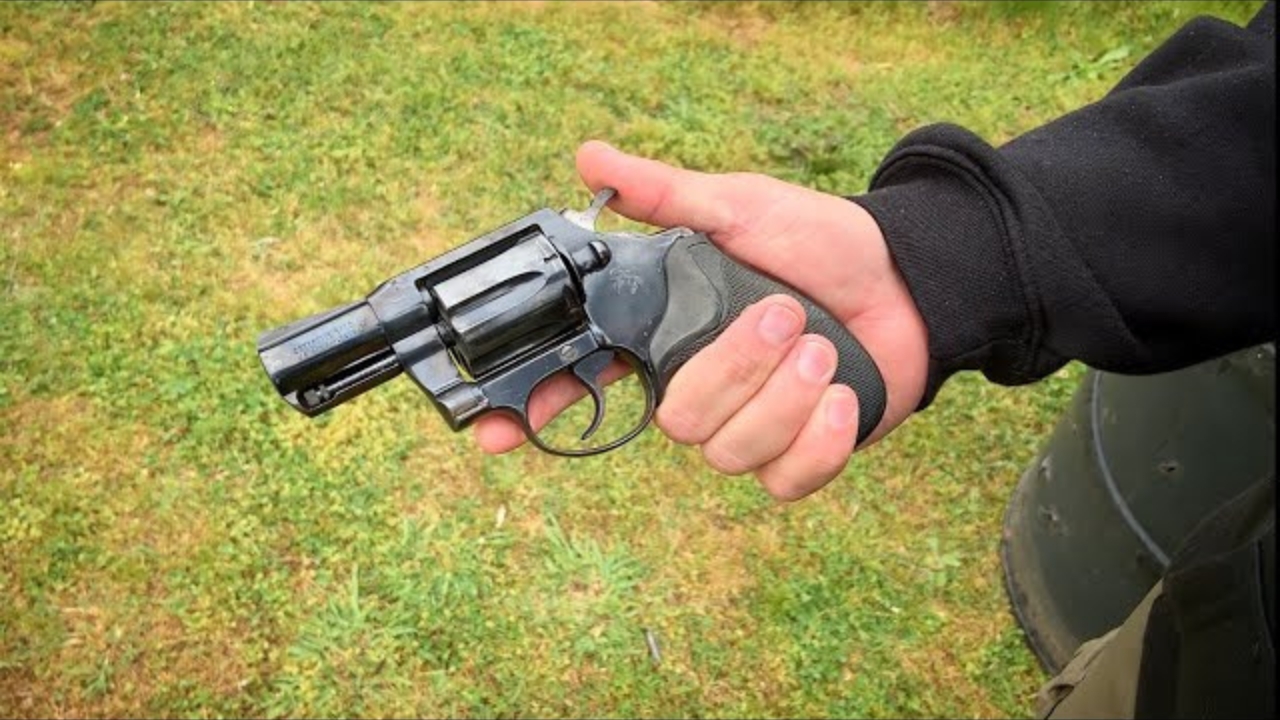
The Colt Detective Special still has believers because it carries a different kind of charm than most snub-nose revolvers. It gives you six shots in a compact package, and that extra round has always mattered to people who pay attention.
It is not as common or as carefree as some modern small revolvers, but the Detective Special has a feel that keeps people attached. The grip shape, balance, and classic Colt action make it more than a pocket-sized antique. For shooters who appreciate old carry guns, it still feels smart, capable, and worth keeping alive.
Smith & Wesson Model 10
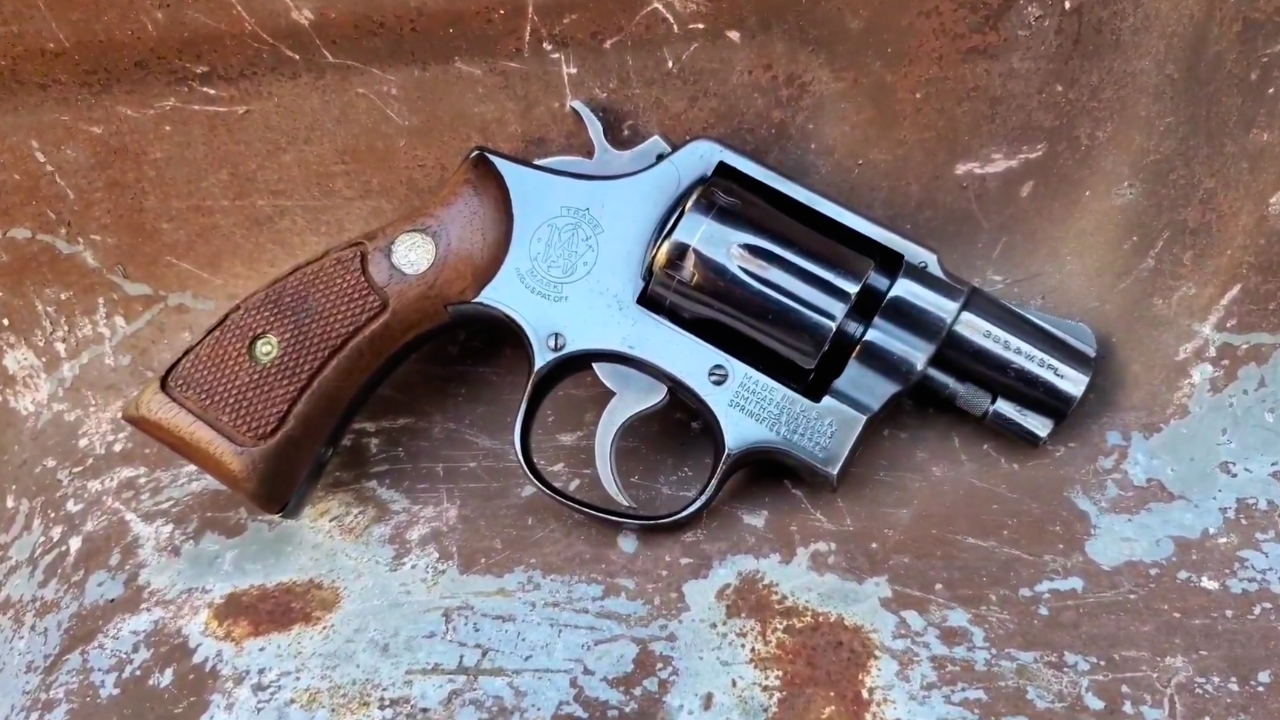
The Smith & Wesson Model 10 may be plain, but plain is not the same thing as weak. This revolver spent generations as a service gun because it was simple, durable, and easy to shoot well with standard-pressure .38 Special.
People still believe in the Model 10 because it teaches the basics better than many modern handguns. The sights are simple, the trigger can be excellent, and the balance feels natural. It is not flashy, and it does not need to be. A clean Model 10 still feels like a working gun with nothing extra in the way.
Ruger Redhawk
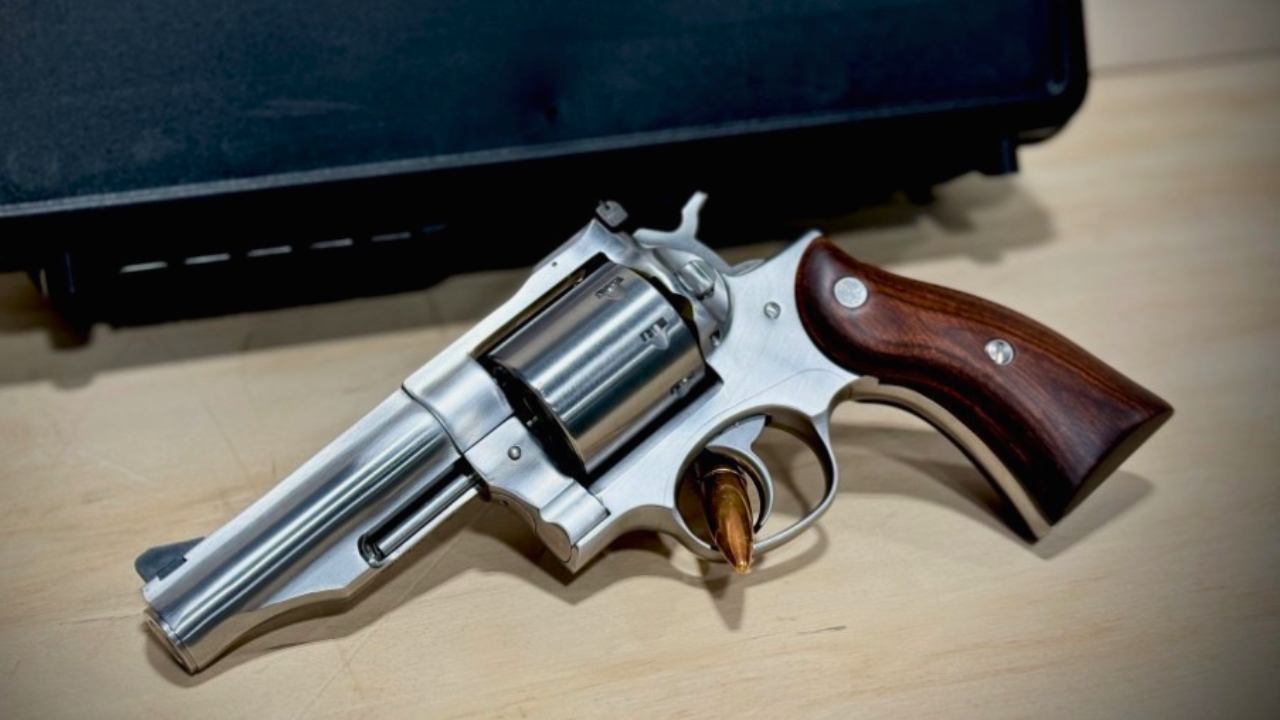
The Ruger Redhawk is for people who want a revolver that feels almost overbuilt. It is large, heavy, and not shy about what it was designed to handle. That turns some shooters away, but it is exactly what others want.
The Redhawk has earned trust with hunters, handloaders, and backcountry folks who want power without feeling like the gun is close to its limit. In .44 Magnum and other heavy chamberings, it gives you strength and confidence. It is not elegant in the traditional sense. It is the kind of revolver you believe in because it feels hard to hurt.
Smith & Wesson Model 27

The Smith & Wesson Model 27 still gets respect because it represents what a top-tier .357 Magnum revolver used to feel like. The big N-frame gives it weight, stability, and a level of presence that smaller revolvers cannot match.
It is more revolver than many people need, but that is part of the point. The Model 27 shoots magnum loads with authority and makes .38 Special feel almost effortless. Add in the old finish work and classic lines, and it is easy to understand why people still talk about it with a little reverence.
Ruger LCR

The Ruger LCR surprised plenty of revolver people because it did not look traditional at all. Polymer on a revolver sounded strange when it first showed up, and some shooters were ready to write it off before giving it a fair chance.
Then people shot it. The trigger was better than expected, the weight made carry easy, and the design actually worked. The LCR is not pretty in an old-school way, but it is practical. For concealed carry, especially in .38 Special, it remains one of the small revolvers people trust because it solves real problems.
Smith & Wesson Model 66

The Smith & Wesson Model 66 keeps its following because it gives shooters the Model 19 idea in stainless steel. That alone makes it easier to carry in bad weather, around sweat, or in the kind of conditions where blued steel takes more attention.
Like the Model 19, the Model 66 is best understood as a balanced .357, not a brute-force range toy. It carries well, shoots well, and gives you enough power without the bulk of a larger frame. That mix is why so many people still believe in it.
Taurus 856

The Taurus 856 has gained more respect because it gives budget-conscious buyers a small revolver that actually makes sense. For years, Taurus revolvers carried mixed opinions, and some of that skepticism did not disappear overnight.
Still, the 856 has found a real audience. Six shots of .38 Special in a compact frame is useful, and the gun is priced where normal people can still consider it. It is not a hand-fitted classic, but it does not have to be. When tested with good ammo and carried within its limits, the 856 has become easier to take seriously.
Like The Avid Outdoorsman’s content? Be sure to follow us.
Here’s more from us: