Photo credit: Gears of Guns/YouTube
You can have a stack of match-grade ammo on hand, but if the rifle’s not right, you’re not going to get the groups you hoped for. Some rifles never shoot tight, no matter how carefully you load or how much you pay for factory rounds. Barrel harmonics, sloppy bedding, poor machining, or goofy twist rates—there are a lot of ways a rifle can ruin perfectly good ammo. And while you might convince yourself it’s you, it’s often the gun making your 1 MOA dreams look more like a peppered pizza box. If you’ve spent enough time behind different setups, you’ve likely seen a few that just won’t settle down, no matter what you feed them.
Remington 770
There’s no shortage of folks who bought a 770 thinking it’d be a budget tack driver. Instead, they got a rifle that patterns like a 20-gauge. Between the mushy bolt, chattery action, and injection-molded stock that barely makes contact with the barreled action, accuracy takes a serious hit. Even when you use high-end ammo, the 770 has a way of throwing shots unpredictably. The groups walk. They string. They open up. If one lands where it’s supposed to, the next two don’t. It’s frustrating, especially for someone trying to stretch their dollar with good factory ammo.
Century Arms C308
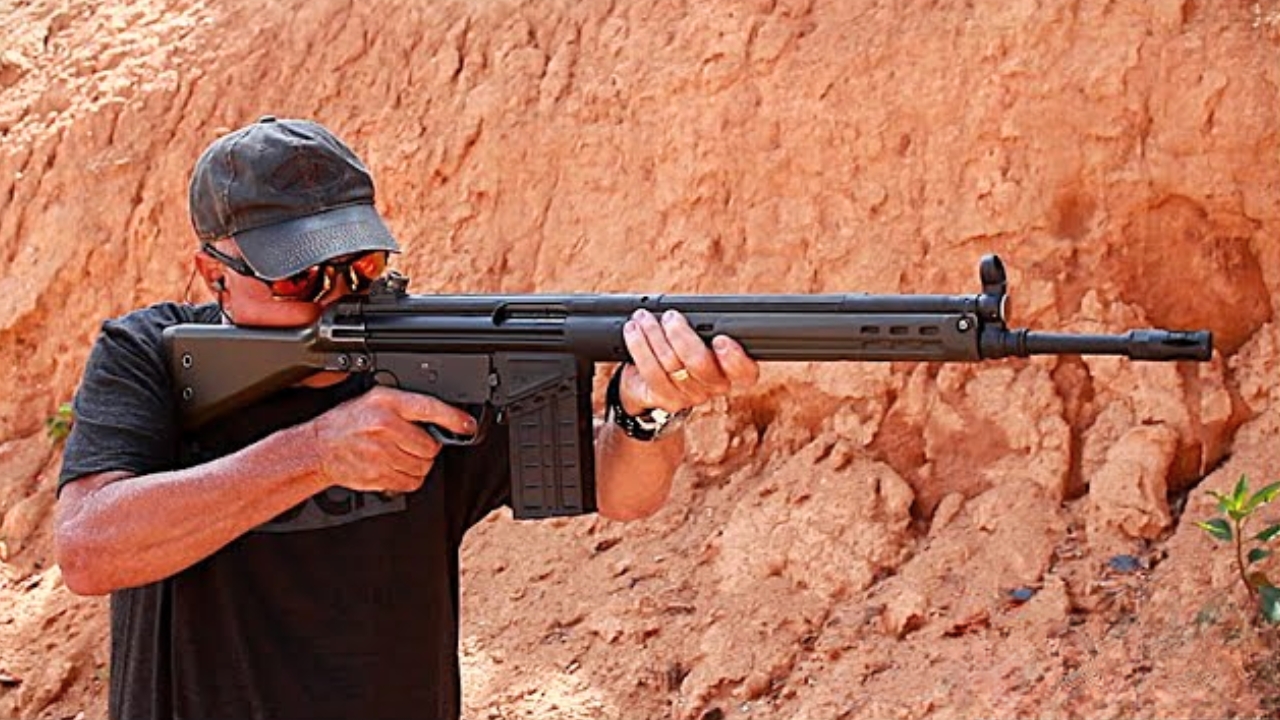
If you think surplus .308 is to blame for wide groups in the C308, try swapping in some premium hunting loads and you’ll still find yourself chasing zero. These rifles are built with a mix of surplus parts and U.S.-made receivers, and the headspacing can be a gamble. Add a gritty trigger and stamped receiver flex, and you’re not setting up for precision. This rifle can fling brass like it’s angry and print groups that look like buckshot. For plinking, sure—it’s serviceable. But if you’re hoping that better ammo will bring out hidden accuracy, you’ll probably walk away disappointed.
Rossi RS22
You’d think a little .22 like the RS22 would handle premium target loads decently, especially with its clean lines and light bolt. But the truth is, this rifle’s inconsistent chamber dimensions and sometimes rough crowns mean even the best .22 LR rounds can’t always hold tight groups. It’s a plinker, not a precision tool, and once you start shooting from a bench, the differences become clear. Cheap bulk ammo and high-end match loads group about the same—and that’s not a compliment. You can waste a lot of Lapua trying to make it something it’s not.
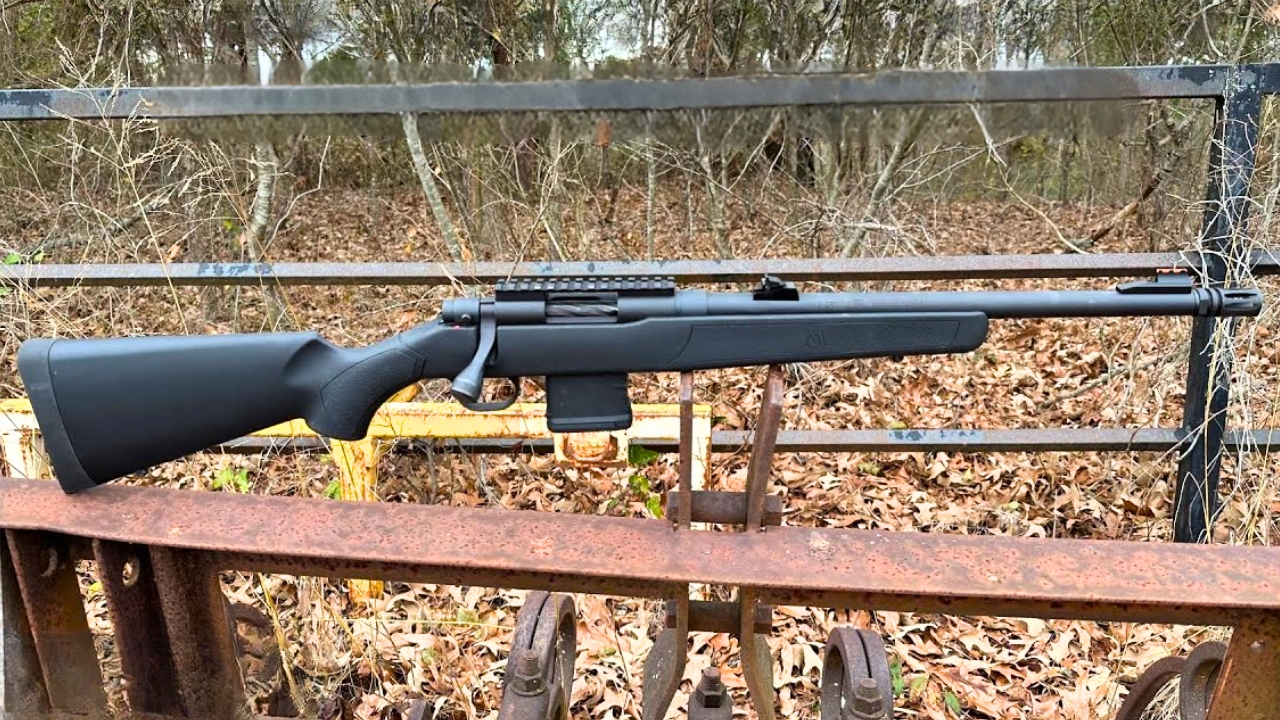
Mossberg MVP Patrol 5.56

The MVP Patrol seems like a great idea—AR mags in a bolt gun—but its execution leaves accuracy on the chopping block. The 16.25-inch barrel and fast twist rate don’t always play well with standard .223 hunting loads. Even match-grade 77-grain pills can wander. Some rifles group OK, others don’t. And part of the issue is inconsistent bore finish and stock fit. The plastic stock flexes under sling tension or rest pressure, which can throw shots without warning. It’s a utility rifle, not a precision tool, and even your best ammo won’t fix its mood swings.
Mini-14 Ranch Rifle
Every Mini-14 owner has a story about chasing accuracy. You buy better ammo, maybe a new scope, try a new rest—yet the patterns on paper still resemble a spread from a turkey load. The thin barrel heats fast and starts walking shots like it’s lost interest in the target. Early models were especially bad, but even the newer ones struggle to group under 2 MOA consistently. It doesn’t matter if you feed it Black Hills, Federal Gold Medal, or handloads tailored to the gun. The Mini is reliable, sure, but accuracy isn’t what keeps folks buying them.
Savage Axis II XP in .243

The Axis II in .243 looks good on paper—lightweight, affordable, and with a decent trigger. But when it comes time to group that high-dollar .243 hunting ammo, things often fall apart. Many barrels in this platform have inconsistent bore dimensions, and the cheap plastic stock doesn’t do the action any favors. Even if your trigger squeeze is perfect and the load is dialed in for the bullet weight, you may still end up with groups that look like you were shooting while sneezing. Some rifles are better than others, but consistency across the line is a real issue.
KelTec SU-16C
The SU-16C promises portability and utility in a lightweight .223 package. But even when you feed it top-tier brass, it doesn’t always behave. The long, pencil-thin barrel and polymer receiver don’t give it a stable platform to group tightly. Add in the hinged folding design and flexy forend, and your carefully selected ammo can’t overcome the rifle’s design quirks. Some owners have luck with a particular load, but most report fliers, vertical stringing, or flat-out erratic performance. It’s a pack rifle, not a bench queen, and even premium ammo can’t save it from mediocrity.
Like The Avid Outdoorsman’s content? Be sure to follow us.
Here’s more from us:
The worst deer rifles money can buy
Sidearms That Belong in the Safe — Not Your Belt
*This article was developed with AI-powered tools and has been carefully reviewed by our editors.