Photo credit: Savage Arms
Every hunter has at least one rifle they wish they’d never let go. Maybe it was a family hand-me-down, maybe it was a rifle that always grouped tight without much fuss, or maybe it was a discontinued model that can’t be replaced without spending three times what it cost back then. Rifles aren’t just tools—they’re tied to hunts, memories, and reliability you can’t always get back.
The rifles hunters regret selling often share a few traits. They’re durable, accurate enough to inspire confidence, and chambered in calibers that still make sense decades later. Some were affordable when new but have now become collector favorites. Others were ahead of their time and only appreciated after they were gone. If you’ve ever sold one of these rifles, chances are you’ve kicked yourself later when you realized how much you gave up. Here are the rifles that hunters miss most after selling.
Winchester Model 70 Pre-’64

The Winchester Model 70 built before 1964 is the rifle many hunters rank as the standard of American bolt-actions. Known as the “Rifleman’s Rifle,” it had controlled-round feed, excellent machining, and wood stocks that held up over generations. When Winchester changed the design in 1964, many considered it a step backward, and the pre-’64s became highly sought after.
Hunters who let theirs go often regret it because you can’t replace the craftsmanship without paying collector prices. These rifles aren’t just functional—they carry heritage. They feed smoothly, eject reliably, and were chambered in all the classic calibers like .30-06, .270, and .243. Many who sold theirs later realized how few rifles feel that solid in the hands today. Owning one wasn’t only about utility; it was about having a piece of history that still performed in the field. Once you’ve let it slip away, getting another isn’t cheap or easy.
Remington Model 700 BDL

The Remington 700 BDL was once one of the most common bolt-actions in deer camps, and for good reason. With its polished blue finish, high-gloss walnut stock, and strong action, it struck a balance between function and pride of ownership. It was accurate, durable, and chambered in nearly every popular hunting round.
Hunters who sold theirs often regret it because modern rifles, while functional, don’t offer the same feel. The BDL had a traditional look and smooth cycling that made it stand out. Many hunters first learned precision shooting with one, and those memories stick. Selling a BDL to upgrade often leads to disappointment because the replacement never carries the same character. Today, older BDLs in good condition are commanding higher prices, and that only adds to the sting. Once you’ve parted with a good Model 700 BDL, it’s one of those rifles that leaves a noticeable gap in your safe.
Ruger M77 Tang Safety

The original Ruger M77 with tang safety holds a special place for hunters who grew up with it. Produced starting in the 1960s, it was rugged, reliable, and affordable compared to competitors. The tang safety was intuitive, especially for hunters moving between shotguns and rifles. It came in calibers that covered everything from varmints to elk, making it one of the most versatile rifles of its era.
Hunters who sold theirs often regret it because later versions, while improved in accuracy, lacked the same nostalgic feel. The tang safety made it quick to use with gloves, and many rifles of this line grouped surprisingly well with factory loads. They weren’t flashy, but they worked season after season with minimal fuss. Today, they’ve become harder to find in excellent condition, and those who let them go usually wish they had hung on. It’s a rifle that quietly built loyalty and left a hole once sold.
Savage Model 99

The Savage 99 is one of those rifles that stands apart from anything else. Its rotary magazine allowed pointed bullets in a lever-action, which was ahead of its time. Chambered in classics like .300 Savage, it bridged the gap between traditional lever guns and modern hunting rifles. Its unique design and balance made it a favorite for deer hunters across the country.
Hunters who sold theirs regret it because there’s nothing else like it. The feel of cycling that action, the accuracy it provided, and the historical significance can’t be replicated. Many used theirs for decades, only to part with it during a trade, and later realized it was irreplaceable. As they’ve grown more collectible, values have increased, making regret even worse. The Savage 99 isn’t just another lever gun—it’s a piece of hunting history that gave practical performance and now stands as one of the most-missed rifles in hunters’ memories.
Marlin 336 in .35 Remington
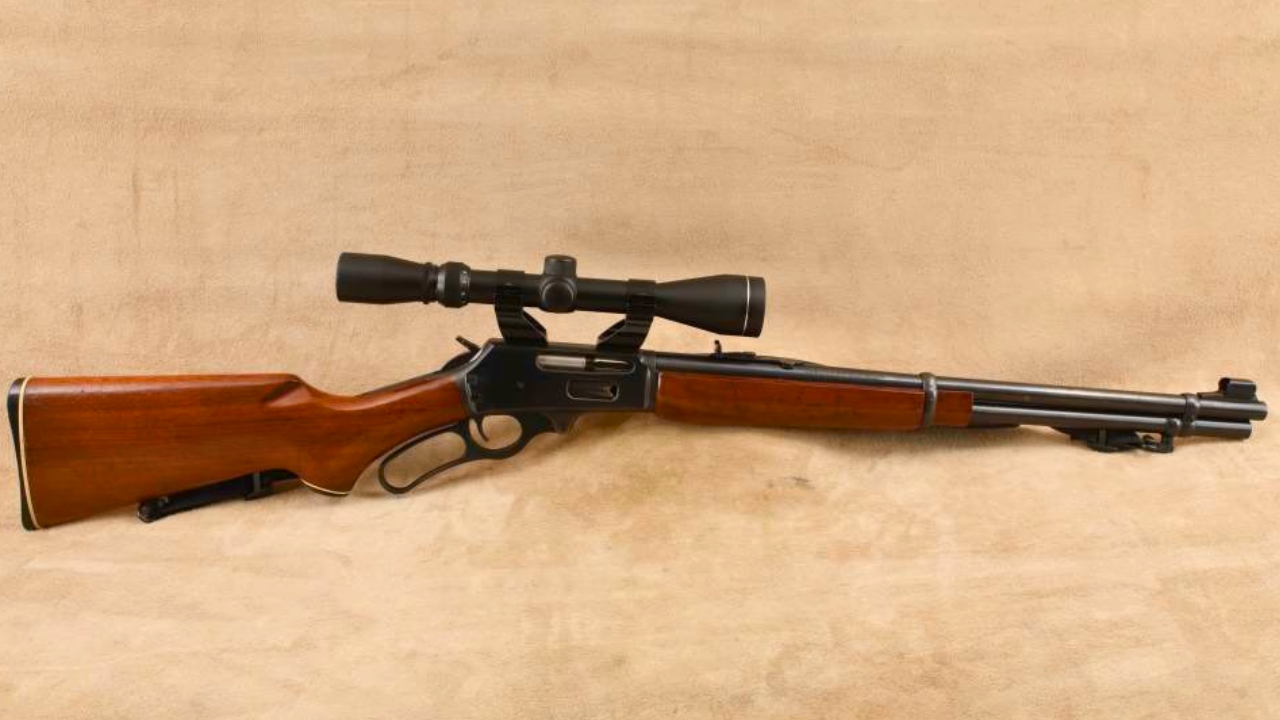
The Marlin 336 chambered in .35 Remington is a rifle that many hunters regret letting slip away. In thick woods, it offered knockdown power on deer and black bear while still being compact and handy. The .35 Remington cartridge, though not as common today, delivered excellent performance inside 200 yards. Combined with Marlin’s solid lever-action design, it was a trusted woods rifle.
Hunters who sold theirs often wish they hadn’t, especially since .35 Remington rifles have become harder to find. Many had family ties, handed down for generations, and once they’re gone, you don’t easily replace them. The combination of manageable recoil, reliability, and effectiveness made the 336 a true companion in the field. Today, when nostalgia meets scarcity, the regret of selling one hits even harder. It’s a rifle that embodies both tradition and utility, and giving one up often feels like losing a piece of your hunting past.
Weatherby Mark V Deluxe

The Weatherby Mark V Deluxe was always more than just a rifle—it was a symbol of performance and pride. With its glossy walnut stock, skip-line checkering, and nine-lug bolt, it offered strength and style. Chambered in hard-hitting cartridges like the .300 Weatherby Magnum, it was made for hunters chasing big game across open country.
Hunters who sold theirs often regret it because the craftsmanship and attention to detail are tough to replace. Many who owned one saved for years to buy it, making it more than a tool—it was an achievement. Letting it go usually happened during a trade for something more “practical,” but later on, the realization comes that practicality can’t replace pride and history. Today, older Mark V Deluxe rifles have a collector following, and buying one back costs far more than what most hunters originally paid. Selling one is a decision that haunts hunters long after.
Browning BAR Safari

The Browning BAR Safari is one of the few semi-automatic hunting rifles that earned long-term respect. Known for its accuracy and reliability, it gave hunters fast follow-up shots without sacrificing performance. The walnut stock and polished steel made it stand out in deer camps, and it was available in popular calibers like .30-06 and .270.
Hunters who sold theirs often regret it because modern semi-autos rarely capture the same balance of looks and performance. The BAR wasn’t just functional—it had presence. Many hunters remember it as their first rifle capable of dropping deer after deer without a hiccup. Selling it to switch to something cheaper or lighter often turns into a decision they later regret. Today, used BAR Safari rifles remain highly sought after, especially those in excellent condition. For many hunters, it was the rifle that never should have left their safe, and its absence is still felt years later.
Sako Finnbear L61R

Sako rifles have always carried a reputation for precision, and the Finnbear L61R is one of the standouts. Built in Finland, it was known for smooth actions, exceptional barrels, and old-world craftsmanship. Chambered in calibers like .30-06, .270, and .375 H&H, it offered versatility for hunters chasing game worldwide.
Hunters who sold theirs often regret it because rifles of this quality are expensive to replace today. The Finnbear carried a blend of accuracy and beauty that’s rarely matched in modern production rifles. Those who parted with one usually did so without realizing how unique it was. Once it’s gone, the absence of that smooth cycling and precise shooting becomes noticeable. Collectors have driven up the prices, and what was once an attainable rifle has become much harder to replace. Many hunters look back on their time with a Finnbear as some of their best—and regret selling it ever since.
CZ 550

The CZ 550 is a rifle many hunters regret parting with because of its reliability and old-school build. It offered a controlled-round feed action, set trigger, and solid wood stock that felt built for the field. Chambered in popular calibers, it served hunters across Europe, Africa, and North America as a dependable choice for big game.
Hunters who sold theirs usually miss the sense of confidence it gave them. The 550 was heavier than many modern rifles, but that weight soaked up recoil and helped with follow-up shots. Its Mauser-style action cycled with authority, and the rifle had a durability that inspired trust. Today, finding one in good condition isn’t easy, and the regret often comes from knowing it would still serve well decades later. Those who owned one often say it was the kind of rifle you only realize the value of once it’s gone.
Steyr Mannlicher Model L
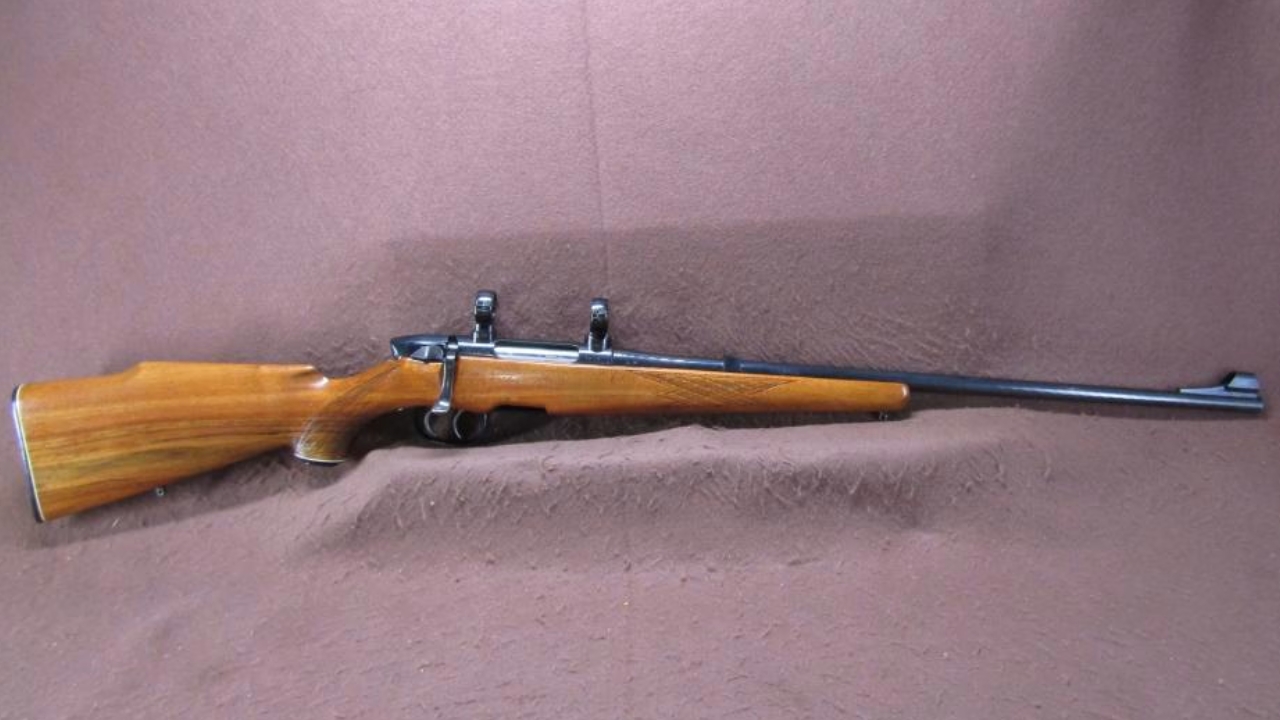
The Steyr Mannlicher Model L is remembered for its buttery-smooth action and European styling. Built in Austria, it combined precision engineering with a unique look, often featuring a full-length stock. Chambered in calibers like .243 and .308, it was an excellent all-around hunting rifle.
Hunters who sold theirs often regret it because it’s nearly impossible to find a modern rifle with the same combination of feel and craftsmanship. The Model L carried a character that set it apart from the mass-produced rifles of its time. Selling one may have seemed reasonable at the time, but once gone, the absence of that unique Steyr action becomes a lasting regret. Collectors have recognized their value, and prices have climbed, making them harder to buy back. For many hunters, it’s the rifle they remember most fondly—and the one they wish they still had in their safe.
Remington Model 760 Gamemaster

The Remington 760 Gamemaster pump-action rifle holds a special spot in many hunters’ memories. Chambered in classics like .30-06 and .270, it offered fast cycling with the power of a full-sized rifle cartridge. Its detachable magazine and rugged design made it a favorite in deer camps, especially in the Northeast.
Hunters who sold theirs often regret it because it offered a level of reliability and speed that few rifles match. The 760 wasn’t the most accurate rifle out there, but it was dependable in the woods. Many hunters learned to hunt with one passed down from a parent or grandparent. Selling one usually feels like letting go of a family tradition, and they’re now harder to come by in good condition. The Gamemaster was practical, trustworthy, and held memories for countless hunters, which makes letting it go sting even more.
Winchester Model 88

The Winchester Model 88 was a unique lever-action rifle with a rotating bolt that gave it bolt-action performance in a lever package. Chambered in .243, .284, .308, and .358, it offered versatility and accuracy that surprised many. Its box magazine allowed pointed bullets, setting it apart from traditional lever guns.
Hunters who sold theirs often regret it because it was so different from anything else on the market. The Model 88 gave lever-gun fans a chance to use modern calibers without giving up the lever-action feel. Its scarcity today makes the regret even sharper—prices for good-condition rifles have climbed, and they’re no longer easy to find. Hunters who let theirs go often find themselves wishing they had held onto a rifle that combined history, innovation, and utility in such a unique way. The Model 88 remains one of the most-missed rifles hunters ever owned.
Husqvarna Bolt-Actions
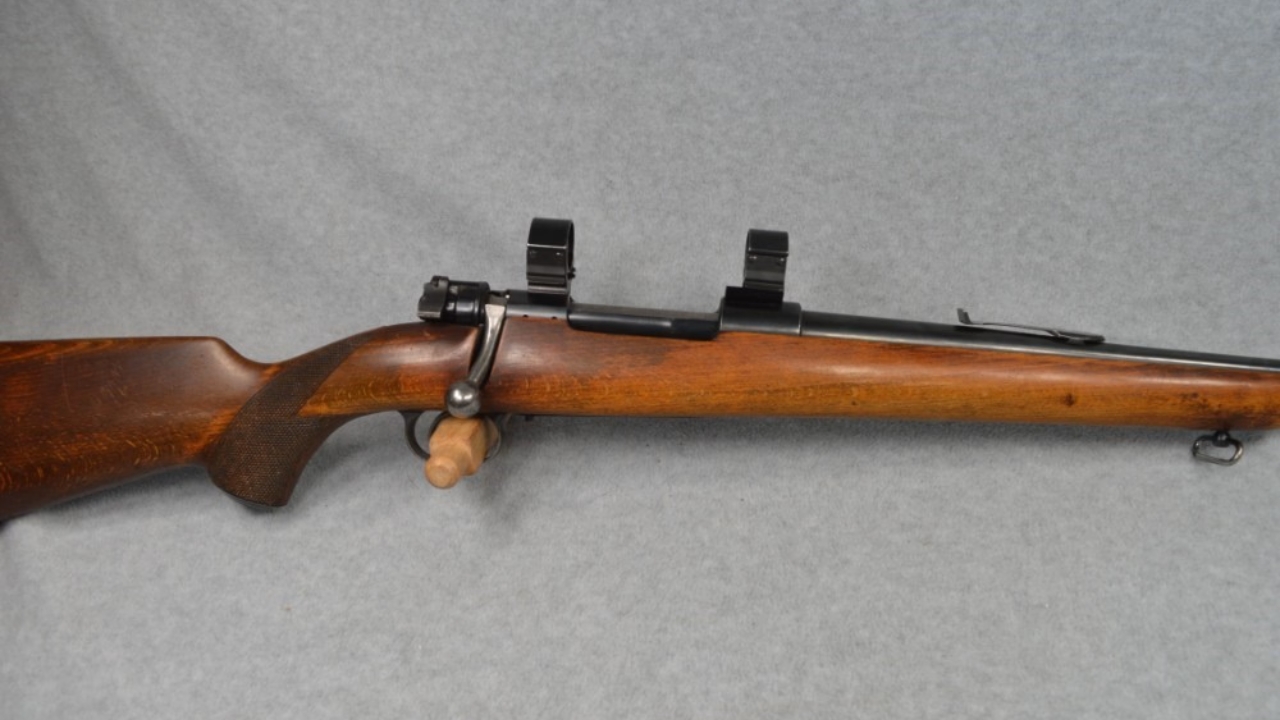
Husqvarna built some underrated bolt-action rifles that are now harder to find. Known for excellent steel and smooth actions, they were chambered in classic hunting calibers and carried a reputation for reliability. Many hunters owned them without realizing how good they were, often trading them away for more “mainstream” rifles.
The regret comes later, when hunters discover how solid those rifles actually were. Husqvarna didn’t produce them in massive numbers, so once you’ve sold one, finding another isn’t easy. They offered the same level of quality as better-known European brands but often at a more affordable price when new. Today, they’ve developed a strong following among collectors, which only adds to the pain of having let one go. For hunters who owned a Husqvarna, the rifle often performed flawlessly for years—and once sold, left behind a gap that’s hard to fill.
Winchester Model 94 Pre-64

The Winchester Model 94 is one of the most iconic lever-action rifles in history, and pre-1964 models hold special value. Chambered mostly in .30-30, they were the quintessential deer rifle for generations of hunters. The pre-64 craftsmanship, steel quality, and smooth cycling made them reliable companions in the woods.
Hunters who sold theirs often regret it because those rifles aren’t just tools—they’re family heirlooms. Once you’ve sold one, the odds of getting another in the same condition are slim. The pre-64 Model 94 carries nostalgia and performance that’s hard to match. Later versions never quite captured the same feel, and today, these rifles have strong collector demand. Letting one go often means letting go of both memories and value, making it one of the rifles hunters most often regret selling.
*This article was developed with AI-powered tools and has been carefully reviewed by our editors.