Photo credit: The Armory Life/YouTube
Walk into a gun shop long enough and you’ll see the modern pattern: a guy comes in for ammo, handles something shiny, runs a credit card, and leaves with a brand-new problem he didn’t know he was buying. Back when most of us were scraping together cash, trading, and waiting on layaway, a firearm had to earn its spot. It had to do a job, not just scratch an itch.
These are the guns that take experienced shooters right back to that mindset. Not all of them are perfect. A few are heavy. Some are plain. A couple are downright awkward. But every one of them is the kind of purchase you think through, because you’re buying function, history, and long-term usefulness—things that don’t show up in a quick five-minute fondle at the counter.
1. Remington 870 Wingmaster

If you’ve carried one behind the seat or across a cattail slough, you know why the Wingmaster has a different feel than the bargain-bin pump guns. The action has that slick, worn-in glide that’s hard to explain until you’ve run one for a decade. It points naturally, and it doesn’t feel like it’s trying to impress anyone.
There’s nothing tactical about it, and that’s the appeal. A Wingmaster is the kind of shotgun you buy because you want to hunt birds, break clays, or keep a simple, reliable long gun around. Most folks didn’t impulse-buy these; they saved for them, then kept them.
2. Winchester Model 70 (controlled-round feed)
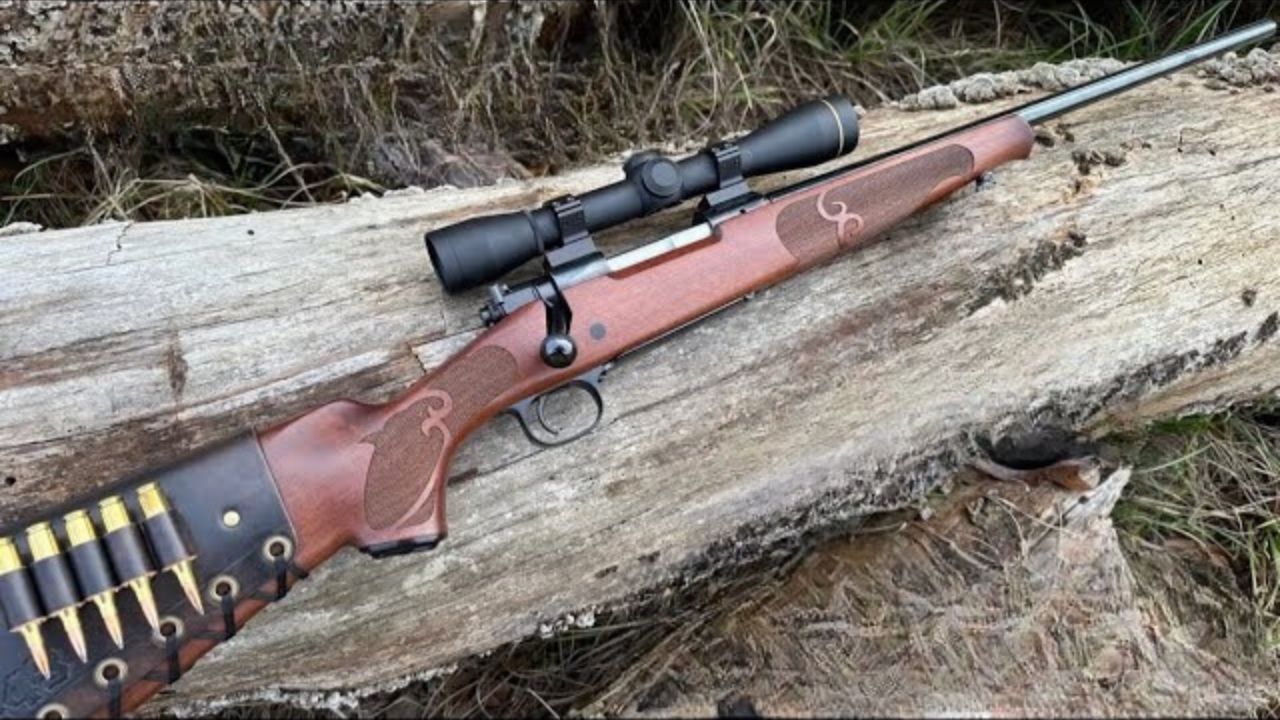
The old Model 70s remind you what “rifleman’s rifle” was supposed to mean. Controlled-round feed isn’t just trivia. In cold weather with gloves on, or when you’re working a bolt from an odd position in a stand, you appreciate a gun that feeds like it means it.
These rifles aren’t featherweight and they aren’t cheap to duplicate today. But if you want a bolt gun that feels like it was built to last longer than you will, this is one of the classics that makes you slow down and buy once.
3. Ruger GP100 (4-inch)

A GP100 isn’t glamorous. It’s a brick with a trigger. But it’s the kind of revolver you can shoot hard, clean when you remember, and still trust when you don’t. The weight that makes it a little less fun to carry is the same weight that makes .357 actually enjoyable to practice with.
This is a “think it through” gun because you’re buying it for the long haul—woods walking, truck duty, maybe a bedside revolver that won’t care if it sits for a year. Parts, holsters, and grips are everywhere, and it just keeps going.
4. Smith & Wesson Model 10
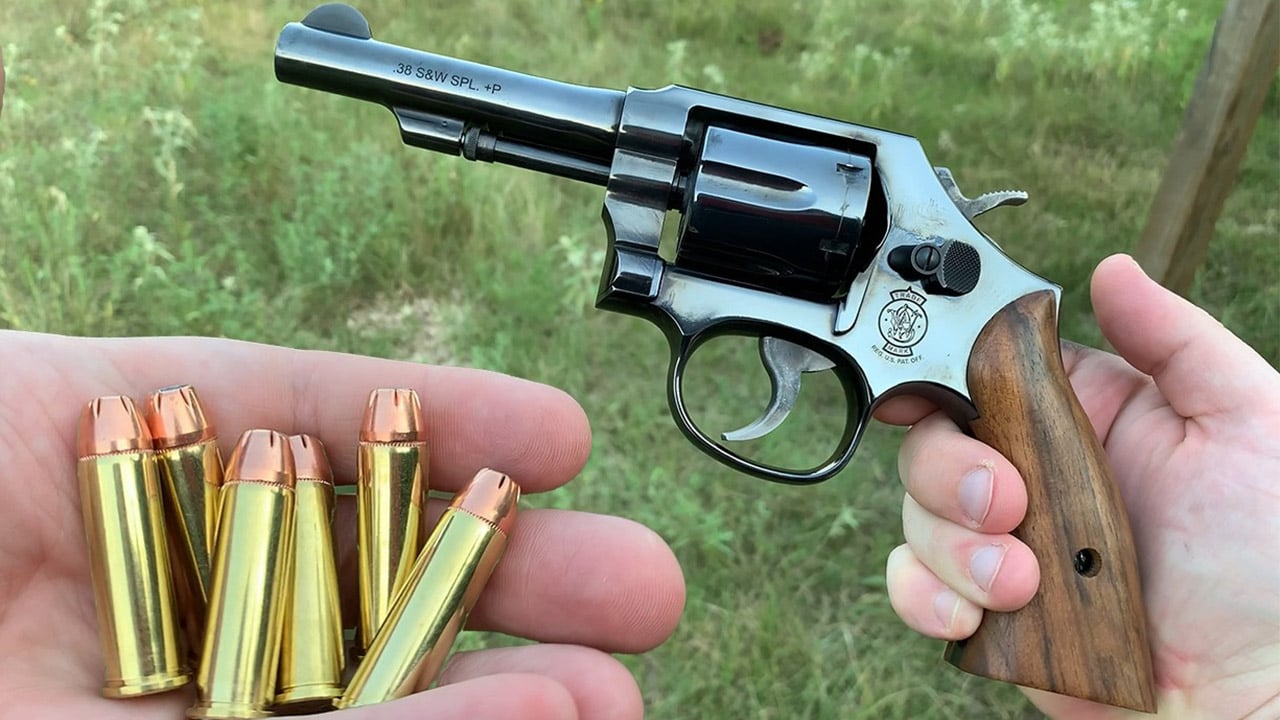
When somebody says “old police revolver,” this is what they mean. Fixed sights, simple controls, and a balance that makes you realize how many modern handguns feel top-heavy or weirdly shaped. The Model 10 is boring in the best way.
It also teaches you. A double-action revolver with a decent trigger will show you exactly what your fundamentals look like. That’s not an impulse buy. That’s a choice to own something that makes you a better shooter.
5. Glock 19 (Gen3/Gen4)
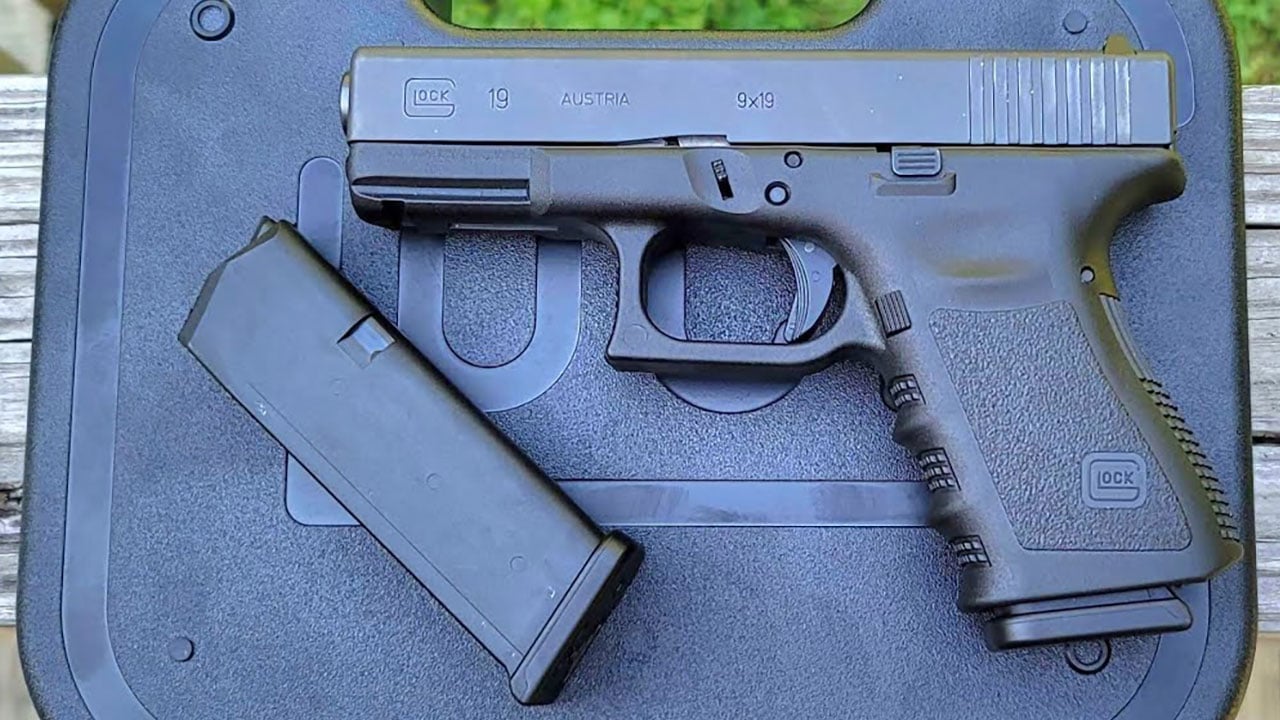
I get it—Glock isn’t romantic. Still, a Glock 19 is the definition of a grown-up purchase. It’s not the smallest carry gun, not the softest shooter, and not the most exciting thing in the case. It’s just a tool that works, with magazines you can find anywhere and parts that every competent shop understands.
A lot of experienced shooters circle right back to the 19 after chasing trends. When you’ve spent money on finicky compacts or “feature-rich” pistols, a plain Glock starts looking like wisdom.
6. Colt Python (older production)
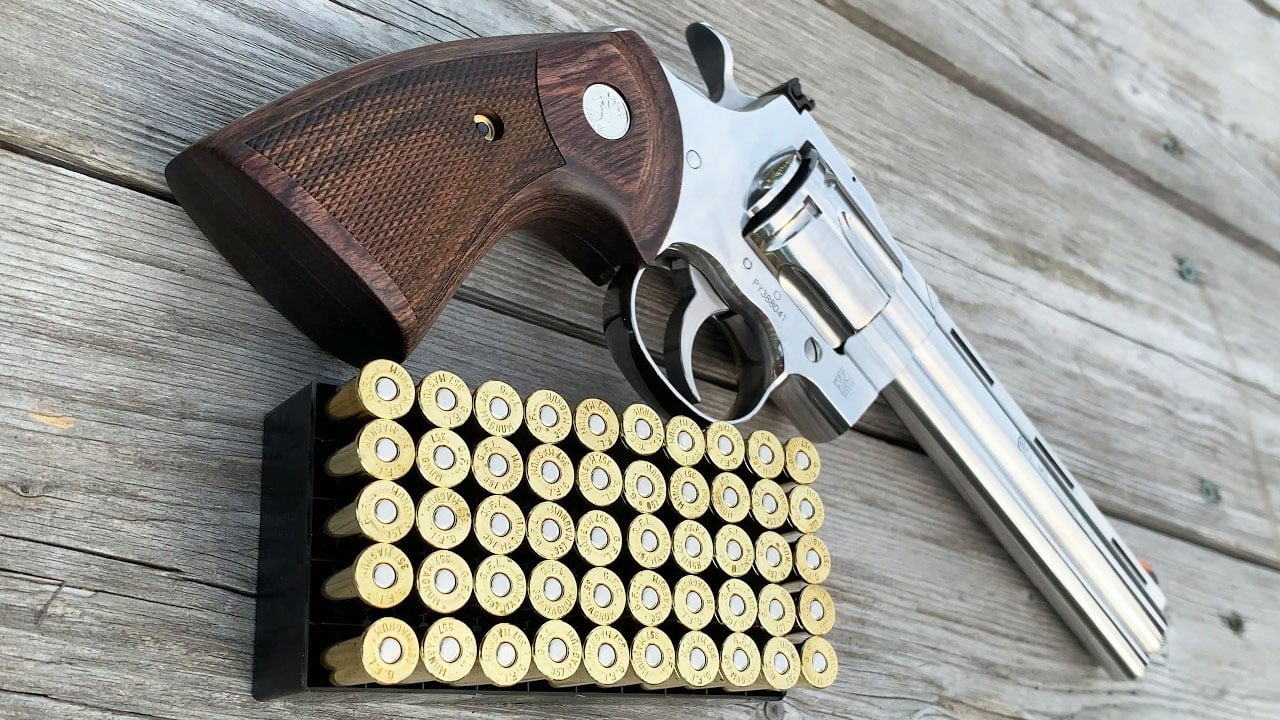
A Python isn’t something you generally buy because you had a good day. You buy it because you’ve wanted one, you’ve handled enough revolvers to understand what you’re looking at, and you’re willing to pay for it. The old ones especially have a fit and finish that stops you mid-sentence.
It’s also a reminder that some guns aren’t about “better.” They’re about a standard that’s hard to recreate. You don’t impulse-buy a Python. You decide it’s time.
7. Ruger 10/22 Carbine
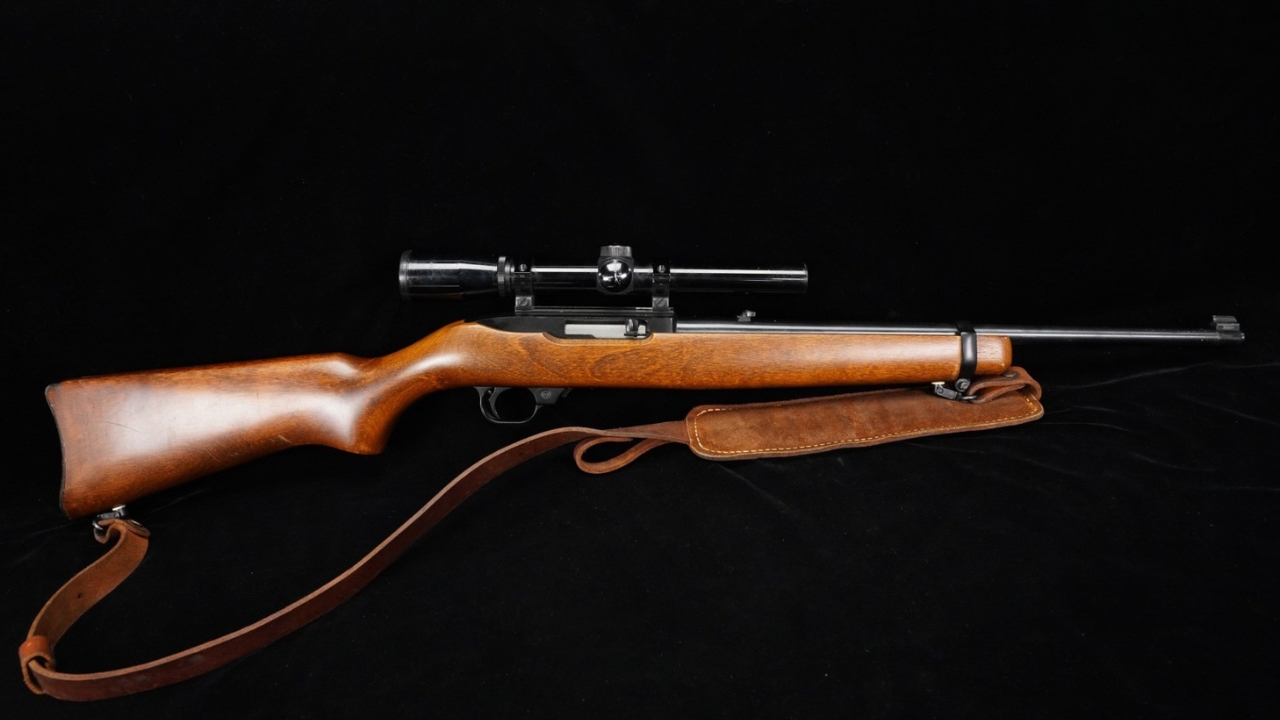
Most of us learned something on a .22, and the 10/22 is one of the main reasons why. It’s light, handy, and it runs. Whether you leave it stock or keep it simple with a decent sling and a basic optic, it’s a rifle you’ll actually use.
And no, it’s not “just a .22.” It’s a trapline gun, a squirrel rifle, a range day staple, and a training tool that never goes out of style. Buying one feels like buying time on the range.
8. Marlin Model 336 (JM-stamped)
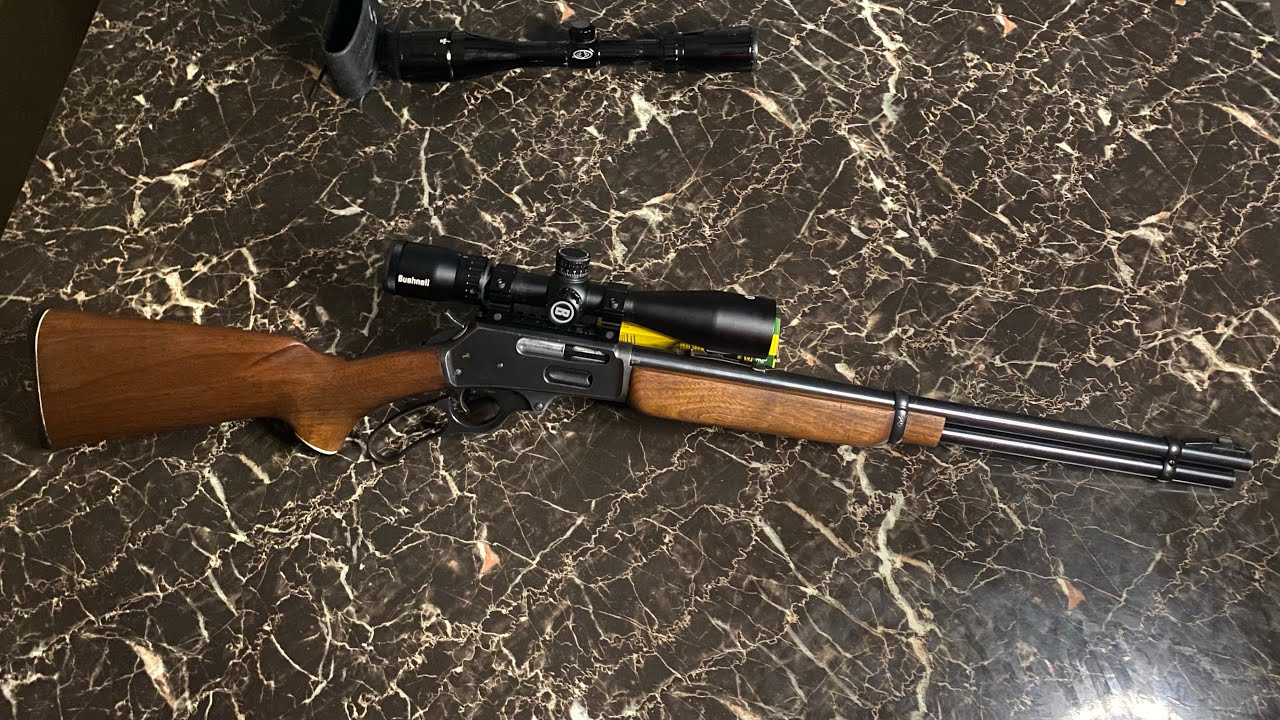
Carry a 336 in the timber and you’ll understand why lever guns refuse to die. The balance is right between your hands. It comes to the shoulder fast. It’s the opposite of a bench rifle, and that’s why it kills deer clean inside realistic woods ranges.
The older JM-marked rifles have a loyal following for a reason. Even if you don’t chase collector details, you feel the difference in how they cycle. This is the kind of rifle a guy buys, hunts with, and then refuses to sell. Ask me how I know.
9. Henry Repeating Arms Golden Boy (.22 LR)
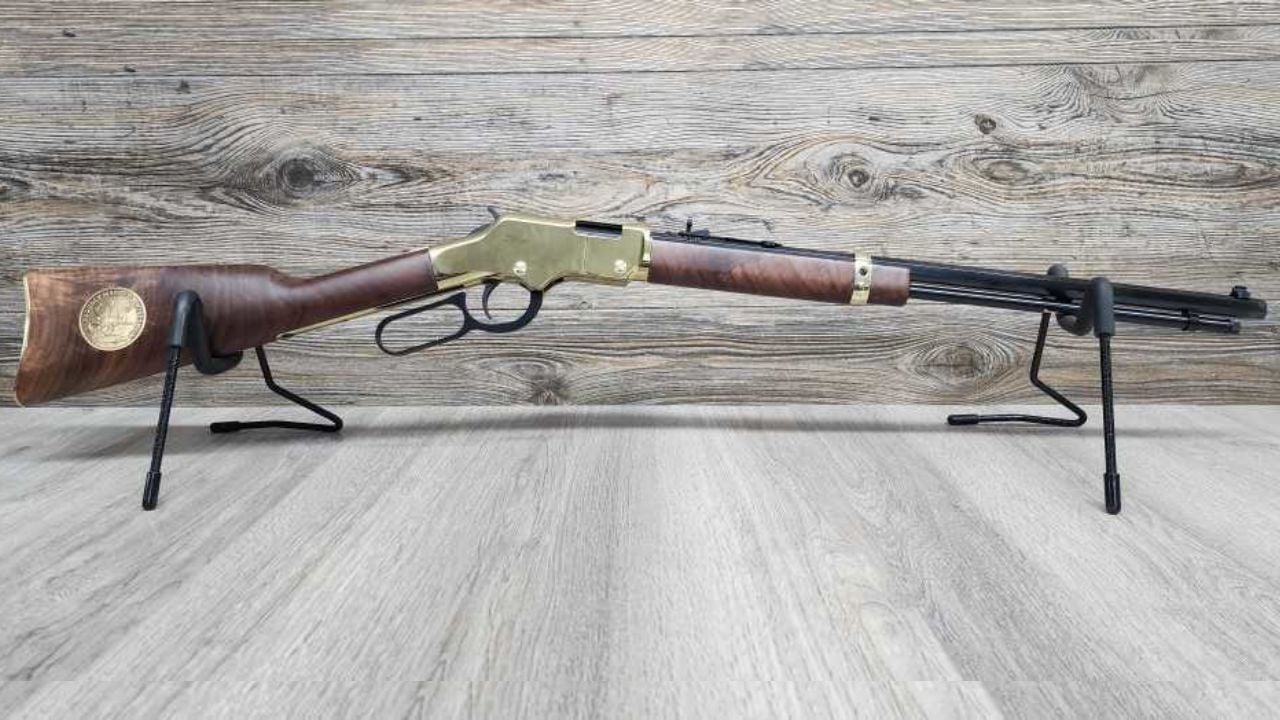
The Golden Boy is what you buy when you want a rifle that makes you smile every time you open the safe. It’s not a hard-use beater and it’s not pretending to be. It’s a slick little lever .22 that turns plinking into something you actually look forward to.
It also tends to become a family gun. Kids shoot it. Grandkids shoot it. You don’t grab one on impulse because it’s on sale; you buy it because you want something you’ll still enjoy ten years from now.
10. Browning Hi-Power (FN or Browning-marked)
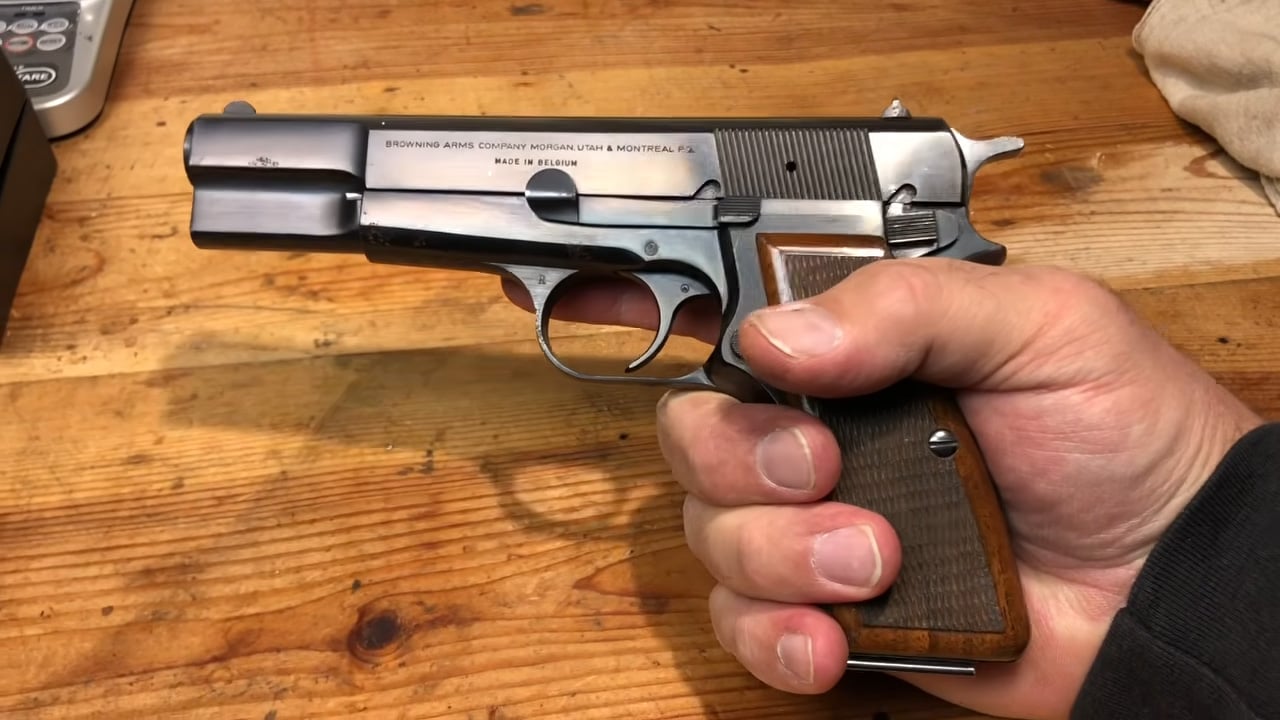
The Hi-Power feels like it was designed by someone who cared how a pistol sits in your hand. Slim, balanced, and fast to point. It’s not a modern duty gun and it’s not as easy to “tinker” with as today’s polymer pistols, but it has a character that’s hard to fake.
Buying one usually comes after you’ve shot enough handguns to appreciate what it is. Mags and parts are out there, but not in the “every shelf at every store” way. That naturally slows the purchase down, the way it used to be.
11. Springfield Armory M1A (Standard)

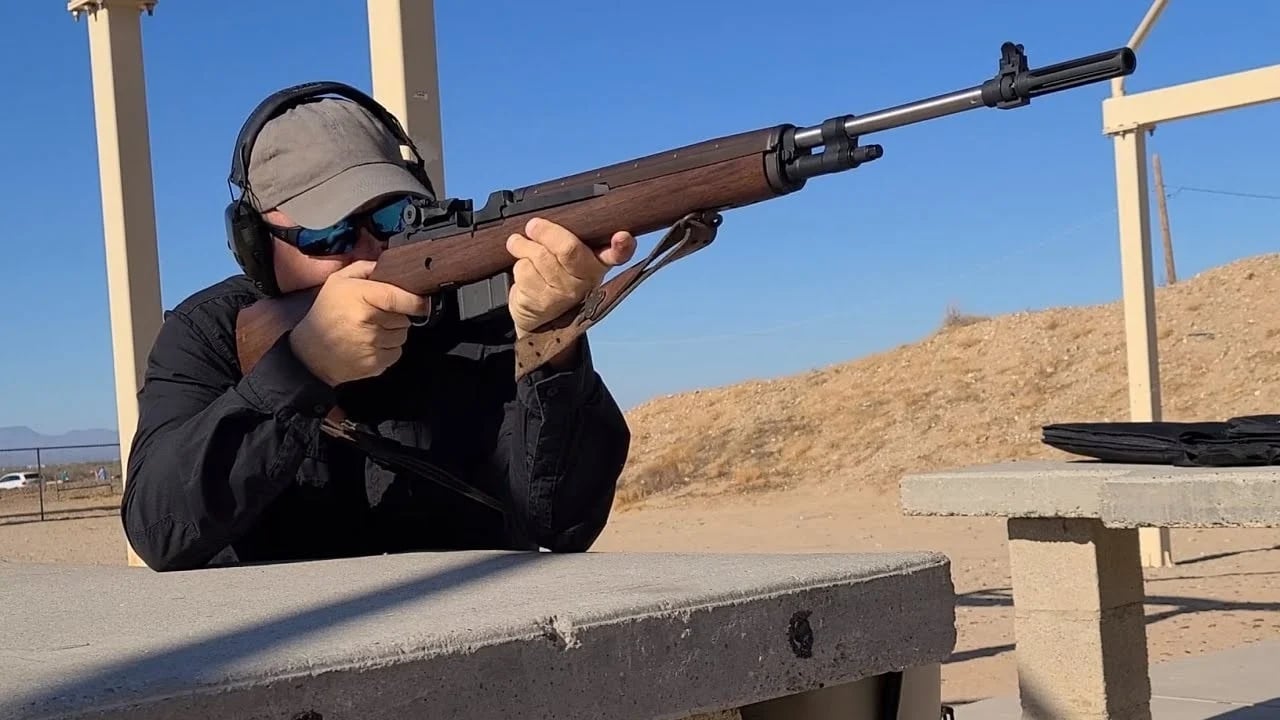
The M1A is a commitment. It’s long, it’s heavy, and feeding it isn’t cheap. But it also has that old-school, steel-and-wood confidence that makes you want to take your time and shoot well. There’s a satisfaction to running that action and settling into the sights.
This is also where you find out if you’re a rifleman or a collector. If you buy an M1A on a whim, you might resent it. If you buy it because you want the experience, it’ll stay.
12. Ruger Mini-14 Ranch Rifle

Mini-14s are funny. Everybody has an opinion, and most of those opinions come from reading. In real life, a Mini that runs is a handy, practical rifle—lighter than most ARs, simple controls, and it carries easy on a sling.
The catch is magazines. If you cheap out on mags, you’ll blame the rifle. With decent mags, a Mini becomes one of those “grab it and go” ranch rifles that makes sense once you’ve lived with one.
13. Colt AR-15A2 / 6920-era Colts
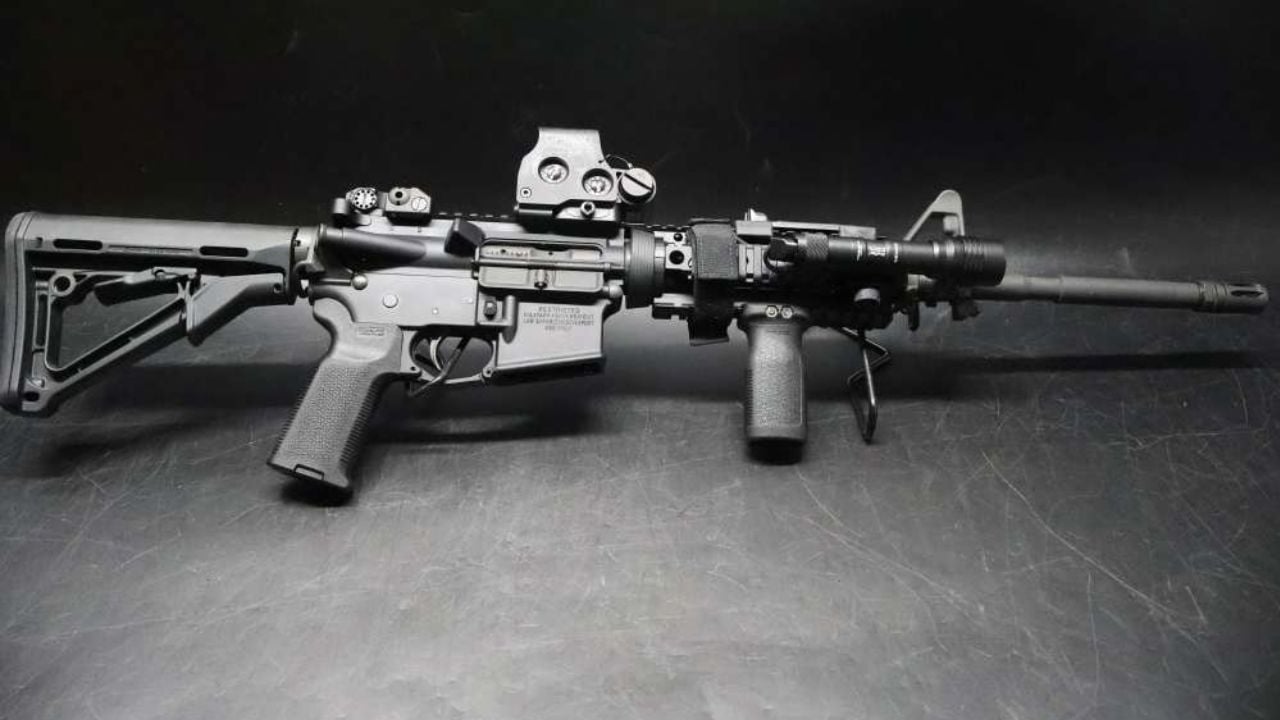
There are a million ARs now, and a lot of them are good. But older Colt rifles have a “known quantity” feel for experienced shooters. The specs are boring, the roll mark means something to certain folks, and the rifle tends to just do what it’s supposed to do.
No, you don’t need a Colt to have a good AR. But buying one was rarely an impulse. It was usually, “I want the standard.” That mindset is the whole point of this list.
14. AKM-pattern rifle (Arsenal SAM7 or Saiga conversions)
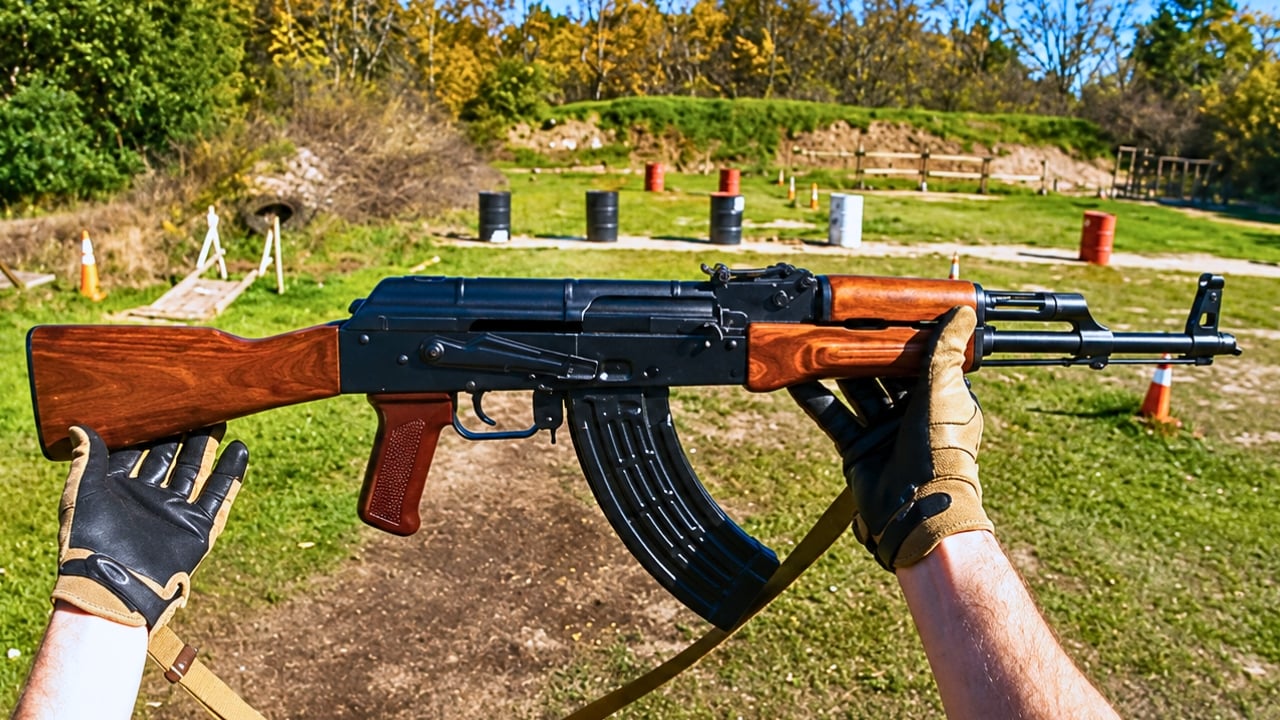
A solid AK isn’t the cheap date it used to be, and that’s exactly why it now reminds people of the old days. If you’re buying an Arsenal or a properly converted Saiga, you’re paying for build quality, straight sights, and a rifle that isn’t a gamble.
Ammo availability, magazine compatibility, and parts support matter here. The experienced guys ask those questions up front. They’re not impulse-buying a random import because it looks cool on a wall.
15. CZ 75B
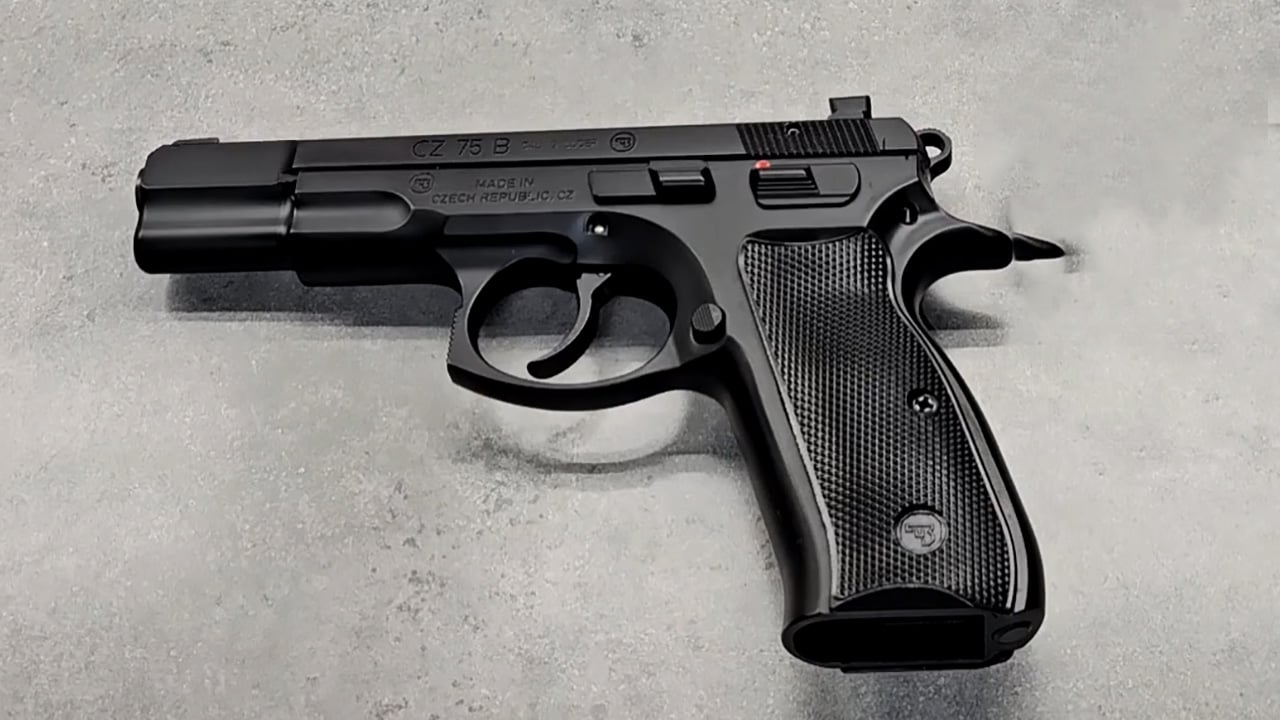
The CZ 75B is one of those pistols that makes you wonder why you messed around with certain other guns. It sits low, shoots soft, and feels like it was built by people who actually shoot. The all-steel weight isn’t trendy, but it makes range time better.
It’s also a pistol you usually buy after you’ve handled enough polymer guns to know what you like and what you don’t. When someone says, “I should’ve bought this first,” a CZ 75 is often the “this.”
16. Beretta 92FS

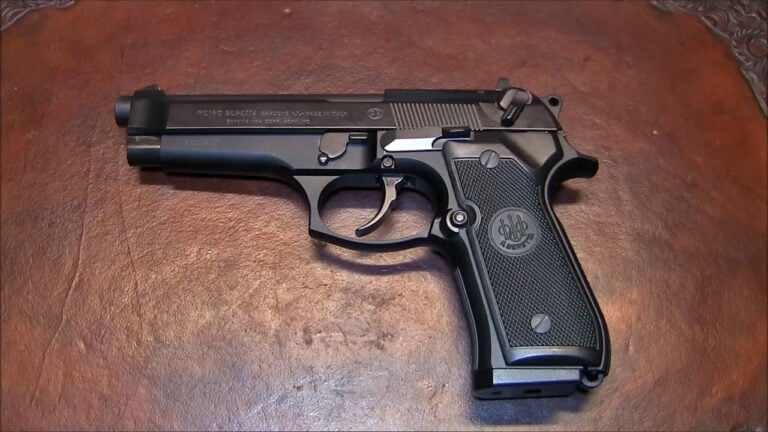
Big grip, long slide, and about as mild-mannered in 9mm as it gets. The 92FS is not a deep-concealment wonder. It’s a service pistol that shoots flat, runs dirty, and keeps going if you do your part.
It’s also the kind of gun you learn on. You can watch a new shooter’s confidence build when the recoil stays manageable and the sight picture isn’t dancing around. That’s not a random buy. That’s buying a tool for training and use.
17. Smith & Wesson Model 686

If the GP100 is the work truck, the 686 is the nicer trim package that still hauls. A good 686 has a trigger that makes you want to keep shooting, and the balance is hard to beat in a 4- to 6-inch gun. It’s a revolver that feels “right” to a lot of hands.
And in the real world, it’s versatile. .38s for practice, .357 for the woods, and a platform that will outlive most fads. Buying one usually comes after you’ve decided you’re done chasing new stuff.
18. Mossberg 500
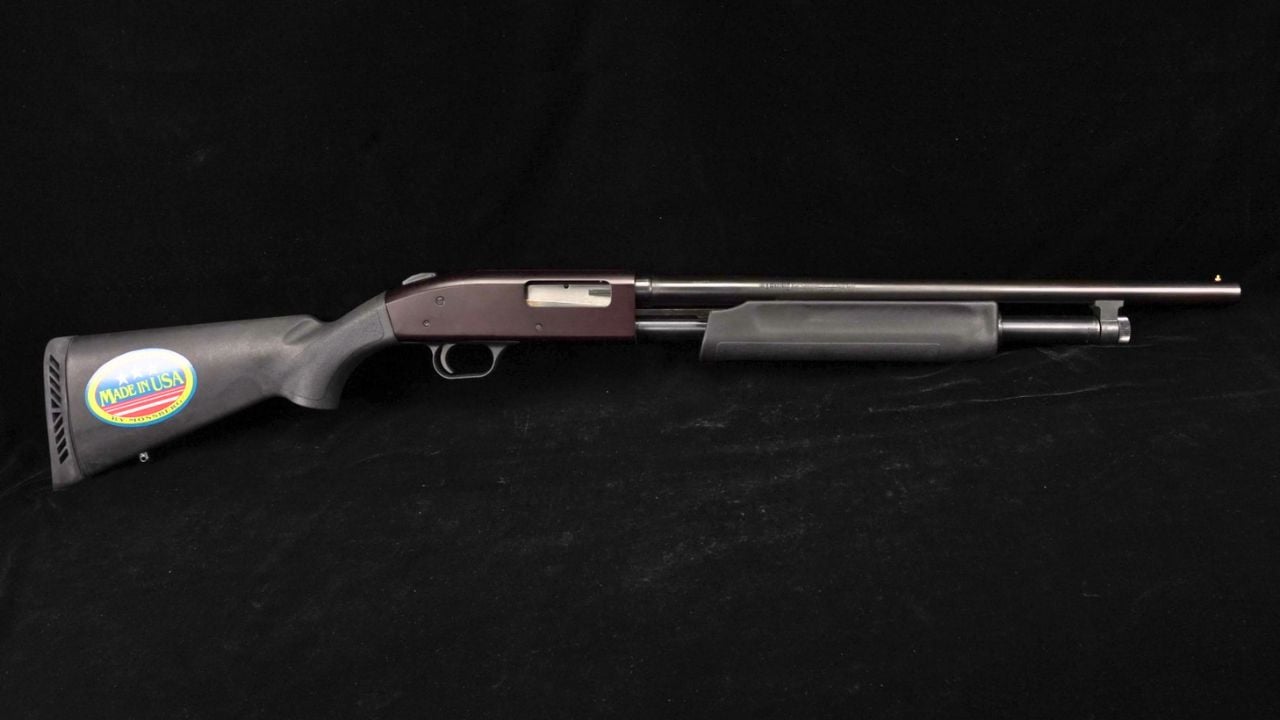
There’s a reason you find Mossberg 500s in closets, trucks, cabins, and duck blinds. They’re not fancy, and they don’t need to be. They take abuse, they keep working, and they’re easy enough to maintain without turning it into a hobby.
It’s also one of the few guns that makes sense for a lot of roles without pretending it’s perfect at all of them. A 500 bought thoughtfully will be used. A 500 bought on impulse still works, which is more than you can say for some “deal of the week” shotguns.
19. Benelli M2
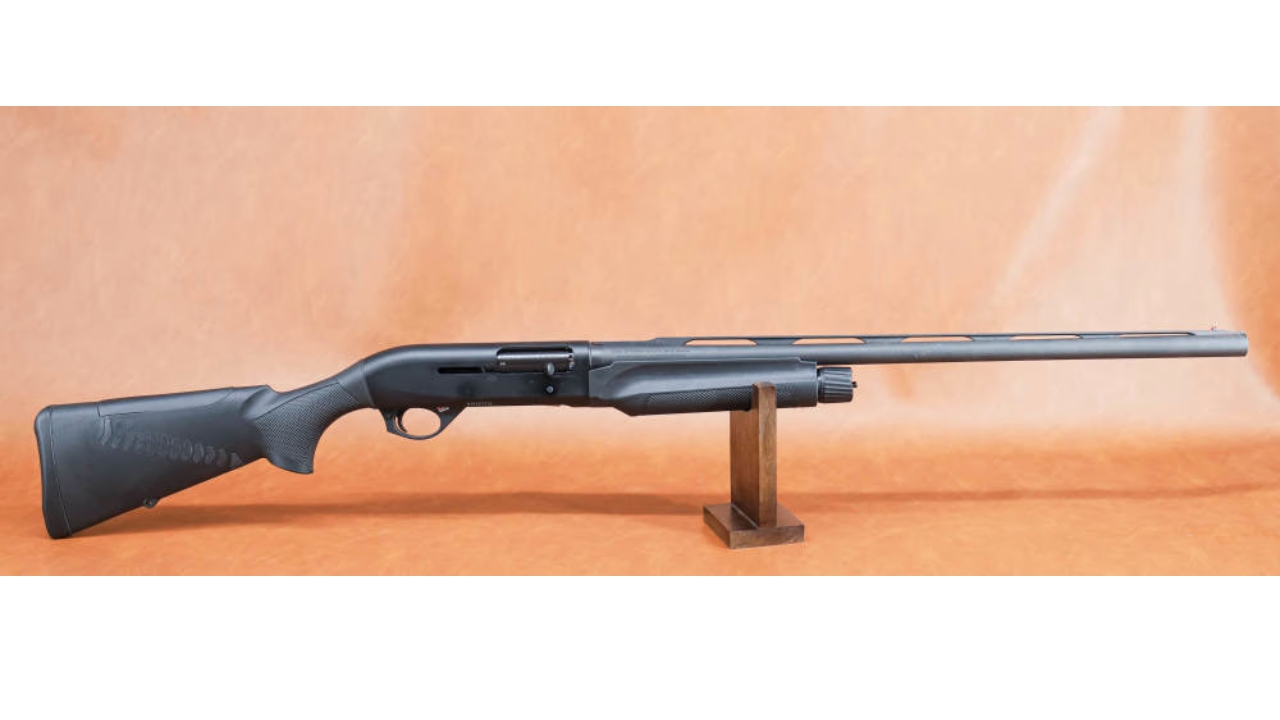
The M2 is what you buy after you’ve tried to make a cheaper semi-auto keep up in cold, wet hunting conditions. When it’s sleeting and your gloves are soaked, you want a shotgun that cycles without drama. That’s where the M2 earns its reputation.
It’s not a budget buy, and it shouldn’t be. Most folks stare at the price tag for a while, then think about missed birds, jammed actions, and wasted hunts. That’s the opposite of impulse.
20. Savage Model 110 (older walnut/blue guns)

Old Savage 110s don’t get “oohs” at the range, but they’ve filled more freezers than most of the trendy rifles ever will. The triggers vary by era, the finishes aren’t fancy, and the rifles can look plain sitting in a rack. Then you shoot one and remember what matters.
They tend to be accurate enough for real hunting, easy to scope, and easy to live with. If you’re the kind of hunter who values a rifle that just keeps doing the job, an older 110 brings you back to that careful-buy mindset in a hurry.
If you notice a pattern here, it’s not that every old gun is better or that every new gun is junk. It’s that experienced shooters get tired of learning the same lesson: a firearm is a long-term tool, not a short-term mood. When you buy with that in mind, you end up with guns that get carried, shot, hunted, and trusted—year after year.
Like The Avid Outdoorsman’s content? Subscribe to our newsletter so you never miss an article.
Here’s more from us: