Photo credit: Mrgunsngear Channel/YouTube
There is nothing wrong with buying an expensive rifle because you want one. Premium actions, carbon-fiber stocks, intricate machining, and famous names can all be worth paying for if those things matter to you. The problem starts when a rifle is priced like a major performance upgrade but does not actually deliver enough improvement in the field or at the range to justify the difference.
That gap has become especially noticeable as midpriced rifles keep getting better. Today, a hunter or precision shooter can buy excellent accuracy, good triggers, smooth actions, and weather-resistant stocks without getting anywhere close to luxury pricing. That makes some premium rifles much harder to defend on value alone. These 20 rifles may be good, even excellent, but the price often asks more than the performance gives back.
Christensen Arms Modern Precision Rifle
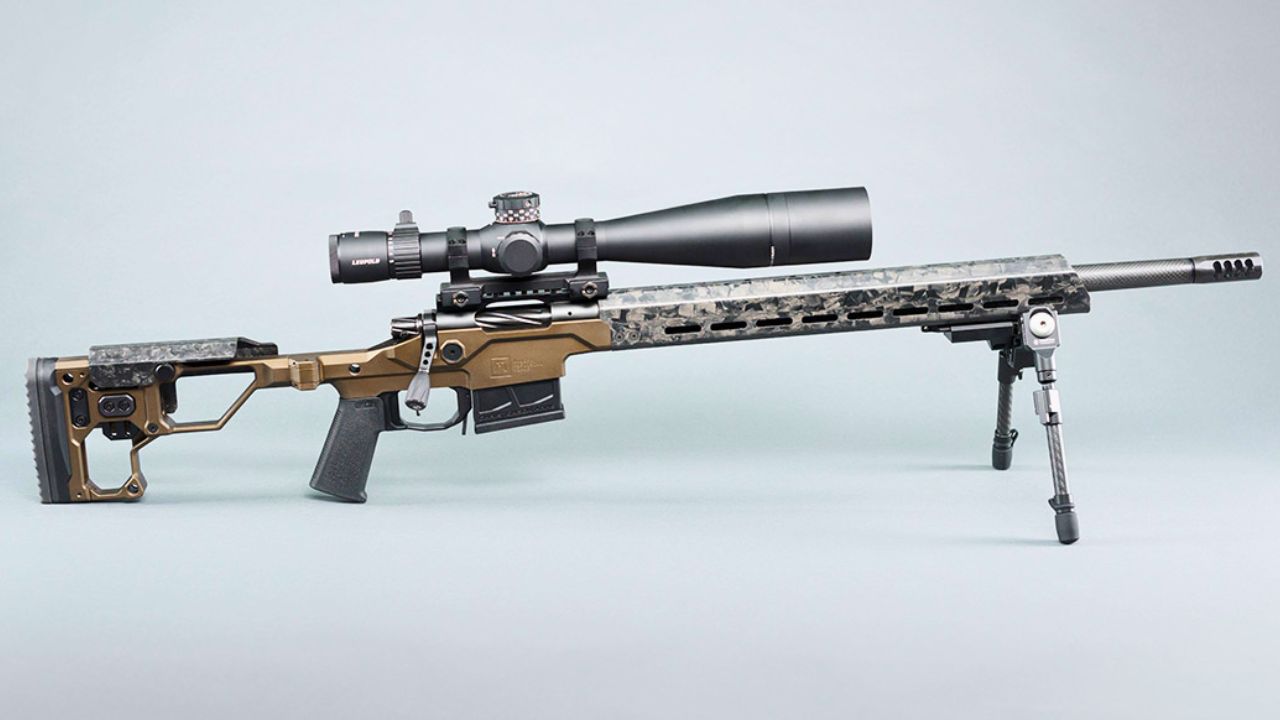
The Modern Precision Rifle certainly looks expensive enough. Carbon-fiber components, a chassis layout, and a premium long-range image make it feel like a serious step up from ordinary factory rifles. It is light for what it is and gives buyers plenty of modern features straight out of the box.
The issue is that the market is full of precision rifles costing much less that can shoot just as well for most users. Once accuracy is already excellent, paying heavily for carbon fiber and weight reduction becomes a diminishing-return decision. The MPR makes sense for someone who specifically wants a lightweight precision chassis gun, but for general long-range work, the performance gap over cheaper options can feel surprisingly small.
Weatherby Mark V Backcountry 2.0
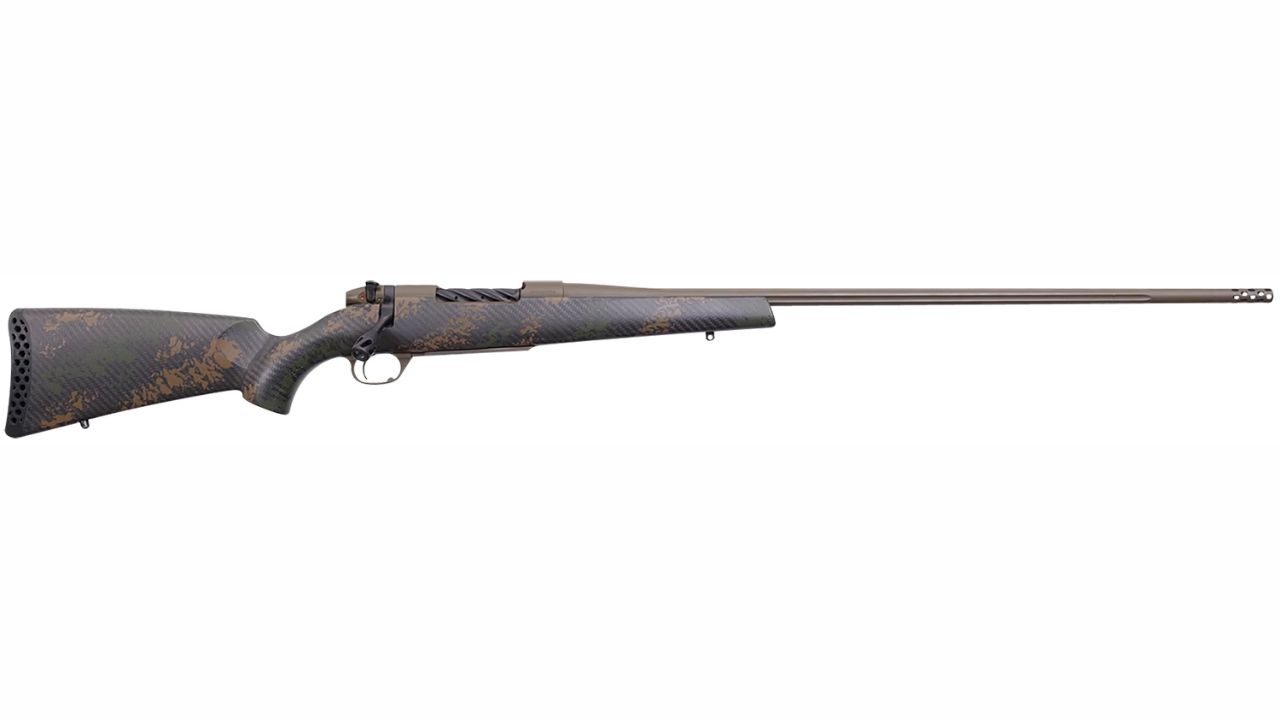
The Backcountry 2.0 is designed around mountain hunting, and that means every ounce matters. Weatherby uses premium materials and a lightweight configuration to keep the rifle extremely portable while retaining the strong Mark V action.
That is impressive engineering, but the price is also extremely high for a rifle whose main advantage is weight savings. Most deer and elk hunters are not climbing enough vertical terrain to benefit meaningfully from shaving those last few ounces. A much cheaper lightweight rifle can do the same basic job with only a modest weight penalty. If you are truly counting ounces in steep country, the Backcountry makes sense. For everyone else, you are paying a lot for a problem you may not actually have.
Browning X-Bolt Pro

The X-Bolt Pro takes a proven hunting-rifle platform and dresses it in premium materials, including carbon-fiber stocks and higher-end finishes depending on the exact version. It is light, attractive, and generally shoots very well.
The problem is that standard X-Bolt rifles already shoot very well. Once the action, trigger, and barrel performance are already good, spending significantly more for carbon fiber and cosmetic upgrades does not necessarily put more deer on the ground. The Pro versions are excellent rifles, but the price gap over ordinary X-Bolts can be hard to justify unless weight and premium materials are priorities rather than bonuses.
Savage 110 Elite Precision
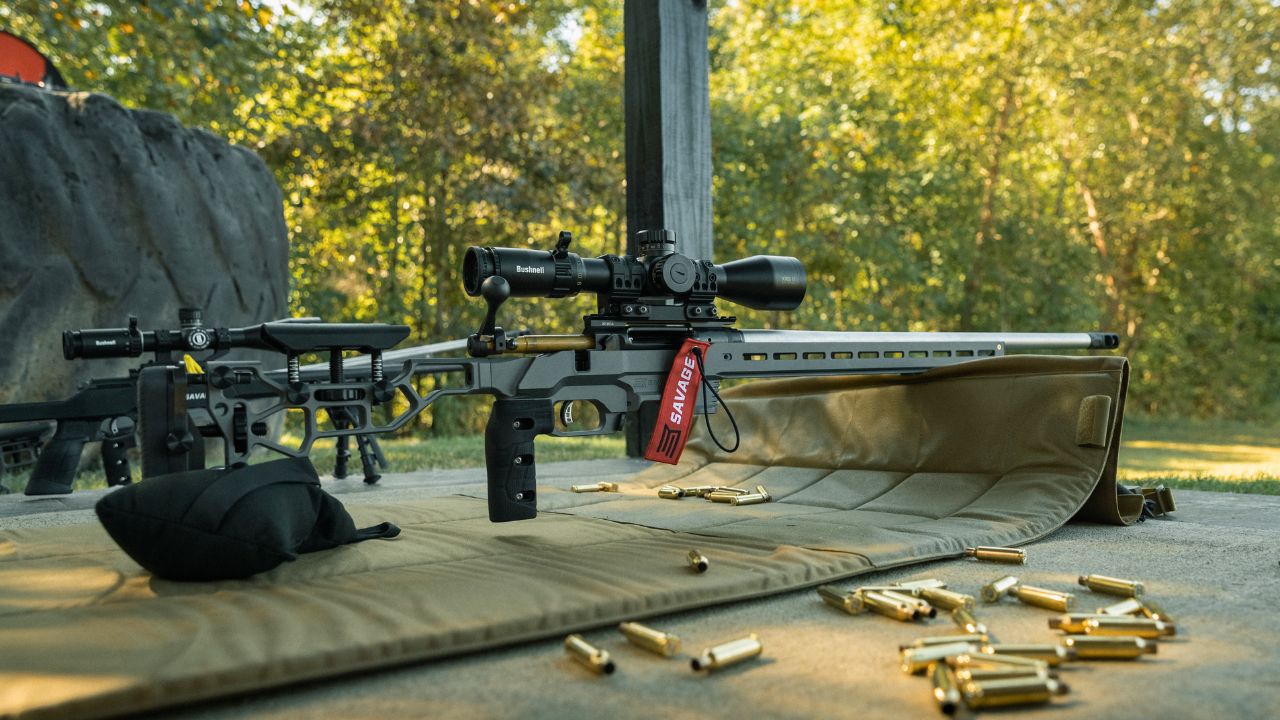
The 110 Elite Precision gives you a heavy chassis, competition-oriented ergonomics, and a proven Savage action in a package aimed at long-range shooters. It certainly has the visual presence of a serious precision rifle.
The question is whether the complete package is worth the premium. Savage actions can be extremely accurate, but at this price buyers start comparing them with purpose-built precision rifles using more refined actions and smoother bolt systems. The Elite Precision is capable, but the basic Savage feel remains underneath all that expensive chassis hardware. For someone who values pure accuracy, cheaper Savage rifles can get surprisingly close. For someone spending serious money, there are platforms that feel more premium from the start.
Springfield Armory Waypoint 2020

The Waypoint 2020 combines carbon-fiber components, a premium stock, good trigger, and modern hunting-rifle styling. It is accurate, light, and built to appeal to hunters who want something more refined than a standard production rifle.
The problem is that the price puts it into a highly competitive category. At that level, buyers can choose from proven European rifles, semi-custom builds, and other premium hunting platforms. The Waypoint does a lot well, but it does not always feel dramatically superior to rifles costing hundreds less. If you love the configuration, it is a solid rifle. If you are shopping strictly on performance per dollar, the value becomes much harder to defend.
SIG Sauer Cross PRS

The Cross PRS takes the compact Cross concept and stretches it into a heavier precision-oriented platform. It has an adjustable chassis, folding stock, and plenty of modern features that make it look ready for serious long-range work.
The issue is that once the rifle becomes heavier and more expensive, some of the original Cross advantages disappear. You are no longer buying a lightweight hunting rifle, yet you are also competing with dedicated precision rifles that may offer more weight, smoother actions, or broader aftermarket support for similar money. The PRS is capable, but it sits in an awkward middle ground where the price can be difficult to defend against more specialized alternatives.
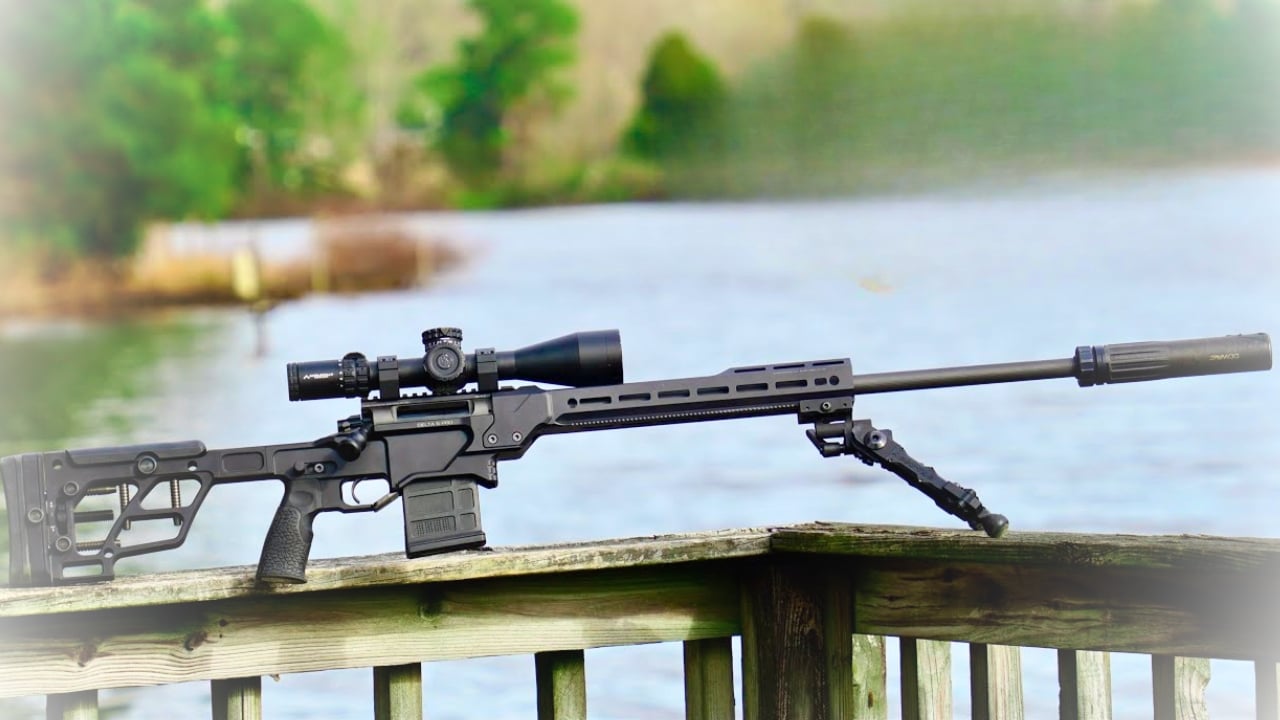
Daniel Defense Delta 5 Pro

The Delta 5 Pro is built around a premium action, chassis, and match-oriented configuration. It is accurate, robust, and backed by a company with a strong reputation for manufacturing quality.
The problem is that precision-rifle pricing has become brutally competitive. At the Delta 5 Pro’s price, shooters can look at proven custom-style actions, better triggers, and rifles with deeper competition pedigrees. The Daniel Defense name adds confidence, but the rifle does not always deliver enough extra capability to justify the premium over excellent competitors. It is good. The issue is that “good” is no longer enough when the price climbs this high.
Ruger Precision Rifle Magnum

The Magnum versions of the Ruger Precision Rifle look like a cost-effective way into serious long-range cartridges. You get a familiar chassis layout, adjustable stock, and all the basic features needed for distance shooting.
The problem is weight and refinement. These rifles are extremely heavy, and once you move into the magnum versions, the entire package can feel more cumbersome than premium competitors. The action and trigger are good enough, but at higher prices the rougher industrial feel becomes harder to ignore. For someone who wants a bench or prone rifle, it works. For the money, though, there are smoother and more refined options that do not feel quite so much like a scaled-up production rifle.
Sako S20 Precision

The S20 Precision is a well-engineered rifle with a modular stock system, smooth action, and the excellent manufacturing quality buyers expect from Sako. It bridges hunting and precision roles in a way that looks very appealing on paper.
The downside is that the modular concept can make the rifle feel like it is trying to do two jobs instead of dominating one. It is heavier and more expensive than a conventional hunting rifle, yet not as configurable as a true chassis precision gun. The action is excellent, but a large part of the price comes from brand and refinement rather than a massive performance advantage. It is a premium product, but not always a premium value.
Nosler Model 21

The Model 21 has a lot going for it: quality action, good trigger, modern stock, and a strong reputation for accuracy. It is clearly intended to sit above ordinary production hunting rifles.
The challenge is that rifles below it have become extremely good. Tikka, Browning, Sauer, and several others now offer smooth actions and excellent hunting accuracy for much less. The Model 21 does many things right, but the difference between it and a solid midpriced rifle is often smaller than the price difference suggests. If the specific chambering or configuration appeals to you, it is a fine choice. Strictly on value, it can feel expensive for what you gain.
Fierce Carbon Rival
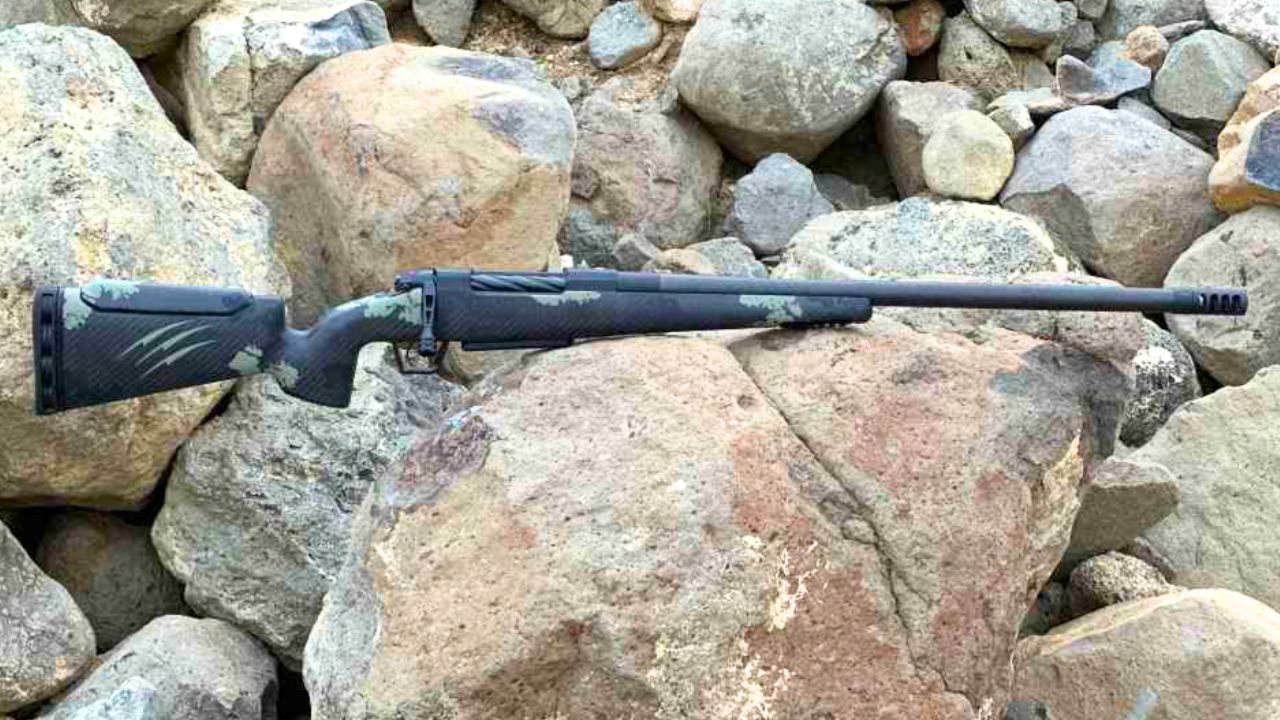
The Carbon Rival uses the formula that has become common among premium hunting rifles: carbon-wrapped barrel, lightweight stock, and an action tuned for accuracy. It looks exactly like the kind of rifle serious mountain hunters are expected to want.
The problem is that carbon barrels add significant cost without automatically making a rifle shoot better. Their biggest benefit is weight reduction, and that matters only if your hunting style actually demands it. A conventional steel-barreled rifle can be just as accurate and often more affordable. The Carbon Rival is impressive, but for most hunters the price premium buys lighter weight and prestige more than a dramatic improvement in practical results.
Gunwerks Nexus
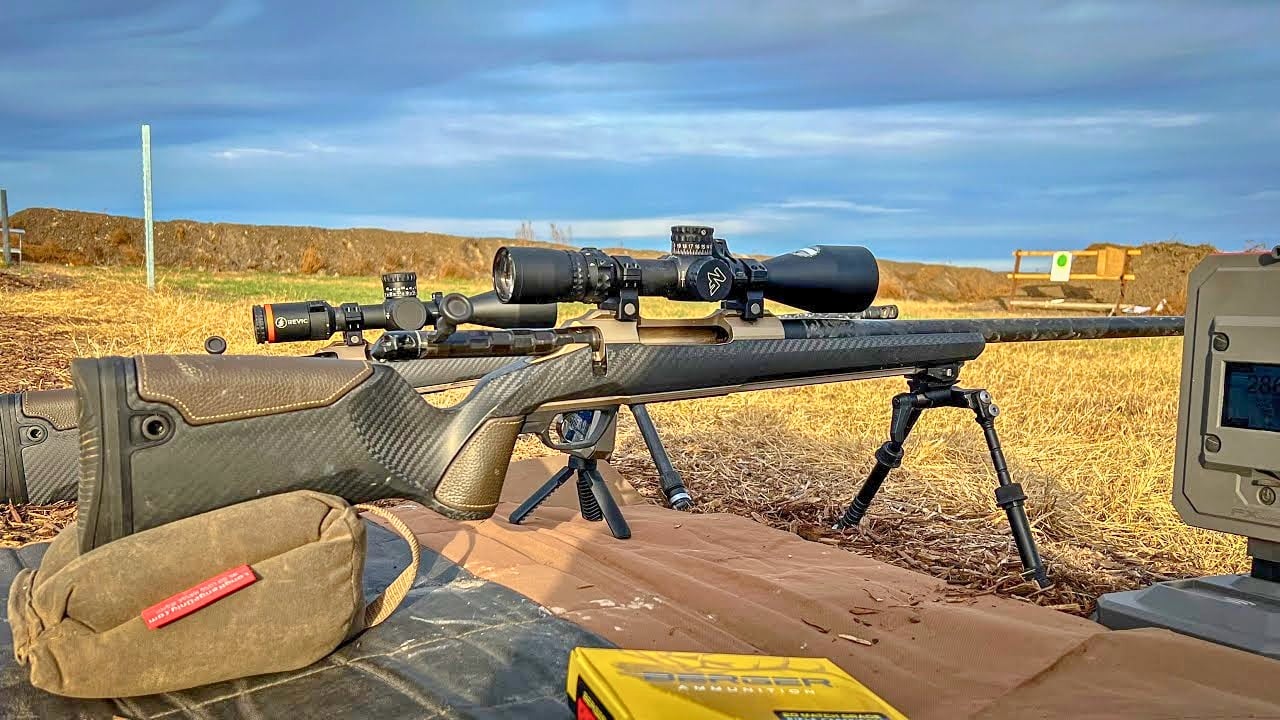
The Nexus is a highly refined rifle system with modular features, premium components, and the kind of engineering aimed at serious long-range hunting. It is undeniably advanced and beautifully executed.
It is also priced at a level where value becomes almost impossible to defend in conventional terms. You are paying for a complete system, brand reputation, modularity, and a high degree of refinement. A competent shooter with a much cheaper rifle can still make the same ethical hunting shots under normal conditions. The Nexus is a luxury tool for someone who wants the full package, not a rifle that gives proportionate performance for every dollar spent.
Proof Research Elevation

The Elevation combines a carbon-fiber barrel, lightweight stock, and premium action in a hunting rifle designed to deliver excellent accuracy without excessive weight. It is a very polished package.
The problem is that once again, the premium largely revolves around carbon fiber and weight reduction. If you do not need the rifle to be exceptionally light, much of the advantage disappears. There are conventional steel-barreled rifles that shoot just as well for significantly less money. The Elevation is an excellent rifle for the right buyer, but as a general hunting rifle, the value equation is difficult to defend.
Cooper Model 92 Backcountry

Cooper rifles have long been associated with excellent accuracy, attractive stocks, and a semi-custom feel. The Model 92 Backcountry adds lightweight materials to that formula for hunters who want premium craftsmanship without carrying excessive weight.
The problem is that the price pushes it into territory where almost every component has to justify itself. The rifle is beautiful and accurate, but modern production rifles have narrowed the performance gap dramatically. A cheaper rifle may not have the same craftsmanship or prestige, but it can still shoot just as well for practical hunting. If you value the craftsmanship, the price makes sense. If you only care about results, it is harder to defend.
Barrett Fieldcraft

The Fieldcraft developed a strong following because of its light weight, excellent balance, and reputation for accuracy. It was exactly the kind of rifle mountain hunters appreciated.
Used prices can become difficult to justify, though, because scarcity has pushed some examples well beyond what the rifle originally represented. At a certain point, you are paying for discontinued status and collector demand rather than pure hunting performance. The Fieldcraft is excellent, but once prices climb too far, current lightweight rifles can deliver similar results for less. Scarcity can make a good rifle feel overpriced very quickly.
Q The Fix
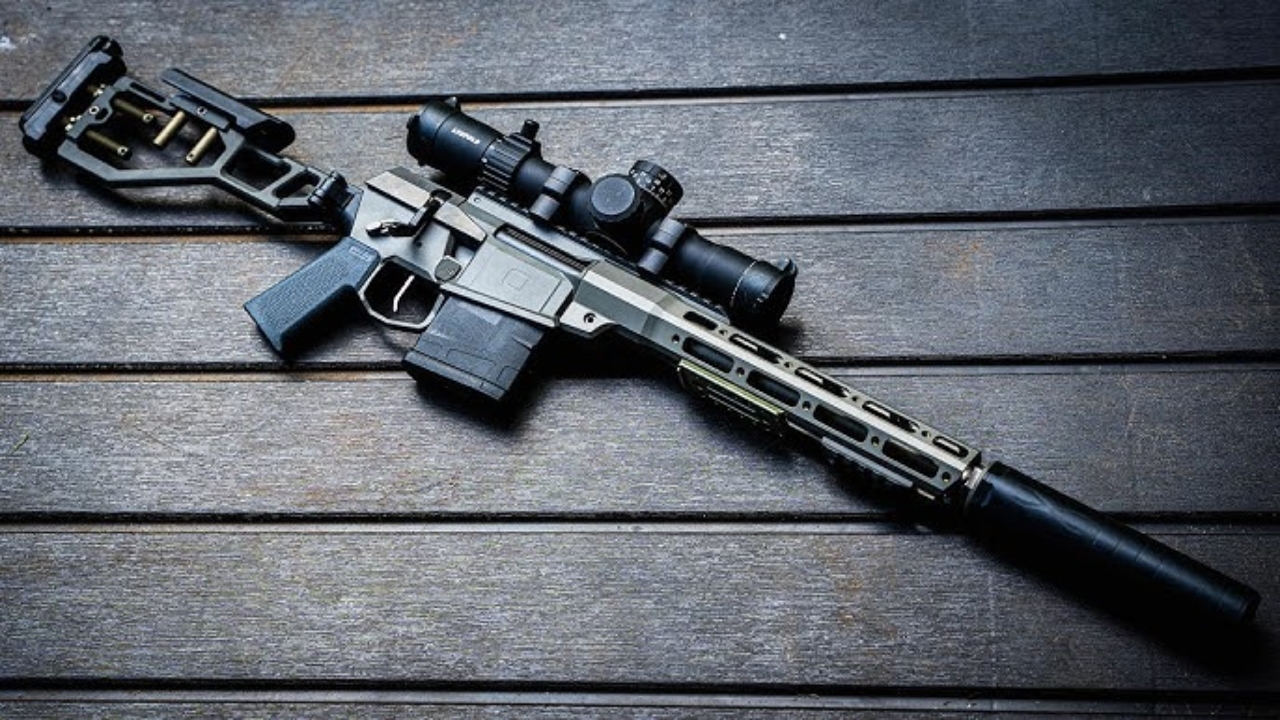
The Fix is one of the most distinctive modern bolt-action rifles on the market. It is compact, light, modular, and designed around a folding stock and unconventional action system that makes it feel very different from a normal bolt gun.
That uniqueness is also what you are paying for. The rifle can cost dramatically more than conventional bolt actions that are equally accurate and sometimes more practical for hunting or precision use. If you specifically value the compact folding format, the price may be acceptable. If you simply want an accurate bolt rifle, much cheaper options can do the same basic job without the premium attached to the design.
Desert Tech SRS A2
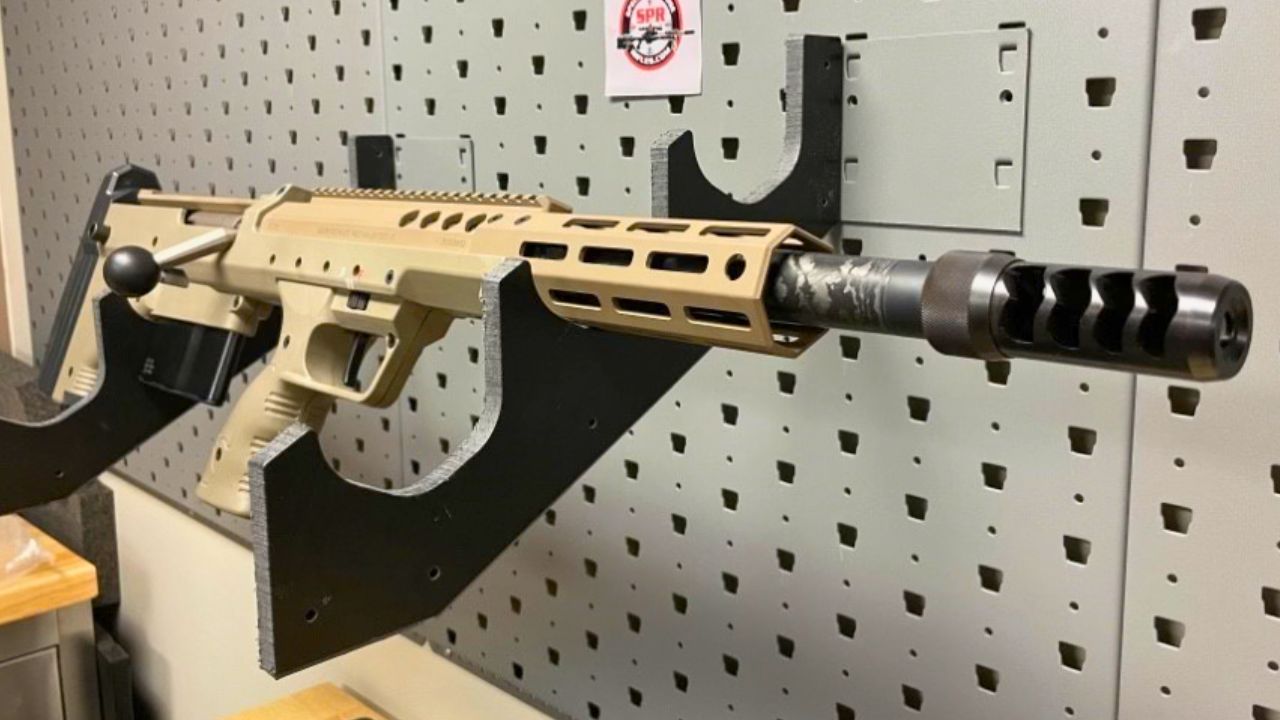
The SRS A2 offers a bullpup layout, switch-barrel capability, and a compact overall length despite using full-length barrels. It is mechanically clever and extremely capable in the right hands.
The downside is price and complexity. Most shooters do not actually need to swap calibers regularly, and the bullpup layout requires adjustment if you are used to conventional bolt rifles. A traditional precision rifle can be cheaper, easier to support, and just as accurate. The SRS A2 makes sense for someone who values compactness and modularity specifically. Otherwise, you are paying a large premium for features you may rarely use.
Mauser M18 Feldjagd
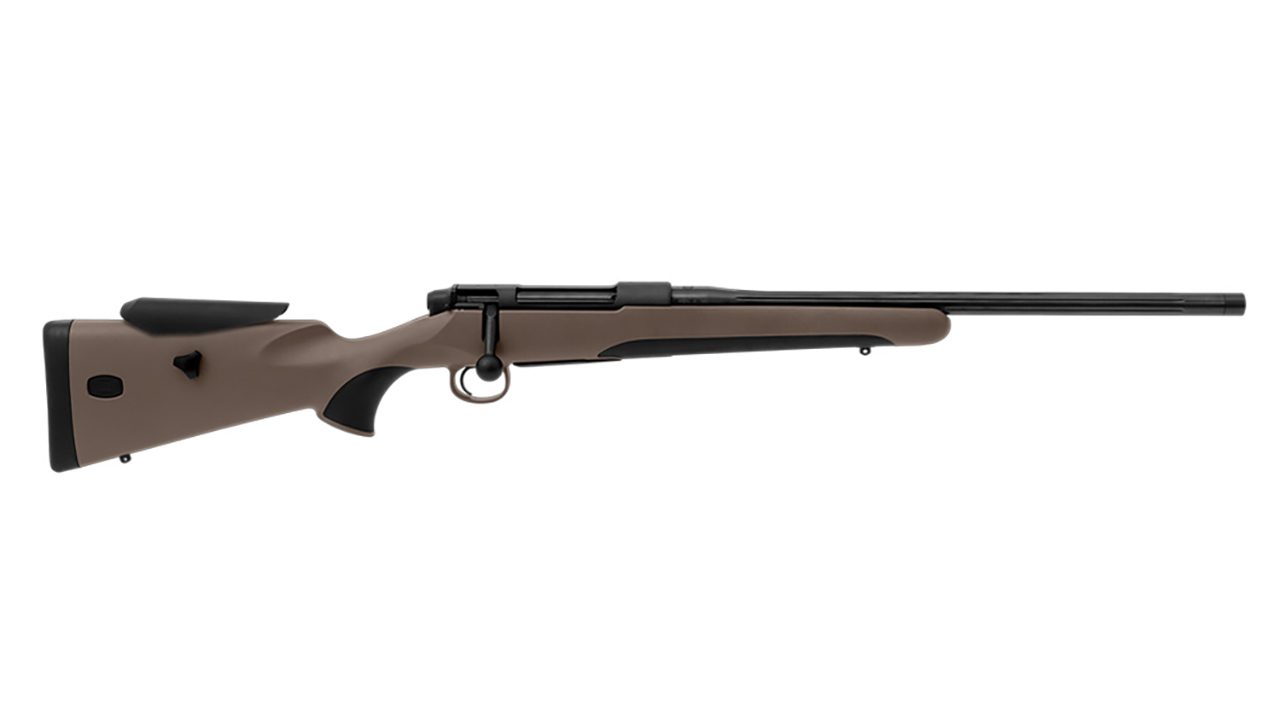
The M18 family started with a reputation for offering strong value, but higher-end specialty variants can push the price much closer to premium territory. Once that happens, the basic appeal of the M18 begins to change.
The action is good, the rifles are generally accurate, and the platform is dependable. The question is whether upgraded stocks, finishes, and special configurations justify prices that put the rifle near more refined competitors. The standard M18 makes a lot of sense because it delivers solid performance for reasonable money. Expensive versions are harder to defend because they lose the very value advantage that made the platform attractive.
Christensen Arms Ridgeline FFT

The Ridgeline FFT is another rifle built around low weight and carbon-fiber technology. It is light, modern, and designed to appeal to serious hunters who want a premium rifle without carrying a heavy barrel and stock.
The difficulty is that weight savings come at a steep price. For many deer hunters, the difference between carrying a six-pound rifle and a seven-pound rifle is not remotely worth the extra cost. The Ridgeline FFT is capable and attractive, but the money is largely buying carbon-fiber construction and ounces saved. Unless those ounces truly matter to your hunting style, cheaper rifles make a much stronger value argument.
Accuracy International AXSR
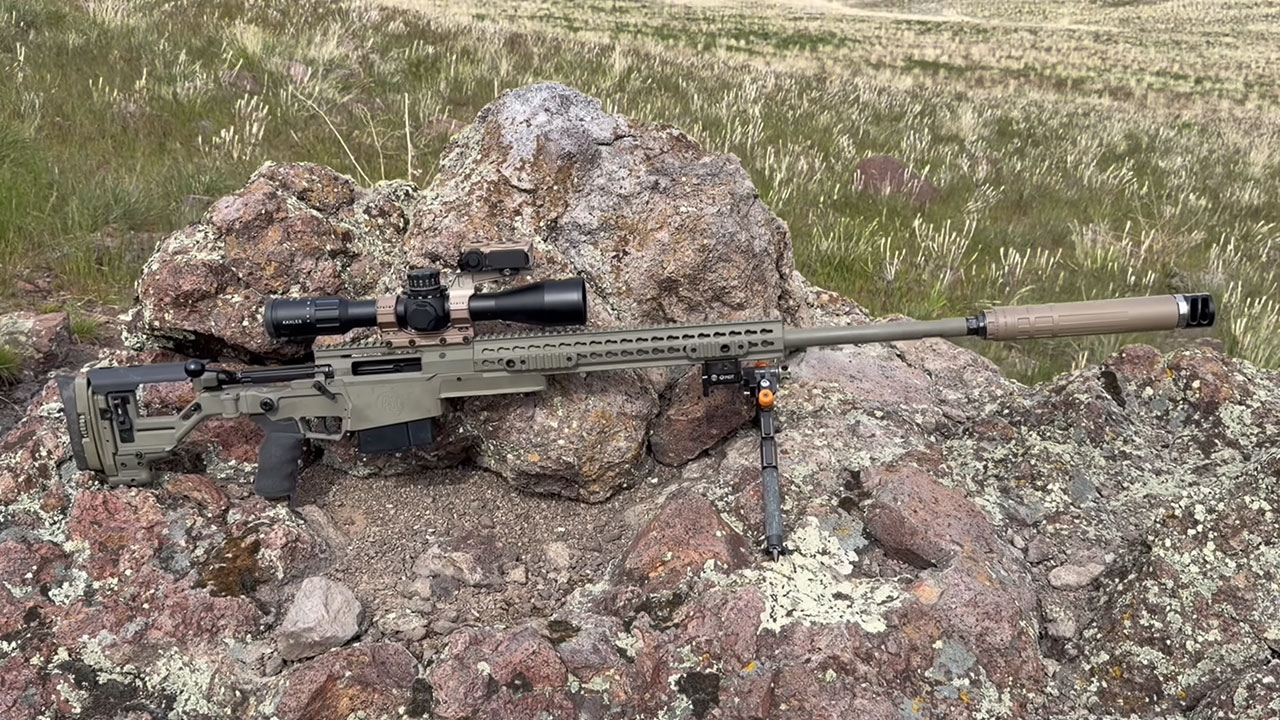
The AXSR is an outstanding precision rifle by almost any technical measure. It is rugged, modular, built for hard use, and capable of serious long-range performance. There is nothing cheap or flimsy about it.
The problem is that the price is so high that almost no civilian shooter can justify it on performance alone. Much of what you are paying for is military-grade durability, modularity, and the ability to operate in conditions most recreational shooters will never encounter. A much cheaper precision rifle can deliver the same practical accuracy on a normal range. The AXSR is incredible equipment, but “incredible” does not automatically mean good value. For most buyers, the capability far exceeds what they will ever actually use.
Like The Avid Outdoorsman’s content? Subscribe to our newsletter so you never miss an article.
Here’s more from us: