Photo credit: THEZOMBIEBUNKER/Youtube
Auction previews are a special kind of torture if you like handguns. You’re standing there with a flashlight and a little card in your pocket that says what you told yourself you’d spend, and every other table has something you “used to see everywhere” that now costs real money.
I’ve been to enough gun auctions to know the smartest play is usually to buy boring and leave early. But I’ve also walked out feeling pretty good about my discipline… until I checked current prices a few years later. Some of these were “too high” at the time. Some looked rough. A few just didn’t fit the plan. Today, I’d gladly pay more for them, because I finally understand what they are: useful pistols that don’t get cheaper, don’t get easier to find, and don’t get replaced by the latest micro-compact hype.
1. Colt Python (blued, 4-inch)
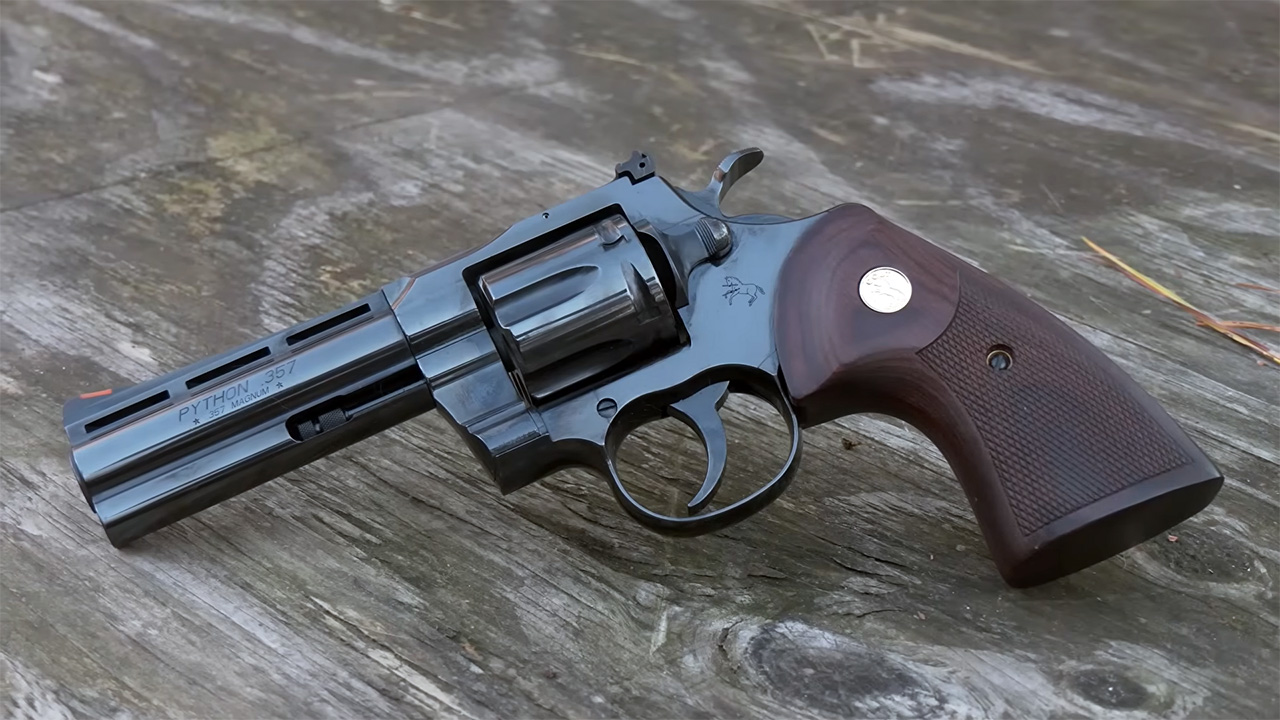
I handled a nice older blued Python at a small auction where the lighting made every scratch look like a canyon. The lockup felt tight, and the double-action pull had that smooth “rolling” feel everybody talks about. I still passed because I convinced myself it was collector money for a range toy.
Turns out, a Python isn’t just a safe queen if you actually shoot it a little and take care of it. The fit and finish on the older ones is hard to explain until you’ve run the cylinder and watched it click into place like it means it. Today, even a “shooter grade” Python brings more than what I thought was crazy then. That one hurts.
2. Colt Detective Special (2-inch, older production)
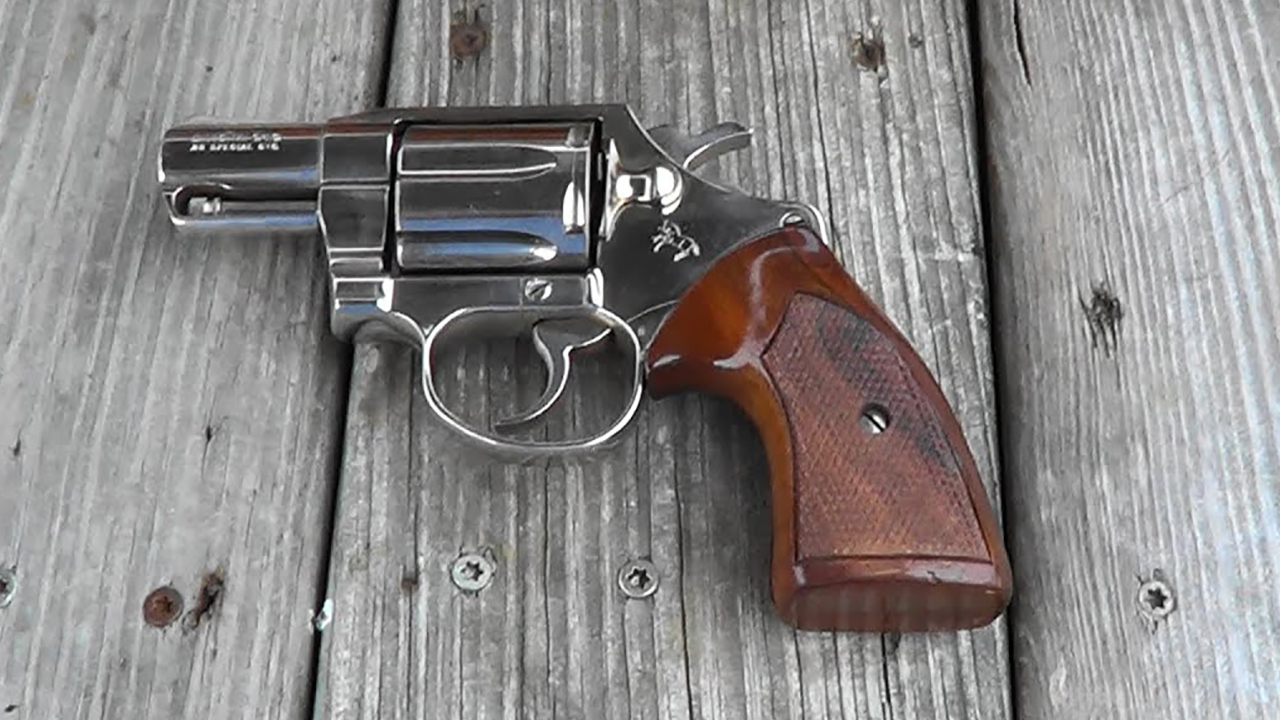
This was one of those snub-nose revolvers sitting in a tray with three other little wheelguns, and it didn’t scream for attention. It did, however, point like your finger, and the timing sounded right when you eased the cylinder around. I passed because I already had a small revolver and didn’t “need” another.
The Detective Special has a feel that modern lightweight snubs don’t replicate. The extra weight makes it shootable, and the older Colts have a charm that doesn’t come out in photos. Now, the price gap between “I’ll grab it if it’s cheap” and “I should’ve bought it” is wide.
3. Smith & Wesson Model 19 (4-inch, pinned and recessed)
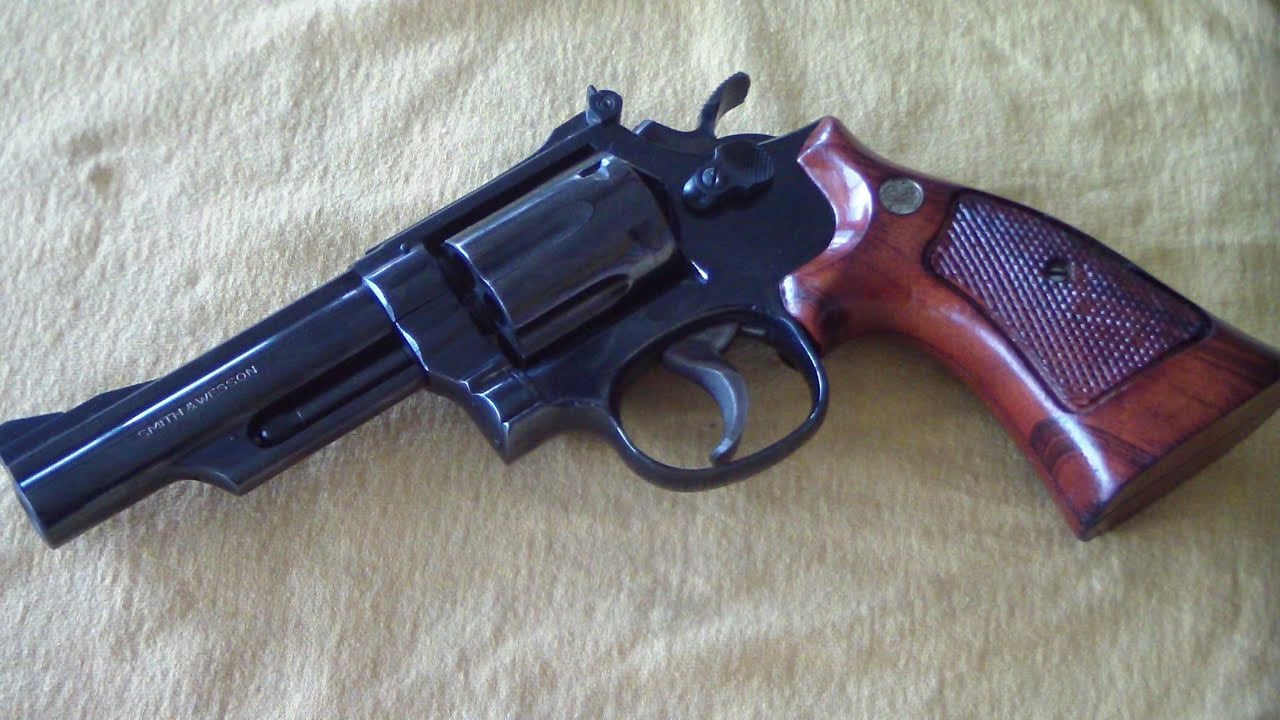
I remember the tag: a fair price, not a steal. The bluing was worn on the muzzle, and the grips were slick from years of carry. I told myself I’d hold out for a cleaner one.
Good luck with that. A solid Model 19 is one of the best all-around revolvers ever built for a person who actually carries and shoots. It rides well, balances well, and doesn’t feel like a boat anchor. The clean ones have become “collector clean,” and the honest holster-wear guns are the ones I should’ve grabbed.
4. Smith & Wesson Model 10 (heavy barrel, police trade-in)
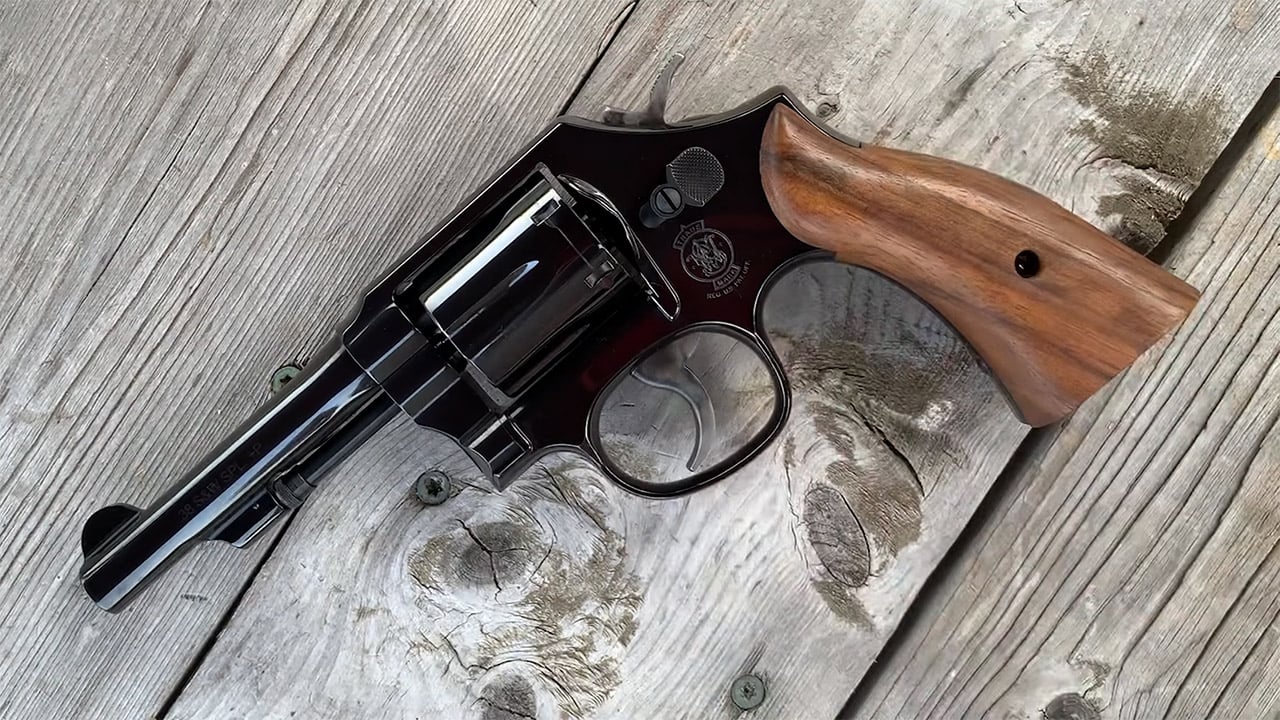
There were three of these lined up, all with the same story: agency trade-ins, scuffed, but mechanically sound. I passed because they were “just .38s” and I figured they’d always be around.
The Model 10 is boring in the best way. It’s a revolver you can teach with, keep by the bed, or toss in the truck when you’re checking fence lines. They’re not rare, but the prices have climbed, and the clean, tight ones don’t sit on tables long anymore.
5. Ruger Security-Six (stainless, 4-inch)
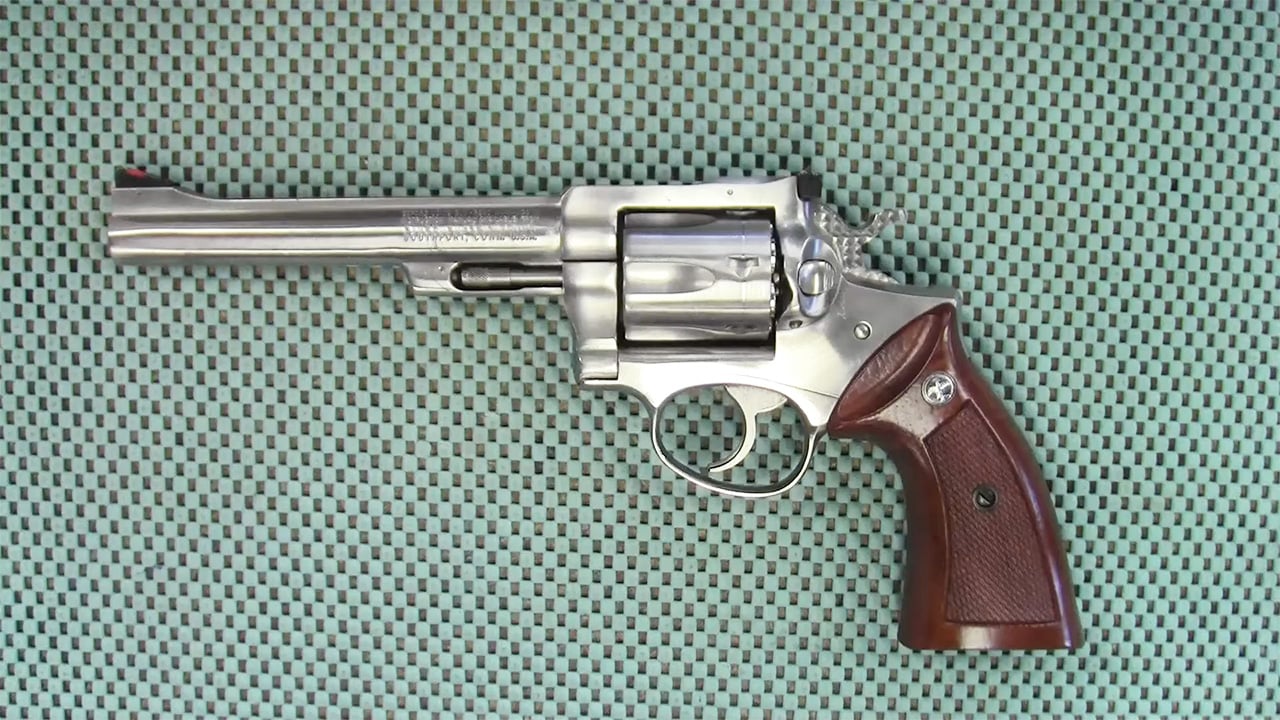
This one had that classic Ruger look—no-nonsense, a little blocky, built to last. I dry-fired it a couple times (with permission), and the trigger was better than I expected. I passed because I thought newer GP100s were the smarter buy.
The Security-Six has become one of those “why did I hesitate?” revolvers. It’s lighter than a GP100, tough as nails, and fits the hand well. Try finding one that hasn’t been abused, with original parts and decent grips, for what they brought at auctions years ago. Not happening.
6. Browning Hi-Power (FN production)
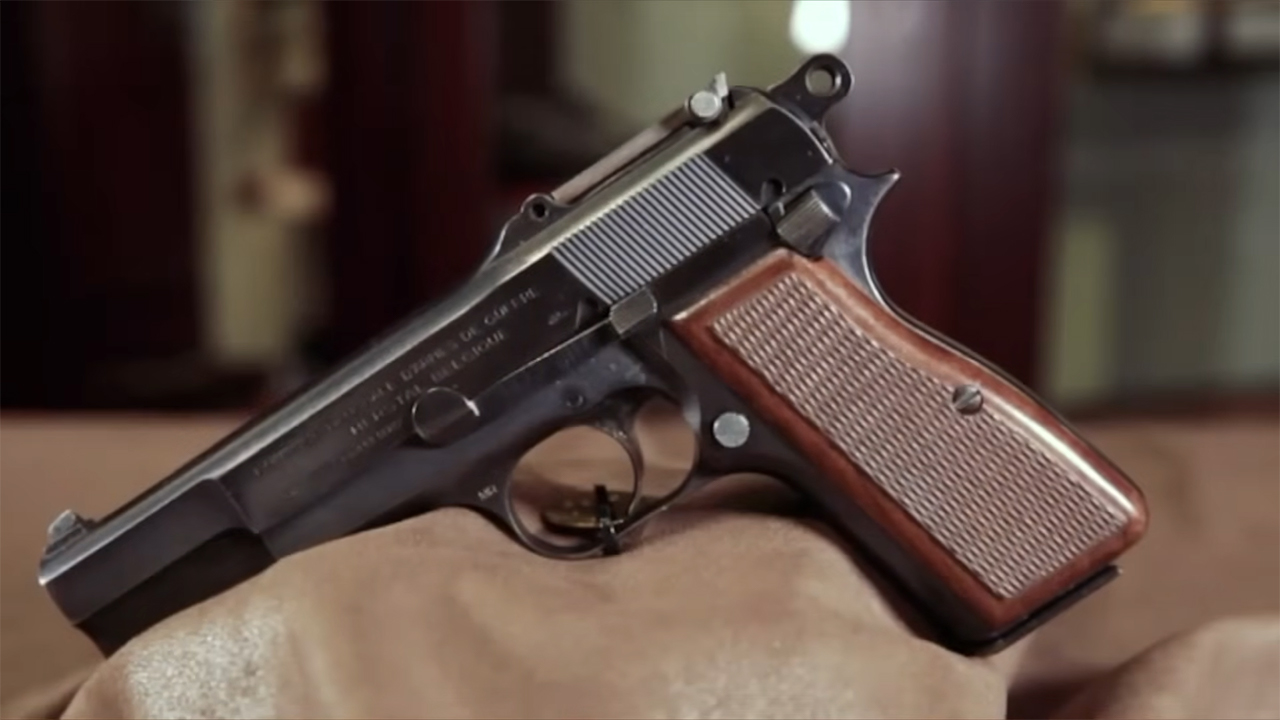
I saw a Hi-Power that had obviously been carried, but not neglected. The safety clicked positively, the slide-to-frame fit felt right, and the pistol just sat low in the hand. I passed because I was on a polymer kick and didn’t want to chase magazines.
Now, I’d buy it first and figure out the rest later. The Hi-Power is slim, it carries flatter than it looks, and it has that “points where you look” thing that’s real. Original FN guns have gotten expensive, and the decent examples don’t hang around.
7. Heckler & Koch P7 PSP

I picked up a P7 once and immediately understood why the guys who love them won’t shut up about them. It’s compact, accurate, and built like a precision tool. I passed because I didn’t like the squeeze-cocker concept on the spot and figured it would always be a niche gun.
That niche turned into a cult following, and the prices followed. The P7 isn’t for everyone, and it does get warm when you run it hard, but it’s one of the most shootable compact pistols ever made. You don’t trip over them at auctions anymore.
8. SIG Sauer P225 (West German)
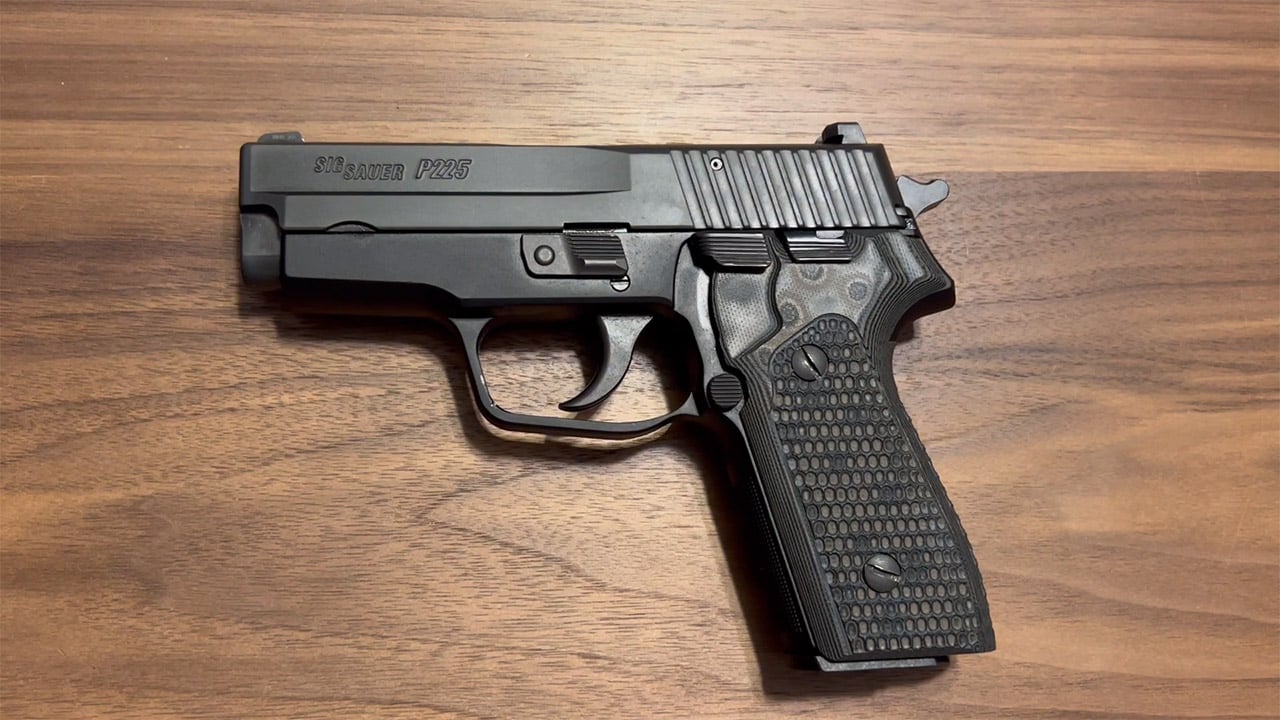
This was the “plain SIG” on a table full of flashier stuff. Single-stack 9mm, slim grip, and that classic SIG feel when you rack the slide. I passed because I wanted a higher-capacity gun and didn’t see the point.
The point is that it carries like a dream and shoots like a bigger pistol. The older West German examples have a level of fit that’s hard to replace without spending a lot more. Today, the P225 is the kind of handgun you buy after you’ve carried a few bricks and learned your lesson.
9. SIG Sauer P228 (folded slide)

I talked myself out of this one because it was “used hard” and I assumed I could just grab a newer P229 anytime. The P228 felt lively in the hand, and the balance was better than its weight suggests.
The older P228s have become their own thing. The folded slide guns are sought after, and the pricing reflects it. Also, magazines are easy, parts are out there, and it’s still one of the best do-it-all 9mms for a person who values reliability over trends.
10. Beretta 92FS (Italian-made, older rollmarks)
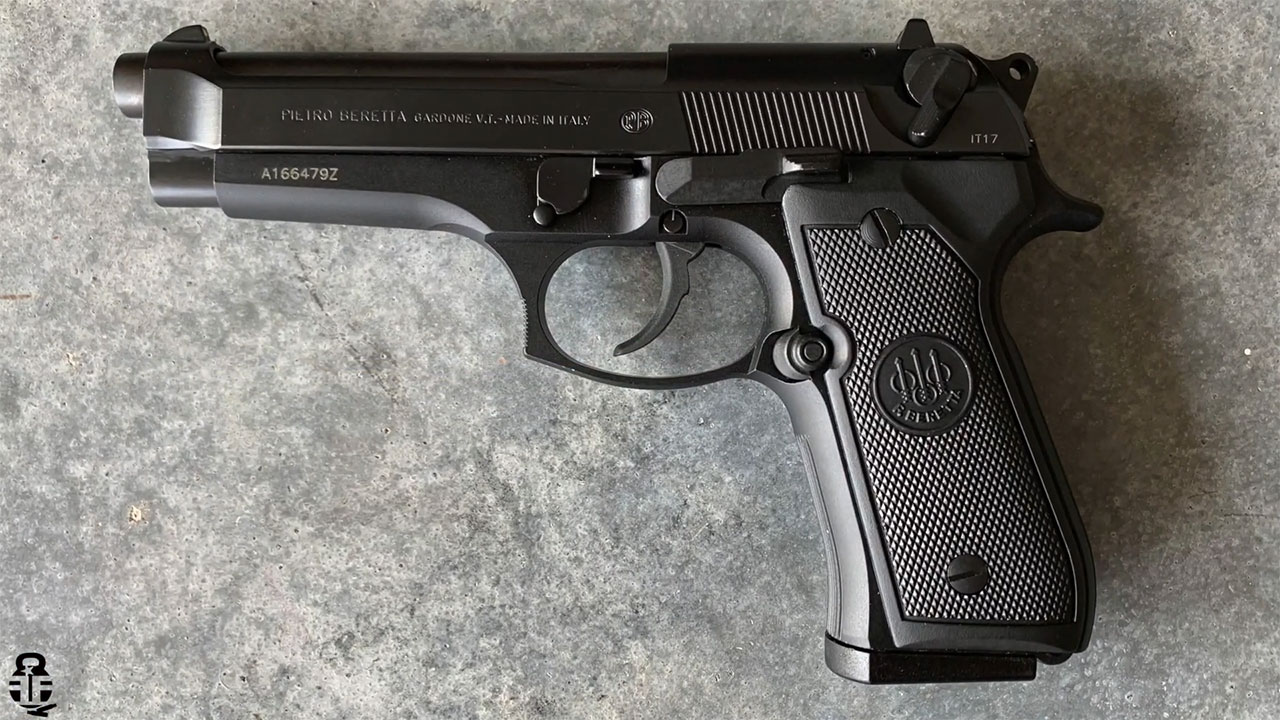
There was a clean 92FS with honest wear on the controls, and it looked like it had lived in a duty holster. I passed because the grip felt big and I was chasing compact carry guns at the time.
Here’s what I learned: a Beretta 92 that’s been maintained will just run. It’s soft shooting, accurate, and forgiving for new shooters. The older ones with nicer machining and smooth actions are getting pricier, and “big grip” matters less when it’s a house gun or range workhorse.
11. Walther PPK (German, .380)
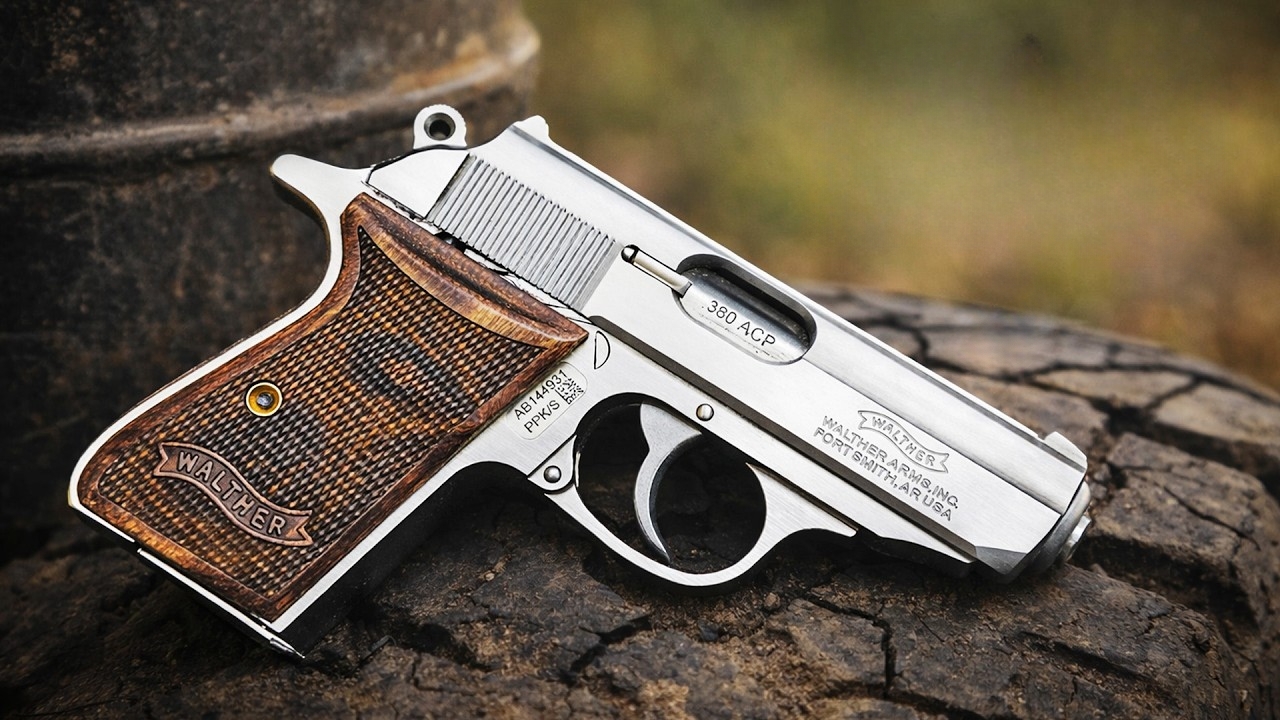
Yes, it’s a little snappy for its size. Yes, it can bite your hand if your grip is high and you’re not paying attention. I still should’ve bought the older German PPK I handled because it was clean, tight, and priced like it was just another .380.
These days, the nicer older PPKs bring real money, and the fit and polish on the classics is hard to fake. It’s not my first recommendation for a defensive pistol, but as a carry-now-and-then gun or a “keep forever” piece, it holds its place.
12. CZ 75B (pre-owned, all-steel)

I remember thinking it felt like a “poor man’s SIG,” which is a lazy take, but I was younger and dumber. The action was smooth, the grip fit like it was molded, and the bore looked great. I passed because it didn’t have the brand hype I was chasing at the time.
A steel CZ 75 is one of the best values in handguns when you can find them at sane prices. They shoot flat, they hold up, and they’re easy to live with. The used market caught up, and the days of cheap CZs at local auctions are mostly gone.
13. CZ 82 (Czechoslovakian, 9×18 Mak)

This was sitting in a box of surplus pistols with tags that made you want to buy two. I passed because 9×18 Makarov wasn’t something I stocked, and I didn’t feel like adding another caliber.
That decision looks silly now. The CZ 82 is accurate, comfortable, and built like it was meant to survive rough handling. Ammo availability comes and goes, but the guns themselves have climbed, and the nice ones with good bores aren’t the bargain they used to be.
14. Makarov PM (Bulgarian import)
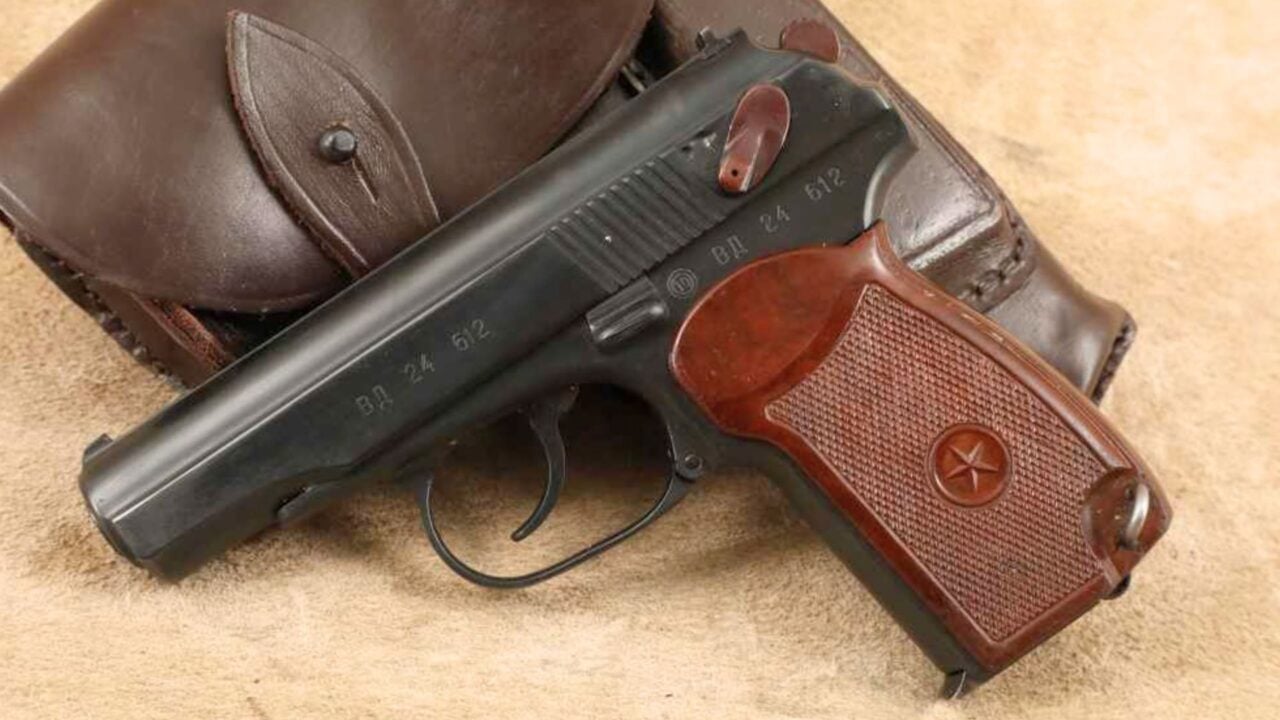
The Makarov is not fancy. It’s blunt, simple, and it feels like it could be used to pound tent stakes in a pinch. I passed on a clean Bulgarian example because I thought they were everywhere.
They were. Now they aren’t. A good Makarov is dead reliable with decent ammo, easy to maintain, and surprisingly accurate. Prices have moved up enough that “I’ll grab one later” turned into “why didn’t I buy it when it was cheap?”
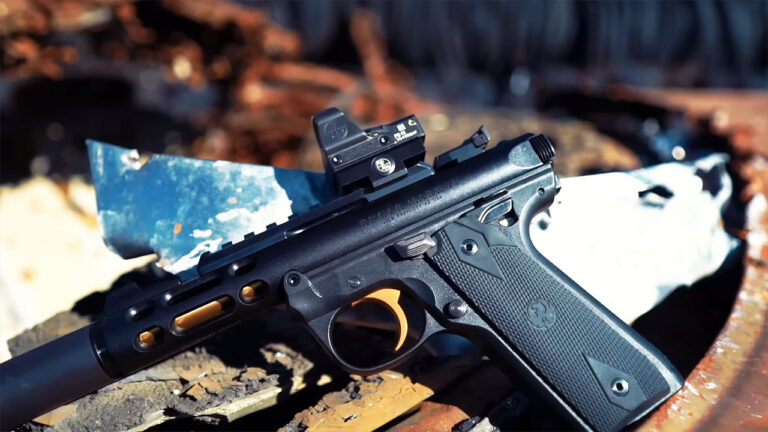
15. Ruger Mark II (standard bull barrel)

I saw a Mark II that looked like it had lived in a tackle box. Finish wear, a couple dings, but the action was smooth and it locked up right. I passed because I already owned a .22 pistol and didn’t want another.
A rugged .22 handgun is one of the most useful tools you can own outdoors. Trapline, camp, pests around the barn, cheap practice—there’s always a reason. The older Ruger .22s have gotten more expensive, and the Mark II has a reputation for running forever once you learn its quirks.
16. Smith & Wesson Model 41
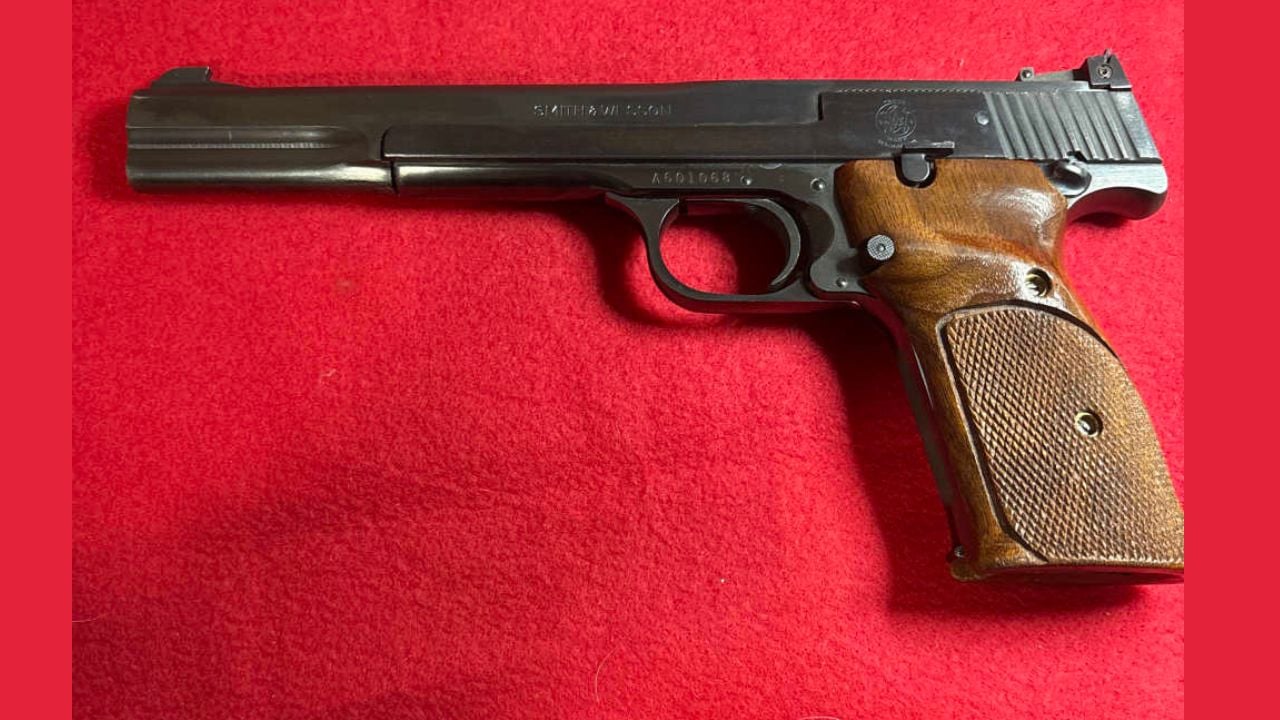
This was the “target pistol” I told myself I didn’t need because I’m not a bullseye guy. The trigger was excellent, and it felt like it wanted to put every shot where you meant it. I passed because the price seemed high for a .22.
Now, that same price sounds like a bargain. A Model 41 is a lifetime gun if you take care of it, and it makes you a better handgun shooter because it doesn’t hide your mistakes. They don’t get cheaper, and good ones don’t sit around waiting for you to decide.
17. Glock 19 Gen 2
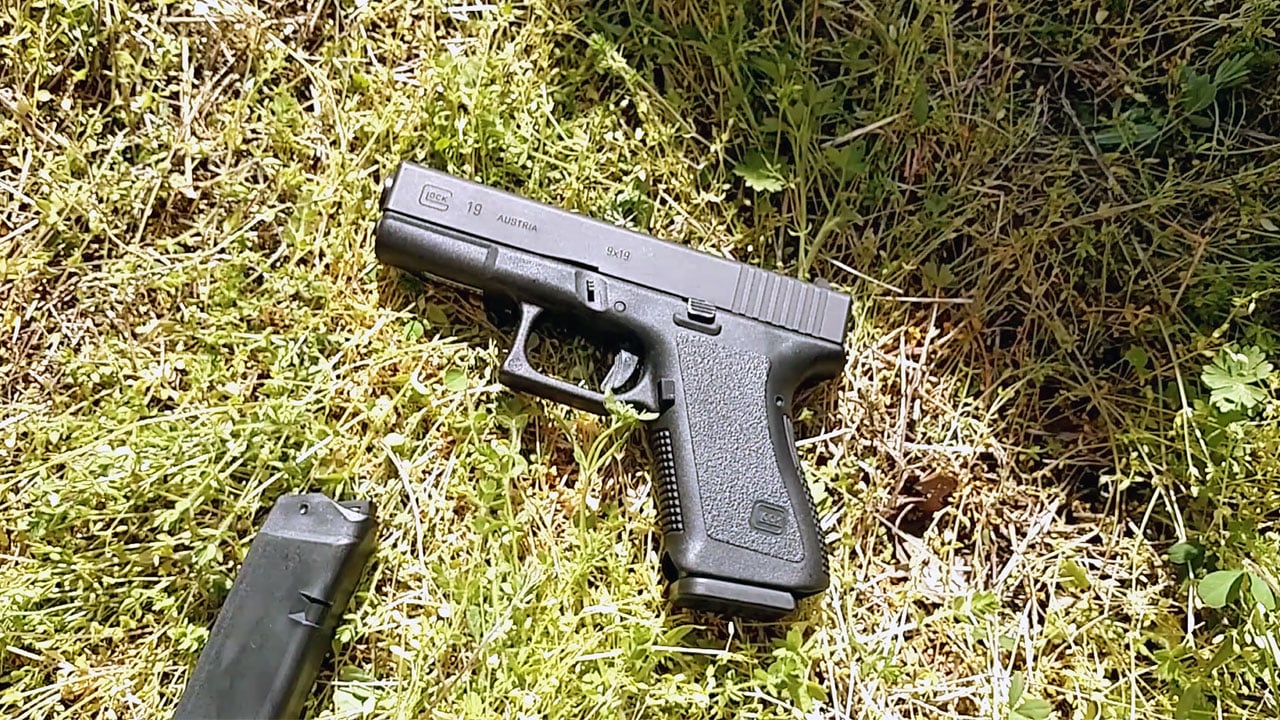
There was a Gen 2 Glock 19 with that slick grip and the older vibe that only Glock people care about. I passed because it was “just a Glock” and I already owned a newer one with more features.
Here’s the thing: the older Glocks have become collectible in a practical way. They’re simple, they work, magazines are everywhere, and the Gen 2 guns have their own following. I’m not saying you need one, but the cheap used Gen 2 days are pretty much done.
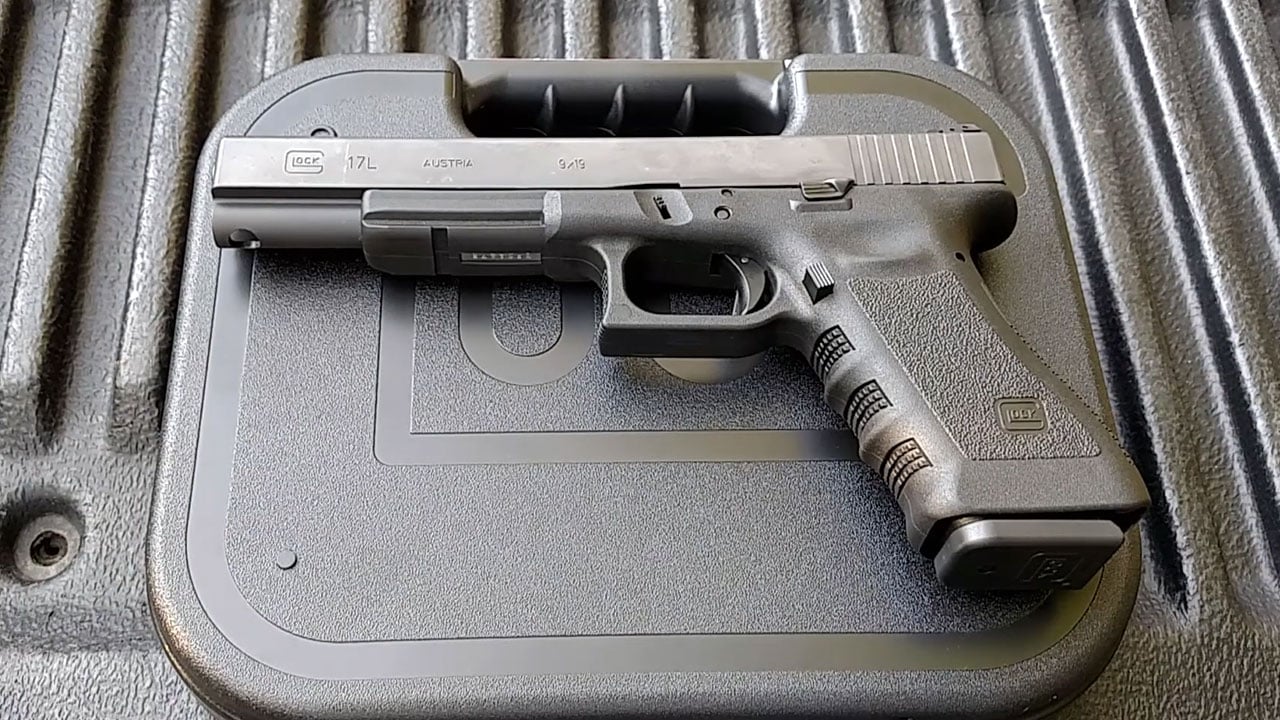
18. Glock 17L
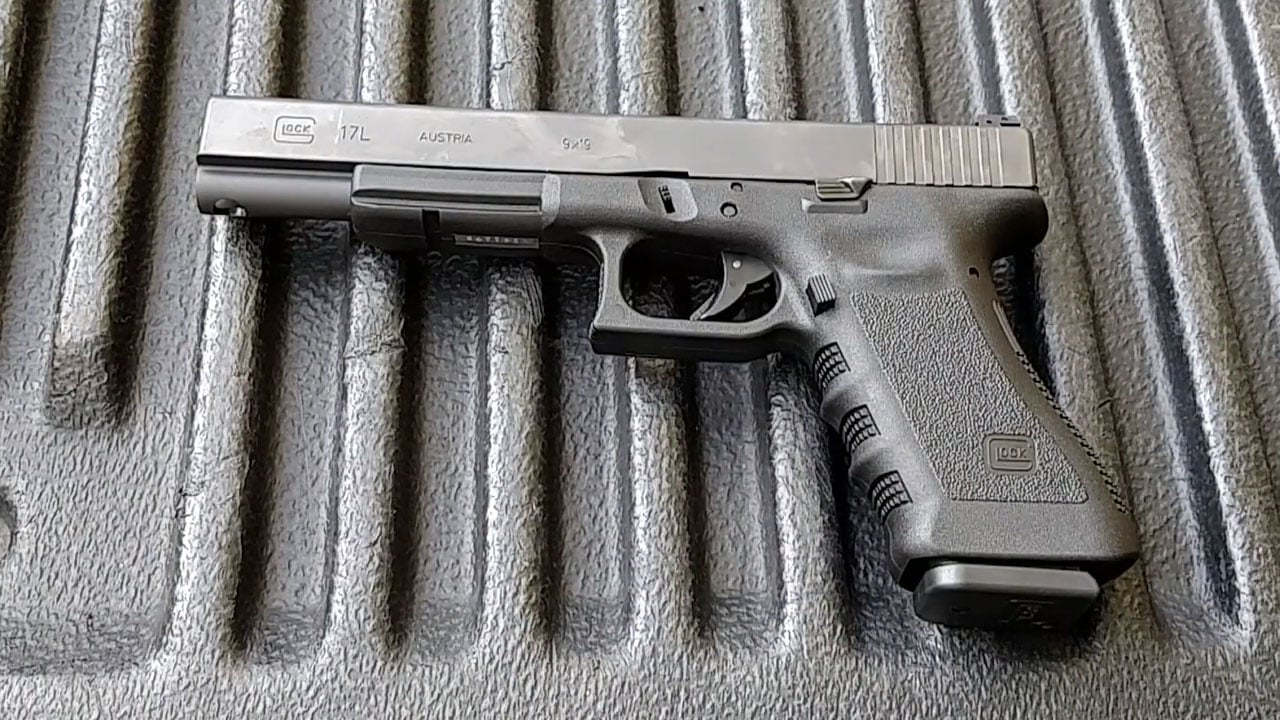
I laughed at this one when I first saw it. Long slide, long sight radius, and it looked like a Glock that got stretched in a funhouse mirror. I passed because it felt too specialized for anything I actually do.
Then I watched what happened to prices and availability. The 17L is a soft shooter, ridiculously easy to hit with, and it’s one of those oddball models Glock doesn’t flood the market with. If you like range work, steel matches, or just owning something different that still runs like a hammer, it’s a keeper.
19. Kimber Custom Classic (older production, internal extractor)
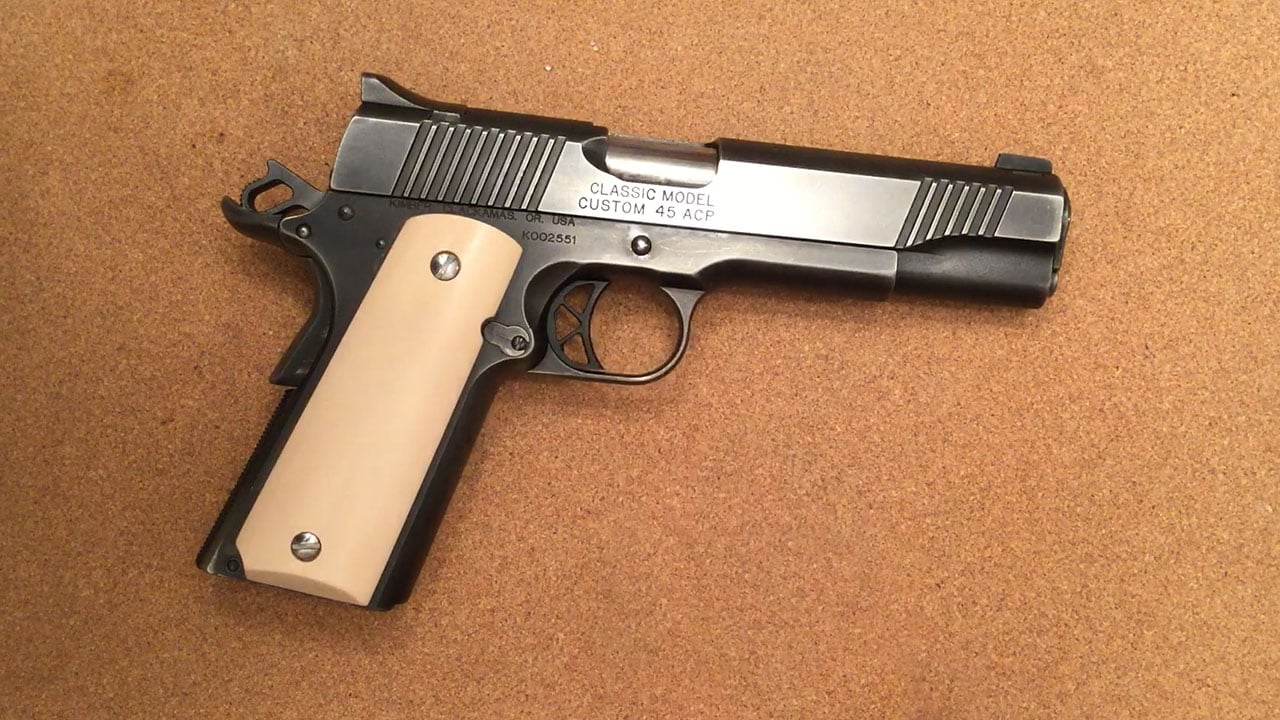
I’m not here to tell you every Kimber is perfect. I’ve seen some that were finicky. The one I passed on was an older Custom Classic that felt tight without feeling gritty, and it had been cared for. I skipped it because I didn’t want to gamble on a used 1911.
What I didn’t factor in was how much clean, older 1911s have climbed, especially ones that haven’t been “home gunsmithed.” A solid 1911 is still a joy to shoot, and when you find one that runs with good magazines and ball ammo, you tend to hang onto it. I should’ve taken my own advice and inspected it like a grown-up instead of walking away.
20. Colt Series 70 Government Model
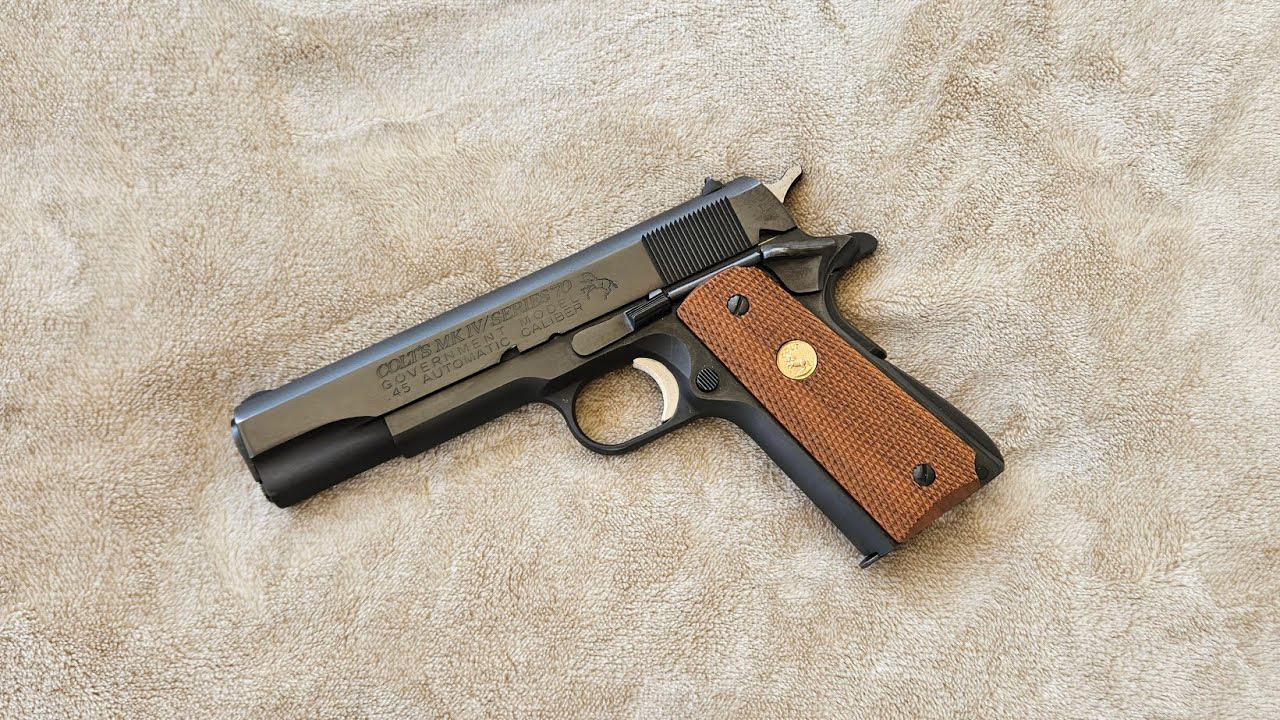
This was the one I circled back to twice during a preview. It wasn’t perfect—light scratches, a little edge wear—but it was a real Series 70 Government Model with that classic look and feel. I passed because I thought I could buy one anytime, and I wanted to “be responsible” that month.
I’m all for being responsible. I’m also for recognizing when a good, honest pistol is right in front of you at a fair price. Series 70 Colts have a way of disappearing into collections, and the ones that stay as shooters are cherished. If I saw that same pistol today, I’d bid harder and not talk myself out of it.
The lesson for me wasn’t “buy everything.” It was to stop pretending the market is going to swing back to how it used to be, and to start valuing the pistols that are genuinely useful and built well. If you’re standing at an auction table and the gun in your hand feels right, checks out mechanically, and fits something you actually do—carry, camp, range time, farm chores—don’t overthink yourself into regret. Just make sure you can afford it, store it safely, and then go shoot it.
Like The Avid Outdoorsman’s content? Subscribe to our newsletter so you never miss an article.
Here’s more from us: