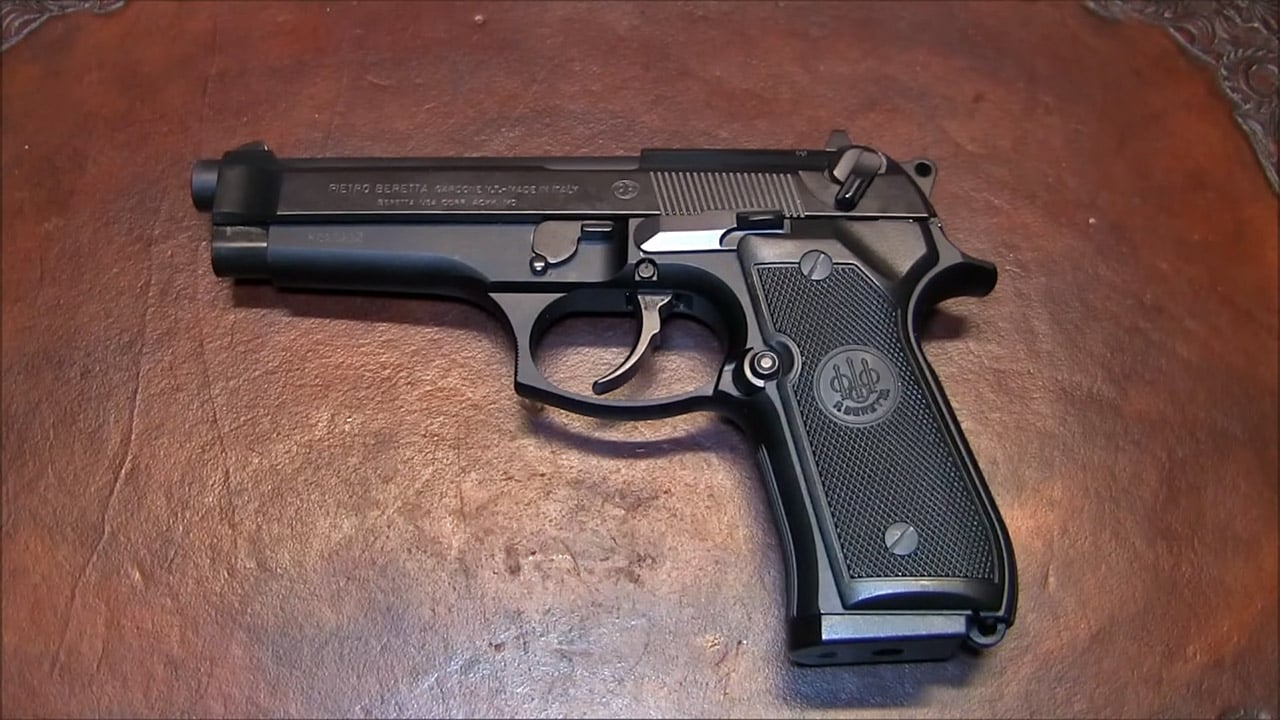
Photo credit: MosinVirus/Youtube
Every gun counter has its own little “inside market,” and if you hang around dealers long enough you start to notice patterns. Certain models come in on trade and the shop staff gets real quiet, real fast. Not because they’re rare museum pieces, but because they’re useful, hard to replace for the money, and they don’t stay cheap once word gets around.
This isn’t about getting cute with collector pricing or chasing internet hype. It’s about the rifles, shotguns, and handguns that keep doing the job, year after year, while the price tag hasn’t caught up yet. Some of these are plain. A few are ugly. A couple have quirks that make folks dump them. Still, if you find one in good shape and it fits your needs, you might want to grab it before the market “corrects” like it always does.
1. Ruger GP100 (4-inch stainless)

There are revolvers that look good in a picture and revolvers that feel right in the hand. The GP100 is the second one. It’s not dainty, and it’s not trying to impress anyone, but the lockup is solid and the gun just takes use.
I see them get traded because they’re “too heavy” or because someone got a wild hair for a lightweight carry revolver. Then winter hits, folks start shooting full-house .357 again, and they remember why the GP100 is such an easy gun to live with.
2. Smith & Wesson Model 10 (police trade-in)
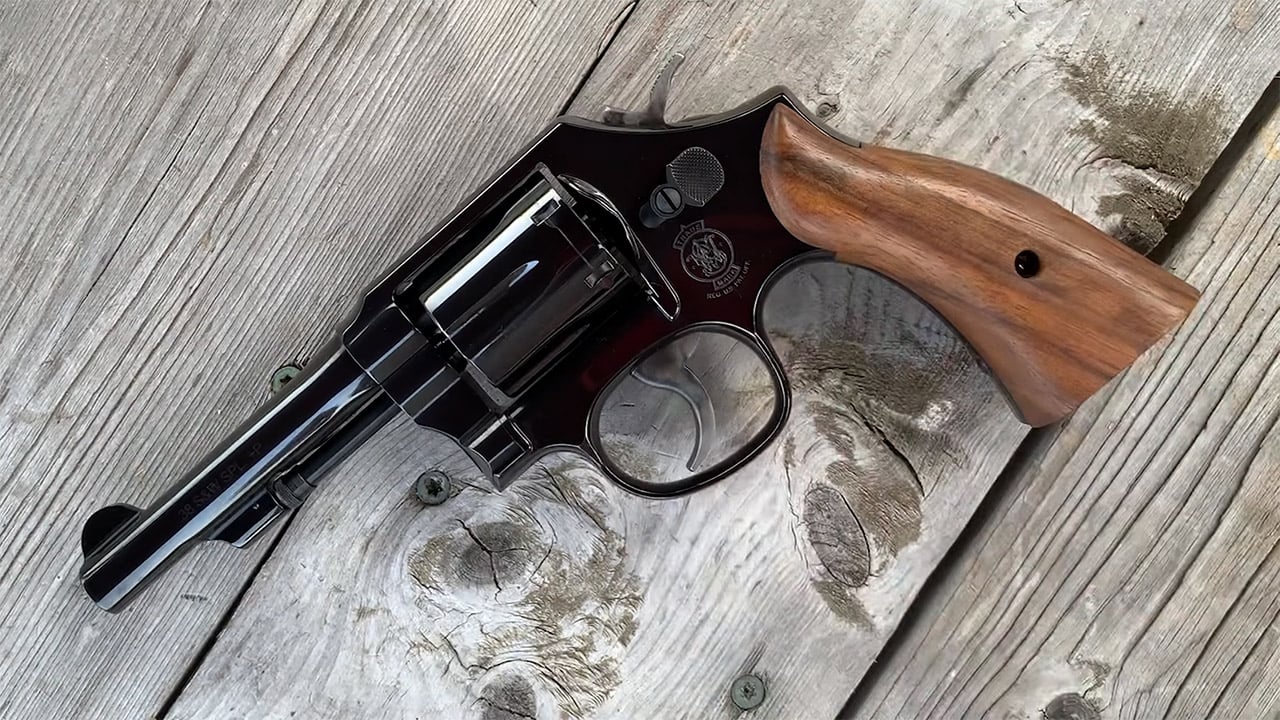
Old K-frames aren’t flashy, and that’s exactly why they end up underpriced. Most of the ones floating around have honest holster wear and a trigger that feels like it has had a few decades to figure itself out.
If you want a simple nightstand revolver or a woods-walk companion with standard-pressure .38s, these are hard to beat. The good ones don’t sit long once a dealer tags one with a fair price.
3. Ruger 10/22 Carbine (basic wood or synthetic)
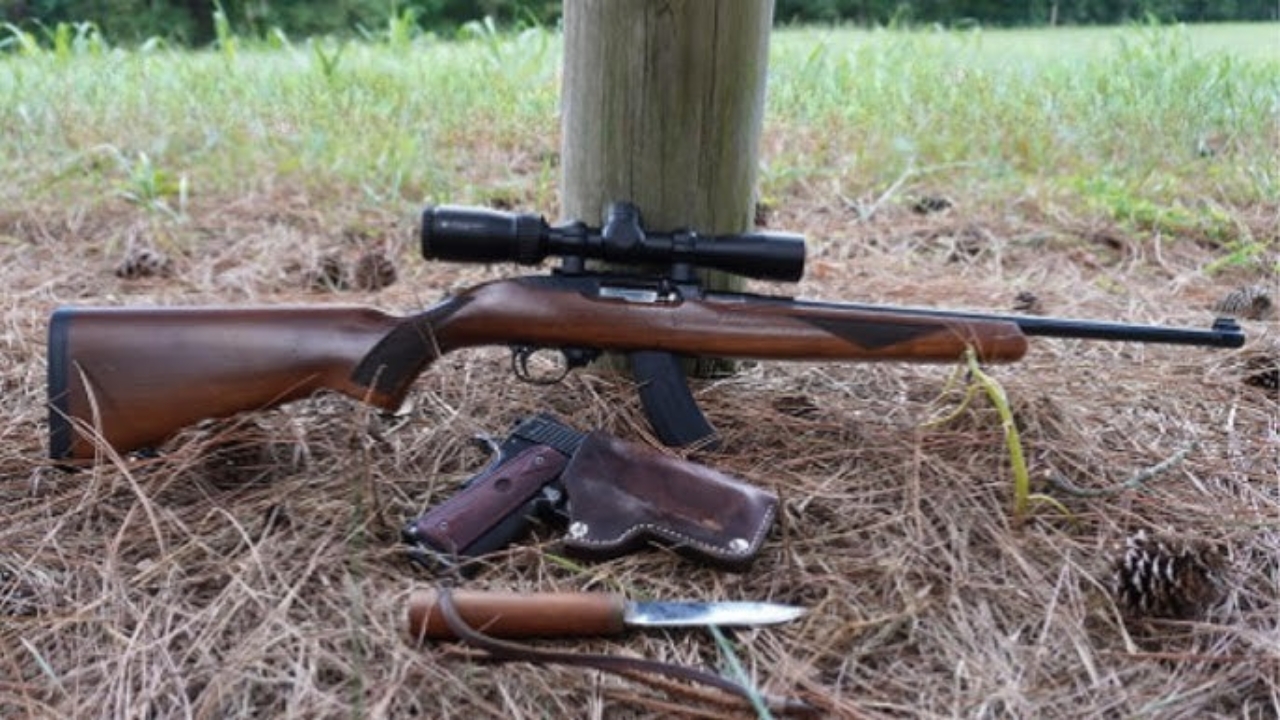
The 10/22 is the kind of rifle that gets taken for granted until you don’t have one. Everybody thinks they’ll just buy another one anytime. Then you go shopping and realize the “cheap little .22” isn’t as cheap as it used to be.
The basic carbines, especially clean used ones, are usually the best value. They’re handy, they teach new shooters right, and they’re still the rifle you end up grabbing for squirrels when you don’t want to overthink it.
4. Marlin Model 336 (JM-stamped, used)

Walk into a shop and mention “JM” and watch heads turn. The older 336 rifles have a smoothness to them that’s hard to explain until you’ve worked the lever on a good one. They point like a bird gun and carry like they were made for ridgelines.
These get underpriced when the wood has a few dings or the bluing isn’t perfect. I’ll take honest wear over a safe queen any day, especially in a rifle that’s going to ride in a scabbard and knock around in deer season.
5. Mossberg 590A1 (20-inch, heavy barrel)
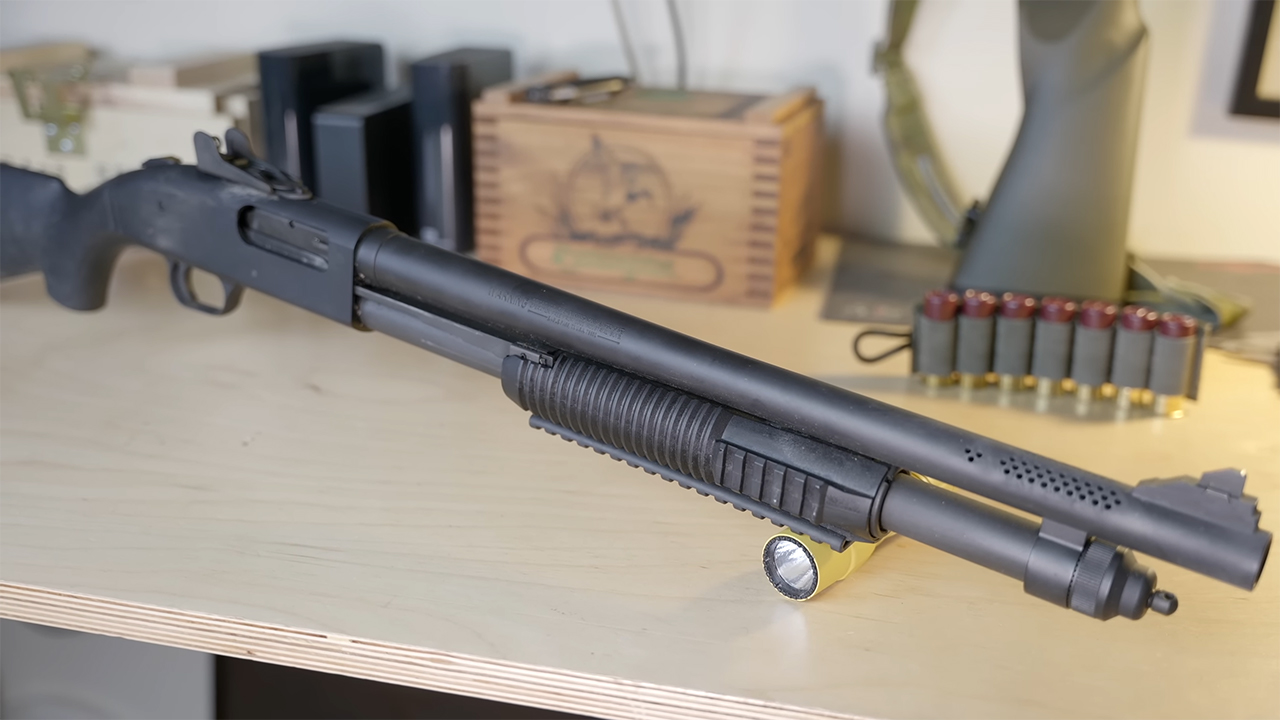
This is the pump gun that feels like it could be used as a boat anchor in a storm. It’s not the slickest, and it’s not the lightest, but it’s durable in a way that matters when a shotgun lives behind a truck seat or in a mudroom.
Sometimes they get priced too close to regular 500s because a lot of folks don’t know the difference. If you want a hard-use pump and you don’t care about pretty, the 590A1 is one of those “buy once” shotguns.
6. Beretta 92FS (used, with honest wear)
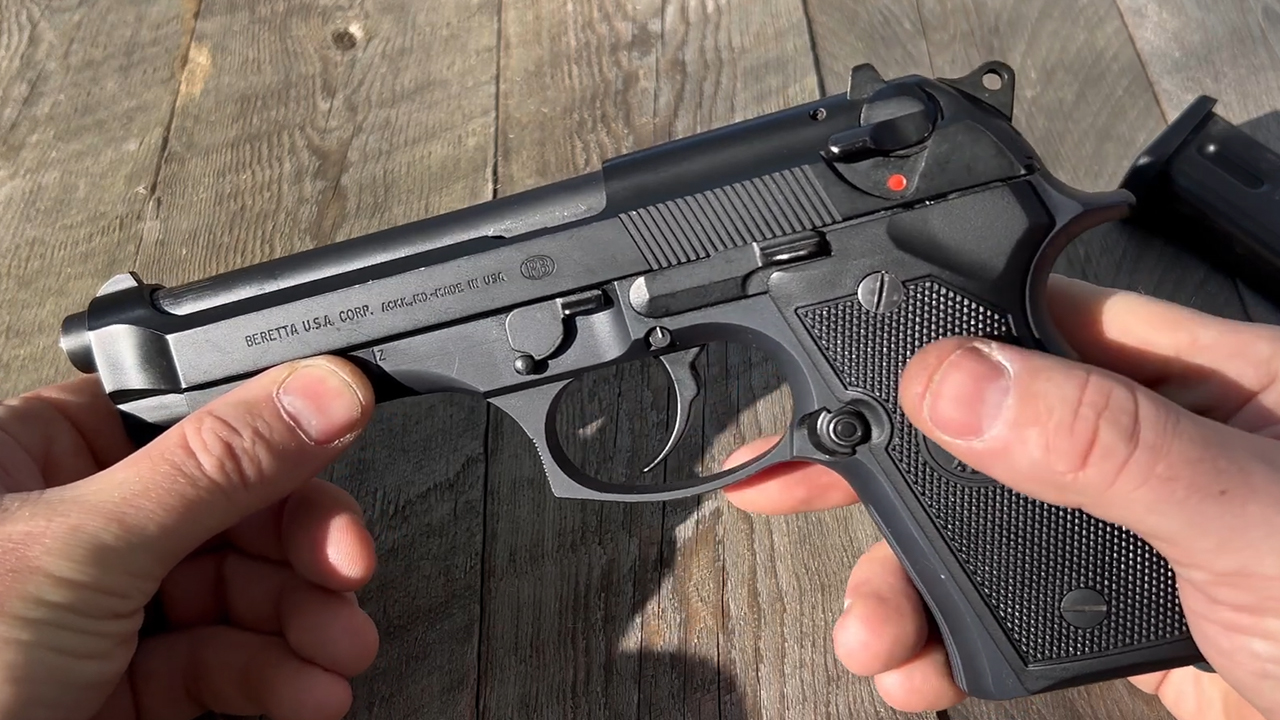
There’s a reason beat-up 92FS pistols keep running on rental ranges. The open-top slide and that classic Beretta feel aren’t for everyone, but the guns are generally reliable and easy to shoot well.
They drop in price when the finish is worn or the grips are scuffed. If the locking block and rails look healthy and it cycles smooth, you’re getting a whole lot of pistol for the money.
7. CZ 75B (or CZ 75 BD)
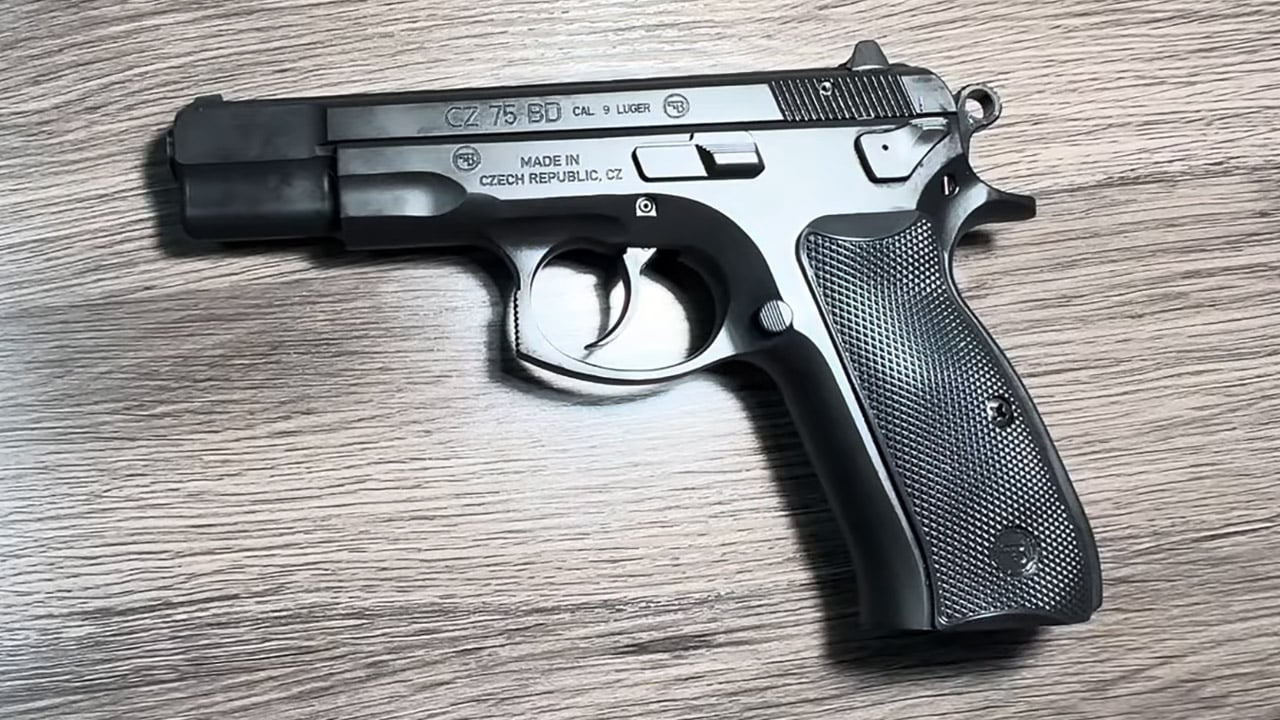
CZ pistols tend to feel like they were shaped by someone who actually shoots. The grip angle, the balance, the way they point—it just works for a lot of hands. The downside is they don’t always get the “brand tax” of some bigger names.
These are often underpriced on the used shelf because they aren’t the trendy pick. Then you shoot one side by side with a bunch of polymer compacts and you realize why the CZ crowd never shuts up about them.
8. Glock 19 (Gen 3 or Gen 4, used)
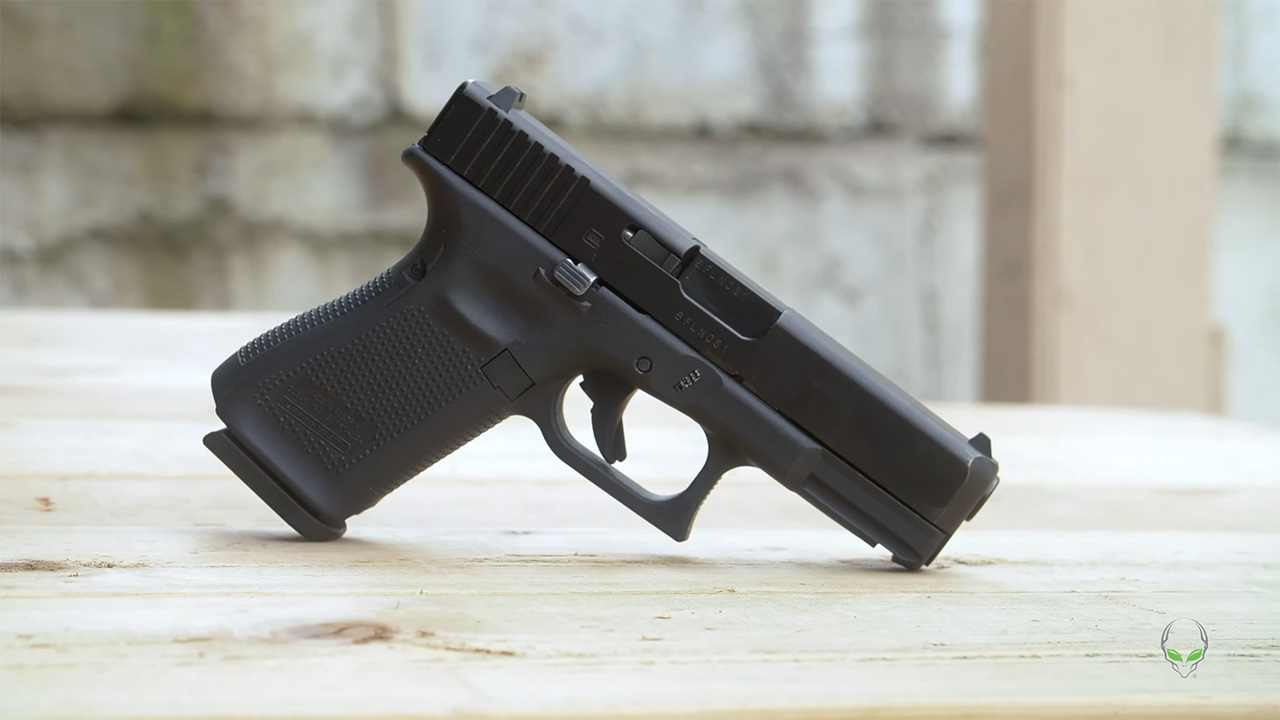
Yeah, it’s the most obvious gun on the list, and no, it isn’t romantic. Still, a clean used Glock 19 that comes with a couple mags is one of the safest buys on the planet. Parts are everywhere, magazines are everywhere, and every holster maker has you covered.
They get traded in constantly because folks chase the newest release. Dealers know a used 19 sells itself, so if you spot one priced like “just another used pistol,” it won’t be there tomorrow.
9. Ruger Security-9 (standard model)

The Security-9 doesn’t get much respect online because it isn’t the newest wonder-nine and it doesn’t have a boutique trigger. But it’s thin enough to carry, big enough to shoot, and priced like Ruger wanted working folks to own it.
I see them come in from owners who bought too small a micro-compact and then moved on. If you want a straightforward 9mm that does the job without drama, this one can be a steal used.
10. Smith & Wesson M&P15 Sport II
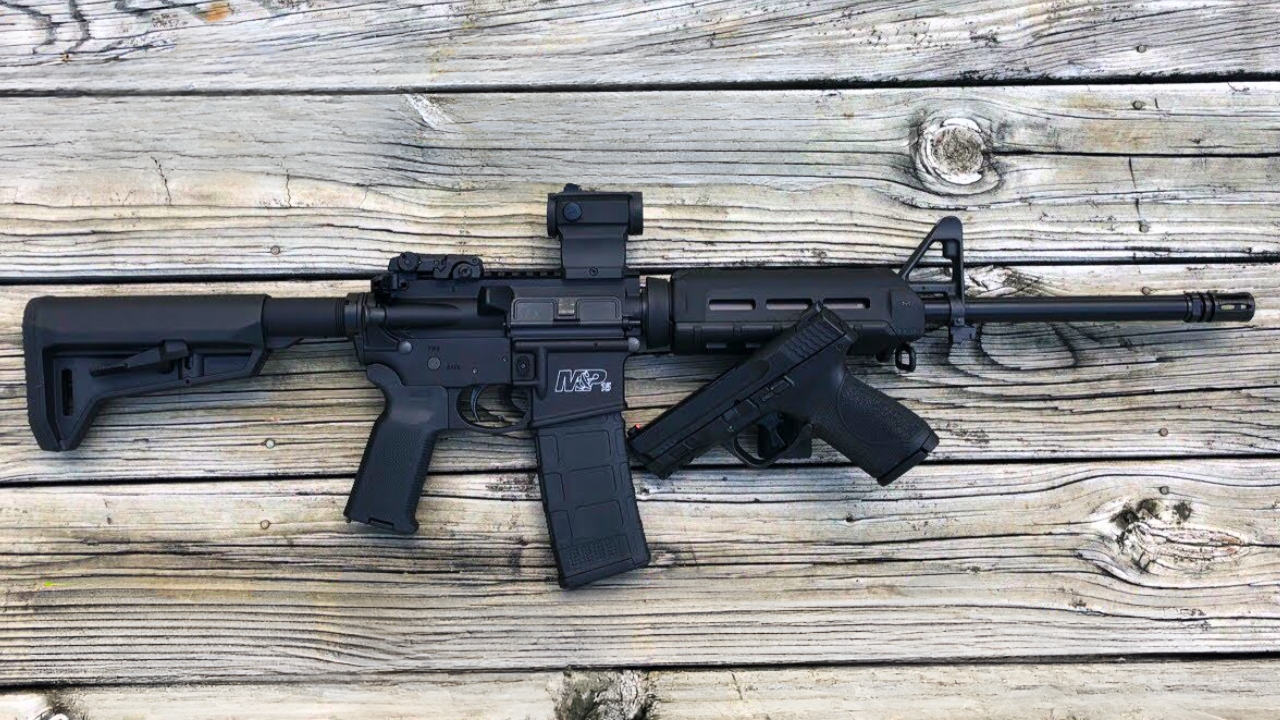
This is the AR that a lot of people started with, and it’s still one of the best “plain ARs” ever made. It’s not trying to be a precision rifle, and it’s not built to impress your buddies at the range with shiny parts.
Used ones can be priced surprisingly low because the market is flooded with ARs. But a Sport II that runs, takes standard parts, and has good support is a solid buy, especially if it comes with magazines and a decent rear sight.
11. Ruger American Rifle (Gen I, short-action calibers)
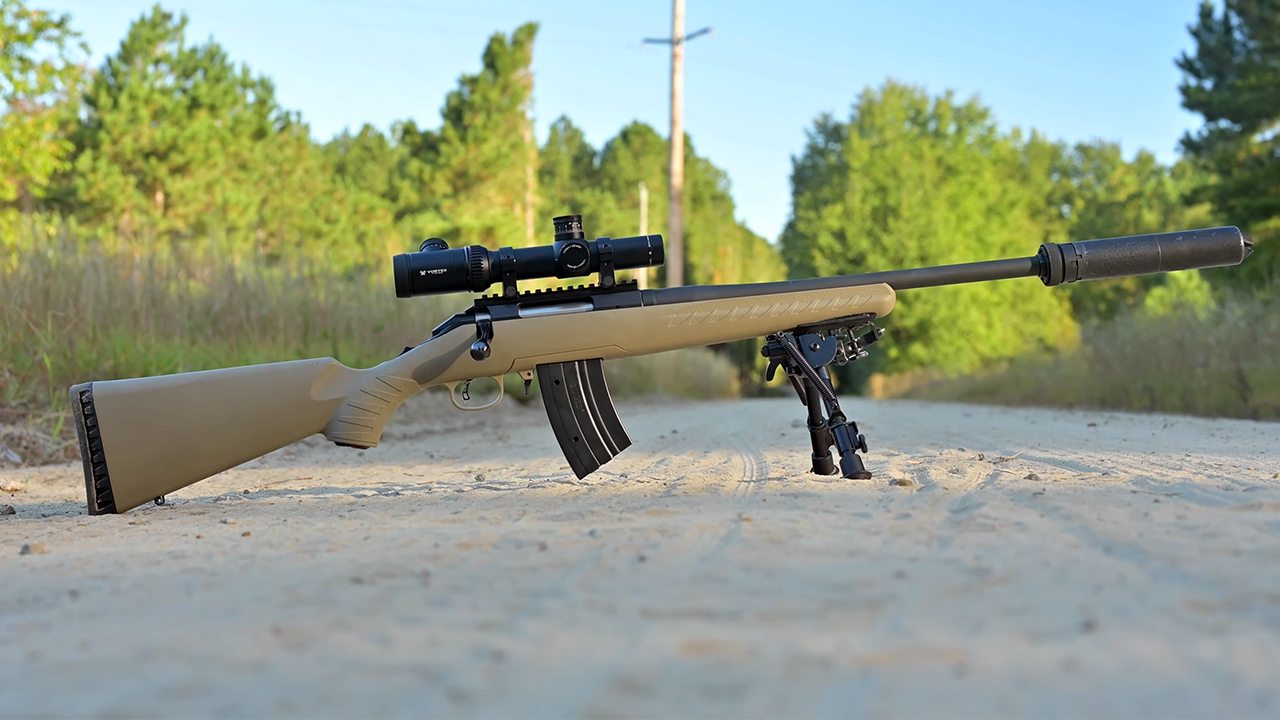
There’s nothing fancy about it, and that is kind of the point. The Ruger American is light, accurate enough for real hunting, and it doesn’t make you feel bad when it rides in the bed of a side-by-side for a week.
Folks trade them because the stock feels cheap or because they want a nicer finish. Then they go spend triple chasing the same practical accuracy. For deer and hogs inside normal ranges, these rifles flat work.
12. Tikka T3x Lite (used, “boring” configuration)
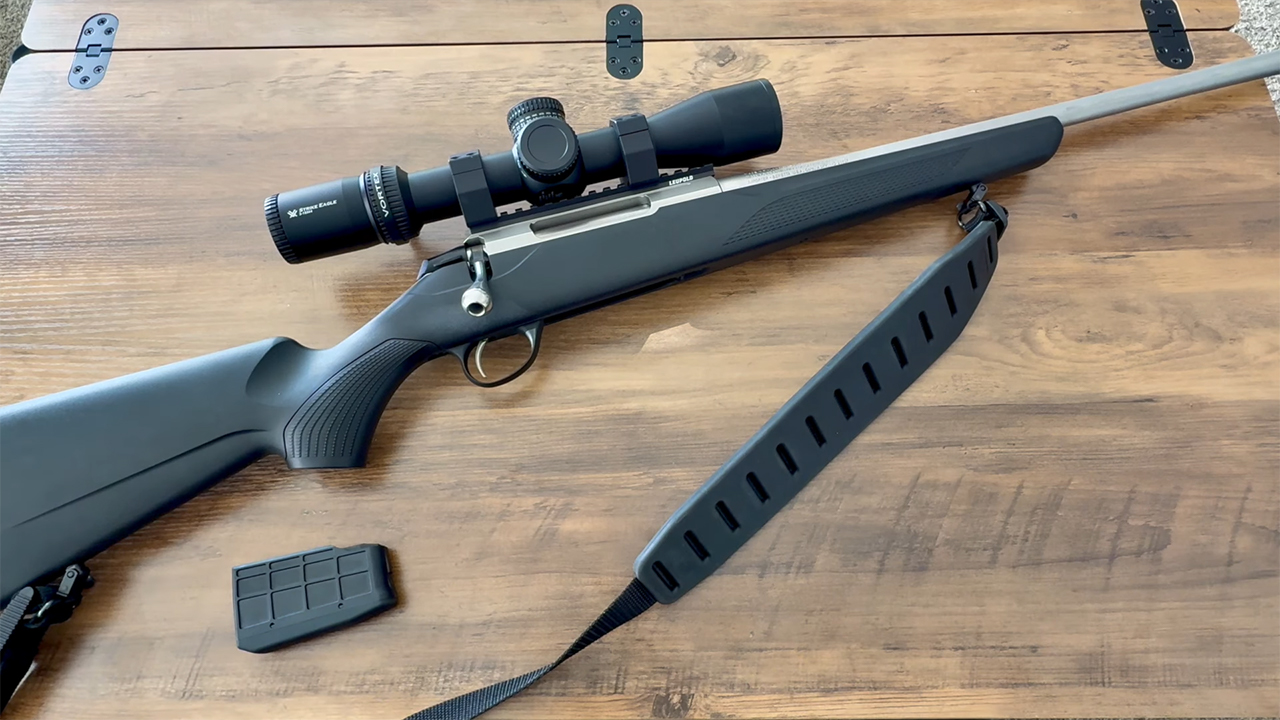
Every time I run a bolt on a Tikka, I wonder why more rifles don’t feel like that. Smooth action, good barrels, and a trigger that usually behaves right out of the box. They aren’t cheap new, but used ones sometimes sneak through at prices that don’t match the performance.
The “underpriced” ones are usually plain: black synthetic, basic caliber, no fancy fluting. That’s fine. This is the kind of rifle you set up once and then forget about while it stacks tags.
13. Savage 110 (older used hunting rifles)

Older Savage 110s don’t win beauty contests. Some have clunky stocks and finishes that scream “hardware store rifle.” Then you shoot one and it prints a group that makes you stop talking.
They get discounted because they don’t have the cool factor. If you can live with the looks, you can end up with a rifle that shoots better than rifles costing a lot more, and aftermarket support is still strong.
14. Remington 870 Police Magnum (trade-in)
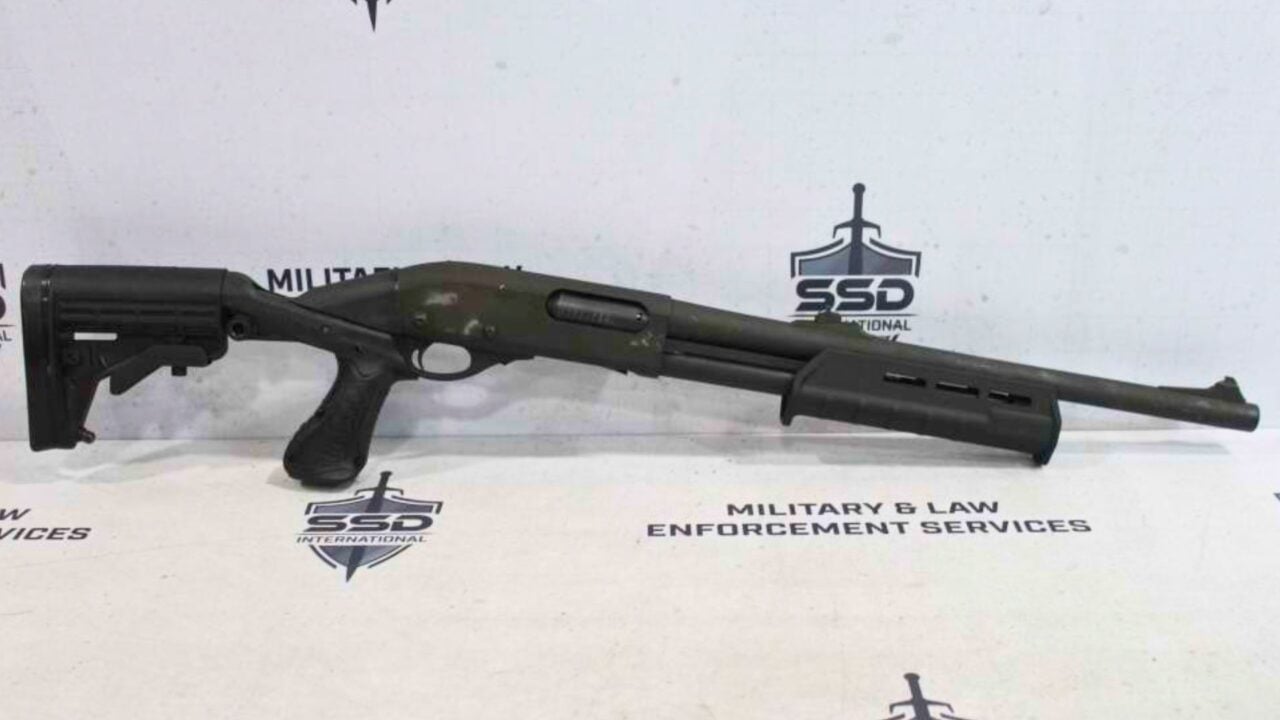
Used police shotguns often look rough, and they should. They rode in racks, got bumped around, and lived hard. The good ones also tend to be built with duty use in mind, and when you find one that hasn’t been abused internally, it’s a serious shotgun.
I get why some buyers walk right past them. But if you want a pump that can handle steady use, and you know how to check for obvious issues like a chewed-up action or a neglected chamber, these can be a deal.
15. Winchester Model 70 (post-’64, used hunting rifle)

Everybody talks about pre-’64s like they’re the only ones worth owning. The truth is there are plenty of later Model 70s that are excellent hunting rifles and don’t carry the same collector price tag.
When one shows up with a plain scope and a few scratches, it can get priced like an ordinary bolt gun. But the action, the feel, and the way they carry in the woods still make sense to hunters who actually walk.
16. Ruger Mini-14 Ranch Rifle

The Mini-14 has always lived in the shadow of the AR. That’s helped keep prices from going completely crazy in some shops, especially on older rifles. It’s not a benchrest gun, and it’s not as modular as an AR, but it’s handy and reliable when set up right.
Where folks get burned is magazines. If it comes with Ruger factory mags, that’s a big part of the value. If it doesn’t, price accordingly and don’t assume bargain mags will make you happy.
17. Springfield Armory XD (Service Model, used)
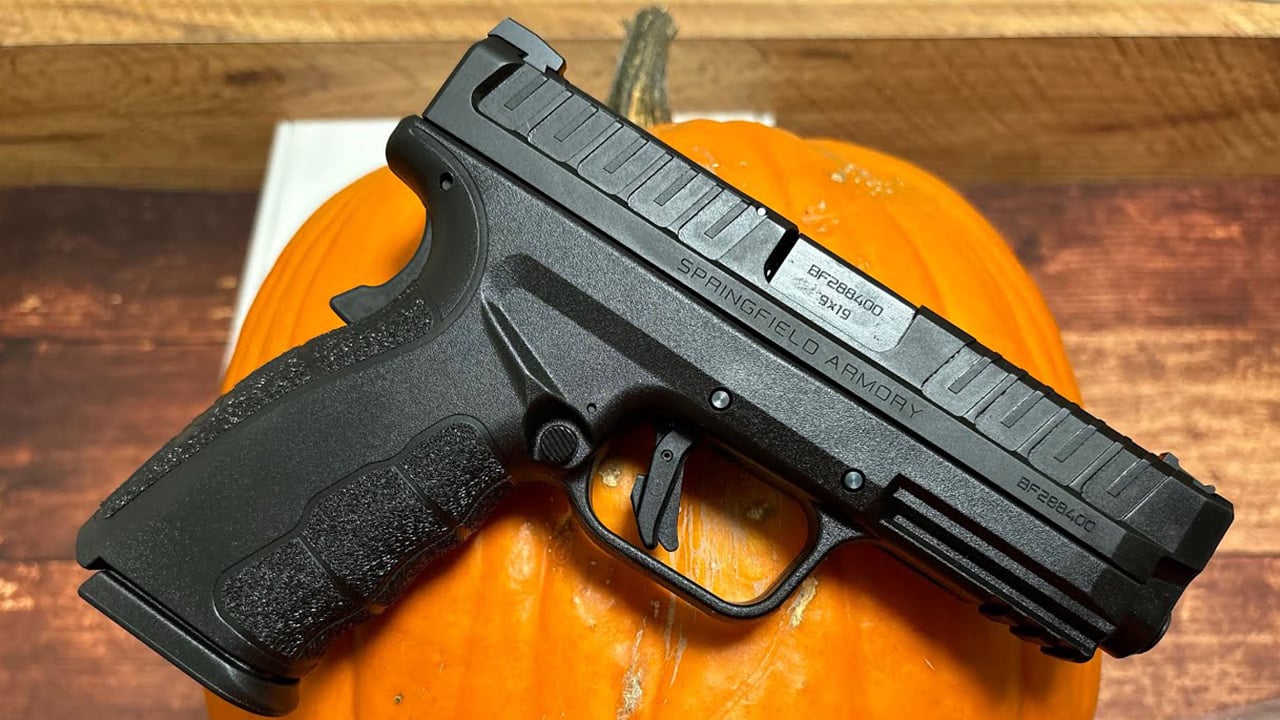
The XD line gets dumped on in internet arguments, and I’m not here to tell you it’s the best striker-fired pistol ever. What I will say is this: a lot of them run fine, they’re comfortable in the hand, and used prices can be surprisingly low.
If you find one that’s been maintained and it passes a basic function check, it can be an affordable home-defense pistol with decent capacity. Just be realistic about accessory support compared to Glock or M&P.
18. Ruger LCR (in .38 Special)
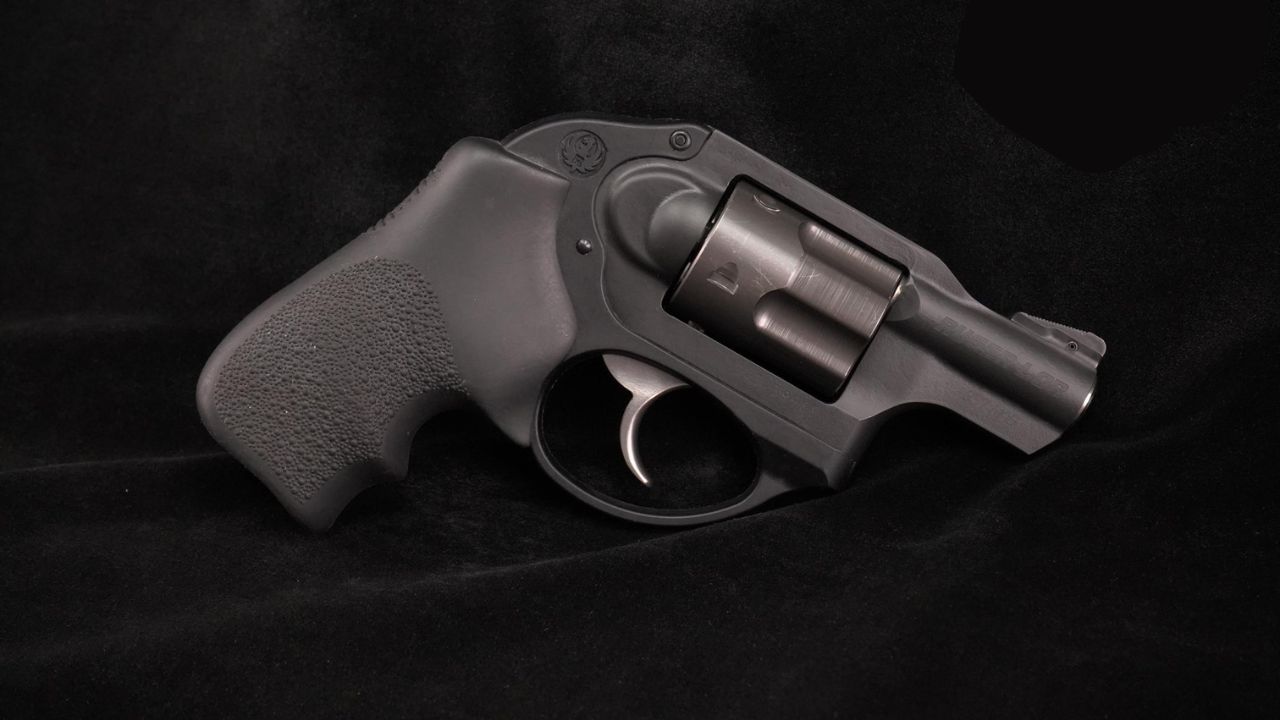
Snub revolvers are not range toys for most folks. They’re carried a lot and shot a little. That’s why the LCR works: it’s light, it disappears in a pocket holster, and it’s not miserable with standard .38 loads.
They get traded when someone decides they hate recoil or wants a tiny 9mm instead. Still, for a simple “grab it and go” revolver, the LCR is better than a lot of people admit, and used ones can be a smart buy.
19. Browning Buck Mark (used)
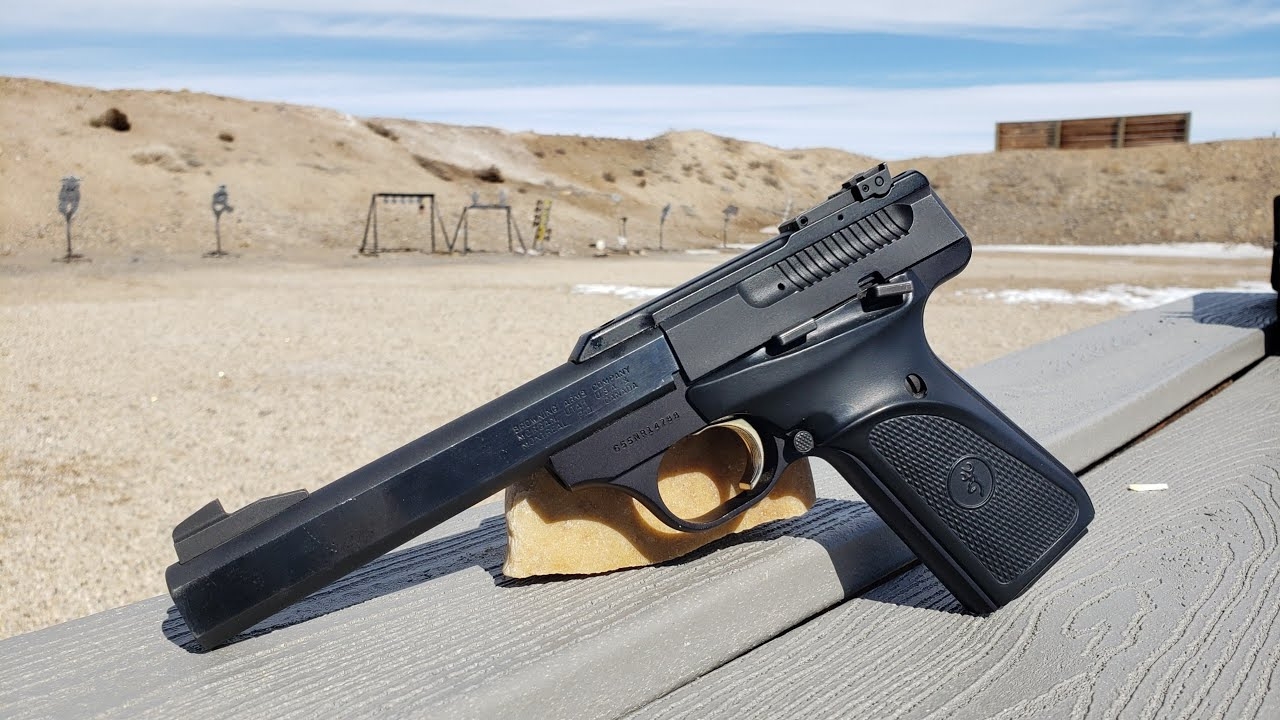
If you want to actually get better at shooting without going broke, a good .22 pistol is hard to beat. The Buck Mark has a solid trigger in many variants, and it tends to be reliable with the kind of ammo that most .22s eat.
They end up underpriced because they aren’t “tactical” and they aren’t new and shiny. Then you take one to the range and run it all afternoon for the cost of a fast-food lunch. That one stings when you sold yours.
20. Stoeger M3000 (used, plain black)

Inertia shotguns can be picky about light loads, and the M3000 isn’t a fancy Italian showpiece. But for a lot of hunters who want a semi-auto for waterfowl, turkeys, and the occasional clays day, it’s been a workhorse at a price that doesn’t hurt as bad.
The deals show up when someone upgrades to a higher-end semi-auto and trades the Stoeger without thinking much about it. If it cycles well with the loads you actually shoot and the gun hasn’t been neglected, it can be one of the better values on the used rack.
The common thread with all of these isn’t that they’re perfect. It’s that they’re useful in the real world, with parts, magazines, and support you can actually find, and they tend to keep running when the new-gun excitement wears off. If you’re shopping used, slow down, handle the gun, look for obvious neglect, and don’t let a clean “deal” talk you into something you don’t have a purpose for. But when you do find the right one at the right price, don’t expect it to wait around for next weekend.
Like The Avid Outdoorsman’s content? Be sure to follow us.
Here’s more from us: