Photo credit: MustHaveOutdoors/YouTube
Some guns look like smart purchases when you first start shopping. The ad copy sounds good, the reviews seem encouraging, and the price can make you feel like you found a shortcut around spending more money. Then you get them home, shoot them for a while, and realize the deal was not as good as it looked.
A bad buy does not always mean the gun is unsafe or useless. Sometimes it means the trigger is worse than expected, the recoil is miserable, the magazines are annoying, the resale value tanks, or the gun gets outclassed fast by better options. These are the firearms that make owners look back and think they should have spent differently.
Remington R51

The Remington R51 sounded like a comeback story. A slim 9mm carry pistol from a legendary name should have been a serious option for people tired of the same polymer choices.
Instead, the launch damaged its reputation almost immediately. Early guns had reliability problems, rough handling, and quality-control issues that made buyers regret trusting the hype. Even after changes, the R51 never fully recovered in the eyes of many shooters. It is one of those pistols that looked interesting on paper but became a cautionary tale fast.
Taurus Curve
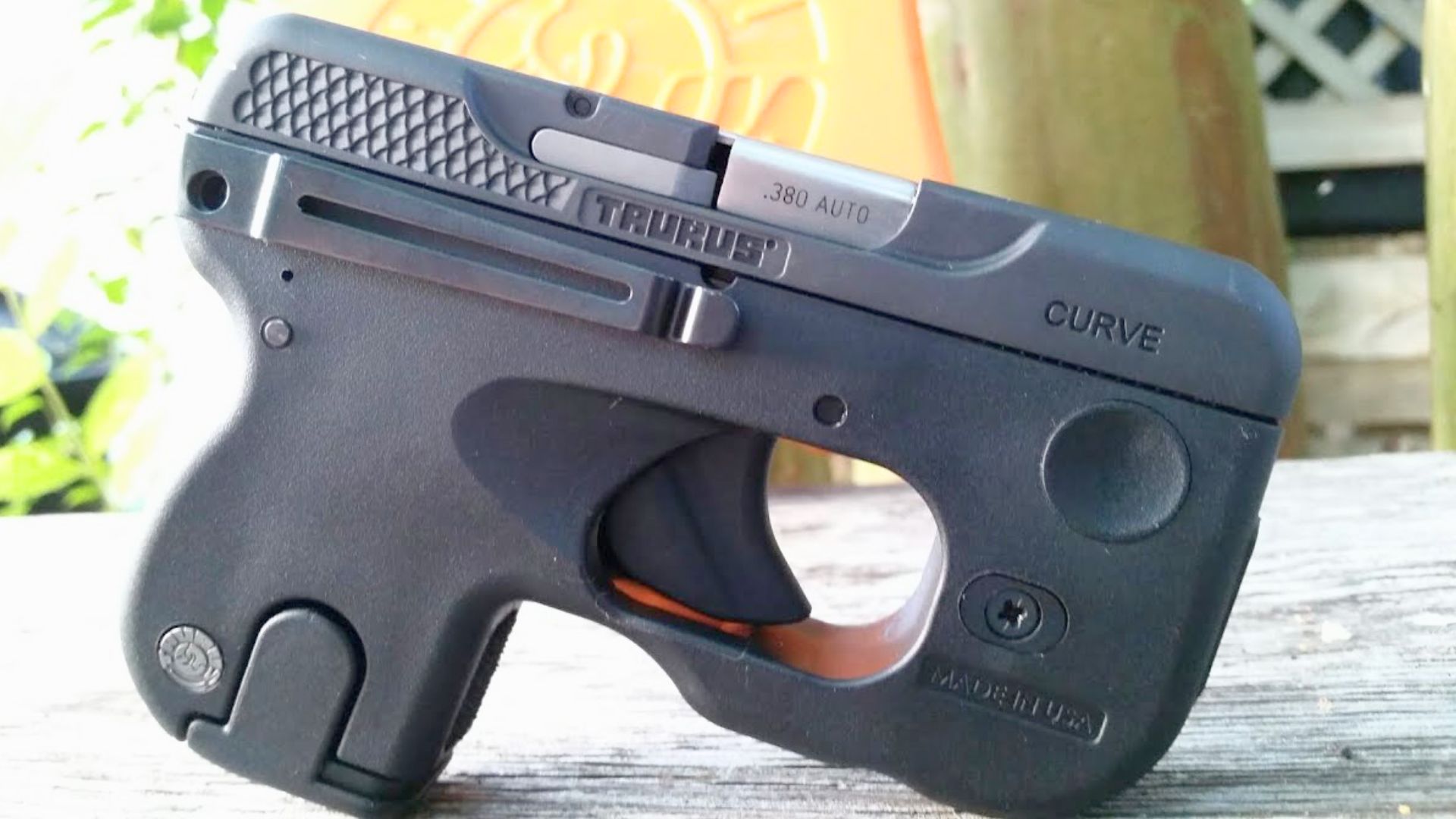
The Taurus Curve seemed clever when it appeared. A curved pocket pistol with a built-in light and laser sounded like a fresh answer for concealed carry, especially for people who wanted something easy to hide.
The problem was that the design felt more interesting than useful. The lack of traditional sights, odd shape, and .380 chambering made it hard for many shooters to take seriously after range time. It was different, but different did not make it better. Plenty of buyers learned that carry guns need to shoot well first.
Remington 770
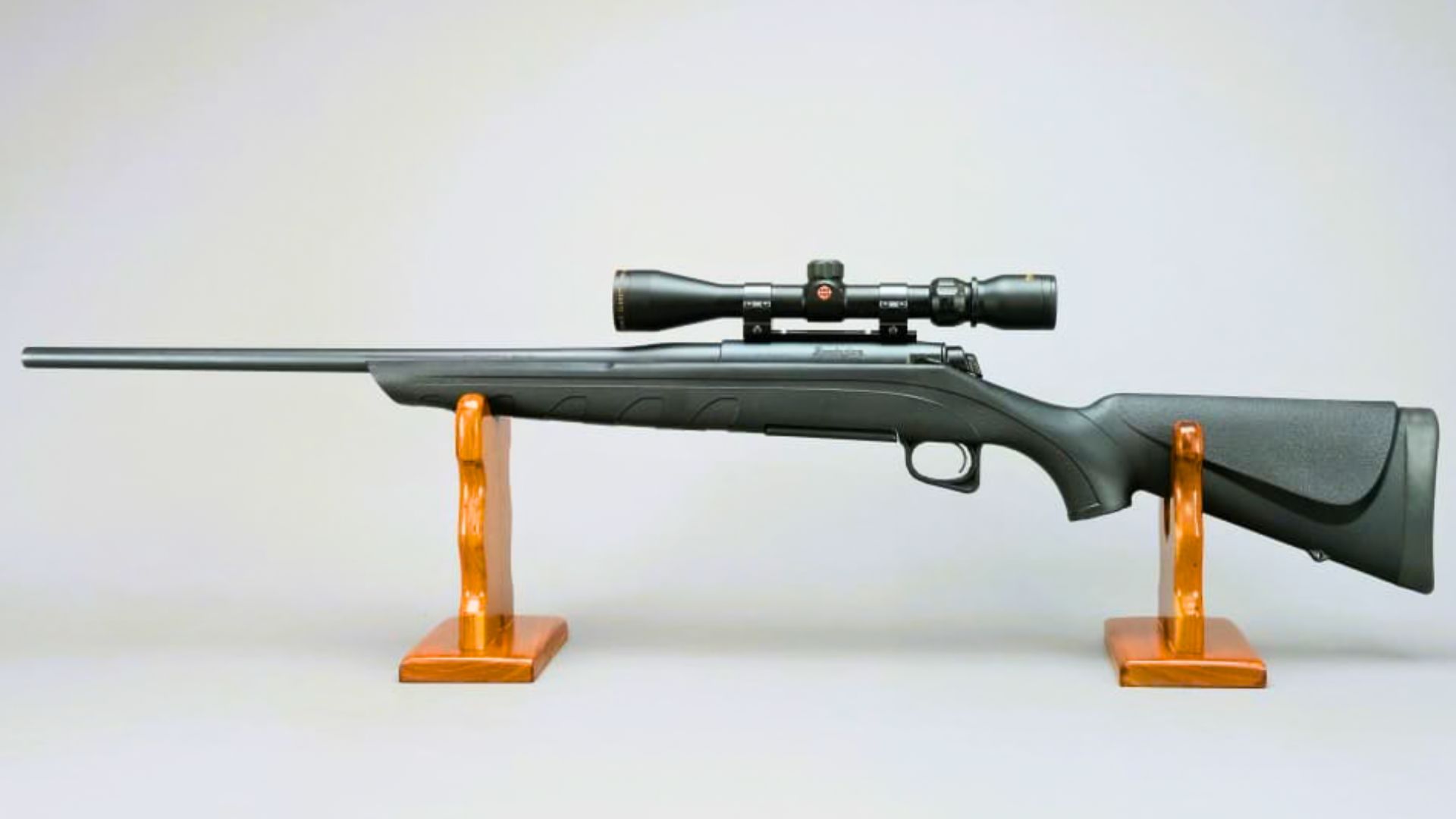
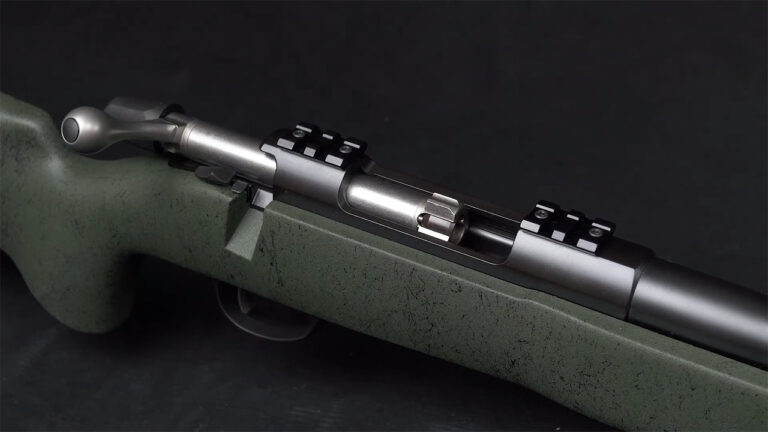
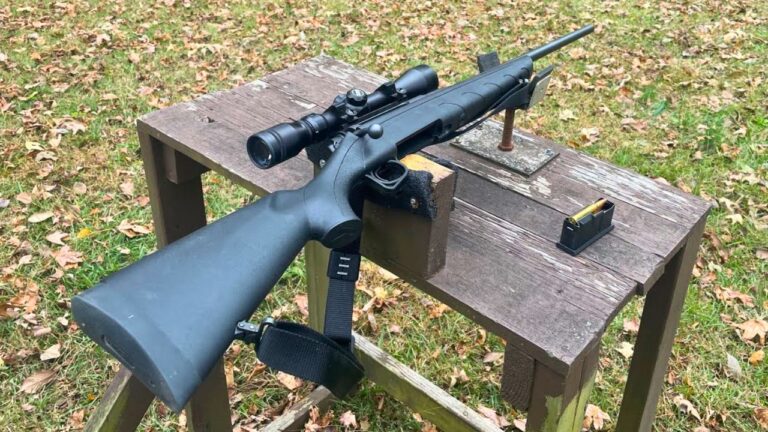
The Remington 770 attracted buyers because it was cheap, complete, and easy to find as a scoped rifle package. For a new hunter trying to get started, that kind of deal can be hard to ignore.
Once people used it, the cost-cutting became obvious. The bolt felt rough, the stock felt cheap, and the overall rifle lacked the confidence you want in the field. Some shot acceptably, but few made owners proud. Many hunters eventually realized they would have been better off buying a used 700, Savage 110, or another stronger entry-level rifle.
Kimber Solo

The Kimber Solo had a premium look and a respected name behind it. A small 9mm carry pistol with Kimber styling sounded like a great choice before the market got crowded with better micro-compacts.
But the Solo quickly became known for being picky. Many owners found it sensitive to ammunition, grip, and maintenance. For a defensive pistol, that is a hard thing to accept. When a carry gun needs too many conditions to behave, confidence disappears. The Solo proved that a nice-looking pistol can still be a frustrating buy.
Mossberg 715T

The Mossberg 715T looked fun on the rack. It gave shooters a tactical-looking .22 LR rifle without paying AR-15 money, and for casual plinking, that sounded like an easy win.
Then owners realized it was mostly a dressed-up rimfire with a lot of plastic around it. The bulk, feel, and handling did not match the appearance. Reliability could be ammo-sensitive, and cleaning was more annoying than it needed to be. For many buyers, a plain Ruger 10/22 or Smith & Wesson M&P 15-22 would have made more sense.
Springfield XD-E
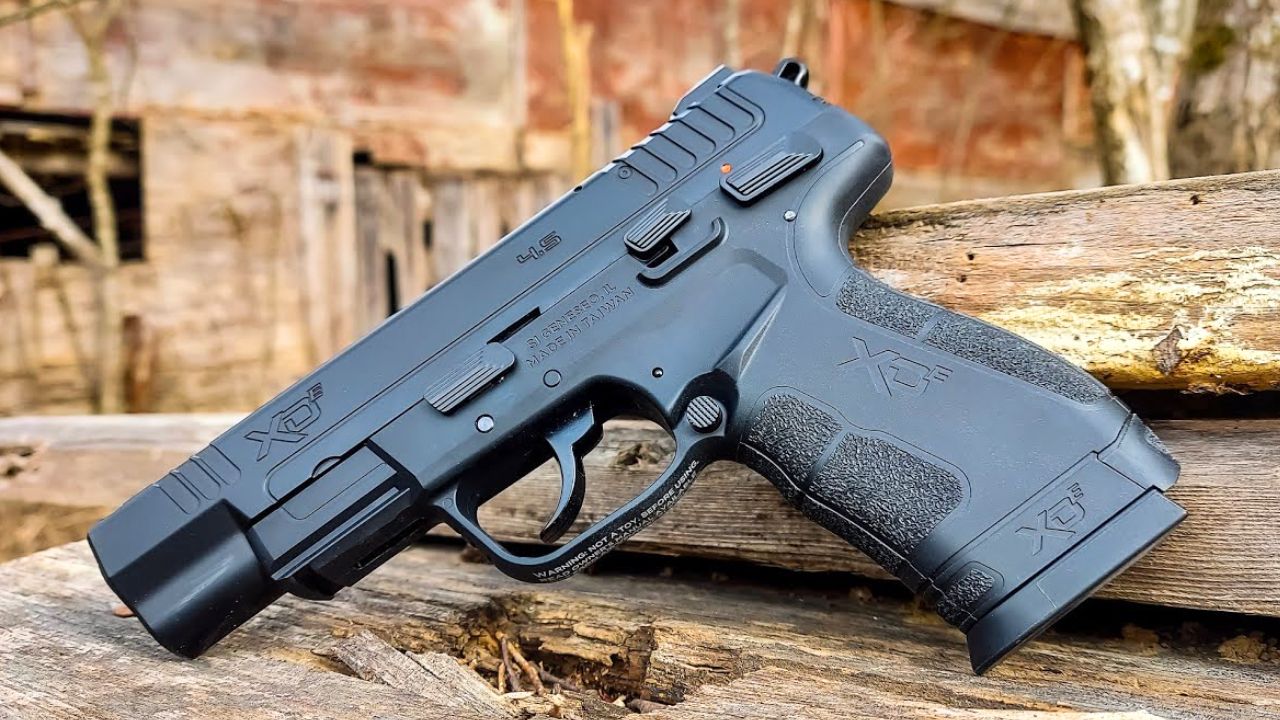
The Springfield XD-E had an interesting pitch. A slim hammer-fired carry pistol with a DA/SA trigger gave it something different in a market full of striker-fired guns.
The issue was that different did not mean better for most buyers. The trigger system took more training, the pistol was not especially light for its size, and the market moved hard toward smaller, higher-capacity carry guns. It was not a terrible pistol, but it landed in an awkward place. A lot of people bought the idea more than the performance.
Taurus Judge

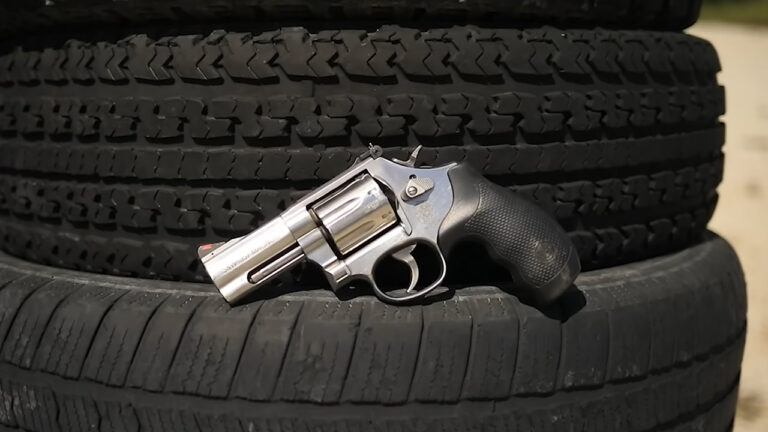
The Taurus Judge sold people on versatility. The thought of firing .410 shells and .45 Colt from one revolver made it sound like a do-anything defensive tool.
Actual shooting made the compromise harder to ignore. The .410 performance from a short barrel was not as impressive as many expected, and .45 Colt accuracy varied enough to disappoint some owners. It was big, bulky, and not especially easy to carry. The Judge became one of those guns people talked about more than they trained with seriously.
Remington 597
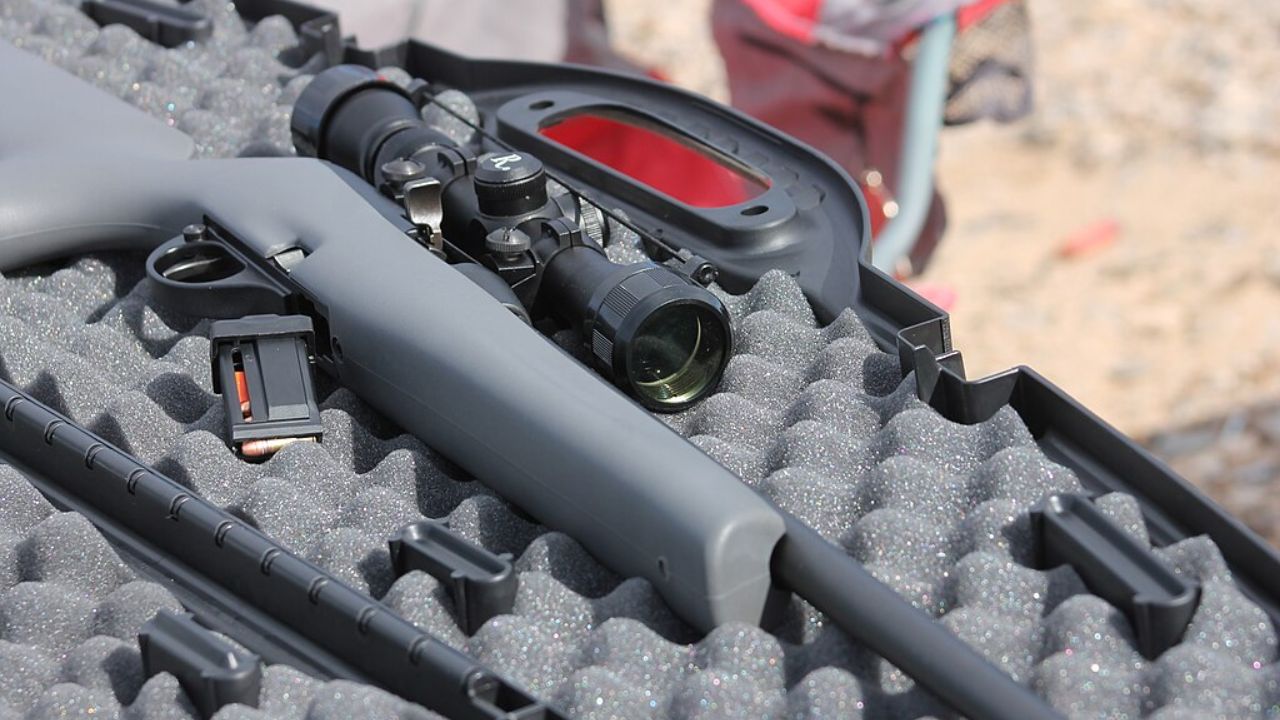
The Remington 597 was supposed to compete with the Ruger 10/22 crowd. It had a decent concept, a familiar brand name, and enough accuracy potential to interest rimfire shooters.
The magazines hurt it badly. Feeding problems and inconsistent magazine quality frustrated owners who wanted a reliable plinker. Some rifles ran fine with the right parts, but that is not what most buyers wanted to deal with. In a category where simple reliability matters, the 597 often felt like the rifle people bought before eventually wishing they had just bought the Ruger.
Colt All American 2000
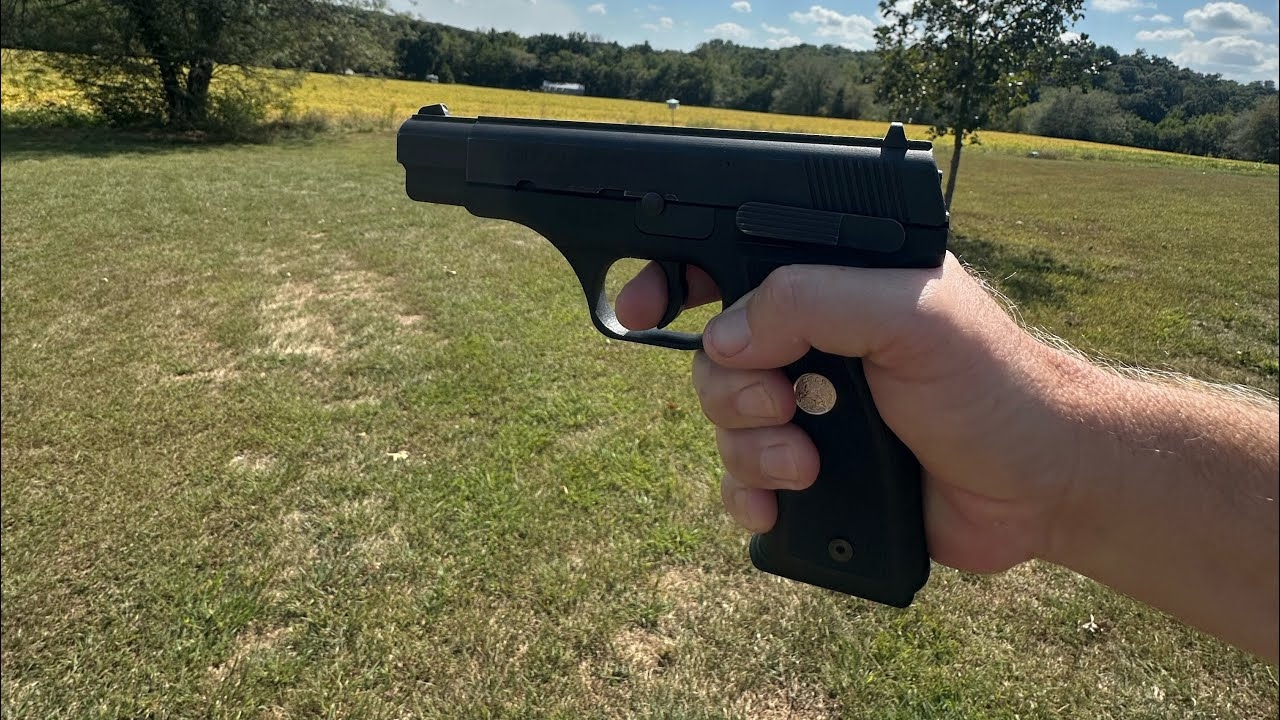
The Colt All American 2000 should have been a major deal. Colt entering the modern polymer pistol market with a double-action 9mm sounded like something shooters needed to pay attention to.
Instead, the pistol became known for all the wrong reasons. The trigger was awkward, accuracy was disappointing for many shooters, and the gun never felt like the future Colt needed it to be. It arrived with expectations it could not meet. Today, it is more of an odd collector conversation than a pistol most people wish they had bought new.
Smith & Wesson Sigma
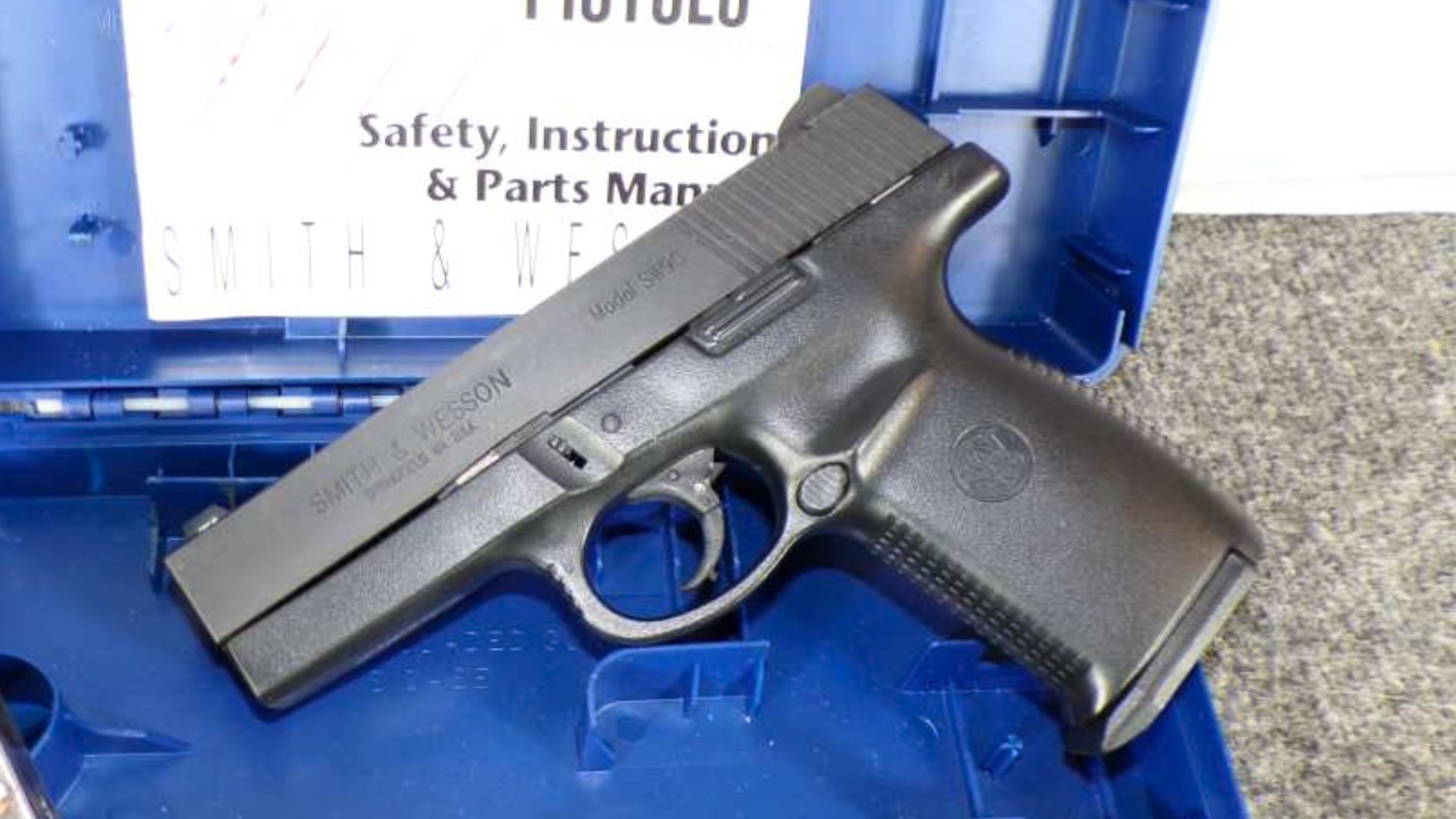
The Smith & Wesson Sigma looked like a budget-friendly answer to the Glock wave. It had the right general shape, useful calibers, and a price that made it tempting for first-time buyers.
Then people pulled the trigger. The heavy, gritty trigger became the thing everyone remembered, and the pistol never escaped that reputation. Some examples were reliable enough, but reliability alone did not make them satisfying. Plenty of owners eventually moved on and realized a slightly better pistol would have saved them money and frustration in the long run.
Savage Model 64
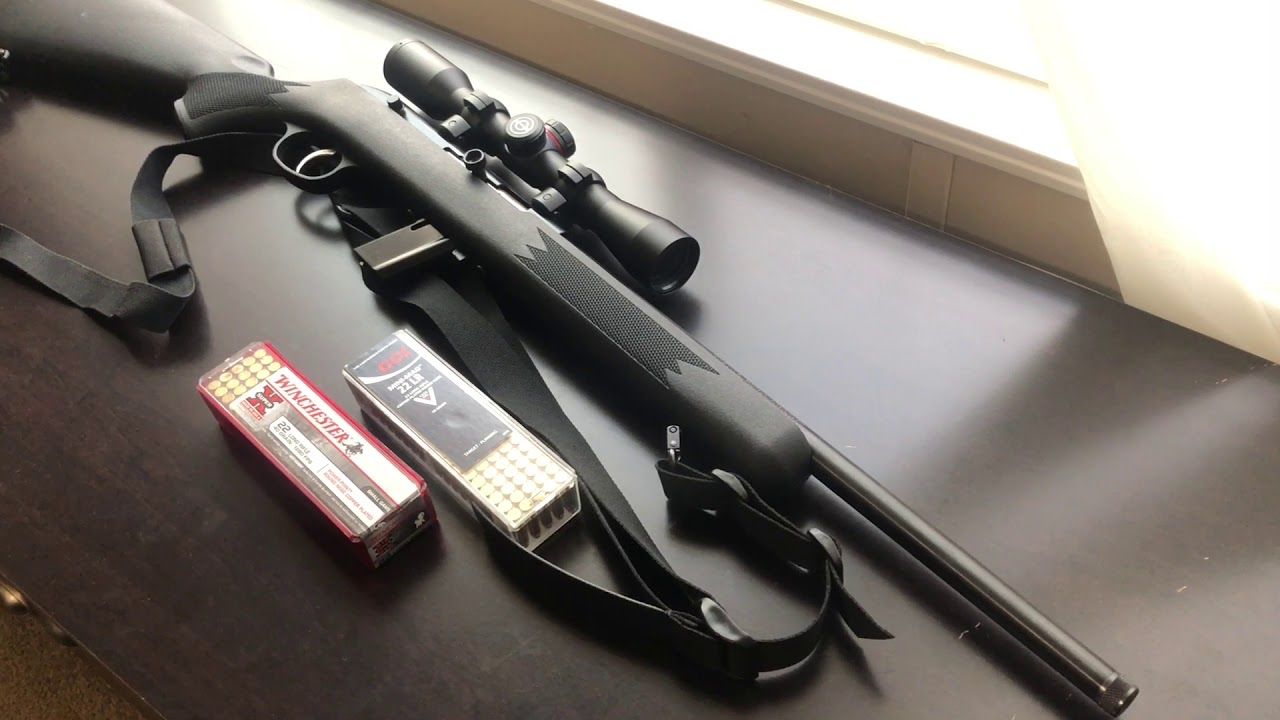
The Savage Model 64 is affordable and common, which is exactly why so many buyers gave it a chance. For a cheap semi-auto .22 LR, it sounds like a harmless purchase.
The trouble is that rimfire rifles need to be enjoyable, and the Model 64 can feel rough compared with better options. Magazines can be annoying, reliability can depend heavily on ammunition, and the overall feel is basic. It may work for casual use, but many owners eventually wish they had put the money toward a Ruger 10/22 or a better bolt-action rimfire.
KelTec PF-9

The KelTec PF-9 made sense when ultra-light 9mm carry pistols were harder to find. It was thin, affordable, and easy to carry, which gave it a real place for a while.
Shooting it was the problem. The recoil was sharp, the trigger was long, and the pistol was not especially pleasant for practice. That matters because a gun you dislike shooting is a gun you probably will not train with enough. As better small 9mms arrived, the PF-9 started feeling like a compromise buyers made because the market had not caught up yet.
Remington V3 Tac-13
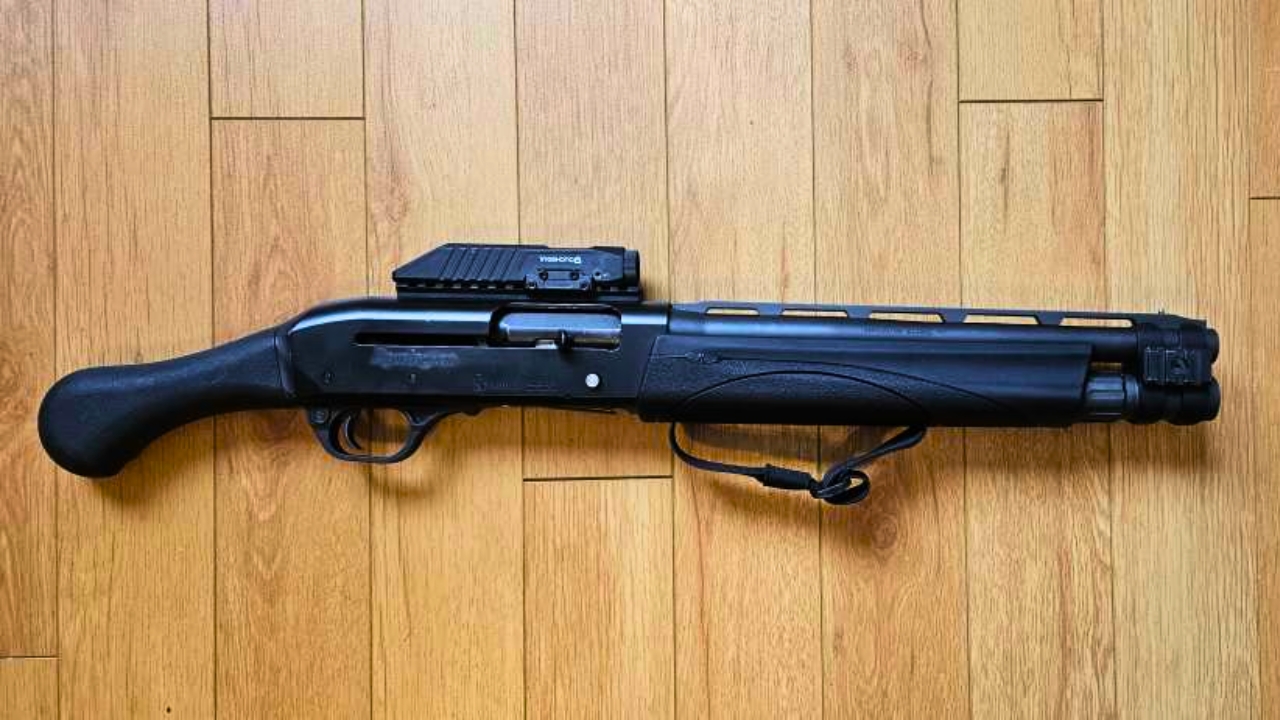
The Remington V3 Tac-13 had instant appeal because it looked serious and unusual. A compact semi-auto 12-gauge firearm with that much attitude was easy to want before thinking through its real use.
But for many owners, it became more of a novelty than a practical tool. It was loud, hard to control compared with a stocked shotgun, and expensive enough to make the fun wear thin. The concept got attention, but the actual shooting experience did not fit many real needs. It was cool until buyers asked what they were really going to do with it.
Diamondback DB9

The Diamondback DB9 caught attention because it was extremely small for a 9mm pistol. For deep concealment, that sounded like a huge advantage.
The downside was everything that came with shrinking a 9mm that much. Recoil was unpleasant, the grip was tiny, and reliability expectations had to stay realistic. Early examples did not inspire universal confidence, and the pistol was hard for many people to shoot well. It was easy to carry, but that alone did not make it a satisfying buy.
Winchester SXP
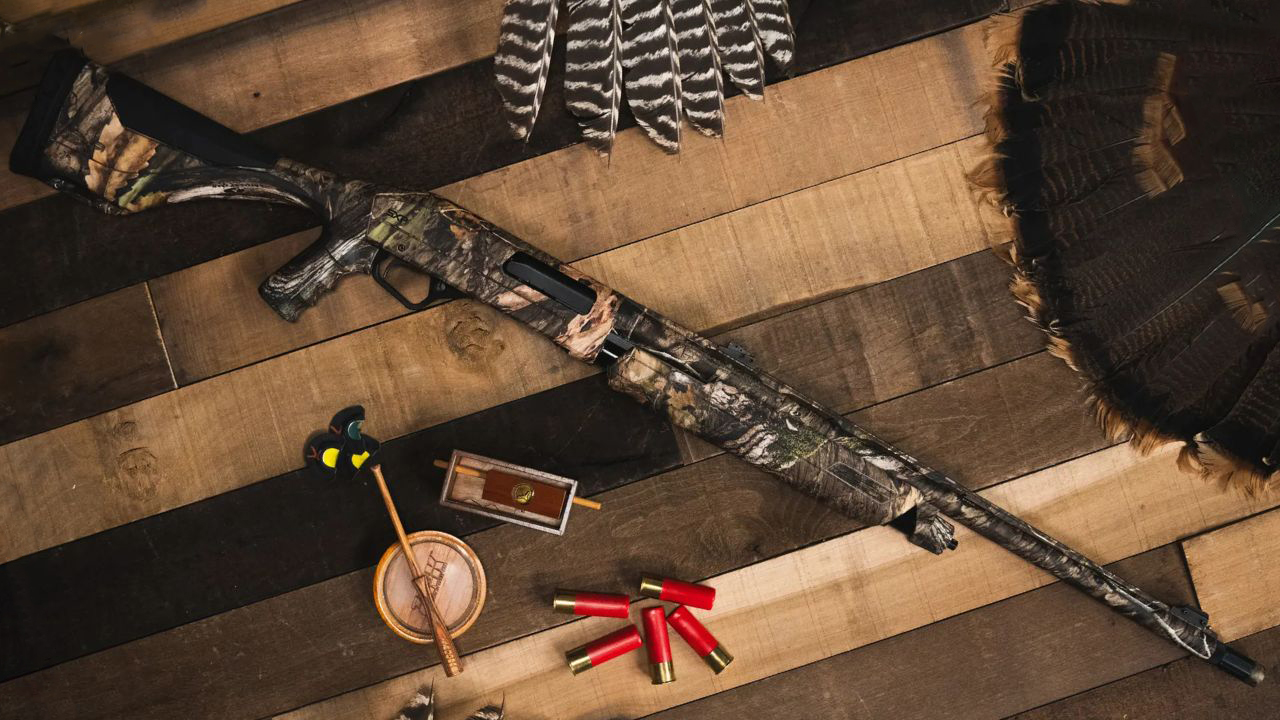
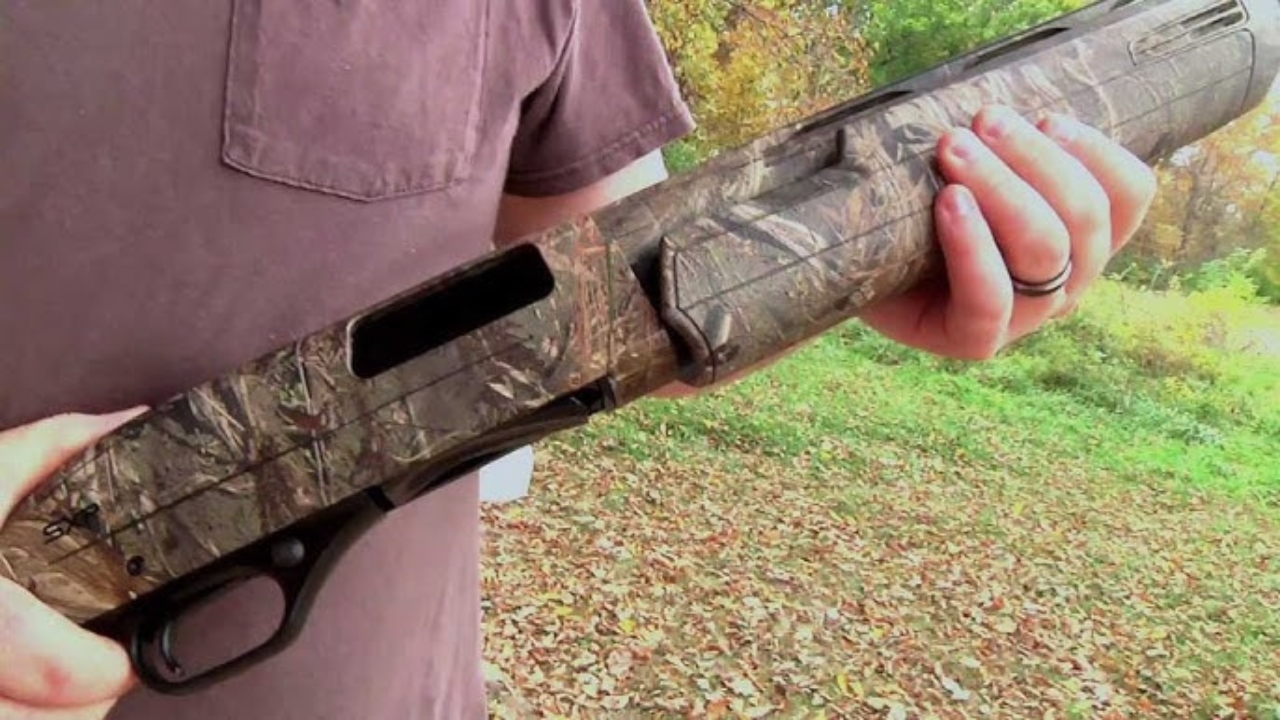
The Winchester SXP sounds like a smart pump shotgun. It has the Winchester name, a fast action, and a price that makes it attractive for hunters and home-defense buyers.
But some owners find that it does not feel as solid as the older pump guns they hoped it would resemble. The action can feel loose in a way that bothers people, and the overall build does not always inspire long-term confidence. It can work fine, but when buyers expect Model 12 magic or 870 toughness, the SXP can feel like a letdown.
Like The Avid Outdoorsman’s content? Subscribe to our newsletter so you never miss an article.
Here’s more from us: