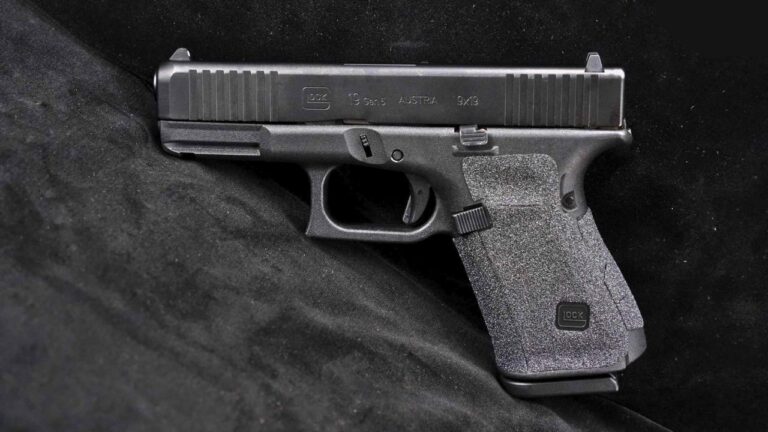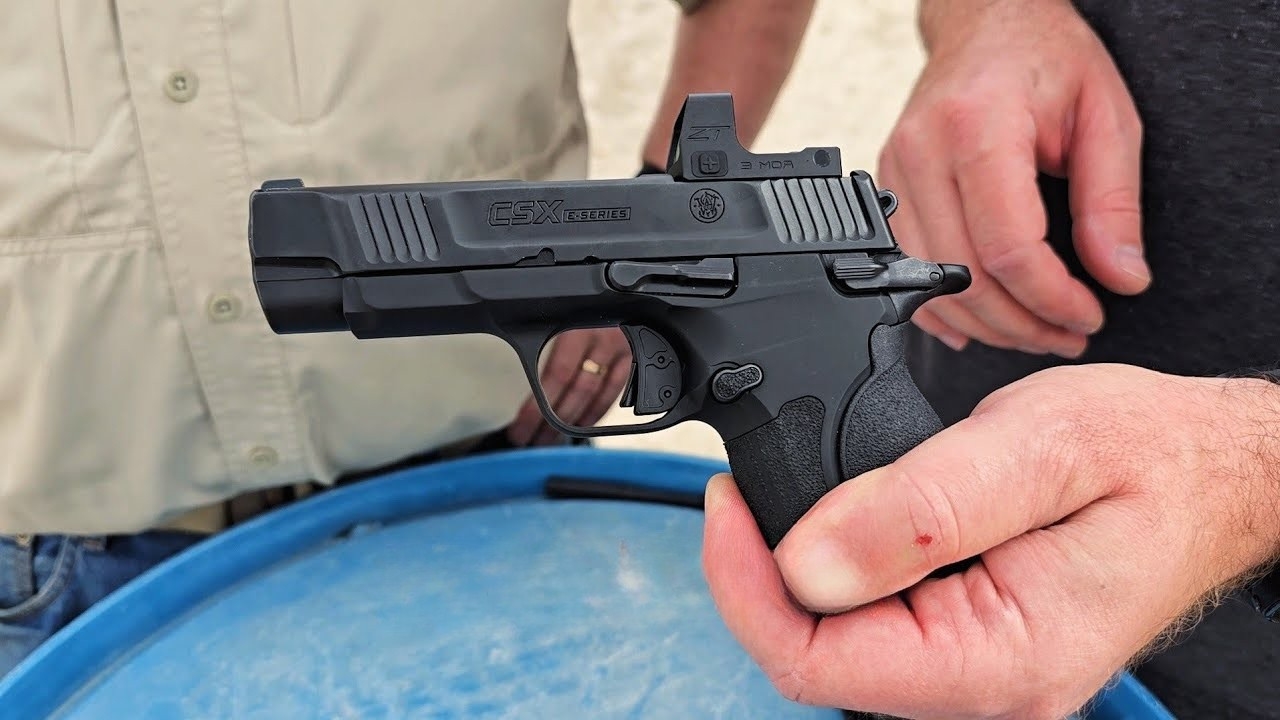
Photo credit: Shooting News Weekly/YouTube
Some pistols are easy to blame on the shooter. Other pistols really do make good shooters work harder than they should. A clean trigger press, solid grip, and decent fundamentals can only do so much when the gun is tiny, snappy, awkwardly shaped, or built around controls that slow everything down.
That does not always mean the pistol is junk. Some of these are reliable. Some are popular. Some have a real purpose. But once you start shooting groups, running draws, working reloads, or putting rounds on a timer, they can make a capable shooter look a lot less capable than he really is.
Ruger LCP

The Ruger LCP is one of the easiest pistols to carry and one of the easiest pistols to shoot poorly. That tiny grip leaves very little room for control, and the minimal sights do not give your eyes much help once you move past belly-distance practice.
It does what it was built to do: disappear in a pocket. The problem is that disappearing does not make it easy to run. Even good shooters can start pulling shots low, rushing the long trigger, or losing the sights between rounds. It is useful, but it demands honesty.
Smith & Wesson Bodyguard 380

The original Smith & Wesson Bodyguard 380 has the kind of trigger that can make a good shooter question himself. It is long, heavy, and easy to disturb if you are trying to shoot fast or clean groups at distance.
The pistol’s small grip and light weight do not help much. You can absolutely learn it, but it takes more patience than most people expect from a small .380. A shooter who runs a Glock 19 or M&P well may suddenly look shaky when that long trigger starts stacking through a drill.
Kimber Micro 9

The Kimber Micro 9 looks like it should shoot better than many pocket-size pistols. It has a metal frame, nice styling, and a familiar single-action setup that makes it seem like a tiny 1911-style answer for carry.
Then you actually run it hard. The short grip, sharp recoil, and small controls can make everything feel cramped. The safety requires real commitment, and the gun does not give you much room for sloppy hand placement. A good shooter can manage it, but the pistol does not make the job easy.
SIG Sauer P938
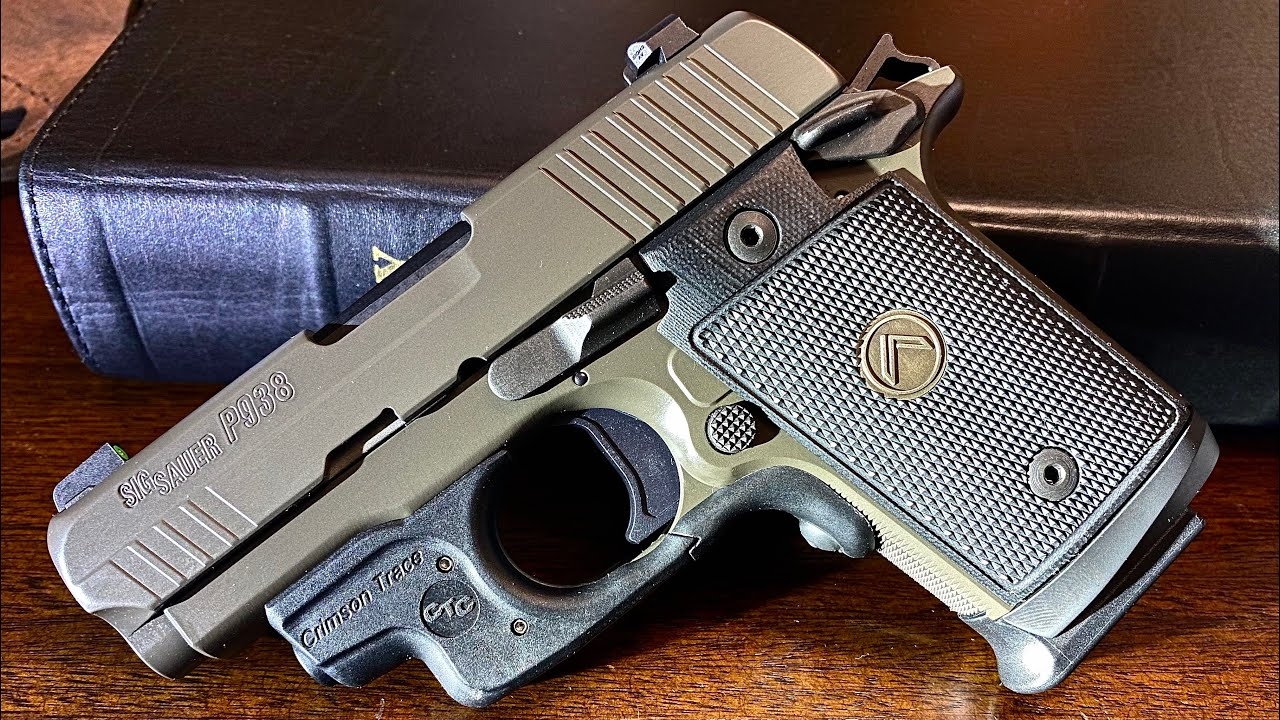
The SIG Sauer P938 has a strong reputation with shooters who like small metal-framed carry pistols. It is well made, accurate enough, and easy to conceal. None of that changes how demanding it can feel once the pace picks up.
The grip is short, the recoil is snappy, and the single-action manual safety adds another step under pressure. If your draw stroke and thumb safety work are not automatic, the P938 will show it fast. It is a capable pistol, but it can make smooth shooters look choppy.
Kahr PM9
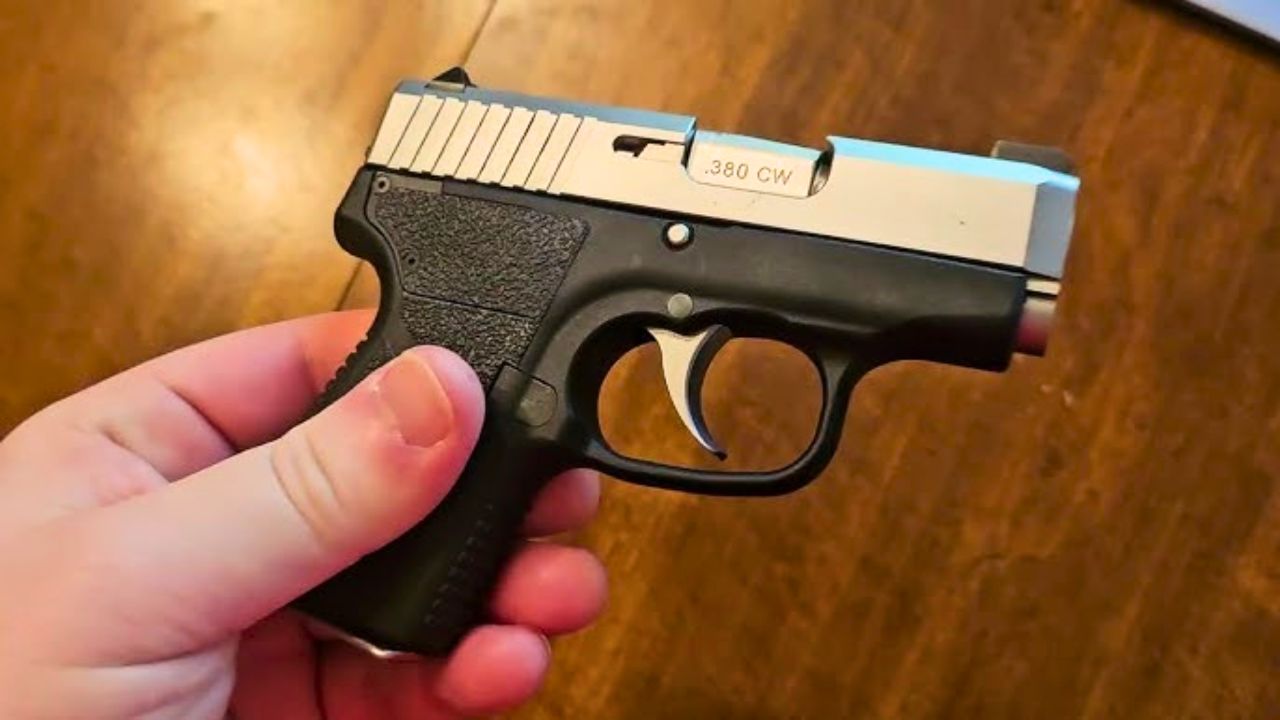
The Kahr PM9 is slim, light, and built around a smooth double-action-style trigger. Some shooters like that trigger because it feels deliberate and safe for carry. Others find out quickly that it slows them down and opens groups when they try to press faster.
The pistol also gives you a small grip and limited sight radius, so there is not much forgiveness built in. A good shooter can learn the PM9, but it takes reps. Until then, it has a way of making solid fundamentals look a little rough.
Springfield XD-S 45

The Springfield XD-S 45 sounds appealing if you want a slim carry pistol with big-bore confidence. The problem is that a compact, lightweight .45 ACP does not give anything away for free. It recoils sharply, and the slim grip makes that recoil harder to manage.
Even experienced shooters can find themselves slowing down more than expected. Follow-up shots take work, and longer practice sessions can become less enjoyable fast. The XD-S 45 is not impossible to shoot well, but it makes you earn every clean string.
Diamondback DB9
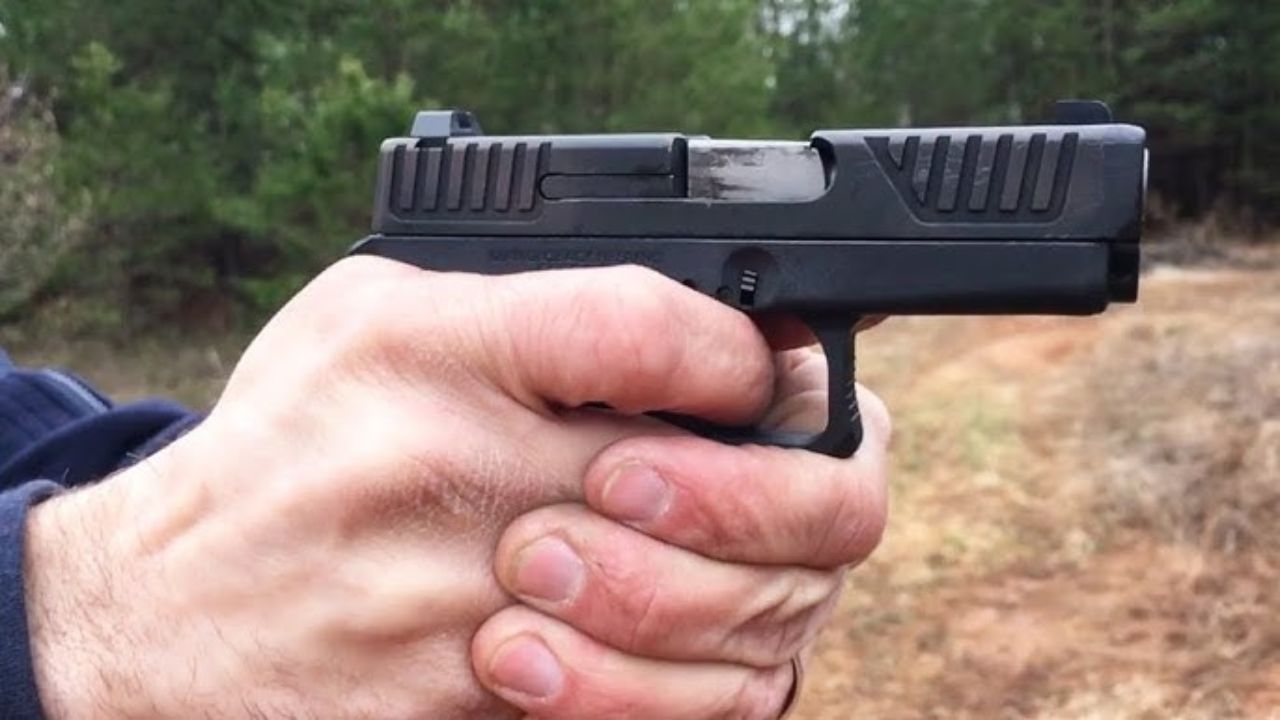
The Diamondback DB9 is a tiny 9mm, and that tells you most of what you need to know. It is easy to hide, easy to carry, and much harder to shoot well than its size might suggest to a new buyer.
There is not enough gun to hold onto, and the recoil impulse can feel sharp enough to break concentration. Good shooters often perform better with slightly larger pistols because they can actually control them. The DB9 proves that small carry guns can shrink your confidence fast.
Beretta Nano

The Beretta Nano was designed to be smooth and snag-free, but that clean exterior comes with tradeoffs. The grip shape, heavy-feeling trigger, and minimalist controls can make the pistol harder to run well than many shooters expect.
It is not a bad idea on paper. The issue is that it does not always feel natural in the hand. When a pistol points oddly or gives poor feedback through the trigger, even good shooters start working around the gun instead of simply shooting it. That is where performance drops.
Taurus GX4

The Taurus GX4 is better than a lot of people expected from Taurus, and it has earned some real defenders. Still, it is a small, lightweight micro 9mm, and that category can make good shooters look worse once the shooting gets serious.
The grip is short, recoil is quick, and the small frame demands a locked-in grip every time. If your support hand gets lazy or your trigger press gets rushed, the GX4 shows it immediately. It is a useful pistol, but it is not as forgiving as larger carry guns.
Glock 42
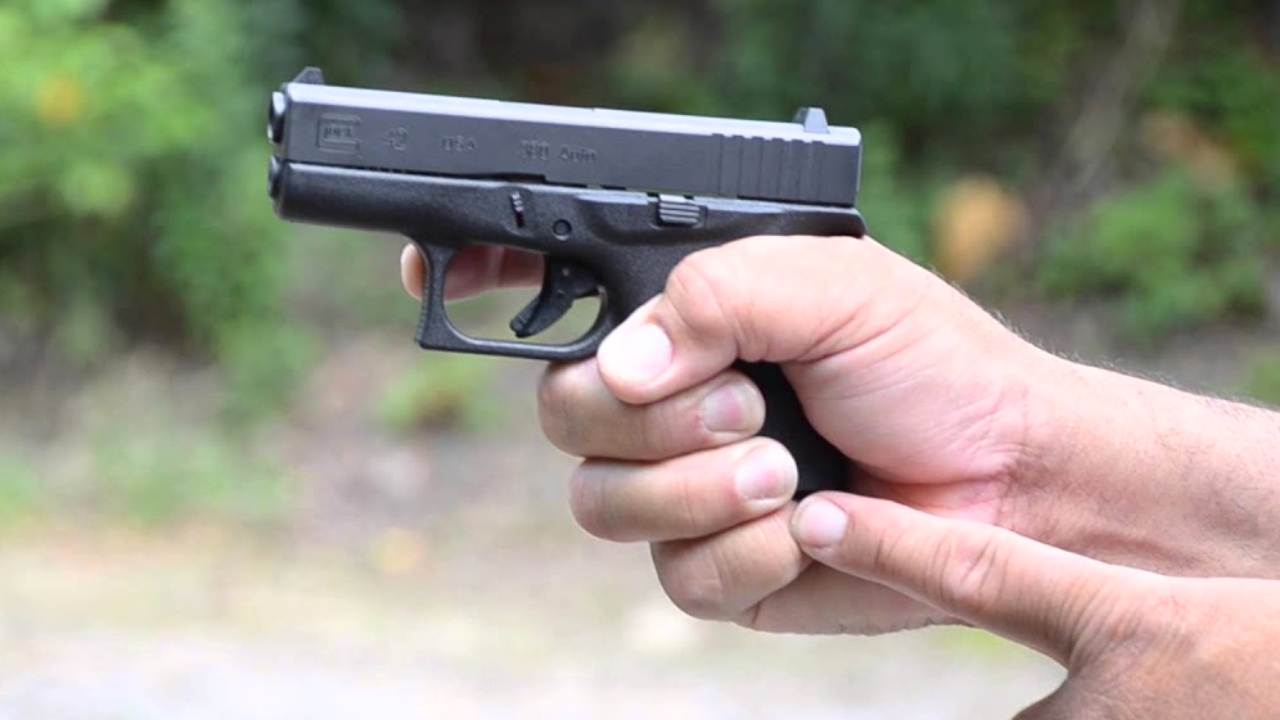
The Glock 42 is soft compared with many tiny .380 pistols, but it can still make shooters look worse for a different reason. The pistol is small, light, and easy to under-grip, especially for people used to larger Glock frames.
Because recoil is mild, shooters sometimes get casual with it. That is when shots start drifting and cadence falls apart. The Glock 42 can be accurate, but it still demands careful grip and clean trigger work. It is friendly, not automatic.
KelTec PF9

The KelTec PF9 was one of the earlier thin 9mm carry pistols that promised real chambering power in a very light package. That sounded good until people started practicing with them beyond a quick magazine or two.
The PF9 can be unpleasant, snappy, and unforgiving. The grip is narrow, the trigger is not especially refined, and the gun does not help you recover quickly between shots. A good shooter may still keep rounds on target, but he probably will not look smooth doing it.
Colt Mustang Pocketlite

The Colt Mustang Pocketlite has charm, but charm does not tighten groups by itself. It is small, light, and built around a single-action design that rewards familiarity. If you do not train with it consistently, it can feel fussier than expected.
The small sights and short grip limit what the pistol gives back to you. It is easy to carry and pleasant enough in the right hands, but it does not hide mistakes. Good shooters can run it, but the Mustang does not make them look as good as a larger pistol would.
Walther CCP M2

The Walther CCP M2 was meant to be easy to rack and softer to shoot, which sounds like it should help everyone. In slow fire, it often does. But the trigger feel, heat buildup, and overall handling can leave better shooters frustrated during longer or faster sessions.
It is approachable, but it is not especially crisp. When you start pushing speed, that matters. A good shooter may find himself waiting on the trigger, fighting the reset, or struggling to get the same feedback he gets from sharper defensive pistols.
Remington R51
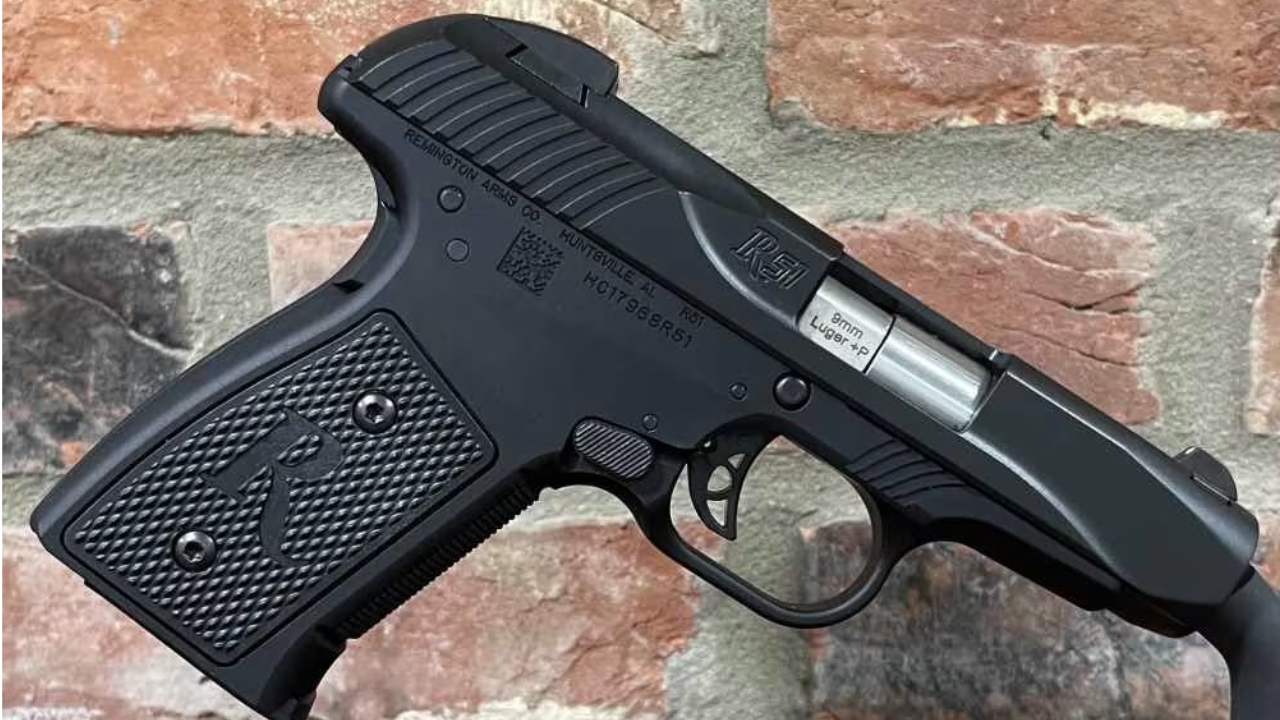
The Remington R51 promised a low bore axis and soft shooting, but the real-world experience left many shooters unimpressed. The grip shape, trigger feel, and reliability concerns made it hard for people to settle in and trust what the pistol was doing.
Even when the gun runs, confidence matters. A shooter who is thinking about whether the pistol will feed cleanly or whether the trigger feels right is already distracted. The R51 made too many people work around the gun instead of simply shooting well.
Smith & Wesson CSX
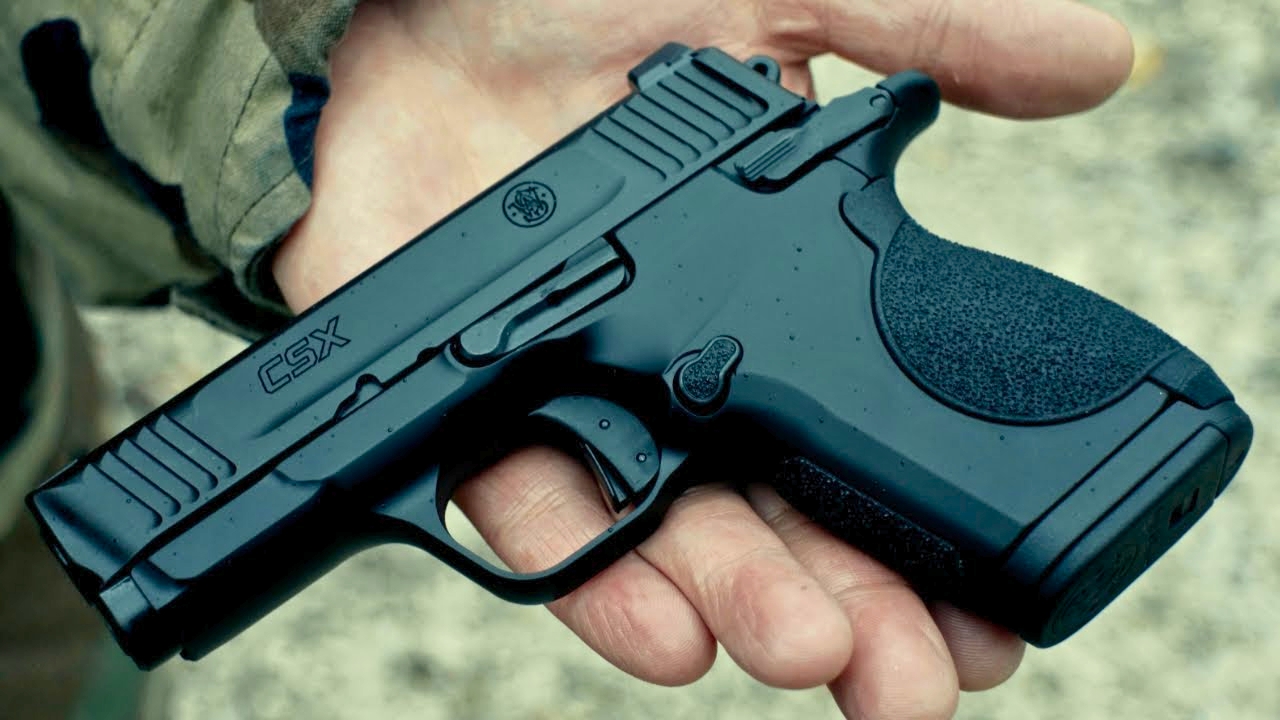
The Smith & Wesson CSX looked like it had all the right ingredients: metal frame, strong capacity for its size, manual safety, and a compact carry profile. A lot of experienced shooters wanted to like it right away.
The issue is that the trigger and reset feel have frustrated many people. When the gun does not give clean feedback, shooting it quickly can feel less natural than it should. The CSX can be accurate, but it has a way of making good shooters look slower and less settled than they are.
Like The Avid Outdoorsman’s content? Subscribe to our newsletter so you never miss an article.
Here’s more from us: