Photo credit: ANR Design – Thermoplastic Holsters/YouTube
Some guns need years to build a reputation. Others arrive with one already waiting for them. A military connection, a famous designer, a dramatic new cartridge, or nonstop online coverage can convince buyers that a firearm is destined to change the market before ordinary shooters have even had time to test it.
That early excitement can be dangerous. Expectations climb so high that a merely decent firearm begins to look like a failure. In other cases, the marketing really does outrun the design, leaving owners with reliability problems, weak ergonomics, expensive accessories, or a gun that never offered a meaningful advantage over what was already available. These 20 firearms generated plenty of attention from the beginning but struggled to justify all of it once the excitement settled down.
Hudson H9

The Hudson H9 seemed ready to become one of the most important pistols of its generation. It combined a 1911-style trigger and grip angle with a striker-fired action, while the recoil spring sat low in front of the trigger guard. That unusual layout created a low bore line and gave the pistol an appearance unlike anything else on the market.
The excitement was immediate, but the company could not turn the concept into a dependable long-term platform. Owners encountered parts breakage, limited magazine availability, and uncertainty about factory support before Hudson ultimately collapsed. The pistol could shoot well, and the basic idea still attracts interest, but buying one became a gamble almost immediately. The H9 was marketed like the next major step in handgun design and ended up becoming a lesson in why clever engineering means little without manufacturing depth and a stable company behind it.
Remington R51
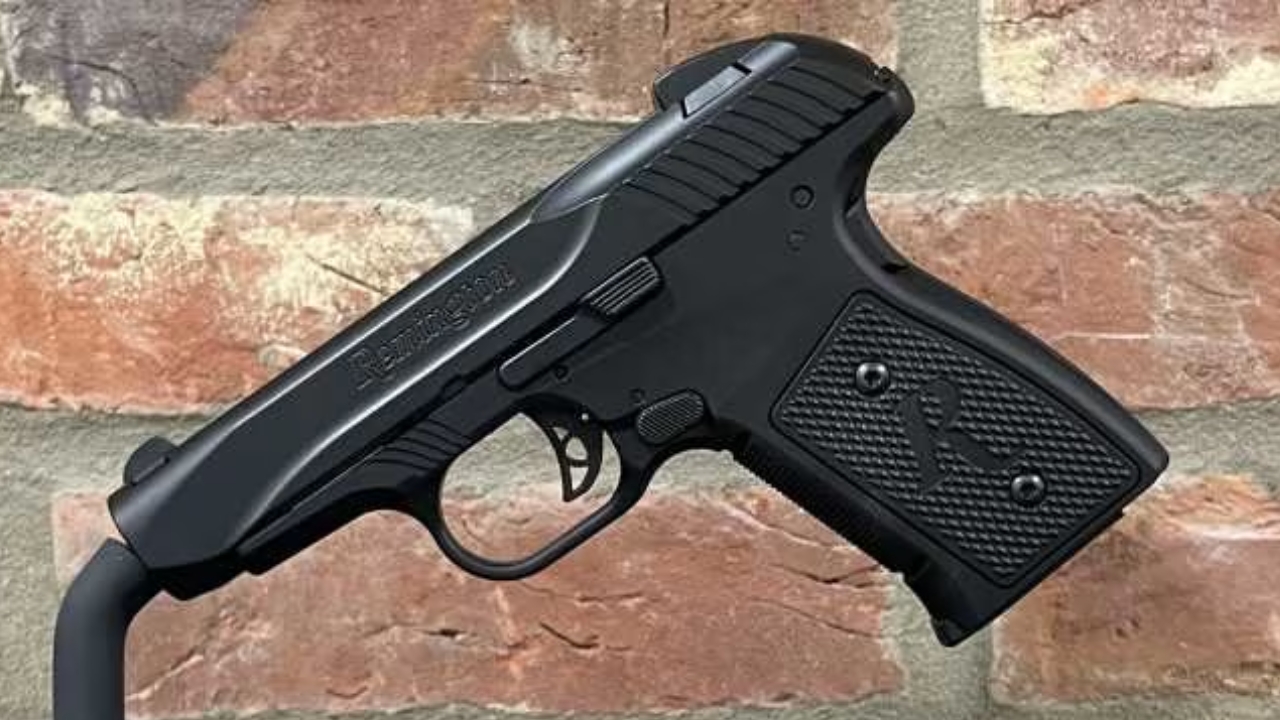
The Remington R51 arrived with a combination of nostalgia and modern promise. It revived the hesitation-lock system from the old Model 51 while offering a slim metal-framed 9mm intended for concealed carry. Remington promoted the low bore axis, mild recoil, and smooth exterior as major advantages over ordinary polymer pistols.
The first production guns quickly exposed major problems. Rough operation, unreliable feeding, difficult disassembly, and poor fit turned the launch into a public embarrassment. Remington recalled the pistols and later introduced a revised version, but trust had already disappeared. The R51 was not simply another disappointing carry gun. It came from one of America’s most recognized firearm companies and was presented as a thoughtful reinvention of the compact pistol. That made the failure much harder for buyers to forgive.
Caracal CP
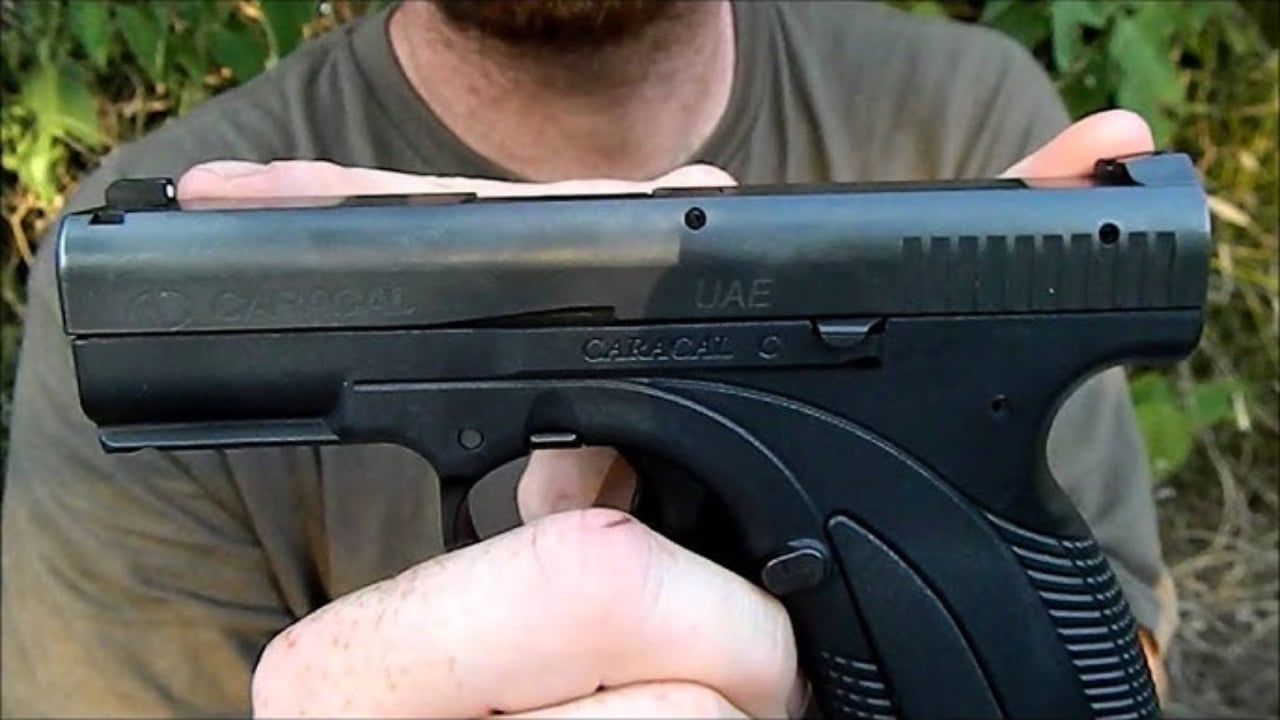
The Caracal CP was introduced as a compact companion to the full-size Caracal F, a pistol that had already attracted attention for its low bore axis and fast handling. The CP promised the same unusual ergonomics in a smaller carry package and appeared positioned to compete directly with established service-pistol brands.
The platform’s momentum collapsed when safety concerns and recalls affected Caracal pistols. That history made it difficult for shooters to trust the compact model, even as the company attempted to revise and relaunch parts of the lineup. The CP never built the parts, magazine, or holster support required to survive in the concealed-carry market. Its early reputation came almost entirely from design promise and curiosity. Without a stable record of widespread ownership, the hype had nowhere solid to go.
Arsenal Strike One
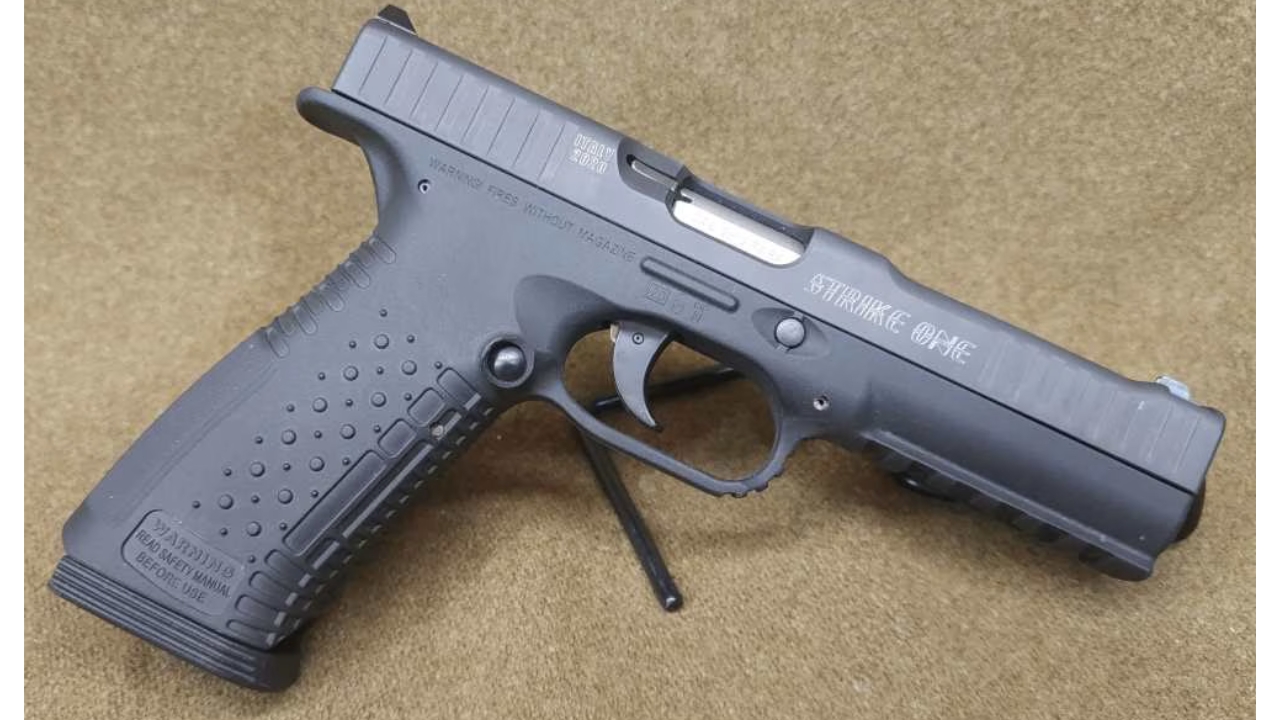
The Arsenal Strike One drew attention through its extremely low bore axis and unusual locking system. Shooters were told to expect a pistol that stayed exceptionally flat during rapid fire, combined with Italian design and a futuristic profile that separated it from common striker-fired guns.
The actual ownership experience was far less convenient. The pistol was expensive, difficult to find, and supported by a tiny supply of magazines, holsters, and replacement parts. The low bore axis did help control muzzle rise, but it did not make the Strike One dramatically better than every established competitor. Later versions and related designs continued appearing under different names, which only added confusion. It was an interesting gun, but the early claims made it sound like a revolution when it was really a specialized alternative with serious support problems.
Archon Type B
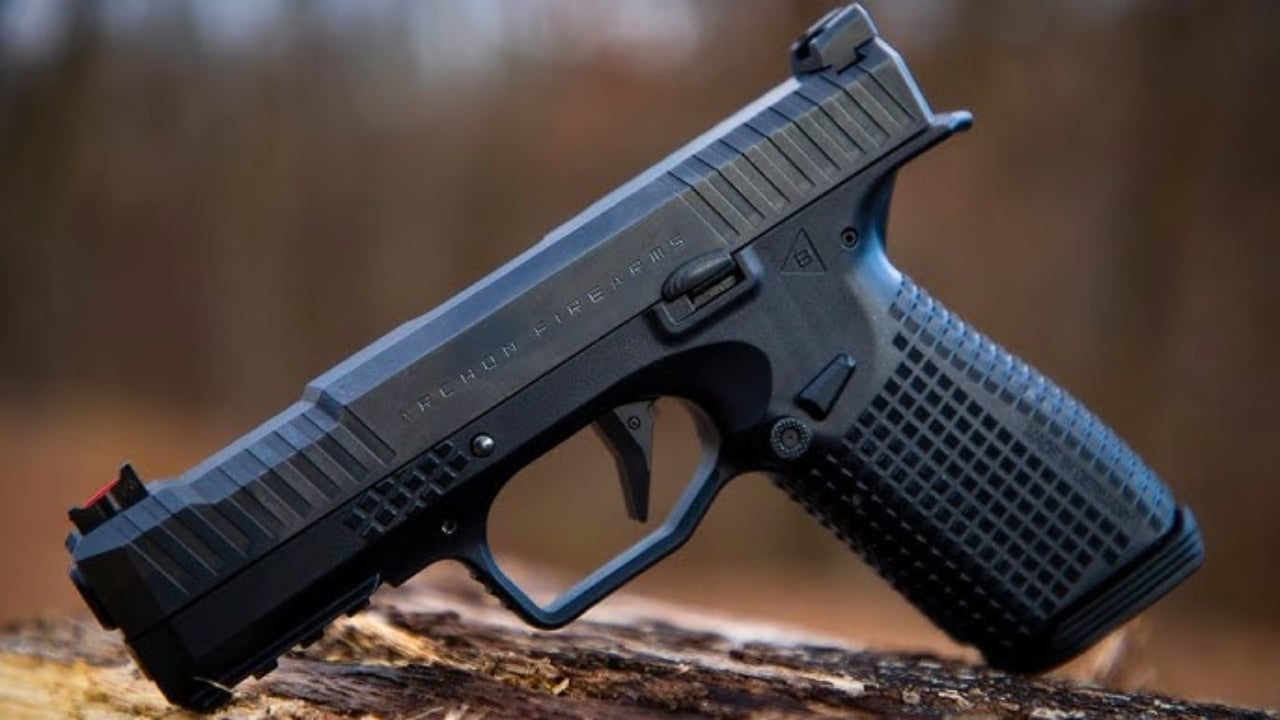
The Archon Type B followed the Strike One concept and immediately generated excitement among serious handgun enthusiasts. Its low bore line, nontraditional locking system, and high grip position promised excellent recoil control in a compact duty-size pistol.
The pistol often shot very well, but the broader market never developed around it. Availability was inconsistent, magazines were expensive, and ownership required far more effort than buying a Glock, M&P, CZ, or Walther. The Type B also carried a premium price despite lacking the service history or support network of those established platforms. Enthusiasts praised its engineering, but most ordinary buyers needed a gun that could be repaired, accessorized, and fed with easily available magazines. The Type B earned interest, yet it never earned the sweeping early claims that it would redefine striker-fired pistols.
Boberg XR9-S
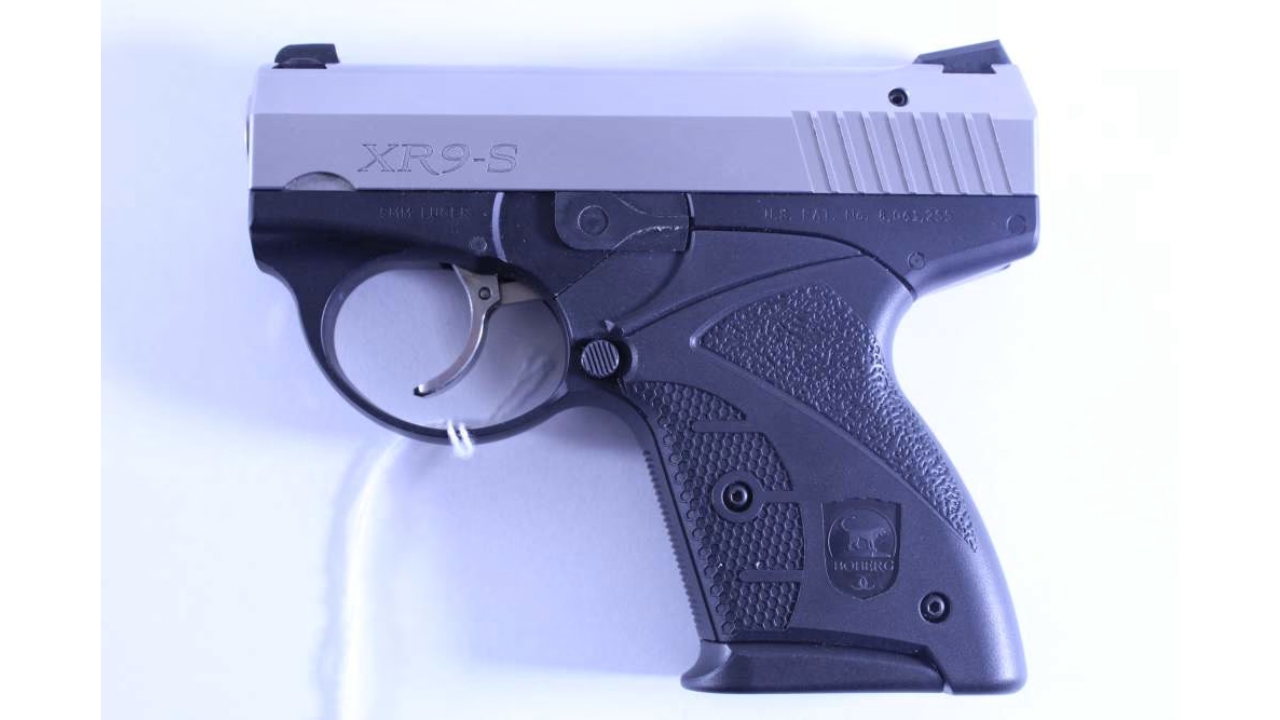
The Boberg XR9-S looked like a genuine breakthrough in pocket-pistol design. Its unusual feeding system pulled cartridges backward from the magazine before lifting them into the chamber, allowing the pistol to use a relatively long barrel inside a very short overall package.
That clever mechanism created ammunition limitations conventional pistols did not have. Certain loads could experience bullet separation if the cartridge crimp was not strong enough, forcing owners to pay close attention to ammunition compatibility. The pistol was also expensive, mechanically complicated, and supported by a tiny aftermarket. It was impressive engineering, but the design solved the barrel-length problem by introducing new concerns involving ammunition and maintenance. The XR9-S received more praise for originality than for being the easiest compact pistol to own.
Diamondback DB9

The Diamondback DB9 appeared at a time when shooters were desperate for extremely small 9mm carry pistols. It was thin, light, affordable, and visually similar enough to a miniature Glock that many buyers expected straightforward operation and serious defensive capability.
The tiny frame produced harsh recoil, minimal grip space, and a shooting experience that discouraged practice. Early examples also developed mixed reliability reputations, with owners reporting sensitivity to ammunition and shooter technique. The pistol’s size was its greatest selling point and the source of nearly every major compromise. It could disappear in a pocket, but it was difficult to shoot well and unpleasant to train with. The early excitement focused heavily on how much cartridge Diamondback had fit into so little gun, not whether most shooters could use it effectively.
Heizer Defense DoubleTap

The DoubleTap was promoted as a modern tactical derringer built for deep concealment. Its flat profile, metal construction, and interchangeable barrel assemblies made it sound like a rugged backup pistol capable of firing serious centerfire cartridges from an almost impossibly thin package.
The first range session usually revealed the weakness in the concept. The grip offered almost no cushioning, the trigger was heavy, and recoil from 9mm or .45 ACP could be brutal. Two rounds also gave the shooter very little capacity, while reloading required much more time than changing a magazine in a conventional pistol. The DoubleTap carried easily because almost everything useful had been stripped away. It looked like a clever emergency gun until owners realized how difficult it was to shoot and how little capability it offered after the first two shots.
Taurus Curve
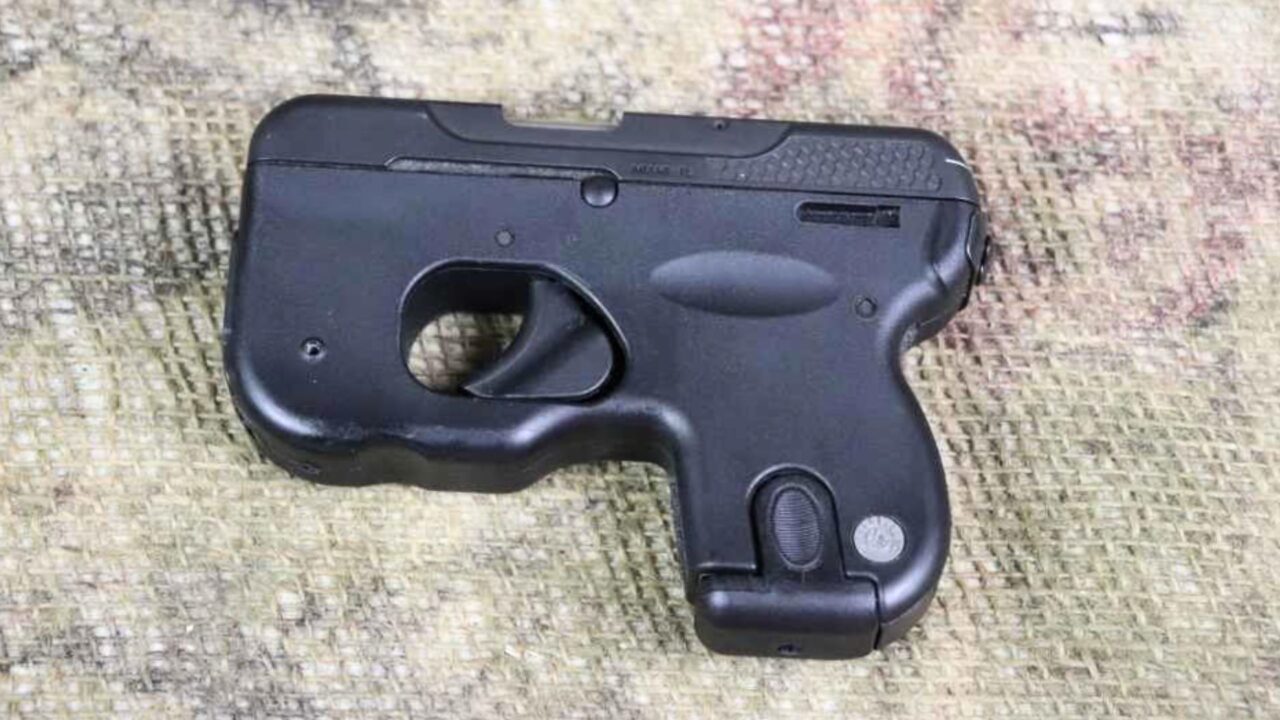
The Taurus Curve received enormous attention because its frame was literally curved to follow the body. Taurus built the entire pistol around reduced printing and snag-free carry, adding integrated light and laser options to make the gun seem like a complete concealed-carry system.
The design was memorable but poorly matched to real shooting. The curve favored one carry side, the grip felt strange, and the lack of conventional sights made accurate fire more difficult. Its shape also made training habits less transferable to any other handgun. The pistol solved a concealment problem by creating control and aiming problems that mattered more. It became a perfect example of a gun designed to generate conversation at release rather than to survive years of serious use.
Standard Manufacturing S333 Thunderstruck
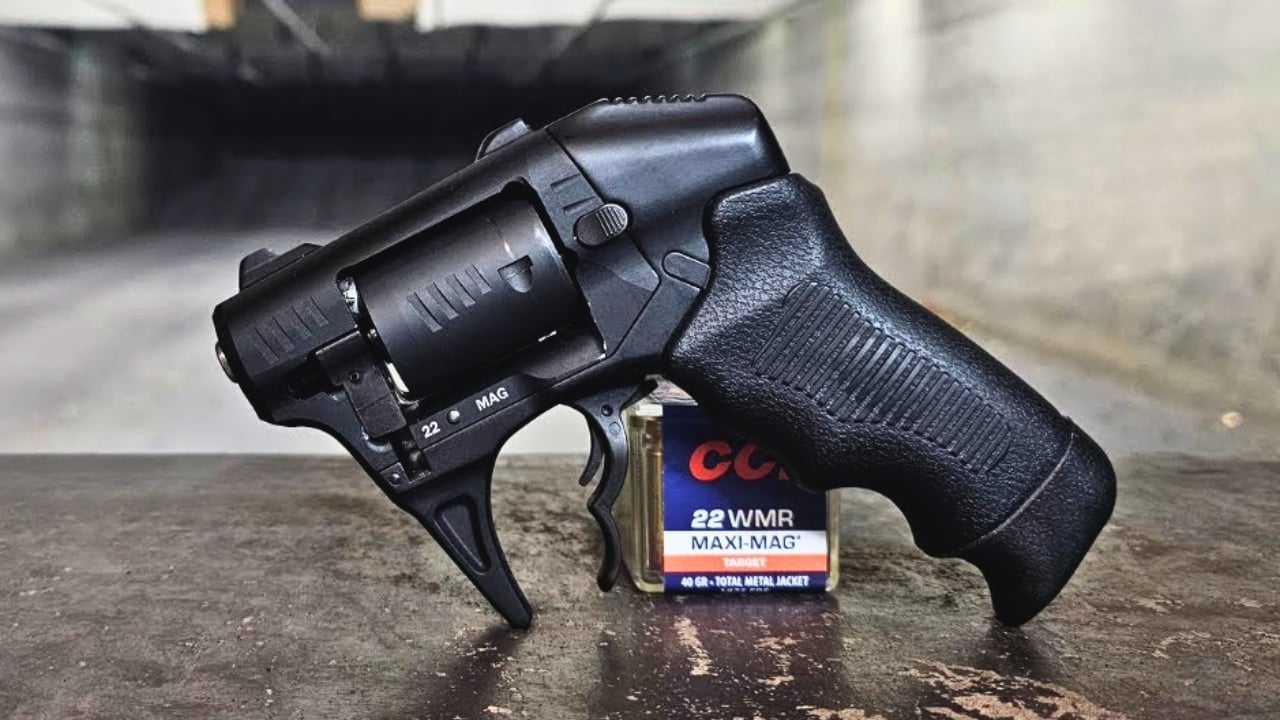
The S333 Thunderstruck was marketed around its ability to fire two .22 Magnum cartridges simultaneously. It held eight rounds and delivered four paired shots, creating the impression that two projectiles would provide a major defensive advantage over a normal small-caliber revolver.
The idea sounded more impressive than it performed. Firing two rounds at once cut the usable shot count in half and did not guarantee ideal placement of either projectile. The trigger system and controls were unconventional, and early versions drew criticism involving reliability and safe handling. The pistol relied on the dramatic visual of two barrels and two bullets, but experienced shooters understood that predictable accuracy and dependable operation matter more than projectile count. The Thunderstruck was talked about heavily from the start and never built the confidence needed to support that attention.
Colt Double Eagle
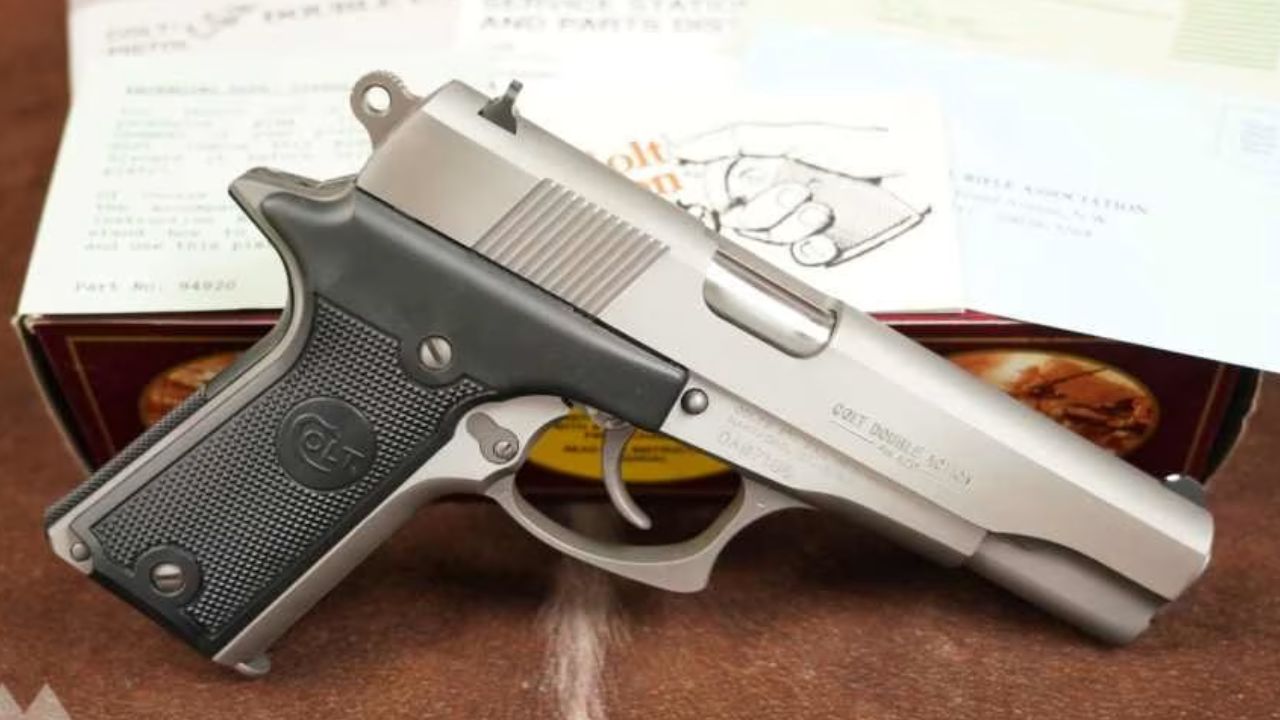
The Colt Double Eagle generated interest because it combined the appearance and cartridge options of a 1911 with a traditional double-action trigger system. Buyers expected Colt to deliver a more modern service pistol without giving up the familiar metal frame and .45 ACP chambering.
The execution felt awkward. The controls were less refined than those on competing SIG Sauer, Beretta, and Smith & Wesson pistols, while the trigger system lacked the clean simplicity that made the 1911 famous. Some internal components could also create frustration during disassembly. The Double Eagle was neither a better 1911 nor a better traditional double-action service pistol. It tried to use Colt’s reputation to bridge two categories and ended up demonstrating why those designs were better kept separate.
Colt Z40
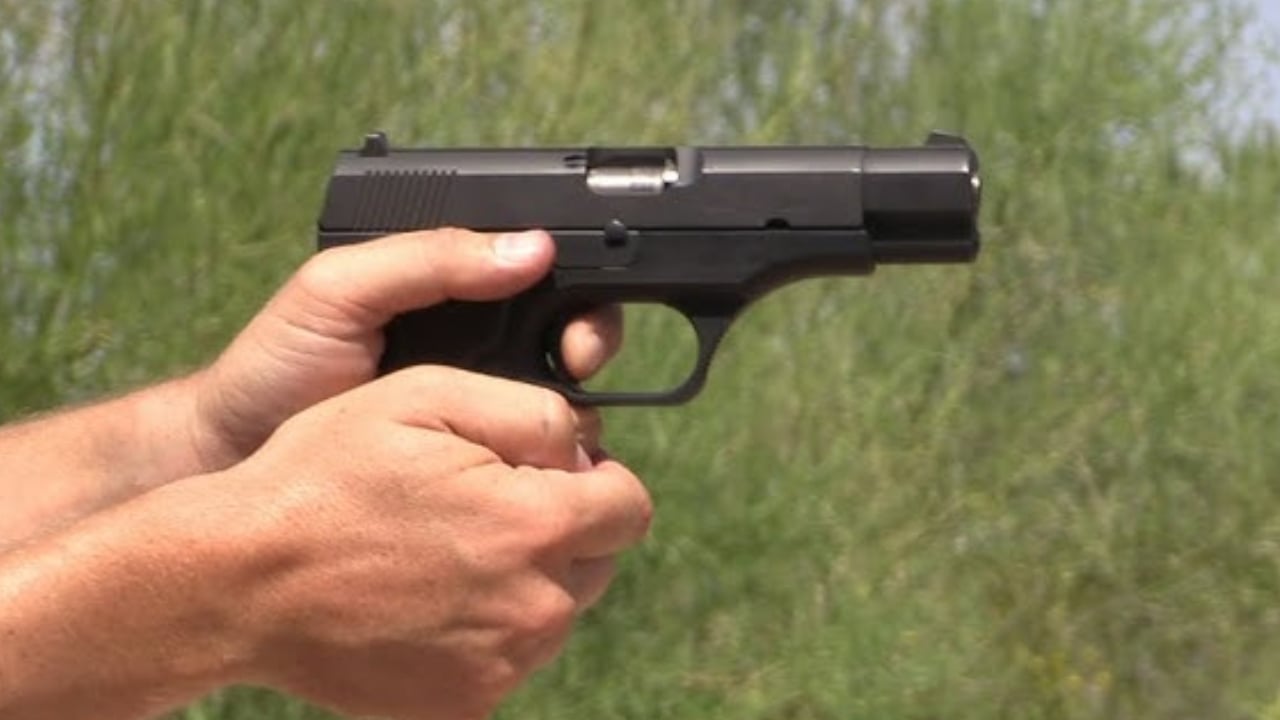
The Colt Z40 was tied to CZ and Colt at a time when both names carried enormous credibility. It used a design related to the CZ 40B and was intended to help Colt reenter the modern law-enforcement pistol market with a .40 S&W handgun that looked and felt different from the polymer competition.
The pistol never gained the contracts or civilian following necessary to justify the expectations. Its styling was unusual, the double-action trigger was ordinary, and the gun arrived when police agencies were already moving strongly toward lighter polymer pistols. Production was brief, support remained limited, and the model quickly became a curiosity. The involvement of two respected companies made the Z40 sound significant. In practice, it was a transitional handgun with no lasting advantage.
Smith & Wesson Model 53
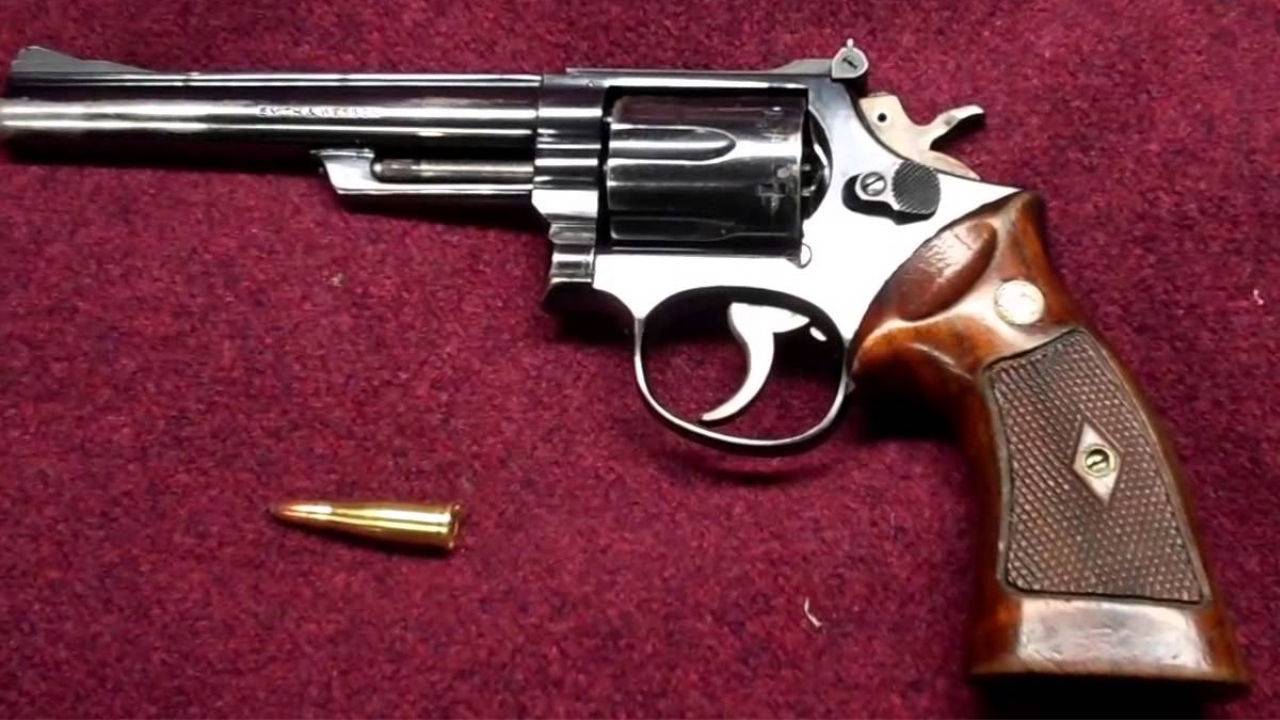
The Smith & Wesson Model 53 sounded fascinating because it chambered the high-velocity .22 Remington Jet cartridge. The bottleneck round promised significantly more speed than ordinary rimfire or small centerfire revolver cartridges, giving varmint hunters and experimenters something completely different.
The cartridge created real practical problems. Cases could set back under firing and bind the cylinder, especially if chambers or ammunition were not perfectly clean and free of oil. The revolver also required inserts to fire .22 Long Rifle through its larger chambers. What appeared to be a versatile high-speed small-game revolver became a demanding specialty gun. Collectors now value it for rarity and mechanical interest, but its original performance never matched the excitement surrounding the cartridge.
Dardick Model 1500
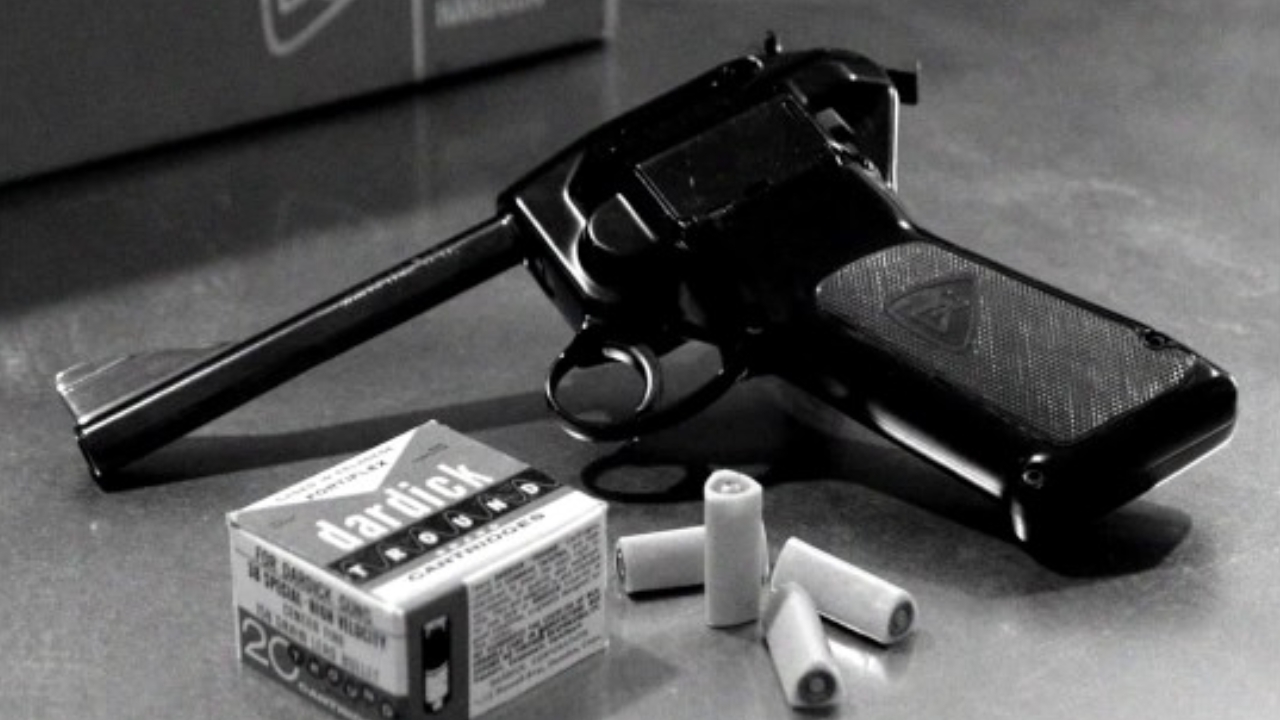
The Dardick Model 1500 was one of the strangest handguns ever offered commercially. It used triangular cartridges called trounds and combined elements of a revolver and magazine-fed pistol. The design promised high capacity, rapid loading, and a new way to think about firearm actions.
The system failed because the ammunition was proprietary, the gun was bulky, and the practical advantage was never convincing enough to overcome the complexity. Shooters had to trust an entirely new cartridge shape, feeding system, and manufacturer support network. Once production ended, the pistol became almost impossible to use as intended. The Dardick is historically fascinating, but it represents the risk of believing a radical mechanism will succeed simply because it is different.
Gyrojet Mark I

The Gyrojet Mark I fired miniature rocket-propelled projectiles instead of conventional cartridges. The concept promised low recoil, a lightweight firearm, and projectiles that gained velocity after leaving the barrel. It seemed like technology from the future rather than an ordinary handgun.
The reality was far less useful. The projectiles had low velocity at extremely close range because they were still accelerating, while inconsistent manufacturing affected accuracy. Ammunition was expensive and difficult to produce, and the system never offered enough reliability or performance to replace conventional cartridges. The Gyrojet became collectible because it was unusual, not because it worked better. Its early promise was enormous, but the physics and economics never supported the excitement.
Calico M950
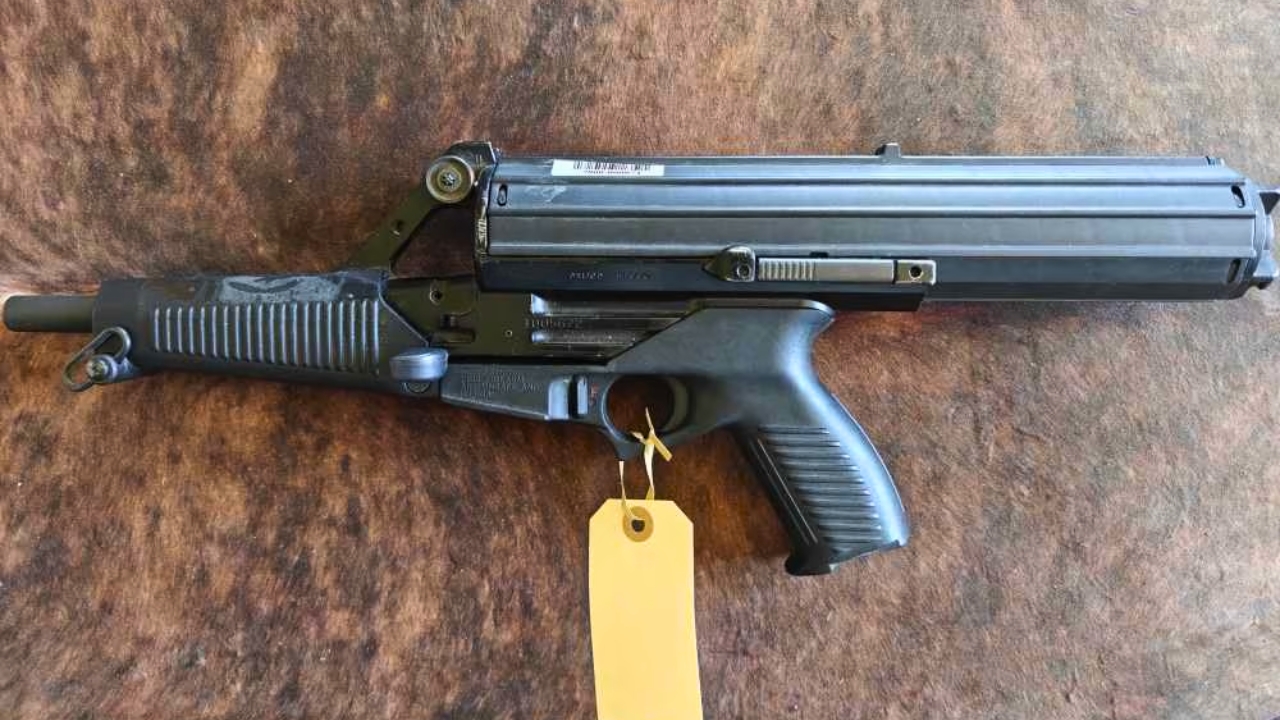
The Calico M950 attracted attention through its helical magazine, which could hold far more ammunition than ordinary handgun magazines without extending far below the firearm. The futuristic styling and 50- or 100-round capacity made it one of the most distinctive 9mm pistols and carbines of its era.
The magazine system was the source of both the excitement and the frustration. It required careful loading and spring tension, and the gun’s balance changed as ammunition moved through the magazine. The controls and sight arrangement were also unconventional, while parts and magazines were never as common as those for mainstream firearms. The Calico delivered capacity but not simplicity. It was overhyped as a practical high-capacity breakthrough when it made the most sense as an unusual recreational gun.
Franchi SPAS-12
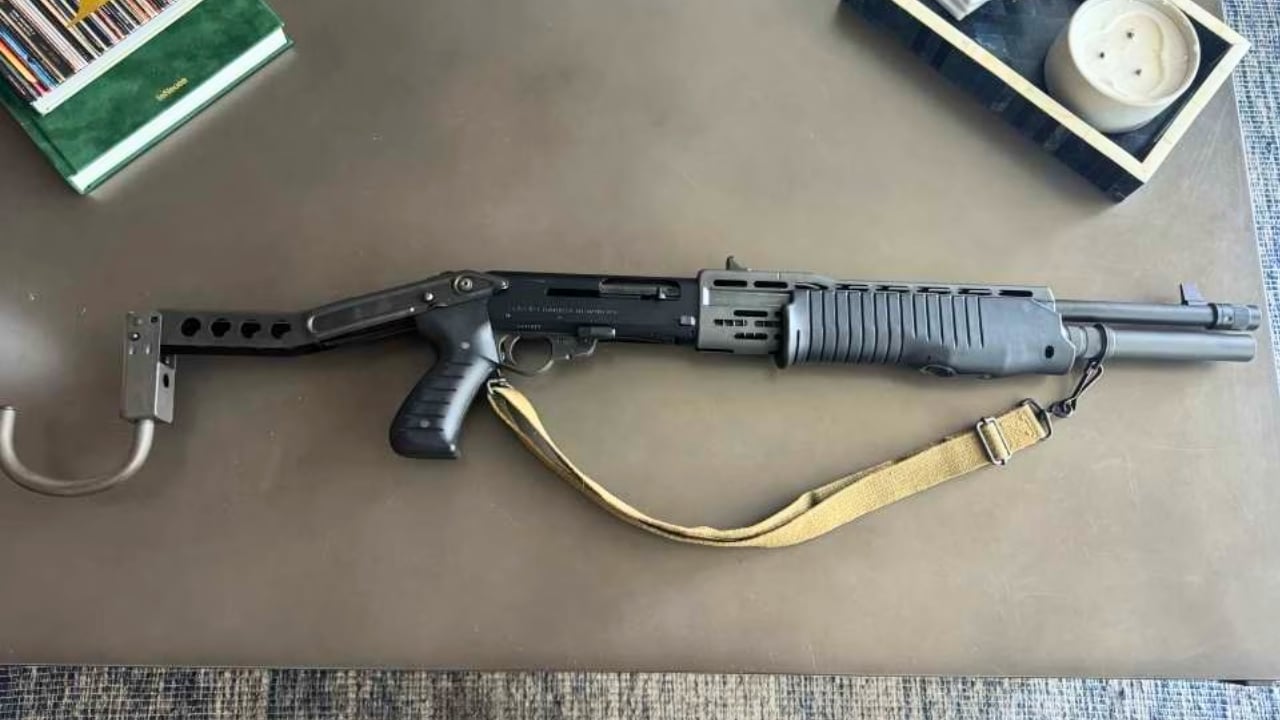
The Franchi SPAS-12 became famous through movies, television, and video games. Its ability to operate as both a semi-automatic and pump-action shotgun sounded ideal for military or police use, allowing the shooter to cycle full-power shells automatically and manually operate low-powered specialty ammunition.
The shotgun was extremely heavy, mechanically complicated, and covered in controls that were not especially intuitive. Switching modes required familiarity, while the folding-stock hook and safety systems created additional concerns. Its practical advantages rarely justified the weight and complexity compared with simpler pump or semi-automatic shotguns. The SPAS-12 remains highly collectible because of its appearance and media history. Its reputation as the ultimate tactical shotgun, however, was built more by the screen than by actual performance.
Pancor Jackhammer

The Pancor Jackhammer became famous despite never reaching true commercial production. Its gas-operated revolving cylinder, bullpup layout, and fully automatic capability made it appear to be a revolutionary combat shotgun. Images and descriptions spread widely, creating a reputation far larger than the number of working examples.
The design never proved itself through real military adoption or large-scale testing. Manufacturing complexity, weight, and the limited practical need for such a system worked against it. The Jackhammer became a legend mainly because people kept seeing it in reference books, games, and discussions about unusual firearms. It may be the purest example of a gun that was overhyped before ordinary shooters had any chance to determine whether it was actually good.
USFA ZiP .22
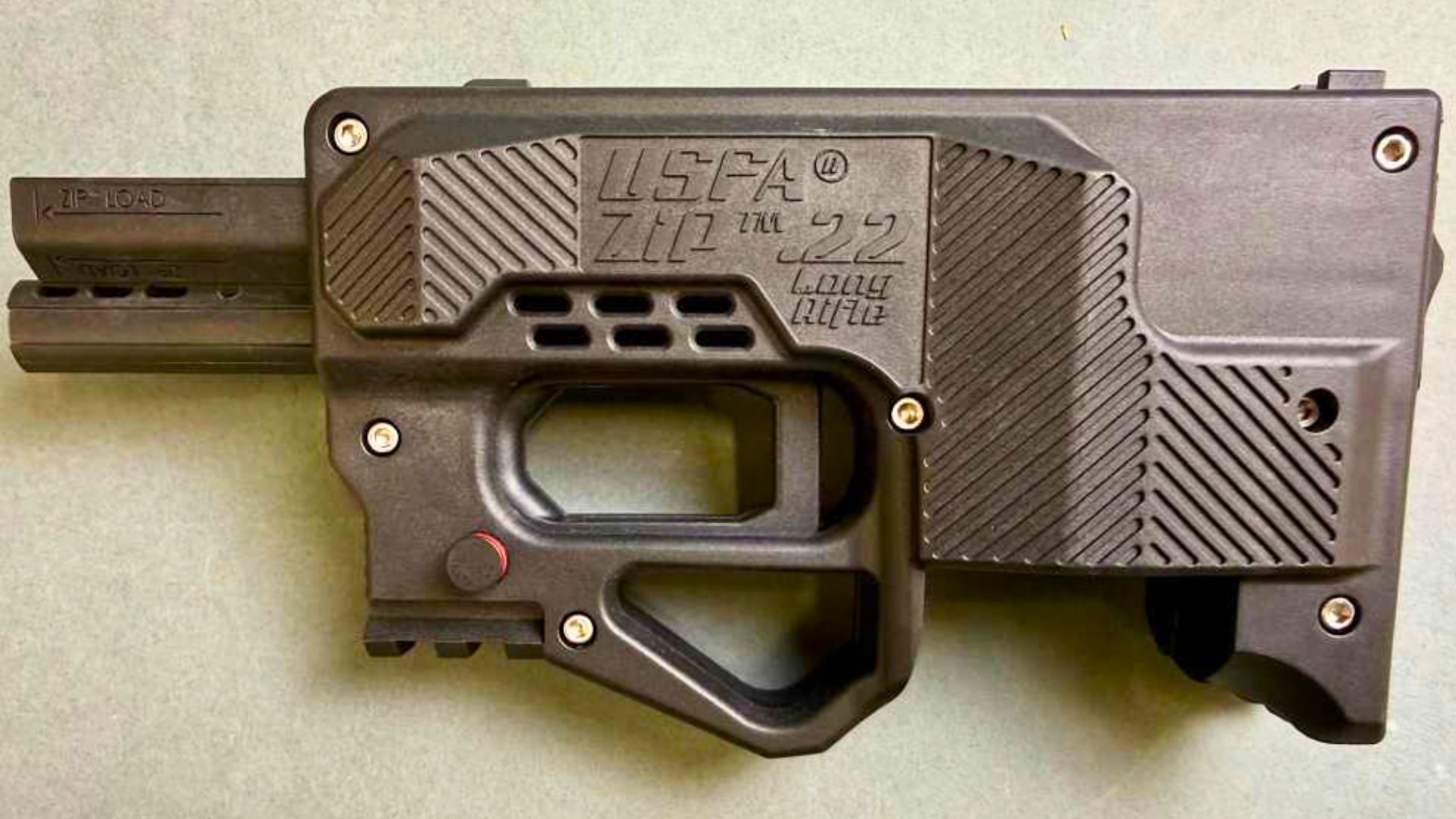
The USFA ZiP .22 generated attention because it used Ruger 10/22 magazines and was intended as a compact modular rimfire pistol. USFA had previously built highly regarded single-action revolvers, so buyers expected unusual design backed by serious manufacturing ability.
The pistol became notorious for unreliable operation, awkward ergonomics, and charging handles positioned dangerously close to the muzzle. Its shape made aiming difficult, while the feeding system created constant frustration. The contrast between USFA’s earlier craftsmanship and the ZiP made the failure especially dramatic. It was promoted as a fresh approach to the rimfire pistol and became one of the most frequently cited examples of a firearm that should never have reached production in its final form.
Like The Avid Outdoorsman’s content? Subscribe to our newsletter so you never miss an article.
Here’s more from us: