Image Credit: FRESH FISH CHANNEL/YouTUbe.
If you can’t tie a solid knot, you might as well hand-deliver that fish its freedom papers. A bad knot can cost you a trophy, a lure, or at the very least, your pride when your line snaps like a cheap shoelace. Any serious angler knows that knots are the difference between a fish on the line and a story about “the one that got away.” Learn these, tie them right, and you won’t be that guy.
Improved Clinch Knot

This is the workhorse of fishing knots. It’s simple, reliable, and won’t slip under pressure. Run your line through the hook eye, wrap it five to seven times, feed the tag end through the first loop, then back through the larger loop before cinching it down.
Always wet the line before you tighten—friction creates heat, and heat weakens your line. Done right, this knot locks down solid and keeps your hook where it needs to be. If you don’t know this one, you’re already losing fish you didn’t even know you had.
Palomar Knot

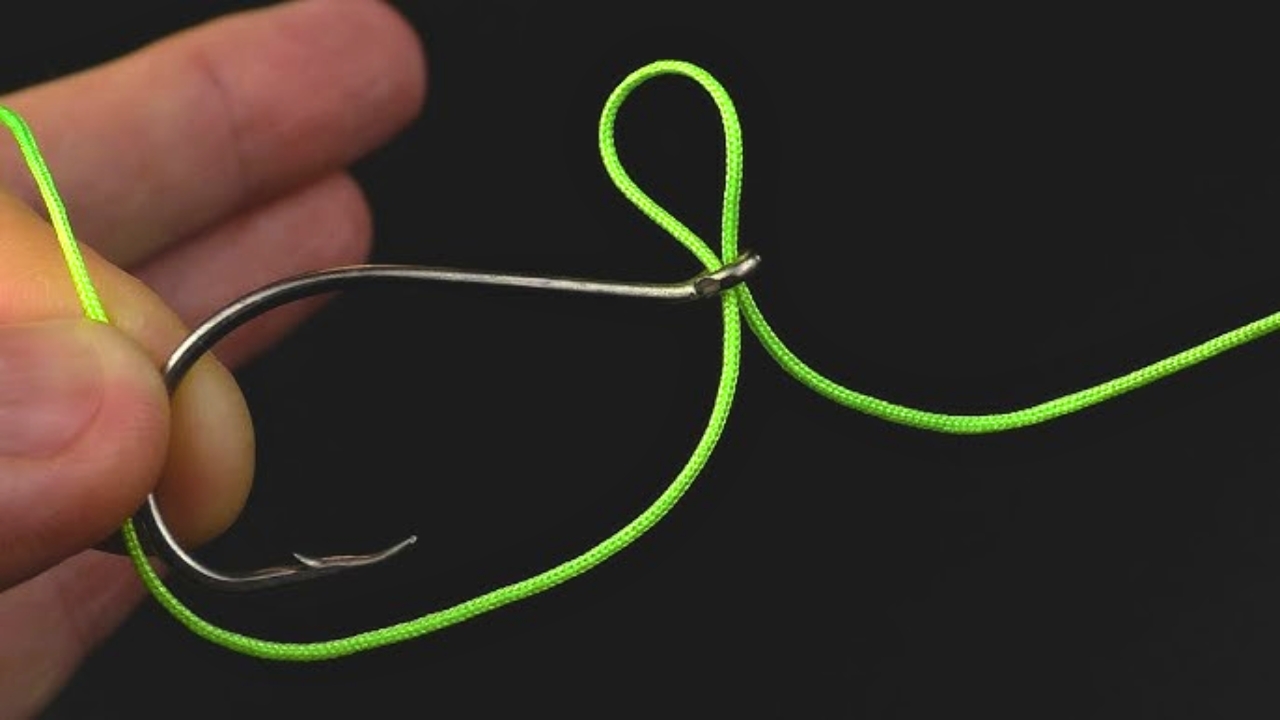
When you need pure strength, the Palomar knot is king. It’s about as fail-proof as a knot gets and takes all of five seconds to tie. Double up your line, pass it through the hook eye, tie a loose overhand knot, then pass the hook through the loop before pulling tight.
This knot shines with braided line, where some others tend to slip. If you’re fishing for bass, catfish, or anything that puts up a fight, this is the knot that keeps everything locked in place.
Uni Knot

The Uni Knot is like duct tape—if you don’t know what else to use, this will probably do the job. It works for tying hooks, swivels, and even joining two lines together. Run the tag end through the hook eye, double it back, make a loop, wrap the tag end through that loop five or six times, then pull it tight.
It’s strong, versatile, and won’t let you down. Saltwater guys swear by it, but it’s just as effective in freshwater. If you only learn a handful of knots, put this one on the list.
Loop Knot

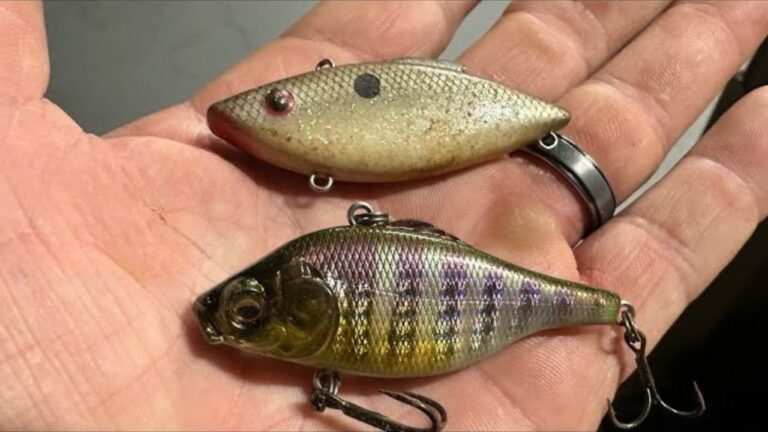
A rigid knot can kill the action of your lure. That’s where a loop knot comes in. It leaves a small open loop, giving your bait more freedom to move naturally in the water—perfect for crankbaits, soft plastics, and streamers.
The non-slip loop knot is a good go-to. Make an overhand knot, run the tag through the hook eye, back through the overhand loop, wrap it around the main line four or five times, then pull it tight. Now your bait moves the way it’s supposed to, instead of looking like it’s dragging an anchor.
Blood Knot
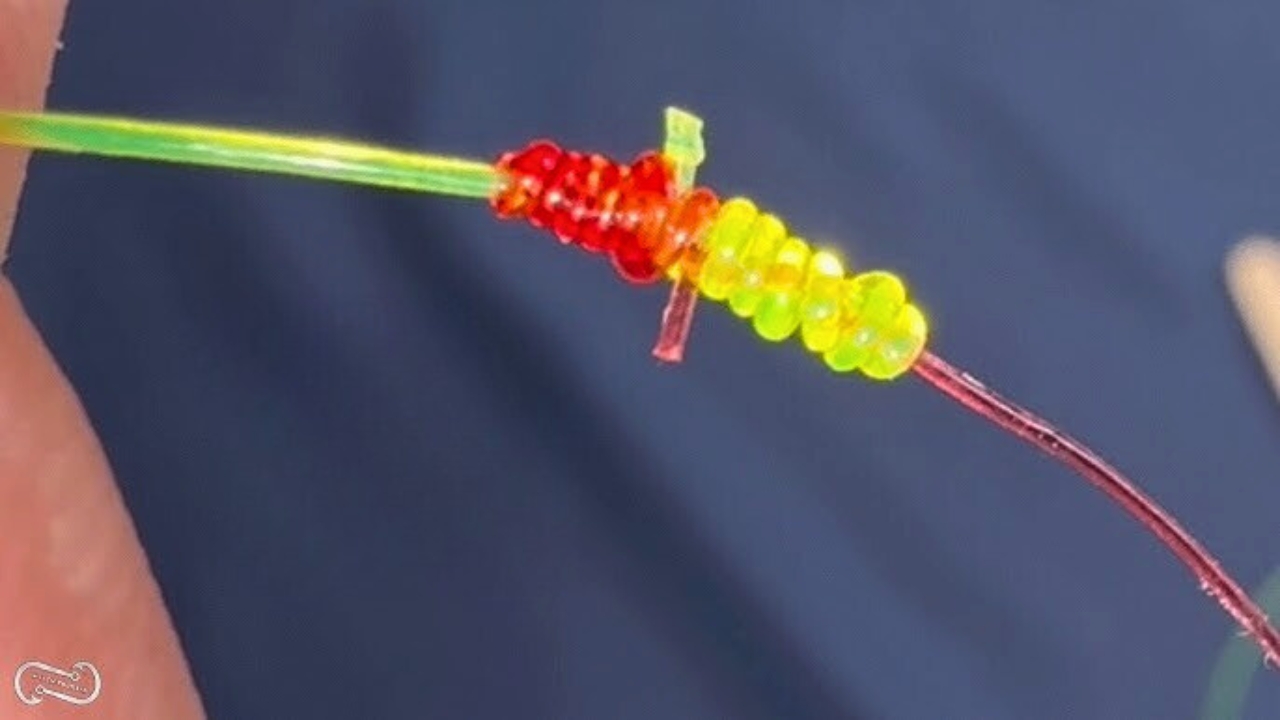
If you’re splicing two lines together, the Blood Knot is the way to do it without a bulky mess. It’s a must-have for fly fishing but works anywhere you need a clean connection.
Wrap one line around the other five to seven times, do the same with the second line, then feed both tag ends back through the middle in opposite directions before pulling tight. It’s not the easiest knot to tie, but if you take your fishing seriously, you’ll want to know this one.
Snell Knot
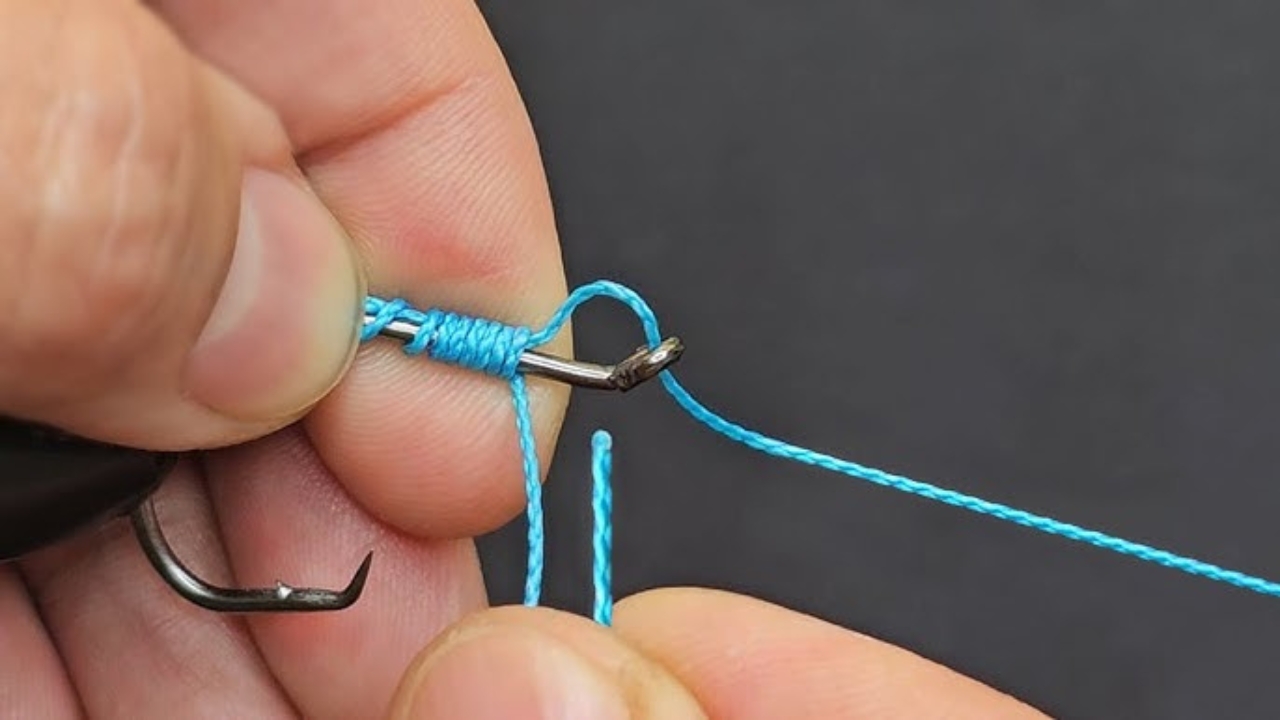
The Snell Knot is built for power. Instead of tying onto the eye, it wraps around the shank, giving you a straight pull when you set the hook. This makes it ideal for bottom fishing and big-game setups.
Run the line through the eye, wrap it around the shank six to eight times, then pull the tag end tight. That wrap-around grip means when a fish hits, the hook drives straight into the jaw—no slipping, no weak connections. If you’re fishing for big cats or offshore monsters, you need this in your arsenal.
Albright Knot

When you’re connecting different types of line—like braid to mono—the Albright Knot is one of the best. It’s slim, smooth, and strong, meaning it won’t snag on your guides or break under pressure.
Make a loop in the heavier line, pass the lighter line through, wrap it 10 times around itself, then run the tag end back through the original loop. Wet it, pull it tight, and you’ve got a rock-solid connection. If you’re tying leaders, this is one of the cleanest ways to do it.
Double Uni Knot

The Double Uni Knot is another solid way to connect two lines, especially if they’re close in diameter. Instead of relying on a single wrap, this knot locks two Uni Knots together.
Tie a Uni Knot on one line, do the same on the other, then pull them tight so they slide together. It’s easier to tie than a Blood Knot and works well in both freshwater and saltwater. If you need a strong, simple line-to-line connection, this is a great choice.
Trilene Knot

The Trilene Knot is like an upgraded Clinch Knot. It adds an extra wrap through the eye, making it stronger for high-impact situations—great for big fish, heavy cover, or when you need extra security.
Pass the line through the eye twice, wrap it around five to seven times, then thread it back through the original double loop before pulling tight. It works great with monofilament and fluorocarbon, keeping your lure or hook locked in place no matter what hits.
The San Diego Jam Knot

If you’re tying on heavy fluorocarbon or monofilament, the San Diego Jam Knot is one of the strongest options out there. Originally used by long-range tuna fishermen, it holds up under extreme pressure, making it a solid choice for big game fish.
Pass your line through the eye of the hook, double it back, and wrap it around itself 5-7 times. Then, pass the tag end through the bottom loop and back through the top loop before pulling it tight. This knot gives you a near 100% break strength and is great for both saltwater and freshwater anglers.
*This article was created with the assistance of AI.