
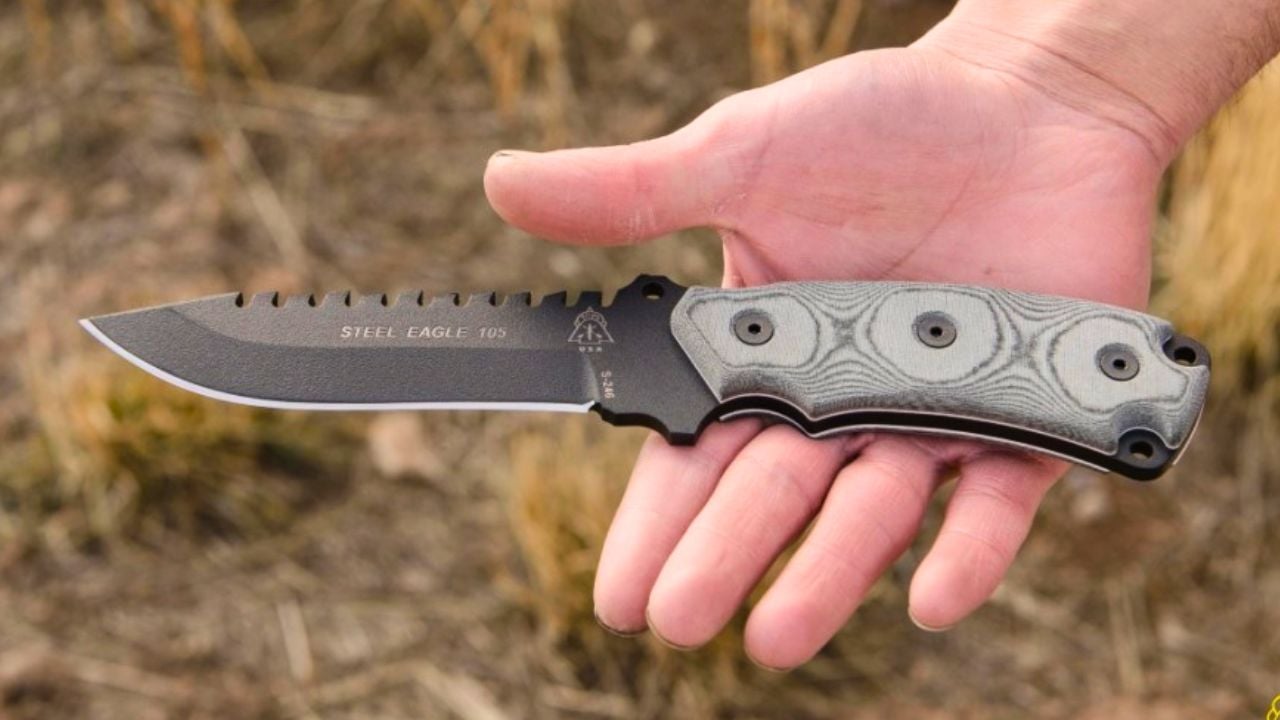
Photo credit: TOPS Knives
A lot of “tactical” knives are built to look like they belong on a plate carrier, not in a fire ring. In camp, you don’t need a blade that photographs well. You need one that slices food clean, makes feather sticks without fighting you, trims cordage, and does boring little chores all day without hot spots or drama.
The problem is that some designs chase aggression—sawteeth, steep angles, thick tips, weird grinds—while ignoring the stuff that actually matters when you’re cold, hungry, and trying to get things done before dark. A knife can be tough and still be useful, but the ones below lean so hard into the “operator” look that they often struggle with basic camp work.
KA-BAR USMC (full-size)

It looks like the answer to every camp problem until you try to do camp chores for an hour straight. The stock is thick, the grind is more “tough” than “slice,” and it loves to wedge in dry wood and food alike.
You can make it work, but you’ll feel the drag when you’re feathering kindling or carving notches. The stacked-leather handle also gets slick when wet, and it can develop hot spots if you’re doing repetitive cuts. It’s a classic fighting/utility knife, not a dedicated camp cutter.
Gerber StrongArm
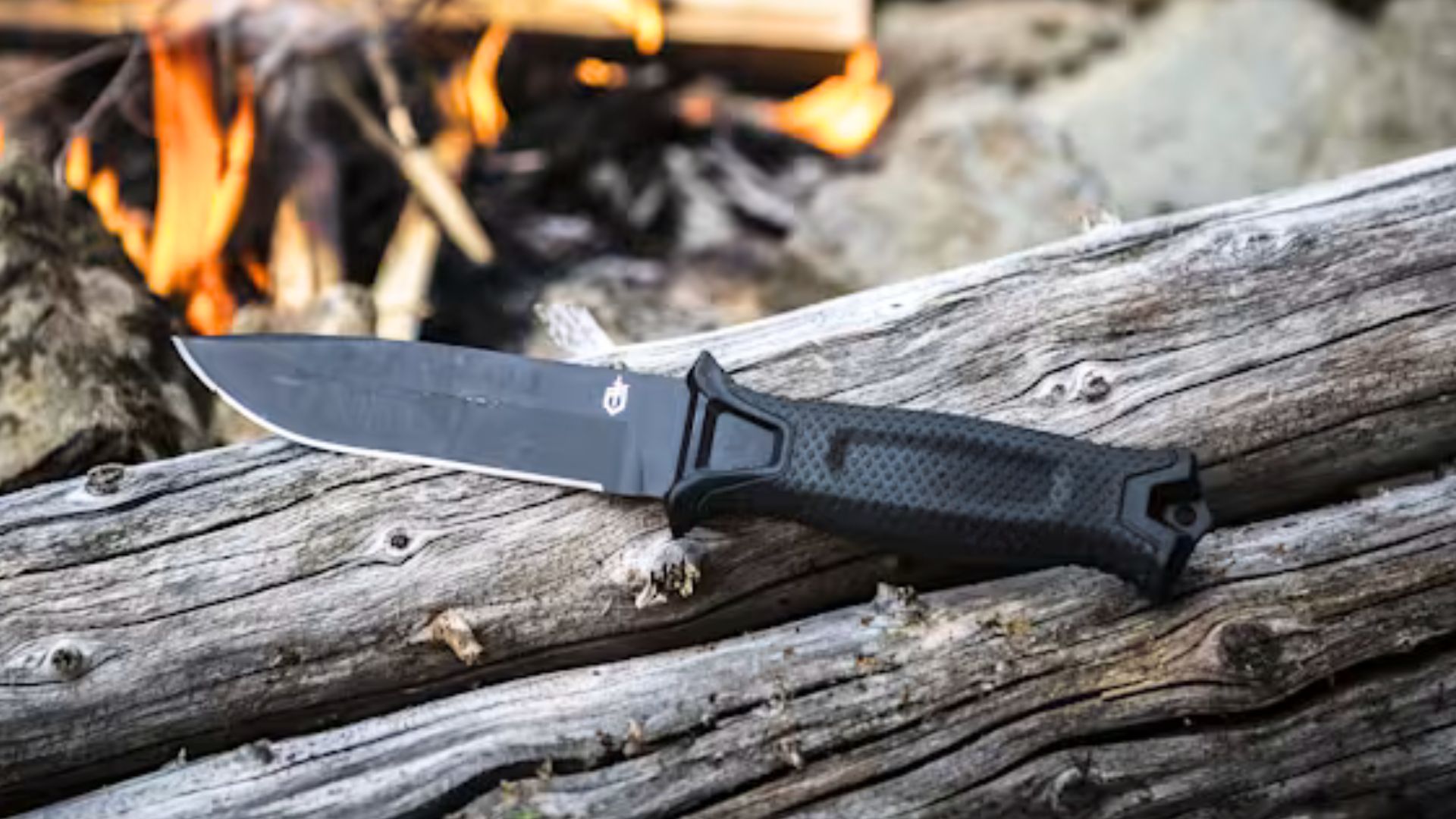
A lot of folks buy it because it carries great and looks ready for anything. The blade geometry is where the camp frustrations start. It’s not a great slicer, and it can feel clunky when you’re trying to do fine carving or clean food prep.
The rubbery handle is comfortable at first, but it can get slippery with sap, fish slime, or sweat. And if you baton much, you’ll notice the grind and thickness fighting you. It’s a solid “truck knife,” just not the best camp worker.
SOG Seal Pup Elite (partially serrated)

This one checks the “tactical” boxes fast—coating, guard, serrations, and that whole vibe. In camp, the serrations take away edge you actually want for clean slicing, and the blade shape isn’t friendly for carving or controlled push cuts.
The sawback/serration combo also brings more snag points than benefits. When you need a saw, a real folding saw wins. When you need a knife edge, you’ll wish the whole thing was plain and easier to touch up.
CRKT M16
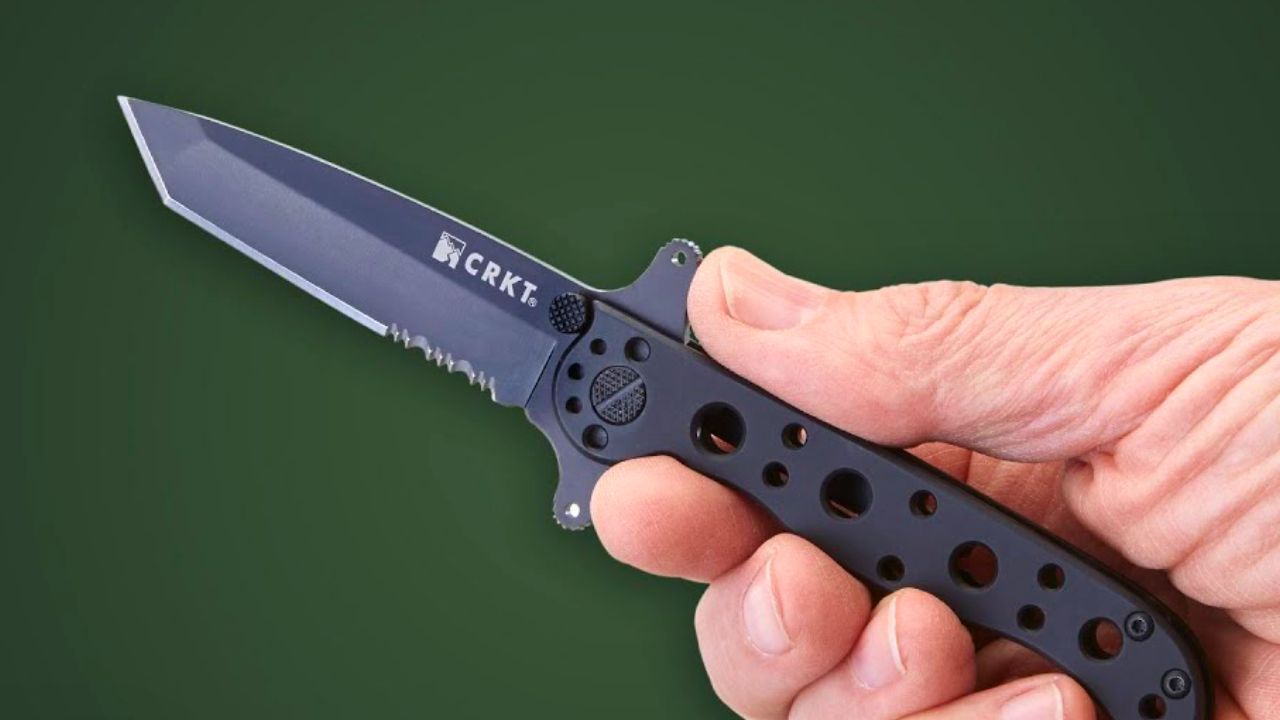
It’s an iconic tactical folder, and it feels cool in the hand—until you start doing camp tasks that involve grit, sap, or repeated cutting. The thick-ish blade and aggressive styling can make it feel more “pointy” than “slicey.”
Folders also collect dirt fast in the pivot, and once the action starts feeling crunchy, you’re babying it instead of using it. Great as a pocket knife for light chores. Not what you want for steady camp work.
Cold Steel SRK
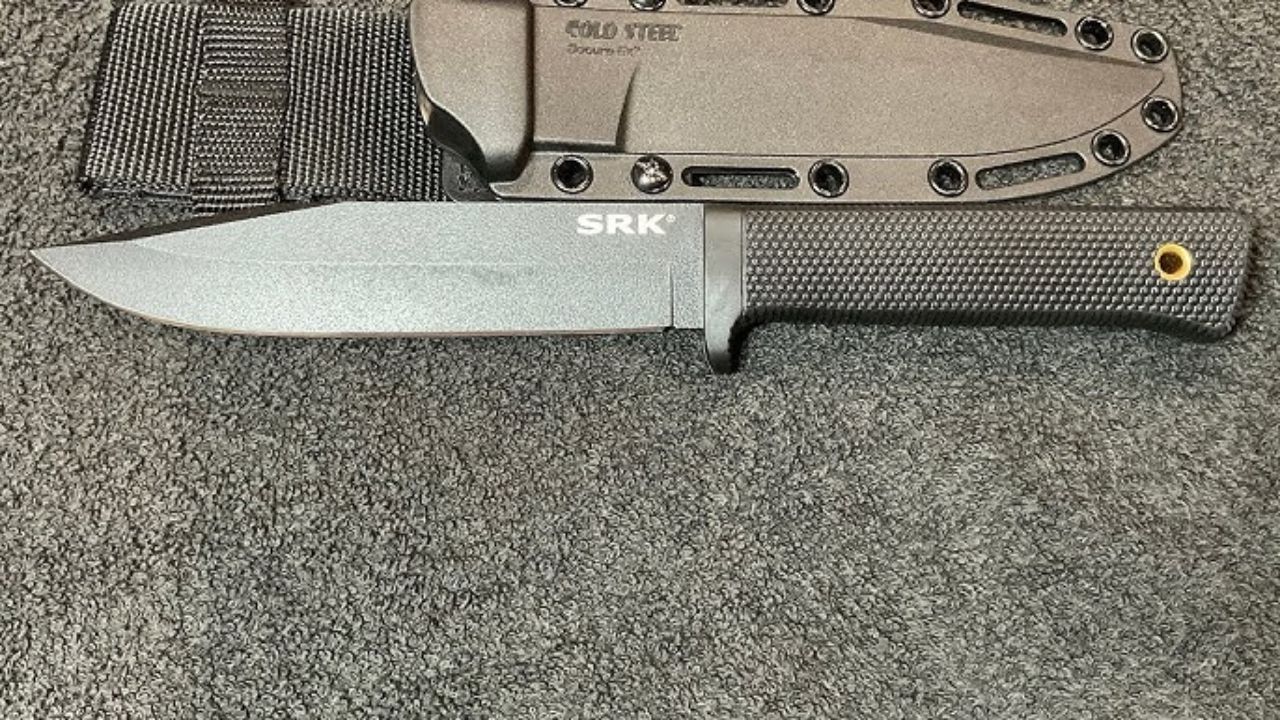
People love the SRK because it’s tough and affordable, and it is. The problem is that many SRKs are ground to survive abuse, not glide through camp materials. It can split well, but it often doesn’t carve or slice as cleanly as you’d expect.
If you’re doing feather sticks, trap triggers, or food prep, you’ll notice the wedge effect. It’s a capable “hard-use” knife, but it can feel like overkill that still underperforms on the quiet, everyday cuts.
TOPS Steel Eagle / similar TOPS “overbuilt” blades
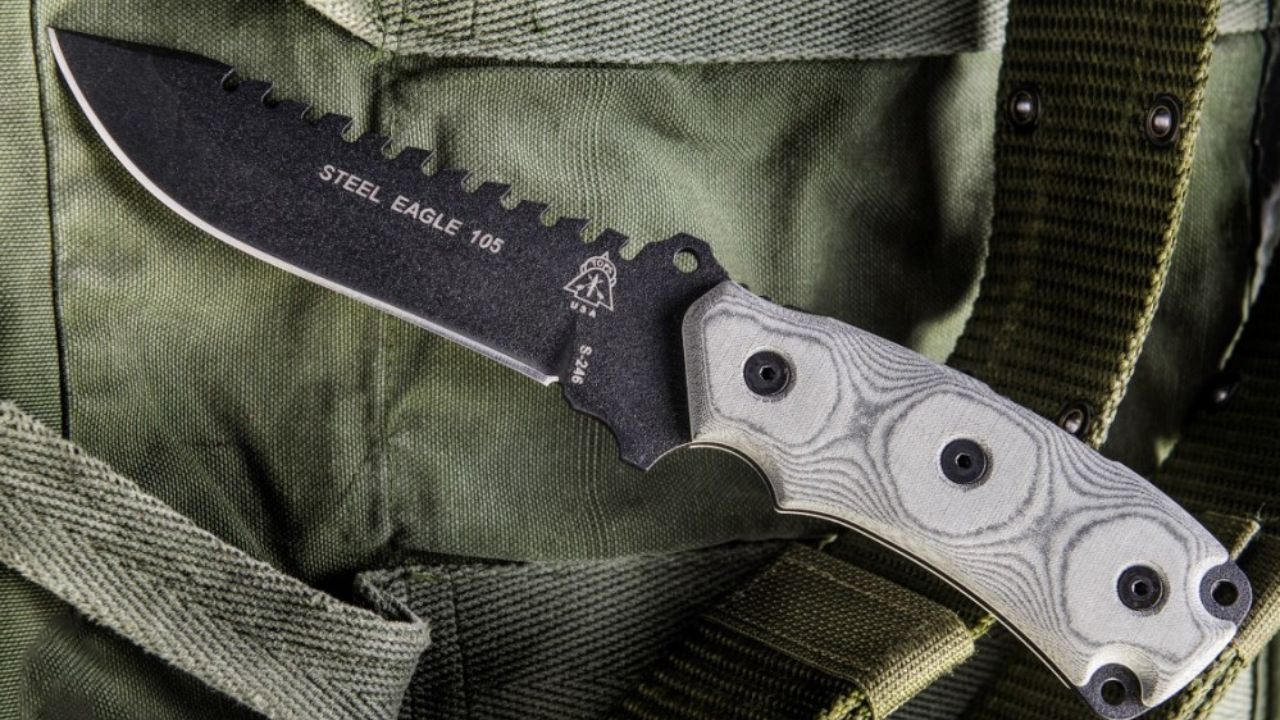
TOPS makes knives that look like they should be strapped to a ruck on a deployment. In camp, that same thick stock and aggressive grind can make basic slicing feel like work. Great for prying and brute force, not great for finesse.
You’ll also notice the coatings and thick edges adding drag. If you’re the type who actually carves, cooks, and whittles around camp, these can feel like you brought a demolition tool to do kitchen chores.
Benchmade Nimravus (tactical versions)
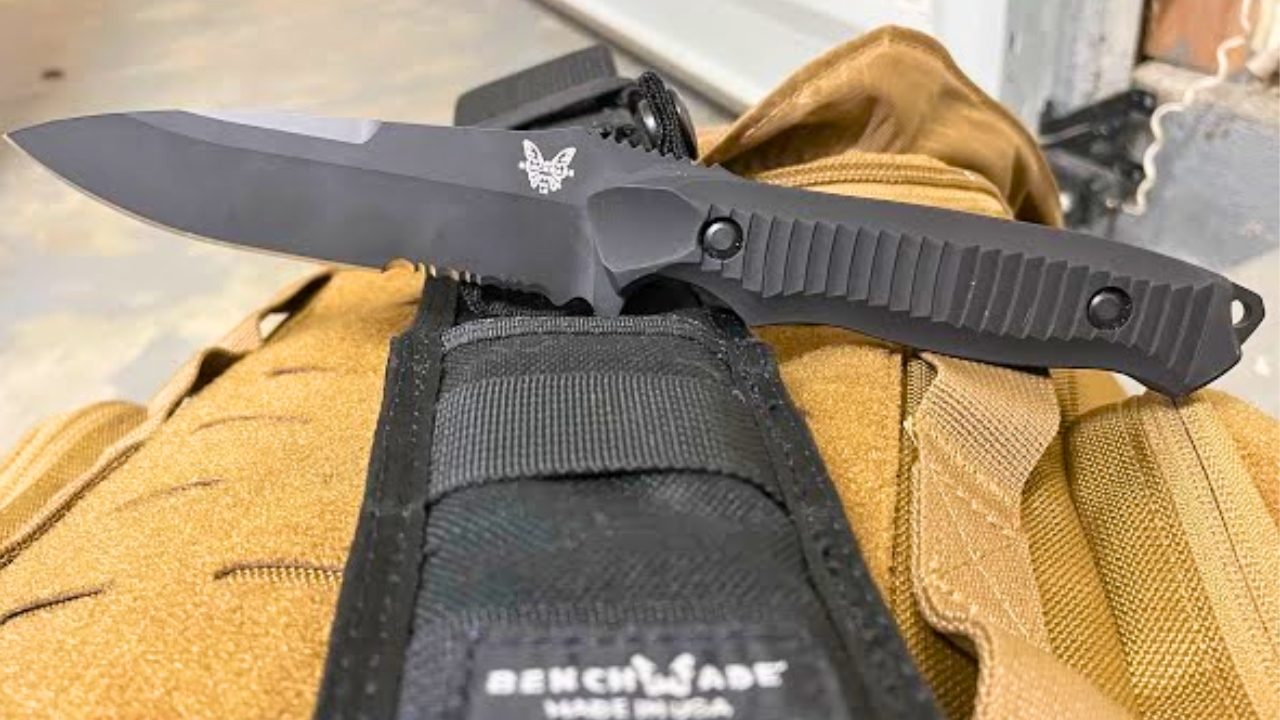
Benchmade quality is real, but the Nimravus in its more tactical setups often leans toward “field/defense” geometry. The blade shape and thickness can be less satisfying for carving compared to a true bushcraft-style drop point.
It’ll hold up, but you may find yourself reaching for a thinner blade when you’re doing food prep, fuzz sticks, or any job where bite and control matter more than toughness.
Extrema Ratio Fulcrum
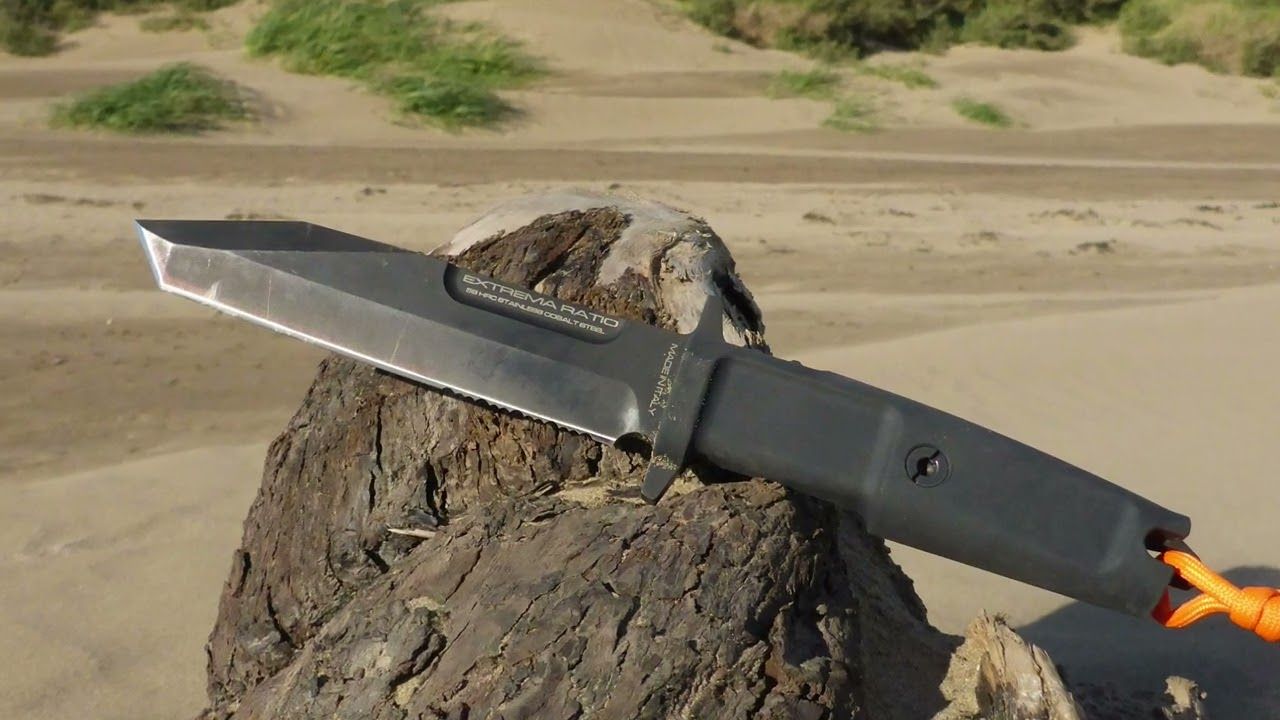
These are built like tanks and priced like it, and they absolutely look the part. But the camp reality is they’re heavy, thick, and often ground in a way that prioritizes durability over cutting performance.
When you’re trying to slice, carve, or do careful work, they can feel like they’re always fighting the material. You carry more weight, you get less slicing efficiency, and you still end up wanting a smaller, sharper, more nimble knife for real camp tasks.
Spartan Blades Harsey

This is another high-end “serious” knife that’s incredibly well made—just not always camp-friendly in the way you want. Depending on the grind and thickness, it can be more of a hard-use field blade than a clean cutter.
If you’re mostly splitting and doing rough chores, it’s fine. If you’re doing carving and cooking, the geometry can feel like it’s leaving performance on the table compared to simpler, thinner outdoor blades.
ESEE 5
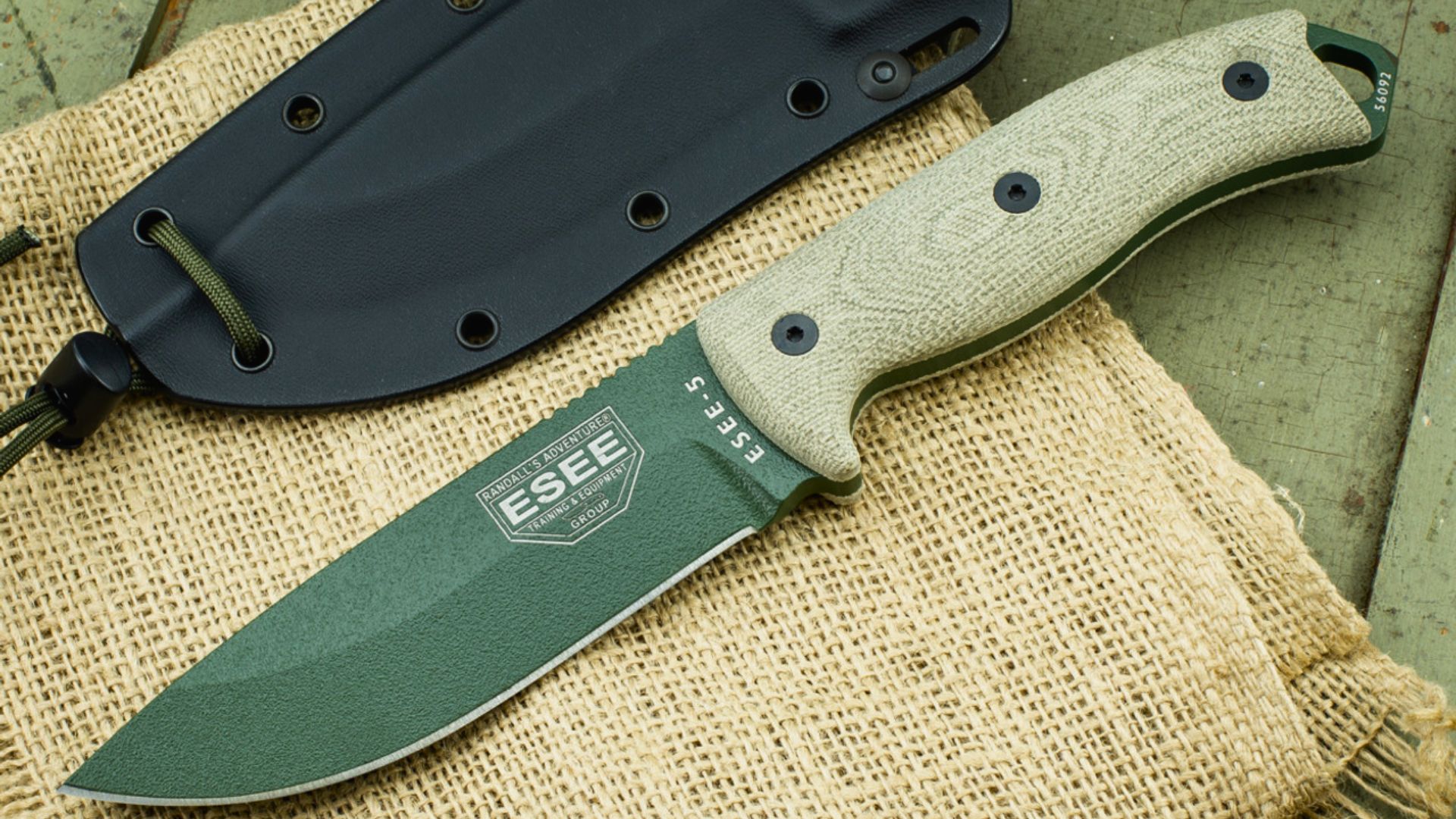
This one is famous for being nearly indestructible, and that’s the problem for camp work: it’s built like a sharpened pry bar. It batons, it survives dumb stuff, and it will absolutely outlast you.
But it’s thick, heavy, and not a satisfying cutter for food prep or fine wood work. You can muscle through, but you’ll burn more energy than you need to. If you want an ESEE for camp, the 3 or 4 usually makes more sense than the 5.
Ontario SP-10 / SP series
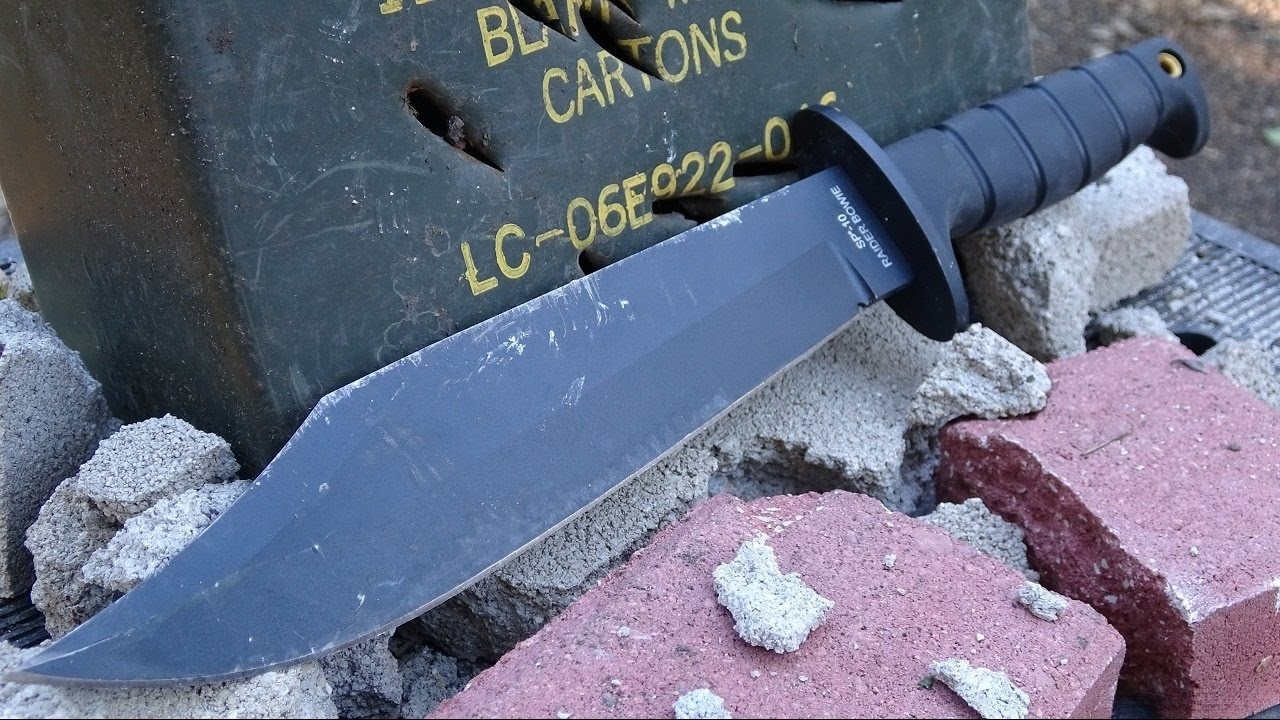
Big, tough, and very “tactical.” It’s also another wedge-heavy blade that loves to split but doesn’t love to slice. In camp, you want controlled cuts and efficient slicing more than brute strength.
The handle shapes on some of these also aren’t great for long carving sessions. They work, but you’ll feel the compromises when you’re trying to do detailed tasks.
SOG Pentagon / dagger-style knives

They look deadly. They also don’t belong doing camp chores. Double edges remove the safe spine and make baton work and controlled carving awkward and riskier than it needs to be.
If you’re carrying one because it looks cool, fine. If you’re carrying one as your “camp knife,” you’re going to wish you had literally anything with a single edge and a comfortable spine.
Gerber LMF II
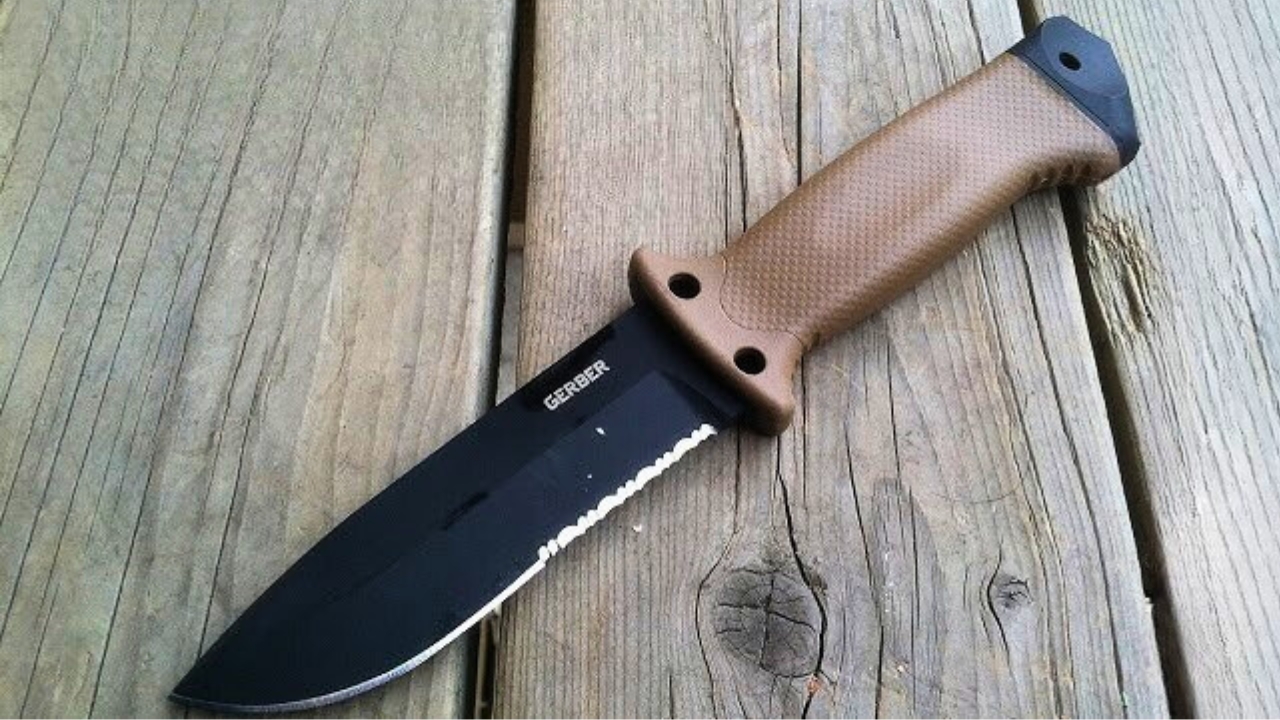
It’s marketed hard as a survival tool, and a lot of people buy it on that promise. In practice, it’s another thick, coated, partially-serrated setup that trades real cutting performance for vibe and durability.
It’s not a great slicer, and the design details don’t make camp work easier. It’s more of a “keep it in the vehicle” knife than a blade you’ll love using around a fire.
Smith & Wesson Extreme Ops / cheap tactical folders
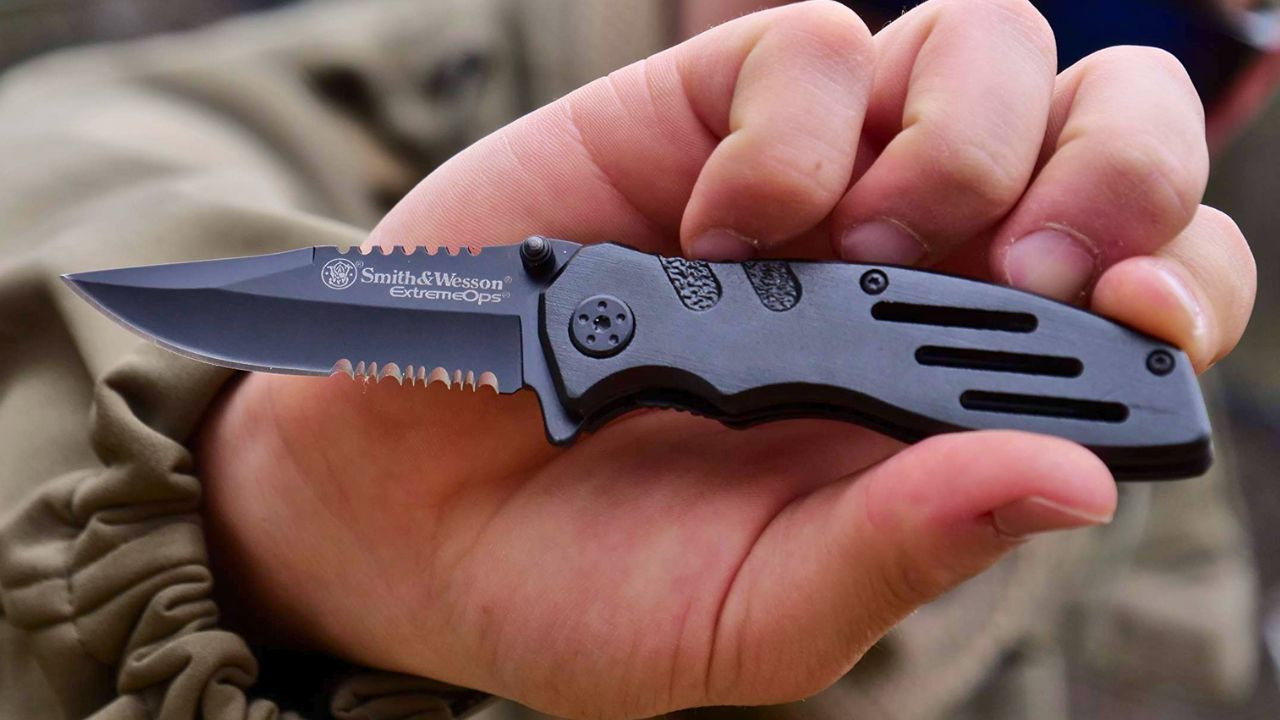
These are common because they’re cheap and look aggressive. In camp, they dull quickly, flex, and get gritty in the pivot. The serrations are usually more trouble than help, and sharpening feels like a losing battle.
They’re fine for opening packages. They’re frustrating for carving, food, and anything that asks a folder to behave like a real outdoor tool.
MTech “tactical” fixed blades
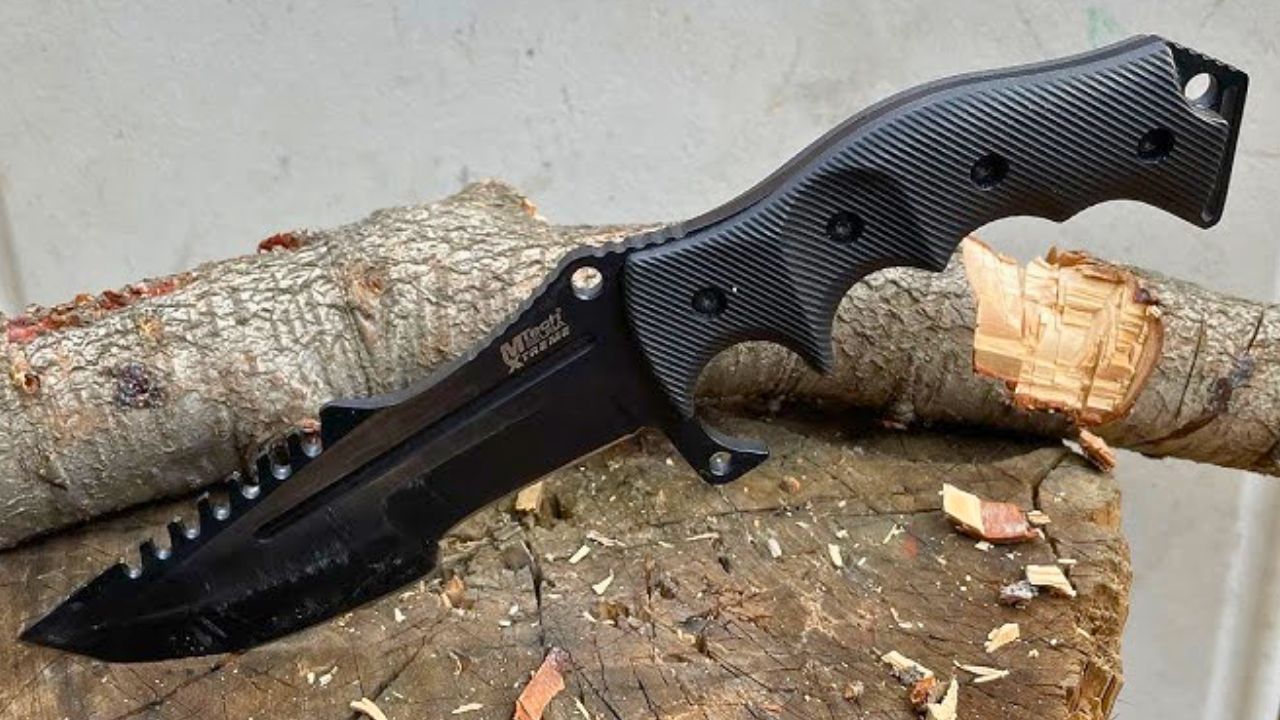
You see these in bargain bins everywhere. They look wild, with teeth, spikes, and coatings. The steel and heat treat are often inconsistent, which means edge retention is unpredictable and chipping can happen when you hit hard knots or dirty wood.
In camp, that turns into constant touch-ups and a knife you don’t trust. For the same money, a basic Mora or budget outdoor fixed blade will run circles around most of these.
Like The Avid Outdoorsman’s content? Subscribe to our newsletter so you never miss an article.
Here’s more from us:


